REVIEW · NEIVA
Community and Biodiversity Tour of the Tatacoa Neiva Desert
Book on GetYourGuide →Operated by PAYE ENTREPRENEURSHIP SAS · Bookable on GetYourGuide
Tatacoa feels otherworldly from Neiva. I love the Magdalena River boat cruise plus the way the day mixes wildlife with real walking time instead of endless sitting.
You’ll also get a dose of community tourism in the Xilópalos Valley, then finish with an expert-led sunset session at Astrosur. One caution: it’s a long 14-hour day with multiple hikes and sun exposure, so bring solid shoes and plan for a full schedule.
In This Review
- Key highlights to know before you go
- Tatacoa biodiversity: why this day plan works so well
- Getting there from Neiva without making your day miserable
- Villavieja first: Megaterio, the river, and that early dose of life
- Backpackers Neiva nature reserve: cacti, lakes, and habitat clues
- Red Desert and fossils: the iron-soaked walk that people remember
- Xilópalos Valley: rock formations, fossils, canyons, and community time
- Natural pools and Piscina Mineral: swim time, but plan for the entry fee
- Las Ventanas Mirador to Astrosur: views by daylight, then the sky at night
- Price and value: what $56 covers, and what you should budget on top
- What to bring (and how to avoid a hot-day headache)
- Who this tour suits best
- Should you book the Community and Biodiversity Tour of the Tatacoa Neiva Desert?
- FAQ
- How long is the tour?
- Where is pickup and return included?
- How big is the group?
- What language support do I get?
- Are the natural pools and observatory tickets included?
- What parts of the desert are included in the ticket?
- Do I need to bring cash?
- What should I bring for the day?
- Is the tour suitable for mobility issues or motion sickness?
Key highlights to know before you go
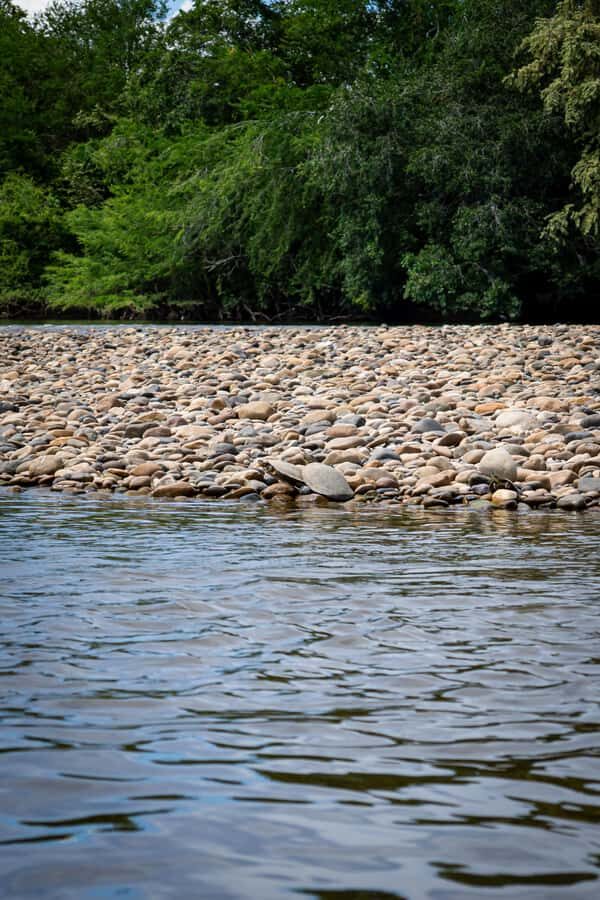
- Magdalena River wildlife viewing on a short boat ride, with chances to spot turtles and birds
- Two desert hike sections focused on fossils, iron-red soil, and desert plants
- Backpackers Neiva nature reserve time, with cacti and reptile/bird habitat near water
- Xilópalos Valley community stops that tie nature viewing to local culture and traditions
- Astrosur sunset astronomy guided by observatory experts for a sky-based finale
Tatacoa biodiversity: why this day plan works so well
This tour is built around a simple idea: the Tatacoa isn’t just a pretty desert. It’s a living system with animals, plants, and geology that all connect. The route from Neiva to Villavieja and through the desert reserves is long enough to feel like a full excursion, but it’s paced with breaks and short “reset” moments so the day doesn’t turn into one long slog in the heat.
I like that you’re not stuck on one type of activity. You get a wildlife-focused river stop, then cactus and reptile habitat near water, then the red desert and fossil-rich walks, and finally astronomy at Astrosur. That mix helps you understand the place instead of just taking pictures.
You’ll also notice that the tour leans on guides and interpretation. A bilingual guide is included, and there’s an audio guide in Spanish too. That matters in Colombia’s more remote areas—clear explanations turn “cool scenery” into “I get what I’m seeing.”
You can also read our reviews of more tours and experiences in Neiva.

Getting there from Neiva without making your day miserable
Pickup is included from your hotel, hostel, or Airbnb in Neiva, and you travel in comfortable private vehicles. That’s a big deal. If you’re coming from Neiva, the road time can be tiring; using private transport with a small-group format keeps you from waiting around or crowding into a bigger bus.
The group size is limited to 15 people, which usually means you can move through stops without feeling rushed. It also helps with the timing when the route includes short walks and viewpoints.
The day is still long—14 hours—so your best strategy is to treat it like a marathon with breaks, not a quick excursion. You’ll be walking in sun, and you’ll be spending time on your feet in the desert.
Villavieja first: Megaterio, the river, and that early dose of life
The tour begins with a short stop in Villavieja, with a break and guided walk time. There’s a quick look at the Megaterio in the central plaza. It’s the kind of town landmark that gives you context fast: you’re not just driving into a remote nature area—you’re arriving through a real local town.
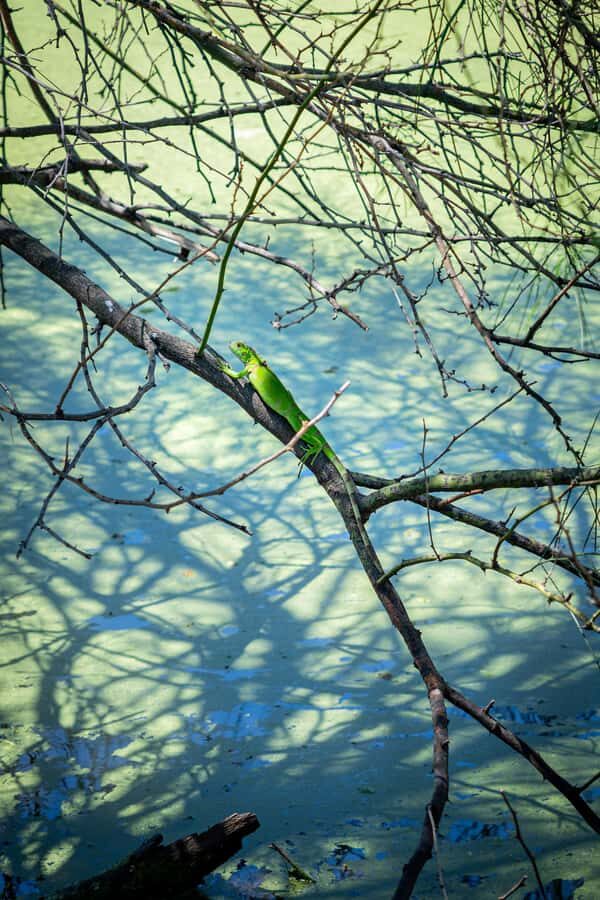
From there, you head to the river area for a boat cruise at Puerto Fluvial Malecon Malecón Ferri motos. This part is brief, but it’s one of the most fun contrasts of the day. While you’re in the Tatacoa region, you’re not stuck in dry heat the whole time. Along the Magdalena River stretch, the tour keeps attention on biodiversity: you look for turtles, exotic birds, and the lush flora that grows around the river.
Practical note: even though the cruise is only about 20 minutes, you’ll still want sunscreen and water. The sun has a way of catching up with you when you’re looking sideways for wildlife.
Backpackers Neiva nature reserve: cacti, lakes, and habitat clues
A major mid-morning shift happens when you enter the Backpackers Neiva nature reserve. This is where the tour starts explaining the “why” behind what you’re seeing.
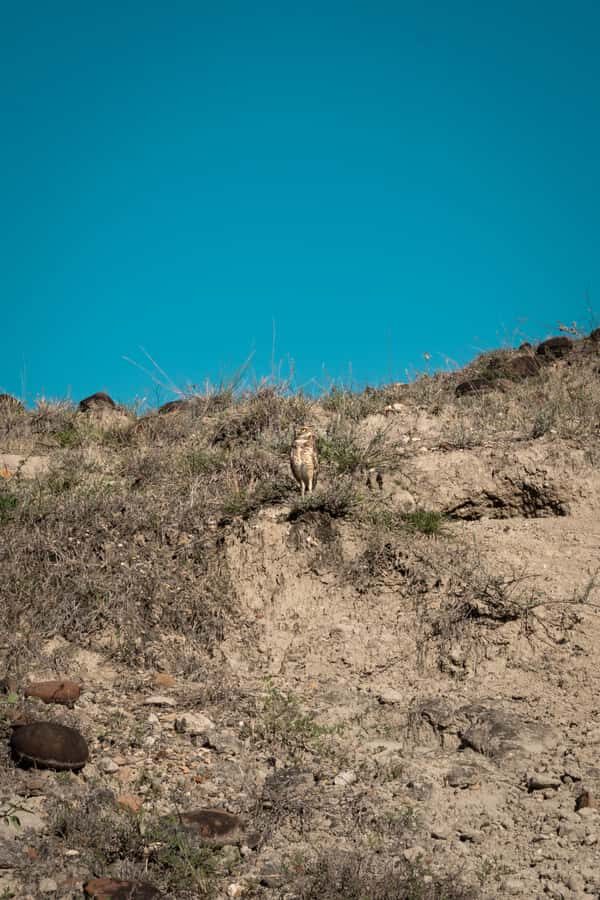
You’ll spend time walking around areas with lakes where reptiles and birds live. That’s the key point: in a desert region, water and microhabitats create concentrated life. You get a better sense of how animals survive here—not just that they exist, but that they’re tied to specific conditions.
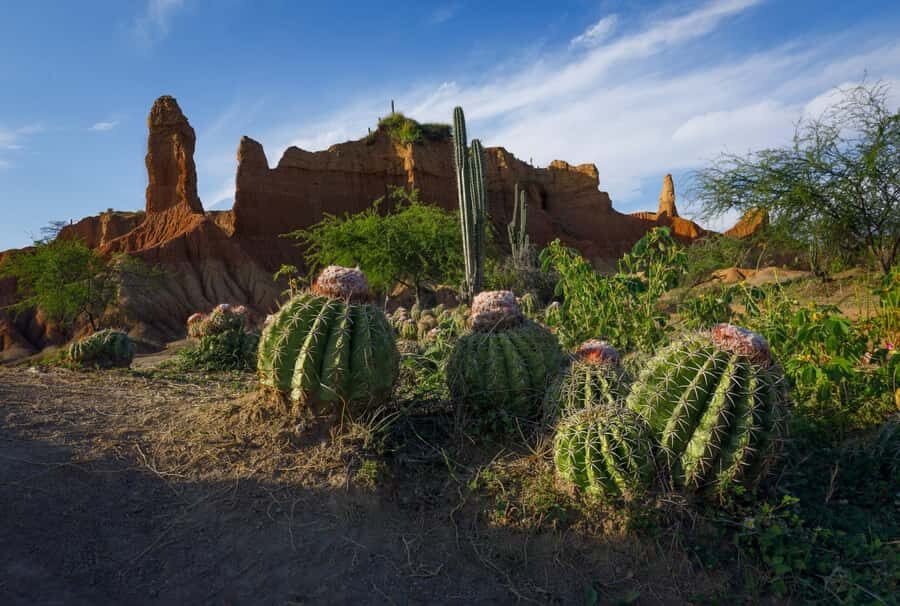
The tour also focuses on cacti, including different types and how they reproduce. That might sound like a classroom topic, but it fits the setting. When you’re surrounded by plants that look tough and strange, learning how they reproduce makes the desert feel less like a static scene and more like an ecosystem doing its thing.
If you love nature spotting, this reserve time is a good “warm-up” before the bigger desert hikes.
Red Desert and fossils: the iron-soaked walk that people remember
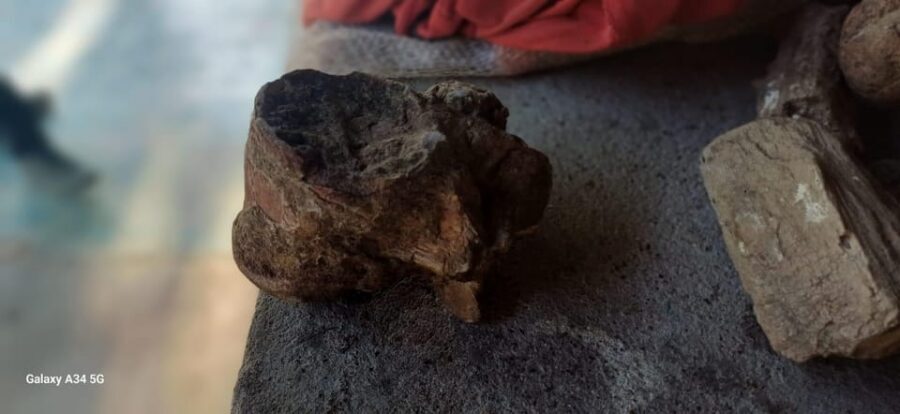
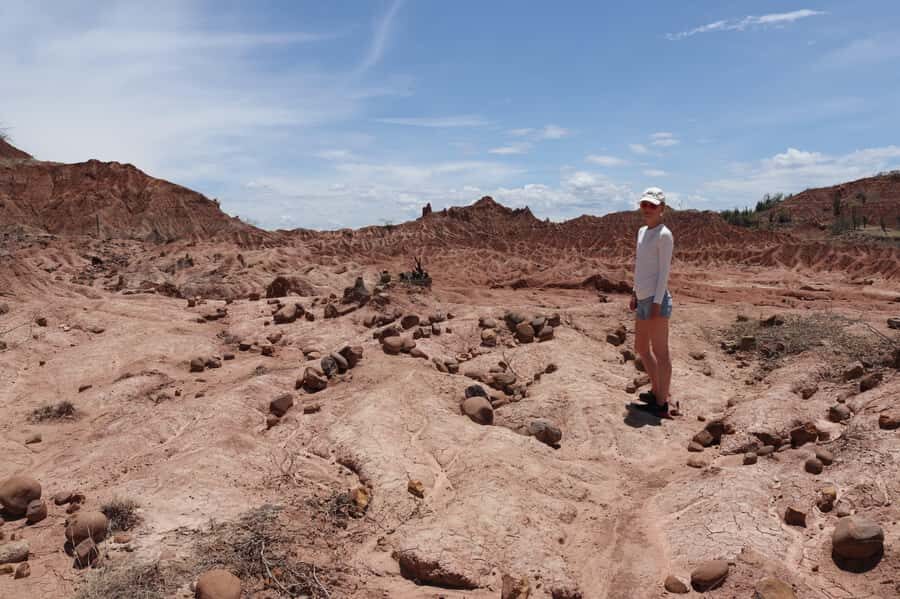
Then you hit the Red Desert (Desierto Rojo), and this is the section that many people remember as the core of the day. The red color comes from iron-rich soil, and the ground also holds paleontological treasures—fossils waiting to be found.
The tour includes a guided walk and time to explore on your own. You’ll get a mix of interpretation (what fossils mean here, why the geology matters) and your own pace while you look around. The route includes hiking time of about 105 minutes in this area, plus free time, so it’s not a quick “step outside for photos” moment.
What to expect on the ground:
- You’ll likely feel the sun more sharply here than at the river.
- Your view is wide, which is great for scanning for motion (animals) and plant life.
- The fossil talk helps you understand why certain rock layers and shapes matter.
If you’re the type who likes to know what you’re looking at, this segment is worth your attention. It turns the desert from scenery into a geology lesson you can walk through.
Xilópalos Valley: rock formations, fossils, canyons, and community time
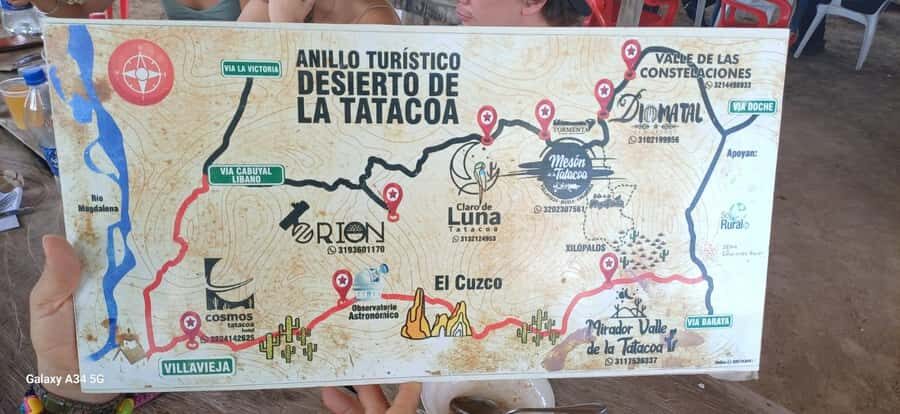
Next comes the Valle de los Xilópalos, a dramatic area of rock formations, fossils, and canyon-like terrain. You’ll have guided time plus walking and hiking (about 110 minutes), with wildlife viewing built into the experience.
What I like about this section is that it’s not only about the scenery. You also interact with the local community here—learning about culture and traditions while supporting local development. In a place like this, that connection is practical, not just sentimental. It helps justify the work of conservation and local tourism operations that depend on visitors valuing both the nature and the people.
One thing to keep in mind: canyon and canyon-edge terrain can mean uneven footing. The tour isn’t advertised for mobility impairments, and that’s a real clue. If you have knee issues or you get uncomfortable on uneven ground, you’ll want to take that seriously.
Lunch is included later, and you’ll also have about an hour of free time. That break matters. It gives you a chance to cool down, refuel, and reset your legs before the pool stop and more desert walking.
Natural pools and Piscina Mineral: swim time, but plan for the entry fee
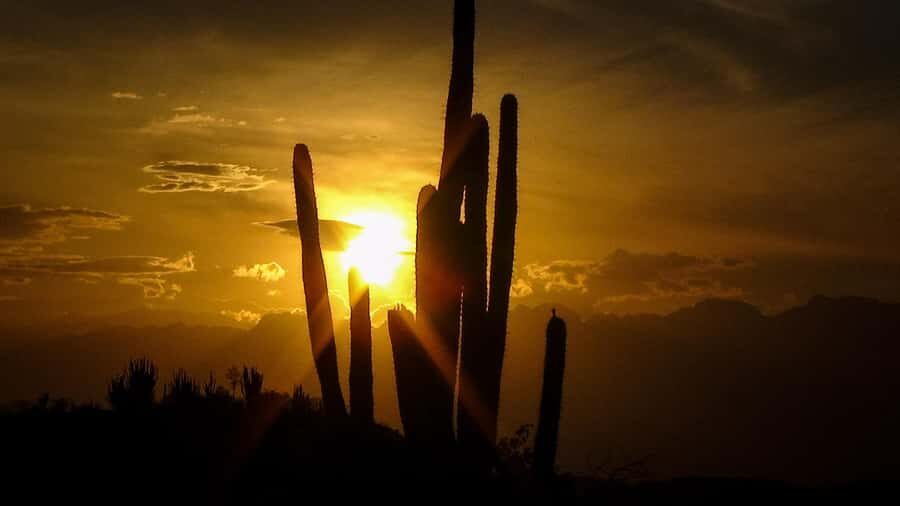
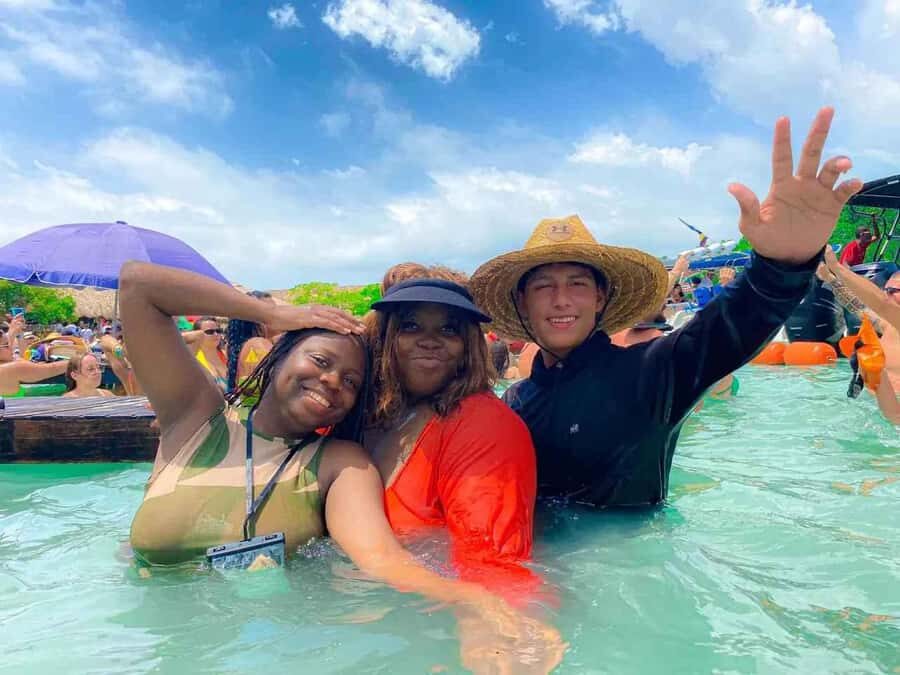
At Piscina Mineral, you get a chance to cool off with free time and swimming. The stop includes a longer block—about 105 minutes with swimming time built in—so you’re not just changing clothes and heading out.
One important cost detail: entrance to the natural pools is not included. The fee is listed as 10,000 pesos, and the tour also emphasizes bringing cash because card transactions aren’t commonly used.
This is also a good moment to slow down. When you’re in the desert all day, your body gets crunchy. A water break can make the rest of the afternoon feel doable, not miserable.
Las Ventanas Mirador to Astrosur: views by daylight, then the sky at night
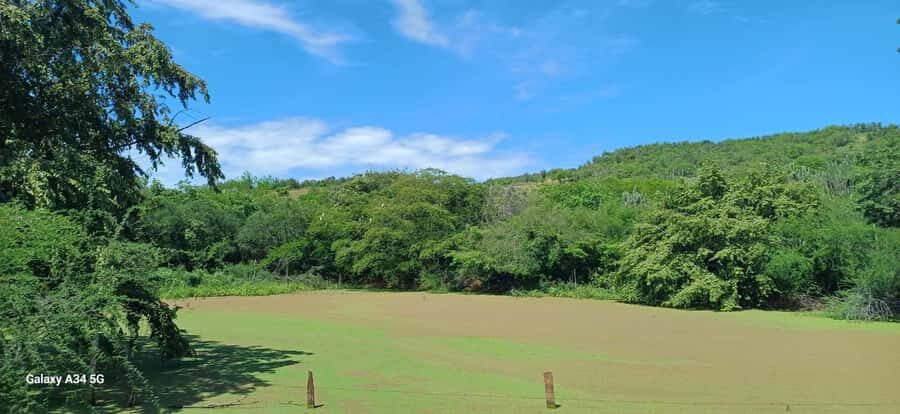
After more desert time at the red area, the tour heads toward Las Ventanas Mirador, with scenic views on the way and a shorter break/visit (about 45 minutes). This is a good “breather” moment in the itinerary. The mirror here is in the name: you’re looking out over what the desert does best—big horizons and strong light.
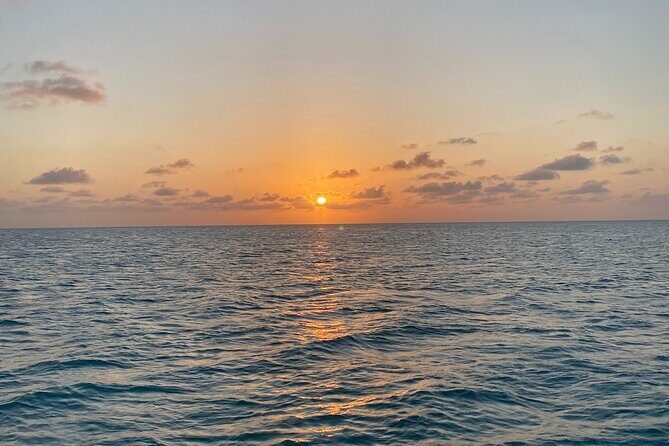
Then comes the finale: Astronomical Observatory Astrosur at sunset. The observatory time is about 2.5 hours and includes a guided tour plus sunset viewing.
This part is valuable because it answers questions the desert might raise. After hours of geology, fossils, and desert survival, you shift your attention upward. The tour includes expert guidance, so you’re not just looking through equipment with no context. The sky becomes part of the story of place.
If you’re sensitive to long days, this is where you’ll appreciate having a structured endpoint. You’re tired by then, but you know the day’s purpose and timing.
Price and value: what $56 covers, and what you should budget on top
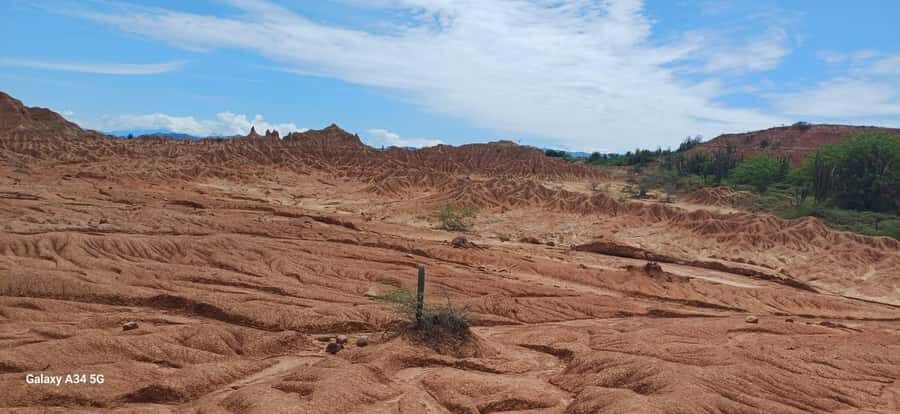
At $56 per person, you’re paying for a lot of the “heavy lifting” that usually costs money: private transportation from Neiva and back, a bilingual guide, lunch, and included access to the red desert and Valle de los Xilópalos.
What’s not included matters, though. Two additional fees are specifically listed:
- Natural pools entrance: 10,000 pesos
- Observatory entrance: 10,000 pesos
Add those up in your head when you budget, especially if you’re traveling with a group. Also, bring cash. The tour notes that people don’t use card transactions, so you don’t want to rely on finding an ATM at the wrong moment.
One more value point: you skip the ticket line. In places with limited staffing, that can save time and reduce stress, especially during busy times.
So overall: the price feels fair if you want a full-day package with guide interpretation, several different environments, and a sunset astronomy finale.
What to bring (and how to avoid a hot-day headache)
This tour is extremely sun-dependent. You should plan like you’re going to be outside most of the day.
Bring:
- sunglasses
- sun hat
- sunscreen
- water
- sports shoes
- cash
The tour also notes that alcohol and drugs aren’t allowed. That’s not just a rule—it helps keep the day safe and more enjoyable, especially during hikes and while you’re waiting for sunset.
If you get motion sickness, this one may not be for you. You’ll be riding in vehicles for a long stretch, and the tour specifically lists that as a reason to skip.
Who this tour suits best
This works well for you if you like:
- nature spotting with a guided lens
- geology and fossils explained in plain terms
- a day that mixes river life, desert plants, desert walks, and astronomy
It also suits people who appreciate community tourism—not as a separate add-on, but woven into the Xilópalos Valley portion of the day.
You might want to look for another option if you:
- use a wheelchair or need mobility accommodations
- have medical conditions that make long active days risky
- get motion sickness on roads
- struggle with long days in strong sun
Should you book the Community and Biodiversity Tour of the Tatacoa Neiva Desert?
I’d book it if you want one day that hits four different kinds of “wow”: wildlife on the river, desert plants and habitat clues near water, fossil-focused desert hiking in both the red desert areas and the Xilópalos Valley, and a sunset astronomy ending at Astrosur. It’s also good value because your transport, guiding, lunch, and key entrances are built into the main price.
I’d hesitate if you dislike heat, long walking stretches, or you can’t manage multiple hours outdoors. Also budget for the extra entrance fees (pools and observatory) and bring cash, since cards aren’t the norm.
FAQ
How long is the tour?
The tour lasts about 14 hours.
Where is pickup and return included?
Pickup and return are included in Neiva, with pickup available from your hotel, hostel, or Airbnb.
How big is the group?
The group is small, limited to 15 participants.
What language support do I get?
The guide is bilingual (English and Spanish). An audio guide is included in Spanish.
Are the natural pools and observatory tickets included?
No. Entrance to the Natural Pools and the Astronomical Observatory is not included. Each has a listed fee of 10,000 pesos.
What parts of the desert are included in the ticket?
Entrance to the Red Desert and the Valley of the Xilópalos is included.
Do I need to bring cash?
Yes. The tour notes that people don’t use card transactions, so bring cash.
What should I bring for the day?
Bring sunglasses, sun hat, sunscreen, water, sports shoes, and cash.
Is the tour suitable for mobility issues or motion sickness?
No. It’s not suitable for people with mobility impairments, and it’s not suitable for people with motion sickness.