A day in Minca hits you with two things at once: nature and chocolate. You’ll get a coffee workshop and a cocoa workshop, then swap classrooms for the 25-meter Cascada Escondida waterfall and a jungle hike that stays doable for most people.
What I like most is the way the day feels structured around real processes—harvesting, drying, roasting, and how guadua supports the mountain network of areas. The other big win is how much you cover in one day without turning it into a grind, even with multiple short walks and a swim planned.
One consideration: the walking adds up (and one person in my research wished a couple of segments were handled with more driving), so if you hate being on your feet for long stretches, bring good shoes and pace yourself.
In This Review
- Key points before you go
- Minca’s one-day mix: waterfall, coffee, cocoa, and jungle time
- Getting from Santa Marta to Minca: pickup zones and the travel rhythm
- The first hike: ecological trails and a practical coffee introduction
- Moving to the planting area: river walk to Cascada Escondida
- Lunch at the waterfall zone: refuel in the tropical humid forest
- The cocoa workshop and making your own chocolate bar
- Wildlife viewing and scenic stops: don’t rush your camera time
- The language and guide style: why it matters on tours like this
- What to bring (and what to skip) so the day stays easy
- Who this Minca tour suits best
- Price and logistics: why $78 feels fair here
- Should you book this Minca day with coffee, cocoa, and Cascada Escondida?
- FAQ
- How long is the Minca Hidden Waterfall + Coffee and Cocoa tour?
- What’s the price per person?
- Where does pickup happen for this tour?
- How big is the group, and what languages are spoken?
- What hiking difficulty should I expect?
- Is there swimming at Cascada Escondida?
- What should I bring, and what’s not allowed?
- Can I cancel, and is there flexible payment?
Key points before you go
- Small group (up to 10) keeps the hike and workshops more personal.
- Coffee + cocoa, both hands-on: learn the full chain and make your own chocolate bar.
- Cascada Escondida (25 meters) includes time for a cooling swim in the Sierra Nevada.
- Moderate, short hikes make it realistic as a single-day trip.
- Guadua talk explains the role of bamboo-like wood connecting mountain sectors.
- English/Spanish guides and a direct, practical style help you follow every step.
Minca’s one-day mix: waterfall, coffee, cocoa, and jungle time
This is the kind of day trip that works because it doesn’t force you to choose between views and food. In Minca, you’ll start with coffee—how it’s grown, processed, dried, and roasted—then you’ll shift to cocoa and learn the same idea from a different plant. After that learning, you head out into the humid forest for trails, wildlife viewing time, and the main event: a waterfall big enough to cool you down properly.
What makes this feel like good value at $78 per person is that so much is included. You’re not just buying a ticket to see a waterfall; you’re getting land transport between Santa Marta zones and Minca, workshops, lunch, and even a drink, plus a guide and medical assistance insurance. If you’ve ever tried to piece together coffee tours and cacao experiences yourself, you’ll know how quickly the price climbs.
Also, the format is intentionally “one day, manageable effort.” The day is built around several shorter segments—a long-ish walk early on, a shorter planting-area walk to the falls, another jungle stretch afterward, and scenic/photo viewing points—rather than a single exhausting trek.
A few more Santa Marta tours and experiences worth a look
Getting from Santa Marta to Minca: pickup zones and the travel rhythm
The day starts with convenient pickup options: El Rodadero, the historic center of Santa Marta, or Simón Bolívar International Airport. That matters because Minca trips can turn annoying if you have to arrange your own ride at the last minute.
You’ll have about one hour by jeep/SUV to reach the Minca area, then your day continues with a 50-minute walk along ecological trails. This early trail segment is your warm-up and your introduction to the environment, so you’re not suddenly dropped into “full hiking mode.”
After that, you’ll switch between walking and driving a few times. That mix is part of the “less physical demand” promise. It also helps the schedule stay smooth: you get moving time for the jungle, but you don’t spend the entire day climbing on foot.
The first hike: ecological trails and a practical coffee introduction
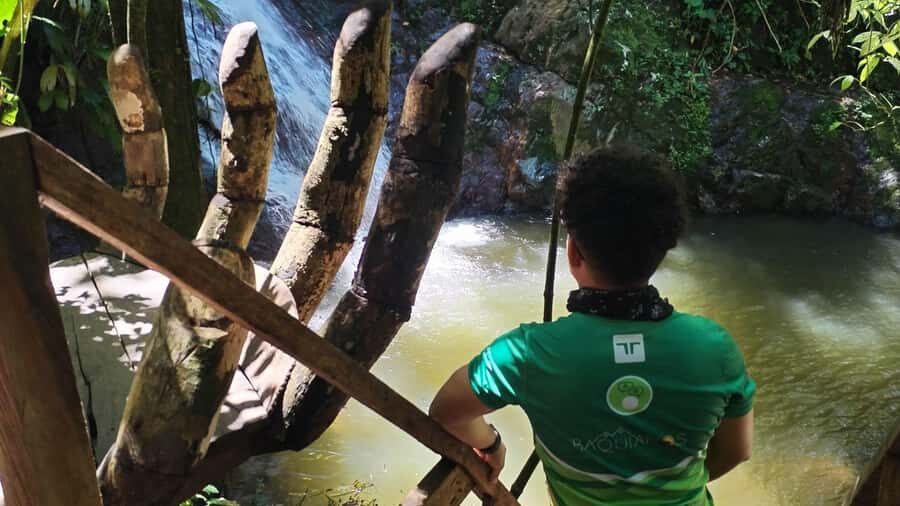
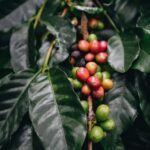
About 50 minutes walking sets the tone. You’re moving through ecological trails, and the guide gives you the kind of explanation that makes the later workshop click. Instead of treating coffee as a flavor you buy, you learn it as a chain: where it comes from, how processing works, and what happens after harvesting.
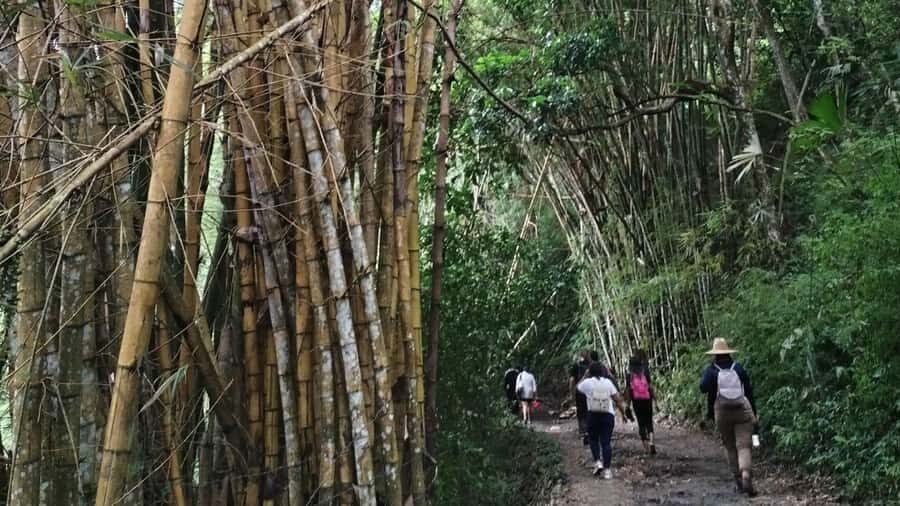
One of the most interesting parts is that you’ll hear about guadua—the importance of this mountain bamboo in connecting sectors across the mountains. If you’ve traveled around the Sierra Nevada area, you’ll recognize that “infrastructure” here is often built with the materials and logic of the land. Understanding guadua gives you context for why trails and community routes look the way they do.
Practical tip: start the trail with sunscreen and insect repellent already on. You’ll be in humid forest conditions, and the day has multiple outdoors segments.
Moving to the planting area: river walk to Cascada Escondida
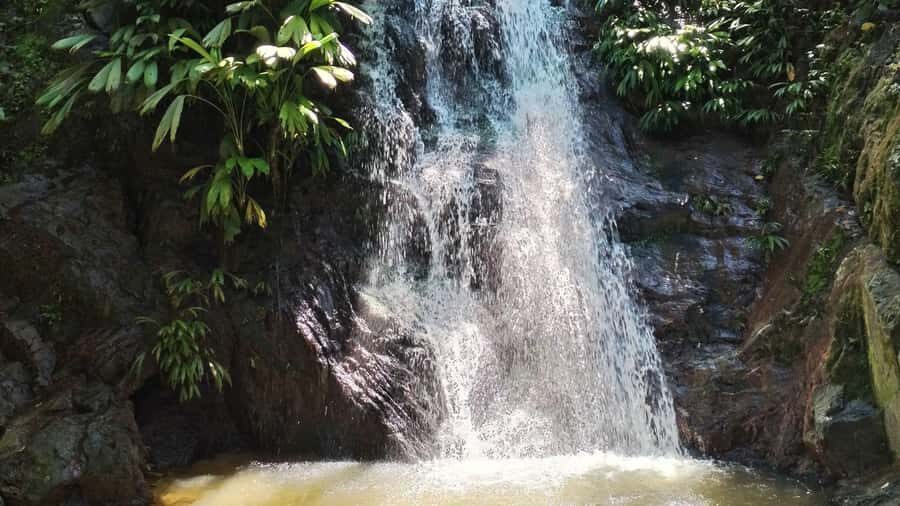
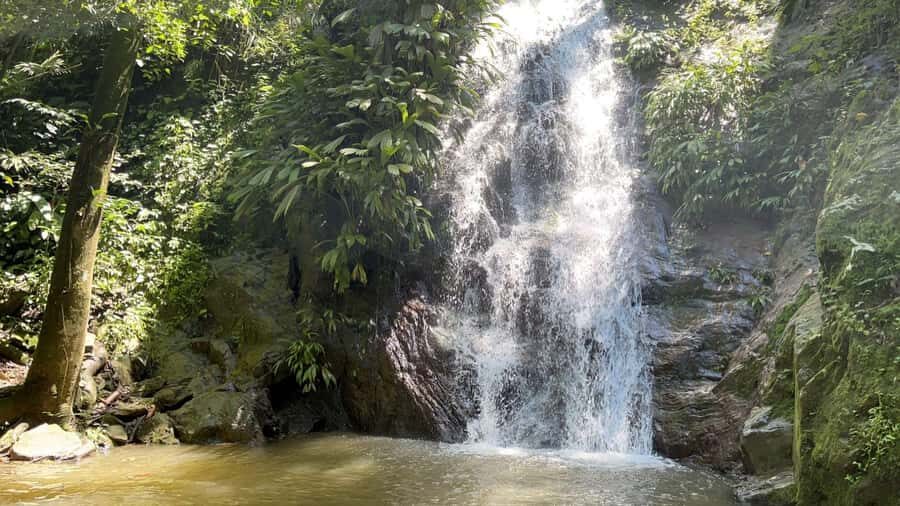
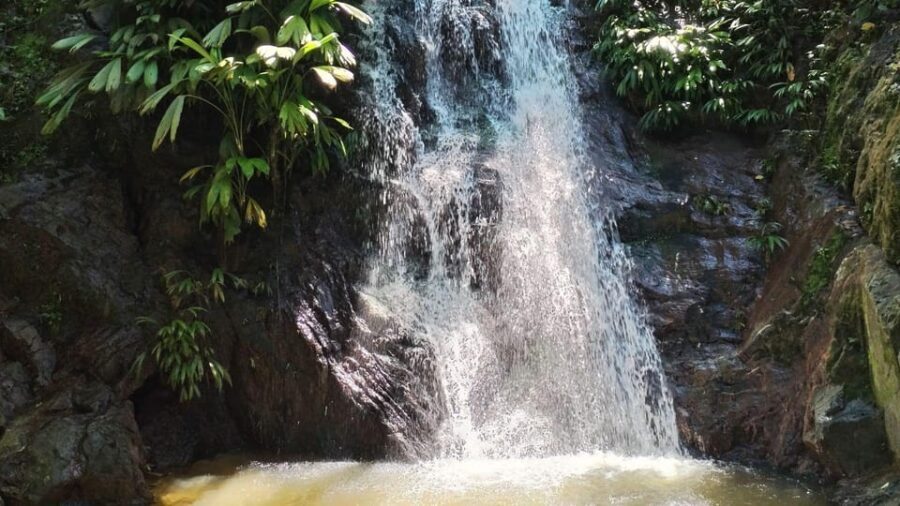
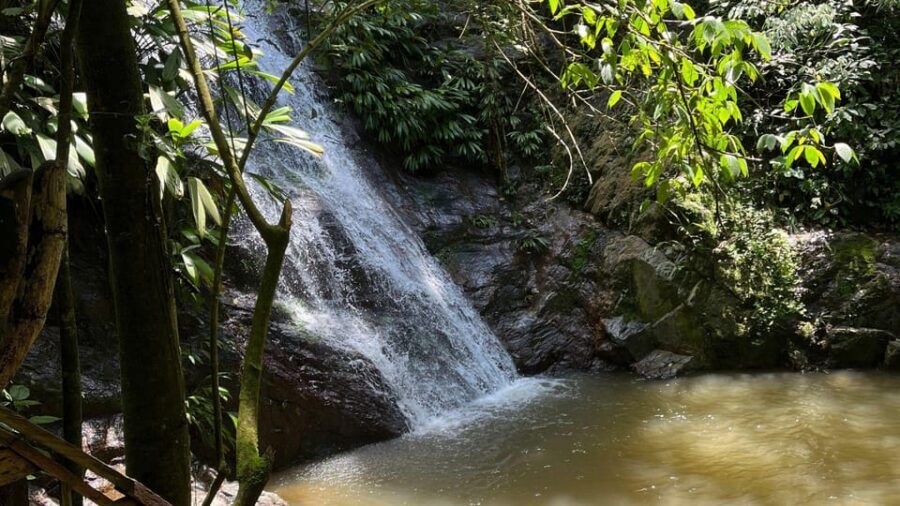
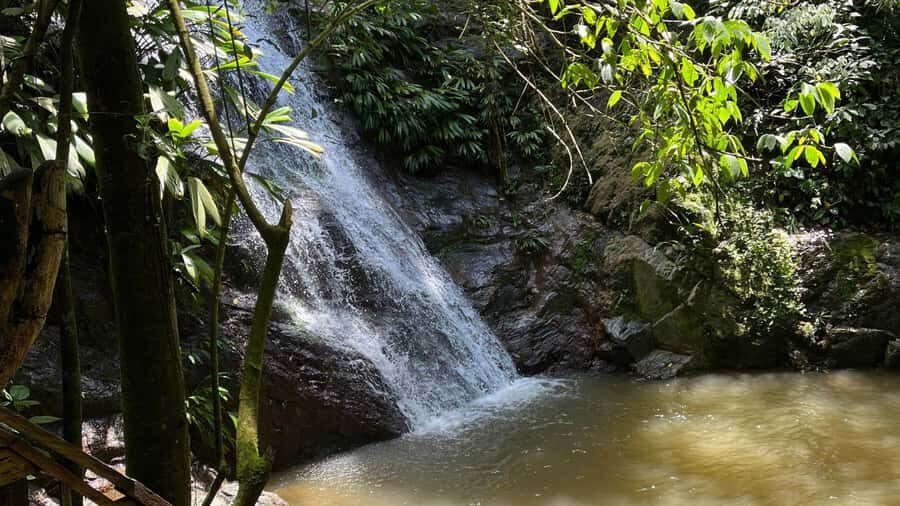
Once the coffee context is set, the day shifts closer to where the water and the forest take over. You travel by car to the planting area, then begin a 20-minute walk, passing along a river until you reach Cascada Escondida, a 25-meter waterfall.
This section is short enough to feel like progress instead of punishment. You’re not expected to hike for hours before you get your payoff. You’ll have time to look around, listen, and enjoy the humid air cooling as you approach the falls.
Then comes the reason many people choose this trip: the waterfall. You’ll enjoy a refreshing bath in the water, with a clear chance to cool off after walking. If you bring swimwear and a change of clothes, you’ll be glad—because the experience is planned with swimming in mind.
Safety note: the guide will be clear about where you can go. Follow those instructions and avoid climbing onto rocks or unauthorized areas.
Lunch at the waterfall zone: refuel in the tropical humid forest
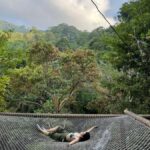
After time at the waterfall, you’ll do another walk (about 50 minutes) through tropical humid forest to reach lunch. This is one of those stretches where your mind changes: you stop thinking about the next step and start noticing details like bird calls, shade patterns, and the way the forest holds sound.
At lunch you’re not just eating—you’re also getting cocoa education. The day builds a smooth transition from coffee to cocoa: you’re already in a natural setting, then you shift into another workshop-style explanation.
One small caution from what I saw in real-world experiences: lunch quality can be “good but basic,” and at least one person wished there was more menu choice. So go in with a flexible mindset. You’re here for the overall experience, the swimming, and the cacao lesson—not for a gourmet restaurant meal.
The cocoa workshop and making your own chocolate bar
This is the part of the day that turns learning into something you can take home mentally—even if you don’t physically pack your chocolate like a souvenir.
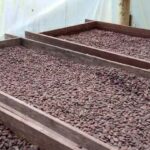
You’ll learn the complete cocoa chain: production, collection, drying, and roasting. Then you’ll learn how to make your own chocolate bar. That matters because cocoa can feel mysterious if all you’ve ever done is buy chocolate bars at the store. Here, you’ll connect the plant to texture and flavor, and you’ll understand why processing steps matter.
Then there’s also time connected to Museo del Cacao de Minca with an aperitif and food tasting. Even if you’re not a chocolate super-fan, this is a good way to round out the day and compare what you learned with what you taste.
If you care about food experiences that feel connected to place, not just products, this workshop combo is one of the strongest reasons to book.
Wildlife viewing and scenic stops: don’t rush your camera time
Along the route you’ll have wildlife viewing and a panoramic viewpoint visit. Later, you’ll also have a photo stop with scenic views on the way back.
This is where small moments add up. When the group stays small, your guide can often adjust pacing just enough to help you spot motion in trees—especially with birds. In the area, toucans are possible, and wildlife viewing is explicitly part of the plan, so it’s not random.
Practical advice: keep your camera accessible during these scenic pauses, but also take a few seconds to look without filming. The forest and the mountain views are part of why the cacao and coffee talks don’t feel abstract.
The language and guide style: why it matters on tours like this
If you’re worried about language barriers, this day is set up to make the learning part work. The tour runs with live guides in English and Spanish, and the group size is capped at 10 participants.
I also picked up that multilingual delivery can be done in a way that keeps you from losing time while switching. In particular, guides like Ronaldo and Pedro have been praised for handling multiple languages directly, rather than talking one language and translating later. That approach helps because coffee and cocoa processes have steps—if you miss a step, the whole chain feels less clear.
For you, this means you’ll spend more time understanding rather than asking someone to repeat themselves.
What to bring (and what to skip) so the day stays easy
Because this is part forest, part hike, and part water time, packing smart is half the comfort.
Bring:
- Hiking shoes (seriously; trails can be slick)
- Swimwear, towel, and a change of clothes
- Sunglasses and a sun hat
- Sunscreen and insect repellent
- A daypack for water and essentials
- Trekking gear if you like having layers (the schedule moves between shade and brighter spots)
- Cash (handy for any extras you might want)
- Camera if you care about the viewpoint and wildlife
Not allowed:
- Alcohol and drugs
- Weapons or sharp objects
Also, if you take medications, don’t forget them. The day is long enough that you won’t want to improvise.
Who this Minca tour suits best
This experience is designed for travelers who want a full day without turning it into a brutal hike. It’s rated as a medium level hike, and the route is built around short segments with a few car transfers.
You’ll likely love it if:
- You want hands-on coffee and cocoa learning (not just a viewing tour)
- You want a waterfall swim as part of the day
- You’re okay doing several walks, as long as they’re paced and not steep for hours
You might want to reconsider if:
- You have heart problems, low fitness, or you’re pregnant
- You’re older than 95 years (the activity isn’t suited for that age range)
- You strongly dislike swimming or being in humid forest conditions
My practical take: if you can handle short hikes and you’re comfortable following guide safety instructions, this is a very solid one-day plan.
Price and logistics: why $78 feels fair here
At $78, you’re paying for more than a guide. You’re paying for:
- Land transport (hotel/Santa Marta zones to Minca and back)
- Entrance to the hidden waterfall
- A panoramic viewpoint stop
- Coffee workshop
- Cocoa workshop plus making your own chocolate bar
- Lunch and a drink
- Guide support and medical assistance insurance
In other words, the price is “activity-heavy.” If you’re the type who likes structured learning and wants the coffee/cocoa steps taught clearly, it’s good value. If you only care about the waterfall and nothing else, you might feel like you’re paying for extras. But most people in this region choose it because the day gives them more than one kind of memory: water, forest, and food.
Should you book this Minca day with coffee, cocoa, and Cascada Escondida?
I’d book it if you want one day in Minca that feels purposeful: learn how coffee and cocoa are made, hike through forest trails, and actually cool off in a real waterfall you can swim in. The small group size and bilingual guide make the learning portion more likely to land, and the schedule keeps the physical load from running away from you.
I wouldn’t book it if you’re looking for a relaxed, mostly sitting day, or if you have medical or fitness limits that make medium hikes uncomfortable. Also, if lunch choice is a deal-breaker for you, keep expectations flexible.
If your travel style is equal parts nature and food craft, this is the kind of day that delivers. And when you’re tasting chocolate later, you’ll understand why the steps matter—because you spent the morning learning them.
FAQ
How long is the Minca Hidden Waterfall + Coffee and Cocoa tour?
It’s a 1-day experience.
What’s the price per person?
The price is $78 per person.
Where does pickup happen for this tour?
Pickup is available from El Rodadero, Centro histórico Santa Marta, and Simón Bolívar International Airport.
How big is the group, and what languages are spoken?
The group is limited to 10 participants. The live guide speaks English and Spanish.
What hiking difficulty should I expect?
The hike is described as medium level. The day includes walking segments and jungle trails.
Is there swimming at Cascada Escondida?
Yes. The plan includes swimming and a refreshing bath at Cascada Escondida.
What should I bring, and what’s not allowed?
Bring hiking shoes, swimwear, a towel, sun protection (sunglasses and sun hat), sunscreen, insect repellent, a daypack, and a change of clothes. Cash is also suggested. Alcohol and drugs are not allowed, and weapons or sharp objects are not allowed.
Can I cancel, and is there flexible payment?
Yes. You can cancel up to 24 hours in advance for a full refund, and there’s an option to reserve now & pay later.