REVIEW · RIOHACHA
Tour to Punta Gallinas with Cabo de la Vela 3 Days
Book on GetYourGuide →Operated by Baquianos Travel · Bookable on GetYourGuide
Salt and sand, plus huge skies. This 3-day La Guajira route pairs Punta Gallinas with Cabo de la Vela’s beach circuit, so you see both dramatic edges of Colombia in one tight trip. I like that the schedule is built around viewpoints (lighthouse sunsets) and real time on the coast, not long lectures.
I also like the practical pace for a remote place: you get shared van time from Riohacha, then structured stops by jeep/SUV for the big distances, plus meals and lodging handled. The main drawback to consider is emotional and physical: you’ll be in hot, exposed terrain (with possible October–November rain disruptions), and you may also see difficult realities in areas close to the route—something that won’t feel great for everyone.
If you like landscapes, salt air, and straightforward logistics, this itinerary can be a strong match. Just go in with the right expectations for heat, privacy, and how sensitive encounters can feel.
In This Review
- Key things to know before you go
- Cabo de la Vela and Punta Gallinas: why this route feels special in La Guajira
- Getting there from Riohacha: shared van, long stretches, and how the timing works
- Day 1 in Cabo de la Vela: from Manaure salt flats to Dorada Beach and the lighthouse
- Where the beaches fit: Pilón de Azúcar, Ojo de Agua, and lighthouse viewpoints
- Sleeping in hammocks or a room: what comfort really means here
- Day 2 toward Punta Gallinas: Bahía Honda lunch, Taroa dunes, Punta Agujas sunset
- The ranchería dinner and the reality check: respectful, not performative
- Day 3 to Mayapo: beaches, water sports conditions, and your final return
- Manaure Salt Flats and Wayuu culture: what you gain, and how to do it right
- What you’re paying for: price, meals, lodging, and the small-group advantage
- Heat, saltwater showers, and weather: practical tips that save your trip
- Who this tour suits best (and who should skip it)
- Should you book the Punta Gallinas + Cabo de la Vela 3-day tour?
- FAQ
- What’s the start and end point of the tour?
- How many people are in the group?
- What language is the guide?
- What’s included in the price?
- What’s not included?
- Will I have places to swim?
- Where do you sleep during the trip?
- What should I bring?
- Are there rules about photography in Indigenous communities?
- Is the tour affected by weather in certain months?
Key things to know before you go
- Small group of 6 means more flexible attention from the guide on stops and timing.
- Lighthouse sunsets bookend Day 1 and Day 2, giving you two chances at dramatic light.
- Manaure Salt Flats + Wayuu community time add cultural context beyond beach scenes.
- Jeep/SUV days mean lots of on-road time, so plan for bumpy stretches and wind.
- Hammocks or rooms are offered depending on what you reserve, so check your sleep setup early.
- Saltwater showers and extreme sun are real—pack like it’s a full beach marathon.
Cabo de la Vela and Punta Gallinas: why this route feels special in La Guajira
Most coast trips in Colombia focus on one town and a few nearby swims. This one strings together distinct environments across La Guajira—salt flats, arid desert tracks, beach coves, and the far edge of Punta Gallinas. The result is variety, but without feeling random.
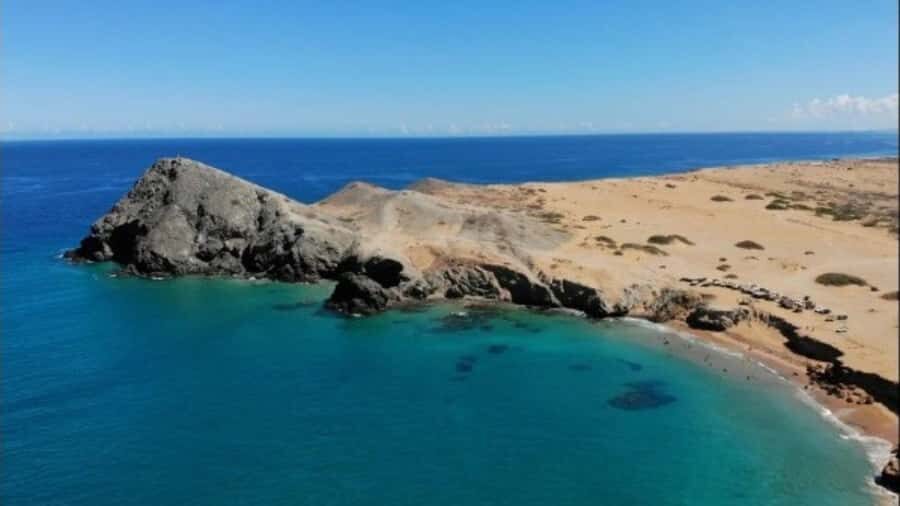
You also get the kind of scenery that looks bigger the farther you get from the city. Cabo de la Vela’s shoreline is all about horizon and wind. Punta Gallinas shifts toward stark desert-to-ocean contrasts, and the viewpoints feel earned because the roads are long and the stops are purposeful.
Getting there from Riohacha: shared van, long stretches, and how the timing works
The tour starts in Riohacha and keeps the group to a maximum of 6 people. That matters here because La Guajira is not laid out like a classic tourist loop with frequent services. You’ll spend time traveling by van in shared capacity and then switch to jeep/SUV for the tougher legs.
The itinerary gives you the shape of the days: Day 1 is a calmer arrival setup with several beach stops and sunset. Day 2 becomes the long-distance push toward Punta Gallinas. Day 3 is the final run back with a beach finish at Playa Mayapo and then arrival in Riohacha.
What I’d watch: you’re not just driving to sights—you’re also driving through terrain where weather can change plans. In October and November, the tour notes rain can force modifications and some activities may not run. So if your dates are in rainy season, keep flexibility in your mindset.
Day 1 in Cabo de la Vela: from Manaure salt flats to Dorada Beach and the lighthouse
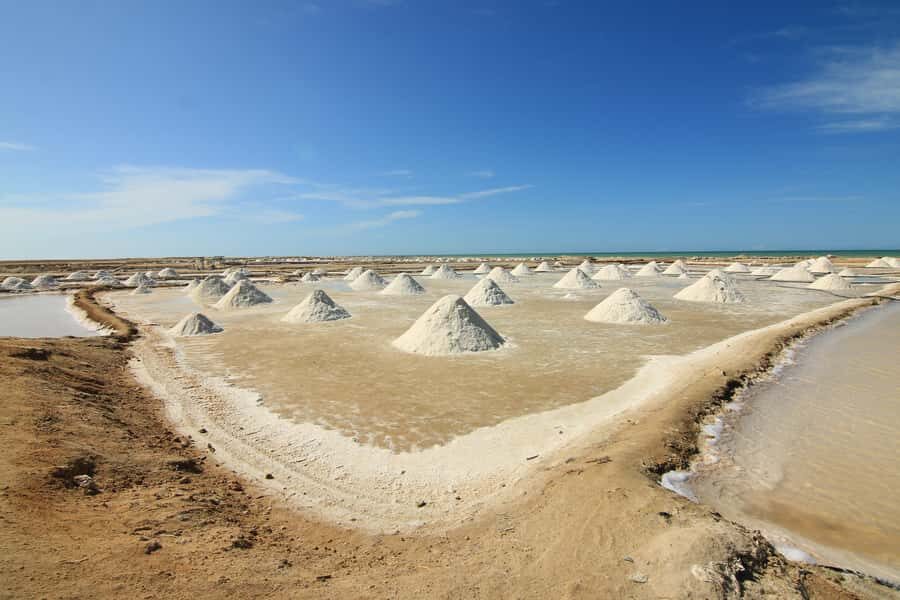
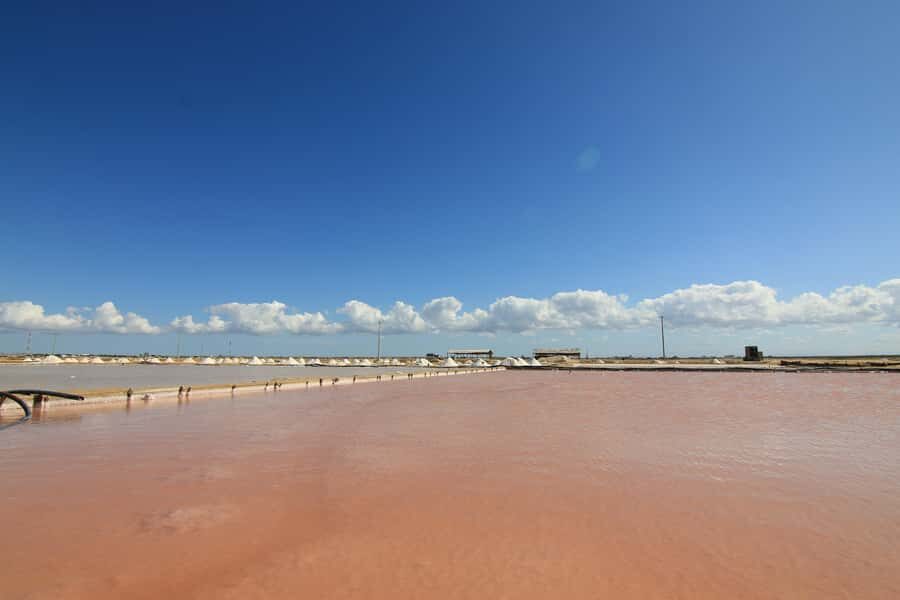
Day 1 starts with departure from Riohacha, heading toward Cabo de la Vela. On the way, you pass through the Manaure Salt Flats. Even if you’ve seen salt elsewhere, this region’s scale is the point: it feels like a landscape you can read from far away, with the contrast of white surfaces against the dry surroundings.
Once you arrive at Cabo de la Vela, lunch comes right away, which is helpful in a place where the day is about heat and time outside. After that, you get a beach-and-sightseeing arc that includes:
- Dorada Beach
- Playa del Pilón de Azúcar
- Playa Ojo de Agua
Then you finish with a sunset stop from the lighthouse.
This is a good day for you if you want the “arrive, settle in, then start exploring” rhythm. The potential downside is sun load. You’ll be walking and swimming at multiple points, so shade breaks matter. Bring a sun hat and sunscreen, and plan to reapply.
Where the beaches fit: Pilón de Azúcar, Ojo de Agua, and lighthouse viewpoints
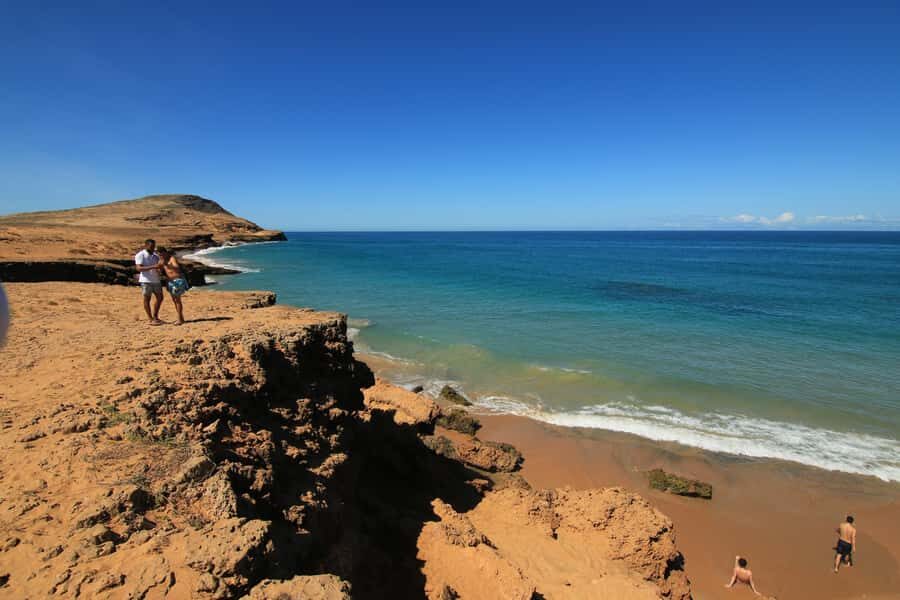
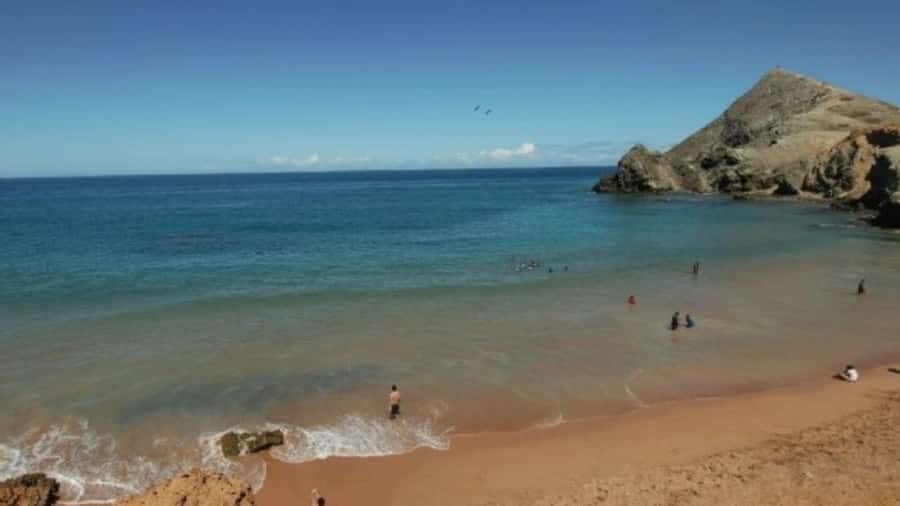
These names are more than labels. Each stop plays a different role in the day’s mood. The Pilón de Azúcar beach area is built for a mix of walking and swimming, which can feel refreshing after salt flats and road time. Ojo de Agua is another chance to cool off while still staying on that Cabo de la Vela loop.
Then comes the lighthouse. Watching sunset from a high, open point is often about timing more than comfort. With wind and brightness in the mix, it helps that the schedule deliberately targets late afternoon for that final payoff.
Sleeping in hammocks or a room: what comfort really means here
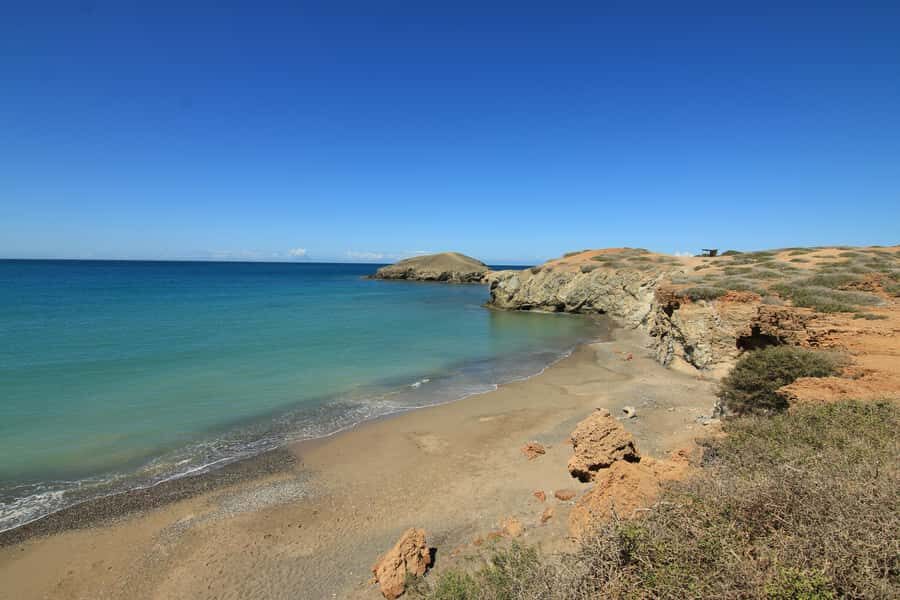
Your Day 1 night is either in comfortable hammocks or in a room, depending on what you reserve. The tour also states that accommodation is with comfortable beds, so the practical takeaway is simple: you’re not expected to rough it like a backpack-only adventure.
Still, keep in mind this is remote coastal terrain. If you’re sensitive to bugs, humidity, or the feel of hammock sleeping, check your booking details before you commit. Also, pack a change of clothes. Day 1 is beach time, so dry clothes become a small sanity saver.
Day 2 toward Punta Gallinas: Bahía Honda lunch, Taroa dunes, Punta Agujas sunset
After breakfast, Day 2 pushes you toward Punta Gallinas. There’s a lunch stop at Bahía Honda at a beachfront restaurant, which breaks up the long travel day and gives you a proper meal before the arid desert segments.
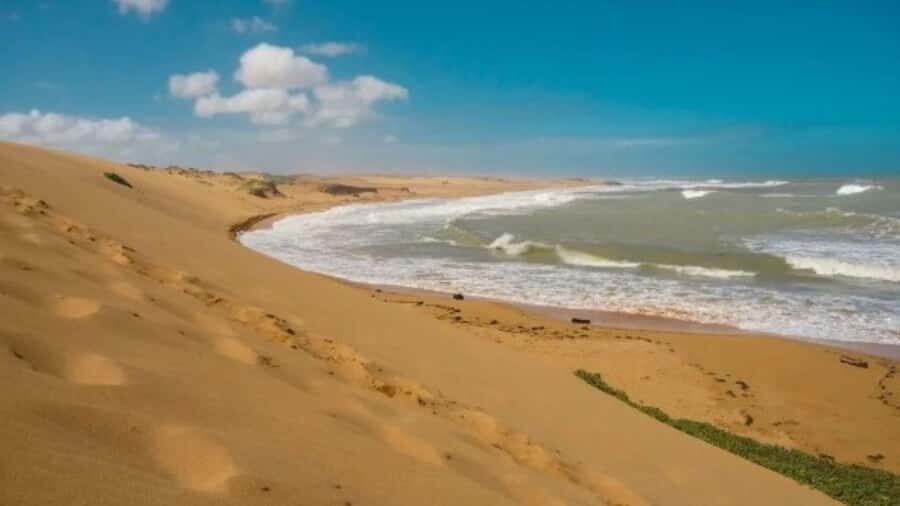
Then you cross that drier stretch and arrive at Las Dunas del Taroa. The schedule gives you time to enjoy the landscape and notes that if you want, you can take a bath there. This is one of the “you’re really in La Guajira” moments: dunes and ocean energy in the same view, with lots of wind and strong light.
Later, you visit:
- the lighthouse
- Playa Punta Agujas
And you wrap with sunset at Punta Agujas.
At night, you go to the ranchería for dinner and then rest in hammocks or a room depending on your reservation.
This is the day I think many people come for. The payoff is the combination of vast sand scenery plus a clear horizon for sunset. The tradeoff is stamina: Day 2 is logistically heavier than Day 1, and you’ll spend more time in vehicles.
The ranchería dinner and the reality check: respectful, not performative
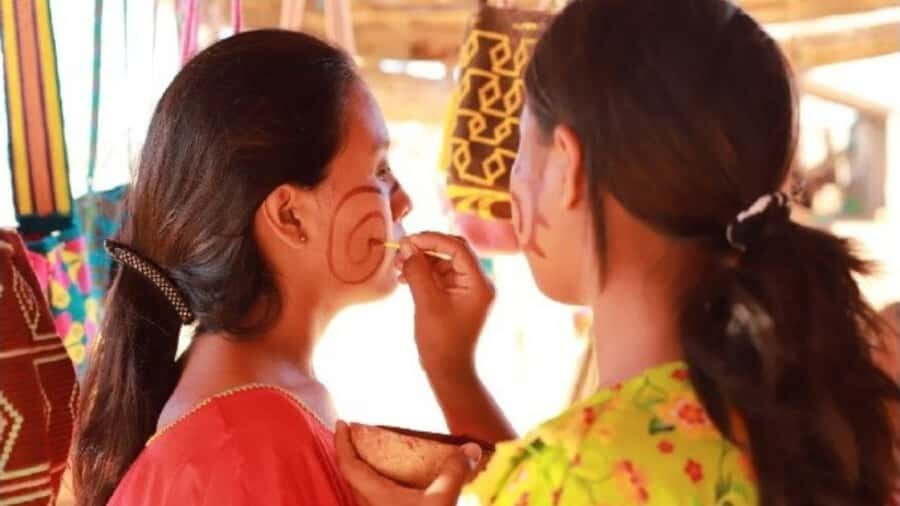
One of the most valuable parts of this trip is also the most delicate: you’re interacting with Indigenous Wayuu communities as part of the route. The tour instructs you to respect privacy and not take photos without proper authorization. That’s not just a rule—it’s the difference between witnessing and intruding.
You should also be prepared for how your presence affects the people around you. One experience from a similar trip notes that children and women approached the group with requests for small items like snacks or coffee during the drive, and that the driver handled it. That means you might see people seeking help in everyday ways, and it can be emotionally heavy.
If you’re the type who gets deeply affected by hardship, plan how you want to respond in the moment. The safest approach is to follow the guide’s direction and remember that this is people’s lives, not a show.
Day 3 to Mayapo: beaches, water sports conditions, and your final return
Day 3 starts from the ranch heading to the beaches of Mayapo. Lunch happens there too, plus you get time to enjoy the beach. The tour notes Mayapo is ideal for water sports because there are good winds, good waves, and sandy beaches.
That wind is also why you should pack for sun plus movement. Even when you’re not “doing a sport,” the coast conditions can be refreshing and fun—just make sure your swimwear and beachwear are ready.
In the middle of the afternoon, you arrive back in Riohacha, and the tour ends.
This final day is a good fit if you like finishing strong—one last beach session with time to actually relax a bit. It also gives you a calmer emotional tone than the cultural morning moments, because Mayapo is mostly about sea and open air.
Manaure Salt Flats and Wayuu culture: what you gain, and how to do it right
This tour doesn’t treat the culture piece like a photo stop. It includes visits tied to the route, including the Wayuu Indigenous community. The key instruction is clear: respect privacy and don’t take photos without authorization.
If you want the experience to feel respectful and meaningful, you can do a few simple things:
- keep your camera away unless your guide says it’s allowed
- ask before recording anything
- give people space and time to decide what they’re comfortable with
The value here is context. Seeing the salt flats and then learning how communities relate to the land helps you understand why La Guajira doesn’t look like the rest of Colombia’s coast. It’s not just pretty scenery—it’s a working relationship with environment and distance.
And yes, that “distance” part matters. La Guajira isn’t a small-town postcard. When people approach with requests, it’s tied to real needs. Your best move is to stay patient and follow the guide’s lead.
What you’re paying for: price, meals, lodging, and the small-group advantage
The price is $439 per person for 3 days. For a remote route, that number becomes easier to judge when you look at what’s included:
- Transportation by van shared capacity for 6 people, plus jeep/SUV legs
- Accommodations with comfortable sleeping setups (hammocks or rooms depending on reservation)
- Food: 2 breakfasts, 3 lunches, 2 dinners
- Activities: beaches, salt flats pass-through, lighthouse viewpoints, dunes, and community visit
- Spanish guide with a baquiano (local knowledge guide)
- Medical assistance insurance
So you’re not just buying transport. You’re paying for logistics in a region where self-planning would mean lots of driving calls, route decisions, and local coordination. With a group of 6, you also avoid the big-bus feeling—your stop timing and attention from the guide is typically more manageable.
What’s not included is basically the standard stuff you’d expect: any extra expenses not specified and your own personal costs. Bring cash as the tour recommends, since you might want it for small purchases at stops.
Heat, saltwater showers, and weather: practical tips that save your trip
La Guajira’s weather is not subtle. The tour lists average temperatures around 22 to 30°C, with maximums reaching up to 42°C. That’s serious sun time, even when the wind makes you feel cooler.
The other very practical detail: saltwater showers are part of the accommodations. The tour specifically warns you to avoid opening your eyes and mouth in the shower. For brushing your teeth, use your bottle of purified water.
So pack like this is a full-on outdoor itinerary:
- sunglasses
- sun hat
- sunscreen
- swimwear and a change of clothes
- reusable water bottle
- beachwear
- cash
Also note the restrictions: weapons or sharp objects aren’t allowed, and alcohol and drugs aren’t allowed. It’s a family-and-community context, and those rules keep things safer.
Who this tour suits best (and who should skip it)
This experience fits you best if you:
- want a small group with a Spanish-speaking guide
- care about wide-open viewpoints and coastal scenery
- are okay with long driving days and hot conditions
- respect Indigenous community privacy and photography rules
- like structured meals and lodging without planning every stop
It’s not suitable for pregnant women and people over 95 years, based on the tour’s own guidance.
If you’re sensitive to distressing poverty scenes you may encounter around the route, go in with a clear plan for how you want to handle requests from people. The driver may manage some situations, but your emotional reaction is still yours.
Should you book the Punta Gallinas + Cabo de la Vela 3-day tour?
I’d book this tour if you want a focused, high-impact La Guajira circuit without trying to build the route yourself. The combination of salt flats, Wayuu cultural contact, and the “big horizon” sunsets from lighthouses is a strong mix, and the included food and lodging help the value feel real instead of nickel-and-diming you later.
I’d think twice if you hate heat, dislike bumpy terrain and long drives, or aren’t emotionally ready for how close you’ll be to everyday hardship. Also, if your travel window is October or November, plan for the chance that some activities could be modified due to rain.
Overall, this is a good fit for travelers who like authenticity, respect rules, and don’t need comfort-first sightseeing. If that’s your style, you’ll likely feel like the trip was worth the effort.
FAQ
What’s the start and end point of the tour?
The tour starts in Riohacha and ends back in Riohacha on Day 3.
How many people are in the group?
The tour is limited to a small group of up to 6 participants.
What language is the guide?
The live tour guide speaks Spanish.
What’s included in the price?
It includes activities listed on the itinerary, accommodations, 2 breakfasts, 3 lunches, and 2 dinners, transportation in shared capacity (van for part of the trip), a Spanish-speaking baquiano guide, and medical assistance insurance.
What’s not included?
Any expenses not specified in the plan are not included.
Will I have places to swim?
Yes. The itinerary includes swimming at multiple beach stops, and it also notes you can take a bath at Las Dunas del Taroa if you wish.
Where do you sleep during the trip?
You sleep in comfortable hammocks or in a room, depending on what you reserved.
What should I bring?
Bring sunglasses, a sun hat, swimwear, a change of clothes, sunscreen, beachwear, cash, and a reusable water bottle.
Are there rules about photography in Indigenous communities?
Yes. When passing through Indigenous communities, you should respect privacy and do not take photos without proper authorization.
Is the tour affected by weather in certain months?
Yes. October and November are rainy months. The tour notes that changes and modifications may happen and some activities may not be carried out due to weather conditions.