REVIEW · SAN ANTONIO DE PEREIRA
Antioquia’s Villages: El Retiro, La Ceja, and More
Book on GetYourGuide →Operated by Tangol · Bookable on GetYourGuide
Small towns, big craft energy.
This day trip is interesting because it strings together Antioquia’s artisan towns with real time outdoors: timberwork in El Retiro, a walk at Salto del Tequendamita (that fresh mountain air hits fast), then more specialties in San Antonio de Pereira and El Carmen de Viboral. I like the way the route mixes town strolling with nature breaks, and I also like that you get a guided rhythm instead of figuring out buses between spots. One possible drawback: the last stretch back to Medellín can get slowed by traffic, and some stops can feel short if you’re hoping for more time in the workshops or shopping.
You’re paying about $65 for an 11-hour Sunday format that includes round-trip transport from Medellín, a live Spanish guide, a guided visit at multiple towns, the waterfall stop, and a local lunch—plus a medical assistance card. Expect walking on uneven ground and a mix of sun and clouds, so pack smart: comfortable shoes, hat, sunscreen, a light jacket, and a reusable bottle.
In This Review
- Key things worth knowing before you go
- Sunday Town-Hopping From Medellín’s Estadio Metro
- Price and logistics: is $65 good value here?
- El Retiro’s colonial streets and the joy of wood crafts
- Salto del Tequendamita waterfall: fresh air, not a theme-park
- La Ceja parks and squares for photos and breathing space
- San Antonio de Pereira: lunch that feels local plus dessert time
- El Carmen de Viboral: pottery and painted ceramic workshops
- How the day flows: pacing, seating, and getting back to Medellín
- What to bring (and what to skip) for an easier day
- Who this tour suits best (and who should think twice)
- Should you book Antioquia’s Villages: El Retiro, La Ceja, San Antonio de Pereira, and El Carmen de Viboral?
- FAQ
- What’s the meeting point and start time?
- How long is the tour?
- Is the guide Spanish-speaking?
- What’s included in the price?
- Is breakfast included?
- What should I bring?
Key things worth knowing before you go
- Sunday-only trip: This one runs only on Sundays, so plan Medellín around it.
- Craft-heavy itinerary: Timber shops, dessert stops, and painted ceramic/pottery workshops are central to the experience.
- Waterfall walk is the reset button: Salto del Tequendamita is the outdoors highlight.
- Time discipline matters: The schedule moves; you’ll want to be back when the guide says.
- Last return can be slow: Traffic can stretch the drive back toward Medellín.
- Not for wheelchair users: This trip isn’t suitable for mobility impairments or wheelchairs.
Sunday Town-Hopping From Medellín’s Estadio Metro

This tour is built for an easy start in Medellín. You meet at Estación del Metro Estadio (7:10 a.m.), with two other options later if that’s easier for you: Chamber of Commerce Avenida Oriental at 7:30 a.m., or Av. Poblado at 7:45 a.m. Then you’re in a comfortable vehicle with a professional guide and a full day ahead.
A Sunday format matters. The towns are likely to feel more “alive,” but you should also assume schedules and restaurant timing can vary, especially with crowds. I’d treat this as a day where you’re trading spontaneous wandering for a structured route.
Price and logistics: is $65 good value here?
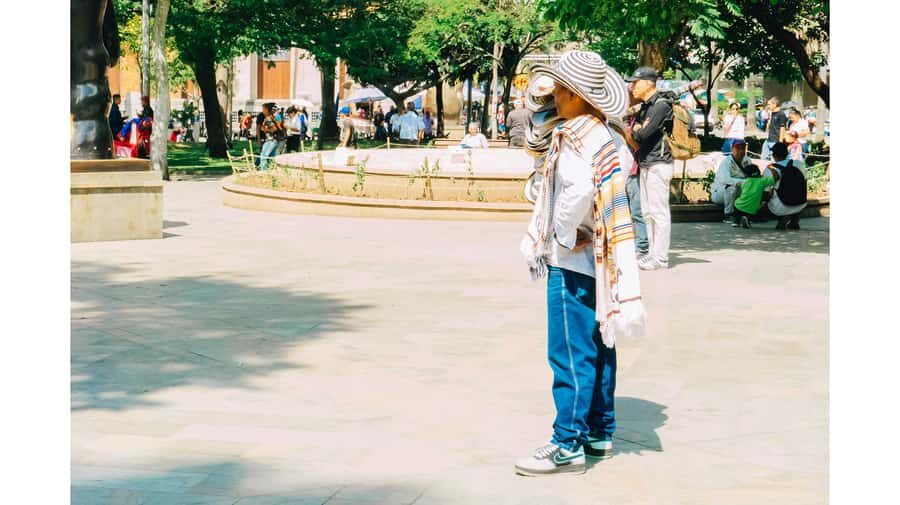
At $65 per person for an 11-hour day, the value depends on what you want most: guided access and one-stop transportation between towns. You’re not paying separately for getting out there, finding meeting points, and stitching the day together on your own. The price also covers a local lunch and a guided experience in the key towns, plus the Salto del Tequendamita visit.
What you’re not paying for: breakfast, extra drinks, souvenirs, and anything not explicitly mentioned in the inclusion list. That’s fair, and it keeps the trip simple. Just remember that if you’re buying wood furniture, ceramics, or lots of small gifts, you’ll want spending cash ready.
One practical note: the tour is not suitable for mobility impairments. Even with a guide and transport, the walking parts and uneven surfaces aren’t described as wheelchair-friendly.
El Retiro’s colonial streets and the joy of wood crafts
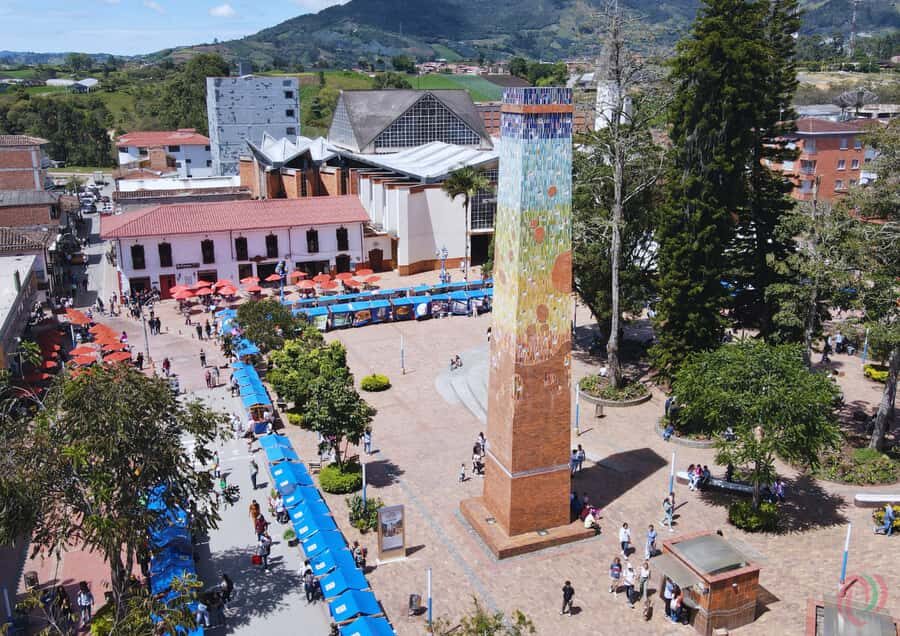
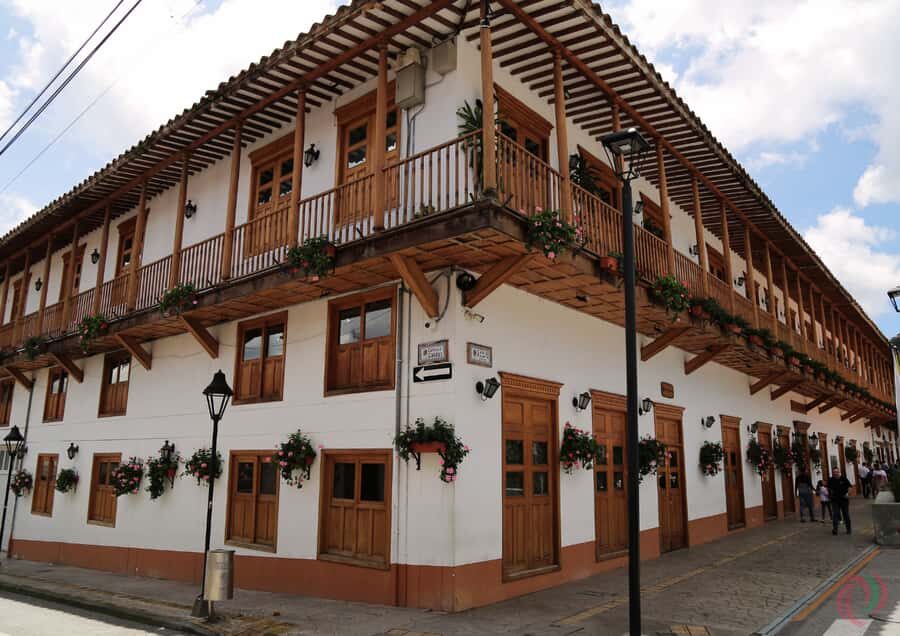
El Retiro is where the day starts feeling like real Antioquia—not just a stop on a map. This town is known for colonial-era architecture and charming streets that are pleasant to walk at a relaxed pace. The best part is the craft focus: you’ll visit timber shops where you can admire and purchase furniture and decorations made with high-quality wood.
This is the kind of stop that rewards slow looking. In wood craft, the details matter—finishes, joinery, carvings, and how pieces are designed for both beauty and function. If you’ve ever wanted a practical souvenir that won’t fall apart after two trips, this is the angle.
A quick heads-up: you’ll be on a schedule, so don’t expect unlimited browsing. If you’re serious about buying something, go early in the visit and ask questions immediately, because time can be tighter than you’d like.
Salto del Tequendamita waterfall: fresh air, not a theme-park
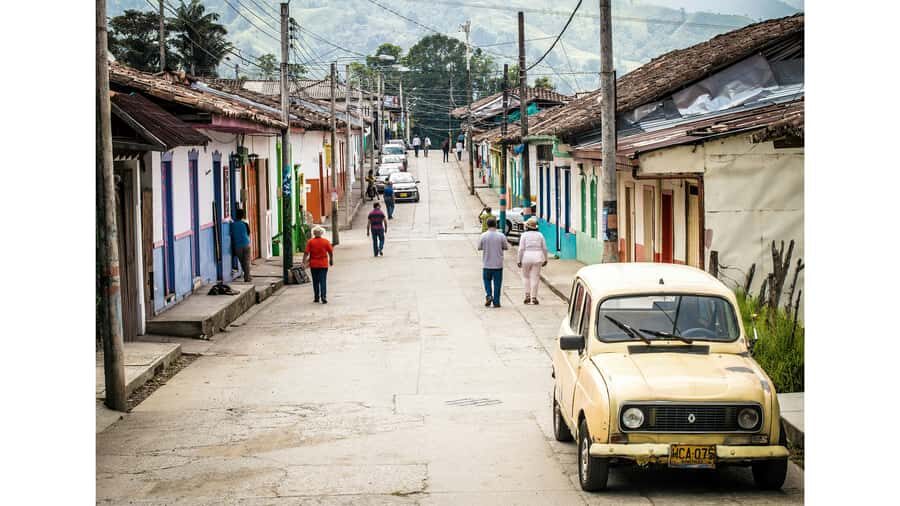
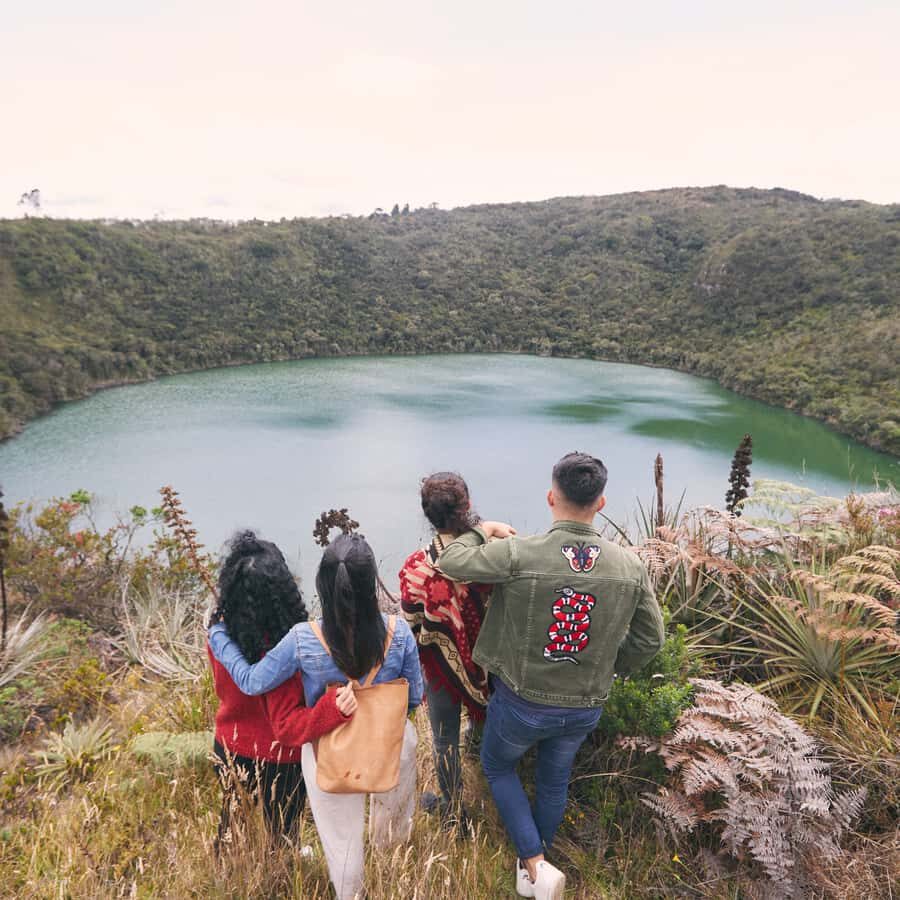
Then comes one of the strongest moments of the day: Salto del Tequendamita. You arrive for an impressive waterfall and a walk around the area, where the emphasis is on nature and calm instead of big staged attractions.
This is where the day changes pace. I like waterfall breaks on day trips because they give you something your camera can’t fully capture: the cool air, the sound, and that short stretch of moving without thinking about the next stop. It’s also a good “reset” after town walking—different muscles, different vibe.
One thing to plan for: you’ll want good shoes and a reusable water bottle. The weather can shift in the mountains, so bring layers. If you’re the type who hates rushing outdoors, pay attention to the meeting time and stay close to the group.
La Ceja parks and squares for photos and breathing space
La Ceja is mostly a green-and-flower town experience. You’ll take walks through its parks and squares, breathe easier in the open air, and get time for photos. There’s also local history to learn, but the vibe here is less about “major attractions” and more about strolling in a pretty setting.
I’d treat La Ceja as your midday stretch-out. It’s a good stop if you like scenery, public squares, and simply walking. But if you’re expecting another craft shop moment like El Retiro or a big hands-on workshop, you might feel it’s lighter.
Still, the town is useful. It breaks the day into chunks so you’re not constantly in vehicle mode. And if you time your photos right—early in the visit—you’ll have better lighting and less crowd pressure.
San Antonio de Pereira: lunch that feels local plus dessert time
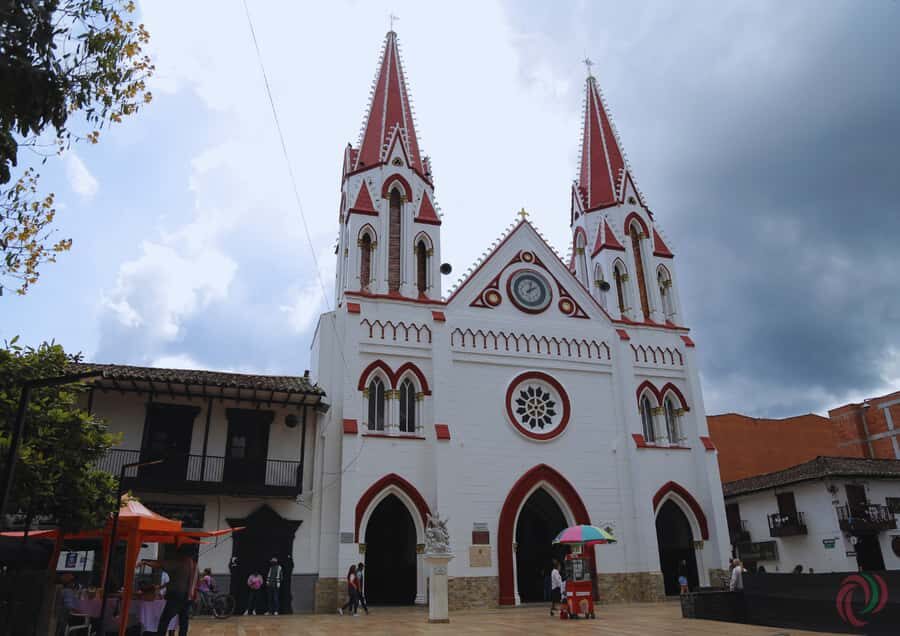
Next up is San Antonio de Pereira, a smaller town with a reputation for desserts. The day gives you two big food moments here: lunch at a local restaurant featuring typical Antioquian cuisine, and then time to taste the town’s famous sweets.
This is one of the smartest parts of the itinerary because it matches how your taste buds work on a full-day schedule. Lunch gives you energy for the rest of the walking and shopping, and then dessert feels like a reward instead of an afterthought.
Now for timing. One important practical detail: if you care deeply about tasting everything, don’t wait until the very end to make your choices. A few people have said they wanted more time at the later food/craft moments. So go with intention: decide what you want, then take your time eating it.
El Carmen de Viboral: pottery and painted ceramic workshops
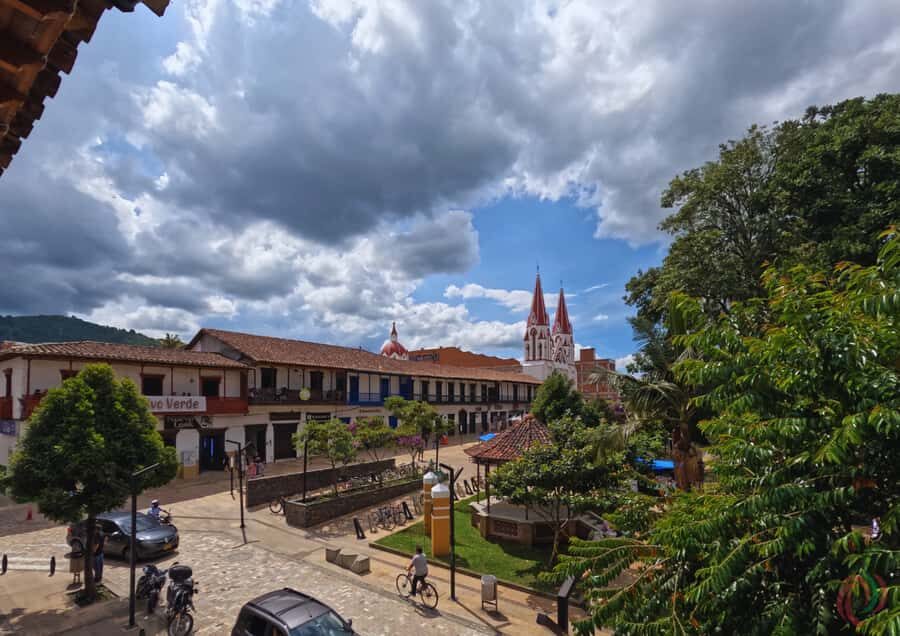
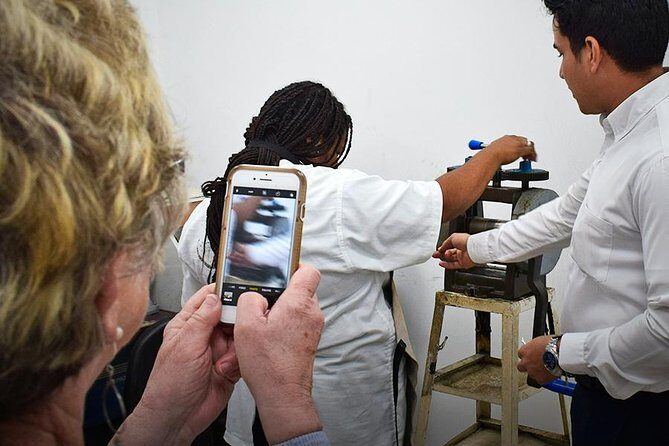
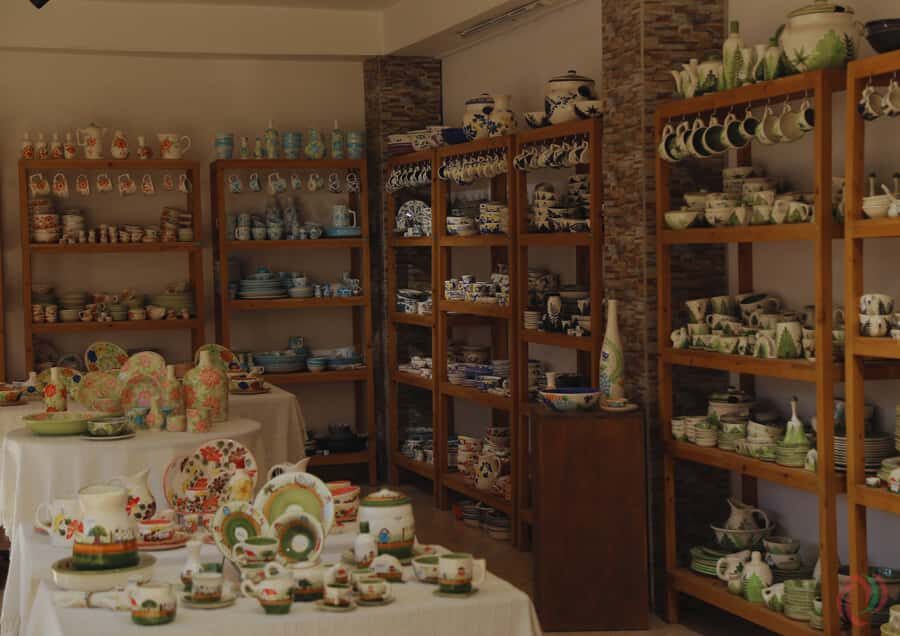
The final craft stop is El Carmen de Viboral, famous for pottery and ceramic workshops. You’ll visit several pottery shops where local artisans create hand-decorated pieces. In practice, this is where you’re most likely to find the kind of souvenirs that look like they belong in a home, not a suitcase.
This stop is also the one with the most “it depends” energy. Some people felt the town itself wasn’t especially pretty and that the real focus was on the workshop visits (especially painted porcelain). That can be a good thing if you love ceramics and want to see hands at work—but it can feel like a letdown if you expected more town-hopping charm.
Here’s my advice for getting the most out of it:
- If you’re shopping, plan what you’ll buy before the workshop time shrinks.
- If you want to watch closely, pay attention early and don’t get stuck wandering too far away.
Also, if your Spanish is intermediate, you might appreciate a guide who checks meeting points clearly. One guide you may encounter is Claudia, who has been noted for being patient about confirming where everyone meets and when.
How the day flows: pacing, seating, and getting back to Medellín
The whole trip runs about 11 hours, so pacing is part of the experience whether you love it or not. The schedule is set so you aren’t stuck on the bus for long stretches—at least that’s the goal—and you do get real breaks to walk and explore.
That said, your comfort on a long day matters. One person reported that their chair reclining was broken and that the first few seats were taken by people associated with the guide/driver. I can’t say this is typical, but I’d still recommend this simple strategy: if the bus layout looks important to you, try to get seated earlier and keep an eye on your allocated spot.
The biggest timing caution is the return. One review mentioned a long drive back to Medellín because of traffic, reaching about 2.5 hours stuck. You’re not doing anything wrong by planning for it. Just assume you’ll arrive with tired legs and a hungry brain.
What to bring (and what to skip) for an easier day
Pack like you’re going for a full walking day, not a quick stroll. The essentials are already clear: comfortable shoes, a hat, sunscreen, a jacket, and a reusable water bottle. I’d also add one simple rule: dress in light layers. Weather can change, and you don’t want to overheat on stairs and then freeze during a shaded walk.
Not allowed items include smoking and alcohol or drugs. That’s standard, but it also helps keep the day pleasant for everyone.
Who this tour suits best (and who should think twice)
This trip is a strong fit if you want:
- Art and craft in real workshops (wood and ceramics)
- A nature break that isn’t just a quick photo (the waterfall walk)
- A structured Sunday plan that handles transport and timing
It may be a weaker fit if:
- You want tons of free time in each town for wandering at your own pace
- You need wheelchair-friendly routes (this trip isn’t suitable)
- You’re very sensitive to slow returns because of traffic
If you’re traveling solo or as a couple, you’ll likely like the guide-led pacing. If you’re traveling with someone who hates group schedules, you may need extra patience—this is a “show up, listen, walk, move on” kind of day.
Language note: the guide is live in Spanish. If you’re comfortable with intermediate Spanish, you can still enjoy it. If your Spanish is shaky, it helps to be proactive: ask your guide to reconfirm meeting points and timing so you don’t lose your place.
Should you book Antioquia’s Villages: El Retiro, La Ceja, San Antonio de Pereira, and El Carmen de Viboral?
I’d book it if your idea of a great day is: start with colonial streets, take a meaningful waterfall walk, then finish with hands-on or craft-forward stops. The value at $65 makes sense when you factor in round-trip transport, guided town visits, the waterfall stop, and lunch. This is the kind of tour that saves you from logistics headaches and gives you a coherent “Antioquia feel” in one day.
I’d skip it if you’re mainly chasing pretty streets at every stop and hate any risk of being rushed later. In particular, the ceramics stop is more about workshop time than scenic strolling, and the return drive can stretch with traffic.
If you go in with the right expectations—craft, walking, and a nature reset—you’ll probably end the day with useful souvenirs, fuller photos, and the kind of tired that feels good.
FAQ
What’s the meeting point and start time?
The main meeting point is Estación del Metro Estadio at 7:10 a.m. There are also two shared-service options: Chamber of Commerce Avenida Oriental (Av. Oriental Cra 46 # 52-82) at 7:30 a.m., and Av. Poblado (Cr 43a # 7d-69) at 7:45 a.m.
How long is the tour?
It lasts 11 hours.
Is the guide Spanish-speaking?
Yes. The tour includes a live tour guide in Spanish.
What’s included in the price?
Round-trip transportation to and from the meeting point, a local tour guide, guided visits of El Retiro, La Ceja, San Antonio de Pereira, and El Carmen de Viboral, the Salto del Tequendamita visit, local lunch, and a medical assistance card.
Is breakfast included?
No, breakfast is not included.
What should I bring?
Bring comfortable shoes, a hat, a camera, sunscreen, a jacket, and a reusable water bottle. The weather can vary, so light layers help.