REVIEW · MEDELLIN
Coffee & Chocolate Private Tour in Medellin: Genuine Experience
Book on Viator →Operated by MedellinDayTrips · Bookable on Viator
Coffee and chocolate taste better when it’s grown nearby. This private day trip takes you out of Medellín for a real farm workflow, starting with cacao farmers and then hiking up to a coffee plantation where you pick beans by hand. I love the private setup and the way the guide’s attention stays on you, not on a bus full of people.
Two specific things I like a lot: first, the bilingual guide time (and the day-to-day farming details they share, like how coffee gets depulped, fermented, and dried). Second, the hands-on parts that go past tasting—like brewing coffee with traditional methods and crafting your own flavored chocolate bars. The one possible drawback to plan around is the 800 ft uphill hike on natural, sometimes steep trail, so bring grippy shoes and pace yourself.
In This Review
- What makes this coffee and chocolate day feel real
- A working-farm day outside Medellín that stays hands-on
- Price and what you actually get for $179
- Pickup, timing, and the uphill hike reality check
- Stop 1 (Santo Domingo) Coffee farm: from hand-picking beans to traditional processing
- What to expect during coffee time
- Coffee brewing with two traditional methods, then lunch with a view
- Stop 2 (Santo Domingo) Cacao farm: farming, pests, and sustainability lessons
- Step 2 (Copacabana) Fermenting, drying, roasting, and grinding cacao
- Step 4 (Copacabana) Crafting your flavored chocolate bar
- How to make the day comfortable (and not rushed)
- Who this private coffee and chocolate tour is best for
- Should you book this coffee and chocolate farm tour?
- FAQ
- Where does the tour pick me up in Medellín?
- How long is the private coffee & chocolate tour?
- Is this tour private or shared?
- What’s included in the price?
- Is breakfast included?
- Is there any hiking, and how hard is it?
- What hands-on activities do you do on the tour?
- What happens if the weather is poor?
- Do I get confirmation right after booking?
What makes this coffee and chocolate day feel real
- Private, door-to-door pickup from El Poblado or Laureles, so you don’t waste time finding meeting points
- Hands-on coffee and cacao steps: you’ll pick beans, taste raw cacao seeds, and build your own chocolate bar
- A real farm-family lunch with a view, plus fresh farm-made lemonade
- Traditional processing explained clearly: depulping, fermentation, solar greenhouse drying, wood-fire roasting
- You get space to stop and breathe on the uphill trek, since the trail is steep in spots
A working-farm day outside Medellín that stays hands-on
This is the kind of tour where you feel the day is built around agriculture, not around slides and souvenir stops. You’re picked up in a comfortable air-conditioned vehicle and taken north of the city through the mountains, then you leave the car at the farm areas and move on foot.
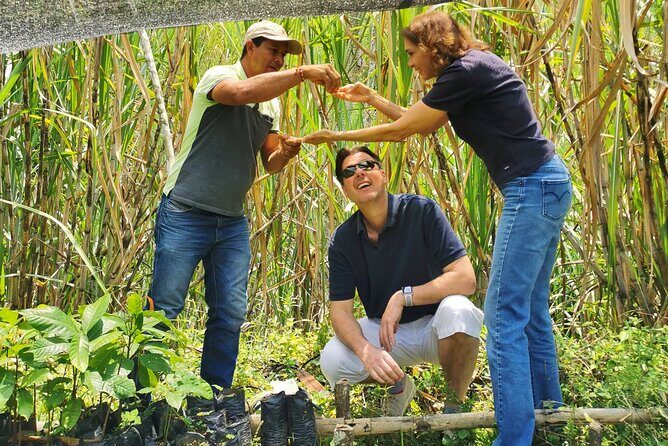
The tone is practical and family-centered. You’re meeting cacao and coffee farmers, seeing how the work actually happens, and getting enough time with your guide to ask questions as you go. Guides such as Lau, Laura, and Sara have a reputation for keeping the pacing calm and personable, which matters on a day that includes walking and hands-on food prep.
You can also read our reviews of more private tours in Medellin
Price and what you actually get for $179
At $179 per person for about 8 hours 30 minutes, the price looks “worth it” when you look at what’s bundled. You’re paying for private transportation, hotel pickup and drop-off (from El Poblado or Laureles), entrance fees to the coffee and cacao farms, and a private bilingual guide who stays with your group the whole time.
Lunch is included, and it’s not just a box meal. You’ll also have opportunities to buy freshly roasted coffee and farm-made chocolate later on. If you’re comparing this to piecing together separate taxis, farm tickets, and a guide, the value gets clearer fast—especially if you care about doing the work yourself rather than just watching from a distance.
If you’re traveling with one other person or a small group, a private format is often where the money starts to feel reasonable. You get a car to yourself, a guide to yourself, and you can slow down when the trail turns steep.
Pickup, timing, and the uphill hike reality check
Your day begins with pickup at your place in El Poblado or Laureles. From there, you’ll drive about an hour north of Medellín to the farm area. The day is long enough to feel like an escape, but it’s still structured around specific stops, so you’re not stuck wondering what happens next.
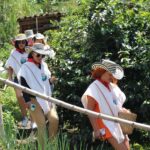
Now the important part: the coffee farm hike. You’ll leave the vehicle at a cacao farm, then take a scenic uphill trail to reach the coffee farm—about 800 ft (250 meters). The ascent is roughly 10–15 minutes, and the descent is 8–10 minutes. The trail is natural terrain and can be steep, especially if it’s wet.
If you book, plan for this as real exercise. Wear trekking boots or shoes with good grip, and if you’re prone to slipping, take it slow—there’s time to pause for breath and for the views. A little sunscreen and bug spray also make sense for a walking day outdoors.
Stop 1 (Santo Domingo) Coffee farm: from hand-picking beans to traditional processing
The coffee portion starts with cacao farmers greeting you first, then you shift to the coffee side by hiking up. When you arrive, you’re welcomed with a cup of premium Colombian coffee. This isn’t just a sip-and-go moment; your guide includes an explanation of coffee culture and what makes Colombian coffee special.
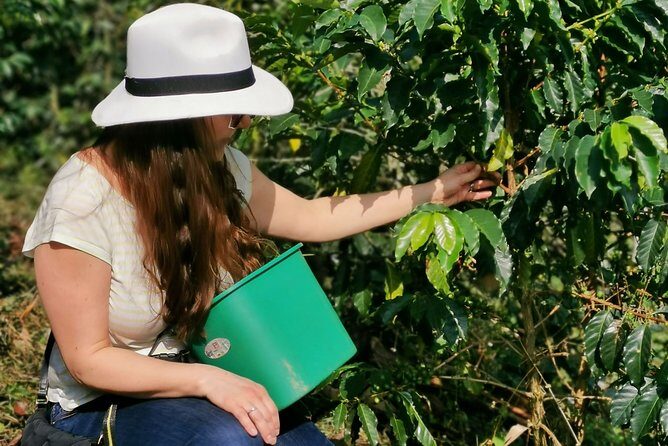
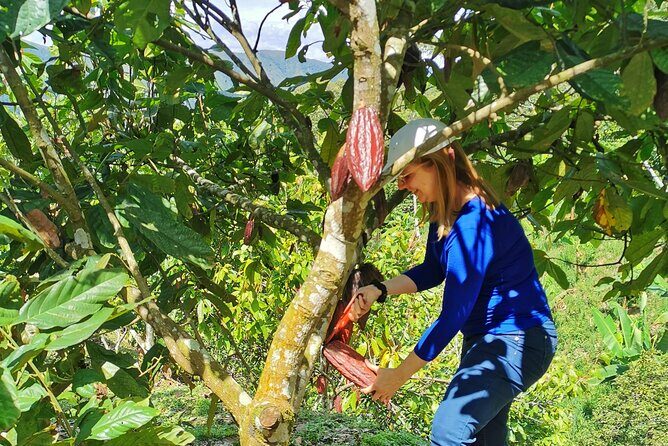
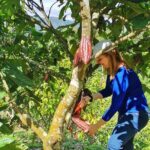
Then comes the hands-on part. You’ll head into the plantation area and learn how coffee cherries become coffee. You’ll pick beans by hand and learn the steps that happen after harvest—depulping, fermenting, and drying—using traditional artisanal methods.
This is one of the tour’s best values because you learn the “why” behind the steps. Coffee isn’t just one process; it’s a chain. Your guide helps connect what you see in the field with what ends up tasting like coffee in your cup later.
The farm time is about 2 hours at this stop, with admission included. If you’re the type who likes to understand food processes rather than just tasting, this section is where you’ll feel most satisfied.
What to expect during coffee time
You’ll likely move between viewing points and active picking areas. Expect walking on uneven ground, plus hands-on observation during processing instruction. Even if you’re not a coffee nerd, you should still leave with a clearer sense of how care and timing affect flavor.
A few more Medellin tours and experiences worth a look
Coffee brewing with two traditional methods, then lunch with a view
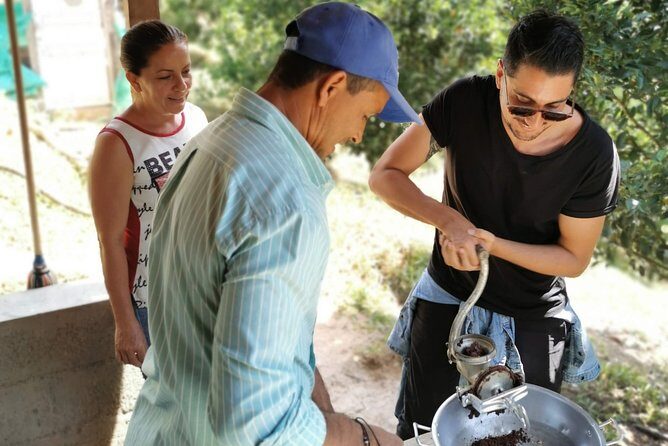
After you’ve spent time with the beans, you’ll brew coffee using two traditional methods. It’s a great moment because you can connect the work you just saw—fermentation, drying, careful handling—to what ends up in the cup. You’ll get to taste, and your guide can explain what differences you might notice.
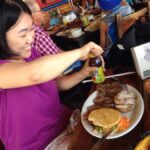
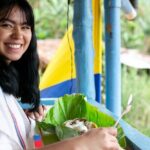
Next is lunch, and this is another standout for a lot of people. You’ll eat a regional meal with a stunning view, plus fresh farm-made lemonade. This is one of those meals that tends to feel different from restaurant food because it’s made for the day on the farm.
Also, if you have dietary needs, you should mention them ahead of time when you book. The tour data doesn’t list specific options, so it’s smart to ask rather than assume.
Lunch time is included and is part of the first Santo Domingo block. After lunch, you can purchase freshly roasted coffee if you want a take-home reminder that actually tastes like it was made for the farm’s standards.
Stop 2 (Santo Domingo) Cacao farm: farming, pests, and sustainability lessons
After lunch, you’ll move on with a short walk toward the cacao experience. This is where the day broadens from coffee into chocolate, and it stays practical.
You’ll start with an introduction to chocolate that covers how it’s produced globally, but it also stays grounded in real cacao farming. Your guide covers topics like maintaining a healthy cacao plantation, plus common cacao pests and sustainable control methods.
The best part is that the information isn’t delivered like trivia. You’re building a mental model of what cacao trees need to survive and what farmers watch for day to day. By the end, you’ll understand what makes cacao cultivation challenging and why good chocolate starts long before roasting.
Then you move into the plantation itself. There’s a chance to stroll through the farm and explore cacao plants in their natural environment alongside other local crops. This section runs about 3 hours, with admission included.
Step 2 (Copacabana) Fermenting, drying, roasting, and grinding cacao
Back at the cacao farm, you’ll open the pods and extract the raw seeds. You can even taste the sweet, raw seeds, which is a memorable contrast if you’re used to only eating finished chocolate.
Here’s what you learn about the timeline: seeds are placed in wooden boxes to ferment for six days, then they’re dried in a solar greenhouse (called a marquesina). Drying takes 5–10 days. Since your tour can’t pause for the entire fermentation schedule, you’ll get the explanation and the process overview, plus the visuals of what’s happening and why.
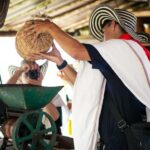
Then you move to roasting over a wood fire. Roasting brings out deeper flavor, and it also gives chocolate a subtle smoky edge. After cooling, husks are removed, and grinding follows. You’ll hear about how the beans are worked until they become chocolate paste that turns smooth from friction and heat.
The “hands-on” feeling continues because this isn’t just theory. You’re watching key steps close enough to understand how each one affects the result.
Step 4 (Copacabana) Crafting your flavored chocolate bar
Now for the part people remember later: crafting your own chocolate.
You’ll mix your freshly ground chocolate with ingredients provided by the farm. The options include powdered milk, vanilla, green pepper, salt, lemon zest, or ginger—whatever combination you choose. Once your mixture is ready, it goes into molds and into the fridge to set.
This is fun, but it also teaches something useful: chocolate isn’t only about sweetness. Small additions change aroma and perception. Even if you’re not sure which ingredient to pick, your guide helps you think through flavor balance.
The chocolate portion runs about 2 hours here, and it’s included. If you’re a foodie, this moment turns the whole day from educational into personal.
How to make the day comfortable (and not rushed)
With the hike and long schedule, comfort is part of the “quality” of the experience. Based on the tour’s structure, here’s how I’d plan your body and your kit:
- Wear grippy shoes since the trail to the coffee farm is steep and can be wet
- Bring sunscreen and bug repellent since you’ll be outdoors walking and sampling on farms
- Use water breaks on the uphill trek. The itinerary notes you can stop as much as you need, so don’t try to power through
Also, plan for the fact that farms are working spaces. You might smell coffee and cacao, feel dust in some areas, and move between outdoor and processing zones. If you’re sensitive to strong food smells, that’s something to consider—but it’s part of why the day feels authentic.
Who this private coffee and chocolate tour is best for
This is a smart fit for:
- Couples who want a romantic food day with real farm people and a shared lunch view
- Families with older kids who can handle walking on uneven terrain (the day is hands-on and engaging)
- Food lovers who care about the path from plant to final flavor
- Anyone who wants a non-staged experience with private attention
It may be less ideal if you dislike hiking or have trouble with steep natural trails. The hike isn’t huge in distance, but it’s noticeable in steepness.
If you want a relaxed day where you can talk a lot, ask questions, and keep the pace flexible, the private format gives you that. If you prefer purely flat walking, you might need to rethink this one.
Should you book this coffee and chocolate farm tour?
If you like food that has a story you can trace with your own eyes and hands, I’d book this. The biggest wins are the private guide attention, the hands-on coffee and cacao work, and the combination of coffee brewing plus lunch plus chocolate bar making in a single day.
Book it if the uphill hike sounds manageable with good shoes and slow steps. Skip or reconsider if you’re uncomfortable on steep, natural trails or you want zero walking.
Finally, if you’re going to Medellín and you only have time for one “coffee and chocolate” outing, this is one of the better choices because it doesn’t feel like a shortcut. You leave with a clearer understanding of how coffee and cacao become flavor in your cup and on your tongue.
FAQ
Where does the tour pick me up in Medellín?
Pickup and drop-off are included for stays in El Poblado or Laureles.
How long is the private coffee & chocolate tour?
It runs about 8 hours 30 minutes (approx.).
Is this tour private or shared?
It’s private. Only your group participates.
What’s included in the price?
The price includes a private bilingual guide, private transportation, lunch, coffee and cacao farm entrance fees, and pickup and drop-off from El Poblado or Laureles.
Is breakfast included?
No, breakfast is not included.
Is there any hiking, and how hard is it?
Yes. You’ll do an uphill hike of about 800 ft (250 meters) to reach the coffee farm on a natural trail. It’s steep in spots, and you’ll want grippy footwear.
What hands-on activities do you do on the tour?
You’ll pick coffee beans by hand, taste raw cacao seeds, and craft your own flavored chocolate bar after grinding and mixing ingredients.
What happens if the weather is poor?
The experience requires good weather. If it’s canceled due to poor weather, you’ll be offered a different date or a full refund.
Do I get confirmation right after booking?
Confirmation will be received at time of booking.