REVIEW · SANTA MARTA
Cacao Experience Tour
Book on GetYourGuide →Operated by Andrés Boh · Bookable on GetYourGuide
Cacao tastes better when you meet its tree. In Magdalena’s Minca area, this Tayrona cacao experience pairs a guided forest walk with real tastings, bird spotting, and an end-of-tour waterfall moment you’ll remember. It’s not just “chocolate facts.” It’s a full morning that moves through jungle, culture, and the flavors that come from the plant.
I love the hands-on cacao process, from fruit to seeds to chocolate in different forms. I also like the small-group feel and the fact that your guide works in English/Spanish, so you’re not stuck guessing what you’re seeing or tasting.
One possible drawback: the hike and the waterfall can be demanding, with slippery spots and strong water currents. Bring the right shoes and be ready to follow the guide’s safety calls.
In This Review
- Quick takeaways
- Tayrona Cacao in Minca: Why This Tour Feels Different
- From the Church in Minca to the Cacao Forest: How the Time Adds Up
- The Cacao Process: From Fruit to Seeds to Chocolate in Your Hands
- Bird Watching, Songs, and Nests: Learning the Jungle by Listening
- The Tayrona Territory Connection: Culture That Matters, Not a Slogan
- Waterfall Time With Clay: The Best Ending, With Real Safety Reality
- Price and Value: Why $46 Can Make Sense Here
- What to Wear and Bring for a Muddy, Wet, Jungle Day
- Who This Tour Suits Best (and Who Should Rethink It)
- Should You Book Cacao Experience Tour?
- FAQ
- Where do I meet for the Cacao Experience Tour?
- How long is the tour?
- Is this a small group tour?
- What languages are the guides?
- What’s included in the experience?
- Do I get to swim or dive at the waterfall?
- What risks should I consider before booking?
- What’s the main cacao-focused content?
- Can I cancel and get a full refund?
- Can I book now and pay later?
Quick takeaways
- Tayrona indigenous territory walk: cacao learning happens in the place where it’s grown and practiced.
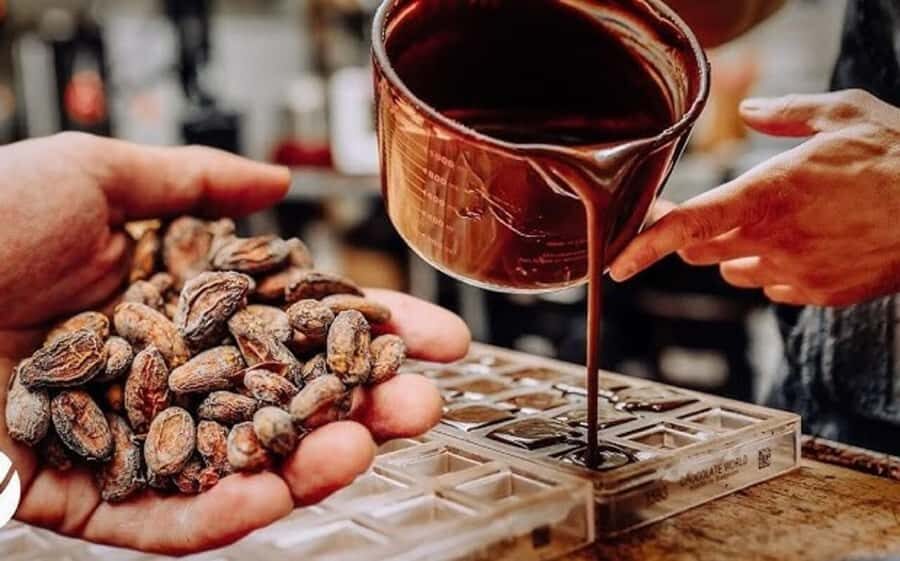
- Bean-to-cup tastings: you sample cacao in multiple forms, plus chocolate to drink and eat.
- Bird watching and songs: part of the experience is slowing down and listening, not just walking.
- Cacao face mask and clay time: you’ll get hands-on and practical, not just photos.
- Waterfall with a dive option: the finale is fun, but you must respect the current and instructions.
- Small group (10 max): easier questions, tighter pacing, and more time at the key stops.
Tayrona Cacao in Minca: Why This Tour Feels Different
Minca can be a little “nature tour” overload—everyone offers jungle walks. This one earns its place because it’s built around one thing: cacao, from the tree to what you’re actually drinking and eating.
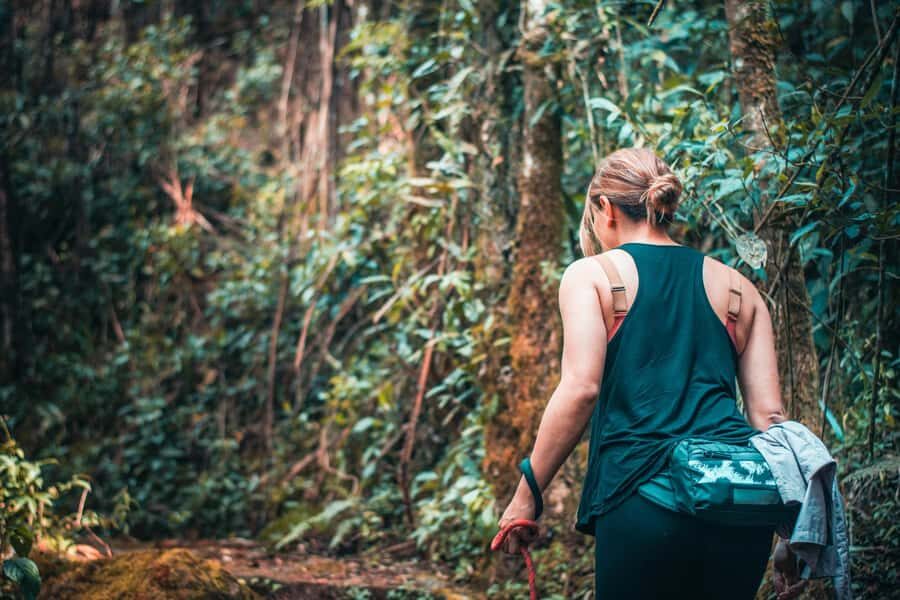
You meet in the town center at the church in Minca, then head into territory where cacao farming isn’t a museum story. Expect bird watching, plant spotting, and explanations tied to how people live with the land. The vibe is relaxed but purposeful—your guide is there to help you notice details you’d normally miss: bird nests, fruit stages, and the rhythms of a working cacao area.
The other reason it works: you don’t just taste chocolate once. You go through tastings during the process, and the day ends with a physical break in the water and clay. That combination—mind + senses + movement—is what makes it feel like an experience, not a stop-and-go activity.
You can also read our reviews of more tours and experiences in Santa Marta.

From the Church in Minca to the Cacao Forest: How the Time Adds Up
This is a 270-minute tour, about four and a half hours of guided time. That’s long enough to actually walk, learn, and cool off—without turning into a full-day grind.
The flow is straightforward:
- You start at the church in Minca, which helps you find the place without guesswork.
- Then you hike into the cacao area in Tayrona indigenous territory.
- Along the way you stop for nature observations and cacao-related moments.
- The finish is at a river and waterfall, including time for a clay experience and pictures.
The pacing matters. In a rainforest, “quick” turns into “slow” fast. Mud, roots, and humidity change your speed. A few past participants noted the hike can be challenging, mainly because the descent and climb near the waterfall takes effort. If you like hikes, you’ll probably feel satisfied. If you hate climbing back out of a gorge, you’ll want to take it easy and trust your guide’s pace.
The Cacao Process: From Fruit to Seeds to Chocolate in Your Hands
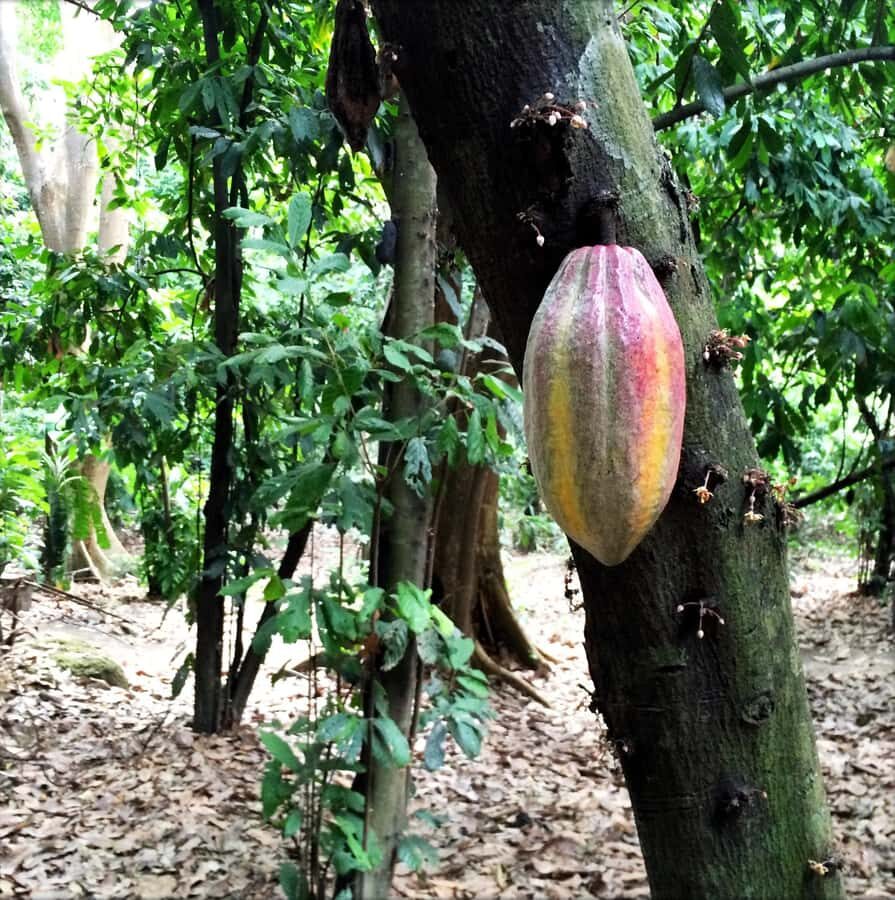
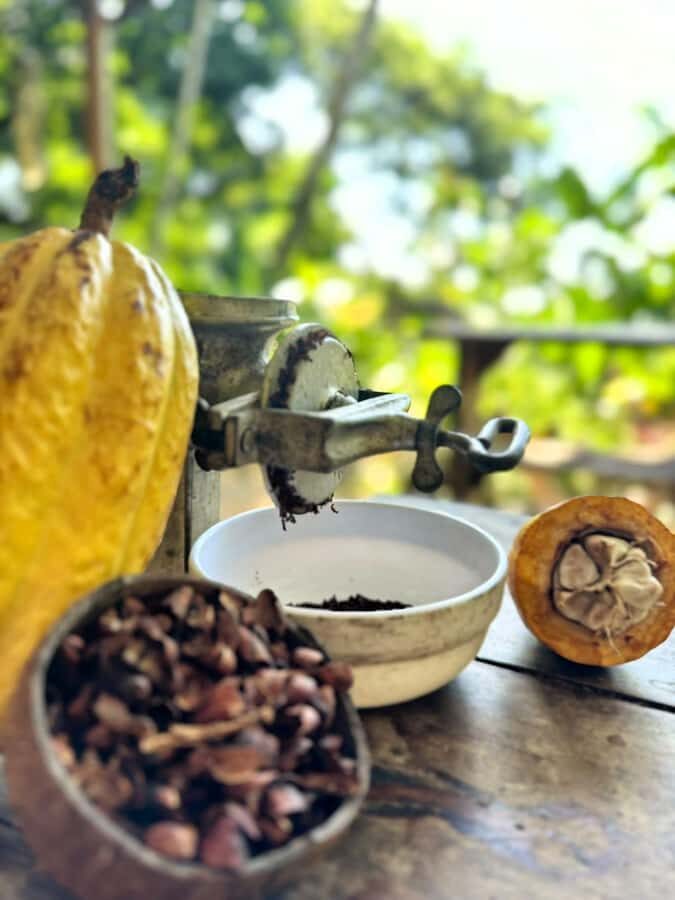
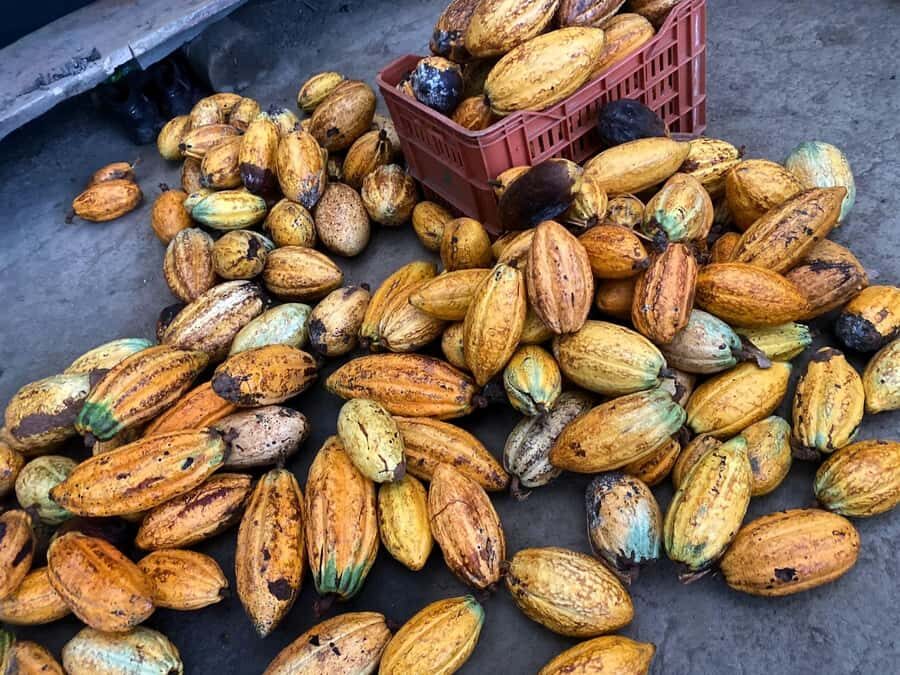
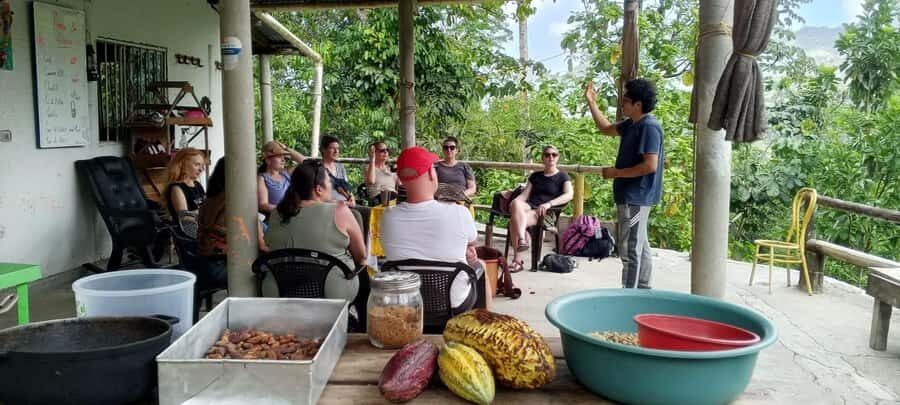
The core promise here is the real cacao process (from tree to mouth). You’re shown the plant stages and how cacao turns into something you can eat and drink. That’s more valuable than it sounds because cacao isn’t one flavor. The fruit, the dried seeds, and the final chocolate all taste different.
During the tour, you can expect:
- Cacao fruit and fruit tasting (so you understand what’s happening before anything becomes chocolate).
- A walk through the cacao processing steps, with explanations on how seeds go from plant material into edible cacao.
- Chocolate tastings in multiple presentations, including something to drink.
There’s also a cacao face mask, which sounds playful—but it fits the theme. It’s a way to connect the senses back to the plant itself, not just the final product.
One extra bonus from real-life farm experience: some people have gotten warm food like a cinnamon bun and drinks like chocolate (and sometimes coffee) at the farm stop. Even if your day’s menu differs, the point stays the same: cacao learning comes with eating, not with standing around.
Bird Watching, Songs, and Nests: Learning the Jungle by Listening
This tour isn’t only about cacao. It also trains your attention.
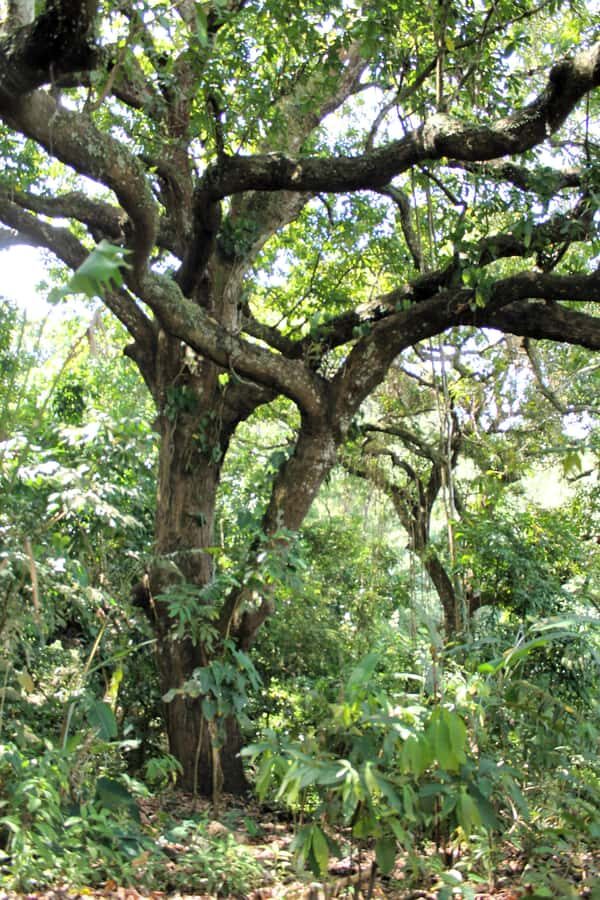
Expect bird watching with your guide calling out what you’re likely to see and hear. The tour includes bird nests and songs as part of the exploration, so you’re not just moving through trees while thinking about chocolate. You pause. You look. You listen.
If you’re the type who normally walks past things, this is where the experience becomes useful. You start noticing patterns: how birds behave in the canopy, what tends to show up near certain plants, and how the whole area feels alive rather than empty.
Also, wildlife sightings can happen, like monkeys and lots of birds. You won’t control what appears on a given day, but the structure of the walk makes it easier to spot things without needing binoculars or advanced jungle skills.
The Tayrona Territory Connection: Culture That Matters, Not a Slogan
This tour includes time walking in Tayrona indigenous territory. That matters because it frames cacao as part of a living landscape and a cultural system, not just a crop.
In practical terms, your guide uses the walk to share customs and community context. You learn why cacao work isn’t separate from the land, the plants, and daily life. Past participants have talked about learning from a host family and connecting cacao to local ways of knowing.
To get the most from this part, go in with a simple mindset: show respect, ask good questions, and stay present during explanations. If you treat the cultural component like a side-note, you’ll miss what makes the day feel grounded.
Waterfall Time With Clay: The Best Ending, With Real Safety Reality
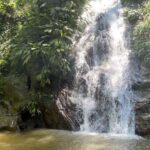
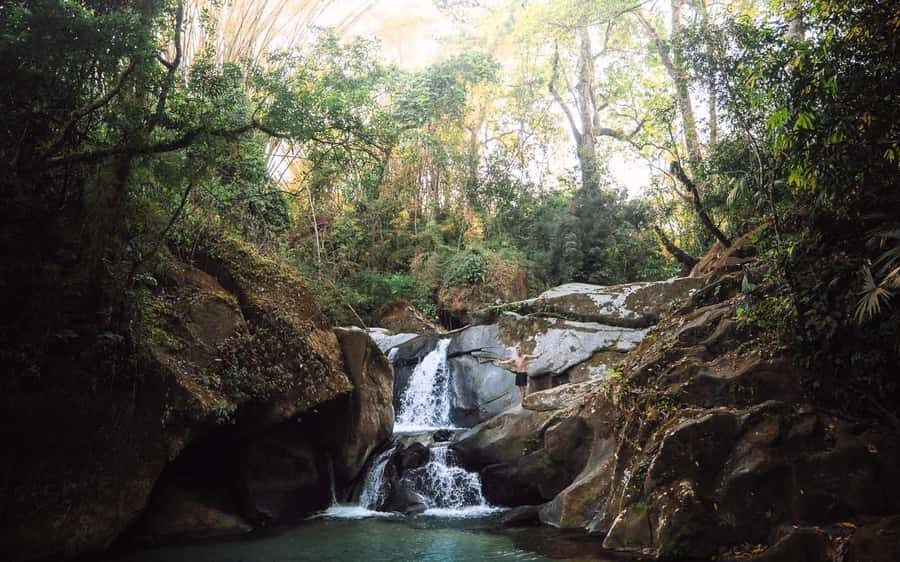
The finale is the river and waterfall break. After the hike, you get a chance to cool down, take photos, and enjoy a clay experience.
This is the fun part, and it can also be the most physical. The guidance info flags strong current waterfalls, plus hazards like poisonous snakes and wild animals in the area. The tour isn’t responsible if an accident happens, so the main rule is simple: listen to your guide and follow instructions closely.
What to expect in the moment:
- You’ll reach the waterfall with some hiking fatigue.
- You’ll get a clay-related activity tied to the site.
- You may do a waterfall dive (it’s listed as included), but only when it’s safe and when the guide says it’s right for the group.
If you’re thinking about this for your body: plan for slippery rocks, wet steps, and a climb back up. A few people found the descent and the return climb the toughest part. If you’re a confident hiker, you’ll likely feel proud at the end. If your fitness is low, you can still enjoy it—just keep your pace, take short breaks, and don’t rush the tricky sections.
Price and Value: Why $46 Can Make Sense Here
At $46 per person for about 4.5 hours, this tour isn’t “cheap,” but it also isn’t priced like a fancy private retreat. The value comes from what’s included and how much is built into the time.
You get:
- A personal bilingual guide (English/Spanish)
- Hiking and guided nature exploration
- Cacao and chocolate tastings
- Waterfall dive time
For that price, the key thing is that you’re not just paying for entry. You’re paying for someone to connect the dots: how cacao grows, how it’s processed, what to look for in the jungle, and how to do the waterfall safely. That interpretive part is hard to replicate on your own—especially if you don’t know what you’re looking at.
The other value point is the group size. It’s limited to 10 participants, which keeps the experience from feeling like a conveyor belt. One past participant noted the farm area felt crowded when another group was present, so if you’re extremely sensitive to crowds, you might want to ask about timing when you book. Still, the small-group structure is a real advantage for questions and pacing.
What to Wear and Bring for a Muddy, Wet, Jungle Day
You’re hiking in jungle terrain and finishing in water. That means comfort matters more than style.
Bring:
- Grippy shoes (closed-toe). If you only have sandals, you’ll regret it fast.
- A small towel or quick-dry cloth for the post-waterfall mess.
- A waterproof phone option if you want photos, because clay and water happen close together.
- Sun protection, even under trees. The humidity and sun can still hit hard.
Go light with valuables. You’ll spend time walking, climbing back up, and getting wet. If you’re carrying a heavy bag, reduce it. The guide and the route are set up for motion, not for hauling gear.
And mentally: this isn’t a flat stroll. You should expect a sweaty effort. That’s part of the deal, and it’s what makes the waterfall feel earned.
Who This Tour Suits Best (and Who Should Rethink It)
This tour fits best if you like a hands-on nature day with a clear theme. You’ll probably enjoy it if you:
- Want more than chocolate tasting and want the full process from fruit to drink.
- Like hikes, even if they include some scrambling and muddy patches.
- Enjoy bird spotting and learning by noticing, not by watching a screen.
- Want a memorable ending with water and clay.
You might want a different plan if:
- You dislike steep climbs or shaky footing.
- You’re worried about water safety and currents. (You can’t control conditions, so you must trust the guide.)
- You’re uncomfortable with the fact that the area includes risks like snakes and wild animals, even if they’re uncommon.
Should You Book Cacao Experience Tour?
I’d book it if your idea of a great day in Minca includes active learning: tasting, walking, and ending in the water with a story in your head and flavors in your mouth. The Tayrona cacao focus is specific enough to feel meaningful, and the small group size keeps it from turning into background noise.
Skip it (or at least think carefully) if you’re looking for an easy, fully comfortable “sit and snack” experience. The hike plus waterfall demands a basic fitness level and a calm, listen-to-the-guide attitude.
If you’re deciding between this and a more basic tour, choose this one for the process and the pairing: cacao education plus a real waterfall finale.
FAQ
Where do I meet for the Cacao Experience Tour?
The meeting point is the church in Minca.
How long is the tour?
The tour duration is 270 minutes.
Is this a small group tour?
Yes. The group is limited to 10 participants.
What languages are the guides?
The tour is guided in English and Spanish.
What’s included in the experience?
Included items are the tour, a personal bilingual guide (English/Spanish), hiking, tasting, and a waterfall dive.
Do I get to swim or dive at the waterfall?
A waterfall dive is listed as included, and you should follow the guide’s instructions for safe participation.
What risks should I consider before booking?
The activity information notes possible risks such as poisonous snakes and wild animals, plus strong current waterfalls. The tour also says it’s not responsible for accidents, so you should follow the guide instructions.
What’s the main cacao-focused content?
You’ll see the cacao process from the tree to tasting and eating, including fruit tasting, plus chocolate to drink and eat in different presentations.
Can I cancel and get a full refund?
Yes. You can cancel up to 24 hours in advance for a full refund.
Can I book now and pay later?
Yes. The tour offers reserve now & pay later, so you can book your spot without paying today.