REVIEW · COLOMBIA
Community tour Biodiversity Latatacoa Desert Villavieja
Book on GetYourGuide →Operated by PAYE ENTREPRENEURSHIP SAS · Bookable on GetYourGuide
Two deserts and one stargazing finale. I love the biodiversity you can spot along the Magdalena River and I love the fossil-and-astronomy pairing that ends the day under desert skies. One thing to plan for: the first desert walking stretch can run into harsh midday heat.
I also like that this isn’t only a nature day. You get community tourism time in the Xilópalos area, learning local traditions while your visit supports the people who live there, and you’ll enjoy a regional lunch in the middle of the route.
The practical side matters here. Entrance fees for the natural pools and the observatory are extra, you’ll want cash for that, and the pace includes several short walks that may not work if you have mobility or motion-sickness issues.
In This Review
- Key things I’d circle before you go
- How This Biodiversity Day Actually Feels in the Tatacoa Region
- Villavieja Start: Megaterio Plaza and a Quick Reset
- Magdalena River Cruise: Turtles, Birds, and River-Side Plants
- Backpackers Neiva Nature Reserve: Lakes, Reptiles, and Cactus Science
- Red Desert Walk: Iron-Soaked Soil and Paleontology Finds
- Valle de Los Xilópalos: Fossils, Canyons, and the Human Side
- Piscina Mineral and Time to Swim (With Extra Entrance)
- The Middle Day Hike Stop and Las Ventanas Mirador
- Astrosur Observatory at Sunset: Astronomy, Desert Night, and Language Choice
- Price and Value: What $64 Covers (and What to Budget for)
- What to Bring, and What to Expect From the Comfort Level
- Who Should Book This Biodiversity Latatacoa Tour
- Should You Book This Biodiversity Latatacoa Desert and Community Tour?
- FAQ
- How long is the Biodiversity Latatacoa Desert Villavieja community tour?
- Where does the tour start?
- Is pickup from where I’m staying included?
- What’s included in the price?
- What costs extra during the tour?
- What language is the guide?
- What should I bring?
- Is the tour wheelchair accessible?
- Are alcohol or drugs allowed?
Key things I’d circle before you go
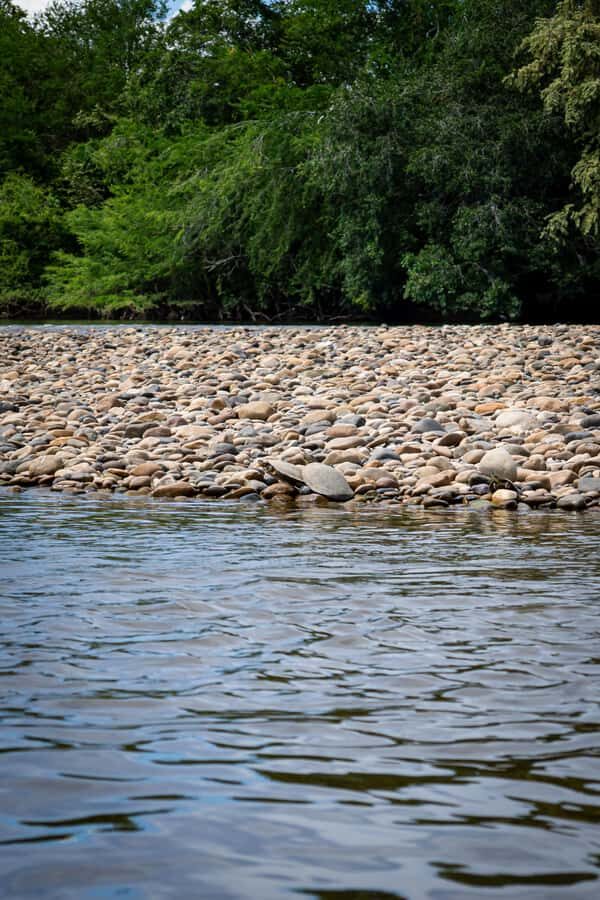
- Magdalena River wildlife cruise: look for turtles, exotic birds, and the plant life that grows around the water.
- Red Desert paleontology: iron-soaked ground and fossil hunting on foot.
- Backpackers Neiva nature reserve: cacti knowledge plus lakes where reptiles and birds live.
- Xilópalos Valley community time: traditions and culture tied directly to local development.
- Natural pools break: time to swim, but entrance is not included.
- Astrosur Observatory at sunset: guided stargazing session after a long day of walking.
How This Biodiversity Day Actually Feels in the Tatacoa Region
This tour is built like a living science lesson with breaks that keep it fun. You start near Villavieja, move through several ecosystems in one long day, and finish with astronomy when the sky is at its best.
If you like your travel days to have variety—river life, desert plants, geology, and stars—you’ll probably enjoy how the schedule keeps switching gears. The day is also structured around learning moments, not just photo stops.
That said, it’s not a slow, flat sightseeing stroll. You’ll be walking on desert ground more than once, and the sun is part of the experience whether you’re ready for it or not.
You can also read our reviews of more tours and experiences in Colombia.

Villavieja Start: Megaterio Plaza and a Quick Reset
The day kicks off from Villavieja, with a short break and a guided walk through town. You’ll get a first look at a local landmark in the central plaza: the imposing Megaterio.
This is a good place to get your bearings fast. It’s also where you can use a moment to check you’ve got what you need before you leave the urban comfort behind—water, sunscreen, and your hat should be easy to reach.
Villavieja stops are brief, so don’t expect a deep town exploration. Think of it as a friendly warm-up before the desert and river come at you.
Magdalena River Cruise: Turtles, Birds, and River-Side Plants
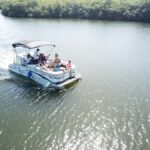
One of the most enjoyable parts of the day is the boat time on the Magdalena River. You’ll head from the Puerto Fluvial Malecon Ferri motos area and enjoy a cruise designed for wildlife viewing.
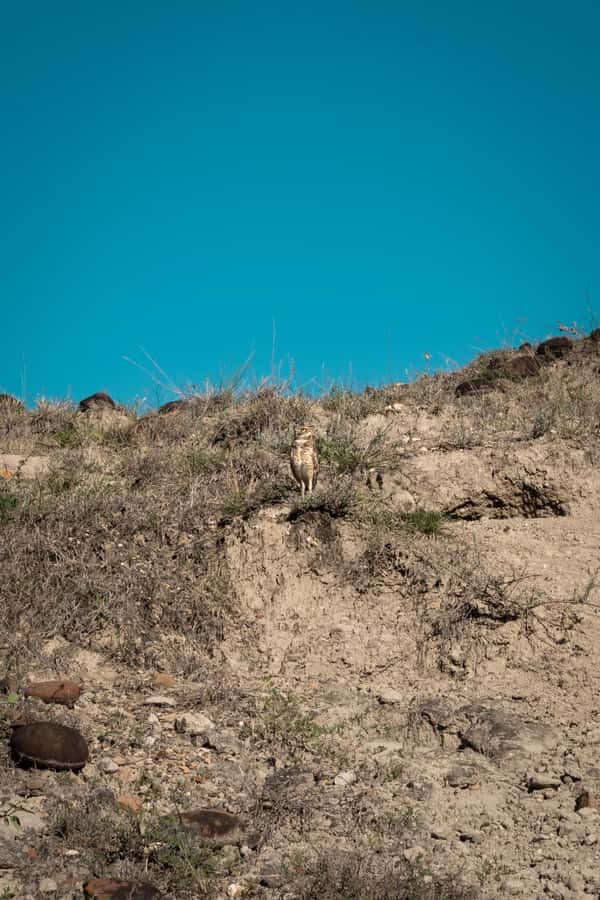
This is when the biodiversity theme turns practical. Keep your eyes open for turtles, exotic birds, and the lush vegetation that lines the river.
The stop at Marina Playa adds more river atmosphere and more chances to spot wildlife. The wildlife viewing time is short, so if you’re the type who likes to watch calmly and scan carefully, you’ll get more out of it than if you’re only looking for quick big sightings.
Backpackers Neiva Nature Reserve: Lakes, Reptiles, and Cactus Science
After the river, the tour shifts into a reserve setting where plants and small animals become the focus. You’ll spend time inside the Backpackers Neiva nature reserve, including what sounds like a slower, more educational walk.
This is where you’ll learn about cacti beyond just what they look like. The tour highlights different cactus types and even their reproduction processes, which is a great change from the usual desert chatter.
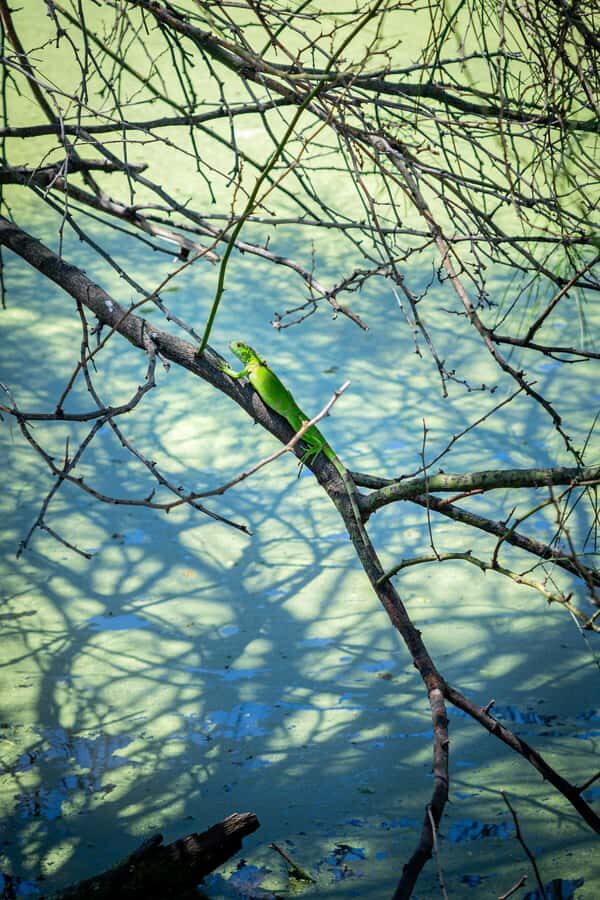
The reserve also includes lake areas where reptiles and birds live. That blend—dry cactus knowledge plus water-side animals—helps you understand how the region stays alive even when it feels dry and hot.
Red Desert Walk: Iron-Soaked Soil and Paleontology Finds
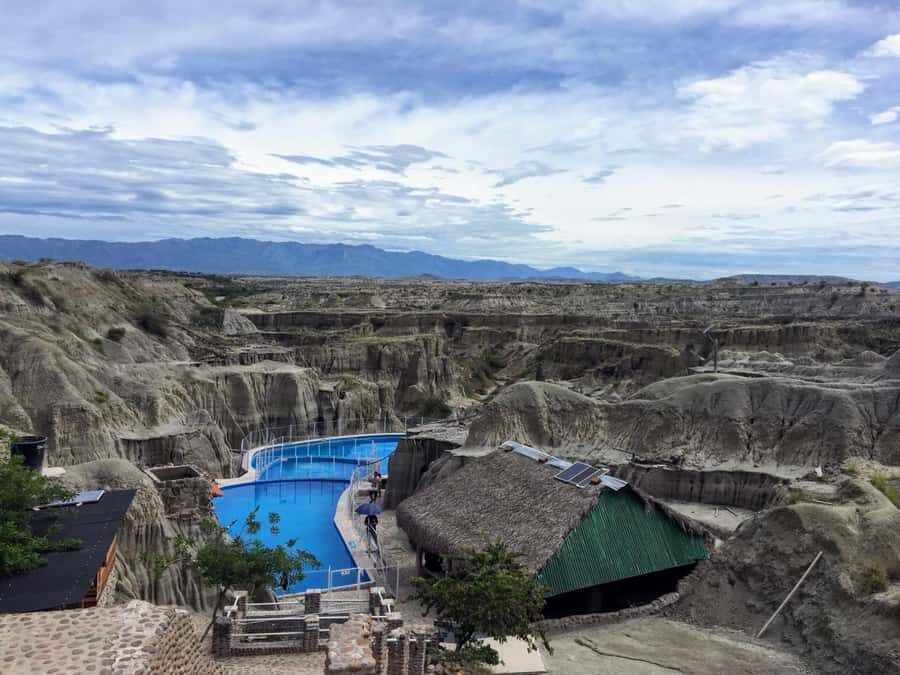
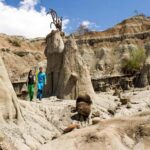
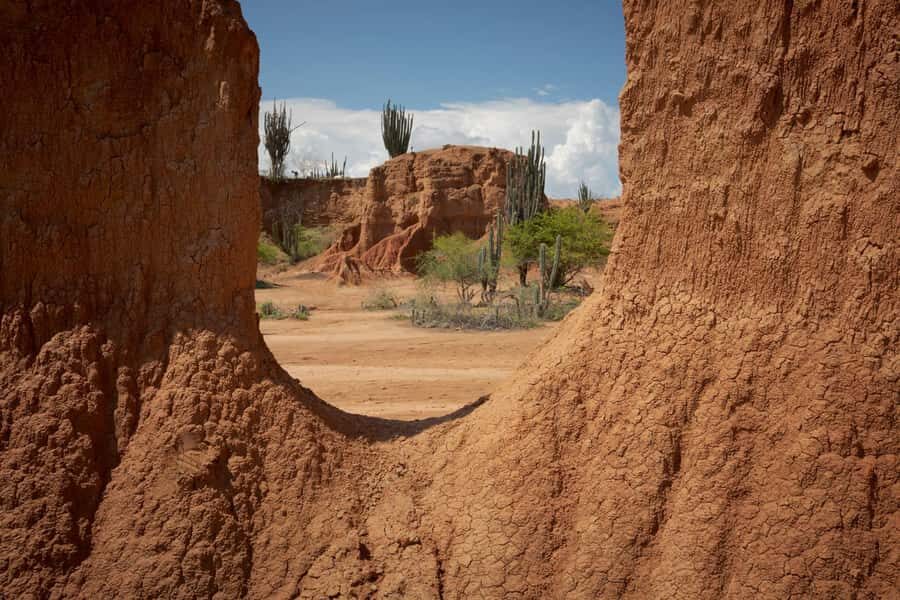
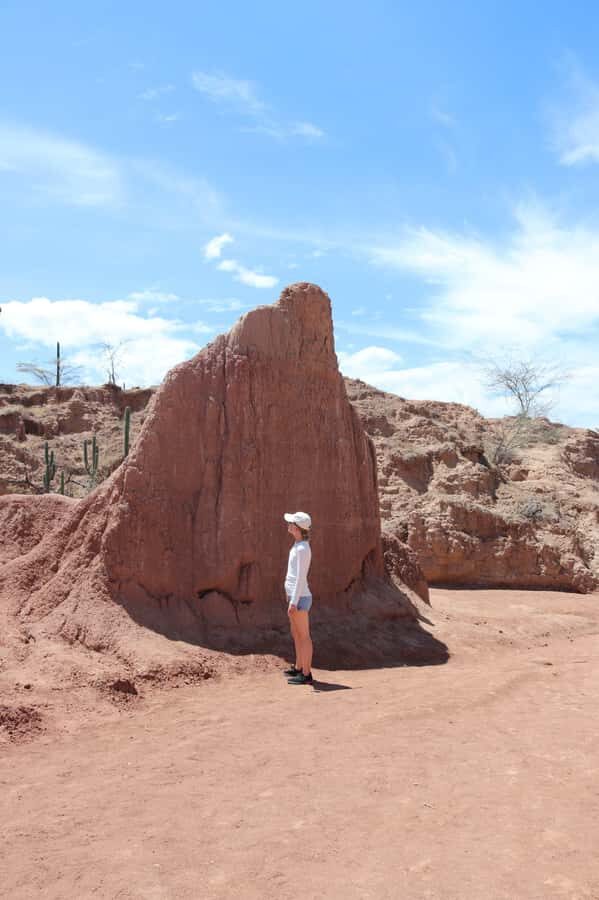
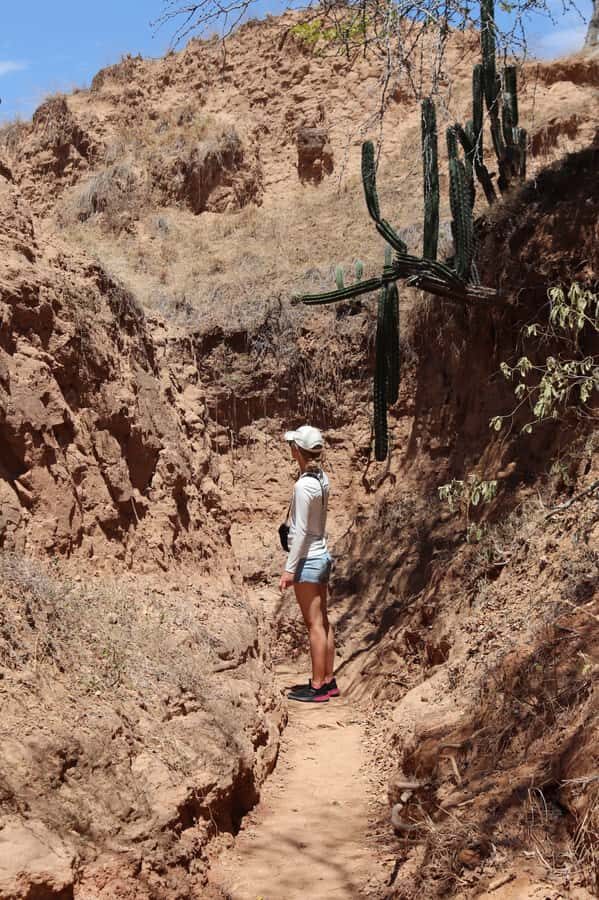
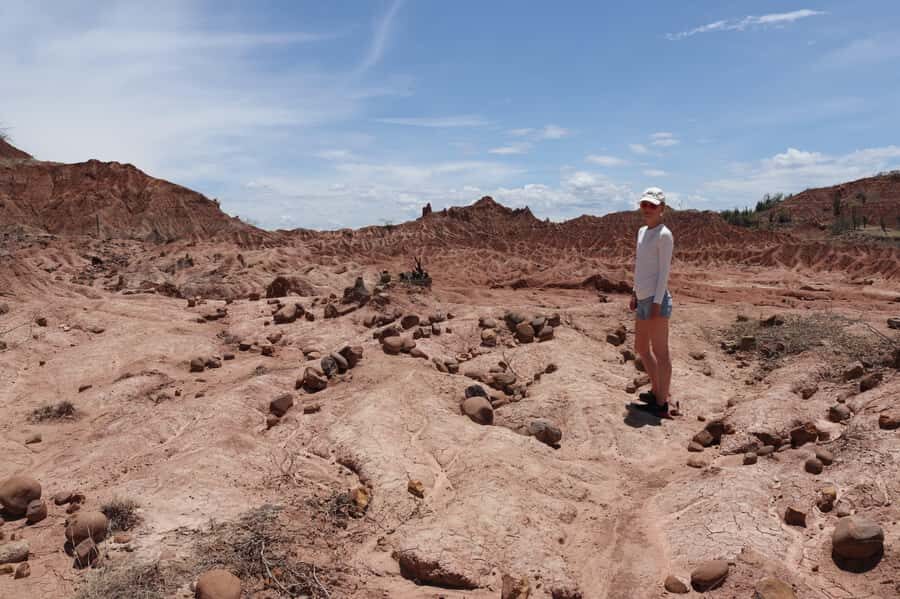
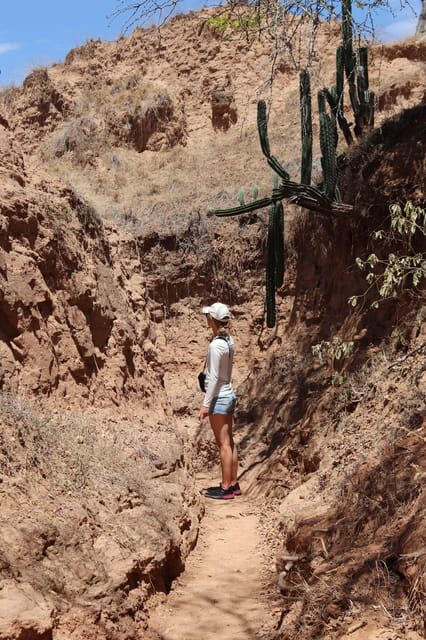
Then comes the Red Desert, and it’s the tour’s signature geology moment. The description emphasizes iron-soaked soil and paleontological treasures you can explore on foot.
This is the section you’ll want good shoes for. Desert ground can be unforgiving, and you’ll be moving through the terrain while your guide points out what to look for.
If you care about fossils and Earth history, this is likely the part that makes the price feel worth it. You’re not only seeing the desert—you’re learning why it matters and what evidence people can find in it.
It’s also the part where you may feel the heat the most. In one piece of feedback, the early desert walking timing was described as brutal midday sun, so I’d treat this as your main caution.
Practical tip: bring water early, not late. If you wait until you feel thirsty, you’ll already be behind.


Valle de Los Xilópalos: Fossils, Canyons, and the Human Side
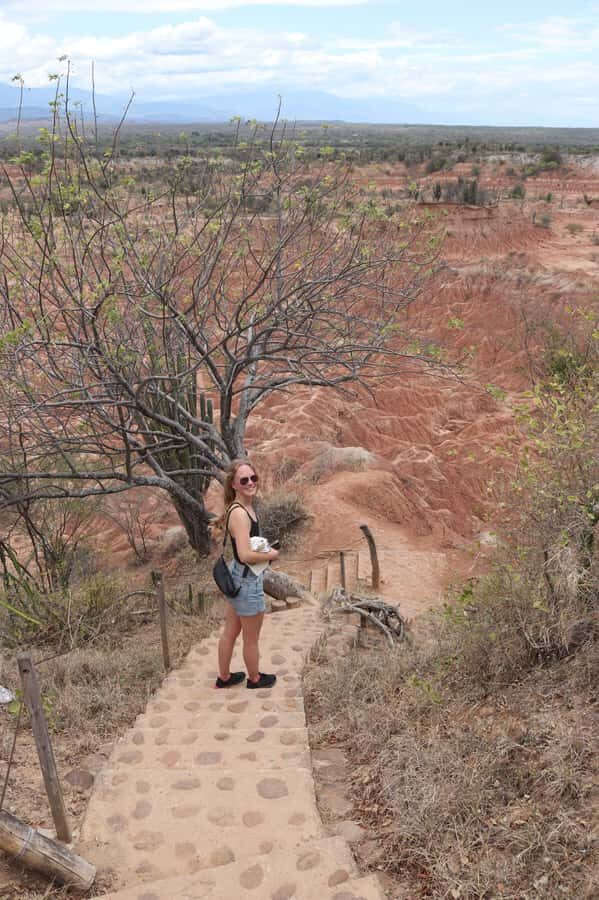
Next up is the Valle de Los Xilópalos, where the day gets more dramatic on the geology side. You’ll walk through canyons and rock formations with guided explanations and time to take in the fossil-rich setting.
This is also where the community angle becomes real. The tour includes interaction with the local community, and the idea is simple: your participation supports development, while you learn about local culture and traditions.
That’s a bigger deal than it sounds, because it changes the tone of the photos. Instead of just collecting images of rock walls, you’re hearing the story of how local life connects to this terrain.
You also get a lunch break here, followed by free time. That’s important because after a few active segments, you’ll want a breather before continuing.
Piscina Mineral and Time to Swim (With Extra Entrance)
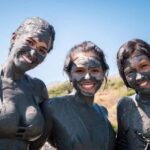
The itinerary includes natural pools time, specifically at Piscina Mineral. The tour description calls it a relaxing break with swimming time, which is a smart reset after desert walking.
But here’s the part you need to plan: entrance to the natural pools costs extra. The tour lists it as 10 thousand pesos, so budget for that if you want the swim.
This stop is also where you can cool down and recharge. If you’re prone to getting tired in heat, this may be the most valuable hour of the entire day.
The Middle Day Hike Stop and Las Ventanas Mirador
The route includes another guided hiking stop listed as 6RJJ+XF, followed by Las Ventanas Mirador. You’ll have time for hiking and viewpoints, plus short breaks along the way.
This is where the tour tends to feel less like a museum and more like a walk with stops for looking and learning. If you enjoy scenery and don’t need a tightly timed storyline, these segments can feel satisfying.
Las Ventanas Mirador is specifically framed for scenic views on the way, plus a short stop itself. In a desert day, viewpoints are what help you understand distance and scale, so don’t skip the looking time just because you’re tired.
Astrosur Observatory at Sunset: Astronomy, Desert Night, and Language Choice
The grand finale is the Astronomical Observatory Astrosur. You’ll arrive for a guided session with sunset timing and scenic views during the approach.
This is your astronomy payoff: experts guide you through the mysteries of the universe, and the desert night is an ideal setting for stargazing. The whole thing ties back to the theme of connection—nature, history, community, and the cosmos in one long day.
One note from experience shared after the fact: the astronomy session can be in Spanish, and that can leave non-Spanish speakers less fully involved. If English stargazing is important to you, it’s worth confirming the language plan with your guide or operator before you go.
Even if you don’t catch every explanation, the star time still tends to be memorable in a practical, visual way. Just don’t assume the narration will match your preferred language without checking.
Price and Value: What $64 Covers (and What to Budget for)
At about $64 per person, this tour is priced like a full-day, guided experience rather than a quick transfer. You’re getting private transportation from the Villavieja side of the region, entrance to the Red Desert and the Valley of the Xilópalos, a bilingual guide, and lunch.
On top of that, the schedule includes multiple guided nature and geology segments, plus boat cruising and a sunset observatory visit. That’s a lot of moving parts, so the “value” comes from how many different paid components are already handled in the base price.
What costs extra:
- Natural pools entrance (10 thousand pesos)
- Observatory entrance (10 thousand pesos)
- Transportation from Neiva is not included
So I’d think of the base price as the core guided day, with two optional-feeling add-ons that are actually pretty central to the full experience. If you want pools and observatory both, you’ll want to budget the additional 10k + 10k pesos for entrances.
Also remember the money reality: the tour notes that people don’t use card transactions, so bring cash. That alone can make the difference between enjoying the day and rushing at the end.
What to Bring, and What to Expect From the Comfort Level
This is a sun-and-walking day. If you’re underprepared, it stops being fun fast.
Bring:
- Comfortable shoes
- Sunglasses
- Sun hat
- Sunscreen
- Water
- Cash
Not allowed: alcohol and drugs.
Also, this tour isn’t suitable for people with mobility impairments, wheelchair users, pre-existing medical conditions, or motion sickness. It’s not presented as an easy day, and the mix of walking and vehicle time matters.
For most people, the bigger comfort issue is heat. One piece of feedback highlighted how the first desert hike can land during peak midday sun, so I’d treat timing and hydration as your top priorities.
Who Should Book This Biodiversity Latatacoa Tour
This tour fits best if you want:
- A full-day mix of river wildlife, desert ecology, and geology
- Paleontology and star viewing in the same day
- A community tourism component where local traditions are part of the explanation
- A guided experience in English or Spanish with an emphasis on flora and fauna
If your idea of a good day is a slow café stroll, this probably won’t match your pace. If you’re happy walking and scanning the natural world for birds, reptiles, and plant life, you’ll likely enjoy it.
It’s also a strong pick for Earth-science curious travelers who like explanations on fossils and desert plants, plus people who want a structured ending at an observatory rather than doing stargazing randomly on their own.
Should You Book This Biodiversity Latatacoa Desert and Community Tour?
I think you should book it if you want a single-day plan that actually connects ecosystems: river life in the morning energy, desert walking and paleontology in the middle, and a sunset observatory finish.
It’s especially worth it when you care about the learning side. The best feedback highlighted that guides delivered lots of information on flora and fauna in English and Spanish, and that the day felt balanced and well organized.
Skip or reconsider if you’re sensitive to intense sun, you need fully English-led astronomy narration, or you can’t handle walking and desert terrain. In that case, ask questions first about language for the stargazing and your comfort level for heat and hiking.
If you go with the right gear, bring cash, and hydrate like it’s part of the itinerary, this tour is a solid way to experience the Tatacoa region as more than just a pretty desert.
FAQ
How long is the Biodiversity Latatacoa Desert Villavieja community tour?
It lasts about 12 hours.
Where does the tour start?
The activity is listed with a pickup/start in Villavieja.
Is pickup from where I’m staying included?
Yes. Pickup is included from your hotel, hostel, or Airbnb (and the description also references Backpackers Neiva as a pickup point). Transportation from Neiva itself is not included.
What’s included in the price?
Private transportation from Villavieja to the desert and back, entrance to the Red Desert and the Valley of the Xilópalos, a bilingual guide, and lunch.
What costs extra during the tour?
Entrance to the natural pools (10 thousand pesos) and entrance to the observatory (10 thousand pesos) are not included.
What language is the guide?
The tour offers a live guide in English and Spanish.
What should I bring?
Bring comfortable shoes, sunglasses, a sun hat, sunscreen, water, and cash.
Is the tour wheelchair accessible?
No. It is not suitable for wheelchair users or people with mobility impairments.
Are alcohol or drugs allowed?
No, alcohol and drugs are not allowed.