REVIEW · PEREIRA
Explore the Coffee Process_From Tree to Cup & Fun by Jeep
Book on Viator →Operated by Mountain Bike Tours Colombia - RetroCiclas MTB Bike Tours · Bookable on Viator
If coffee is your thing, start here.
This Jeep ride into the Andes turns a simple plantation visit into a practical lesson on Colombian coffee. You will see how cherries become beans, then make coffee yourself, with sustainability at the center of the story.
I especially like the small group size (max 10) and the personalized pacing once you reach the farm. I also like that it is not just watching a process behind glass; you get hands-on brewing and tasting, plus a clear explanation of washed, honeyed, and natural styles.
The one consideration: this is a working farm, so expect bugs and some uneven paths in spots. Bring repellent and plan on walking some.
In This Review
- Key things that make this coffee tour work
- Jeep to the coffee mountains: what the start feels like
- Meeting the farm team: Elizabeth, Arvey, and that family feeling
- The plantation walk in Pereira: coffee plus a whole edible ecosystem
- Compost, vermiculture, and the farm’s sustainability routine
- The tree-to-cup lesson: cherry to beans (washed, honeyed, natural)
- Brewing and roasting: making your own Colombian coffee
- Price and logistics: what you get for $115 in Pereira
- Who should book this farm tour (and who might skip it)
- Should you book Coffee Process From Tree to Cup & Fun with the Jeep ride?
- FAQ
- Where does the tour take place?
- How long is the experience?
- How much does it cost?
- What is the group size?
- What is included in the price?
- Is transportation from other cities included?
- Can I cancel for free?
- What if the tour is canceled because the minimum number of travelers is not met?
Key things that make this coffee tour work
- Jeep pickup and drop-off from Pereira, with someone else driving you into the mountains
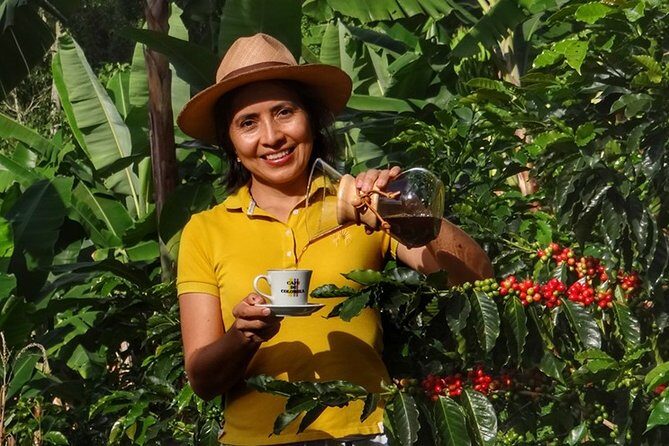
- Tree-to-cup walkthrough focused on real coffee steps: growing, harvesting, fermentation, washing, drying, roasting, brewing
- Small-group attention capped at 10 travelers, so your questions actually get answered
- Sustainability features like composting organic waste and vermiculture, plus a nursery
- Farm variety beyond coffee, with bananas, cocoa, avocado, citrus, guava, papaya, mango, and guanabana
- Hands-on coffee prep so you can copy what you learn at home
Jeep to the coffee mountains: what the start feels like
The experience kicks off with a traditional Jeep pickup in Pereira, the kind you instantly associate with the coffee region. From there, you ride up toward the Andes while the day’s lesson begins in the vehicle: coffee culture, local context, and what makes this farm different.
This drive matters more than you might think. You go from city noise to mountain quiet fast, and you arrive mentally ready to focus. The tour runs about 4 hours, which is long enough for a full process lesson but short enough that you are not stuck on the clock all day.
If you are choosing this tour as part of an Eje Cafetero trip, this is a smart way to get off the standard route. The coffee lesson happens right where coffee is grown, not in a showroom.
A few more Pereira tours and experiences worth a look
Meeting the farm team: Elizabeth, Arvey, and that family feeling
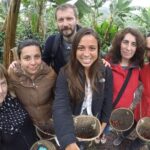
Once you arrive, you are not shuffled through stations. The tour is guided by the farm’s core team, including Elizabeth and Arvey. More than one guide name may appear depending on the day (for example, Pablo shows up in at least one account), but Elizabeth and Arvey are consistently described as the heart of the experience.
What I like about their style is the plain, human way they explain coffee. You are not hit with jargon first. You start with the life of the plant, then move toward processing, then toward roasting and brewing. It is easier to remember and easier to connect.
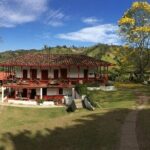
And yes, it feels like you are being welcomed into a working home. You might even meet farm animals on the property, including chickens and ducks, and some visits include the hosts’ dogs (Toby and Lola are specifically mentioned). That matters because it reinforces one key theme: this is not only agriculture as a product, it is agriculture as daily life.
The plantation walk in Pereira: coffee plus a whole edible ecosystem
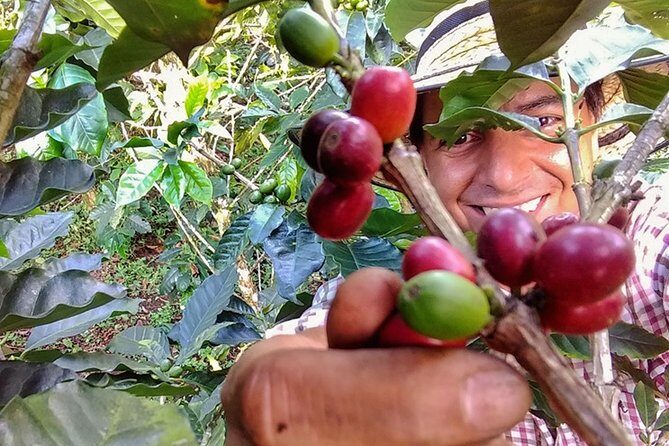
A big part of the tour is the walk through the finca (farm). You will see coffee plants up close and learn about the life cycle of the coffee tree. Then, you will also see why coffee farms in Colombia are often more like mixed systems than single-crop fields.
On this property, coffee shares space with fruit and other plants. The farm highlights include bananas, cocoa, avocado, orange, lemon, tangerine, guava, papaya, mango, and guanabana, plus other trees and plants. You also see examples of how specific plants serve a purpose, not just for looks.
One practical detail to plan around: since this is a real farm, you will want to wear bug repellent and stay covered where needed. Some paths are described as wheelchair and blind accessible in parts, but the experience is still outdoors on uneven land. If you have mobility considerations, your best move is to tell the guide what you can handle before you start walking.
Compost, vermiculture, and the farm’s sustainability routine
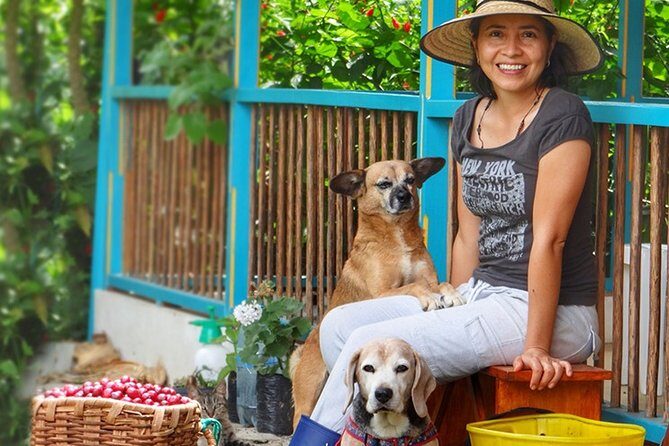
Coffee processing is only half the story. The other half is how the farm handles waste and fertility, and that is where this tour earns its “responsible tourism” reputation.
You will be shown the area where organic waste is composted and the farm’s vermiculture setup. Vermiculture is worm-based decomposition, and it is one of those ideas that sounds technical until you see it in action. It also connects neatly to the bigger message of clean agriculture: build soil health, reduce waste, and treat the farm as a living system.
You may also visit the nursery. That matters because it shows the farm is thinking beyond this year’s harvest. You start to see how decisions made now affect coffee plants later.
Even if you are not obsessed with farming, this section is worth it. It answers the question people often skip: where does the long-term quality come from, and why does sustainability matter to the cup?
The tree-to-cup lesson: cherry to beans (washed, honeyed, natural)
Now you get to the core of the coffee process: how cherries become different kinds of coffee beans.
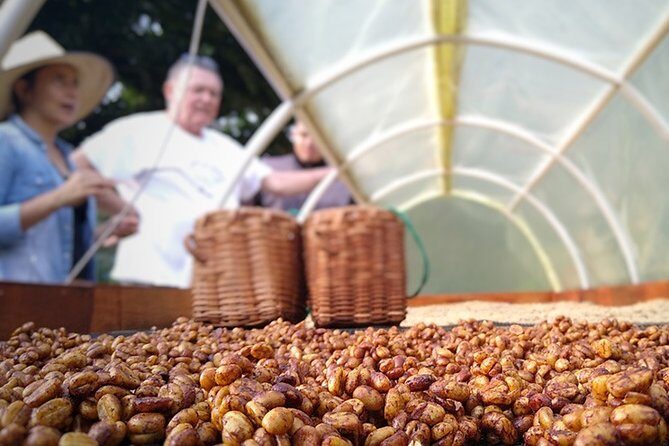
Expect a step-by-step explanation of processing, including the stages involved in fermentation, washing, and drying. You will learn how quality control fits into the chain. Then you will get the result: three types of beans tied to processing methods—washed, honeyed, and natural.
This is the part I think helps you understand coffee beyond taste notes. Once you connect flavor to processing, the cup makes more sense. You are not just ranking coffees; you are learning why they behave differently.
And because this is a living farm, you can often connect the processing to what you saw earlier—plants, growing conditions, harvesting choices, and preparation. The result feels coherent, not like a random set of facts.

Brewing and roasting: making your own Colombian coffee
If you care about coffee, this tour is not content to stop at tasting. You will learn how to prepare Colombian coffee in a way you can actually copy at home. And you will also make coffee on site.
Roasting gets its own attention, including an explanation tied to the roasting curve. You might not memorize every detail, but you will leave understanding that roasting is controlled transformation—not guesswork. That helps you appreciate what you are tasting and makes future coffee choices more confident.
The tour also includes guided brewing steps and comparative tasting. Some visits also describe sweet, citrusy refreshment made with fresh lemons on the farm, plus snacks like empanadas or patacones. Snacks are included in the tour price, so you are not just drinking coffee and calling it a day.
By the end, you are not walking away with one good cup. You are walking away with a method.
Price and logistics: what you get for $115 in Pereira
At $115 per person for about 4 hours, this tour is priced for a full, small-group experience with real on-site value. Here is what makes the cost feel fair:
- Private transportation and hotel pickup and drop-off from Pereira are included
- Entrance and guide are included
- You get coffee and/or tea plus snacks
- You get hands-on coffee prep and a complete process walkthrough, not only a view from a distance
For context, the tour is limited to 10 travelers, which usually means less waiting and more time talking with the hosts. You are paying for that attention and for the farm visit itself.
One possible add-on to know: transportation from other cities costs an additional $25 USD. If you are planning to combine this with other Eje Cafetero stops, check how you are getting there so you do not get surprised by extra transfer costs.
Who should book this farm tour (and who might skip it)
Book this if you want a coffee experience that is hands-on, small, and rooted in how a Colombian finca actually runs. It is a good fit for:
- Coffee lovers who want to connect processing methods to flavor
- Travelers who like sustainability stories with real practices (compost, vermiculture, soil care)
- Anyone who enjoys nature and plants, since the farm is described as a full mix of fruit trees and other species
- People who learn best by doing, especially when brewing is part of the lesson
It might be less ideal if you:
- Want a quick, mostly indoor experience (this is outdoors on a working farm)
- Are very sensitive to bugs and uneven walking surfaces (bring repellent and plan for farm terrain)
Because the group is capped at 10, it also tends to work better for people who dislike big buses and rushed tours.
Should you book Coffee Process From Tree to Cup & Fun with the Jeep ride?
Yes, if you want a small-group Colombian coffee lesson that goes step-by-step from cherry to cup. The combination of a mountain Jeep pickup, a working finca setting, and hands-on brewing makes it feel like real experience rather than a standard stop.
I would especially recommend it if your coffee interest is deeper than ordering a latte. The washed, honeyed, and natural breakdown, plus roasting and brewing coaching, gives you useful knowledge you can use after you get home.
If your priority is only the most efficient sightseeing option, then you might choose a different activity. But if coffee and sustainable farming are on your list, this one is a strong match.
FAQ
Where does the tour take place?
It takes place in Pereira, Colombia, with hotel pickup and drop-off included.
How long is the experience?
The duration is about 4 hours.
How much does it cost?
The price is $115.00 per person.
What is the group size?
The tour has a maximum of 10 travelers.
What is included in the price?
The tour includes coffee and/or tea, snacks, private transportation, entrance, and a guide.
Is transportation from other cities included?
No. Transportation from other cities costs an additional $25 USD.
Can I cancel for free?
Yes. You can cancel up to 24 hours in advance for a full refund.
What if the tour is canceled because the minimum number of travelers is not met?
If it is canceled for that reason, you will be offered a different date or experience, or you will get a full refund.