REVIEW · SANTA MARTA
Santa Marta A Historical & Street food Experience
Book on GetYourGuide →Operated by Tripcol · Bookable on GetYourGuide
Santa Marta history on foot beats guesswork every time. This tour strings together the city’s key landmarks and indigenous Sierra Nevada stories, with food stops that actually match what you came for. I especially liked the Museo del Oro Tairona start, because it gives you context before you start walking the streets.
Two things I come away with are the Tayrona-focused museum time and the chance to taste regional flavors like lulo in more than one form. A possible drawback: the tour is listed as 2 hours, but the pacing can feel short or even rushed depending on how smoothly the day runs, and sometimes a planned tasting stop can be closed.
The good news is that the tour is guided live in English or Spanish, and you can ask questions. When you get someone like Sergio, the whole route feels less like a checklist and more like a story you can follow with your feet and your appetite.
In This Review
- Key points to know before you go
- Museo del Oro Tairona and Casa de la Aduana: where the story starts
- Bolív ar Square and Simon Bol ívar Park: the famous name part (with context)
- Cathedral Basilica of Santa Marta: colonial architecture and hidden clues
- Custom House and the route’s day-to-day architecture
- Parque de los Novios: the social heart and legend zone
- Tayrona civilization artifacts: why the museum time actually helps
- Street-food stops: juices, lulo tastings, ceviche risk, and empanadas
- Guide quality is the real make-or-break factor
- Price and value: is $56 fair for a 2-hour walking tour?
- Timing reality check: why 2 hours can become 4
- Who should book this Santa Marta tour (and who should skip it)
- FAQ
- Where does the tour start?
- How much does the Santa Marta Historical & Street Food Experience cost?
- How long is the tour?
- What languages are the tours offered in?
- What food and drinks are included?
- Is the museum tour included?
- Can I cancel for a refund?
- Do I need to pay right away to reserve?
- Should you book this Santa Marta mix of history and street food?
Key points to know before you go
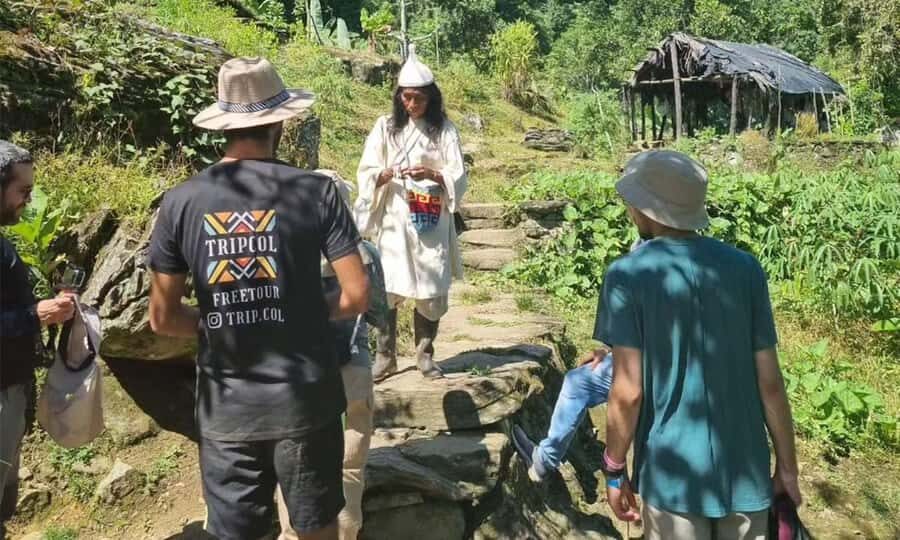
- Museo del Oro Tairona first: you get the Tayrona context before the street tour starts
- Food includes lulo + juices + empanadas: not just one token bite
- Architectural stops matter: cathedral details and colonial-era structures shape the story
- Parque de los Novios is a central social pause: good place to reset before the next legs
- Ceviche can be tricky: if a spot is closed, the experience may not match expectations
- Time can vary: some schedules run longer than the posted 2 hours
Museo del Oro Tairona and Casa de la Aduana: where the story starts
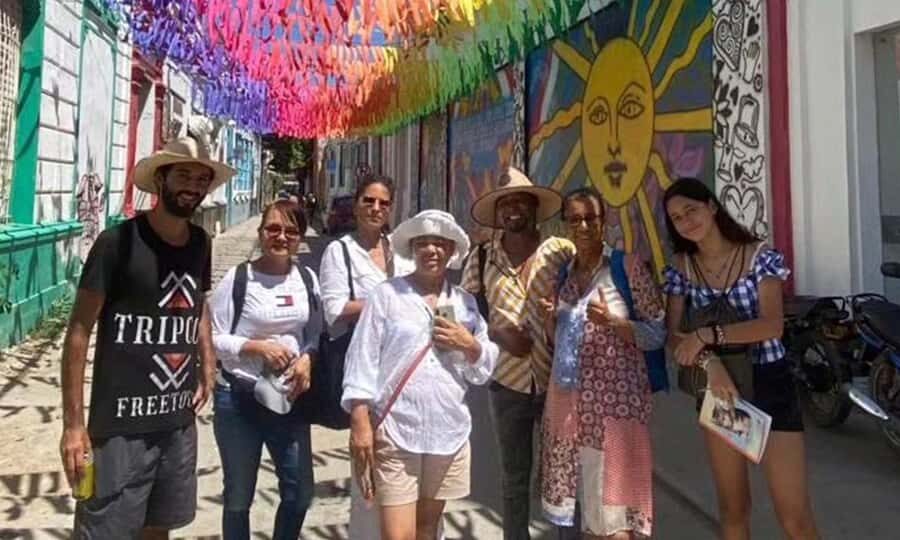
Most city tours in Santa Marta start with plazas. This one starts with the material side of the past, at the Museo del Oro Tairona – Casa de la Aduana. You begin right in a museum setting, which helps you understand why Santa Marta’s history isn’t just colonial buildings and famous names.
Inside, you’ll get a guided look at the Tairona Gold Museum. The schedule is built around two museum moments: a short guided introduction, then more guided time as you continue exploring. Practically, that structure matters. When you arrive with context, you notice things faster—patterns in objects, the logic behind what you’re seeing, and how the Sierra Nevada indigenous people fit into the bigger Santa Marta timeline.
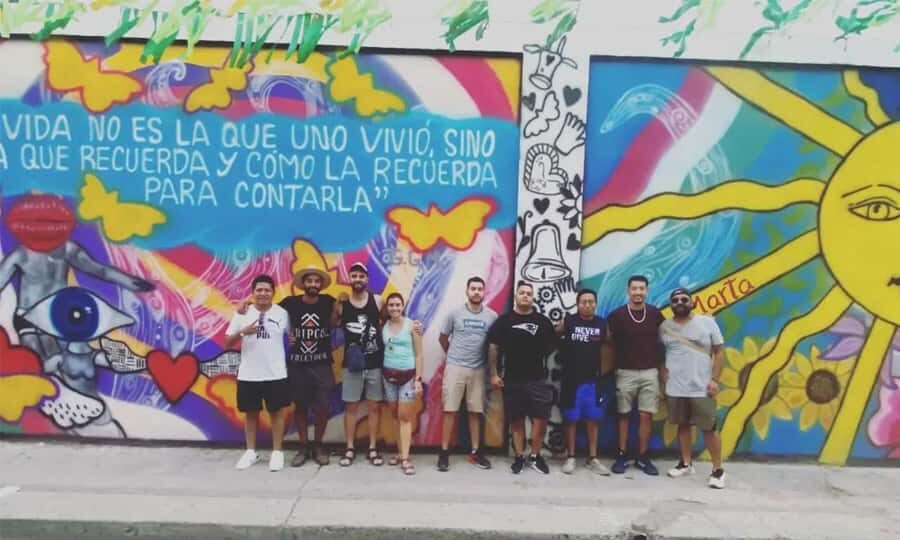
One detail I really appreciated: learning about the indigenous people of the Sierra Nevada isn’t treated like trivia. It’s part of the reason the city feels the way it does. And in the middle of the walking route, a guide’s pointer about visual culture—like references to Gabriel García Márquez murals noted along the way—helps connect the dots between indigenous identity and modern Colombian storytelling.
If you’re the kind of person who likes a tour to make you look smarter later, this museum start is the move.
You can also read our reviews of more food & drink experiences in Santa Marta

Bolív ar Square and Simon Bol ívar Park: the famous name part (with context)
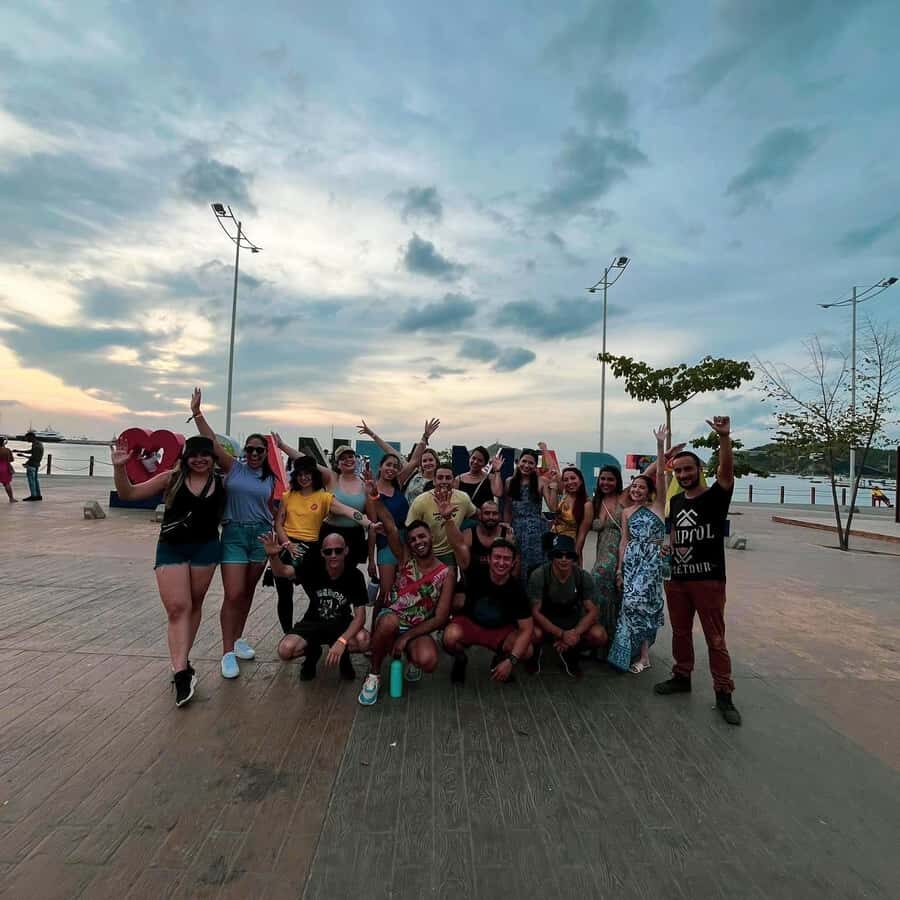
After you get oriented in the museum, you shift to the city’s political and symbolic heart. You’ll pass through Bolívar Square, where the legacy of Simón Bolívar is part of the city’s identity. Then you move toward Simon Bolivar Park.
This is the section that can make or break your experience—because it’s where a guide either speeds through dates, or turns landmarks into meaning. The best version of this stop is when your guide links what you see (the plaza vibe, the placement of buildings, the way the square functions) with why people remember certain leaders in certain cities.
You’ll also get at least one moment that functions like a built-in “look up” break. Even if you don’t love political history, these pauses help you understand Santa Marta as a planned city, not just a place you happen to walk through.
Cathedral Basilica of Santa Marta: colonial architecture and hidden clues
Next up is the Cathedral Basilica of Santa Marta. The point here isn’t only the exterior. You’re meant to explore the colonial architecture and listen for what’s “hidden” in the details—especially in frescoes.
This kind of stop is ideal if you like your history to have clues you can spot with your eyes. Frescoes and iconography can feel like decoration until someone shows you what to look for. When the guide keeps it practical, the cathedral becomes a quick visual puzzle instead of a long lecture.
Then, along the way, you also get scenic views. That matters because the walking route is only interesting if you get moments to catch your breath and reframe what you’re seeing.
Custom House and the route’s day-to-day architecture
Trade shaped Santa Marta, and the tour reflects that. You’ll visit the Customs House, where commercial history explains how the city developed as a hub. This isn’t the sexiest landmark on paper, but it often lands well in real life because it makes Santa Marta’s growth feel grounded.
A practical bonus: when you learn about trade routes and commerce, later street-life details start making more sense. You understand why certain parts of town became social and economic centers, and why the historic core feels layered instead of stuck in the past.
You also hit other architecture-focused moments:
- a Parque Camellón Rodrigo de Bastidas stop, with a guided segment and a photo pause
- Iglesia San Francisco, with another photo stop and short guided visit
- San Miguel Cemetery, again with photo time and a guided look
These aren’t random fillers. Together they create a route that shows how Santa Marta’s public spaces, religious spaces, and even cemeteries communicate cultural values.
Parque de los Novios: the social heart and legend zone
Parque de los Novios is one of those places you can’t ignore. The tour treats it as the social and cultural heart of the city, tied to history, romance, and local legends.
What makes this stop useful for you is timing. After museum time and architecture stops, the park gives you a natural reset. It’s a place to look around and absorb the city’s rhythm without rushing into the next building.
Also, it’s part of the route logic. Even if the walking schedule feels tight, the park stop is where you get breathing room and a chance to regroup before the later history and final tastings.




Tayrona civilization artifacts: why the museum time actually helps
By the time you’re back in the middle of the route, the tour’s Tayrona theme should feel more than symbolic. The itinerary specifically calls out a Tayrona Museum segment focused on mysteries of the civilization through artifacts and traditions.
Here’s the value: you’re not only hearing about indigenous people of the Sierra Nevada. You’re connecting them to objects, and objects to cultural practice. That’s what turns “history” into something you can remember.
One thing I liked from the way the tour is described is the balance between material and immaterial heritage—meaning it doesn’t stop at objects in a case. It aims to explain traditions and significance, which is exactly what helps a museum tour feel like it belongs to the city you’re walking through.
Street-food stops: juices, lulo tastings, ceviche risk, and empanadas
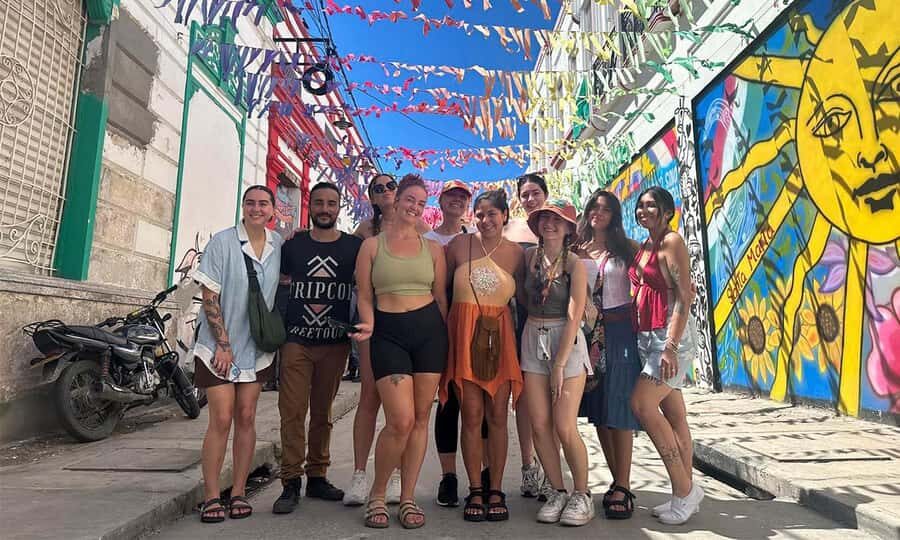
This is the part you’ll remember with your stomach.
You start with a fresh fruit juice stop, where you can taste juices made from exotic fruits named right in the experience: guanábana, maracuyá, and zapote. This is smart because it gives you a quick taste of local flavors early, before the heavier bites.
Then the tour brings in lulo, sampled in different preparations—think juice plus other artisanal infusions. Lulo is a signature Colombian fruit, and having it in multiple forms is more satisfying than a single sip. You get to notice differences in flavor and sweetness, and it’s a simple way to understand how local people treat ingredients based on season and style.
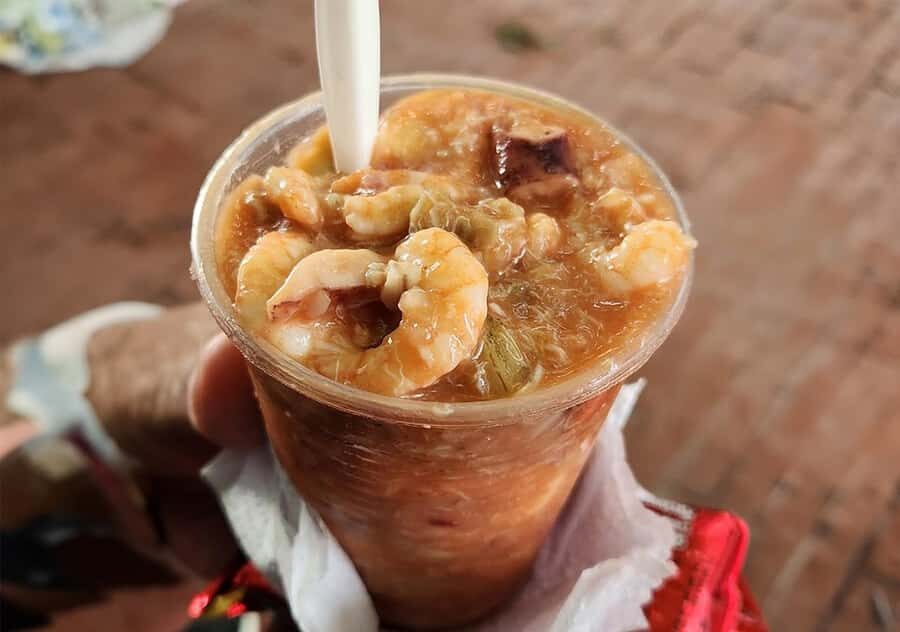
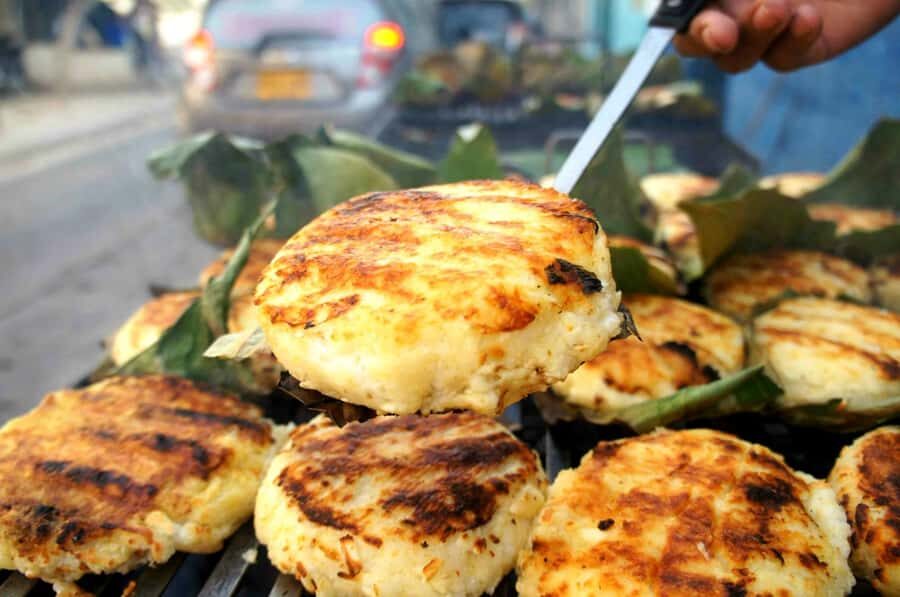
Then comes ceviche and empanadas. The plan is a local Colombian-style ceviche with fresh seafood, followed by crispy, golden empanadas at the end. Those are classic street choices for a reason: they’re fast, flavorful, and easy to share.
Now the honest part. One snag can happen with the ceviche stop. If a place is closed, you might not get the ceviche you expected. In one case, the food tasting didn’t include the ceviche because the spot was shut down. In another, the tour didn’t match the listed tasting flow. If you book, I’d treat ceviche as a hopeful win, not a guaranteed checkbox.
Still, the overall food set—juices, lulo, empanadas—is aligned with what Santa Marta does well, and it’s a big part of the tour’s value.
Guide quality is the real make-or-break factor
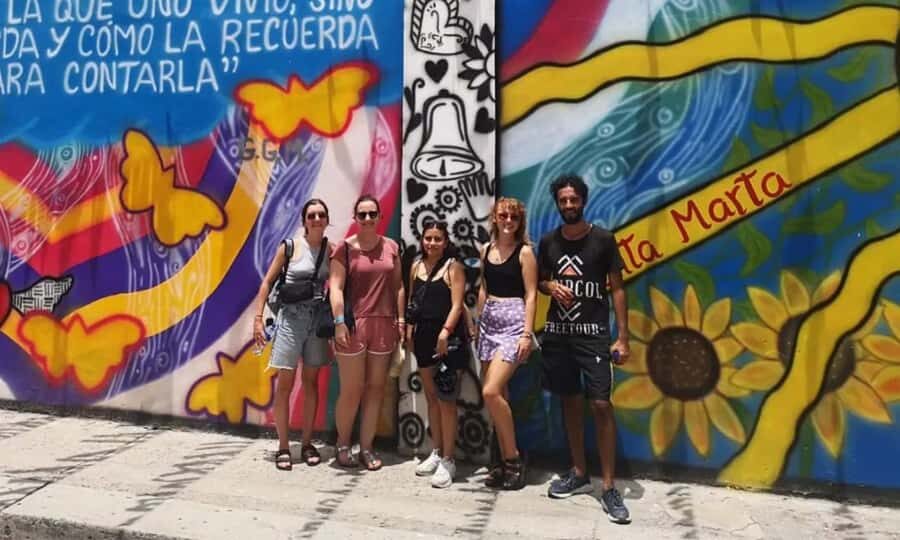
The tour is led by professionals with backgrounds that include history, journalism, and anthropology. That’s a strong foundation. But in practice, the difference is the person in front of you.
Sergio is one name that shows up in the strongest feedback. People describe him as personable and easy to talk to, with a real interest in Colombia, and helpful even beyond the tour. When a guide like that explains the “why” behind each landmark, you spend less time checking your phone and more time noticing the city.
What you should aim for: ask questions. If your guide encourages it, you’ll get more out of the cathedral details, the museum context, and even the legends tied to Parque de los Novios.
Price and value: is $56 fair for a 2-hour walking tour?
At $56 per person for a posted 2-hour experience, you’re paying for three things:
1) a live guide,
2) a guided museum portion,
3) food and a local drink.
For a historic center walking tour, that can be a solid value—especially if you get the full museum time and all planned tastings.
But value depends on execution. Some schedules felt too short or hurried, with parts of the museum or stops not fully delivered as expected. Others ran longer than listed. When the pacing lines up well, the price feels more fair because you’re getting both city context and actual snacks.
My practical take: if you’re comfortable with the idea that a walking tour can run at real-world speed, and you care most about the museum + food combo, this can make sense. If you want a tight, timed machine that hits every stop exactly as written, you might feel disappointed.
Timing reality check: why 2 hours can become 4
The listing says 2 hours. But at least one experience ran closer to four hours. Another felt rushed and short.
So how should you plan? Book this tour with a bit of buffer around it. Don’t schedule something critical right after. The route includes multiple stops that each need a short guided moment, plus food stops that depend on what’s open.
Also, consider picking a later departure. One highlight from feedback: a 4:30 afternoon tour felt cooler, which can make the walking portion more comfortable. That’s not “tour magic,” but it’s a smart strategy if the day’s heat affects your energy.
Who should book this Santa Marta tour (and who should skip it)
Book it if:
- you want a history-with-food route instead of a pure museum day
- you enjoy Sierra Nevada and Tayrona context before you start exploring on your own
- you want a guide to point out details in architecture and cultural sites
- you’re comfortable treating ceviche as part of the plan, not a guaranteed outcome
Consider skipping or choosing another option if:
- you dislike rushed tours and need strict pacing
- you’re allergic to the idea that a specific food stop could be closed
- you only want museum time with no walking, since this is clearly a multi-stop route
It’s best for first-timers who want to get their bearings fast and also eat while they do it.
FAQ
Where does the tour start?
The starting location is listed as Museo del Oro Tairona – Casa de la Aduana.
How much does the Santa Marta Historical & Street Food Experience cost?
The price is $56 per person.
How long is the tour?
The duration is listed as 2 hours.
What languages are the tours offered in?
The live tour guide is available in English and Spanish.
What food and drinks are included?
The experience includes ceviche, lulo, juice, and empanada, plus a local drink.
Is the museum tour included?
Yes. A guided tour inside the museum is included.
Can I cancel for a refund?
Yes. You can cancel up to 24 hours in advance for a full refund.
Do I need to pay right away to reserve?
No. The option Reserve now & pay later is offered, so you can book without paying immediately.
Should you book this Santa Marta mix of history and street food?
I think this tour is worth booking if you’re chasing the combination of Tayrona context + Santa Marta landmarks + real local snacks. When the guide is in sync with the group and the schedule holds, it’s a strong way to understand the city without spending the whole day on museums.
Just go in with one mindset: the exact food flow (especially ceviche) and the total time can shift. If you build a little buffer into your day and you’re flexible about the route’s pacing, you’ll likely enjoy it. If you want strict timing and guaranteed every stop exactly as written, you may want to look for a more rigid option.