REVIEW · SAN AGUSTIN COLOMBIA
Horseback Riding Tour and visit to Tablón, Chaquira, Pelota
Book on GetYourGuide →Operated by Chaska Tours · Bookable on GetYourGuide
San Agustín is already special on foot—on horseback it gets personal. This 4-hour ride threads you through the archaeological landscape around San Agustín, with incredible panoramic viewpoints and key sites like La Chaquira and La Pelota’s color statues. It’s built for different riding levels, but still feels like an outing, not a checklist.
What I like most is the combo: horseback riding + guided interpretation of monoliths and statues. The guide explanation matters here because these places are more than pretty scenery; they’re about meaning, placement, and what the sculptors were doing with form and color. And I also like the way the tour handles variety—your horse setup can work for children, beginners, and experienced riders, so the day fits more groups.
One consideration: this experience depends on good weather, and it asks for moderate physical fitness. If you’re dealing with back issues or a pre-existing medical condition, this one may not be the right fit.
In This Review
- Key things to know before you go
- Horseback Through San Agustín: What Makes This Tour Feel Different
- Getting Started: Pickup at San Agustín Hotels (with Horse Brought to You)
- La Chaquira Stop: A Guided Break with Photos and Context
- La Pelota (Estatuas a Color): The Most Photogenic Reason to Book
- The Ride Between Sites: El Tablón and El Purutal Along the Way
- Guides and Interpretation: Pacho Plus the Clear-Explanation Factor
- Horses for Every Level: What the Fit Really Means
- Price and Value: Why $90 Covers More Than You Might Think
- Timing and Weather: The Day Runs on the Right Conditions
- Rules That Keep the Day Smooth
- Who Should Book This Tour (and Who Might Skip It)
- Should You Book This San Agustín Horseback Tour?
- FAQ
- Where does pickup happen?
- How long is the horseback riding tour?
- What archaeological sites are visited?
- Is the tour okay for beginners or children?
- Do I need to be very fit?
- What languages are offered by the guide?
- Is the entry to La Pelota included?
- What if the weather is bad?
- Are alcohol or drugs allowed?
Key things to know before you go
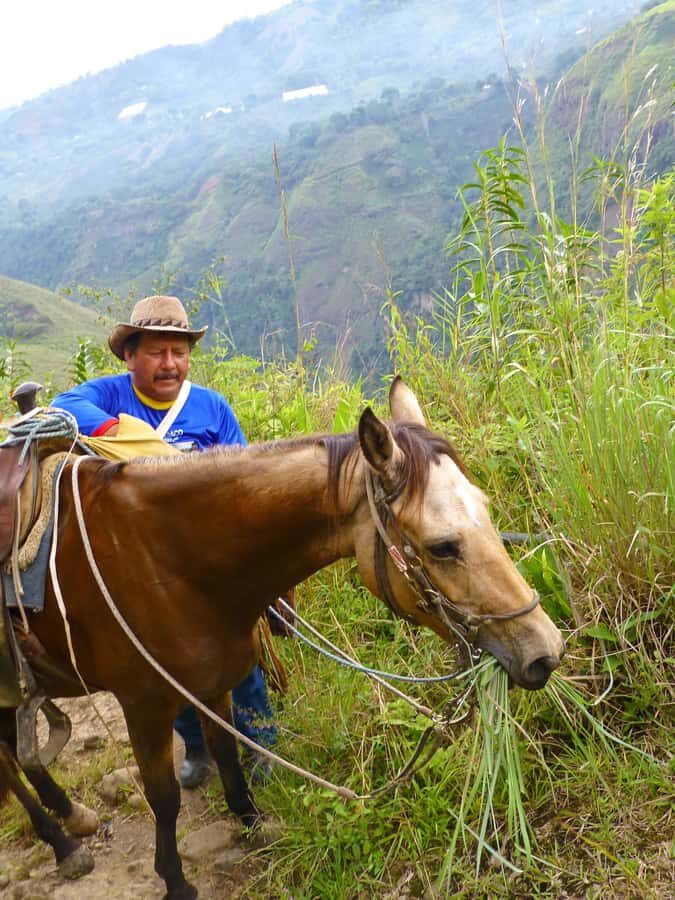
- Horse-first hotel pickup: the guide brings the horse to your hotel to start the tour.
- Color statues at La Pelota: you’ll see La Pelota (Estatuas a Color) and their original colors.
- Two main guided stops: La Chaquira and La Pelota each include a visit plus a photo break.
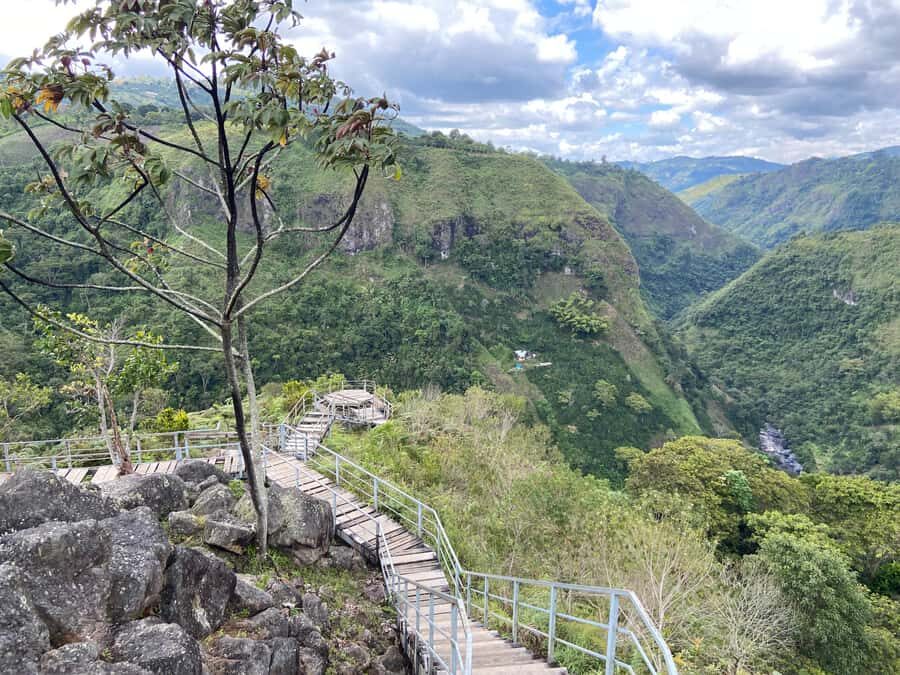
- Panoramic viewpoints throughout: the ride itself is part of the experience, not just transportation.
- Small-group feel: it runs as a small group (listed as limited to 10 participants, with a maximum shown as 15).
- Guides bring the story: Pacho is the named guide in the tour description, and other guides (like Milton or Luna) are noted for clear, informative guiding.
Horseback Through San Agustín: What Makes This Tour Feel Different
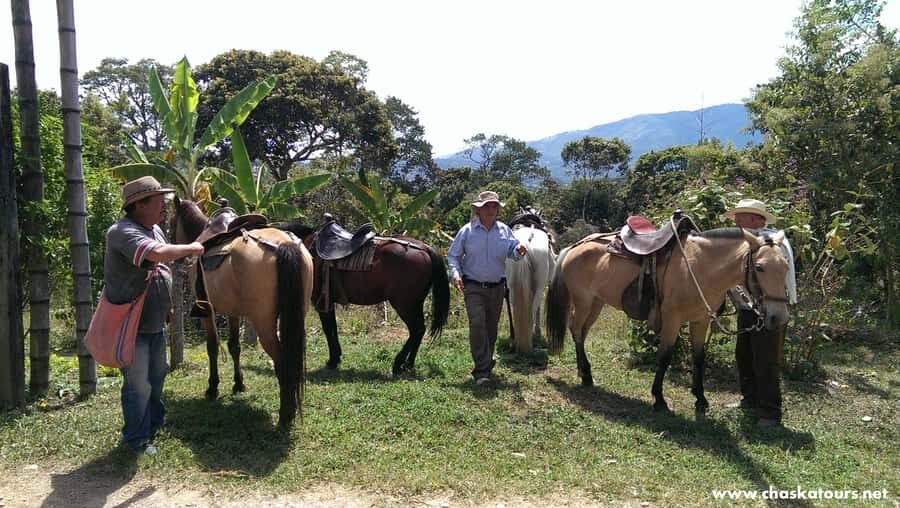
San Agustín is famous for archaeological art—statues, monoliths, and stone figures that still look alive. The clever twist here is that you don’t just drive from stop to stop. You ride. That changes how you experience the area.
On a horseback route, you’re moving slowly enough to look around, but you’re also getting that extra “outside the walls” feeling—like you’re in the countryside that surrounds the ancient work. And because the guide is focused on the sites themselves, you’re not just taking photos from a vehicle. You’re learning while you go.
The other thing that makes it memorable is the focus on the statues that retain their original colors. Many archaeological places are beautiful but faded. Here, the color aspect is part of what you’re specifically there for—especially at La Pelota (Estatuas a Color).
You can also read our reviews of more tours and experiences in San Agustin Colombia.
Getting Started: Pickup at San Agustín Hotels (with Horse Brought to You)
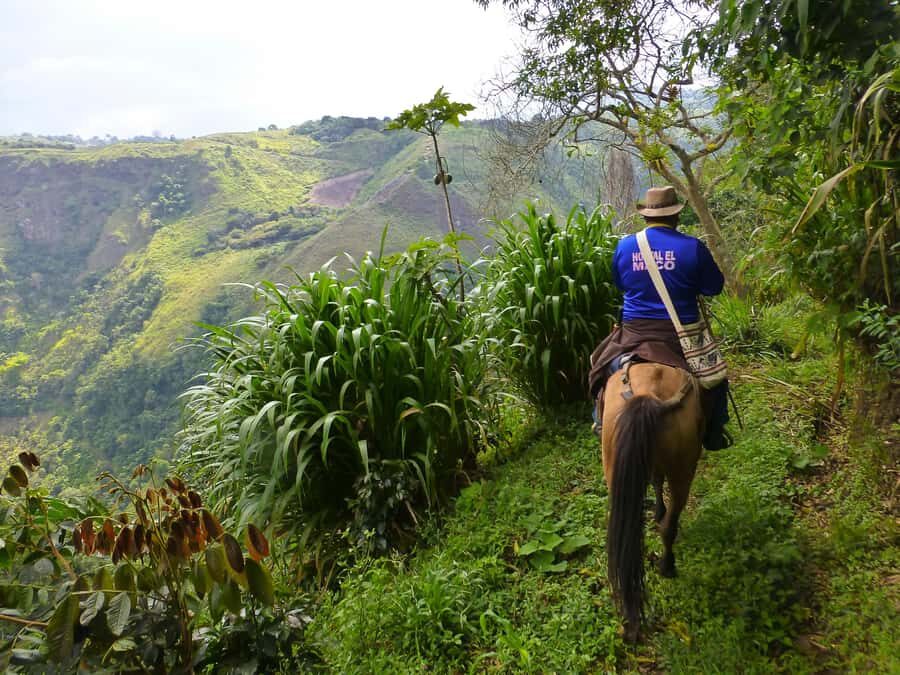
This is one of those details that sounds small until you’re doing it. Pickup is included, and the guide will bring the horse to your hotel in front of where you’re staying. That means you avoid that awkward scramble of finding a meeting point far from your room and then trying to coordinate everyone and gear.
The tour duration is set at 4 hours, so the schedule is meant to feel efficient. You’ll have enough time for guided visits and photo breaks, but you won’t be stuck for half a day doing long stretches of travel.
Also note the tour is offered with a live guide who can work in Spanish, English, French, and German. That multilingual setup is helpful if you’re traveling with mixed-language companions, and it tends to make the explanations easier to follow.
La Chaquira Stop: A Guided Break with Photos and Context
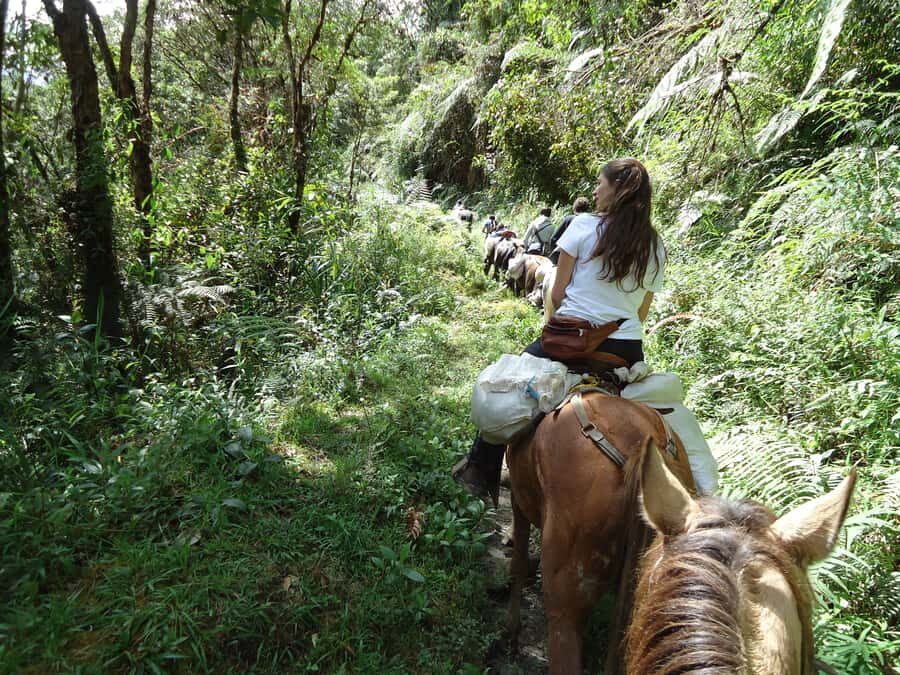
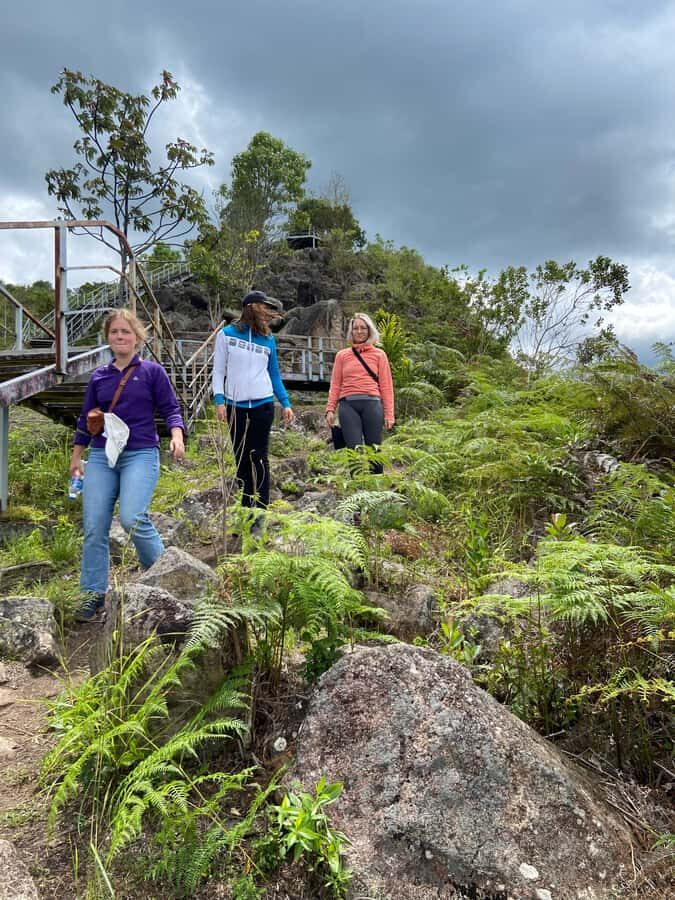
Your first major stop is La Chaquira, built into the route with a break, a photo stop, and a guided visit lasting about 30 minutes.
What to expect here is the rhythm of the day: ride, pause, then learn. The photo break matters because La Chaquira isn’t just something you walk by—you’re meant to see the statue area and surrounding viewpoints before you settle into the visit. Plan your camera time right away so you’re not rushing while you’re already in “listening mode.”
The guided piece is key. A lot of archaeological stops are “look and read later.” Here, your guide explains significance—why the statues and monoliths matter, and what you should notice while you’re looking at them. If you’ve ever stood in front of a sculpture and wondered what you’re even seeing, this kind of stop answers that fast.
Timing note: the 30-minute visit is a real, guided chunk, not a quick photo-op. You’ll get enough time to slow down, ask questions, and actually connect the site to the broader San Agustín story.
La Pelota (Estatuas a Color): The Most Photogenic Reason to Book
The next stop is La Pelota – Estatuas a Color, again with a break, photo stop, and about a 30-minute visit.
This is the part many people are excited about because the statues are described as retaining their original colors. That changes the whole experience. When a stone figure still has color, you don’t experience it as an anonymous ruin—you see it as something that was meant to communicate visually. Color adds emotional weight and helps you understand that these works weren’t created for an overcast, modern world. They were made to be seen.
During the visit, expect your guide to connect the dots: how La Pelota fits into the wider group of sculptures, and why these monoliths and statues are treated as meaningful archaeological objects rather than random carvings. The guide’s experience shows up here—this tour description calls out 25+ years of guidance, and that kind of experience usually means smoother pacing and clearer explanations.
One practical detail: this is a key photo time, so if your group has different interests—some want photos, some want to listen—your guide typically helps keep the whole stop moving without turning it into a chaotic split.
The Ride Between Sites: El Tablón and El Purutal Along the Way
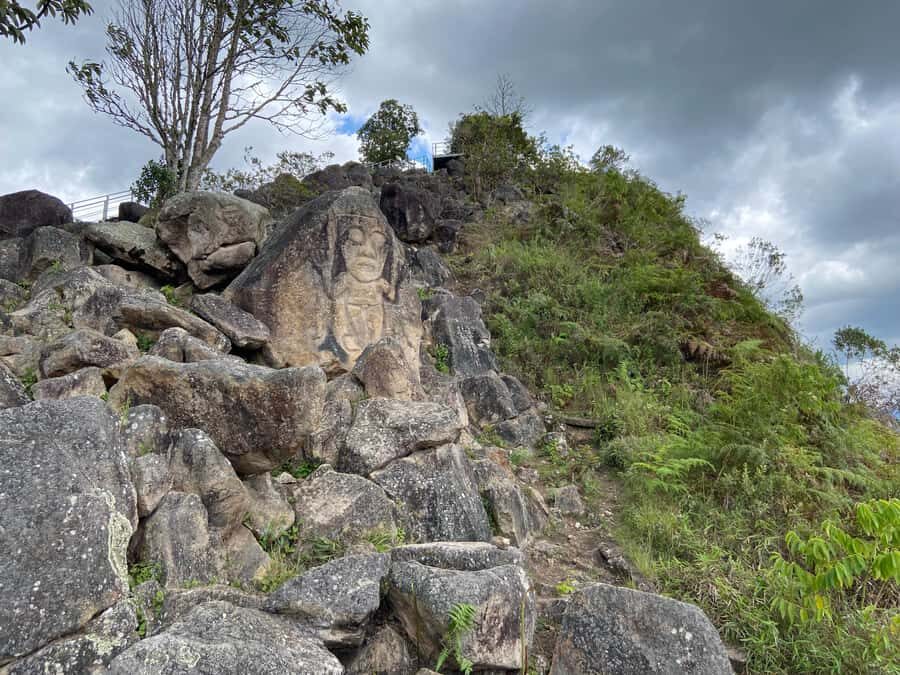
Even though the itinerary highlights La Chaquira and La Pelota as the main labeled stops, the overall tour experience includes additional sites: El Purutal and El Tablón, alongside La Chaquira and La Pelota.
Here’s why that matters for you: it prevents the day from feeling like only two locations. You’re getting multiple archaeological stops, which keeps the ride varied and helps justify the time you’re spending in the saddle.
What I like about how this is structured is that these places can work like “chapters.” You don’t just land at one site and then leave. You feel the day shift from one sculpture area to another, with the guide continuously explaining significance as you travel through the surroundings of San Agustín.
If you only go to one or two monuments, you might miss how the themes repeat across different works. This format helps you notice those patterns.
Guides and Interpretation: Pacho Plus the Clear-Explanation Factor
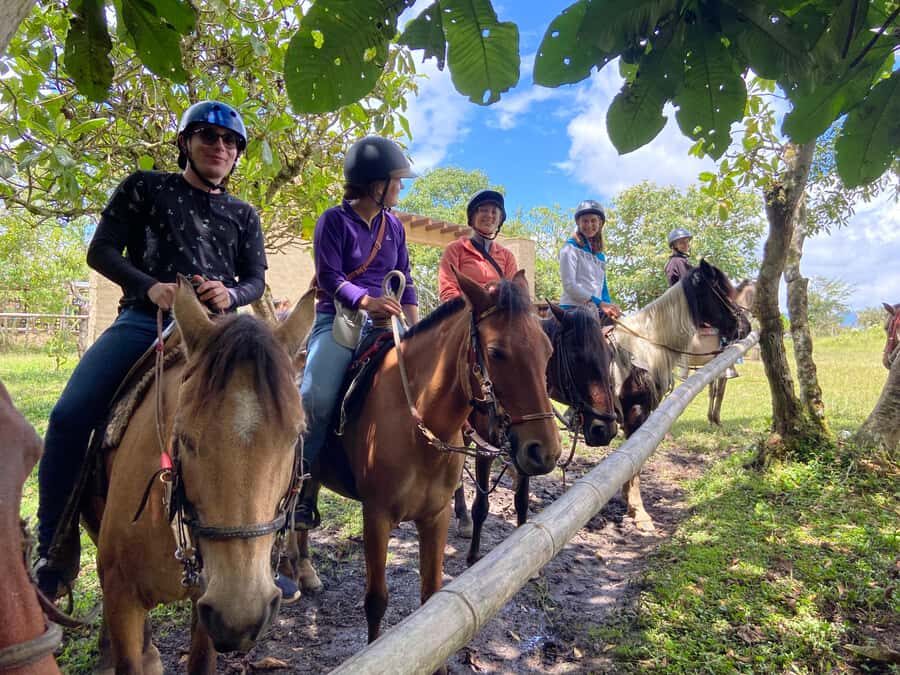
The tour description names Pacho as the guide, with extensive experience organizing the activity. And the reviews also mention other guides—Milton and Luna—who were described as very informative and friendly, including guiding in languages like German.
So what should you expect from the human side of the tour? Not just facts, but explanations that help you look better. When you’re on horseback, you can’t just stare for an hour. The guide needs to point out what to notice quickly: the statue shapes, the monolith details, and the significance of each location.
That’s why the guided portion is such a big value here. Even if you’ve visited archaeological sites before, having someone explain why La Chaquira or La Pelota matters makes the stops feel sharper. And if this is your first time in San Agustín, it helps you avoid the common problem of looking at cool stone and leaving with very little meaning.
Horses for Every Level: What the Fit Really Means
This tour specifies that the horses are suitable for children, beginners, and experienced riders. That’s not just a nice-to-have line—it’s what makes the tour work for families and mixed-experience groups.
You also have your own riding comfort to consider. The tour asks for moderate physical fitness. That usually means you should be comfortable with the physical effort of time in the saddle and moving at the pace of a guided outdoor ride. The descriptions also say it’s not suitable for pregnant women, people with back problems, wheelchair users, or anyone with pre-existing medical conditions.
If you’re in any of those categories, you’ll want to choose a different style of tour. Horseback is a strong match for many people, but it’s not the gentlest option for everyone.
The good news is that you’re not “stuck with one riding scenario.” Since the tour is designed for different rider levels, your experience should feel coordinated rather than chaotic.
Price and Value: Why $90 Covers More Than You Might Think
The price is $90 per person for a 4-hour tour, including:
- horseback riding gear
- pickup with horse brought to your hotel
- all fees and taxes
- insurance
- entry/admission for La Pelota (Estatuas a Color)
When I judge value, I don’t just look at the number. I look at what’s being handled for you. Here, you’re paying for a guided horseback experience plus the access cost to a major site, with insurance included, and with a setup that starts right at your hotel.
For many visitors, the biggest “value” part is the guided interpretation tied to specific sites. You could drive around San Agustín on your own, but you’d likely miss the quick, clear explanations that tell you what you’re actually looking at—especially with the colored statues and monolith significance.
So $90 feels reasonable when you treat it as a guided activity package, not a simple ride.
Timing and Weather: The Day Runs on the Right Conditions
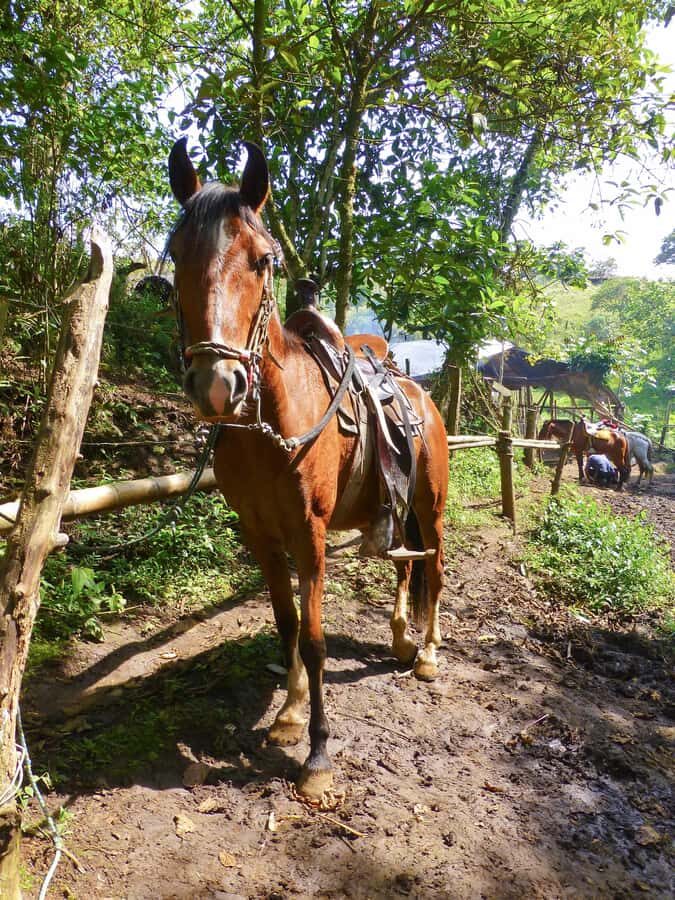
This experience requires good weather. If it’s canceled due to poor conditions, you’ll be offered a different date or a full refund.
That matters because archaeology + horseback ride is a timing-sensitive mix. Rain and muddy ground can change comfort and safety, so it’s wise to plan the day with some weather flexibility if you can.
The tour also runs as a small group, with limits listed as up to 10 participants and a maximum shown as 15. That size tends to support a more personal feel, especially when riders have different comfort levels. You’re not getting herded like cattle, and the guide can keep an eye on everyone.
Rules That Keep the Day Smooth
The tour data notes that alcohol and drugs are not allowed. That’s not just “for safety.” It also helps keep the ride calm and comfortable for people on different riding levels, including children and beginners.
If you want the day to stay enjoyable for the whole group, it’s best to treat this like a focused cultural activity day. Think camera, questions, and comfortable attention—not partying.
Who Should Book This Tour (and Who Might Skip It)
You should strongly consider booking if:
- you want horseback riding but still want real cultural learning (not just scenery)
- you’re traveling with mixed riding experience, including beginners or kids
- you care about archaeological interpretation and the color statues at La Pelota
- you like small-group pacing where the guide can explain as you go
You may want to skip or choose another option if:
- you’re pregnant
- you have back problems
- you use a wheelchair
- you have pre-existing medical conditions that make horseback riding risky
- you can’t handle moderate physical effort
Also, if you’re hoping for a long, slow museum-style pace at one site, this won’t be that. It’s designed to move: ride, visit, photo, ride again.
Should You Book This San Agustín Horseback Tour?
I’d book it if your ideal day mixes motion with meaning: saddle time, guided stops, panoramic views, and the chance to see La Pelota’s Estatuas a Color and the other named sites (La Chaquira, El Purutal, El Tablón) as part of one guided route.
The value is strongest if you’ll actually use the guide’s explanations. If you’re the kind of person who likes to understand what you’re looking at, you’ll get more from this tour than a simple sightseeing drive.
If your main priority is comfort and accessibility, or if weather is unpredictable for your travel dates, you’ll want to weigh the constraints. But with good conditions, this is exactly the kind of San Agustín experience that feels both authentic and well put together.
FAQ
Where does pickup happen?
Pickup is included at your San Agustín hotel. The guide brings the horse to you in front of the hotel to start the tour.
How long is the horseback riding tour?
The duration is 4 hours.
What archaeological sites are visited?
You’ll visit La Chaquira, La Pelota – Estatuas a Color, and the tour also includes stops connected to El Purutal and El Tablón.
Is the tour okay for beginners or children?
Yes. The tour notes that horses are suitable for children, beginners, and experienced riders, and the guide can tailor the tour to your needs.
Do I need to be very fit?
You should have a moderate physical fitness level. This is still a horseback activity, so comfort in the saddle matters.
What languages are offered by the guide?
The live guide is offered in Spanish, English, French, and German.
Is the entry to La Pelota included?
Yes. Entry/admission for La Pelota – Estatuas a Color is included.
What if the weather is bad?
The experience requires good weather. If it’s canceled due to poor weather, you’ll be offered a different date or a full refund.
Are alcohol or drugs allowed?
No. Alcohol and drugs are not allowed on this activity.
—
If you tell me your travel dates and who’s going (adults only or kids, and riding experience), I can help you judge whether the timing and comfort level match what you want from San Agustín.