REVIEW · SAN AGUSTIN COLOMBIA
Private Jeep Tour to the Surroundings of San Agustín
Book on GetYourGuide →Operated by Chaska Tours · Bookable on GetYourGuide
A long day in San Agustín usually means cramming ruins into your brain. This one feels more like getting your bearings fast—big scenery, then archaeology you can actually interpret. I especially loved the way the guide connects what you’re seeing to the symbolism carved into stone, and I liked the balance of viewpoint + walking + museum time.
Two highlights I can’t ignore: the Estrecho del Río Magdalena viewpoint and the archaeology stops that teach you how to look. The tour is paced for a full day without feeling like you’re sprinting between sites. One possible drawback: you do need a moderate level of fitness, and the walking isn’t wheelchair-friendly.
You’ll start with pickup right in San Agustín and spend the day by car, with a live guide in English, French, German, or Spanish. Guides I’ve encountered on this route include Martha and Éloise, and they’re the type who focus on what matters: how the statues and carved forms were meant to be read, not just where they are.
In This Review
- Key things that make this tour worth your time
- Private jeep day around San Agustín: how it really feels
- Estrecho del Río Magdalena viewpoint: why the river stop hits first
- Obando archaeological museum: learning the symbols before you judge them
- Alto de los Ídolos: the sacred heights and what to watch for
- Alto de las Piedras: another angle on the same story
- Salto El Mortiño: a full photo stop with a needed break
- Isnos and Obando villages: seeing the region beyond the sites
- What’s included vs. what you may pay extra
- Price and logistics: is $136 per person a good deal?
- Who this tour fits best (and who should pass)
- Weather and timing: why good conditions matter
- My booking advice: do the tour early in your San Agustín plans
- Should you book this private Jeep Tour to San Agustín’s surroundings?
- FAQ
- How long is the Private Jeep Tour to the Surroundings of San Agustín?
- Where does the tour start?
- Is this a private tour?
- What languages are the tour guides available in?
- What key stops are included in the itinerary?
- Are entrance fees included?
- What should I bring and consider?
Key things that make this tour worth your time
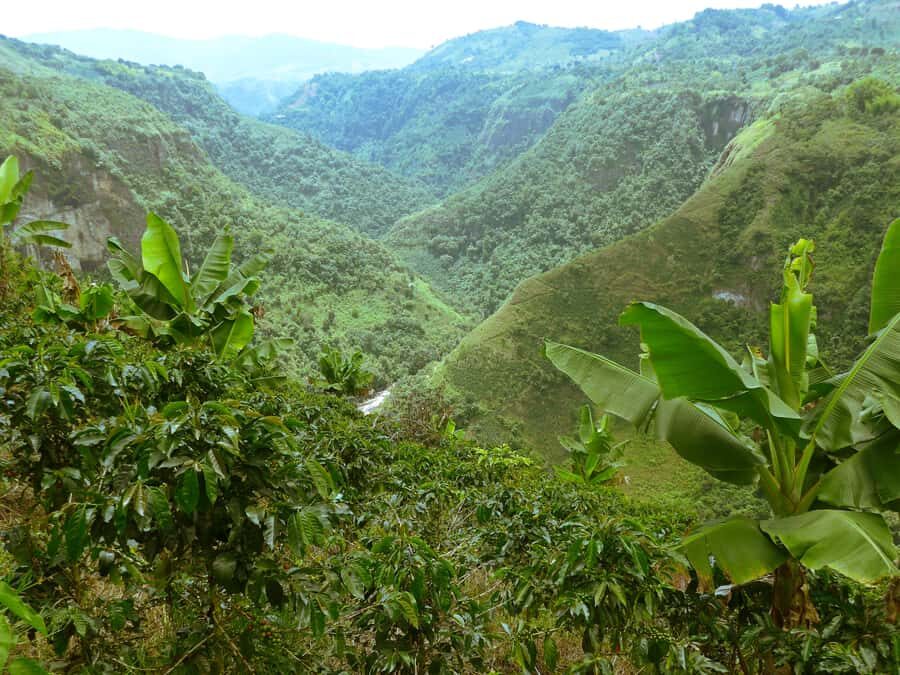
- Estrecho del Río Magdalena: big river views that put the region into context right away
- Obando archaeological museum time: a clear, guide-led way to understand the statues’ symbols
- Alto de los Ídolos and Alto de las Piedras: two different “reading experiences” on sacred heights
- Salto El Mortiño: a proper photo stop with a break from hard walking
- Private guide in your chosen language: you get explanations you can ask questions about
Private jeep day around San Agustín: how it really feels
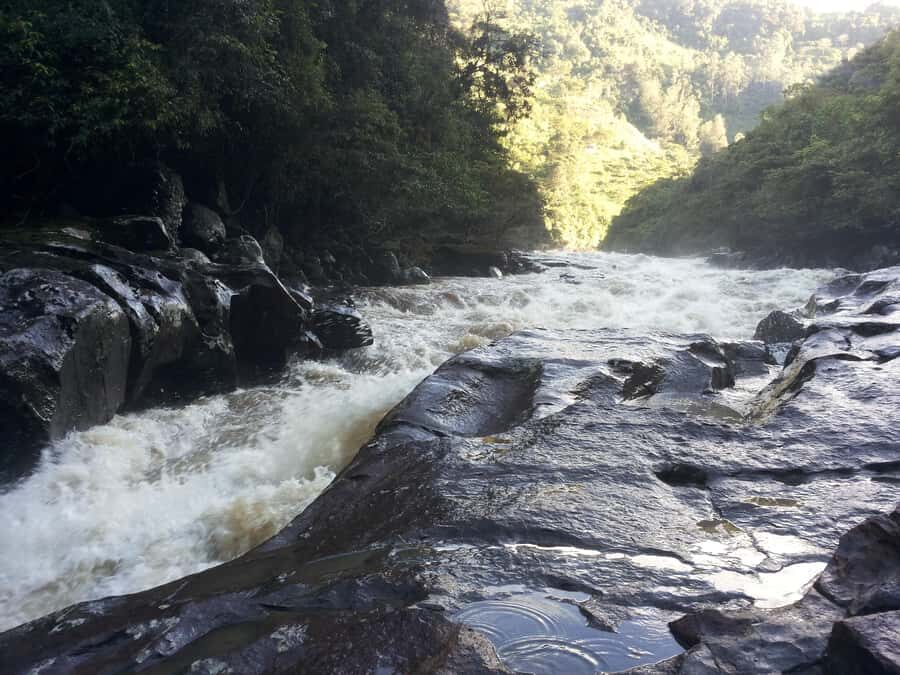
This is a private tour by car that covers a wide ring around San Agustín in about 8 hours. That matters because San Agustín’s best experiences are spread out—if you try to DIY it, you end up spending half your day negotiating rides, times, and logistics.
You’ll be picked up at your hotel or hostel in San Agustín, then the guide takes you from stop to stop. Since it’s private, the pacing feels natural: slow enough to take photos and listen, quick enough that you still end the day without feeling wrecked.
The guide is live (and in the languages listed), so you’re not just visiting sites—you’re being taught how to look. That’s a big deal on archaeology days, because symbols and forms are easy to miss if you only see them as “old statues.” When the guide puts the pieces together, the whole region starts to click.
You can also read our reviews of more tours and experiences in San Agustin Colombia.
Estrecho del Río Magdalena viewpoint: why the river stop hits first
You start at the Estrecho del Río Magdalena viewpoint for about an hour. This is one of those stops that doesn’t look “technical,” but it’s the key to understanding why people settled and built where they did. When you can see the river corridor and how the terrain channels the area, the archaeology stops stop feeling random.
What I like here is the rhythm: you’re not rushing into museums immediately. You get scenery first, then you transition from the land to the stone. Even if you’re not a “views person,” the river stop helps you connect the dots for the rest of the day.
Practical tip: sunscreen and a hat matter. You’re often exposed, and you’ll want to be comfortable before the more active parts of the itinerary.
Obando archaeological museum: learning the symbols before you judge them
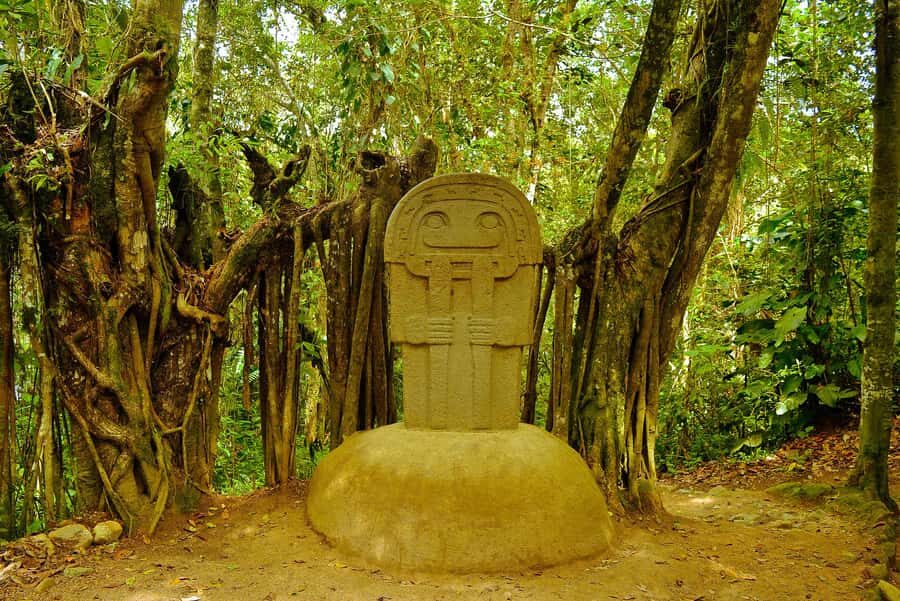
Next up is Museo arqueológico de Obando for about 1.5 hours. This is where the tour becomes educational in a hands-on way, because it’s designed to help you interpret what you’ll see later—especially the motifs carved into statuary.
I particularly appreciate museum time on an archaeology tour, because it lets you slow down. Instead of trying to guess meaning from a statue in the open, you get an organized context that makes later stops easier to process.
On this kind of route, the best guides don’t just list names. They connect patterns—how shapes and figures relate to the wider culture. I’ve had guides explain statue symbols in a way that made me feel like I could finally look beyond the obvious features.
If you’re planning to visit the Archaeological Park of San Agustín and its museum later, I strongly recommend doing this kind of guide-led tour first. It’s the easiest way to translate what you’re seeing into something understandable.
Alto de los Ídolos: the sacred heights and what to watch for
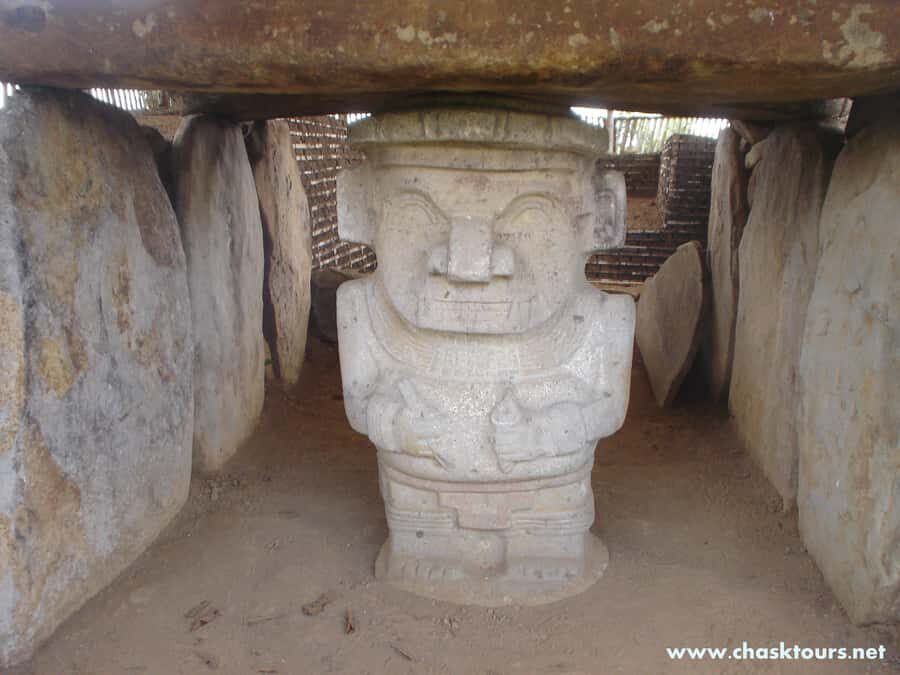
After Obando, you’ll go to Alto de los Ídolos for about 1.5 hours. This stop is included in your itinerary timing, but entrance/admission there isn’t listed as included—so if you’re budgeting, plan for that extra site cost.
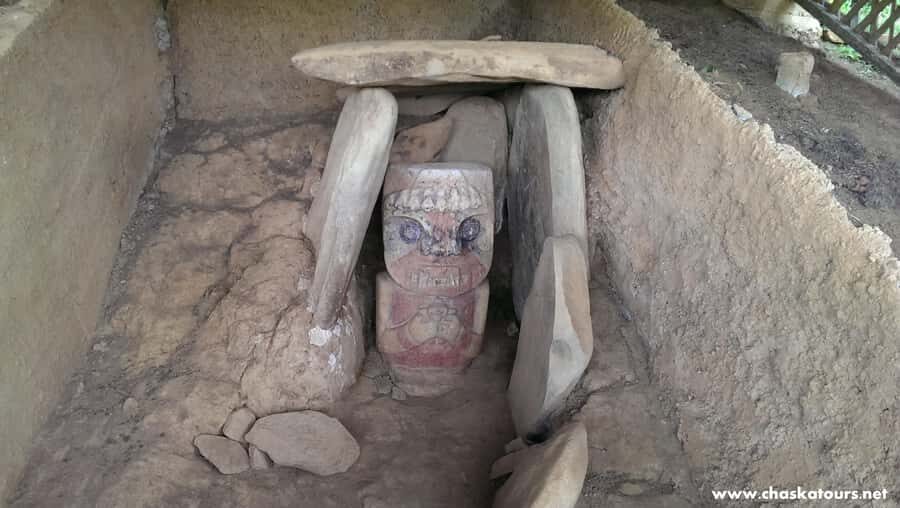
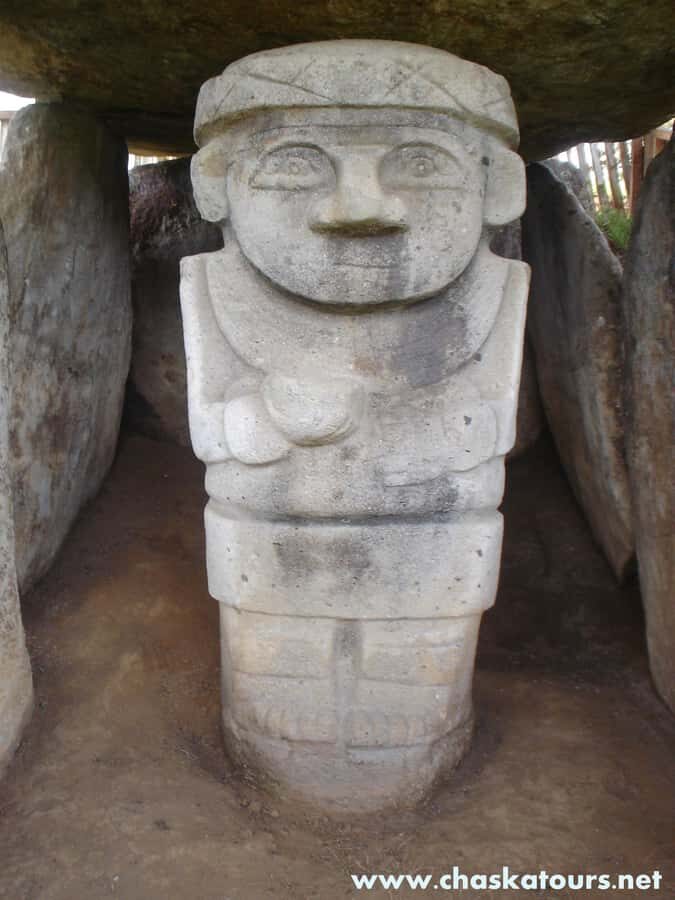
What makes Alto de los Ídolos worth your time is the “height + meaning” combo. Up there, you’re not just seeing artifacts—you’re experiencing the deliberate setting. The guide helps you notice details you might otherwise miss, like how the carved forms relate to the broader theme of the park.
Walking can be uneven at archaeological sites in general, and this one is no exception. Wear comfortable shoes you trust on dirt and stone, not your most fragile “vacation sandals.”
Alto de las Piedras: another angle on the same story
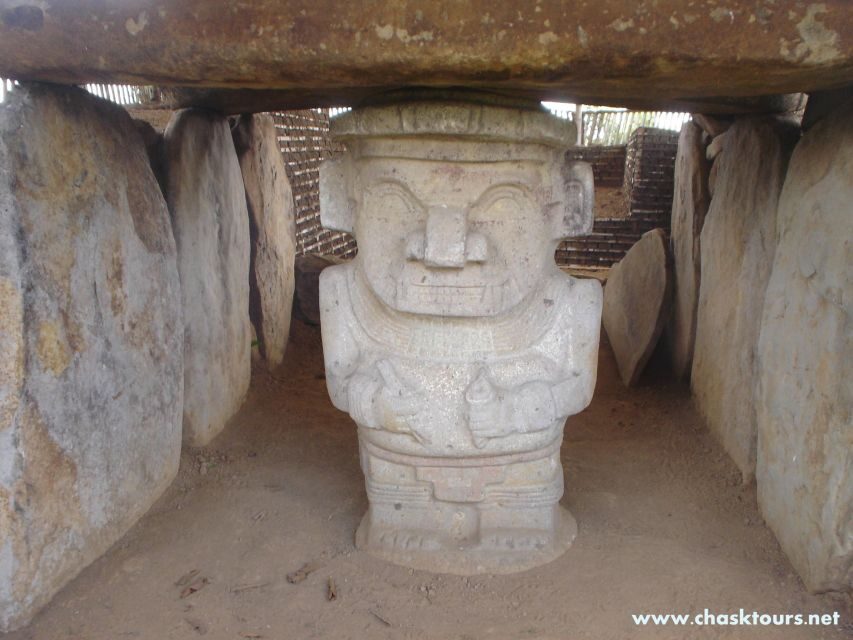
Then comes Alto de las Piedras for about 1 hour. Like Alto de los Ídolos, the visit time is part of the schedule, but admission for this archaeological park is not listed as included. Plan for that so you don’t get surprised mid-day.
I like how this stop complements the previous one. You’re not repeating the same experience twice—you’re seeing another “chapter” in how the culture shaped sacred places. With a guide talking through what the features suggest, it becomes less about collecting a checklist of sites and more about building a mental model.
This is also a good moment to reset your expectations. Archaeology isn’t always “wow every five minutes.” Sometimes it’s slow attention: you notice one detail, then another, then it starts to make sense as a whole.
Salto El Mortiño: a full photo stop with a needed break
Your day finishes with Salto El Mortiño, where you’ll have about an hour for a photo stop and visit. The entrance for Mortiño is listed as included, which is nice because it reduces the number of site costs you have to manage.
This is the restorative part of the itinerary. Up to this point, you’re thinking, listening, and walking around archaeological areas. At the waterfall, you get a change of pace—sound, mist, and open space.
Even if you’re not a professional photographer, you’ll want to stop for photos early enough to catch the light and then linger. The guide can help you decide where to stand for the best views, and this is a good spot for questions because the pace is slower.
Isnos and Obando villages: seeing the region beyond the sites
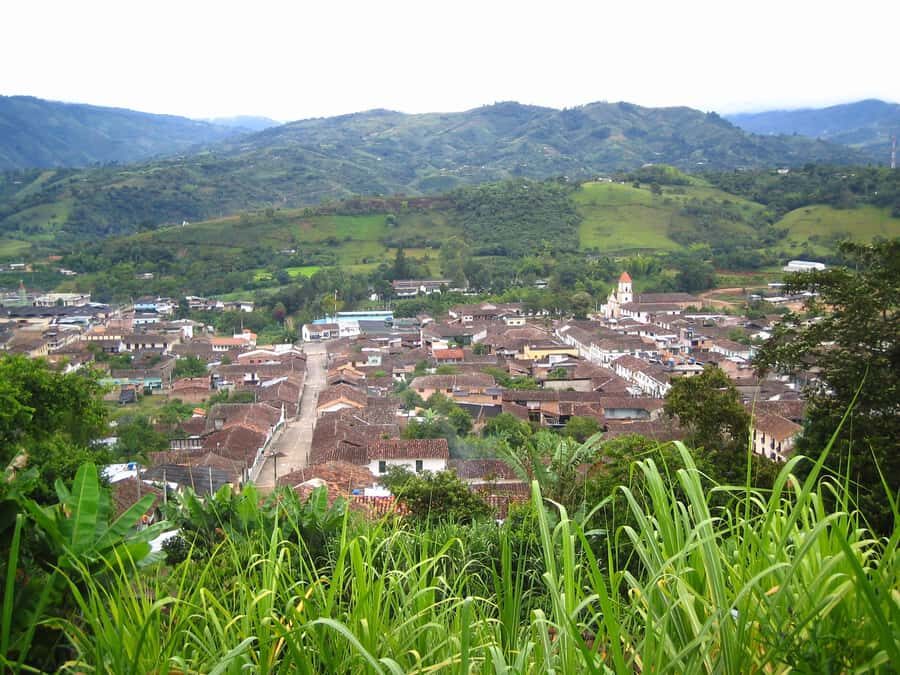
The tour includes visits around the neighboring villages of Isnos and Obando. Even when the focus is archaeological, I find the village connection matters. It keeps the day grounded in daily life in Huila, not only in ancient stone.
Because the itinerary specifically names Obando through the museum stop, you can expect at least one structured visit tied to the archaeology there. For Isnos, you’re more likely to encounter it through the route and local context built into the day, rather than a long dedicated block.
In practical terms, this village component is another reason a private car tour works better than random taxi hopping. You spend less time figuring out how to connect towns and more time experiencing what the region offers.
What’s included vs. what you may pay extra
Included:
- Private transportation by car for the full tour day
- Entrance fees listed for Obando and Salto Mortiño
- Entry/admission for the Obando Archaeological Park
- Entry/admission for El Salto del Mortino
- Live guide in Spanish, French, German, or English
- Pickup included in San Agustín
Not included:
- Entry/admission for Parque Arqueológico Alto de los Ídolos
- Entry/admission for Alto de Las Piedras Archaeological Park
That split matters for value. If you budget only for the headline price, you might feel a little short at the heights. If you budget a bit more for those two archaeological park entries, the day stays stress-free.
Price and logistics: is $136 per person a good deal?
At $136 per person for 8 hours, you’re paying for three main things: a private vehicle, a live multi-language guide, and admission coverage for some key parts of the day. In a place like San Agustín, where sites are spread out, the private transportation piece is usually the biggest cost you’d struggle to recreate on your own.
Here’s how I look at it:
- If you were to piece together rides and tickets yourself, you’d likely spend more time coordinating than enjoying.
- The guide’s explanation adds real value, especially on archaeology stops where symbols and forms can feel confusing.
- Since Mortiño and Obando entries are covered, you’re not absorbing every ticket cost yourself.
So yes, I think it’s strong value for the time you get—especially if you care about understanding what you’re seeing rather than just standing in front of it.
Who this tour fits best (and who should pass)
This tour is for people with moderate physical fitness. You’ll be walking around viewpoints and archaeological areas, and you should expect uneven ground.
It’s not recommended for travelers with:
- back problems
- heart problems or other serious medical conditions
- wheelchair users (not wheelchair accessible)
Good to know:
- Service animals are allowed
- Infants must sit on laps
- You’ll want comfortable shoes and sunscreen
If your travel style is “I want context, not just photos,” this tour fits. If your travel style is “I need minimal walking and minimal time outdoors,” you might find the archaeological stops a little more active than you want.
Weather and timing: why good conditions matter
This experience requires good weather. If weather is poor, you’ll be offered a different date or a full refund.
That matters because waterfalls and outdoor archaeological viewpoints depend on visibility and safe footing. Also, if you’re sensitive to wind or heat, plan your gear accordingly, since the day has exposed moments.
My booking advice: do the tour early in your San Agustín plans
If you’re planning multiple archaeological visits in San Agustín, I’d book this tour early. The biggest “aha” I’ve experienced on this route is how the guide helps you interpret symbols in a way that makes later stops much easier to understand.
In other words, you’ll get more from the main park and museum later because you’ll already know what to look for.
Pack smart for a full day:
- Comfortable shoes (the kind you can stand and walk on for a while)
- Sunscreen
- Anything you use for photos and water (the day is outdoors enough to plan for that)
Should you book this private Jeep Tour to San Agustín’s surroundings?
If you want an efficient, private way to connect big river scenery, archaeology explanations, and a real waterfall break, I’d book it. The value is strongest when you care about understanding the meaning behind what you see, not only collecting stops.
Skip it if you have mobility concerns or medical limitations that make uneven ground uncomfortable. Also, if your schedule is flexible enough to choose a good-weather day, do it—this route works best when conditions are kind.
FAQ
How long is the Private Jeep Tour to the Surroundings of San Agustín?
The tour lasts 8 hours.
Where does the tour start?
It starts with pickup in San Agustín, from your hostel or hotel.
Is this a private tour?
Yes, it’s a private group tour, meaning only your group participates.
What languages are the tour guides available in?
The live guide is available in Spanish, French, German, and English.
What key stops are included in the itinerary?
You’ll visit the Estrecho del Río Magdalena, the Museo arqueológico de Obando, Alto de los Ídolos, Alto de las Piedras, Salto El Mortiño, and the neighboring villages of Isnos and Obando as part of the tour.
Are entrance fees included?
Entrance fees are included for Obando and Salto El Mortiño (and the Obando archaeological park and El Salto del Mortiño). Entrance/admission for Alto de los Ídolos and Alto de las Piedras are not included.
What should I bring and consider?
Bring comfortable shoes and sunscreen. The tour is not wheelchair accessible and is not recommended if you have back problems or heart problems or other serious medical conditions. Good weather is required for the experience.