REVIEW · BARRANQUILLA
Salida de Cartagena: City Tour a Barranquilla & Santa Marta
Book on GetYourGuide →Operated by Ecotrips · Bookable on GetYourGuide
Barranquilla to Santa Marta in one shot is a real time-saver. This 13-hour coast-hopper tour links two major Caribbean cities with guided cultural stops and lots of iconic photo moments tied to Colombian pop culture and sports. I like the way the route keeps explaining why the places matter, not just where to stand for a picture.
What you’ll probably love most is how many recognizable “signals” you’ll spot: the Barranquilla letters, the Window to the World monument, Junior’s Shark Fin, plus outdoor tributes to Shakira and Pibe Valderrama. And in Santa Marta, the stops shift from city icons to old-school vibe—Cathedral, parks, and the Tairona Gold Museum.
One heads-up: this is a long day with walking and frequent moving around, and the pace can feel brisk. If you’re hoping for a relaxed stroll and slow explanations, plan for downtime but also expect that the group schedule moves fast—plus you’ll want to come prepared for heat and sun.
In This Review
- Key things to know before you go
- A 13-hour Coast-to-Coast Day That Makes Cartagena Easy
- Barranquilla Stops: Letters, Boardwalk Views, and Big Names
- The Pumarejo Bridge and Why the Route Feels Purposeful
- Santa Marta: Parks, Cathedral, and the Places You Can Actually Feel
- Tairona Gold Museum: The Best “Brainy” Break in the Day
- Rodadero Beach Time and the Swimming Factor
- Food, Breaks, and the Real Meaning of “A Long Day”
- Pace and Pace-Protection: How to Have a Better Experience
- What You Get for $90: Value on a Route, Not Just a List of Sites
- Who Should Book This Tour (and Who Should Choose Another Style)
- Should You Book Salida de Cartagena: City Tour to Barranquilla & Santa Marta?
- FAQ
- What cities does this tour cover?
- How long is the tour?
- How much does it cost?
- What’s included in the tour stops?
- Are beach chairs included at Rodadero?
- Do you get a guide, and what languages are available?
- Where are the pickup and drop-off locations?
Key things to know before you go
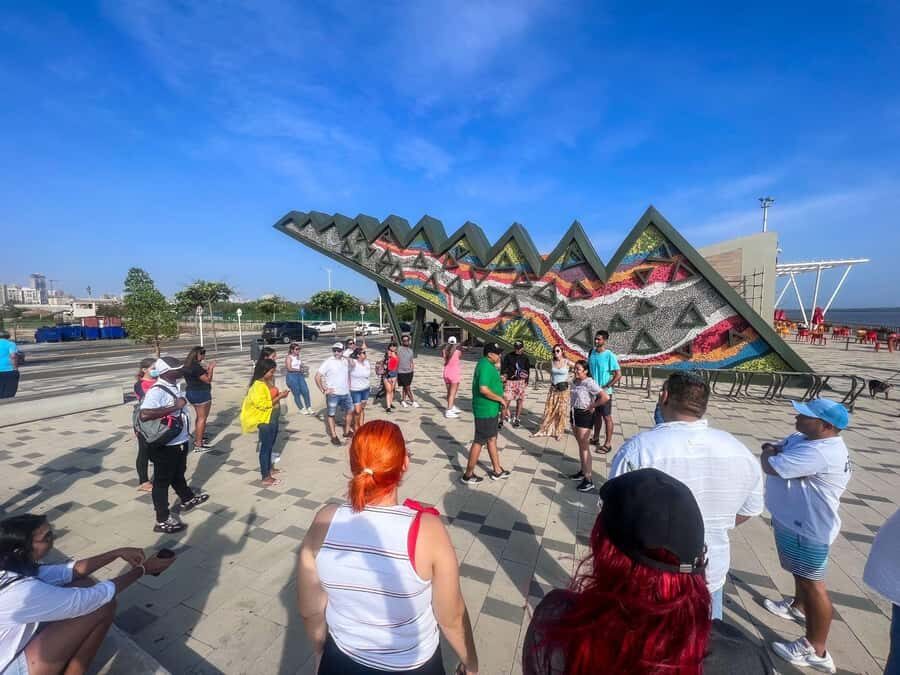
- Two-city day, one guide flow: you’ll move through Barranquilla and then Santa Marta with organized commentary and time to explore on your own.
- Pop-culture and sports landmarks: Shakira and Pibe Valderrama monuments aren’t just random stops—they set the tone for the coast’s modern identity.
- Museum time that adds context: the Tairona Gold Museum gives you a deeper layer beyond beaches and city streets.
- Rodadero beach visit, minus chair rental: beach time is part of the plan, but beach chairs aren’t included.
- English or Spanish tour guide: you can follow along in either language depending on your group.
A 13-hour Coast-to-Coast Day That Makes Cartagena Easy
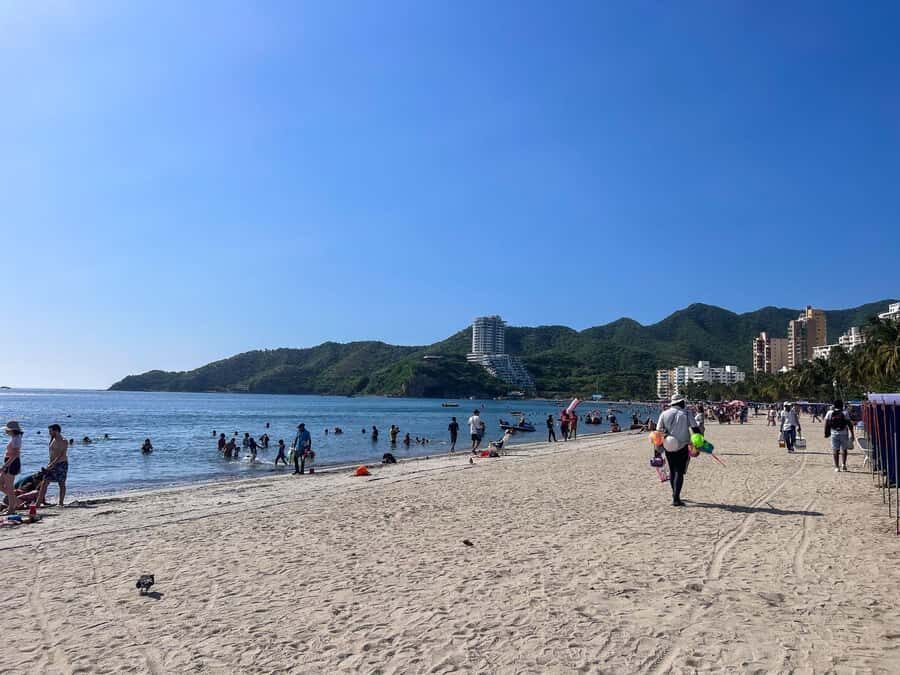
This tour is built for a specific kind of traveler: the one who wants a lot of Colombia’s Caribbean in a single day without juggling tickets, taxis, and half the city’s bus routes. You’ll start from Cartagena with one of seven pickup options in popular neighborhoods (Bocagrande, Getsemaní, Barrio de Crespo, the Clock Tower Monument area, Carulla Las Ramblas, El Cabrero, or Marbella), and you’ll return to one of seven drop-off locations back in Cartagena.
The total time—about 13 hours—is the real “price” in this experience, not just the $90 per person. If you like efficient itineraries with guided orientation, this can feel like good value. If you prefer slower travel where you linger, the schedule might feel like a whirlwind.
I also like that the tour includes a live guide in English or Spanish, and the guide is scheduled to contact you the day before so you know how to find the group. That reduces the usual day-trip stress: fewer surprises, more time for the fun parts.
You can also read our reviews of more city tours in Barranquilla
Barranquilla Stops: Letters, Boardwalk Views, and Big Names
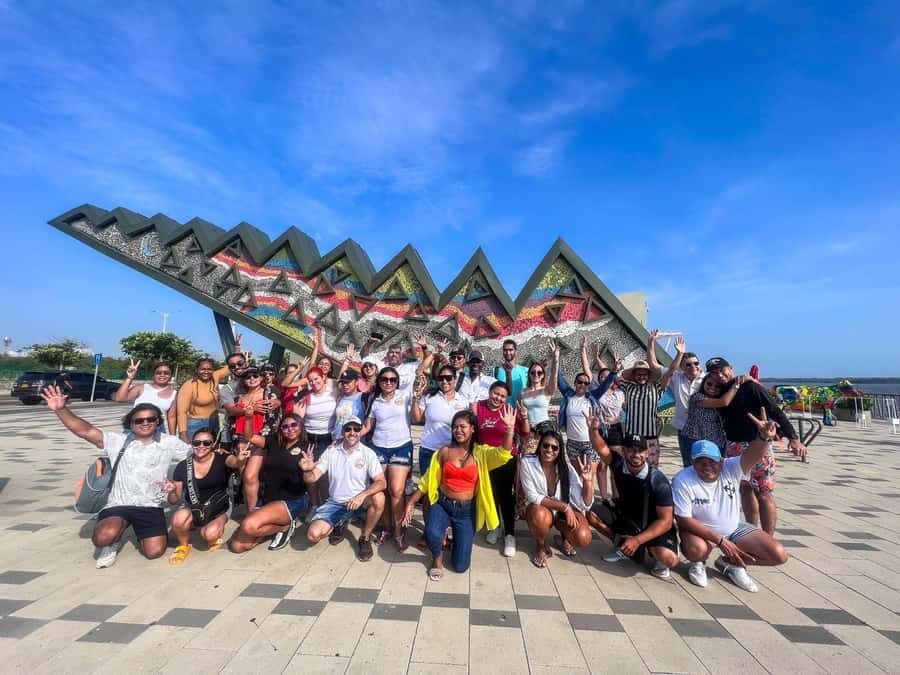
Barranquilla is a city that loves symbols—on streets, monuments, and the kind of public art locals point out like family stories. In this half of the day, you get a string of photo-friendly moments plus guided stops, with small breaks and walk time.
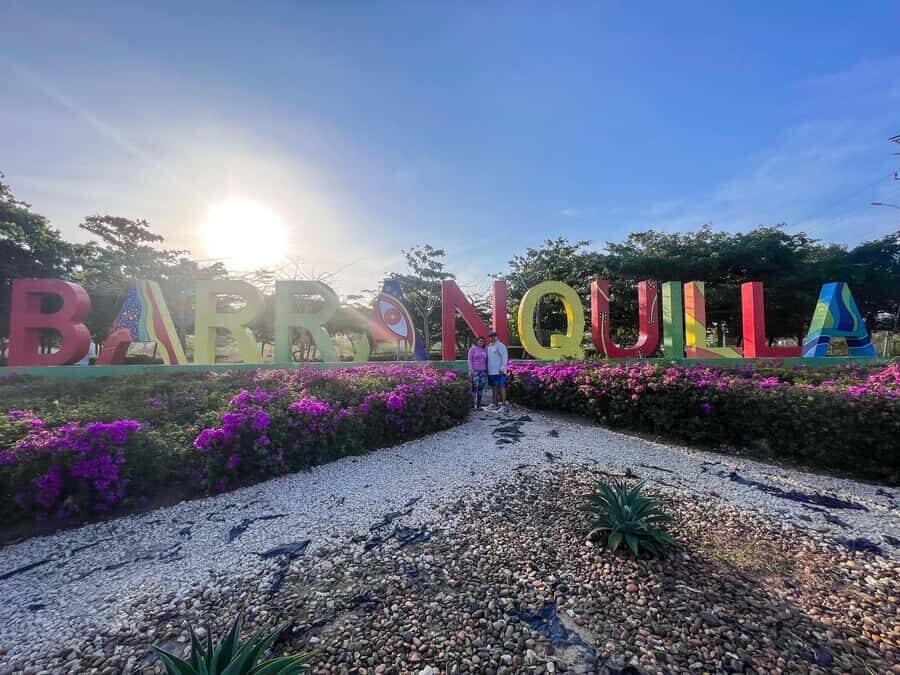
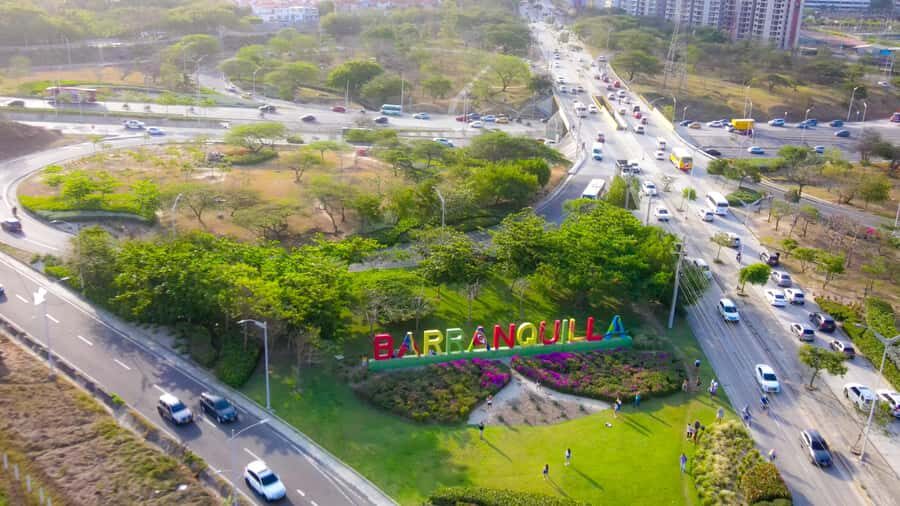
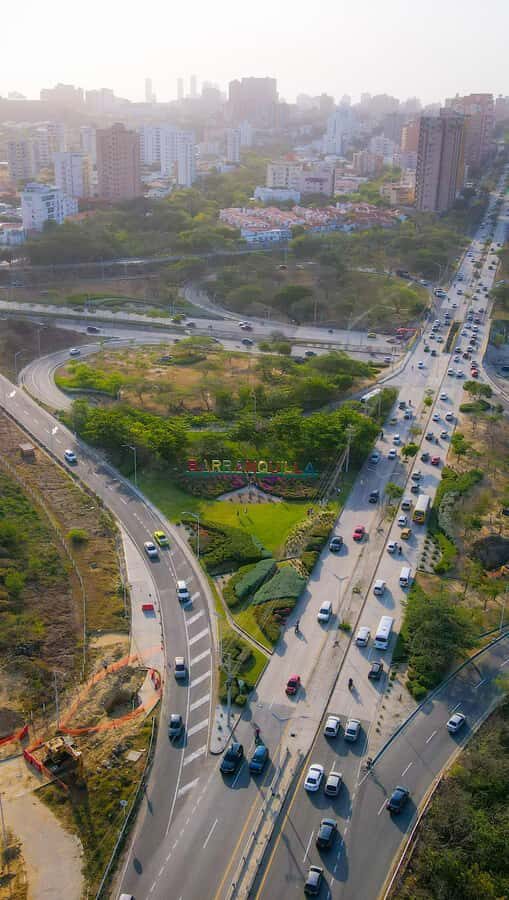
You’ll hit the Barranquilla letters, which are exactly the kind of place you’ll see on Instagram—large, scenic, and clearly meant for photos. But the value isn’t just the picture. These letters act like a gateway: once you’ve seen them, the rest of Barranquilla’s landmarks make more sense as expressions of local pride.
Next, you’re in “big landmark” territory with stops like:
- Window to the World monument: a statement of Barranquilla’s outward-facing identity and cultural mix.
- Junior Shark Fin: a sports reference you’ll recognize immediately if you know Colombian football culture (and if you don’t, your guide will translate the context).
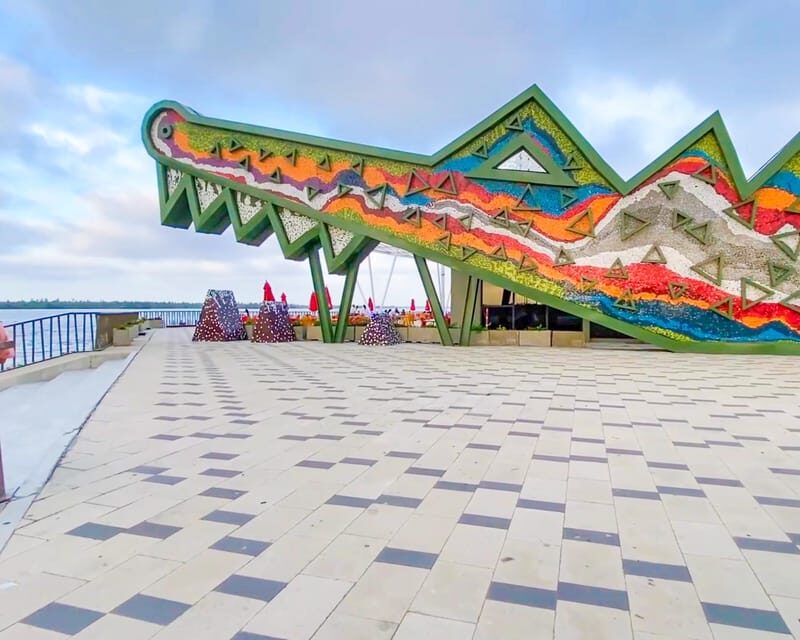
- Tourist river boardwalk: this is where the day shifts from static monuments to views and strolling.
Then come the tributes that give Barranquilla its modern celebrity stamp:
- Monument to Shakira Mebarak
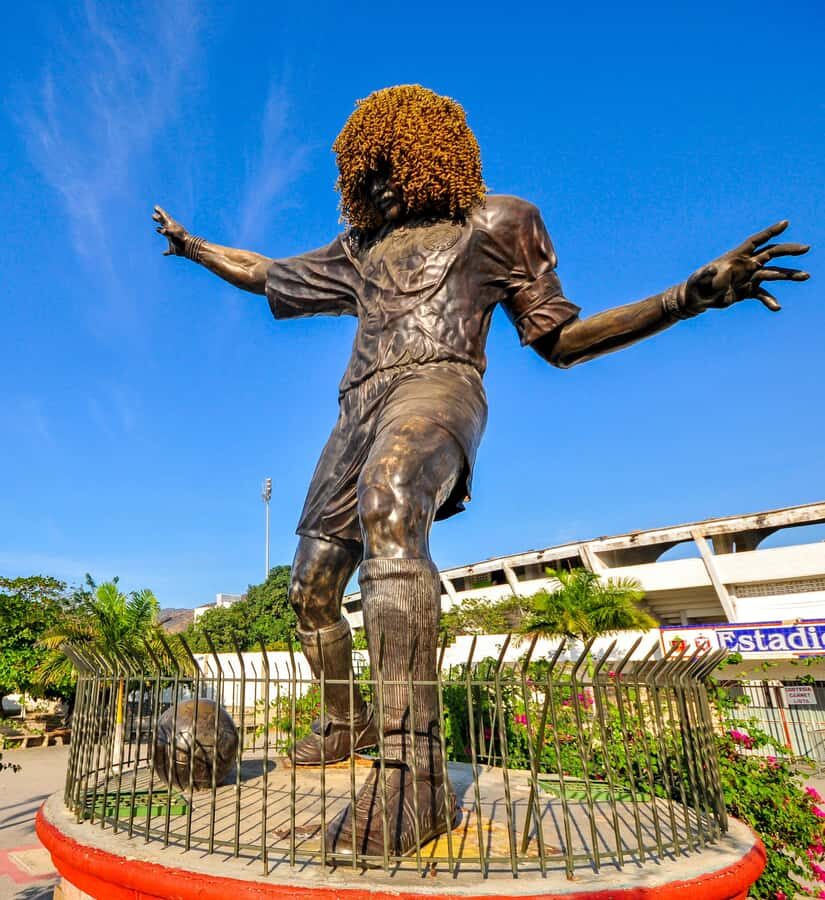
- Monument to Pibe Valderrama
These stops are a clever choice. They aren’t just celebrity photo ops; they’re a quick path into how Barranquilla feeds Colombia’s global reputation through music and football. If you’re the type who likes learning a place’s “why,” these monuments do that job fast.
One practical note: since multiple segments include photo stops and guided time, you’ll want comfortable shoes and a hat or sunscreen plan. You’ll likely be in sun more than you expect, and the coast sun has a way of making a short walk feel long.
The Pumarejo Bridge and Why the Route Feels Purposeful
Between the city vibes, the itinerary includes Pumarejo Bridge, a spot that works as a visual “connector” for the day. Bridges are more than a way across water; in cities like this, they frame the relationship between neighborhood life and the city’s geography.
This kind of stop matters because it prevents the day from being only about monuments. The bridge gives you a sense of how Barranquilla connects physically—so when you’re later in Santa Marta, you’ll notice how the cities feel different even though they’re both on the Caribbean coast.
Also, the way the day is organized—move, stop, brief explanation, then a little free time—helps you stay oriented. You get enough structure to learn, but not so much that you’re trapped inside a lecture.
Santa Marta: Parks, Cathedral, and the Places You Can Actually Feel
Once you switch to Santa Marta, the mood changes. You’ll still do photo stops and guided segments, but the city centers you on civic spaces and heritage.
You’ll see:
- Bolívar Park
- The Cathedral of Santa Marta
- Boyfriend’s Park (yes, that name is real—come with a sense of humor)
Santa Marta’s parks and central streets are where you can observe the city’s daily rhythm without needing a long museum session every hour. If you’re hoping to understand how the local landscape of everyday life works—where people meet, sit, take photos, and walk through—these stops help you do that.
Then the itinerary brings you to Santa Marta letters—another instant photo spot, but still useful. Like Barranquilla’s letters, it helps anchor your navigation in a city you might not know. It’s the travel equivalent of a friendly landmark that says: you’re in the right place.
Tairona Gold Museum: The Best “Brainy” Break in the Day
The standout included cultural stop is the Tairona Gold Museum. It’s one of those experiences that can quietly fix a whole day. When you spend hours moving between coastal cities and taking photos, it’s easy to end up with lots of images and not much understanding. This museum helps you leave with more than “I saw things.”
The Tairona connection brings you closer to Colombia’s pre-Columbian presence in this region. Even if your Spanish is limited, a guided visit helps you frame the artifacts in context rather than treating them like a random collection.
This is also the reason I think this tour has decent value at $90: it’s not only roadside monuments. You’re paying for guided movement and at least one meaningful indoor cultural stop.
Rodadero Beach Time and the Swimming Factor
Santa Marta’s Rodadero Beaches are where the day turns from learning to relaxing. The tour includes beach time, and the schedule mentions swimming.
Do note the practical part: beach chairs aren’t included. That’s a big detail for comfort. You’ll want to bring or plan for what you’ll use on the sand, and you should come ready to get wet and dry.
Packing matters here. Bring:
- Towel
- Beachwear
- Sunscreen (and biodegradable sunscreen if you have it)
- Sunglasses
- Water and drinks
- Cash
- Passport (a copy is accepted)
If you forget a towel, you can still enjoy the water—but you’ll end up improvising, and nobody really wants to spend the rest of a 13-hour day damp.
Food, Breaks, and the Real Meaning of “A Long Day”
The plan includes break time throughout Barranquilla and Santa Marta, and there is lunch at Santa Marta. Reviews also point out that some departures include breakfast and lunch. Either way, this is not a “buy everything on your own” day, which I appreciate.
Still, don’t expect gourmet. This is a group tour schedule, so you should treat the food as fuel, not the highlight. One caution from past participants: there have been complaints about food temperature and about the way the day’s logistics were communicated, including not clearly announcing a bathroom stop on the Santa Marta segment. That’s not something you want to gamble on.
My advice: plan your comfort like you would on a long road trip. Carry water, stay hydrated, and use break windows. If nature calls, it’s better to handle it early than to wait and hope.
Pace and Pace-Protection: How to Have a Better Experience
This kind of day-trip can feel either fun or exhausting, depending on your expectations and energy level. Some guides have been praised for being full of info and actively managing the group, including named guides like Jhon Wayne and Alan (both mentioned in positive experiences). A great guide can make quick stops feel meaningful, and the driver matters too—one review praised the driver highly.
But pace varies by guide and group mood. There’s also a recurring theme in less-positive feedback: explanations can feel rushed, and some group members felt the guide pushy about moving along or about gratuity expectations.
You can protect yourself from these issues with a simple strategy:
- Treat guided stops as orientation, not slow sightseeing.
- Use free time for the slower part: photos, a short walk, or just sitting somewhere in the shade.
- Bring patience. This is a schedule-heavy day.
Also: the tour isn’t meant for everyone. It’s listed as not suitable for people with low fitness, heart problems, wheelchair users, epilepsy, haemophilia, and people over 70. If any of those apply to you, it’s worth choosing a different style of travel.
What You Get for $90: Value on a Route, Not Just a List of Sites
At $90 per person, you’re buying more than entry into a museum or two. You’re paying for a coordinated day that links two cities with transport from Cartagena, a live guide, and multiple landmark visits that are hard to stitch together independently without spending time figuring out routes.
Here’s how I’d measure the value:
- You’re paying for time saved: one booking replaces multiple logistics.
- You’re paying for context: guided explanations make the monuments and parks worth more than a quick photo.
- You’re not paying only for scenery: the Tairona Gold Museum adds real cultural weight.
- You’re paying for structure: breaks and free time help you reset.
Where the value can drop for some people is if you expected a relaxed, slow beach day with lots of time on your own. This is more “see and understand” than “wander for hours.”
If your goal is a well-organized taste of Barranquilla and Santa Marta with a guide doing the heavy lifting, it’s a solid deal.
Who Should Book This Tour (and Who Should Choose Another Style)
This tour is a good fit if:
- You want a fast cultural hit on the Caribbean coast.
- You enjoy guided city walks and learning why monuments exist.
- You’re okay with a full day and some walking in the sun.
- You like iconic landmarks tied to music and football and then a museum stop to balance it.
You might skip it if:
- You hate tight pacing or you need a slower route with fewer moving parts.
- You want a big beach day where you can lounge for hours (Rodadero time is part of the plan, but not the whole plan).
- You need frequent bathroom availability outside scheduled breaks (communication has been a weak point for some past participants).
If you want a beach-only day or a museum-only half-day, consider a different tour format.
Should You Book Salida de Cartagena: City Tour to Barranquilla & Santa Marta?
I’d book this if you’re aiming to maximize a limited time window and you like guided structure. The combination of Barranquilla’s landmark identity (including Shakira and Pibe Valderrama tributes), a meaningful cultural stop at the Tairona Gold Museum, and Rodadero beach time is a strong mix for one ticket.
I wouldn’t book it if you’re sensitive to long days, slow explanations, or you’re counting on plenty of fully flexible free time. And if comfort details really matter—like clearly announced bathroom breaks—come prepared with your own “plan B” (water, timing, and using breaks when they happen).
If you do go, pack smart, keep expectations realistic, and treat the day like a guided sampler platter of the Caribbean coast: a bit fast, but with enough stops that you’ll actually learn something.
FAQ
What cities does this tour cover?
It covers two major Caribbean cities on the Colombian coast: Barranquilla and Santa Marta.
How long is the tour?
The duration is 13 hours.
How much does it cost?
The price is $90 per person.
What’s included in the tour stops?
Included are major landmarks such as the Barranquilla letters, Window to the World monument, Junior Shark Fin, Tourist river boardwalk, Shakira Mebarak and Pibe Valderrama monuments, Santa Marta letters, Boyfriend’s Park, Bolívar Park, Pumarejo Bridge, Tairona Gold Museum, Cathedral of Santa Marta, and Rodadero Beaches.
Are beach chairs included at Rodadero?
No. Beach chairs are not included.
Do you get a guide, and what languages are available?
Yes, there is a live tour guide. Languages offered are English and Spanish.
Where are the pickup and drop-off locations?
Pickup and drop-off include multiple Cartagena locations. Pickup options include Bocagrande, Getsemaní, Barrio de Crespo, Clock Tower Monument area, Carulla Las Ramblas, El Cabrero, and Marbella, and drop-off includes the same set of neighborhoods.