REVIEW · CARTAGENA
Cartagena: Colombian Specialty Coffee Tasting
Book on GetYourGuide →Operated by In Cartagena · Bookable on GetYourGuide
Coffee lessons in Cartagena, without the snootiness. This 2-hour specialty tasting takes you from seed to cup using real Colombian processing, then teaches you to taste with three brew methods through cupping. One possible drawback: it’s more class-style than hangout-style, so it works best if you like learning and asking questions.
You’ll start with a guided coffee nose exercise to train your sense of smell, then move into a tasting built around fresh fruits, dehydrated fruits, and chocolate. Expect bilingual instruction in English or Spanish, with a polished setup in an air-conditioned coffee experience center.
In This Review
- Key Things I Think You’ll Notice First
- First Impressions: a Coffee Lab, Not a Stuffed Classroom
- The Seed-to-Cup Lesson: Colombian Coffee from Parchment to Your Cup
- Smelling Like a Pro: Coffee Nose and Sensory Vocabulary
- Three Brew Methods That Explain the Whole Game
- The Cupping Table: Fruit, Chocolate, and Texture Clues
- Instructor-Driven, Bilingual, and Surprisingly Human
- Price and Value: Why $15 Can Be a Good Deal
- Logistics Tips That Save You Time in Cartagena
- Who Should Book This Coffee Tasting (and Who Should Skip It)
- Should You Book This Cartagena Specialty Coffee Tasting?
- FAQ
- How long is the Cartagena Colombian Specialty Coffee Tasting?
- How much does it cost?
- What will I taste during the session?
- Which brewing methods are used?
- What languages does the instructor speak?
- Are strong fragrances allowed?
- Is it easy to find the meeting point?
Key Things I Think You’ll Notice First
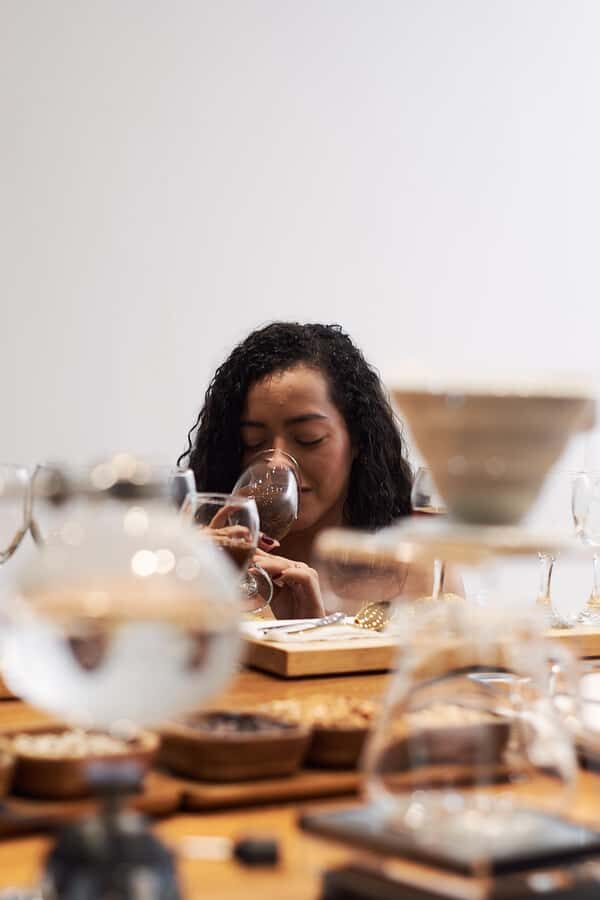
- A lab-style coffee experience center where the focus is the process, not just the drink
- Coffee nose aroma training to help you describe what you’re actually smelling
- Three Colombian specialty coffees tested across different extraction/brewing approaches
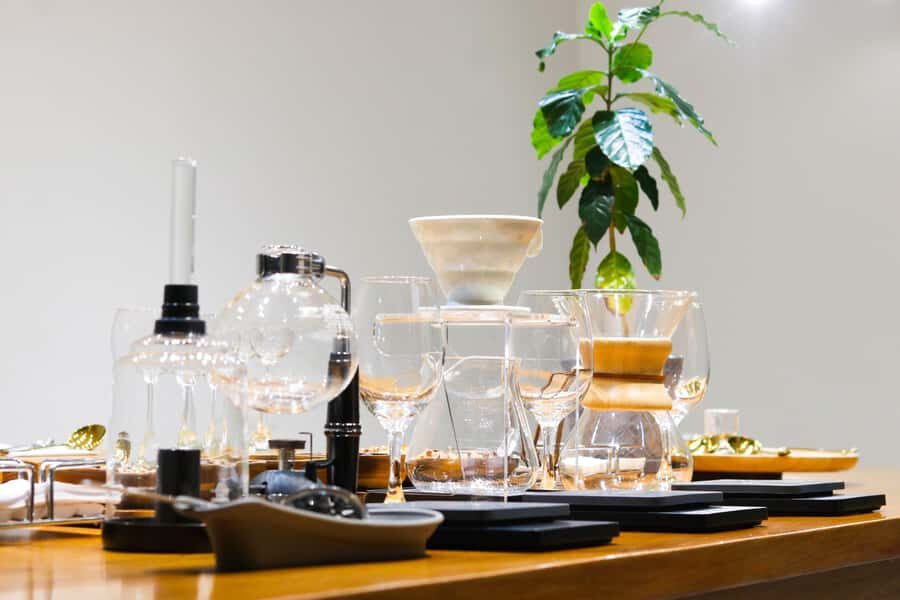
- Chemex, V60, and Hario TCA-5 siphon as your tasting road map
- Taste support with fruits and chocolate so notes make sense fast
- A participation diploma titled Awakening of the coffee senses – From the seed to the cup
First Impressions: a Coffee Lab, Not a Stuffed Classroom
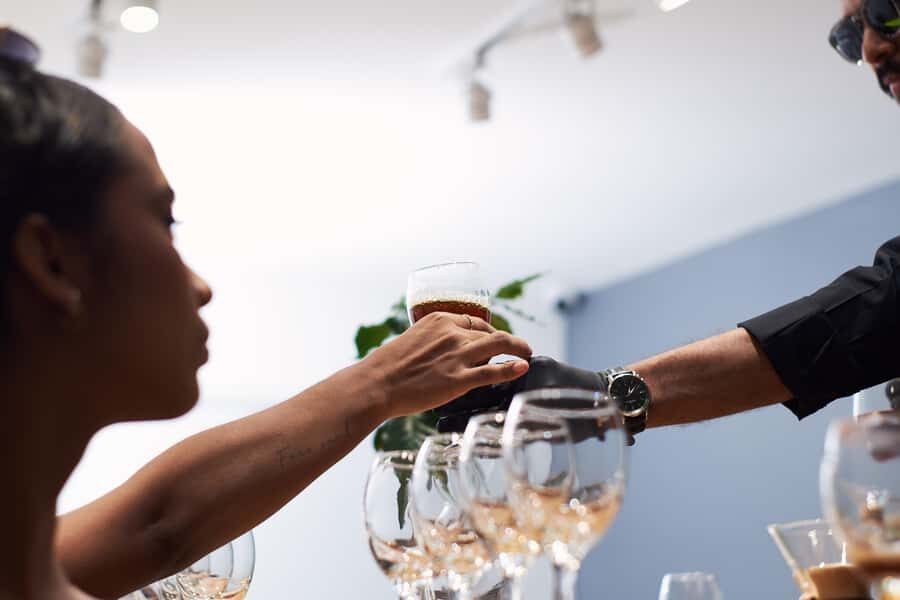
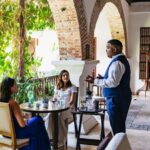
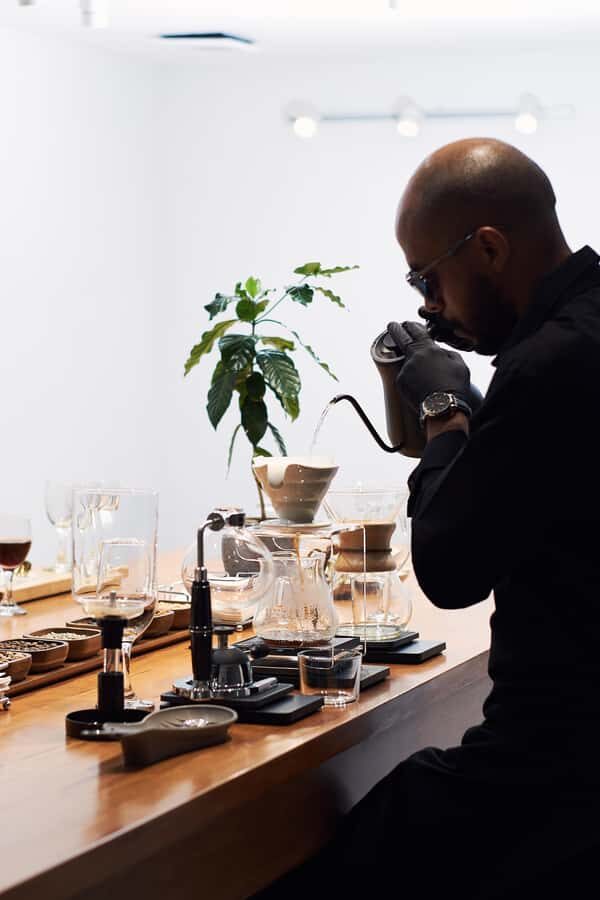
This experience is built like a mini workshop. You’re not just drinking coffee and nodding. You’re in a coffee experience center designed specifically for this kind of tasting, with a clean, high-end feel and plenty of comfort once you’re inside.
What I like right away is the way the room sets expectations: this isn’t a vague “here’s coffee from Colombia.” It’s structured around sensory training. You’ll be coached to notice differences in aroma, body, and finish, which is exactly what makes specialty coffee fun instead of confusing.
And the teaching style can feel properly serious without becoming stiff. Some sessions lean more lecture than social, but it stays friendly. If you want a calm, focused couple of hours with real learning, this fits nicely.
You can also read our reviews of more food & drink experiences in Cartagena

The Seed-to-Cup Lesson: Colombian Coffee from Parchment to Your Cup
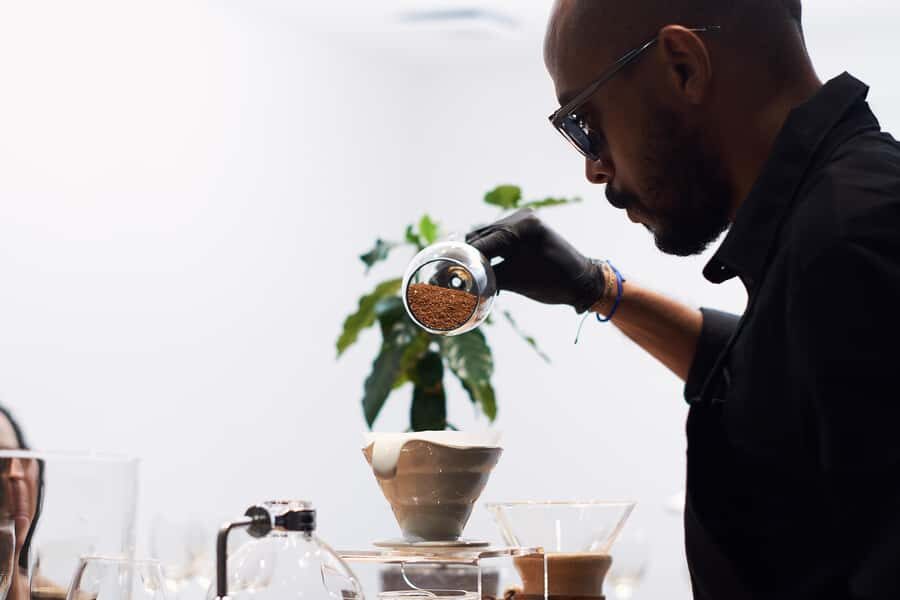
The core of the tasting is the Colombian specialty coffee story from origin to cup. You’ll be guided through the journey the beans take, including coffee processing. That matters because processing changes flavor before you even add water.
In plain terms, you’re learning that “Colombian coffee” isn’t one single taste. It’s a set of decisions made along the way—how the coffee is processed, how it’s roasted, and how it’s extracted. When the tasting later shifts into different methods, you’ll finally have a framework for why those cups taste different.
You’ll also get history and context around Colombian coffee as part of the build-up, so the lesson doesn’t feel like a random list of terms. By the time you reach cupping, you’re not starting from zero—you’re starting with a map.
Smelling Like a Pro: Coffee Nose and Sensory Vocabulary
Most people taste coffee like this: hot drink equals good or not good. This workshop trains you to slow down and use your nose first.
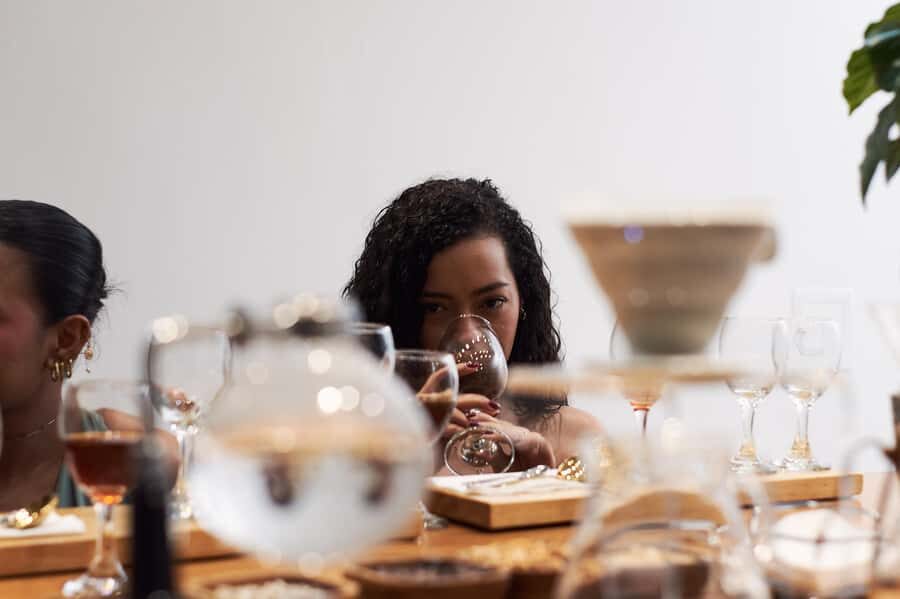
You’ll do olfactory activation with a coffee nose exercise, then later you’ll connect those smells to what you notice in flavor. The point isn’t to memorize fancy words. It’s to create a simple sensory vocabulary so your tasting becomes repeatable.
That’s why the session uses structured tasting tools and textures. Even if you’ve never done cupping before, the learning curve is built in. You’ll be shown how to distinguish aromas and profiles, and how to translate them into words you can actually use when buying coffee later.
One practical note: the activity prohibits strong fragrances. That’s not nitpicking. Strong perfume or scented lotions can throw off your aroma training, and the whole point is precision.
Three Brew Methods That Explain the Whole Game
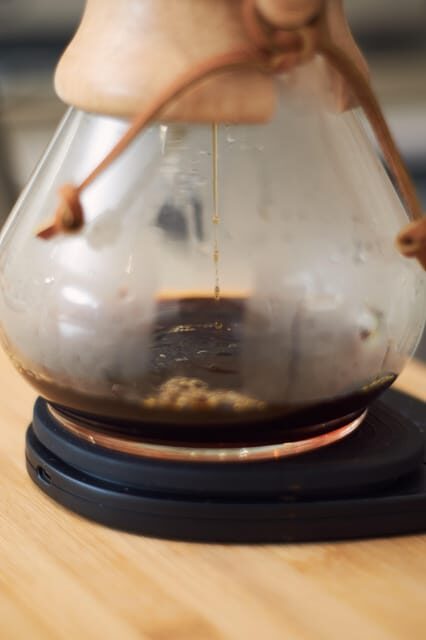
This is the part that makes the session click. You don’t just taste a coffee once. You taste across different brewing approaches so you can feel how extraction changes the cup.
You’ll test three different Colombian specialty coffees prepared using three methods that commonly show up in specialty shops:
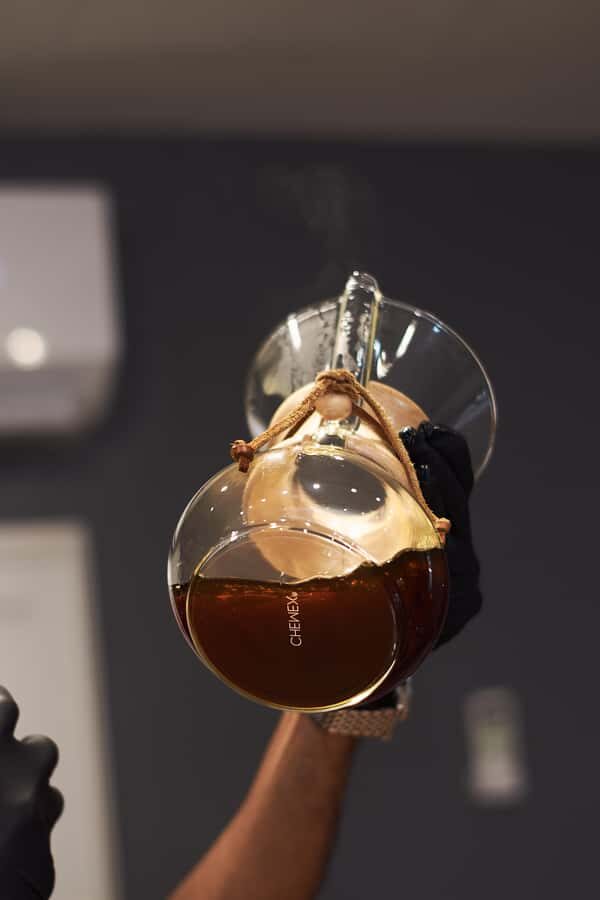
- Chemex: often highlights fruity and complex notes
- V60: tends to emphasize brightness and body
- Hario TCA-5 siphon (siphon method): typically gives roundness and smoothness, often with honey-like aromas
What’s useful for you here is the cause-and-effect learning. If one cup feels fruit-forward while another feels rounder, you’re learning how technique shapes flavor expression. It’s the difference between drinking and understanding.
And if your instructor is someone like Thomas/Tomas or Santiago (names that commonly come up), you’ll likely get explanations that keep pace with what you’re tasting, not just a slideshow about coffee. Some sessions are more interactive than others, but the best part is that the tasting stays organized around clear sensory goals.
The Cupping Table: Fruit, Chocolate, and Texture Clues
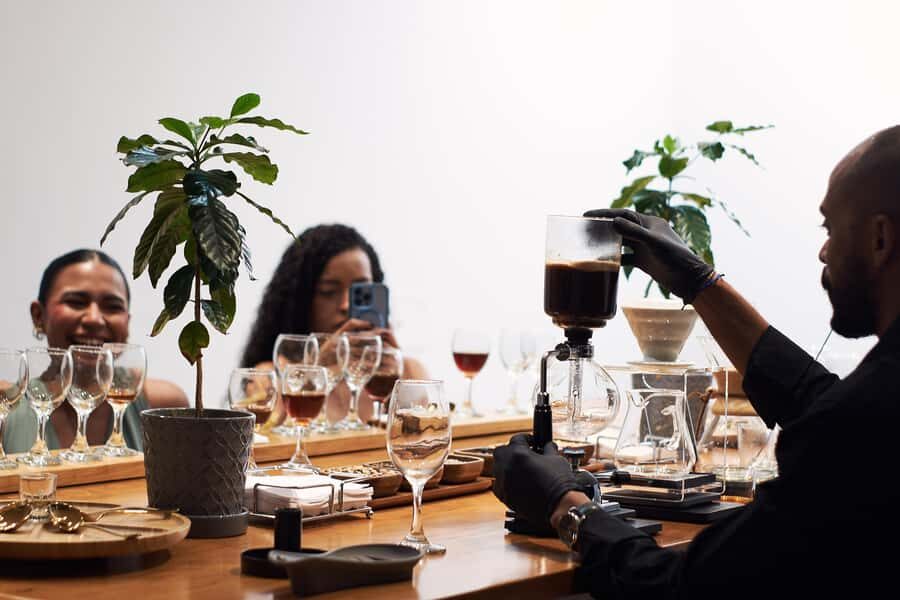
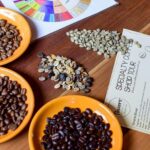
Cupping is where your brain stops guessing. You’ll use cupping elements that sharpen your senses and help you identify characteristics in a more disciplined way.
A big help in this workshop is the pairing. You’ll activate your taste with:
- fresh fruits
- dehydrated fruits
- chocolate
This isn’t random snacking. It’s a tasting shortcut. Those foods map to common flavor targets in specialty coffee, so when you smell or taste something like fruit sweetness or chocolatey notes in the coffee, you can match it to a real reference.
During cupping, you’ll also work on noticing body—how heavy, creamy, or light the coffee feels. That’s a skill. Once you recognize body, you start understanding why two coffees can both be “good” and still feel totally different on your palate.
You’ll leave with a clearer sense of what you like best. The goal isn’t to become a coffee judge. It’s to learn how to identify your preferences and recognize them in a shop.
A few more Cartagena tours and experiences worth a look
Instructor-Driven, Bilingual, and Surprisingly Human
The workshop is led by an instructor who teaches in English and Spanish. That’s a real quality-of-life detail. Coffee has a lot of vocabulary, and being able to ask follow-up questions in the language you’re most comfortable with speeds up learning.
In past sessions, instructors you might encounter include people like Thomas/Tomas, Santiago, Pedro, Arturo, Miguel, and Sebastián—each bringing their own style. Some focus on keeping the experience fun and question-driven. Others run it more like a lecture. Both styles can be excellent, but you should pick based on what you want from two hours.
I’ll also mention the practical vibe: the cafe tends to be clean and comfortable, with air-conditioning reported by many. In Cartagena humidity, that’s not a small thing.
Price and Value: Why $15 Can Be a Good Deal

At $15 per person for about two hours, this tasting is priced like a smart add-on, not a “once-in-a-lifetime splurge.” And that’s exactly how it tends to work best.
Here’s why the value holds up:
- You’re not paying only for coffee. You’re paying for training your senses (smell, taste, and the vocabulary to describe what you notice).
- You get three different brews and multiple tasting moments, so it’s not one quick cup and you’re out.
- Included elements like fruit, dehydrated fruit, and chocolate make learning easier. You’re guided to connect notes to reality.
If you’re the kind of person who buys a bag of beans and hopes you’ll “get better later,” this can shorten that timeline. You’ll also be able to order more confidently in specialty cafés because you’ll know what you’re tasting for.
Logistics Tips That Save You Time in Cartagena
This one runs smoothly if you plan around two small realities: fragrance control and finding the door.
1) Go fragrance-light. The workshop doesn’t allow strong fragrances, so skip heavy perfume and strongly scented lotions before you arrive.
2) Double-check your location search. There have been cases where directions sent by mapping apps can land you in the wrong spot. A reliable approach is to search for the café name (Cafe-472). If you get turned around, look for the coffee center rather than relying only on an address pin.
3) Build the session into your day, not your night. With a 2-hour duration, it’s perfect before exploring neighborhoods like Manga and Getsemaní, then continuing the day afterward with a calmer coffee crawl.
Who Should Book This Coffee Tasting (and Who Should Skip It)
This is ideal if you:
- love coffee and want a structured tasting (not just a casual drink)
- want to learn why different methods change flavor
- care about understanding processing and extraction, even at a beginner level
- enjoy learning with your senses—smell first, then taste, then description
It may be less ideal if you:
- want a purely social, party-like vibe
- prefer tasting without instruction or sensory exercises
In other words: book it for learning and clarity. Skip it if you mainly want caffeine with minimal thinking.
Should You Book This Cartagena Specialty Coffee Tasting?
If you’re in Cartagena and you drink coffee—especially if you’ve ever wondered why two “good” coffees taste nothing alike—this workshop is a strong choice. You’re paying for how to taste, not just for a drink. The three-method setup (Chemex, V60, and the Hario TCA-5 siphon) gives you a practical understanding you can reuse immediately.
My main caution is the format: plan to treat it like a hands-on class, not a casual meetup. If you’re good with that, the time flies, and you’ll come away with better instincts for specialty coffee—plus a certificate that feels oddly satisfying for such a simple achievement: learning to taste on purpose.
FAQ
How long is the Cartagena Colombian Specialty Coffee Tasting?
It lasts about 2 hours.
How much does it cost?
The price is $15 per person.
What will I taste during the session?
You’ll taste three different Colombian specialty coffees, prepared in different ways.
Which brewing methods are used?
The tasting includes Chemex, V60, and the Hario TCA-5 siphon method.
What languages does the instructor speak?
The instructor teaches in English and Spanish.
Are strong fragrances allowed?
No. Strong fragrances are not allowed.
Is it easy to find the meeting point?
The meeting point is the coffee experience center. You just need to tell the team you’re coming for the activity.