REVIEW · SAN ANDRES COLOMBIA
San Andres: Coco Art Workshop
Book on GetYourGuide →Operated by Guia SAI · Bookable on GetYourGuide
Coconut weaving in San Andrés feels personal fast. You’ll watch coconut palm techniques come alive, then try your own hand at making traditional pieces with a guide who’s patient and proud of the craft. I also like that the workshop doesn’t treat the art like a trick; it connects the weaving to daily island life and the Creole culture behind it.
The one thing to plan for is the outdoor part. You’ll be in the sun, using materials that can get messy, so go in with the right clothes and protection, or the experience can feel more like a chore than a craft session.
In This Review
- Key highlights to know before you go
- Coconut Palm Crafts in San Andrés: What You’re Really Learning
- Meeting Sky Near Bolívar Park and Getting to the Workshop
- The Guided Class With Scenic Views on the Way
- From Palm Leaves to Hats, Fruit Bowls, and Contemporary Pieces
- Your Hands-On Moment: Making a Souvenir You’ll Actually Keep
- Creole Culture Stories and the Language Thread
- Duration, Transport, and What a $39 Workshop Buys You
- Tips to Prepare: Clothes, Sun, Bugs, and Camera Timing
- Who This Workshop Fits Best (and Who Might Want a Different Activity)
- Should You Book the San Andrés Coco Art Workshop?
- FAQ
- How long is the San Andrés Coco Art Workshop?
- How much does the workshop cost?
- Where do I meet the guide?
- Is hotel pick-up included?
- What languages are available?
- Is the workshop private?
- What will I learn during the workshop?
- Can I take souvenirs home?
- What should I bring with me?
- Is the workshop wheelchair accessible?
- Is smoking allowed?
Key highlights to know before you go
- A local, lived-in craft setting near Bolívar Park, where the story starts before the workshop
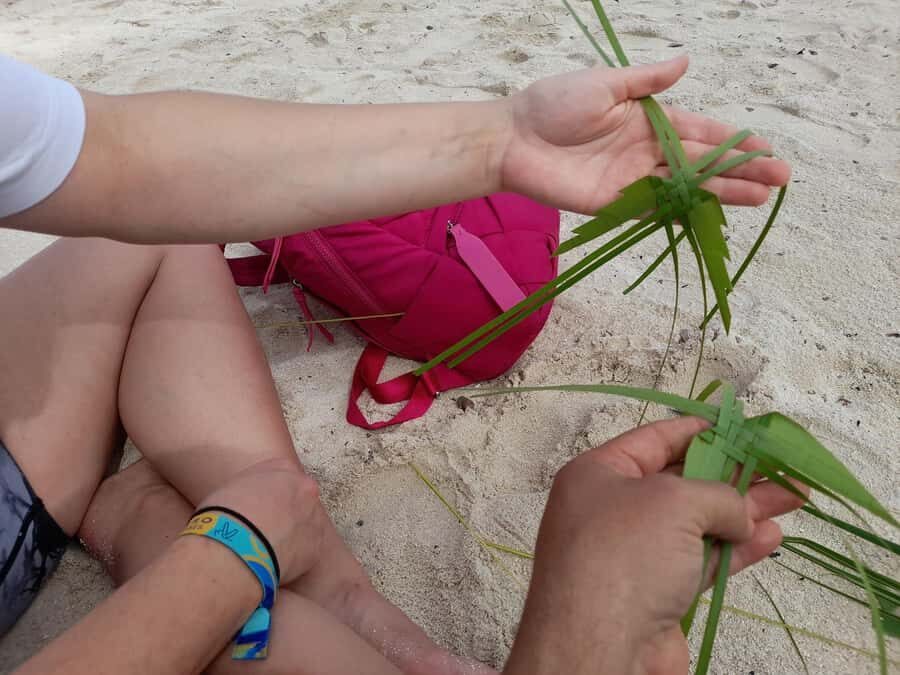
- Live demonstrations of traditional and contemporary coconut creations
- Hands-on making time where you produce your own decorative souvenir
- Creole culture and local language stories tied to the island’s history
- Caribbean Sea scenic ride and views as part of the flow of the day
- Bring-home value that’s more than a photo—something made during your visit
Coconut Palm Crafts in San Andrés: What You’re Really Learning
This is one of those activities that sounds simple until you’re sitting there and realizing how many steps it takes to turn palm material into something that looks good and lasts. The workshop centers on the island’s coconut palm—why it matters, how it’s used, and how generations of islanders learned to shape and weave what grows around them.
You’re not just learning a “souvenir craft.” You’re learning how people here think about resources. Coconut palms aren’t a scenic backdrop in San Andrés; they’re practical. That practical angle is what makes the session feel grounded rather than staged. And when you see the flexibility of palm leaves and other coconut elements in action, you start to notice how the same material can become very different objects.
The cultural side matters too. You’ll hear stories connected to the islands, including the origins of Creole culture and the role of language on the archipelago. That context turns the craft into something you can interpret, not just watch.
You can also read our reviews of more tours and experiences in San Andres Colombia.

Meeting Sky Near Bolívar Park and Getting to the Workshop
Your day begins right in San Andrés, with a meeting point that’s easy to find once you know the landmarks. The supplier meets you at the entrance of a typical house close to Bolívar Park, at Av 20 de Julio #4a-26, in front of Omalina Clinic and diagonally across from the registration office.
From there, you’ll typically head by car for a short scenic transfer (about 20 minutes). The drive isn’t long enough to feel like a bus tour, but it’s long enough to reset your expectations: this isn’t a “walk around and look at things” stop. It’s a guided class.
In the workshop itself, you may work with an instructor named Sky and, at least in some cases, his dad is part of the experience too. That family-like feel comes through in the way the craft is taught: not rushed, and focused on passing down old skills while still making room for contemporary forms.
The Guided Class With Scenic Views on the Way
The workshop flow is structured but not rigid. After the pick-up and short transfer, you go to a local restaurant setting for the guided portion and class time. Expect about 2 hours of guided activity total, though the overall experience can run about 90 minutes to 2 hours depending on starting times and how the session moves.
You’ll get scenic views as part of the travel component, so even before the crafting starts, you’re reminded where you are. San Andrés is all about the relationship between sea, sun, and everyday life. This is the kind of workshop that benefits from seeing the environment first, because you’ll understand what you’re weaving and why it’s available.
A key point: this is a private group experience. That matters because it gives you more time to ask questions and get help while you’re working the material. For a craft activity, that one-on-one attention can be the difference between leaving with a decent-looking souvenir and leaving with something you’re proud of.
From Palm Leaves to Hats, Fruit Bowls, and Contemporary Pieces
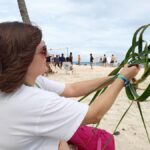
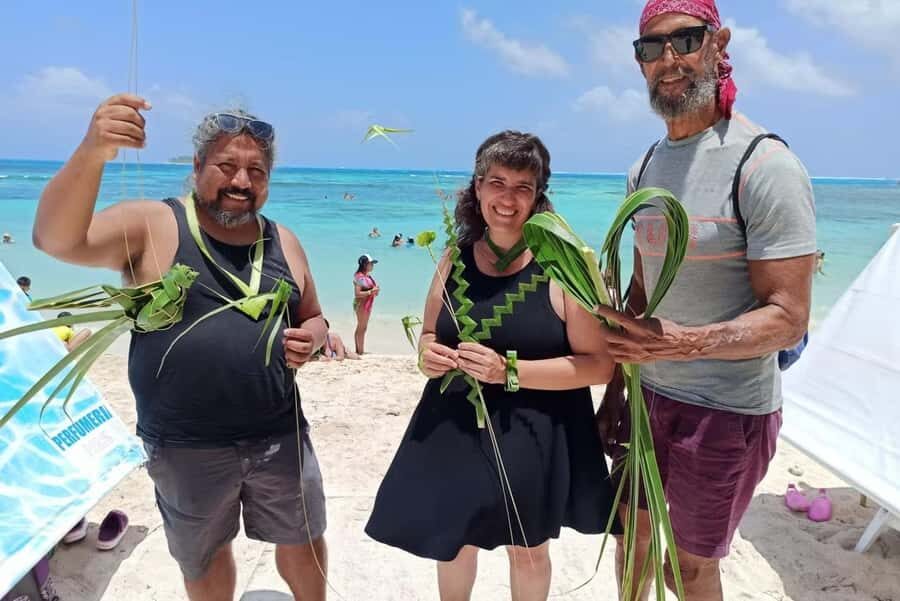
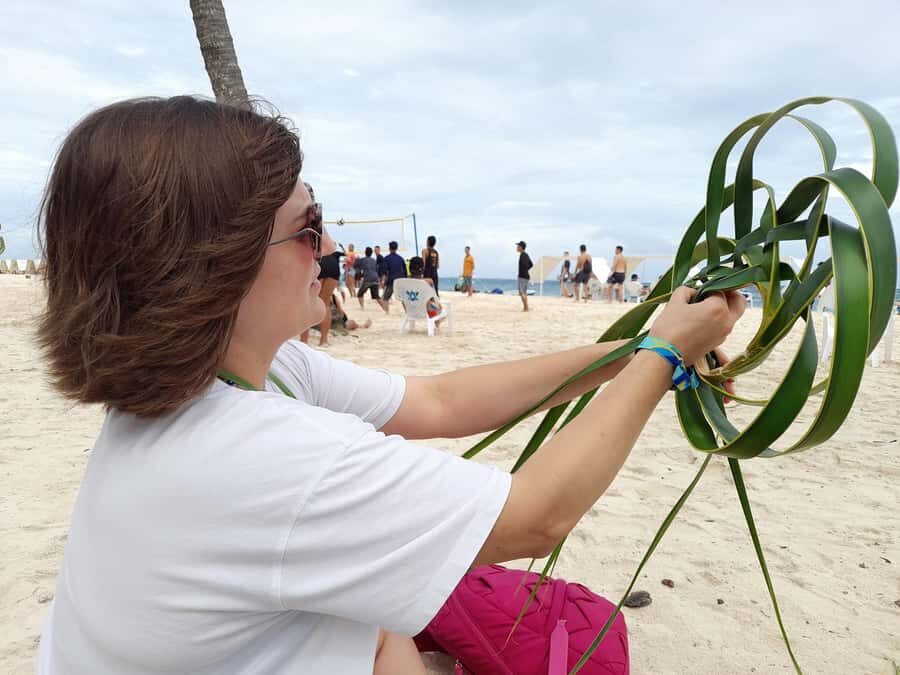
One of the most impressive parts is how quickly you see coconut palm materials become art. You’ll watch a local artist create elements using palm techniques. Some of what you might see includes traditional and contemporary objects made from coconut-related materials, not just one style.
In particular, the demonstrations can include:
- weaving handicrafts out of coconut palm leaves
- shaping decorative items such as a bird ornament
- making accessories like a necklace
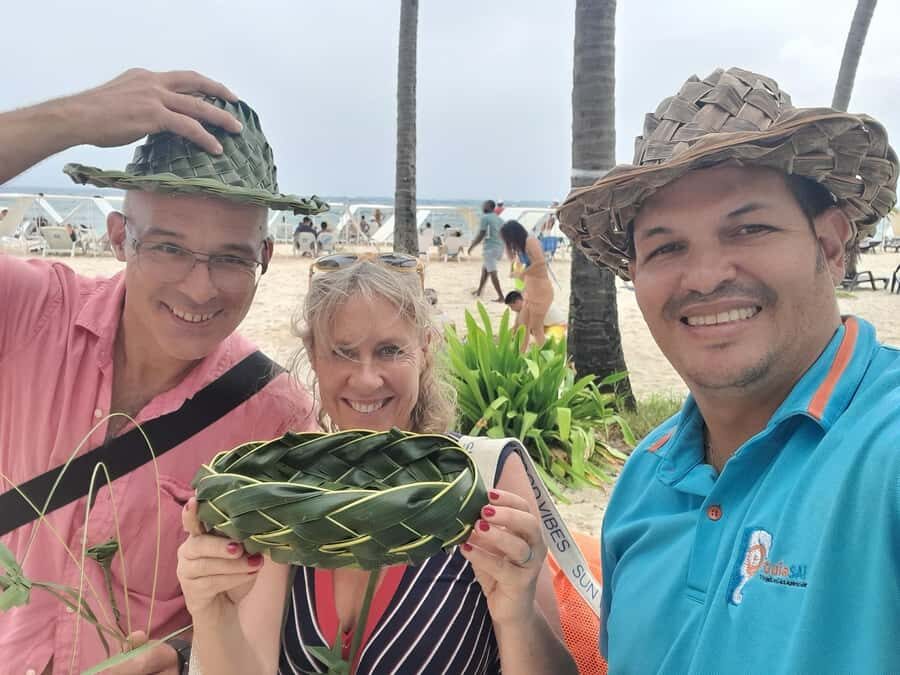
- crafting larger practical-looking pieces (including examples like a sunhat and a fruit bowl)
Why this matters for you: when you see how the same material can become different textures and forms, you get better at the workshop yourself. You stop thinking of it as a single “craft project” and start treating it as a set of skills—twisting, weaving, shaping, and finishing.
It also helps you appreciate the craft’s versatility. Coconut palm isn’t a gimmick ingredient. It’s a flexible plant resource, and the workshop shows that flexibility clearly by pairing older techniques with more modern creations.
Your Hands-On Moment: Making a Souvenir You’ll Actually Keep
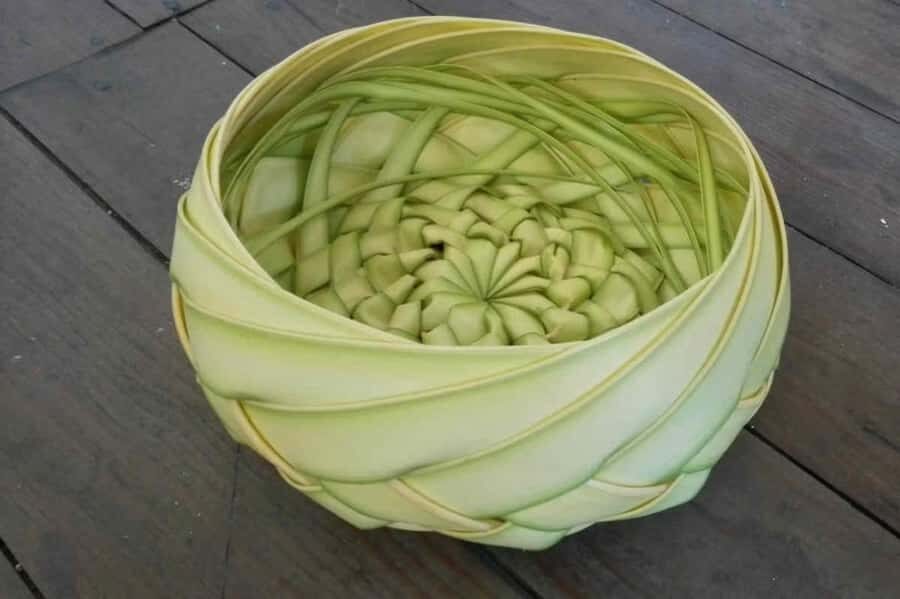
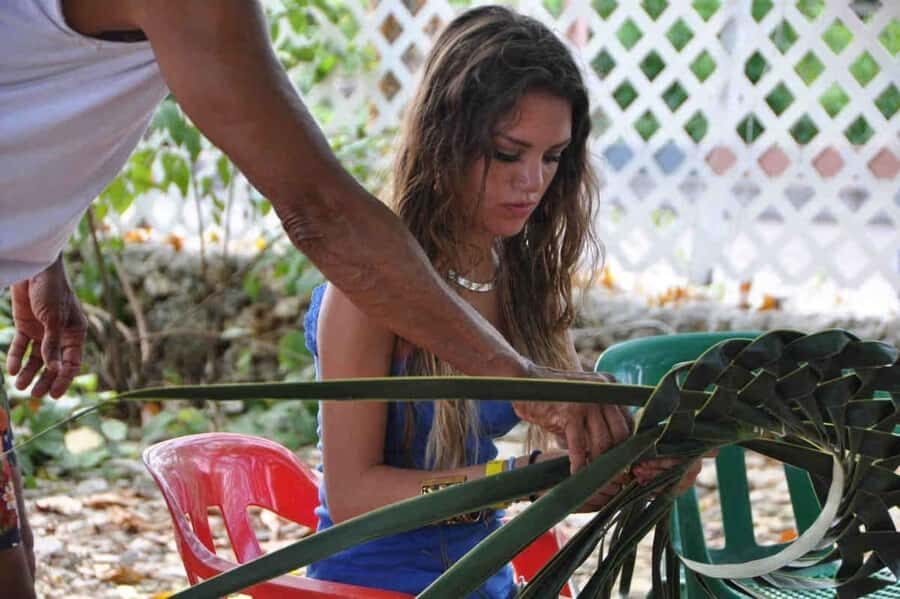
Here’s where the experience turns from watching to doing. You’ll create your own piece of art using traditional techniques and materials. That “hands-on” part is the heart of why the workshop is worth your time, especially if you’ve done other cultural activities that end with only a quick photo stop.
The craft pieces you make will be souvenir-sized and decorative. In some versions of the session, the guided teacher also walks you through making smaller ornamental items—things you can take home and use as décor. You’ll also get the chance to take home exclusive souvenirs created during the session, so it’s not just a trade of your time for a story. You’ll leave with a physical reminder of the island and the technique.
Practical tip: bring clothes you’re willing to get marked up. Weaving and shaping natural fibers can leave tiny bits behind, and you’ll be handling materials that don’t behave like studio supplies. The workshop is meant to be tactile.
And if you’re worried about skill level, don’t. The guiding approach is patient. You’ll be taught the handling of the weaving material, not just handed instructions and left to figure it out.



Creole Culture Stories and the Language Thread
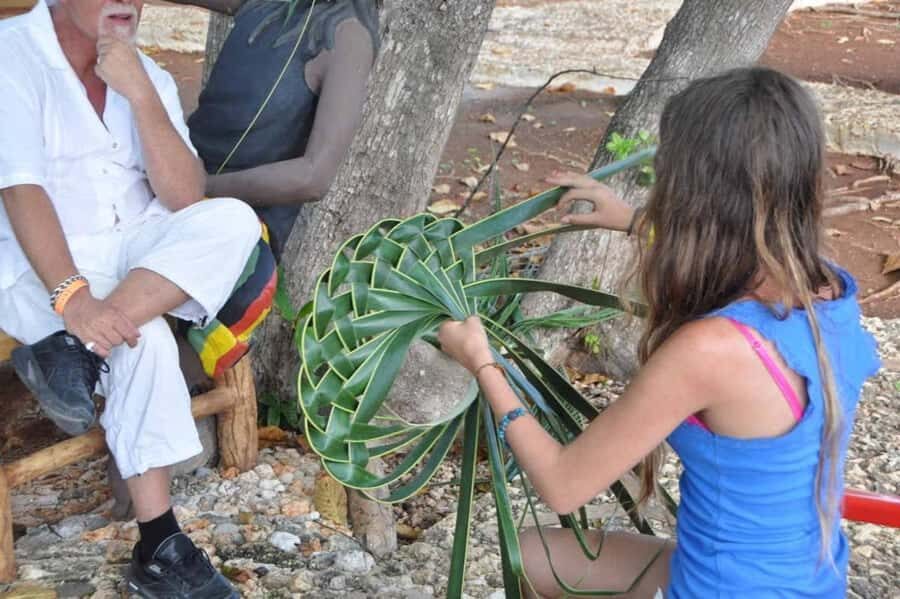
A lot of craft workshops stop at technique. This one adds layers. You’ll hear stories about the island and learn about the Creole culture of the archipelago. You’ll also learn about topics connected to the local language and how Creole culture developed in this region.
For you, this is the part that makes the craft feel like it belongs to the place rather than being imported. It helps you understand what you’re seeing—why these objects matter to local identity and how island life formed its own ways of speaking, connecting, and celebrating.
It also makes the experience easier to remember. When you can connect a woven pattern or a decorative shape to a story you were told, you’re more likely to keep the souvenir and think about the person who taught you, not just the activity you checked off.
Duration, Transport, and What a $39 Workshop Buys You
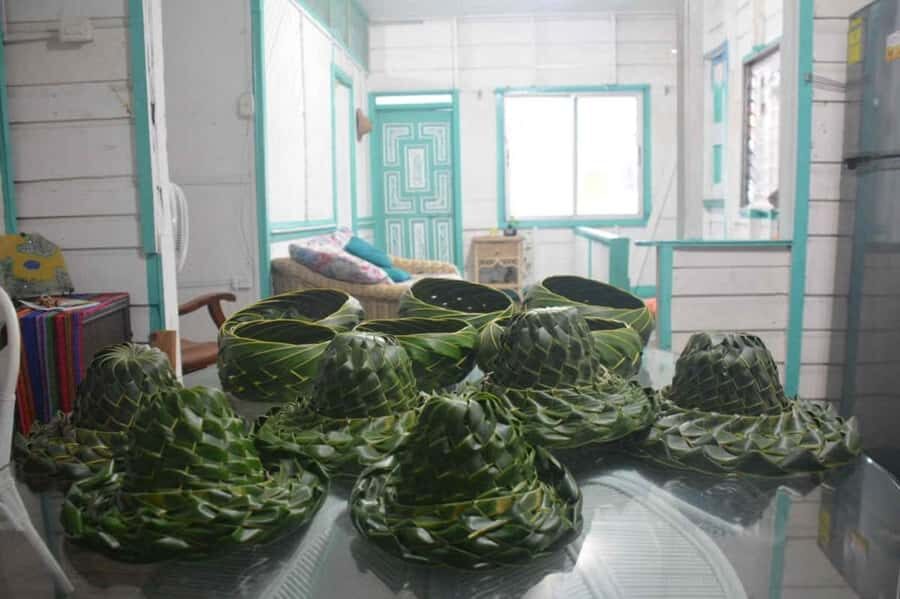
The price is $39 per person, and the duration is about 90 minutes to 2 hours. On paper, it can seem like a “small” activity. In practice, it’s better to think of it as a guided class plus a souvenir experience.
What you’re getting for the money:
- hotel pick-up and drop-off
- a guide who speaks English and Spanish
- live demonstrations and hands-on instruction
- a chance to create a piece and take home souvenirs from the session
- cultural storytelling tied to the island’s Creole heritage
Value comes from what’s included in the time. You’re not just being entertained; you’re learning a skill-based activity with a local guide, and you leave with something you can hold. If you’re the kind of traveler who likes “learning something real” more than ticking boxes, this price-to-experience ratio usually feels fair.
Tips to Prepare: Clothes, Sun, Bugs, and Camera Timing
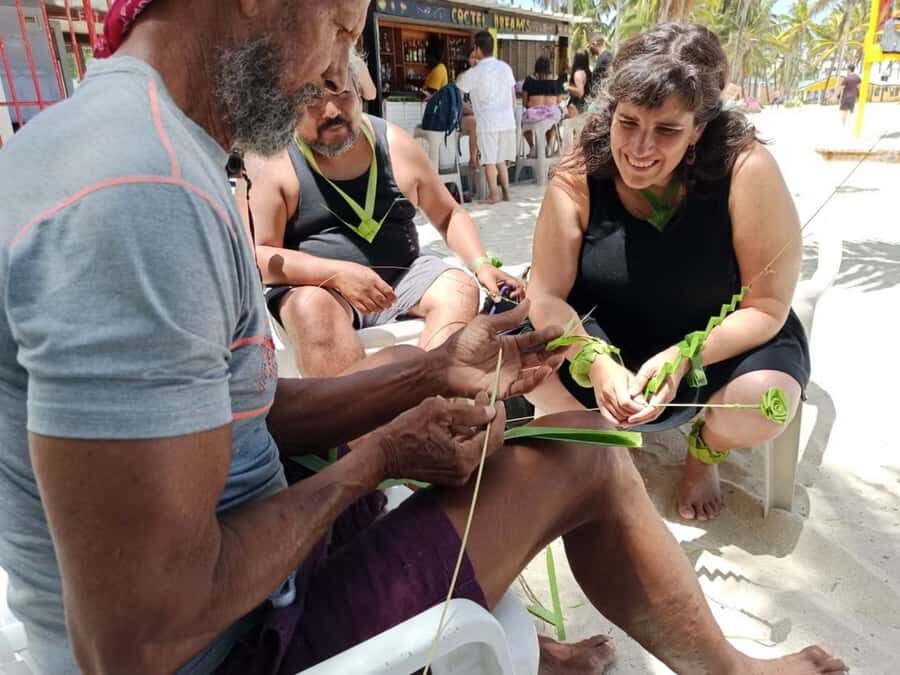
This is an outdoor-friendly workshop. Even if you sit more than you stand, you’ll want to plan like you’ll spend time under bright sun.
Bring:
- comfortable shoes
- sun hat
- towel
- camera
- water
- biodegradable sunscreen
- insect repellent
- comfortable clothes
- beachwear (optional but useful depending on timing)
- clothes that can get dirty
Wear thinking-first:
- Something you can move in while weaving and handling materials.
- Something you don’t mind if natural fibers cling a little.
Photo planning:
- Bring your camera, but also pause and let your eyes do the work. Watching someone shape material into a hat or decorative piece is a “slow magic” moment. If you’re constantly filming, you may miss the best details of how the technique works.
And one more rule: no smoking. It’s a natural materials setting, so keep it clean and respectful.
Who This Workshop Fits Best (and Who Might Want a Different Activity)
This workshop is a strong match if you:
- enjoy hands-on activities and want to take home something you made
- like craft techniques tied to place and culture
- want more context than a beach-only day
- prefer small, guided experiences (private group)
It might feel less ideal if you:
- hate outdoor sun or mess (you can manage this, but it’s still part of the deal)
- want a long, full-day program with many stops (this is a compact 90 minutes to 2 hours)
- are looking for a high-action adventure. This is craftsmanship first.
Should You Book the San Andrés Coco Art Workshop?
If you want a San Andrés memory you can touch, I’d book it. This workshop has the ingredients that make craft experiences worth paying for: live skill demonstration, real hands-on time, cultural storytelling about Creole identity and language origins, and a take-home souvenir created with coconut palm materials.
If you’re already planning a mostly beach-based trip, this is a good counterbalance. It’s still relaxed, but it gives you a deeper connection to how locals use what grows around them. Just go prepared for sun and natural mess, and you’ll likely come away with both a nice piece of art and a better sense of the island.
FAQ
How long is the San Andrés Coco Art Workshop?
The experience runs about 90 minutes to 2 hours, depending on the starting time.
How much does the workshop cost?
It costs $39 per person.
Where do I meet the guide?
Meet at the entrance of a typical house close to Bolívar Park, Av 20 de Julio #4a-26, in front of Omalina Clinic and diagonally across from the registration office.
Is hotel pick-up included?
Yes. Hotel pick-up and drop-off are included, and pick-up is optional depending on the option you choose.
What languages are available?
The guide/instructor is available in English and Spanish.
Is the workshop private?
Yes, it’s listed as a private group experience.
What will I learn during the workshop?
You’ll learn about the history and importance of the coconut palm on the island, watch traditional and contemporary coconut craft techniques, and make your own piece using traditional methods.
Can I take souvenirs home?
Yes. You’ll create your own art piece during the session and you’ll also have exclusive souvenirs created during the workshop.
What should I bring with me?
Bring comfortable shoes, sun hat, towel, camera, water, biodegradable sunscreen, insect repellent, comfortable clothes, beachwear if you want, and clothes that can get dirty.
Is the workshop wheelchair accessible?
Yes, it’s listed as wheelchair accessible.
Is smoking allowed?
No, smoking is not allowed during the experience.
If you want, tell me the month you’re going and whether you prefer morning or afternoon activities—I’ll help you choose a start time that pairs well with beach plans.