REVIEW · ZIPAQUIRA
Zipaquirá: Private Salt Cathedral Mine and Walking Tour
Book on GetYourGuide →Operated by GoBogotá · Bookable on GetYourGuide
A day underground beats most city tours. This private Zipaquirá outing pairs the Cathedral of Sal with hotel pickup and a local bilingual guide, plus coffee and typical bites along the way. The main catch is the long Bogota-to-Zipaquirá drive, so you’ll want comfortable shoes and a patient mindset.
What makes it work is the mix: one part is the big-ticket wonder (the salt-carved cathedral), and the other part is the town—plazas, landmarks, and small cultural details that help you understand why people care so much about this place. One possible drawback to plan for: lunch is optional, and lunch itself is not included, so you’ll pay for that meal separately if you want a sit-down stop.
In This Review
- Key points before you go
- Salt Cathedral of Zipaquirá: why it’s more than a photo stop
- Bogotá to Zipaquirá transfer: the part you shouldn’t rush
- The early guided tour: learning the context before you see the main show
- Entering the Cathedral of Sal: what to look for underground
- Zipaquirá’s plazas and landmarks: the walk that gives the day meaning
- Plaza de los Comuneros
- Plaza de la Independencia and the school linked to Gabriel García Márquez
- The train station stop
- Coffee and typical foods: the tastings you’ll actually remember
- Lunch in Zipaquirá: plan for optional and not included
- What’s included: value beyond the headline price
- Practical tips: shoes, camera, and what to bring
- Who should book this tour (and who might skip it)
- Should you book the Zipaquirá Salt Cathedral private tour?
- FAQ
- How long is the private Zipaquirá Salt Cathedral tour?
- Where does the tour start and end?
- Is hotel pickup included?
- Is lunch included?
- Is the entrance to the salt mine paid for?
- What food is included during the experience?
- Are audio guides included at the Cathedral of Sal?
- What languages are available for the live guide?
- Is medical insurance included?
- Can I cancel for a full refund?
Key points before you go
- Hotel pickup and drop-off make this feel like a true door-to-door day trip from Bogotá
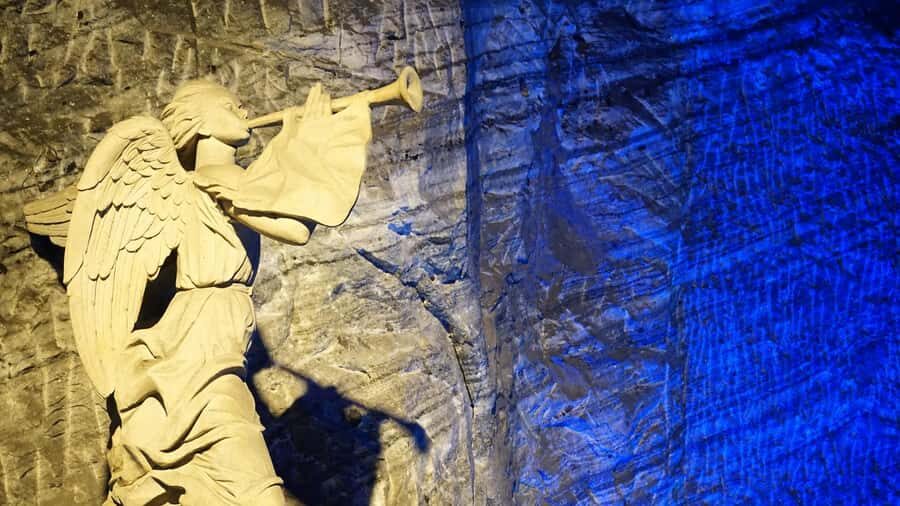
- Cathedral of Sal entry is covered, and you’ll also have audio guides in multiple languages
- Local guidance connects the salt cathedral to Zipaquirá’s history, customs, folklore, and food
- Coffee, almojábana, empanadas, and tastings keep the day from feeling like sightseeing only
- Historic stops include Plaza de los Comuneros and the school linked to Gabriel García Márquez
- Private group means the pace can stay calm and questions are easy to ask
Salt Cathedral of Zipaquirá: why it’s more than a photo stop
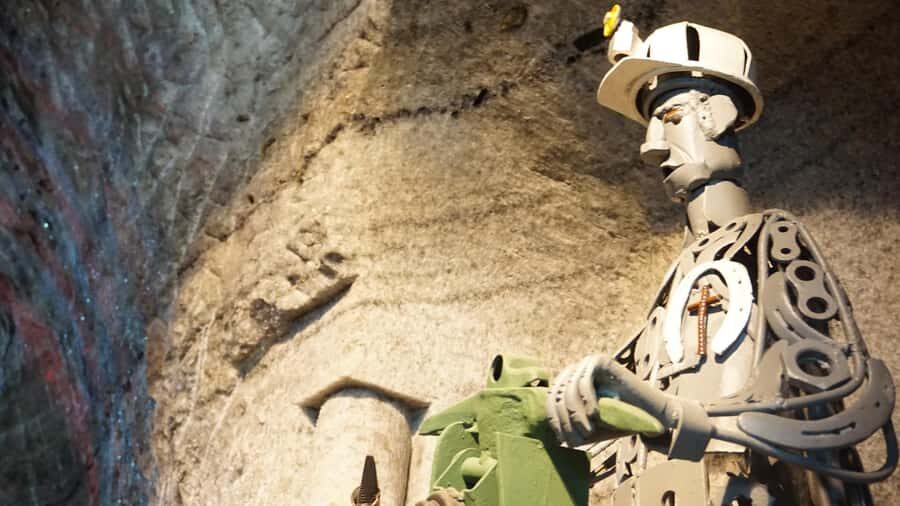
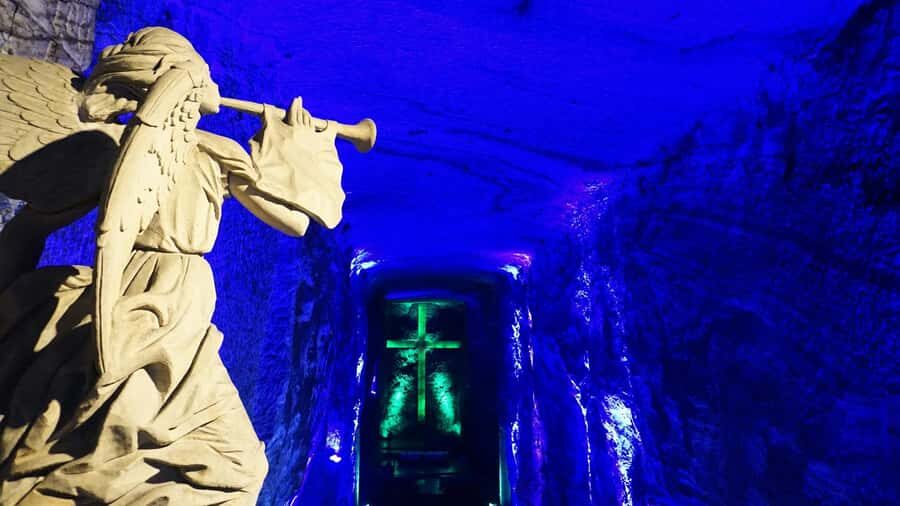
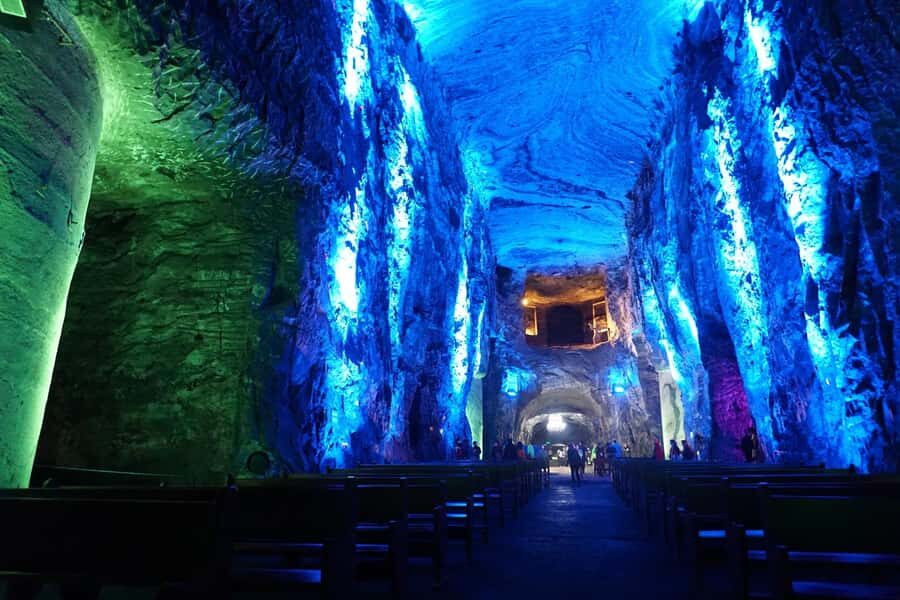
The Cathedral of Sal (Cathedral of Salt) is the kind of place that changes how you think about materials. You’re not just walking into a church—you’re inside an enclosure carved from salt, with an architecture that feels both religious and industrial at the same time. The result is dramatic in a way that doesn’t require hype. Even if you’re not a big museum person, this is one of those sights you’ll remember because your brain keeps trying to reconcile the setting with the purpose.
I also like that the tour doesn’t treat the cathedral as a stand-alone attraction. You get historical context and local culture, so the cathedral becomes part of a larger story about the region—not a random stop on a list.
You can also read our reviews of more tours and experiences in Zipaquira.
Bogotá to Zipaquirá transfer: the part you shouldn’t rush
This is a 7-hour day built around travel and structured visiting. You start with pick-up from your hotel or the place you choose within their operating radius in Bogotá. Then it’s about 1.5 hours of transfer time to reach Zipaquirá.
Here’s how to think about that drive: it’s not a waste if you use it well. With a private setup, you avoid the delays that come with shared rides and confusing meeting points. Also, you’ll likely have time to get oriented before the sightseeing begins. If you’re prone to getting carsick, take the usual precautions (sit where you feel best, keep water handy, avoid heavy meals right before departure).
The pace later is also designed to keep the day from collapsing into one long rush. There’s a guided portion early, then breaks for walking and food, and finally time for tastings on the way back. That pacing matters because the cathedral visit itself is underground and requires you to slow down a bit.
The early guided tour: learning the context before you see the main show
Once you arrive, the day includes a guided portion of about 2.5 hours. This is where you get the “why” behind what you’re going to see—history, customs, folklore, and even typical food of the region.
I like this sequence. If you jump straight to the cathedral, you can still enjoy it, but you miss the extra layer: how locals interpret the salt mine and why this site became such a major cultural and religious heritage place. With a good guide, those details start to click while you’re walking instead of only afterward when you try to remember what someone said.
The tour is also private, so questions don’t get swallowed by a large group. If you’re the type who likes to ask about everyday life, coffee culture, or what people eat in the Andes region, this part gives you room to do that.
Entering the Cathedral of Sal: what to look for underground
The cathedral visit is scheduled with guided time and walking time, giving you a chance to actually absorb the space instead of just passing through. You’ll spend around 45 minutes exploring with the guide’s help.
A practical bonus here: audio guides are included in multiple languages inside the cathedral. That matters because it gives you two layers of learning—your guide’s live explanations and the audio track when you want to catch details again. English and Spanish are listed, plus German, Italian, French, Portuguese, Russian for added coverage. Even if you’re fluent, using audio can help you track names, symbols, and the story the site is telling.
What to pay attention to:
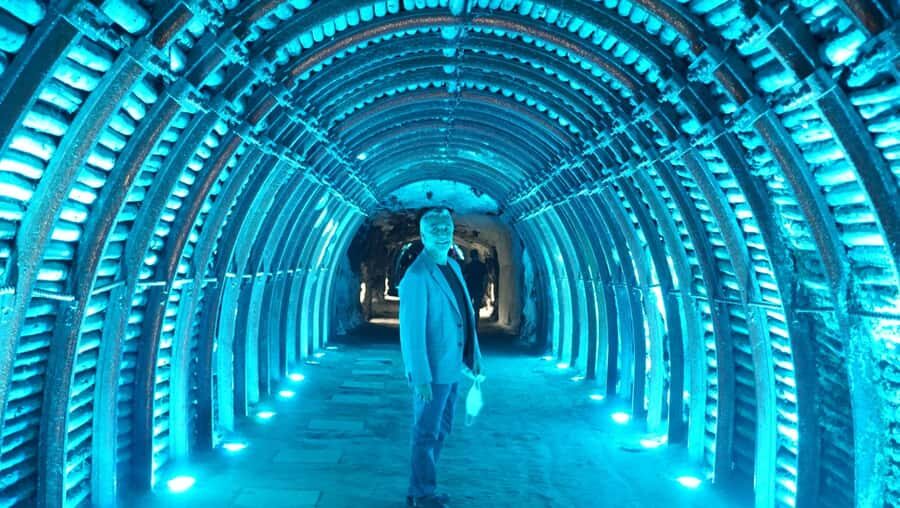
- How the salt shapes the architecture. The walls and forms look intentional, not random, so try to notice the design choices.
- Religious and cultural symbolism. This is a cathedral, so it’s meant to feel reverent and meaningful, not just impressive.
- Your own pace. Underground spaces can feel cooler and darker, and that’s part of the experience. Slow down for photos and for reading the explanation around you.
One small consideration: because it’s underground and carved, plan to keep your movements steady and wear comfortable shoes. You’ll be walking enough to make footwear choices count.
Zipaquirá’s plazas and landmarks: the walk that gives the day meaning
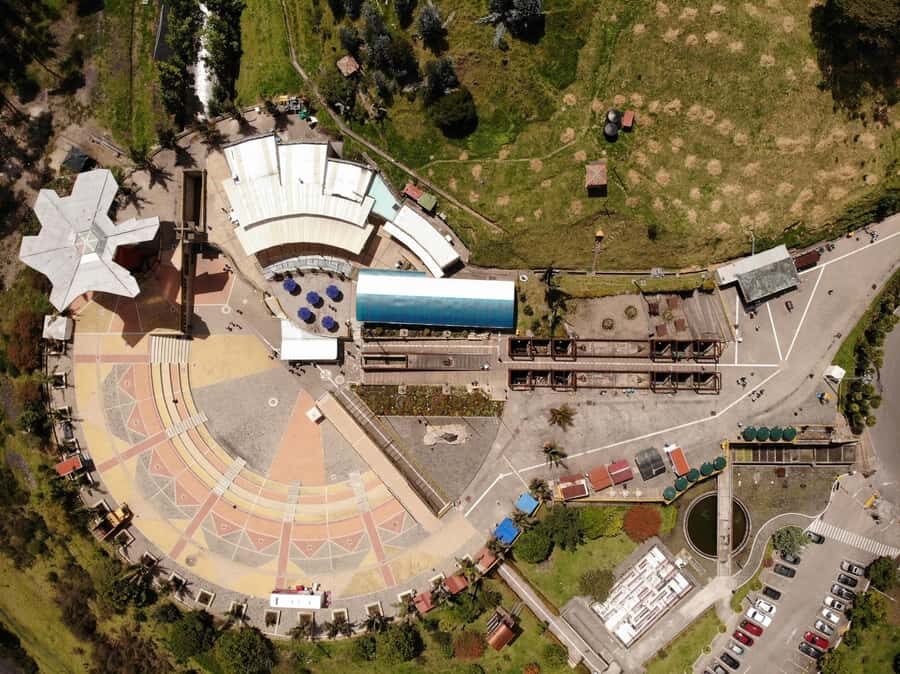
After the cathedral, the tour shifts into town exploration—historic center streets, colonial architecture, and plazas that reflect how Zipaquirá grew. You’ll visit multiple stops with guided time and walking segments.
Plaza de los Comuneros
This plaza is one of the key stops, with guided time and a walk of about 30 minutes. It’s a good place to connect the broader story of Zipaquirá to something grounded in public space: where people gather, where power and community stories show up in architecture, and where local identity becomes visible.
If you like travel that feels human-scale rather than only “big sights,” this is the part that usually satisfies you. You’re not just looking at a landmark—you’re moving through the same kinds of streets people still use.
Plaza de la Independencia and the school linked to Gabriel García Márquez
The tour also includes stops such as the Plaza de la Independencia and the school where Gabriel García Márquez studied. You’ll also have time around other historic points like the train station during the town walk.
This is where the tour earns its place as more than a single-attraction outing. García Márquez is one of those global names that can feel far away until you stand in the local setting tied to his early life. Even if literature isn’t your main interest, it’s a neat connection point that gives the day a sharper narrative edge.
The train station stop
Including the train station helps show the region’s movement of people and goods over time. It’s not listed as a long stop, but it adds a practical sense of “this place isn’t just preserved history.” It’s history that interacted with commerce and everyday travel.
Coffee and typical foods: the tastings you’ll actually remember
Food is built into the experience in a smart way: it’s not an afterthought. You get a snack tipico Colombiano as part of the included moments, and later there’s coffee with almojábana, empanadas, and other surprises.
Near the end, there’s also an aperitif and tasting segment of about 30 minutes. This is the moment when the day stops feeling like a checklist and starts feeling like a lived-in routine. If you’ve ever visited Colombia and wished you could taste without hunting, this part does the work for you.
A practical note: you’ll also have water included, and it’s listed as being taken care of during the tour. That’s helpful on a day trip where timing can otherwise leave you guessing.
If you’re a coffee person, here’s a useful detail: the experience has a driver-guide who’s specifically praised for coffee knowledge—Héctor. That kind of guide energy makes tastings more than just eating; you get a quick education in what you’re tasting and why it matters locally.
Lunch in Zipaquirá: plan for optional and not included
There is time set aside for lunch (about 61 minutes), but lunch is not included. The tour mentions there will be time for you to eat at a recommended restaurant.
So how should you handle it?
- If you arrive hungry after the cathedral, use your time efficiently. You’ll have a set window.
- If you prefer something lighter, you can treat lunch as flexible and lean on the earlier included snack and tastings.
- If you have dietary restrictions, you’ll want to communicate clearly when ordering at the restaurant, since the tour’s data doesn’t list specific meal accommodations.
This is one of those “good to know” details. The day gives you a lot of included food moments, but lunch is on you, and you’ll want to budget accordingly.
What’s included: value beyond the headline price
The price listed is $169 per person for a 7-hour private tour. That sounds like a chunk, so here’s how I judge value for this particular day:
What you’re getting that can add up fast if bought separately:
- Private transport with hotel pickup and drop-off from Bogotá
- Entrance paid for the Mina de Sal / Cathedral of Sal
- Professional local bilingual guide (if you choose)
- Audio guides inside the cathedral in multiple languages
- Snacks and food moments (including Colombian typical items)
- Coffee with almojábana and empanadas plus a tasting stop
- Water included
- Medical insurance included
- WiFi included (yes, even on a day like this, it can help for directions and uploading photos fast)
Add that together and the price starts to make more sense. You’re paying for organization and for the “bundle” of entry + transport + interpretation. The walking pace and the town stops are part of that, too.
You’re also likely to appreciate that it’s private. Private doesn’t always mean “fancy.” Here it mainly means you get smoother timing, easier communication, and a more relaxed feel.
Practical tips: shoes, camera, and what to bring
This trip asks for basic but important gear. Here’s what to pack based on the provided guidance:
- Comfortable shoes for walking in historic areas and underground spaces
- Camera for the salt cathedral interior (and the plazas after)
- Sunscreen, plus a note about bringing biodegradable sunscreen
- Jacket (underground and mornings can feel cooler than you expect)
- Breathable clothing you can move in comfortably
- Passport (and for children, a passport or ID card)
- Comfortable clothes so the day feels easy
Even if you’re just going for photos, I’d still wear shoes you can walk in for an hour or more total. This day isn’t a sit-and-stare outing.
One more useful inclusion: WiFi is included. It won’t replace a plan, but it helps you keep your bearings and share photos without hunting for a connection right after the cathedral.
Who should book this tour (and who might skip it)
This tour is a strong match if you:
- Want a private day trip with door-to-door pickup from Bogotá
- Care about more than just one attraction and want town context
- Enjoy guided explanations and food tastings as part of the itinerary
- Prefer audio support plus a live guide, especially if your group has different language preferences
You might skip it if:
- You hate long travel days and would rather stay in Bogotá
- You’re trying to keep the budget tight and don’t want to pay for private transport and entrance bundling
- You’d rather explore independently without a structured guide and scheduled food stops
Should you book the Zipaquirá Salt Cathedral private tour?
Yes, if your goal is a well-paced day with the Cathedral of Sal as the centerpiece—and Zipaquirá’s plazas and cultural stops as the reason you remember the day, not just the photo. The included cathedral entry, audio guides, and food moments help justify the price, especially compared with piecing everything together on your own.
If you’re deciding between doing this fast versus doing it right, I’d lean toward doing it right. You’ll spend your time where it counts: inside the salt cathedral, walking through the historic center, and tasting coffee and typical foods instead of worrying about logistics.
FAQ
How long is the private Zipaquirá Salt Cathedral tour?
The total duration is 7 hours.
Where does the tour start and end?
Pickup and drop-off are in Bogotá, and you’ll be returned to your original pickup location.
Is hotel pickup included?
Yes. You can be picked up from your hotel (or the place you choose within their radius of operation) and dropped off at the same location.
Is lunch included?
No. Lunch is optional and not included in the price.
Is the entrance to the salt mine paid for?
Yes. The tour states that the entrance to the Mina de Sal is covered.
What food is included during the experience?
You’ll have a Colombian typical snack, and there’s coffee with almojábana and empanadas, plus additional tasting surprises.
Are audio guides included at the Cathedral of Sal?
Yes. Audio guides are included in English and Spanish, and the experience lists multiple other languages as well.
What languages are available for the live guide?
The tour lists live guide availability in English, Spanish, German, Italian, French, Portuguese, and Russian.
Is medical insurance included?
Yes. Medical insurance is included.
Can I cancel for a full refund?
Yes. Free cancellation is available up to 24 hours in advance for a full refund.