REVIEW · CARTAGENA
Cartagena: Walled City Walking Tour
Book on GetYourGuide →Operated by Guianza Express SAS · Bookable on GetYourGuide
Cartagena’s walls tell stories fast. This 3-hour walking tour is a tight route through the key plazas and monuments that made the old city one of Spain’s most important Caribbean strongholds. You’ll move through colonial streets with a guide explaining what you’re seeing, then add two major religious landmarks to the mix: San Pedro Claver Church and the Palace of the Inquisition.
I especially like the way the route mixes architecture and power. You start with visible contrasts in centuries of building—then you keep walking until the civic plazas and fortifications make sense as a single system, not random photo stops. I also like that the guided parts matter: the church visit runs about 30 minutes, and the palace entry comes with context so it lands with weight instead of just being another doorway.
One real thing to watch: the tour start point can be tricky to find. A couple of people flagged that communication around the meeting spot isn’t always crystal clear, and the advice is to avoid getting into the wrong taxi—get your bearings first and confirm where you should be.
In This Review
- Key moments worth your attention
- Why Cartagena’s walled-city walk beats a photo-only day
- Plaza de Santa Teresa: your first hit of centuries side by side
- Baluarte San Francisco Javier and wall views that help you orient
- San Juan de Dios Street to San Pedro Claver Church
- Aduana Plaza, Coches Plaza, and Proclamation Square: where civic life shows up
- Plaza de Bolívar and the palace next door to power
- Inside the Palace of the Inquisition: context makes it hit harder
- Plaza Santo Domingo, the alley of the stirrups, and the Santo Domingo baluarte
- Café del Mar for sunset views, then a final wall-walk to Las Bóvedas
- Price and value: what $64 gets you in real terms
- Practical tips so the day runs smoothly
- Who this tour is for (and who might not love it)
- Should you book the Cartagena walled city walking tour?
- FAQ
- How long is the Cartagena: Walled City Walking Tour?
- Where does the tour start?
- Which sites are included in the guided visits?
- Is food or drinks included?
- What language is the live guide available in?
- Is the tour wheelchair accessible?
- What should I bring with me?
Key moments worth your attention
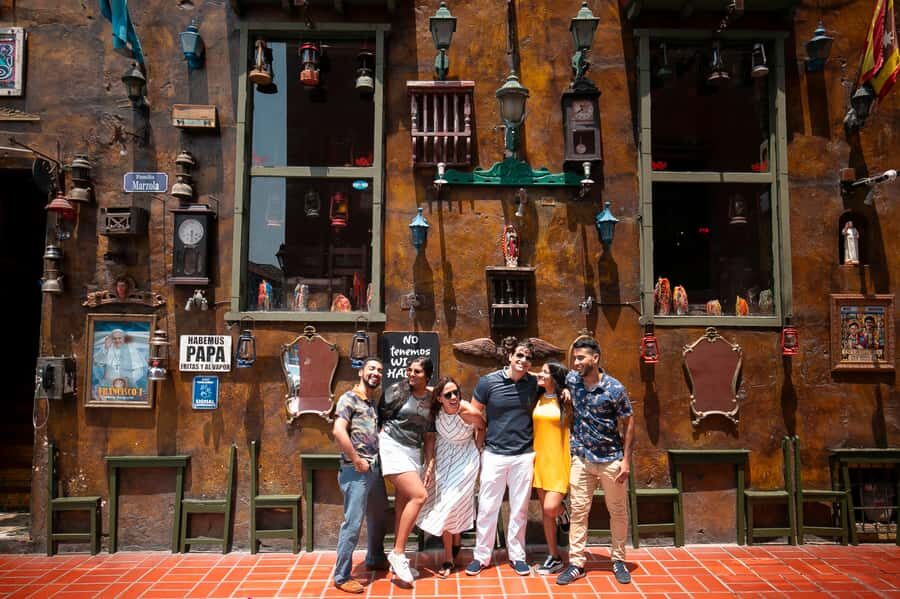
- Plaza de Santa Teresa to Baluarte San Francisco Javier: quick “how the city grew” context with real wall views
- San Juan de Dios Street walk-in: a direct route toward San Pedro Claver, built for momentum
- San Pedro Claver Church visit: about 30 minutes of guided explanation, not just a peek
- Inquisition Palace entry: one of the city’s most infamous colonial sites, explained by your guide
- Plaza Santo Domingo and the alley of the stirrups: small lanes that connect big landmarks
- Las Bóvedas market finish: a practical last stop for browsing crafts before you break away
Why Cartagena’s walled-city walk beats a photo-only day
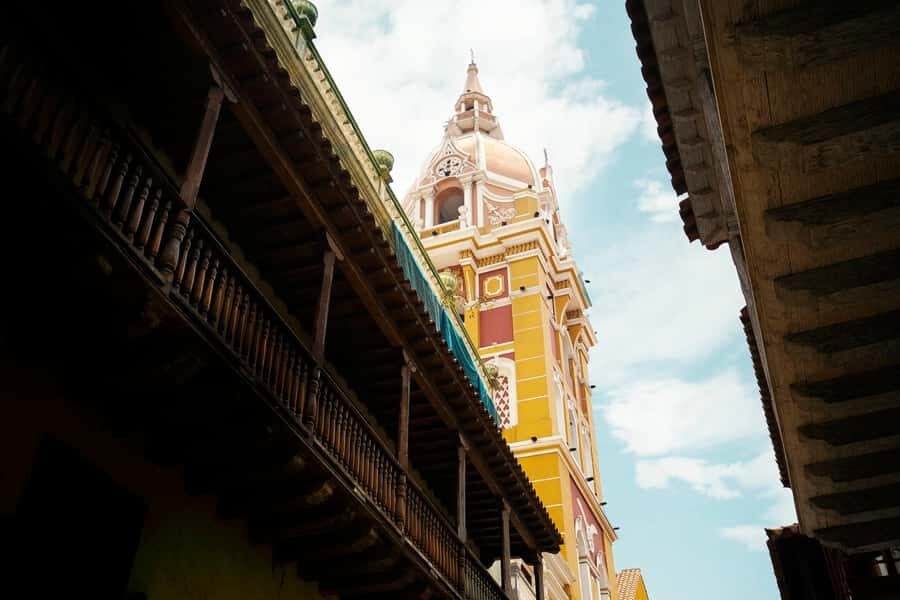
Cartagena’s old walls aren’t just scenic. They’re political. They show who needed protection, who built the defenses, and how the city arranged daily life around security and religion. Walking the circuit with a guide helps you see the patterns: where the power centers cluster, how streets funnel you between plazas, and where the fortifications give you the best sense of scale.
This is also a good format if you don’t want to spend half your day “figuring it out.” In just three hours, you hit the main sights without feeling like you’re on an all-day march, and the stops are placed so you keep moving while the story stays coherent.
You can also read our reviews of more walking tours in Cartagena
Plaza de Santa Teresa: your first hit of centuries side by side
The tour starts at Plaza de Santa Teresa, which is a smart entry point because it immediately gives you contrast. You’ll look at colonial buildings from the 16th, 17th, and 18th centuries right in the same area, so the city’s growth feels real instead of theoretical. It’s the kind of start that helps your brain stop thinking in “tourist highlights” and start thinking in timelines.
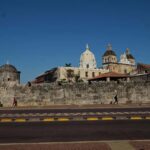
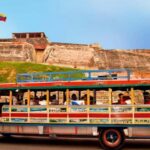
From here, you’ll also see a beautiful stretch of walls at Baluarte San Francisco Javier. That matters because Cartagena’s defenses weren’t added all at once. The fortifications evolved. Getting the wall early means later plazas and church stops feel connected to defense, not separate.
Baluarte San Francisco Javier and wall views that help you orient
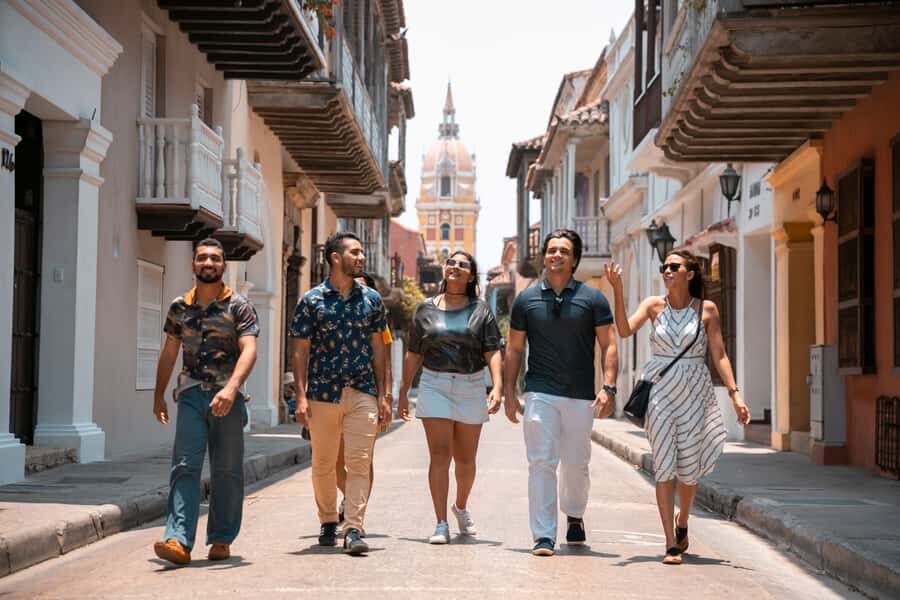
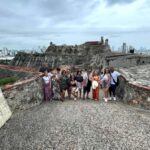
Once you reach the wall section near Baluarte San Francisco Javier, you’ll get the kind of view that lets you understand the geography of the old city. Even if you’ve seen pictures, it’s different to stand where the stones were built to watch for trouble.
This part is also useful for navigation. After you’ve seen how the wall line runs, the rest of the walk feels more organized. You start to recognize the city’s layout by sight, which makes it easier to return later on your own for extra time in one neighborhood or plaza.
Tip for your comfort: bring the hat and sunscreen. Cartagena’s sun can feel relentless, and this tour includes multiple outdoor stretches where you’ll want shade breaks that you can’t count on.
San Juan de Dios Street to San Pedro Claver Church
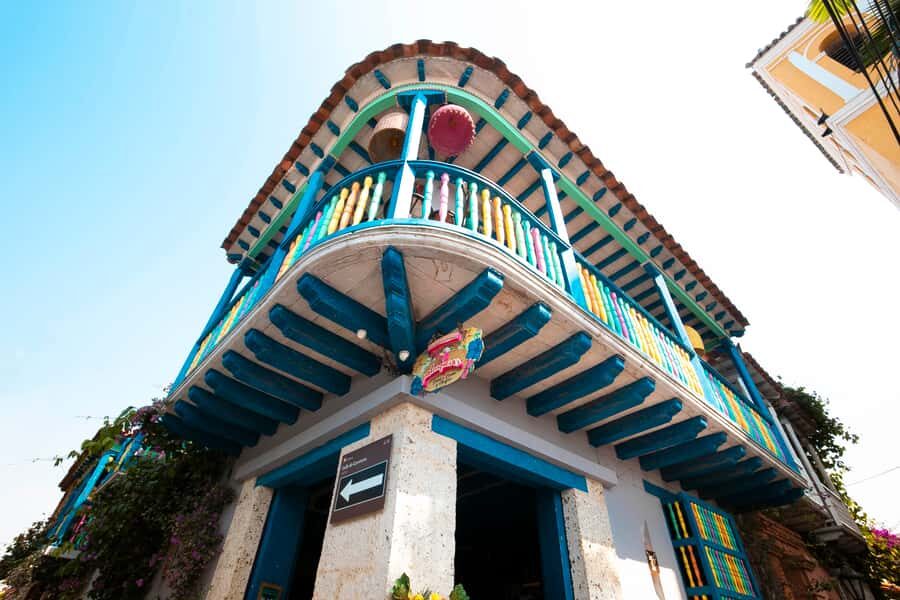
After the wall start, you head through San Juan de Dios Street until you reach San Pedro Claver Church. This is the point where the tour shifts from architecture-and-identity to faith-and-colonial society.
Your guided visit inside San Pedro Claver is about 30 minutes. That time window is long enough to read the room and learn without turning into a long church lecture marathon. And it’s a good pacing choice: you get to slow down briefly, then you’re back outdoors to keep seeing plazas and street connections.
If you like tours that explain what you’re looking at—rather than just telling you where things are—this stop is one of the key reasons the experience scores well. The guide-led portion helps you connect church art and history to the broader Cartagena story, including the city’s relationship with the Catholic Church.
Aduana Plaza, Coches Plaza, and Proclamation Square: where civic life shows up
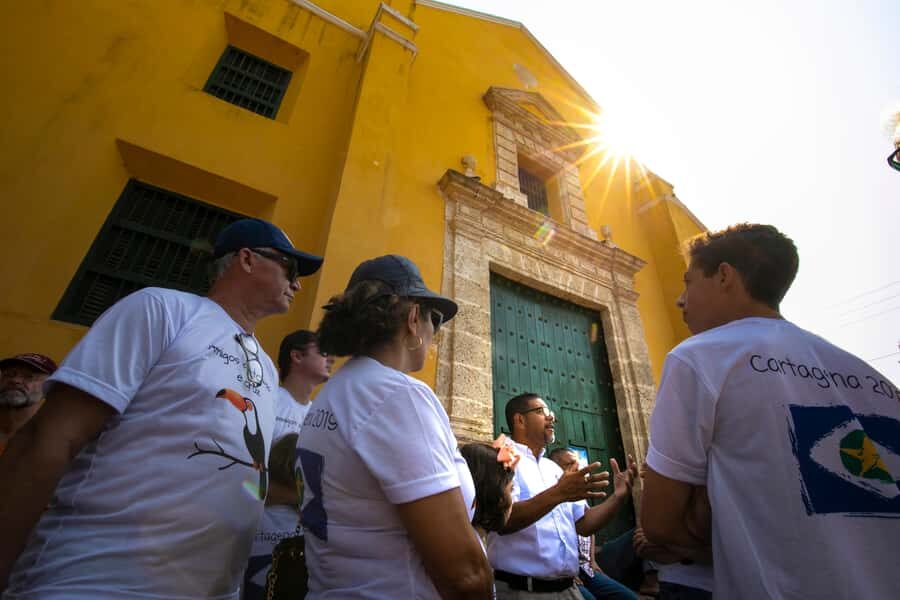
Next you pass through Aduana Plaza, Coches Plaza, and Proclamation Square. These names sound like tour-speak until you understand how they function. They sit in the flow of the city’s central spaces—places tied to commerce, governance, and public announcement.
As you walk between them, you start to see why Cartagena’s old city feels structured. Plazas aren’t random open areas; they’re stages. They’re where important events happened, where people gathered, and where the city made itself visible.
This is also where a guide really helps. You’re not just walking past pretty stone. You’re learning what those public spaces meant, which changes how you notice details like the scale, the placement, and the way streets funnel crowds.
You can also read our reviews of more city tours in Cartagena

Plaza de Bolívar and the palace next door to power
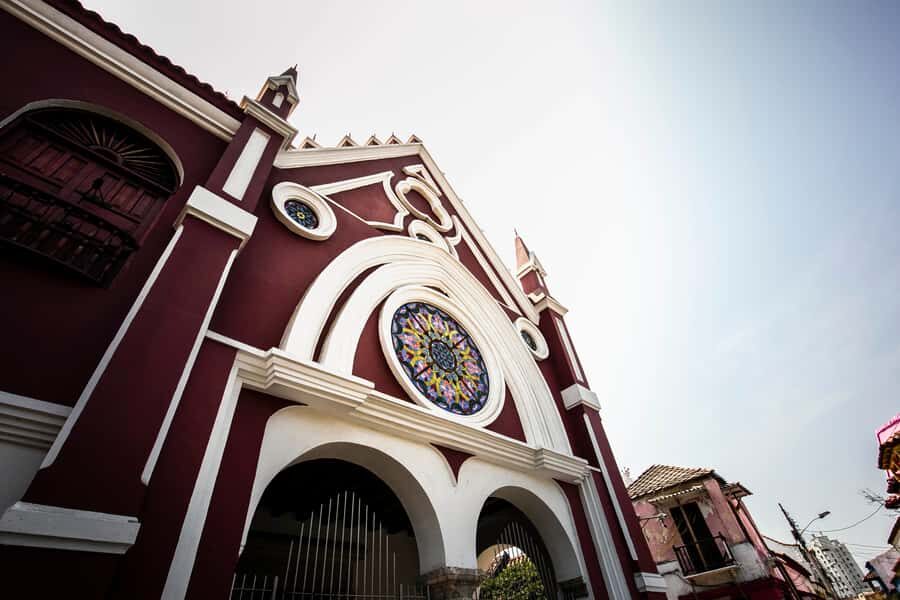
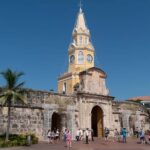
From these civic stops, the route brings you to Plaza de Bolívar, and from there to the Palace of the Inquisition. This transition is effective because it mirrors how power operated in colonial Cartagena: civic life and religious authority weren’t separate worlds. They shared real space and real influence.
Plaza de Bolívar gives you a recognizable anchor within the old city, so you’re not constantly recalibrating. Once you’ve reached it, you’re ready for the emotional weight of what comes next.
Inside the Palace of the Inquisition: context makes it hit harder
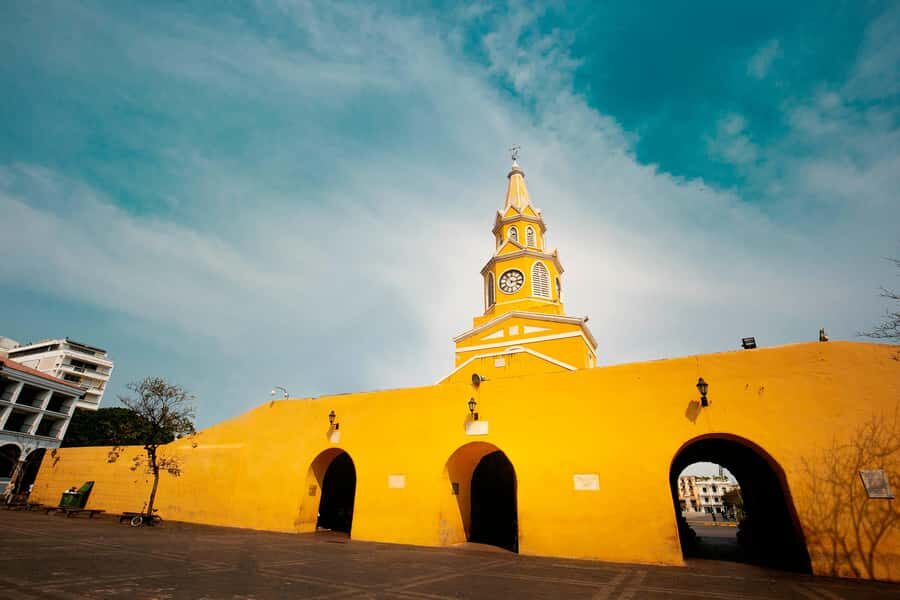
The Palace of the Inquisition is one of the most memorable stops on the tour, and it’s also one that benefits most from a guide’s framing. The palace was created in colonial times to punish those who were against the Catholic Church, and entering it with a guide helps you understand why this building became infamous.
This is not a casual “see a room” visit. It’s the kind of stop where the details matter—how authority was enforced, and how people experienced religion as something tied to control. The guide leads you through the key ideas so you leave with a clearer sense of what the palace represented.
One practical note: go in mentally ready. If you prefer light and airy history, you may find this more intense than the average sightseeing stop. But if you want the real Cartagena story—including the parts people don’t always photograph—this is a highlight.
Plaza Santo Domingo, the alley of the stirrups, and the Santo Domingo baluarte

After the palace visit, you continue through Plaza Santo Domingo and the alley of the stirrups to reach the Santo Domingo baluarte. I like this section because it’s where you can feel the old city’s human scale. The alley names make you slow down just enough to notice the street rhythm and how walls and viewpoints connect.
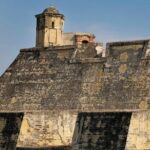
The baluarte stop gives you another chance to interpret the defenses in motion. You’ve already seen one wall stretch earlier; now you’re seeing another section from a different angle, reinforcing the big picture.
This is also a nice moment to reset if you’re tired. You’re still sightseeing, but the stop points are placed so you’re not only trudging from one hard-bright destination to the next.
Café del Mar for sunset views, then a final wall-walk to Las Bóvedas
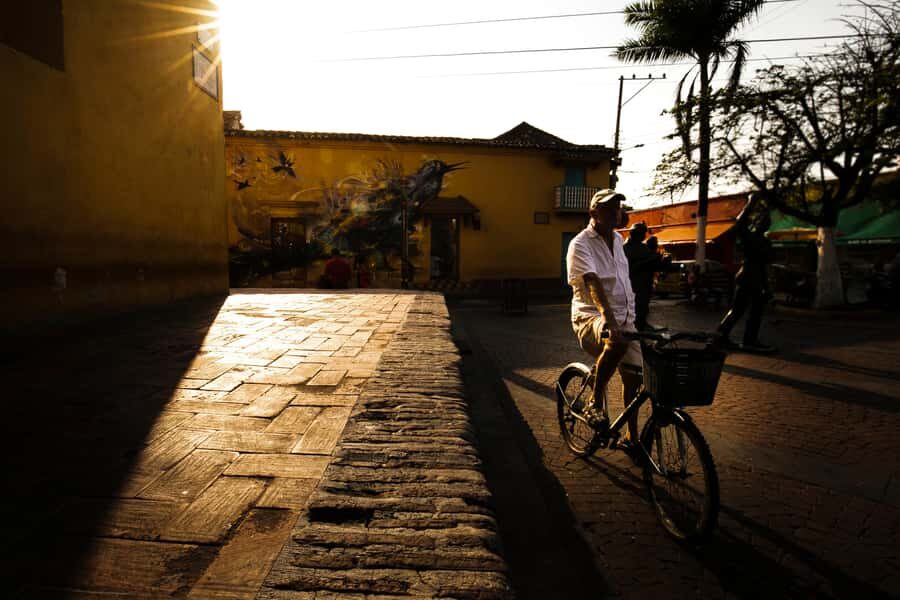
Next comes a stop at Café del Mar, known for having one of the best sunset views in Cartagena. Even if you don’t stay long for the sunset itself, the break is useful. It gives you a breather and a visual payoff after the more intense history of the palace.
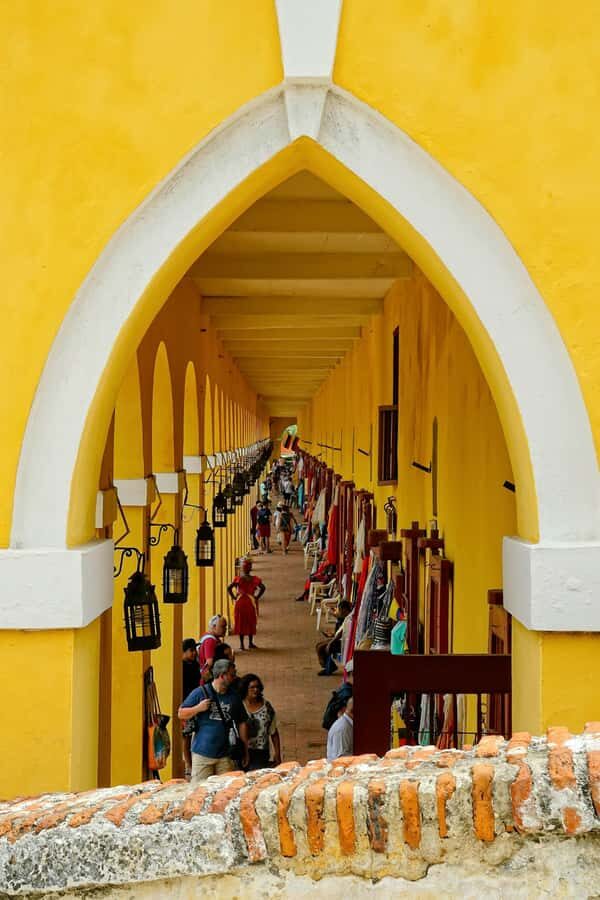
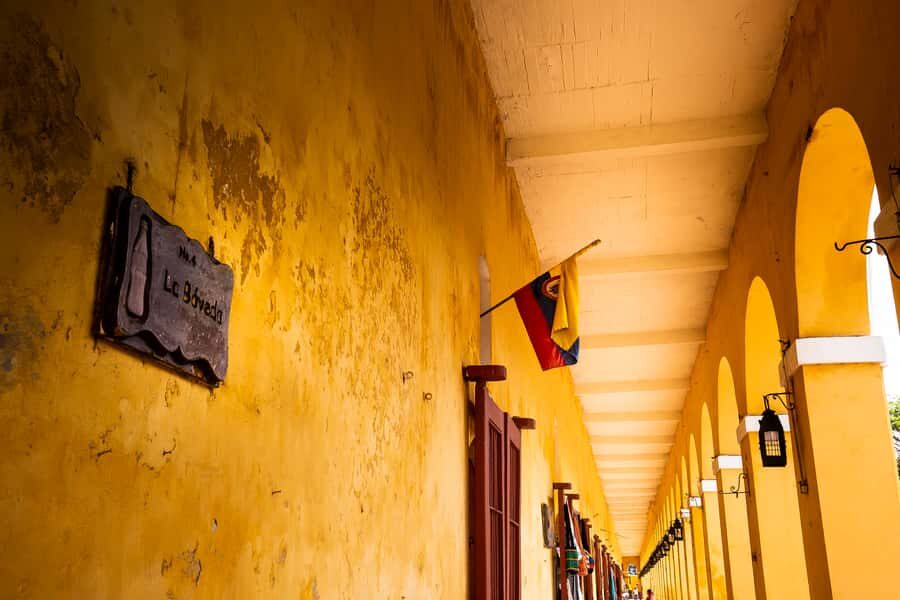
From there, the tour includes a short tour of the wall and additional plazas and streets, finishing at Las Bóvedas handcrafts market. Las Bóvedas is a practical ending point. You can browse and pick up small souvenirs without rushing, and it’s a good place to regroup before you head back to wherever you’re staying.
Important: the tour does not include food or drink. So if you’re hoping to turn that Café del Mar stop into an actual meal plan, you’ll want to manage it yourself.
Price and value: what $64 gets you in real terms
At $64 per person for 3 hours, this isn’t a bargain-price tour, but it also isn’t overpriced for what you get. You’re paying for a professional guide plus entrance to San Pedro Claver Church and the Inquisition Palace. Those entries alone can make a guided experience feel worthwhile, especially in a city where history sites aren’t always free.
More importantly, the value is in interpretation. You can absolutely walk the streets and see the buildings on your own. But a guide helps you notice why the route is shaped the way it is—and why the story changes as you move from church to palace to defensive wall points.
So for me, the question isn’t Can I DIY this? It’s: Do you want the city explained as you walk? If yes, this price starts making sense.
Practical tips so the day runs smoothly
A few small things make this tour easier:
- Bring sunscreen, sunglasses, and a hat. You’ll be outside for a lot of the walk.
- Wear shoes you can trust. You’ll be on uneven old-stone streets and frequent turns between plazas.
- Plan for a careful meeting point check. If you’re prone to being late, fix that habit before you show up. One issue people ran into is finding the start location. Give yourself extra time to confirm the meeting spot and avoid the wrong taxi situation.
- Decide your pace early. The tour is structured for steady movement, so if you want extended time for photos, do it briefly and then rejoin quickly so you don’t slow the group.
Language options are English and Spanish, so if your comfort depends on that, pick the language that feels easiest for you.
Who this tour is for (and who might not love it)
This tour is a great match if you:
- Want to see the main walled-city sights in a focused half-day.
- Enjoy history that connects architecture to power and daily life.
- Want guided visits where the entry sites (church and palace) come with context.
It might feel less ideal if you:
- Prefer to wander without a schedule.
- Want long free time for museum-style reading.
- Are sensitive to darker historical themes, since the Inquisition Palace visit is part of the core route.
Should you book the Cartagena walled city walking tour?
If you like structured walking with expert interpretation, book it. The combination of wall views, civic plazas, and two major guided-history entries makes it more than a “look and move” stroll. It’s also a solid time investment: three hours is long enough to learn meaningful context and short enough to still enjoy the rest of your day.
If you’re the DIY type, you still can do the route on your own. But you’ll likely miss what makes the sites feel connected. This tour’s strength is explaining the why while you’re standing right there.
One last check before you go: confirm the meeting point carefully and arrive early. Once you’re in sync, the walk flows, and the old city starts making sense fast.
FAQ
How long is the Cartagena: Walled City Walking Tour?
The tour lasts 3 hours.
Where does the tour start?
It starts at Plaza de Santa Teresa.
Which sites are included in the guided visits?
You get guided entry to San Pedro Claver Church and the Palace of the Inquisition.
Is food or drinks included?
No. Food and drink are not included.
What language is the live guide available in?
The live tour guide is available in English and Spanish.
Is the tour wheelchair accessible?
Yes, the tour is wheelchair accessible.
What should I bring with me?
Bring sunglasses, sunscreen, and a hat.