REVIEW · CALI COLOMBIA
Shared Tour Cali’s Local Food at Alameda Market
Book on GetYourGuide →Operated by Beyond Colombia · Bookable on GetYourGuide
If food is your shortcut to culture, this tour delivers. You’ll learn how Valle del Cauca became a food region with its own identity, then you’ll walk into the Mercado de la Alameda to taste the difference. I love the mix of history + practical tastings, and I also like that the guide sets you up to understand why foods like viche, champús, and pandebono exist beyond just being tasty. One watch-out: you’ll do a lot of walking (about 8 km), so comfy shoes are not optional.
The standout for me is how the tour connects biological, geographical, and cultural diversity to what you eat and drink in Cali. You’ll see the market as more than a snack stop—it’s an economic survival hub where people trade, cook, and make a living. The only drawback is that this isn’t ideal if you have food allergies, since the tour is built around tasting multiple local items.
In This Review
- Key Things You Should Know Before You Go
- Parque Alameda Meet-Up: Where the Tour Starts and How It Feels
- Mercado de la Alameda: The Market as Cali’s Food Engine
- What You’ll Taste: Sweet, Salty, Oily, Spicy, and Local Alcohol
- Champús and Cucas: Your Warm Welcome to Valle del Cauca
- Tamal Valluno and Pandebono: Comfort Foods with Roots
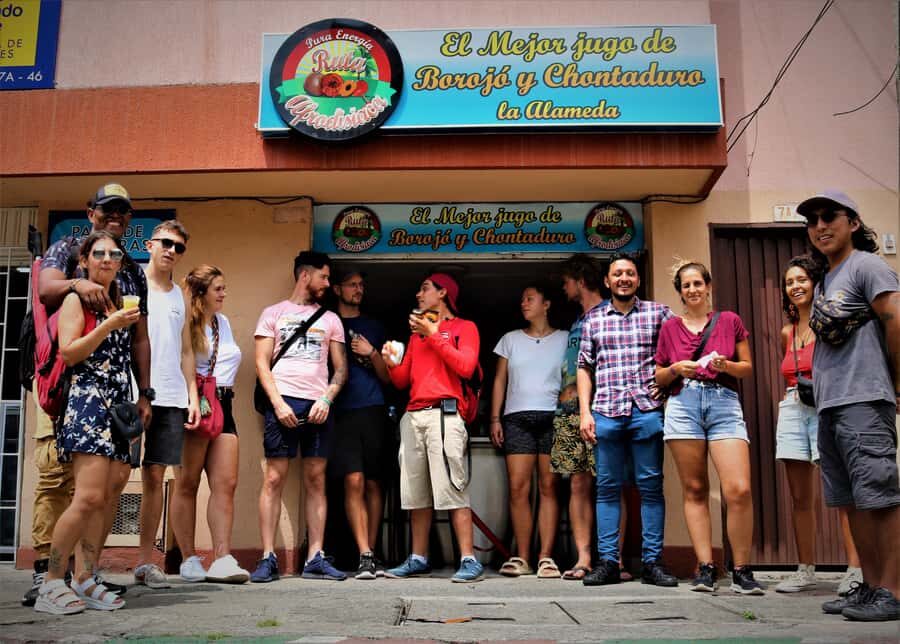
- Manjar and Exotic Fruit Juices (Borojó)
- Viche Toast: A Real Cultural Moment
- Walking Plan and Pacing: About 8 km, With Stops That Matter
- How the “No Surprise Charges” Approach Works
- Vegetarian-Friendly, But Not Allergy-Friendly
- What the Guide Actually Does (Beyond Saying Tasty!)
- Tips for Getting the Most Out of the 3-Hour Food Walk
- Value Check: Is $13 Worth It?
- Should You Book This Cali Food Market Tour?
- FAQ
- Where is the meeting point for the tour?
- How long is the tour?
- Is the tour available in English?
- Are transportation services included?
- What is the approximate total cost for food and drinks?
- Is the tour vegetarian-friendly?
- Is it suitable for wheelchair users?
- Is it safe for people with food allergies?
- What should I bring?
Key Things You Should Know Before You Go
- Mercado de la Alameda first: you start tasting right in the place where local food life happens.
- Real regional staples: tamal valluno, pandebono, champús, cucas, manjar, and fruit drinks like borojó.
- Afro and European flavor connections: you’ll hear how cultures meet on the plate and in preparation styles.
- A built-in walk of about 8 km: plan your energy, especially in the sun.
- Vegetarian-friendly by design: you’ll still be able to participate without the tour turning into a sad salad detour.
- Shared tour, meet new people: it’s not an exclusive experience, so you’ll be moving with a group.
Parque Alameda Meet-Up: Where the Tour Starts and How It Feels
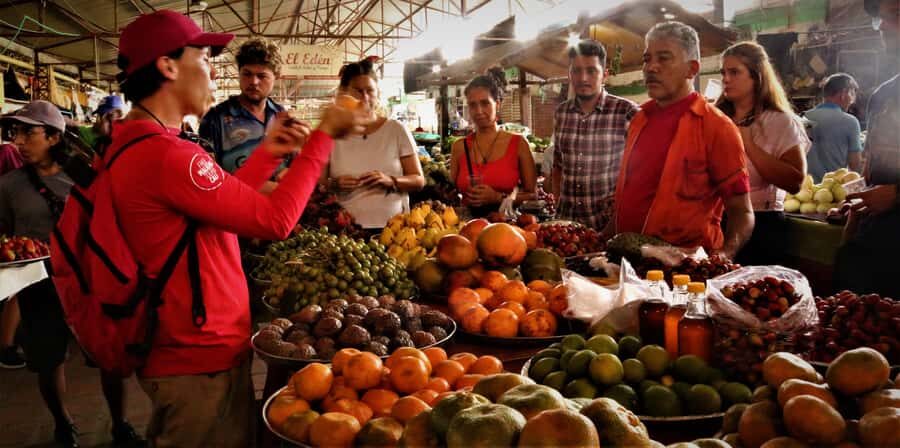
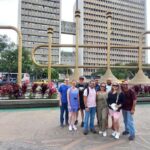
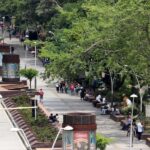
This tour starts at Parque Alameda, right where you can find the guide with Beyond Colombia’s red umbrellas. That matters because a food market tour lives or dies on timing. You want to begin in the right place, with the guide explaining what you’ll see and taste before the smells and crowds swallow you.
The vibe is friendly and street-level. The English-speaking guide (and you may hear names like Fernando in the guide lineup from past bookings) doesn’t just point at food. He helps you connect the dots: ingredients, techniques, and the reason certain preparations show up again and again around Valle del Cauca.
Because it’s shared, you’re not getting private attention for every bite. But that also keeps it lively. You’ll talk with others, ask questions in real time, and build a mini food map in your head as you go.
You can also read our reviews of more food & drink experiences in Cali Colombia

Mercado de la Alameda: The Market as Cali’s Food Engine
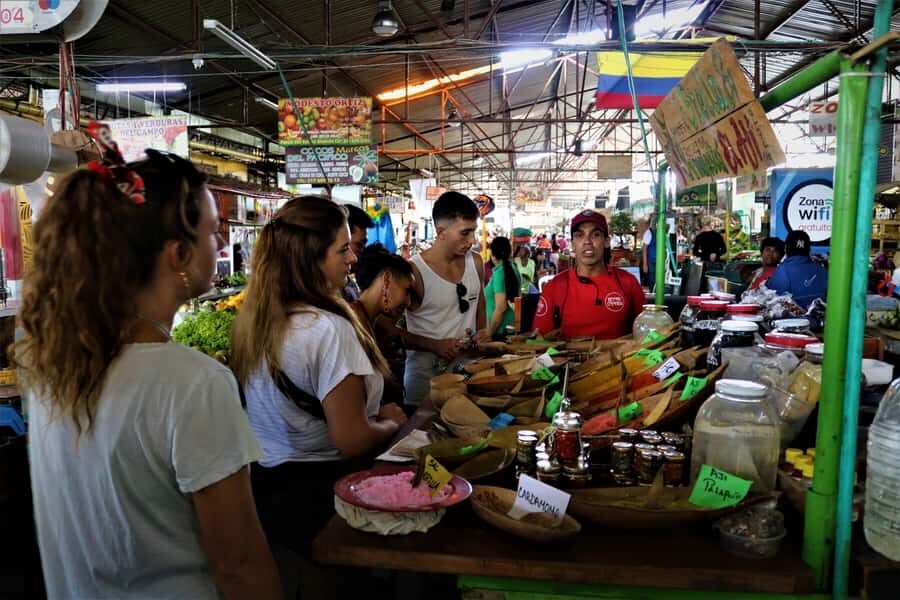
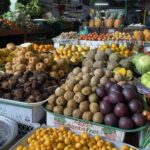
The core of this experience is the Mercado de la Alameda, described as one of the best food markets in Cali—and you’ll see why quickly. It’s not just fruit and snacks. It’s the place where vendors sell everything from fresh produce to practical household items and crafts, which tells you something important: markets here are part of daily survival, not a tourist stage.
Your guide helps you understand the market through three lenses:
First, the economic survival angle. People aren’t selling random items for fun. They’re earning, adapting, and keeping traditions alive by turning local ingredients into foods people actually buy.
Second, the regional diversity angle. Valle del Cauca has biological and geographical variety, plus cultural variety. That mix shows up in what vendors stock and how foods are prepared.
Third, the identity through gastronomy angle. The tour frames food as a way people express where they come from. That’s why you’ll get more than “try this.” You’ll get meaning: the symbols, social relations, and the ways food links to popular imagination and the environment.
If you’re the type who likes to walk into a place and understand how it works, you’ll enjoy the market part. If you mainly want quick bites with zero context, you’ll still eat well—but the value is in the context.
What You’ll Taste: Sweet, Salty, Oily, Spicy, and Local Alcohol
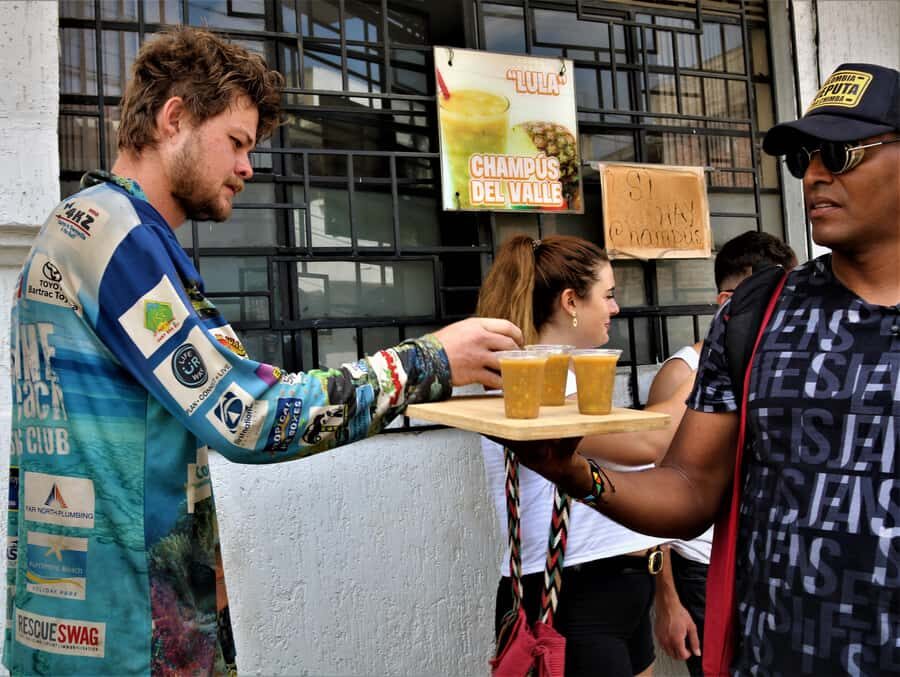
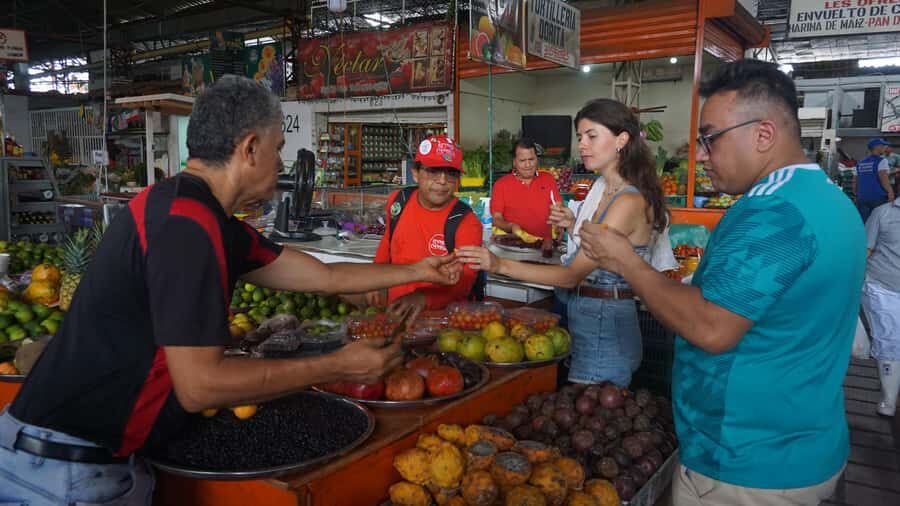
This tour is a true tasting route, not a class where you sit and watch. Expect a range: sweet, salty, oily, spicy, and more. You’ll also toast with viche, a traditional alcoholic drink from the region.
Here’s what the tour is set up to highlight (based on the foods included in the experience description):
Champús and Cucas: Your Warm Welcome to Valle del Cauca
As you walk to the market, you’ll start with champús and cucas made by caleñas (local women from Cali). These aren’t just “snacks.” They’re local preparations tied to how everyday people eat and gather.
Champús tends to be a sweet, comforting drink-style food, while cucas are a bread-like local treat. The point of starting with these is smart: they help you get used to local flavors before you move into more complex regional foods and specialty drinks.
Tamal Valluno and Pandebono: Comfort Foods with Roots
The tour spotlights tamal valluno and pandebono, both strongly associated with regional taste. You’ll see how ingredients and technique matter here—how a preparation becomes recognizable even when you’re not “from here.”
Tamal is a structure food: it’s built, layered, and meant to travel from home cooking into market buying. Pandebono is the kind of snack you can easily see becoming an everyday favorite once you understand what makes it distinct.


Manjar and Exotic Fruit Juices (Borojó)
Sweet fans, this is for you. The tour calls out manjar and exotic fruit juice options like borojó. Borojó is a fruit known for its strong flavor and is often used in traditional sweets and drinks in Colombia.
This is one of the moments where the guide’s context helps. Without it, you might think you’re just sampling random fruit flavors. With it, you understand how these ingredients connect to local habits and tastes.
Viche Toast: A Real Cultural Moment
The tour includes a toast with viche, described as an incredible alcoholic drink. Even if alcohol isn’t your usual thing, this moment is presented as cultural, not just a party add-on.
Important note: the tour description says it’s suitable for vegetarians, but the tasting route also includes alcohol. If alcohol is a hard no for you, ask your guide how they handle preferences—this tour description lists what’s included, but it doesn’t spell out substitutions.
Walking Plan and Pacing: About 8 km, With Stops That Matter
You’ll walk about 8 km, with resting stops built in. That’s a lot of ground for 150 minutes—so the guide needs to keep movement efficient and make each stop count.
The practical value of this pacing:
- You get a sense of where the market and surrounding areas fit in the city.
- You build appetite naturally, which makes tastings more enjoyable instead of rushed.
- Rest stops keep you from turning the tour into a suffering challenge.
Plan your day around the walk. This isn’t a hop-on, hop-off scenario, and transportation to and from your hotel isn’t included. The good news is the tour doesn’t bury you in bus schedules. You just show up at Parque Alameda, follow the guide, and snack your way through the neighborhood.
Tip: bring water, a sun hat, and insect repellent. The instructions are clear because the walk happens outdoors and through crowded market areas.
How the “No Surprise Charges” Approach Works
A key detail: food and drinks are not included, and the tour description warns you that there won’t be sudden extra charges, and they won’t take you places with surprise fees. That’s helpful for budgeting.
The description gives a realistic number for if you try it all: total cost up to 40,000 COP for food and drinks. At the same time, the tour price is low—around $13 per person—so you’re paying mainly for guiding, context, and access to authentic places to eat inside the market.
So how do you read the value?
- If you like structured tastings with local explanations, the guide fee is the bargain.
- If you’re trying to spend as little as possible, you’ll still get the market walk and cultural framing, but you’ll pick and choose the tastings.
Either way, you’ll leave knowing what to order on your own later.
Vegetarian-Friendly, But Not Allergy-Friendly
This tour says it’s suitable for vegetarians, which is a big deal for food tours in Latin America where menus can be meat-heavy by default. That said, the tour is not suitable for people with food allergies.
Why this matters:
- Vegetarian doesn’t automatically mean allergen-safe.
- Market food often uses shared cooking surfaces or ingredient overlaps.
- Tastings are built around local specialties, and the tour description doesn’t offer allergy-specific substitutions.
If you have allergies, you’ll need extra caution and probably should consider a different type of tour—one where ingredient-by-ingredient control is possible.
If you’re vegetarian with no major allergies, this is the kind of experience where you can try local flavors without feeling shut out.
What the Guide Actually Does (Beyond Saying Tasty!)
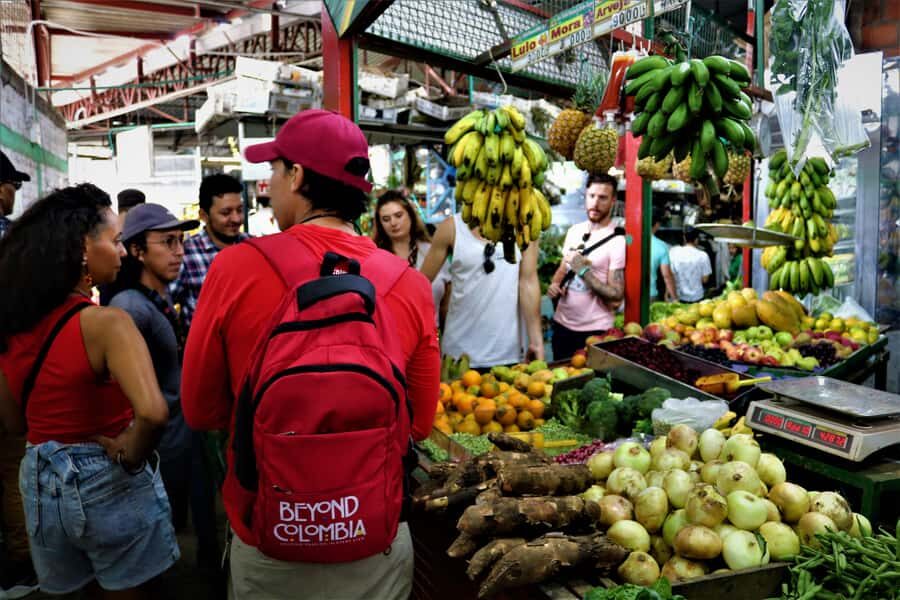
The best tours don’t just serve food. They interpret it. This one aims to teach you how regional gastronomy works—through history, ingredients, preparation techniques, and cultural influences.
The guide will talk about:
- History and origins of regional gastronomy
- Cultural influences and local breeds
- Unique and useful preparations
- Ancestral ingredients and traditional techniques
- The food market as the nucleus of economic survival
- Valle del Cauca’s biological, geographic, and cultural diversity
- Sweet, salty, oily, spicy, and vigorous food
That list reads academic, but you’ll feel it in real life when you’re standing in the market and someone explains why a preparation tastes the way it does. It turns your tasting into learning you can actually use.
One more small but important point: you’ll get recommendations for local shops for lunch, coffee, and souvenirs if you want to go back on your own. That’s value because it extends the impact of the tour beyond the 150 minutes.
Tips for Getting the Most Out of the 3-Hour Food Walk
A few practical things from the info provided that will make your day smoother:
Wear and pack like it’s a walking day:
- Comfortable shoes (seriously)
- Water
- Sun hat
- Biodegradable sunscreen
- Insect repellent
Expect crowds and move smart:
- Keep your belongings close. The tour warns about crowded areas and the idea of not giving anyone an easy moment to take things.
Weather matters:
- Bring a rainproof coat or umbrella. The instructions note you can’t control weather.
Don’t treat it like a selfie sprint:
- This is a shared tasting. Let the guide lead. If you constantly break away, you’ll miss the explanation that gives the food meaning.
Value Check: Is $13 Worth It?
At $13 per person, this tour is priced like a smart cultural investment rather than a big-ticket food fantasy. Your money goes mostly to the professional guide, the market walking plan, and the curated set of places to eat inside the market.
Food costs extra, up to 40,000 COP if you sample broadly. But even with that, you’ll usually spend less than you would on many “foodie experiences” in other cities that include fewer local ingredients and less explanation.
Also, the tour is built around places you can’t easily find on your own without a guide. The guide helps you navigate what’s authentic, what makes sense to taste, and how the ingredients connect to the region.
If you like guided context and you want tastings that reflect real local identity, it’s strong value.
Should You Book This Cali Food Market Tour?
Book it if:
- You want to understand Valle del Cauca through food, not just eat random snacks.
- You enjoy markets and want to see how they work as economic hubs.
- You want a guide who explains the ingredients and preparations behind staples like champús, cucas, tamal valluno, pandebono, manjar, and viche.
Skip it (or change plans) if:
- You have food allergies and need controlled ingredient handling.
- You hate walking or you can’t handle about 8 km of walking with rests.
- You want a tour where food and drinks are fully included in one price.
One more practical note: while most tours run smoothly, there has been at least one case of a late cancellation close to start time on the booking platform. That’s rare, but it’s smart to keep a backup plan for lunch that day.
If you’re flexible, curious, and ready to taste your way through Cali’s regional identity, this is the kind of food tour that gives you more than full stomachs. It gives you understanding you can use the next time you see these foods on a menu.
FAQ
Where is the meeting point for the tour?
The tour meets at Parque Alameda, with the Beyond Colombia guide holding red umbrellas.
How long is the tour?
The duration is approximately 150 minutes (about 3 hours).
Is the tour available in English?
Yes, it includes a live tour guide in English.
Are transportation services included?
No. The tour is mainly walking with resting stops, and transportation to or from your hotel is not included.
What is the approximate total cost for food and drinks?
Food and drinks are not included. The total cost is listed as up to 40,000 COP if you try everything.
Is the tour vegetarian-friendly?
Yes, the tour is marked as suitable for vegetarians.
Is it suitable for wheelchair users?
No. It is listed as not suitable for wheelchair users.
Is it safe for people with food allergies?
The tour is listed as not suitable for people with food allergies.
What should I bring?
Bring comfortable shoes, a sun hat, water, biodegradable sunscreen, and insect repellent. A rainproof coat or umbrella can also help with weather.