REVIEW · CARTAGENA
Cartagena: Historic Center and Getsemaní Shared Walking Tour
Book on GetYourGuide →Operated by Nexperience · Bookable on GetYourGuide
Cartagena’s streets tell hard truths and party beats. This 150-minute shared walk links the Walled City to Getsemaní, with stories from Spanish conquest to independence, plus salsa and champeta at the end. You’ll also hear how writers like Gabo helped shape the city’s reputation far beyond its walls.
I love the way the guide traces the enslavement route through places like Porto Carrero and Candilejo, then grounds it with a visit to San Pedro Claver. I also like the group energy when guides such as Legacy or Álvaro keep things lively with facts, humor, and often a bit of dance. The result is history you can picture, not history you just memorize.
One consideration: it’s a long walk over mostly outdoor streets, so bring sunscreen and comfortable shoes, and be ready for weather shifts. If rain hits or the sun is strong, you’ll feel it more than you would in a museum.
In This Review
- Key highlights worth knowing
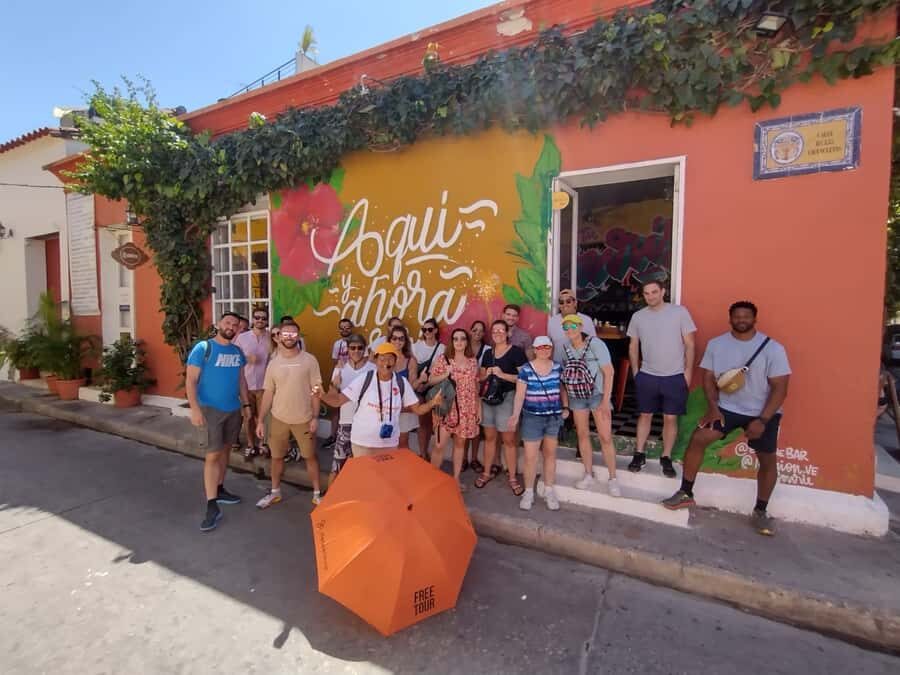
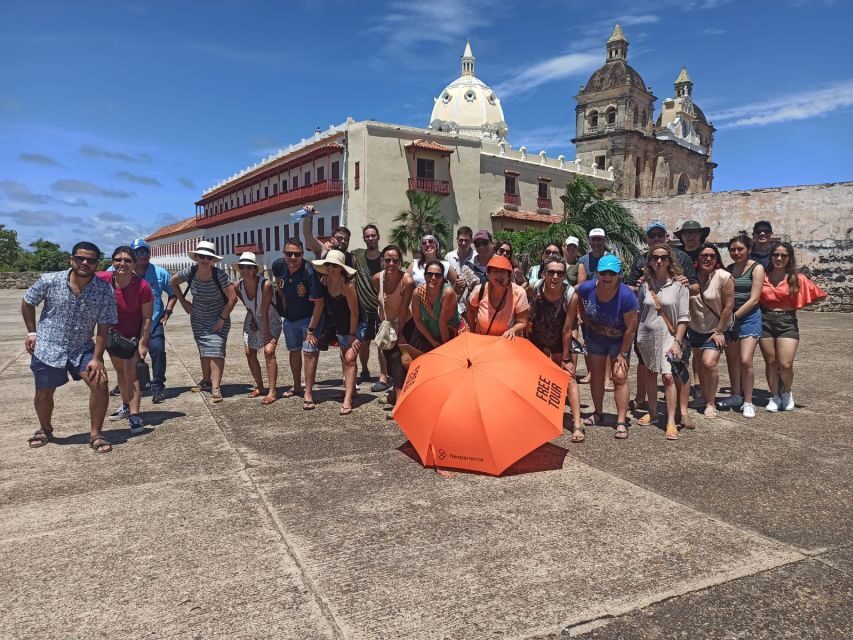
- Meeting at Plaza Cervantes and finding the orange umbrella
- From Indigenous roots to the Golden Key: where the Walled City story starts
- The enslavement route through Porto Carrero and Candilejo
- Plaza de la Aduana, city power, and the museums you’ll notice later
- San Pedro Claver: Slave of the Slaves and the human-rights thread
- San Ignacio Bastion: pirates, strategy, and the logic of walls
- Plaza Bolívar and Centennial Park: a shaded break with sloths and iguanas
- Getsemaní’s umbrellas and graffiti: ending in Afro-Caribbean rhythm
- Price, value, and why $12 can be a solid deal
- Who this tour fits best (and who should choose another option)
- Should you book this Cartagena Historic Center and Getsemaní tour?
- FAQ
- How long is the Cartagena Historic Center and Getsemaní shared walking tour?
- Where do I meet the guide?
- What languages is the tour offered in?
- Is the tour wheelchair accessible?
- What should I bring for the walk?
- Is food or drinks included?
Key highlights worth knowing
- Plaza Cervantes starts the story at the Clock Tower area, right where Cartagena’s old layers overlap
- The tour follows slavery’s geography with stops like Plaza del Esclavo, Porto Carrero, and Candilejo
- San Pedro Claver ties pain to purpose through the church and museum-monastery linked to human rights
- Bastions show why pirates feared Cartagena’s walls including the San Ignacio Bastion and the Bay of Souls
- Centennial Park adds real green breaks plus animals like sloths, iguanas, and monkeys
- Getsemaní delivers the rhythm with umbrellas, graffiti, and an end that rolls into salsa and African champeta
Meeting at Plaza Cervantes and finding the orange umbrella
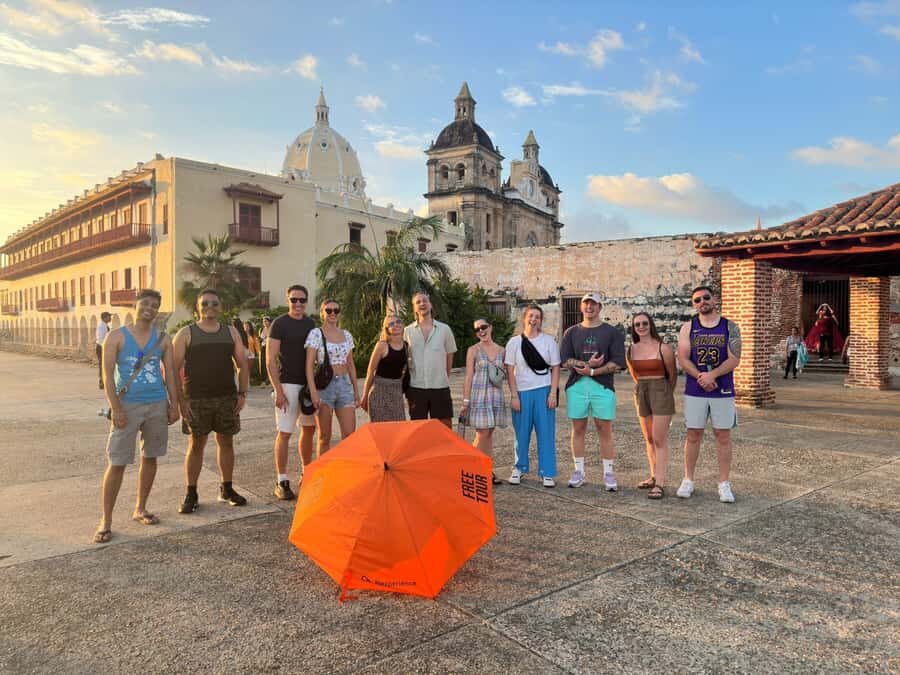
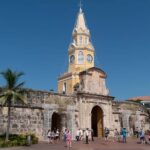
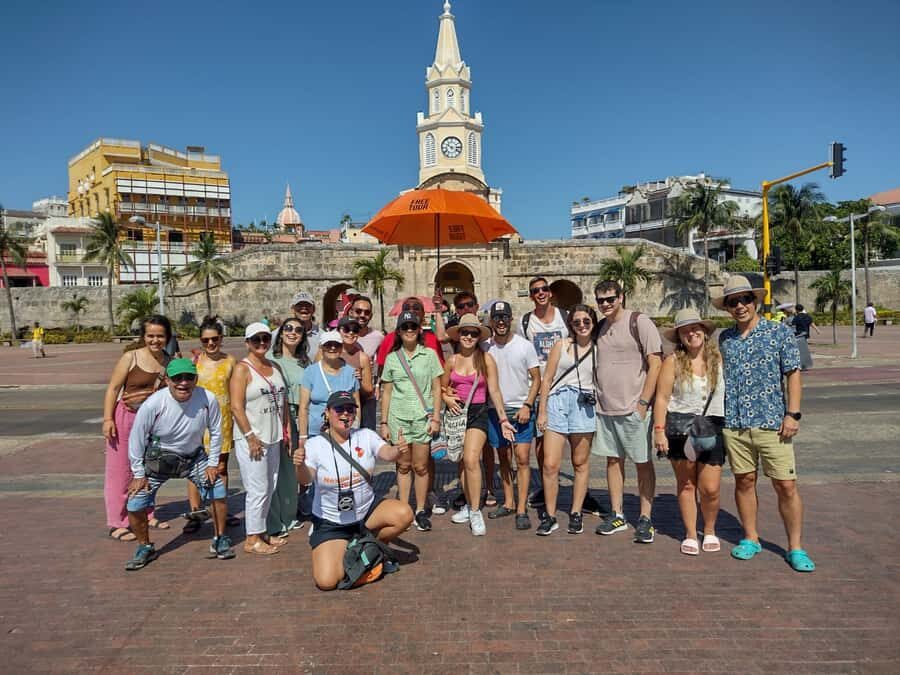
Your tour begins at Plaza Cervantes, in the Camellón de los Mártires area, right in front of the Clock Tower. This is one of those places where good directions matter, so plan to meet at the landmark itself and look for the orange umbrella.
From the first minutes, the tone is clear: this is a shared walking tour designed to move through Cartagena’s main storytelling zones without long detours. There’s no hotel pickup, so you’ll want to be already in the historic center side of the city. Expect a professional live guide in English or Spanish, and the format is wheelchair accessible.
Practical tip: if you’re planning to take photos, keep your gear easy to carry. You’ll be stopping and walking a lot in tight streets where turning your backpack into a tripod can slow the group down.
You can also read our reviews of more walking tours in Cartagena
From Indigenous roots to the Golden Key: where the Walled City story starts
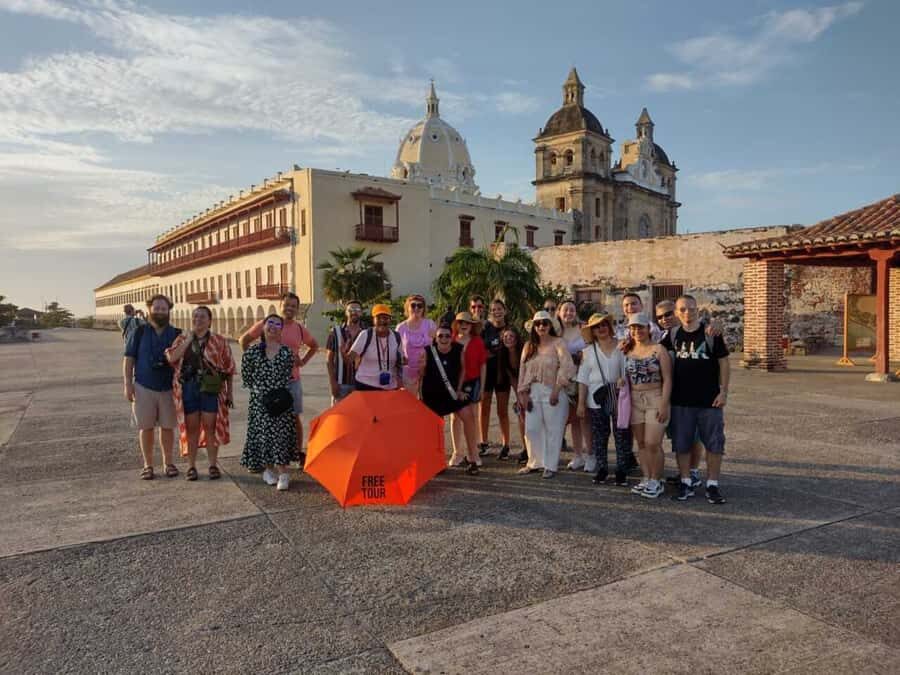
Cartagena’s origin is more than a date on a timeline. Early on, the guide sets the scene by talking about indigenous people who were here before and during the Spanish arrival—then you start moving through squares and street corners that show how control changed hands.
A key moment is the transition toward the Golden Key area, also described as the Clock Tower moment. The guide uses it like a hinge: one side is pre-colonial reality, the other side is the kind of city-building the Spanish powers needed. As you pass through Plaza del Ecuador and toward the Plaza del Esclavo area, the tour becomes less about “pretty old buildings” and more about how power was organized.
This is also where the guide’s storytelling style matters. Some guides bring literature into the mix—Gabo shows up as a thread that helps explain why Cartagena feels mythic to outsiders and intensely familiar to locals. Even if you’re not a literature person, it helps you read the city as a place that people write about for a reason.
If you like to ask questions, this first section is a good time to do it. You’ll get context for what you’re about to see next, including the darker parts of the city’s past.
The enslavement route through Porto Carrero and Candilejo
This part is the heart of the tour’s historical weight, and it’s handled in a way that’s meant to be respectful, not sensational. After setting up the enslavement route near the Plaza del Esclavo area, you walk through streets like Porto Carrero and Candilejo—names you’ll remember later because they’re tied to specific functions in the city’s system.
Pedro de Heredía is mentioned early in the route, and the guide uses stops like this to connect names on plaques with the bigger machinery of empire. Then you reach Portal de los dulces, which the tour frames as tied to female activity during slavery-era commerce—and the continuation of related traditions today.
I like tours that don’t treat history like a single chapter. Here, you get the sense of systems: where people were moved, where money circulated, where daily life and forced labor overlapped.
Be prepared for the emotional tone. Cartagena’s colonial story includes transatlantic slavery, and the tour doesn’t sweep that away. If you’d rather skip heavy topics, this route may not be for you. If you want to understand the city honestly, it’s one of the best ways to do it in a short time.
Plaza de la Aduana, city power, and the museums you’ll notice later
As you continue, the tour heads toward Plaza de la Aduana, described as historically important to the commercialization of merchandise—including that of the enslaved. Nearby, you’ll see major civic buildings such as the Municipal Hall.
What I appreciate here is the balance between architecture and meaning. You don’t just learn that a building exists—you learn why that square mattered. Once you know the purpose of the place, the facades start to make sense.
The guide also weaves in art institutions you’ll likely encounter later if you keep exploring. You’ll hear about the Museum of Modern Art from the 1950s and Caribbean/Latin American art, plus references to the Gold Museum and the Emerald Museum and what kinds of collections they hold. Even if you don’t go inside during the walk, these references help you decide what to prioritize when you’re ready to spend time with objects rather than stories.
If you’re the kind of person who likes to plan your museum time, this segment is useful. It gives you a map of interests without making you commit on the spot.
San Pedro Claver: Slave of the Slaves and the human-rights thread
San Pedro Claver is one of the tour stops you’ll carry in your head after you leave the square. The guide frames him as Slave of the Slaves, and you’ll see the church and the museum-monastery connected to his legacy.
The tour links this place to human-rights themes, including the idea that Cartagena’s story isn’t only about conquest and suffering—it’s also about response, faith-based action, and later movements around dignity and rights. This matters because it keeps the city from becoming only a museum of tragedy.
If you’ve ever toured a colonial city and felt stuck in the guilt loop, this stop provides a way out. You get to understand how people inside the system tried to change outcomes, at least in the narrow spaces where change was possible.
One more practical note: church areas can be quieter than the surrounding streets. It’s a good moment to slow down, take a breath, and look closely at the architectural details the guide highlights.
You can also read our reviews of more historical tours in Cartagena

San Ignacio Bastion: pirates, strategy, and the logic of walls
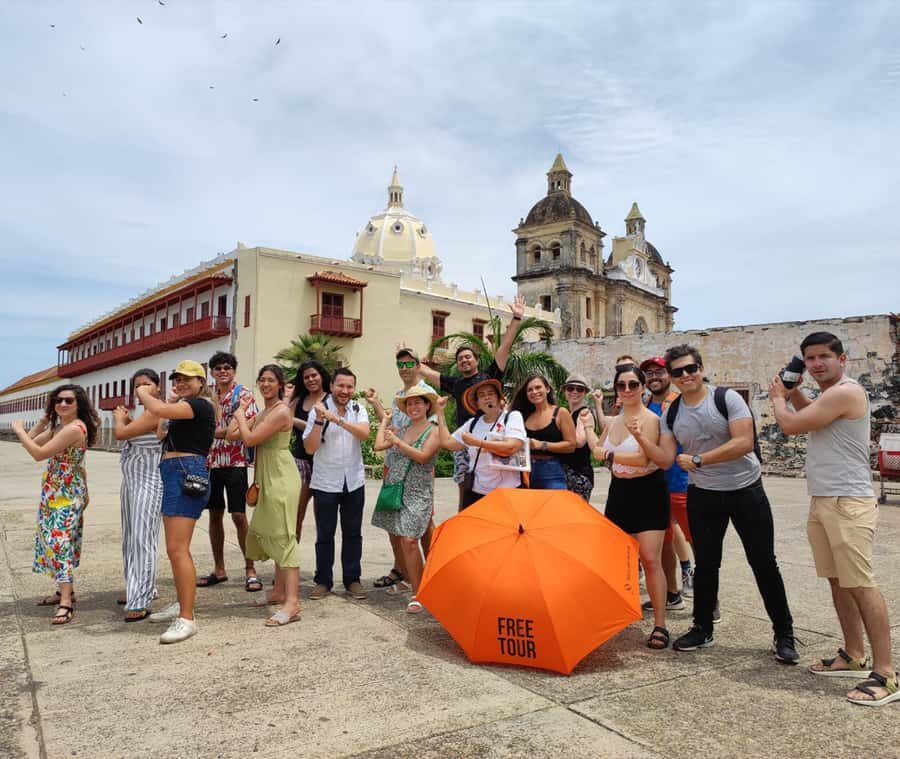
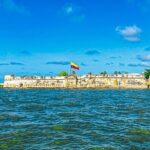
Cartagena’s walls aren’t just old. They’re a statement of engineering and fear—especially when you connect them to the threat of pirates and corsairs. The tour heads to the San Ignacio Bastion and explains why this kind of construction mattered to defend the Bay of Souls from attacks.
This is where the tour turns military geography into something you can picture. You’ll hear about Spanish military construction and strategy in a way that makes the walls feel functional instead of decorative. If you like stories about naval raids or defensive planning, you’ll enjoy how the guide ties the city’s layout to real risks.
A consideration: bastions and defensive points can mean more sun exposure and more uneven walking surfaces. If you’re heat-sensitive, you’ll want to take your time in the photo stops and keep moving when the group keeps going.
Plaza Bolívar and Centennial Park: a shaded break with sloths and iguanas
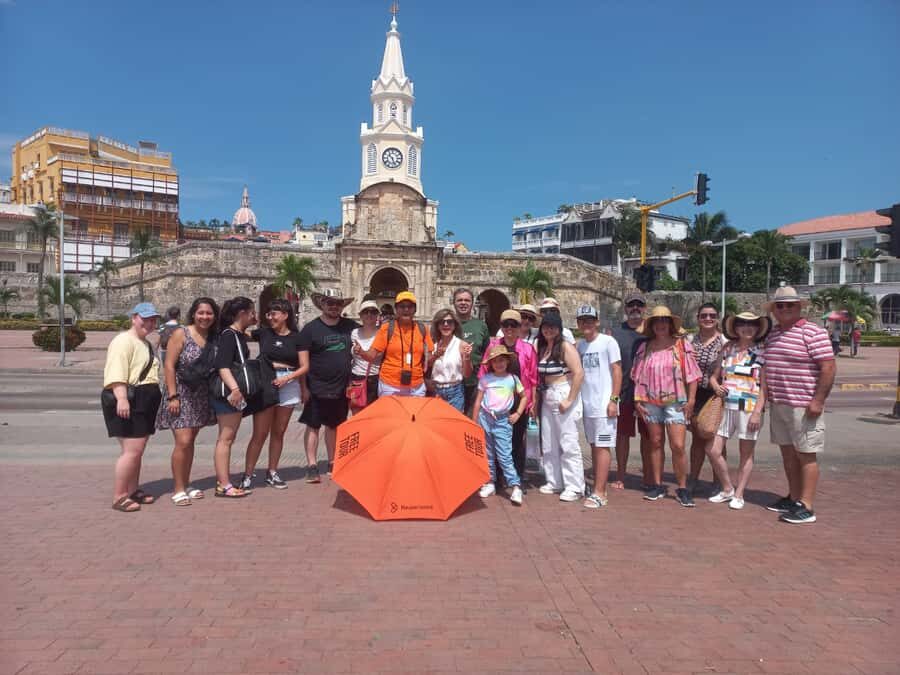
After the wall-focused history, the tour brings you to Plaza Bolívar, a homage to a precursor of independence. This is where the guide suggests a refresh break—smart in a city where the day can warm up fast.
Then you head into Centennial Park, described as the lungs of Cartagena and tied to the old railway station. The guide connects it to the Tropical Dry Forest as a relic, which helps you understand why this green pocket matters ecologically, not just aesthetically.
And yes, you might see animals here: the tour notes sloths, squirrels, and iguanas. In recent groups, guides also point out other wildlife like monkeys and birds. Even if you don’t see everything, the park break is still valuable because it resets your eyes and your energy.
This stop is one reason the tour feels practical rather than purely ceremonial. The route builds in a real pause, so the final neighborhood section doesn’t feel like a sprint.
Getsemaní’s umbrellas and graffiti: ending in Afro-Caribbean rhythm
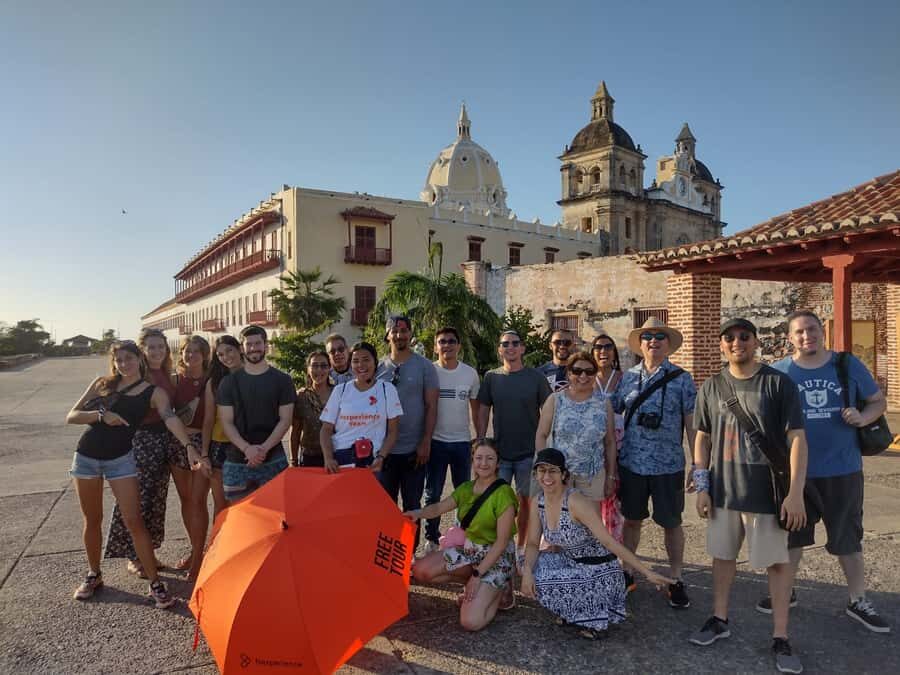
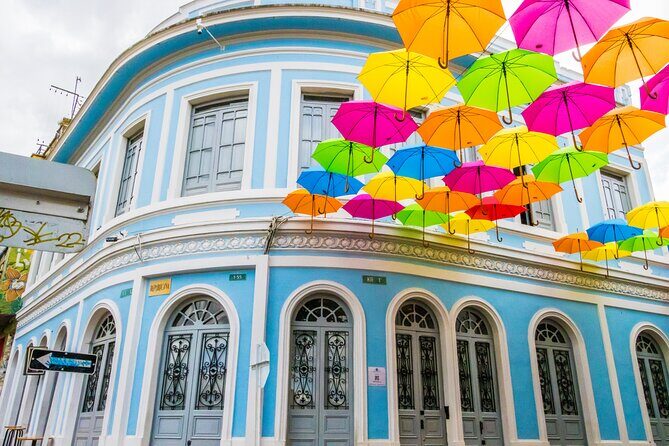
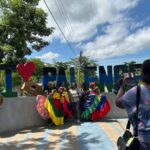
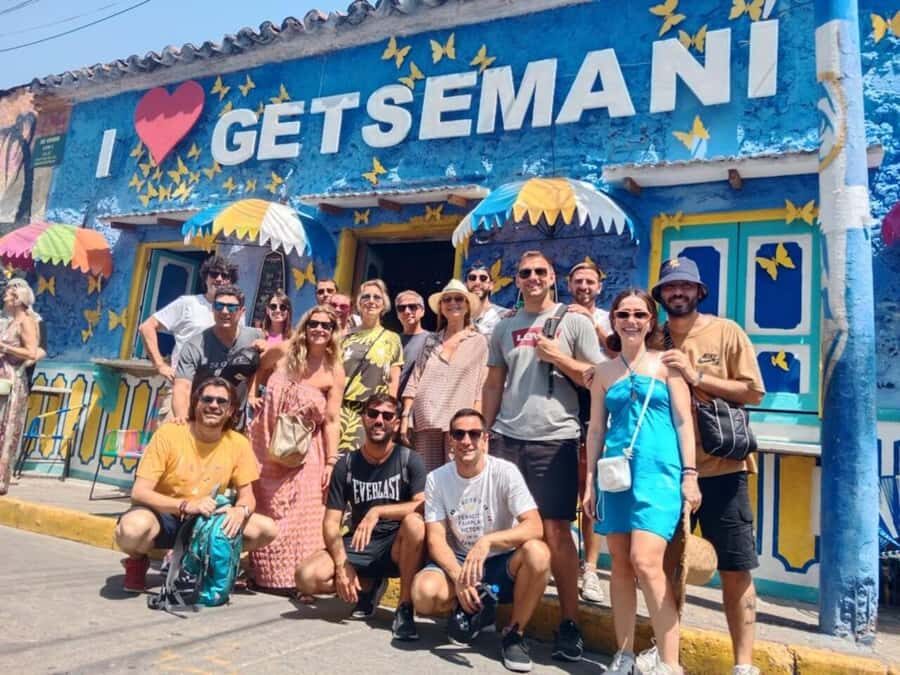
Next comes Getsemaní, and the tone shifts in a good way. The guide leads you through a colorful cultural corridor where umbrellas are a symbol tied to advertising, and where graffiti and local architecture create a strong sense of place.
This isn’t just “street art sightseeing.” The tour connects what you see here to the broader story of social order and cultural mixing in the city—how Caribbean miscegenation shaped identity over centuries, not just in theory but in daily visuals and community pride.
Finally, you reach Callejón Ancho and work your way toward Calle San Juan, ending to the sound of salsa and African champeta. This ending matters because it closes the circle: the tour began with Spanish conquest and colonial systems, then it ends with the living music and movement that came out of African and Caribbean culture.
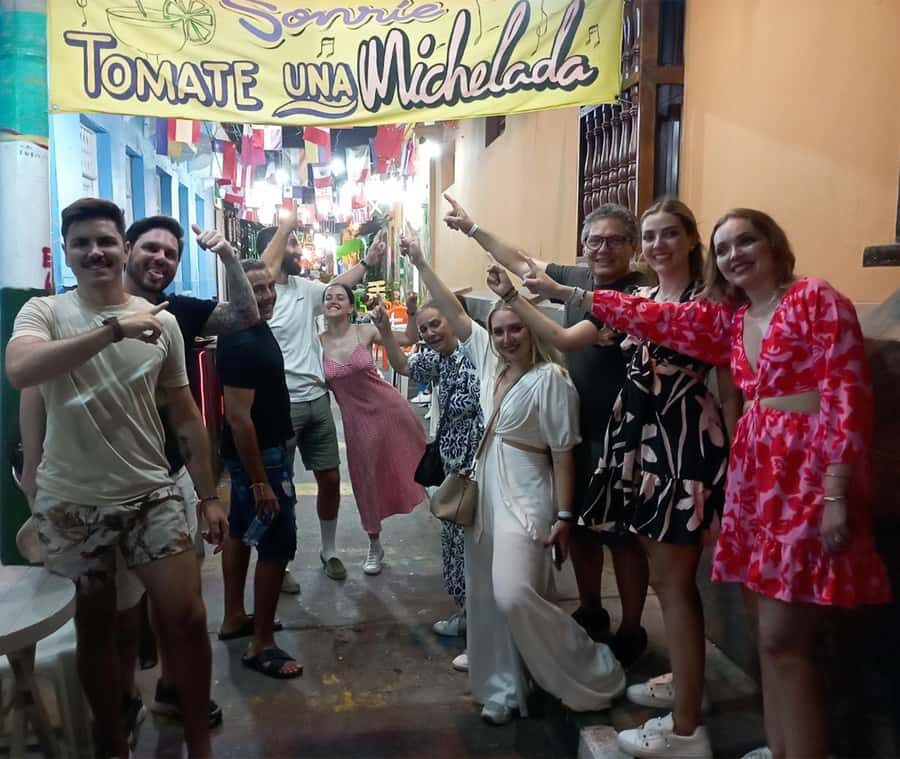
If your guide encourages dancing, it usually feels like a fun way to “learn with your feet.” Multiple guides in past groups have taught group dances and kept the energy up through the final stretch. Even if you don’t dance much yourself, it’s a powerful way to end the walk on a human note, not a lecture one.
Price, value, and why $12 can be a solid deal
The price is $12 per person for a shared walking tour that runs about 150 minutes. That’s a reasonable deal because you’re getting two major zones covered in one go: the Historic Center/Walled City side and Getsemaní.
What makes the value feel fair is the guide component. This isn’t a “here’s the map, good luck” situation. You’re paying for someone to connect the dots between squares, street names, and the meaning behind why places matter.
Also, the tour notes that your tip is already paid when you book. That removes one small awkwardness from tip culture while you’re trying to enjoy the experience. Still, if you feel the guide went beyond the basics, you can always do something extra later at your discretion—but you’re not forced into it mid-tour.
Food and drinks aren’t included, so plan your hydration and snacks on your own. One simple habit helps: carry water, and treat sunscreen like a must-have rather than a nice-to-have.
If you like flexibility, you can reserve now and pay later, which makes sense if your plans in Cartagena might shift.
Who this tour fits best (and who should choose another option)
This tour is a strong match if you want a quick, organized introduction to Historic Cartagena that also takes slavery and colonial power seriously. It’s also great if you like storytelling plus cultural notes—salsa and champeta at the end are a fun reward for walking through the harder parts earlier.
I’d also recommend it if you’re the type who uses tours to decide your next steps. You’ll come away with names of places you can revisit, plus a better sense of what to explore in the hours after the walk.
Who might hesitate:
- If you don’t want to cover transatlantic slavery history, the enslavement-route segments will be heavy.
- If you’re not comfortable with about 2.5 hours of walking, you may prefer a shorter tour or a mix of walking plus more breaks.
- If your main goal is museum time inside specific collections, this walk may leave you wanting more door-to-door time than you’ll get.
Should you book this Cartagena Historic Center and Getsemaní tour?
If it’s your first visit to Cartagena, I think this is a smart booking. It gives you street-level orientation in the Walled City, then shifts into Getsemaní’s everyday culture. You end with music instead of fatigue, which is exactly what you want when you’re trying to fall in love with a place.
Book it if you’ll appreciate:
- a guide who connects locations to events, not just facts
- a walk that blends hard history with Afro-Caribbean culture
- dancing and music at the end, even if you join only a little
Skip it or choose something lighter if heavy history would ruin your mood. Cartagena has plenty of cheerful visuals too, but this particular tour chooses honesty over comfort.
FAQ
How long is the Cartagena Historic Center and Getsemaní shared walking tour?
The tour lasts about 150 minutes.
Where do I meet the guide?
Meet at Plaza Cervantes on the Camellón de los Mártires side, in front of the Clock Tower. Look for the orange umbrella.
What languages is the tour offered in?
The live tour guide offers English and Spanish.
Is the tour wheelchair accessible?
Yes, the tour is wheelchair accessible.
What should I bring for the walk?
Bring comfortable shoes, sunscreen, and wear comfortable clothes suitable for the weather.
Is food or drinks included?
No. Food and drinks are not included, so plan to get them on your own.