REVIEW · SANTA MARTA
Santa Marta: Multi-Day Trek to The Lost City
Book on GetYourGuide →Operated by Baquianos Travel · Bookable on GetYourGuide
1,200 jungle steps lead to an older city. This trek takes you from Santa Marta into the Sierra Nevada for the Lost City, following a route shaped by Tayrona people, with multiple camp stops, river time, and indigenous cultural encounters.
I love two things most. First, the guides stay with you from start to finish, with interpretation in Spanish and English, so you’re not just walking—you’re understanding what you’re seeing. Second, the camp setup is more comfortable than you’d expect in the jungle: hammocks or beds with mosquito nets, plus electricity, toilets, and showers.
My only real caution: this is a physically demanding hike. You’ll be dealing with heat (about 26–32 °C), humidity, mud, mosquitoes, and long uphill stretches that can feel relentless.
In This Review
- Key highlights you’ll feel on the ground
- Why the Lost City trek from Santa Marta is so compelling
- Choosing 4, 5, or 6 days: how the pace actually changes
- Day-by-day: what each stage feels like (and why you’ll remember it)
- Santa Marta to El Mamey: the 4×4 start that sets the tone
- First trekking day: Las Tres Cruces, fruit, and cooling stops
- River valley + indigenous villages: Wiwa camp and Mutanyi time
- The Lost City day: 1,200 steps and the best morning of the trip
- Return days: fewer “new” things, more value in pacing
- Guides, safety, and the culture layer you shouldn’t skip
- Food, water, hammocks, and the jungle reality check
- Price and value: is $713 per person actually worth it?
- What to bring (and what to skip) for jungle steps and river crossings
- Who should book this Lost City trek—and who should reconsider
- Should you book this Santa Marta Lost City trek?
- FAQ
- How many days are the Lost City trek options?
- Are meals included on the trek?
- What kind of accommodation do you get in the jungle?
- Is the trek guided the whole time?
- What’s the biggest physical challenge?
- Where is pickup included in Santa Marta?
- Is a drone allowed?
- What weather should I plan for and what should I pack?
Key highlights you’ll feel on the ground
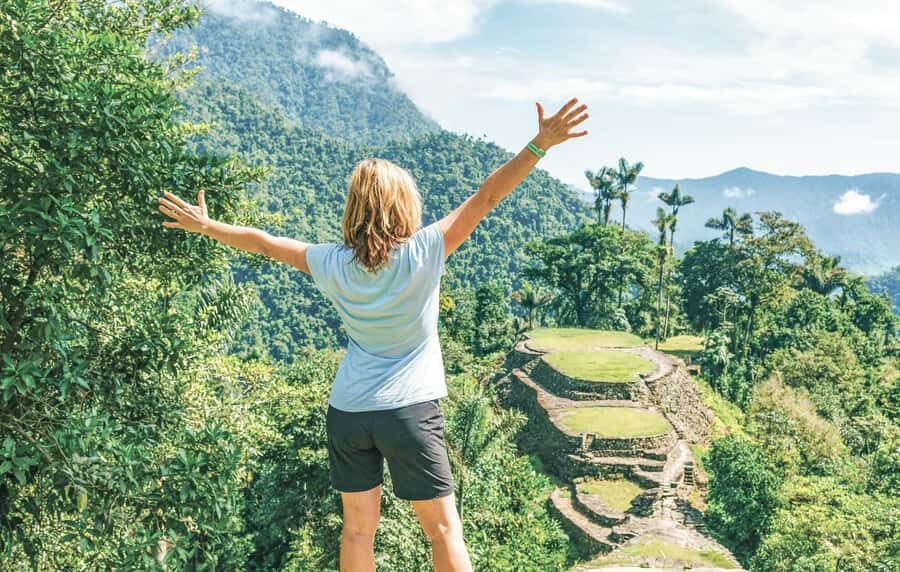
- 1,200 steps up to the Lost City, built by Tayrona people
- Small group size (up to 15) with a guide who explains plants, animals, and sites
- Indigenous culture time with Wiwa and Kogui communities during camp days
- River baths and natural pools along the way to cool off
- 169 terraces, tiled roads, and circular plazas at the archaeological site
- Camp comforts: electricity plus toilets and showers, even in the jungle
Why the Lost City trek from Santa Marta is so compelling
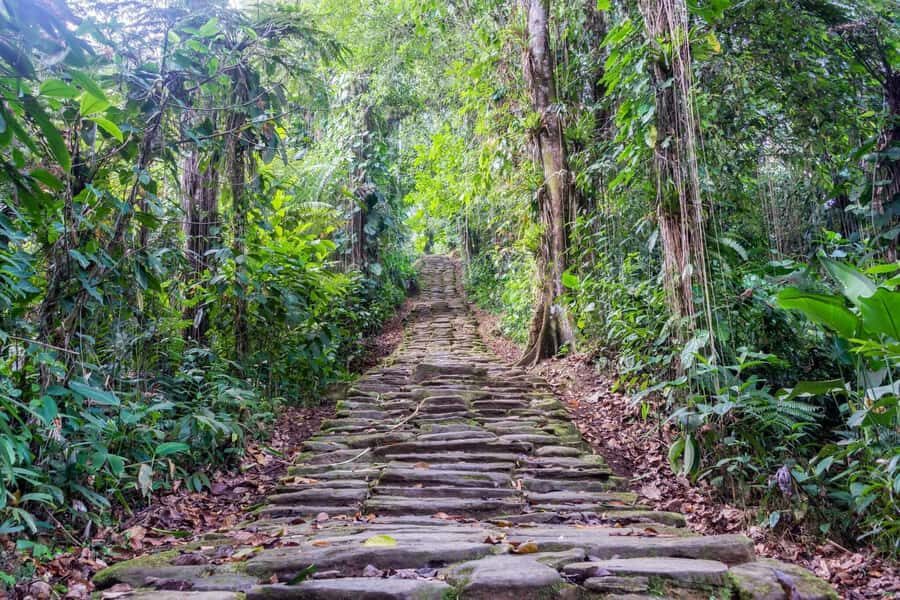
The Lost City (Ciudad Perdida) isn’t just a pretty ruin. It’s a major archaeological site in Colombia’s Sierra Nevada, thought to date back around 800 CE—far earlier than Machu Picchu. And when you reach it, you can see how the place was built to work with the mountainside: terraces cut into the slopes, tiled roads, and small circular plazas that connect key areas.
The trek matters as much as the destination. You’re moving through humid jungle, crossing rivers and streams, taking breaks at viewpoints, and stopping at places designed for life in this terrain. The payoff is you arrive not only tired, but also oriented—your guide can connect what you’re seeing to the surrounding flora, fauna, and ancestral stories.
You can also read our reviews of more city tours in Santa Marta

Choosing 4, 5, or 6 days: how the pace actually changes
You’ll see multiple options: a 4-day, 5-day, or 6-day trek style, all built around the same core route to the Lost City. The longer the plan, the more time you typically get to recover between major efforts and to settle into camp life with more breathing room.
Here’s how the structure feels in real terms:
- 4-day option: tighter pacing. You’ll spend the most energy on the days that lead toward and return from the Lost City, with less “slow down” time at camps.
- 5-day option: a more balanced version. You still hit the Lost City climb, but you get an extra day with more time to rest, interact, and enjoy views from camp.
- 6-day option: more gradual rhythm. There’s an extra day on the lower-intensity trek segments and more chances for river/culture time before and after the big steps day.
If you’re someone who recovers slowly, the 5- or 6-day rhythm is usually the safer bet. If you train, hike often, and want the most direct route, the shorter options can work well.
Day-by-day: what each stage feels like (and why you’ll remember it)
Santa Marta to El Mamey: the 4×4 start that sets the tone
Most days begin around late morning with a 4WD transfer from the Santa Marta area to El Mamey. It’s about a 3-hour drive. Even before the first footstep, you’ll feel the shift: the closer you get to the jungle entrance area, the more the journey becomes about terrain and logistics, not city life.
Once you reach El Mamey, you’ll have lunch and then begin trekking in search of the sacred place tied to the Tayronas. This is a good moment to take hydration seriously early. The weather is warm, the air is humid, and the first walk is your chance to get your rhythm before the bigger climbs.
First trekking day: Las Tres Cruces, fruit, and cooling stops
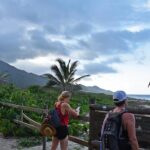
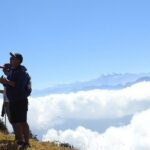
On the first hiking day, you’ll walk several hours (about 4 hours / roughly 7.6 km in the shorter options). You’ll stop at the Lookout Las Tres Cruces for a snack and fruit. It’s not just a break; it’s a moment where you can see why people built routes through these valleys instead of trying to fight the mountains.
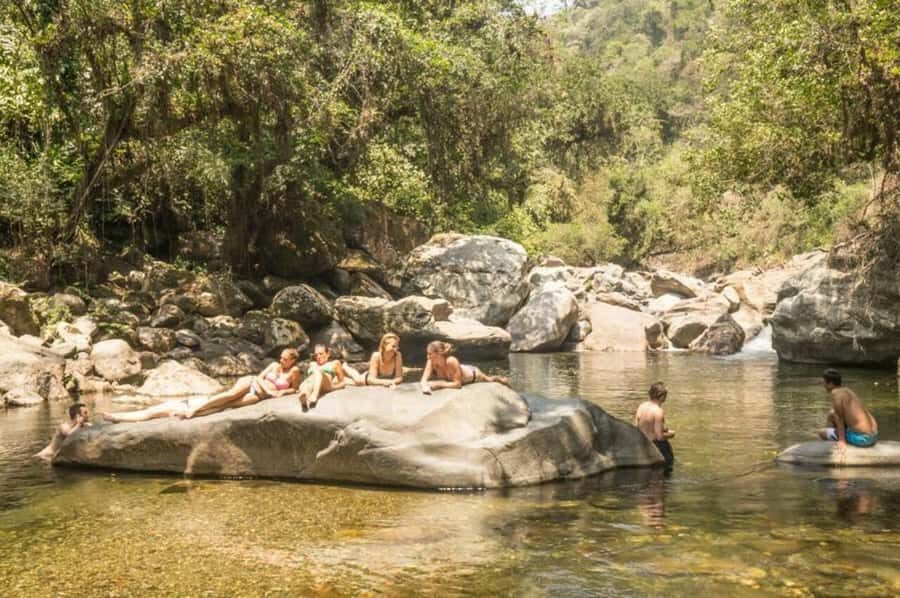
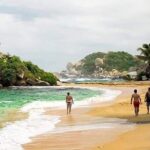
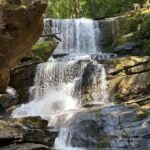
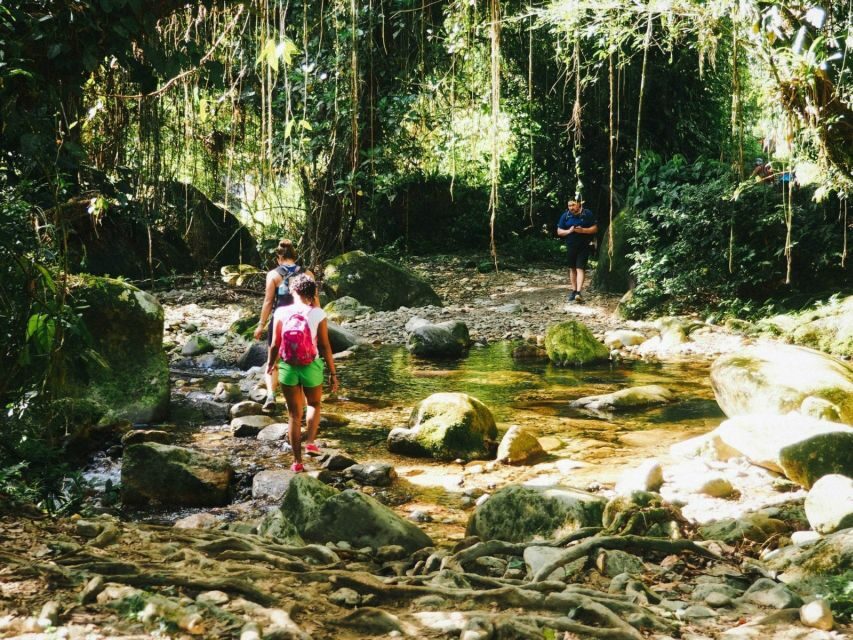
Before you reach camp, you’ll also get time at natural pools and waterfalls. These stops are practical. In heat like this, a quick swim or splash helps your legs later. You also get a reminder that the trail is active and wet—so you’ll want shoes that handle mud and slick patches.
You’ll finish the day at your first jungle camp for dinner and sleep (hammocks or beds under mosquito nets).
You can also read our reviews of more hiking tours in Santa Marta
River valley + indigenous villages: Wiwa camp and Mutanyi time
The next day typically sends you toward a riverside camp—often described around the Buritaca River area—and then into sections where you can see indigenous community life more directly. This is where the trek becomes more than exercise.
You’ll have:
- Riverside rest with time to cool off and bath
- Walks through jungle terrain that include houses connected to a Kogui indigenous village (Mutanyi is referenced)
- A day that mixes uphill sections with slower moments so you can take in what your guide is pointing out
For me, the value here is simple: the guide’s commentary gives meaning to the scenery. Instead of staring at plants and animals like random background, you learn what the area is and how people relate to it. If you get a strong interpreter, this part can become the emotional highlight.
In some groups, guides and interpreters you may hear about include Francisco as an indigenous guide, Emilie as a translator, and others who kept the tone encouraging when the day got hard.
The Lost City day: 1,200 steps and the best morning of the trip
This is the day the trek is built around.
You’ll start very early after breakfast, then climb up about 1,200 stone steps on a trail constructed by Tayrona people. Even before you see the site, this climb is the physical and mental checkpoint. The air can feel thick, and the steps can punish tired calves, but early starts help you avoid the worst heat.
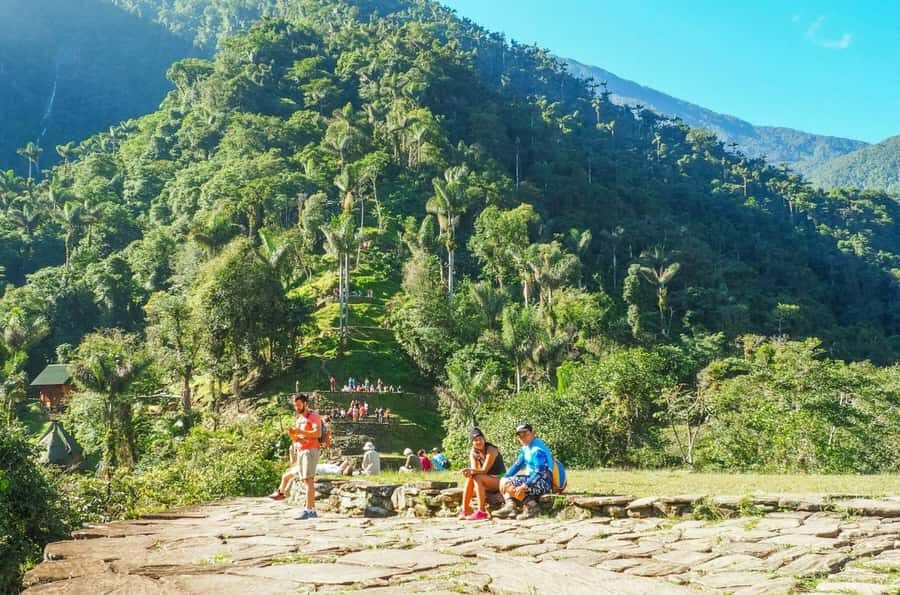
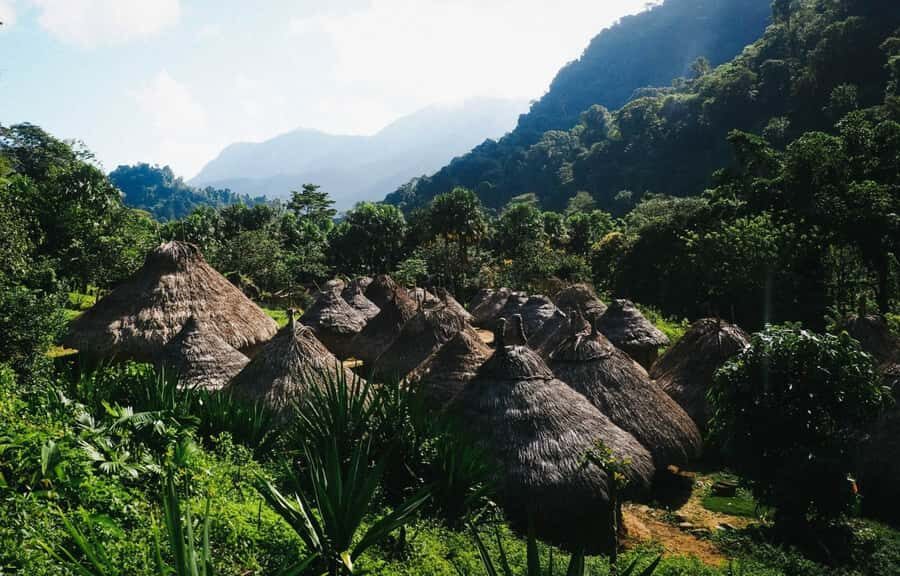
Once you reach the Lost City, your guide helps connect the details: terraces carved into the mountainside, tiled road networks, and circular plazas. Your time on site is the morning window for photos and explanations. The place is surrounded by dense jungle, so the ruins feel tied to the environment instead of separated from it.
Then you’ll trek back down to your morning camp for lunch, and continue onward toward the next camp to sleep. The climb day is long, often around 7 hours, though the route back may be described as about 6 km of uphill/downhill segments depending on the option.
Return days: fewer “new” things, more value in pacing
After the Lost City highlight, the remaining days are about getting you home in one piece.
You’ll often walk back toward an earlier camp for breaks and lunch, then continue with shorter segments toward El Mamey. Depending on the day count, you may also get time at camp with more relaxed views and social interaction before your final return.
The last steps usually look like:
- A morning walk to El Mamey
- Lunch
- A 4WD ride back to Santa Marta
In one case, people reported the return transportation feeling too full and uncomfortable. If that’s your concern, I’d bring a small layer and plan to keep expectations realistic about vehicle comfort after a long trek.
Guides, safety, and the culture layer you shouldn’t skip
One of the most praised parts of this trek is how well it’s run with a guide who stays involved all day. You’re not handed a route and left to manage risk. Instead, your guide leads walking, explains what you’re seeing, and supports the group through river crossings, jungle conditions, and fatigue.
Language support is part of that safety net too: English and Spanish interpretation is included. In several accounts, translators are called out for being encouraging and motivating, especially on the hardest stretches. That matters because mental fatigue can hit before physical fatigue finishes.
Culturally, the trek includes planned interaction with indigenous communities in the region—Wiwa and Kogui references show up across the route. There’s also a stated contribution connected to development of indigenous communities. So while this is a trek to ruins, you’re also witnessing living culture in a place where the people of the Sierra Nevada still shape daily reality.
Food, water, hammocks, and the jungle reality check
You’ll get breakfast, lunch, and dinner included. You’ll also have purified water plus fruits and snacks during the walks. Drinks other than water aren’t included, so if you like tea, juice, soda, or coffee as a habit, budget for that.
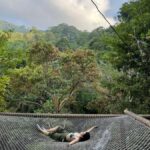
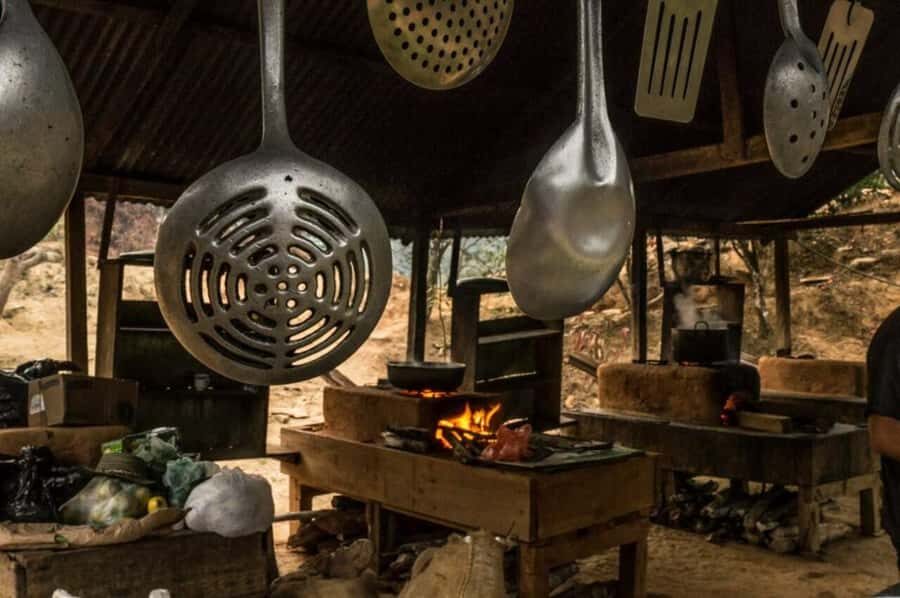
Camps are another big deciding factor. You’re sleeping in hammocks or beds with mosquito nets. The camp setup includes electricity, toilets, and showers, which makes the difference between “cool adventure” and “endless discomfort.”
Practical note from what you’ve been told to expect: the jungle is wet at times, rain can happen around sunset, and trails can turn muddy and slippery. Mosquitoes are present. If you go in expecting dry feet and easy footing, you’ll get surprised.
One more caution: a reported issue was food poisoning for some people on the last day in one group. You can’t control everything in a community-run setting, but you can control your habits—pay attention to hydration, keep your own snacks and medication ready, and don’t ignore stomach warning signs.
Price and value: is $713 per person actually worth it?
At $713 per person, this is not a budget hike. You should treat it as a logistics-and-expertise package: guides all day, interpreter support, entrance ticket access, camp lodging, meals, transport by 4WD between Santa Marta and El Mamey, accident insurance, and suitcase storage during trek days.
So where does the money go?
- Time-saving and risk management: you’re not figuring out access, routing, and safe timing alone.
- On-the-ground interpretation: you’re learning why terraces and roads were built this way and what the site means in the Sierra Nevada context.
- Comfort standards for the jungle: toilets/showers/electricity are included at camp.
- Cultural contribution: there’s a stated contribution to indigenous community development.
Is it overpriced? That depends on your travel style. If you’re comparing this to a DIY plan, you’ll likely see the gap immediately. If you value safety, guided context, and a smooth end-to-end experience, the price starts to make more sense.
If you want the best value, choose the day length that matches your fitness. Spending $713 on a trek option that’s too short for your recovery speed is a classic way to feel miserable and under-appreciate the site.
What to bring (and what to skip) for jungle steps and river crossings
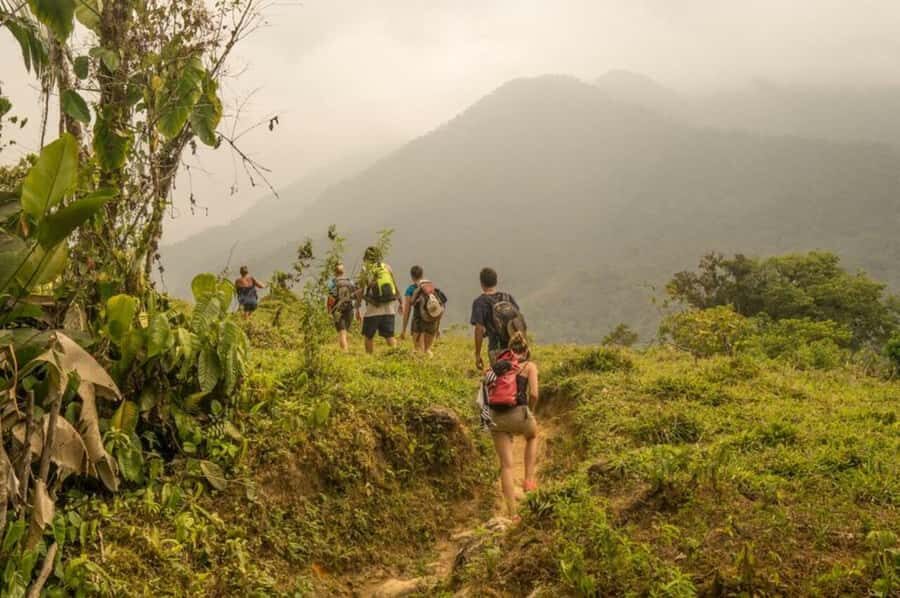
The packing list is solid, and I’d follow it closely. The key items are the ones that keep you comfortable when the trail turns wet.
Bring:
- Warm clothing (nights can cool around 18 °C)
- Hiking shoes (you want grip for slippery mud)
- Rain gear
- Insect repellent
- Swimwear + towel
- Quick-dry clothing + socks
- Daypack
- Flashlight
- Sunscreen
- Charged smartphone (and personal medication)
- Quick snacks if you like having extras during breaks
Don’t bring a drone. Drones aren’t allowed.
One small tip: pack so you can reach sunscreen, repellent, and rain gear fast. Jungle weather changes quickly, and you’ll hate digging mid-walk.
Who should book this Lost City trek—and who should reconsider
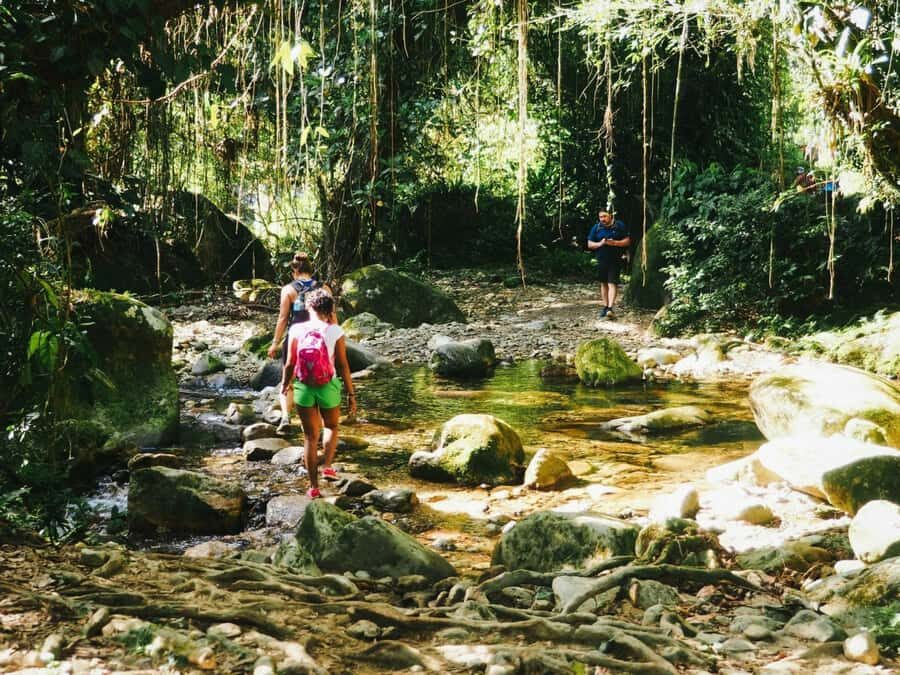
This trek is ideal if:
- You want a guided Lost City experience with interpretation in English or Spanish
- You like structured adventure: walking, camps, meals, and clear pacing
- You’re excited by indigenous culture encounters, not just ruins
- You can handle heat, humidity, and long walking days with ups and downs
Think twice if:
- You’re expecting a casual stroll. This is physically demanding, especially the 1,200-step climb day.
- You have mobility constraints. Pregnant women and wheelchair users aren’t suitable for this trek.
- You’re sensitive to crowded transport. In at least one account, return vehicle comfort was a problem.
Should you book this Santa Marta Lost City trek?
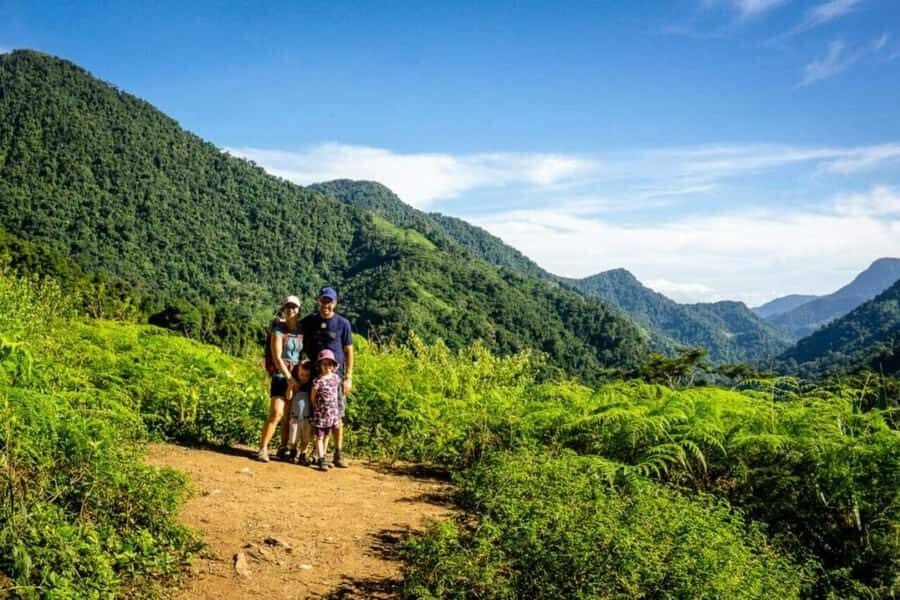
If your goal is the Lost City with guidance, plus jungle culture time and camp comfort that avoids the worst “roughing it” surprises, I think it’s a strong choice. The biggest reason to book is the combination: expert guiding, small-group pacing (up to 15), and the emotional payoff of reaching terraces you could never see on a quick day trip.
Book it if you’re ready for a tough hike and you pack for heat, rain, and mosquitoes. Skip it if you need a light itinerary, or if the idea of long steep steps would leave you anxious instead of excited.
FAQ
How many days are the Lost City trek options?
You can choose between a 4-day, 5-day, or 6-day trek option.
Are meals included on the trek?
Yes. Breakfast, lunch, and dinner are included, along with purified water and fruit/snacks during the walk. Drinks other than water are not included.
What kind of accommodation do you get in the jungle?
You sleep in hammocks or beds with mosquito nets. Camps are equipped with electricity, toilets, and showers.
Is the trek guided the whole time?
Yes. You travel with a professional guide at all times, with guide service in Spanish and English.
What’s the biggest physical challenge?
The highlight day includes climbing up about 1,200 stone steps to reach the Lost City.
Where is pickup included in Santa Marta?
Pickup is included from the Santa Marta urban perimeter, Rodadero, and Taganga. It does not include pickup in Bonda, Minca, Palomino, or areas outside the urban perimeter.
Is a drone allowed?
No. Drones are not allowed on the trek.
What weather should I plan for and what should I pack?
Expect warm, humid conditions around 26 °C to 32 °C, with cooler nights around 18 °C. Rain can occur around sunset and trails may be slippery, so bring rain gear, insect repellent, hiking shoes, sunscreen, and warm clothing.