REVIEW · CARTAGENA
Tour to San Basilio de Palenque – African village
Book on Viator →Operated by Peace Travel Colombia SAS · Bookable on Viator
A 7-hour ride can change your perspective. This San Basilio de Palenque day trip from Cartagena takes you into one of Colombia’s most important African-rooted communities, with Benkos Bioho stories, old homes you can walk past, and music that stays in your head. It’s built for comfort too, with hotel pickup and a small group of up to 15 people, so the day doesn’t feel like cattle-car travel.
I especially like the homemade lunch with fish, coconut rice, and green salad, plus a big slice of local pride around the people who cook. I also like how the day mixes clear history with real town life, from the native house stories to a street walk where you’ll see the older palenques-style houses and local graffiti up close.
One thing to consider: it starts early (transfer leaves Cartagena at 8:00). If you’re not a morning person, plan for a longer day in the sun, even though you’ll have air-conditioned transport and a well-paced stop rhythm.
In This Review
- Key takeaways before you go
- San Basilio de Palenque from Cartagena: why this day is different
- 8:00 pickup and the comfort of a small-group drive
- Stop 1: arriving in Palenque and hearing the bigger story
- Stop 2: the native house visit and how culture is explained
- Stop 3: the Benkos Bioho square and monument stop
- The walking tour: old palenques houses, local graffiti, and everyday life
- Lunch in Palenque: fish with coconut rice and green salad
- Music and dancing: the ending that leaves an imprint
- Price and value: what $127 covers (and why it’s fair)
- Who should book this tour
- Should you book San Basilio de Palenque with this company?
- FAQ
- What time does the tour start?
- How long is the experience?
- How many people are in the group?
- What’s included in the $127 price?
- What will I eat at lunch?
- Is full cancellation available?
Key takeaways before you go
- A day in San Basilio de Palenque, one of the earliest free communities in the Americas
- Benkos Bioho stop with square and monument time built in
- A guided walking segment through streets where people still live in older palenques-style houses
- Lunch that’s a highlight: fish, coconut rice, and green salad
- African music and dancing toward the end of the visit
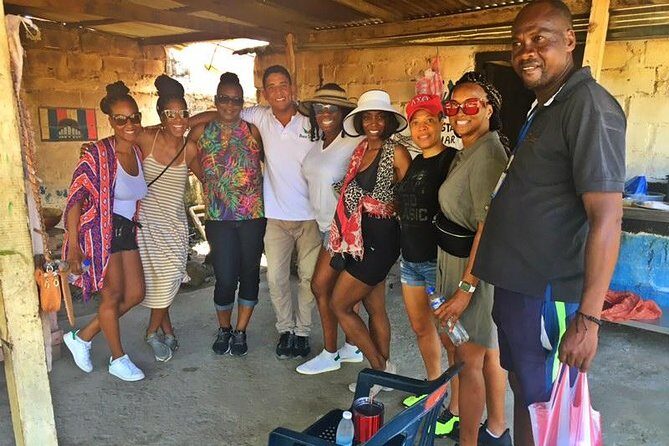
- Small-group touring (max 15) with professional plus local guidance; guides mentioned include Victor, Cesar, Catherine, Sofia, and Fabian
San Basilio de Palenque from Cartagena: why this day is different
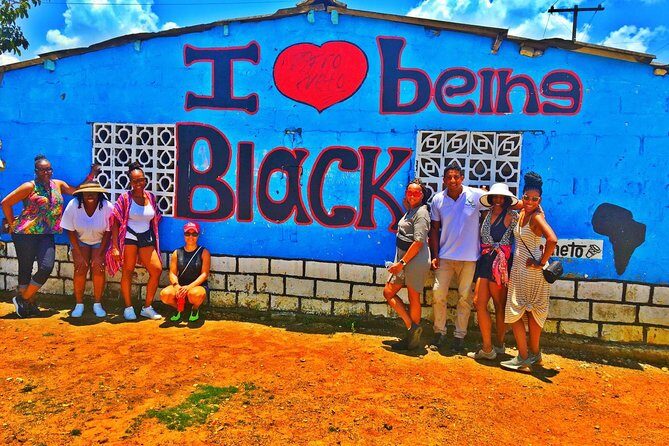
Cartagena is easy to love. But if you only stick to the postcard stuff, you miss a major part of Colombia’s story. This trip gives you a focused look at San Basilio de Palenque, known for its African heritage and the community’s fight for freedom, which is the backbone of what you’ll hear all day.
What makes it feel different is the way it keeps returning to people, not just dates. You’re not standing around for endless facts; you’re moving through town spaces where history is explained and then shown in everyday life—houses, streets, food, and music.
And that matters if you care about authenticity. You get a small-group format, plus both a professional guide and local guidance, so the day has context without feeling like a textbook.
You can also read our reviews of more tours and experiences in Cartagena.

8:00 pickup and the comfort of a small-group drive
You’ll start with an 8:00 transfer from Cartagena to San Basilio de Palenque. That early departure helps you arrive while the day still feels fresh and gives enough time for the full sequence of stops without rushing.
The ride is in an air-conditioned vehicle, which you’ll appreciate in Colombia’s heat. You’ll also have bottled water on hand, and the group size stays intimate at a maximum of 15—important because it makes questions easier and keeps the guide from racing through explanations.
The practical rhythm is also nice. You’re not stuck for the entire day just waiting; the tour is built around time at Palenque (multiple stops) and then a return to Cartagena around 1 pm, with hotel drop-off back around 2:30.
Stop 1: arriving in Palenque and hearing the bigger story
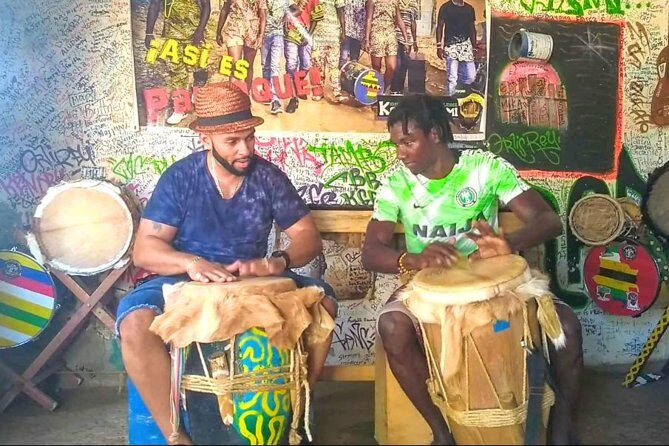
The first part of your time in Palenque starts right after arrival (you head in around 9:30). You begin with an orientation that frames why the village exists and how the community developed over time. The key idea here is that you’re meeting more than a town—you’re stepping into a story tied to freedom and cultural survival.
Even the “admission ticket free” setup makes sense. It keeps your day focused on the experience itself—guide-led interpretation, then personal time in town—without extra ticket hurdles.
If you’re the kind of traveler who likes to understand what you’re seeing, this opening stop is a strong match. It sets you up so later moments—monuments, older homes, and street life—don’t feel random.
Stop 2: the native house visit and how culture is explained
One of the most meaningful parts is the visit to the native house. This is where you’ll learn about customs, culture, and the local economy, plus how the development of Palenque is tied to its identity as one of the first free communities in the Americas.
What I like about this stop is that it’s not only about the past. It’s about continuity. You get the sense that Palenque culture isn’t just something performed for visitors; it’s lived, explained, and maintained.
The visit is short (about 20 minutes), so it works best if you listen with intent. Bring your curiosity and ask questions if something clicks—local history can be delivered with both warmth and clarity when your guide has a moment.
Stop 3: the Benkos Bioho square and monument stop
Next comes the square and monument of Benkos Bioho (about 15 minutes). This is your moment to connect the personal stories you heard to a physical place of memory.
The square stop also acts like a reset for the day. After the native house context, the monument helps you focus on who the community honors and why that matters. It’s the kind of stop that’s easy to walk past quickly, but here you’ll get time to actually look and let the explanation land.
Even if you don’t know Palenque’s history going in, the stop is set up so you can follow the thread. By the time you reach this point, the symbols won’t feel empty.


The walking tour: old palenques houses, local graffiti, and everyday life
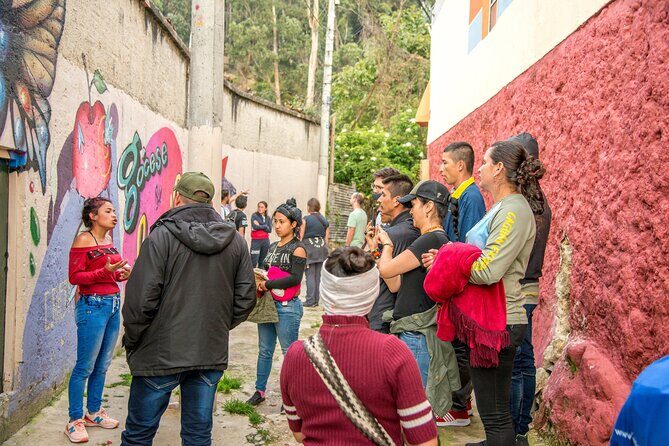
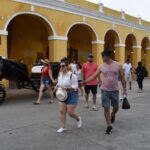
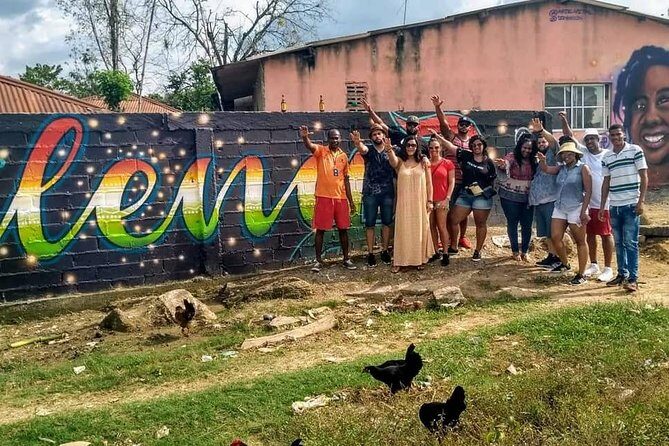
After the square, you’ll take a walking tour through the streets of the town, with around 45 minutes devoted to exploring. This is where the trip stops feeling like a museum-style day.
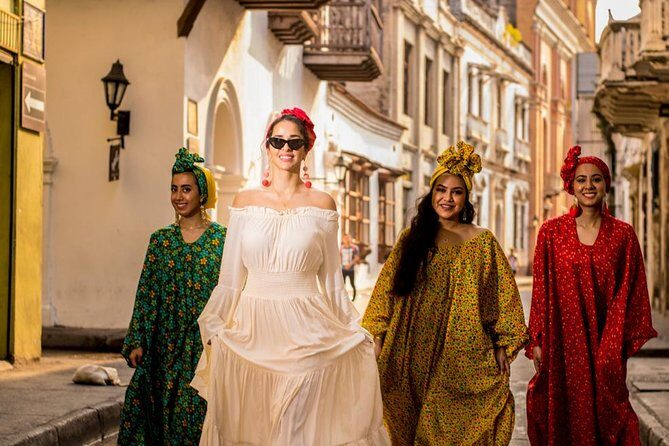
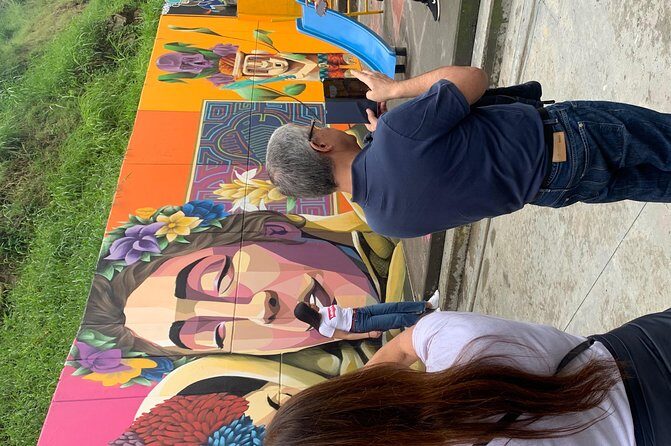
You’ll see older palenques-style houses—homes where people still live—and you’ll notice local graffiti made by locals. That mix is important. It shows the community isn’t frozen in time; it’s evolving, visually and socially, while keeping its roots.
This part is also where the tour feels most human. A number of guests describe welcoming interactions and small moments with residents and local makers, like meeting an older person who bakes and makes candy and pastries, with samples along the way.
Tip for your own comfort: wear shoes you don’t mind getting a bit warm or dusty, and keep your phone ready for street views. This is one of those “look up, not just forward” walks.
Lunch in Palenque: fish with coconut rice and green salad
Then you eat. The lunch stop is about 45 minutes and it’s built to be filling and local.
You’ll have fish with coconut rice and green salad. A nice detail is that the food is prepared by local cooks, including one described as having won an award for the best cookbook in the world. Whether you’re a foodie or you just want a solid meal, this is the kind of lunch that makes the whole day feel worth it.
You also get one beverage included. Alcoholic drinks aren’t included, though they can be purchased. I’d keep it simple with whatever is most natural with your meal—then save your energy for the dancing later.
The value here is more than taste. Eating on-site gives you context. You feel how the day connects culture to daily life, not just culture as something you watch.
Music and dancing: the ending that leaves an imprint
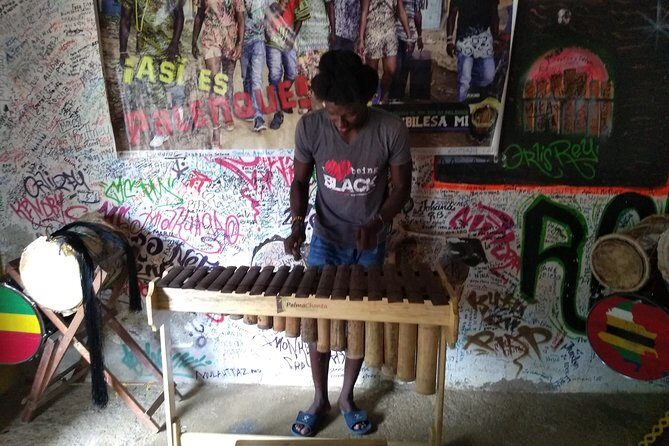
Toward the end, you’ll get around 20 minutes to enjoy dancing and see African music rhythms up close. This final segment isn’t just entertainment padding; it’s a cultural thread tied to what you learned earlier about identity and heritage.
What works best is the shift in tone. After history, streets, and lunch, the dancing brings everything together in a physical, shared way. The day ends with interaction and energy, and that makes it easier to remember later—not only what you heard, but what you felt.
If you’re worried about whether you’ll understand what’s going on, don’t be. The point is not to “get it right.” The point is to watch, listen, and let the rhythm do its job.
Price and value: what $127 covers (and why it’s fair)
At $127 per person for about 7 hours, this isn’t priced like a generic city stroll. You’re paying for a full structure: hotel pickup and drop-off, air-conditioned transport, a professional guide plus a local guide, bottled water, and lunch.
You’re also getting multiple stop times inside Palenque, with admission tickets described as free for the covered parts. Add in the small group size (max 15), and it starts to look less like “a bus to a village” and more like guided time with enough breathing room to ask questions.
If you’re trying to optimize your Cartagena stay, this day trip is also value-smart. It’s designed to target an experience most tourists don’t prioritize. You trade a chunk of your day for something you can’t replicate by hopping on your own random excursion.
Who should book this tour
I think it’s a great fit if you want more meaning than checklists. If you care about African diaspora history, community identity, and how culture shows up in daily life, this is a strong match.
It also works well for visitors who like organization. You’ll have clear stop sequencing, time for walking, time to eat, and time at a monument and then dancing—so you’re not stuck building your own plan from scratch.
One more practical point: children must be accompanied by an adult. Beyond that, the tour is described as suitable for most travelers.
If you’re traveling with friends and want a day that feels both educational and warm, the small-group format helps a lot.
Should you book San Basilio de Palenque with this company?
Yes, if your goal is a real day with context instead of another surface-level excursion. The combination of native house storytelling, Benkos Bioho’s monument stop, a street walk with real town life, a substantial lunch, and music/dancing at the end is a solid package.
Book it if you appreciate guides who bring humor and keep things moving, and if you want comfort without sacrificing authenticity. I’d especially consider it if you’re already spending time in Cartagena’s old walls and want to balance that with something that explains the region’s deeper roots.
One simple caution: plan for an early start. If you’re the type who needs a slow morning and naps are non-negotiable, you may feel the day-long commitment. But if you can handle that, you’ll likely leave with more than photos—you’ll leave with a story you can repeat.
FAQ
What time does the tour start?
The tour starts at 8:00 am with transfer from Cartagena.
How long is the experience?
It lasts about 7 hours (approx.), including travel time and time in Palenque.
How many people are in the group?
The tour has a maximum group size of 15 travelers.
What’s included in the $127 price?
Included are hotel pickup and drop-off, a professional guide, a local guide, lunch, bottled water, and beverages (just one).
What will I eat at lunch?
Lunch includes fish with coconut rice and green salad, prepared by local cooks.
Is full cancellation available?
Yes. You can cancel for a full refund up to 24 hours before the experience start time.