REVIEW · BOGOTA
Shared Tour Colombian Conflict War, Drug Trafficking & Peace
Book on GetYourGuide →Operated by Beyond Colombia · Bookable on GetYourGuide
History hits hard in Bogotá’s streets, and this shared walk connects the dots between Colombia’s conflict timeline and what you see in the historic center. I like that it keeps the tone objective and focused on causes and consequences, not team slogans.
I also like the way the guides bring the story to life on the move. In past groups, guides such as Lorenzo, Hector, Santi, and Daniel led the discussion, and their main trick is simple: they explain relationships between events and then keep you involved with questions and quick check-ins.
One drawback: if you want very detailed, up-to-the-minute analysis of current politics, you may find some parts move too fast or feel more like prompts than a full briefing. That matters because the tour covers a lot in about 150 minutes.
In This Review
- Key Points You’ll Actually Care About
- A 150-Minute Walk Through Colombia’s Political Pressure Cooker
- Price Value: Why $13 Can Be a Smart Deal
- Where You Start: Museo del Oro and Red Umbrellas
- The Tour Flow: How the Story Gets Told in Chunks
- Chapter 1: The Roots of the Violence Era
- Chapter 2: The Bogotazo (1948) and Why It Still Matters
- Chapter 3: Military Dictatorship and Power Under Pressure
- Chapter 4: Guerrillas Emerge (FARC, ELN, M-19)
- Chapter 5: Peace Agreements and the FARC Peace Process
- Chapter 6: Today’s Conflict Actors and the Drug Trafficking Link
- Walking Practicalities: Plan Your Day Like a Local
- Guide Quality: Why Names Keep Coming Up
- Who This Tour Suits Best (And Who Might Feel Off)
- What’s Included (So You Don’t Get Hit by Extra Costs)
- The Bottom Line: Book It If You Want Context
- FAQ
- FAQ
- How long is the tour?
- Where do we meet?
- How much does it cost?
- Is the tour guided in English?
- What should I bring?
- Is transportation from my hotel included?
- Are entrances or tickets included?
- Is it suitable for wheelchair users?
Key Points You’ll Actually Care About
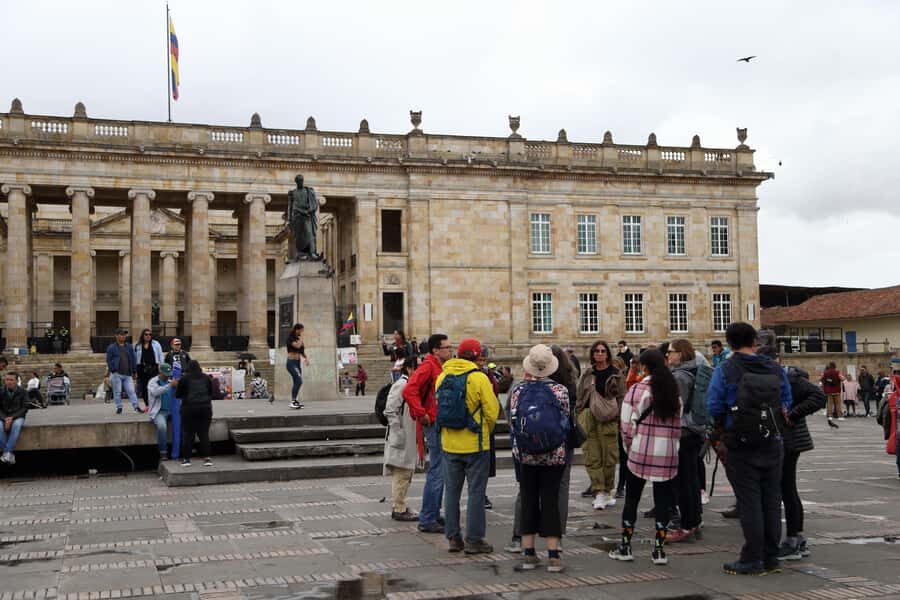
- A cause-and-effect approach to Bogotazo 1948, guerrillas, and the peace process
- English-speaking, interactive guiding that invites questions as you walk
- Historic-center walking with resting stops, geared toward understanding scars on the city
- No sides promised, with emphasis on accurate, objective context
- Wristband perks with recommended partners at the end of the tour
- A long walk for 3 hours (you’ll cover roughly 9 km), so shoes matter
A 150-Minute Walk Through Colombia’s Political Pressure Cooker
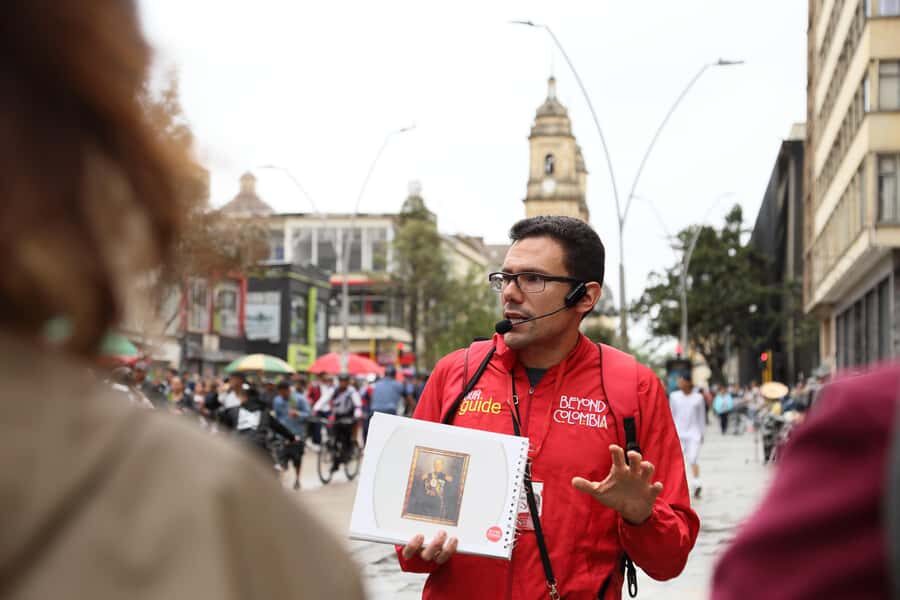
If Bogotá’s streets feel familiar, the history behind them might not. This tour is designed for that exact moment: you start in the historic center, and the guide builds a timeline around what created Colombia’s “Violence Era,” why it escalated, and why peace negotiations still matter today. You’re not just hearing dates. You’re learning the logic of how the conflict formed, how it changed, and how armed actors kept reshaping the situation.
The big themes are laid out right in the tour title: war, drug trafficking, peace, and the messy mix of local power struggles with national and international pressure. It’s heavy subject matter, but the structure is practical. Instead of drowning you in names only, the guide connects them to decisions, rivalries, and real turning points.
And yes, you’ll walk. Expect about 9 km total, with breaks to listen and reset. The good news is the route is built around key parts of the historic center, so the movement stays meaningful instead of feeling like transit.
You can also read our reviews of more tours and experiences in Bogota.
Price Value: Why $13 Can Be a Smart Deal
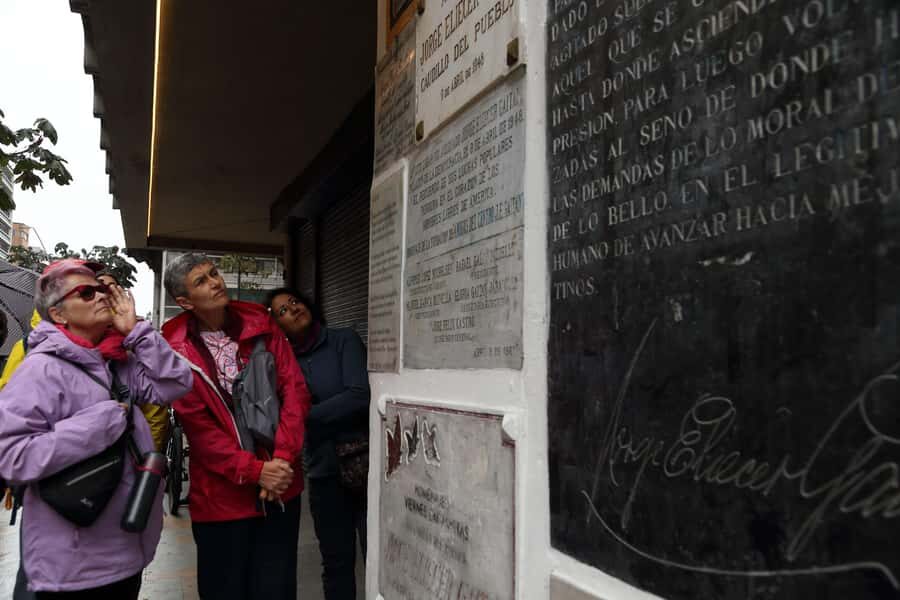
At $13 per person for about 150 minutes, this is positioned as an affordable deep-context tour. You’re paying for more than sightseeing. You’re buying clarity: how to understand the origins of the “Colombian Violence Era,” what happened during the Bogota riot of 1948, and how later events like the rise of guerrilla groups (including FARC, ELN, and M-19) link to the broader conflict system.
A budget like this only works when the guide is doing the heavy lifting. Based on the consistent quality signals from the experience (knowledgeable local guides and strong Q-and-A style), the price makes sense if you want guided context instead of trying to piece it together alone from books you won’t finish.
What you should confirm for yourself is your goal. If your priority is architecture photos only, you might be disappointed. If your priority is understanding how politics turns into violence—and then into peace talks—you’ll probably feel you got your money’s worth fast.
Where You Start: Museo del Oro and Red Umbrellas
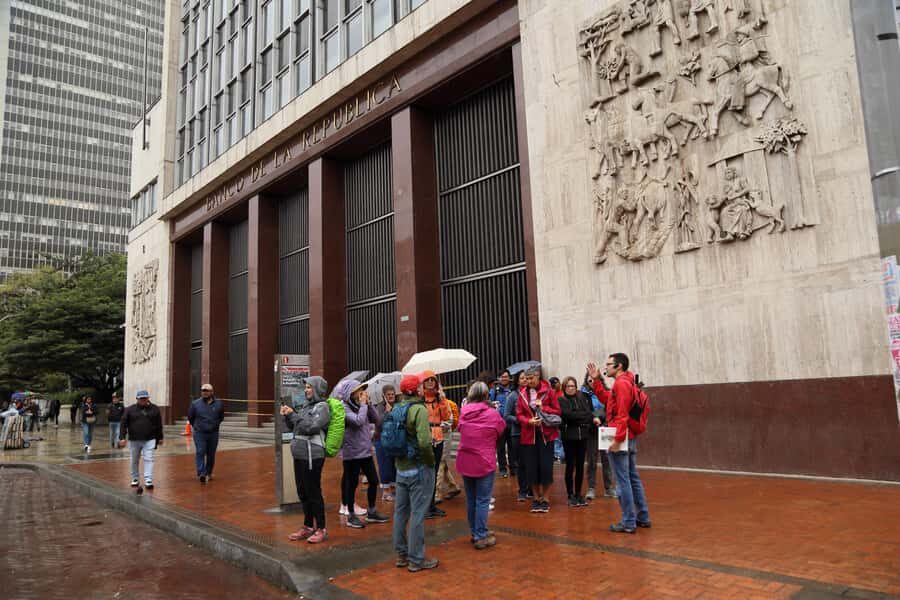
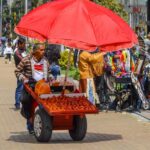
Your meeting point is simple: find the guide in front of the Museo del Oro with Beyond Colombia’s red umbrellas. That’s helpful because Bogotá can be confusing when you’re still orienting, and this keeps the start clean.
From the first minutes, you’ll get a clear sense of what the tour is doing. You’re not wandering randomly. The walk is structured around the idea that the historic center carries memory—some of it obvious, some of it buried in how buildings and institutions formed power.
Bring a camera, but don’t treat photos as the main task. The main task is connecting what you’re seeing to the story the guide is building.
The Tour Flow: How the Story Gets Told in Chunks
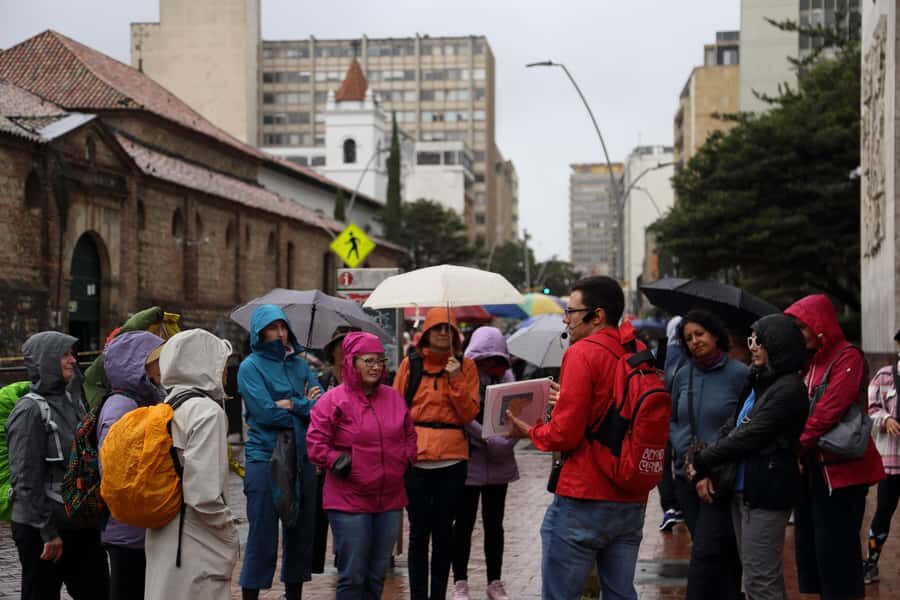
Even without a list of named stops, the tour’s chapters are clear because the learning goals are explicit. You’ll move through the city while the guide covers major turning points. Think of it as a guided timeline with street-level context.
Chapter 1: The Roots of the Violence Era
Early on, the guide sets up the origins of the so-called Violence Era—how Colombia got pulled into cycles that were not just local fights, but systemic conflict. You’ll also hear about the drive for Liberal versus Conservative supremacy, a rivalry that helps explain why the country’s political struggle kept resurfacing instead of cooling down.
This chapter is valuable because it prevents the common mistake: treating the conflict like one event or one bad decade. Instead, you learn the patterns that allowed violence to keep regenerating.
Practical note: since this is a shared tour, the guide’s pace depends partly on questions. If you like stopping to ask follow-ups, you can squeeze extra value out of this chapter.


Chapter 2: The Bogotazo (1948) and Why It Still Matters
The Bogota riot of 1948 is one of the central landmarks of the story. This is where the tour earns its name: you’re not just hearing that something happened—you’re learning why it became a symbol and how it fed later instability.
I like how this is framed as a turning point rather than a standalone tragedy. The guide’s job is to show how one explosion of violence can shape institutions, public fear, and political momentum for years afterward.
If you tend to read history as a straight line, this segment is the reality check. Violence tends to mutate. You’ll feel that through the way the guide connects this event to the next phases.
Chapter 3: Military Dictatorship and Power Under Pressure
Next comes the military dictatorship period, explained as a response to chaos and a method of control. This part matters because it helps you understand why armed authority can appear both as stability and as escalation, depending on how it’s used.
You might notice that this section is also where the tour starts linking internal power struggles to broader forces. You’re getting the groundwork for the later discussion of armed groups and drug trafficking.
A small consideration: this is still a walking tour, so you’ll want to listen closely during the key explanations. If you drift into taking photos or scanning streets, you can miss the “why” that the guide is building.
Chapter 4: Guerrillas Emerge (FARC, ELN, M-19)
Then the guide turns to the creation of guerrillas: FARC, ELN, and M-19. The framing here is about reasons and conditions, not just labels. The tour title explicitly promises explanations of fighting reasons for guerrillas and paramilitary groups, and that promise shows up as the guide talks through motivations and how those motivations interacted with politics.
This is one of the most helpful segments if you’ve been confused by the sheer number of names. Instead of treating each group as a random actor, you learn how the conflict ecosystem produced them—and how they shaped what came next.
Also, since the guide is English-speaking and aims for accurate, objective knowledge, you can expect a structured explanation rather than cultural guessing. You’ll be better equipped to read news after this.
Chapter 5: Peace Agreements and the FARC Peace Process
Next comes the peace process and the ongoing peace agreement signed with FARC. This chapter is where the story shifts from violence as a loop to violence as something negotiated—at least in part.
The valuable part here is balance. You’re not only hearing about the agreement as a headline. You’re hearing about what peace meant within the conflict’s larger logic, and how that changes the stakes for power, legitimacy, and security.
If you’re coming to Bogotá with questions about whether peace really “took,” this section gives you the framework to judge what you see and hear afterward.
Chapter 6: Today’s Conflict Actors and the Drug Trafficking Link
The tour closes by connecting armed actors today—guerrillas and paramilitary groups—to the reasons they fight, and to the ties to drug trafficking. The tour title is very clear that drug trafficking is part of the conflict story, not a side topic, and the guide treats it that way.
This is a tough subject, so I appreciated the focus on mechanisms and context rather than sensationalism. The promise of not taking sides matters here because the topic is politically charged and emotionally loaded.
If you’re the type who likes to understand systems, you’ll likely finish this chapter with a clearer picture of how national conflict ties to international dynamics.
Walking Practicalities: Plan Your Day Like a Local
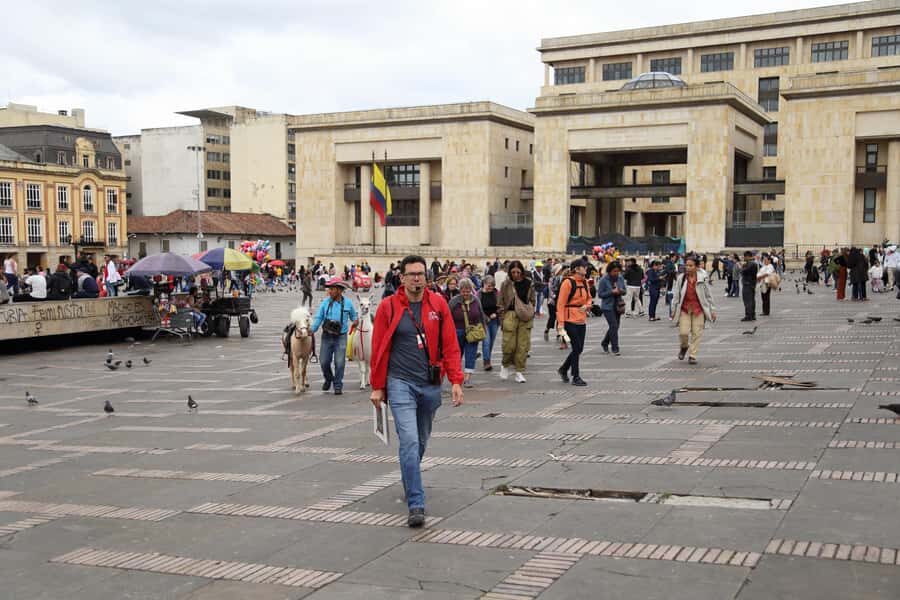
This is not a sit-down lecture. It’s a shared walking tour with resting stops, and the tour notes you’ll cover about 9 km. That means you should plan your day with the assumption that you’ll feel it in your legs, even if the pace is manageable.
Bring comfortable shoes. Add sunscreen and water. The tour explicitly recommends hydration because you may feel thirsty.
Weather is also real in Bogotá. The tour can’t control it, so bring a rainproof coat or umbrella (umbrellas or capes aren’t provided on your side). If you show up under-prepared, the tour won’t get easier—it will just feel longer.
Finally, keep your belongings close. The tour mentions some crowded areas, so treat this like any big-city historic center: protect your stuff.
Guide Quality: Why Names Keep Coming Up
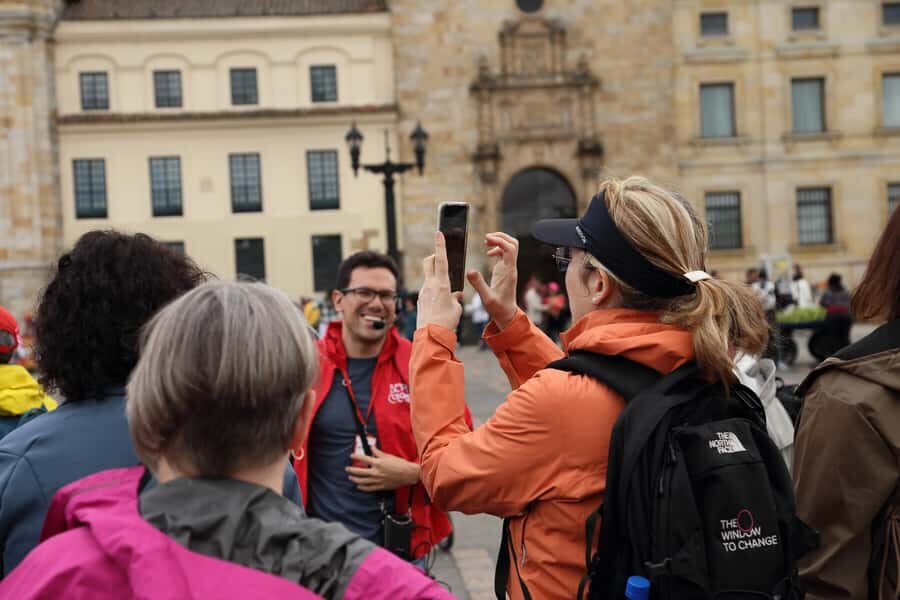
When multiple guides deliver the same structure well, you’re likely in good hands. In this experience’s record, guides such as Lorenzo, Hector, Santi, and Daniel have been noted for knowledge and for engaging the group through questions. That’s important because this tour depends on explanation, not just movement.
I’d treat the guide as the real “attraction” here. The historic center is the stage, but the learning happens through how the guide builds links between events: rivalry, violence, guerrilla formation, peace talks, and the drug trafficking connection.
If you’re the kind of traveler who likes to ask questions, this is a tour that rewards that habit.
Who This Tour Suits Best (And Who Might Feel Off)
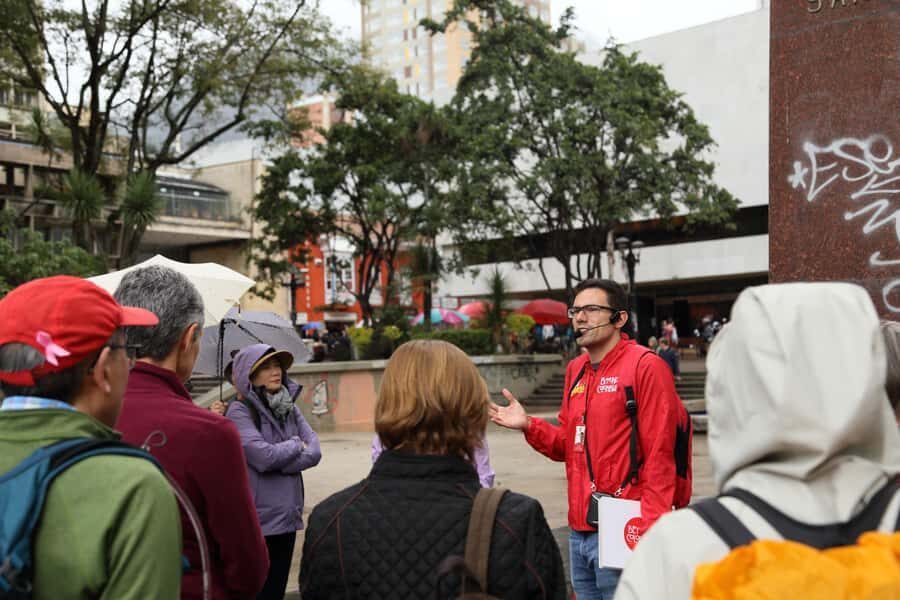
This tour is a good fit if you want:
- A structured explanation of Colombia’s political conflict as a timeline
- A city walk that helps you understand why key events mattered
- The chance to ask questions and get answers in English
It might feel like too much if you:
- Want a light, entertainment-heavy tour (this is serious material)
- Don’t do well with long walking days
- Need detailed current politics in one sitting (the tour covers a lot, and some sections may feel limited if that’s your main need)
Also, there’s a note that the tour is listed as wheelchair accessible, but it also says it’s not suitable for wheelchair users and people with mobility impairments. If accessibility affects you, check directly before booking so you don’t end up with an unpleasant surprise on the day.
What’s Included (So You Don’t Get Hit by Extra Costs)
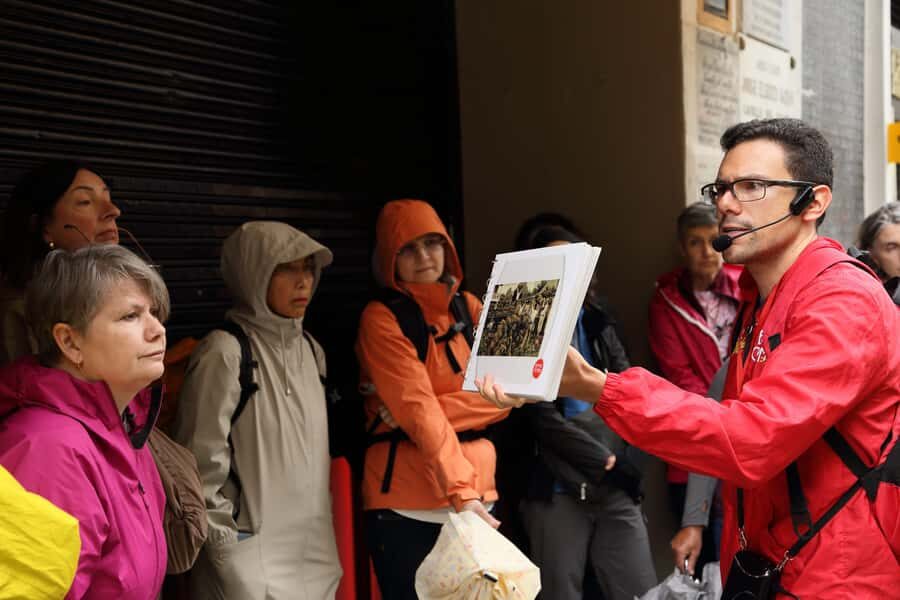
You get an English-speaking tour guide, objective historical framing, and sightseeing in Bogotá’s historic center built around the conflict history. Entrance tickets aren’t included, and the tour says you won’t be taken to places with sudden extra charges.
A nice perk: at the end you receive a wristband with benefits and discounts with recommended partners. If you like squeezing value out of your trip, that’s a small bonus worth knowing about.
You’ll also get recommendations for material to keep yourself informed after the walk. That’s helpful because conflict history doesn’t end when your tour ends.
The Bottom Line: Book It If You Want Context
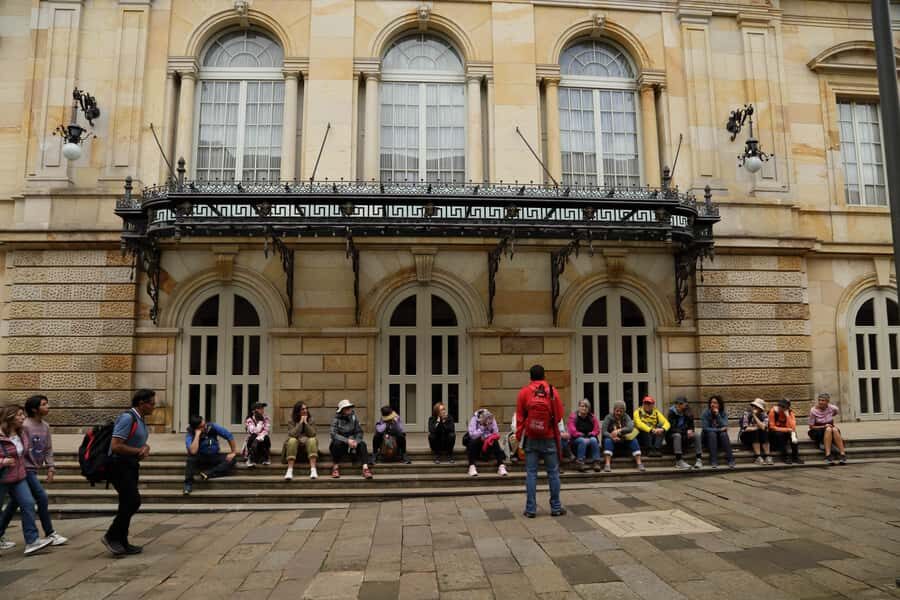
Should you book this shared tour? If you’re coming to Bogotá to understand what you’re looking at—politically, historically, and socially—then yes. This is one of the most practical ways to get the “why” behind Colombia’s violence and peace process in a short amount of time.
If you’re only here for quick sightseeing, you might find the heavy themes a mismatch. And if you need deep detail about current politics, be ready to ask targeted questions during the walk, or plan to follow up with reading afterward.
FAQ
FAQ
How long is the tour?
It lasts about 150 minutes, roughly 3 hours.
Where do we meet?
Meet in front of the Museo del Oro, with Beyond Colombia’s red umbrellas.
How much does it cost?
The price is listed as $13 per person.
Is the tour guided in English?
Yes. The tour is an English-speaking guided experience.
What should I bring?
Bring comfortable shoes, a hat, camera, sunscreen, and water or your preferred way to stay hydrated.
Is transportation from my hotel included?
No. You’ll be walking with resting stops, and transportation to and from your hotel is not included.
Are entrances or tickets included?
No. Tickets or entrances are not included, and the tour says it won’t take you to places with sudden extra charges.
Is it suitable for wheelchair users?
The activity notes wheelchair accessibility, but it also states it’s not suitable for wheelchair users and people with mobility impairments. You should verify fit with the provider before booking.