REVIEW · MINCA
Trekking History and Indigenous Heritage in Minca + Cacao & Coffee + Waterfall
Book on GetYourGuide →Operated by Macondo Project Tourism · Bookable on GetYourGuide
A short hike can still teach a lot. This Minca outing blends indigenous Tayrona heritage, a coffee-and-cacao farm with tastings, and a chill stop at a natural waterfall. I especially like how the trail has cultural context, and how the cacao/coffee visit is tied to an indigenous way of living—not just tasting. The main thing to plan for is the medium difficulty hike and the fact you may get wet, so pack accordingly.
If you want an easy-to-plan half day in Minca (about 4.5 hours), this is a strong pick. You’ll meet at Parque de Minca (by the central chapel) and return there, which makes logistics simpler. One consideration: food and drinks are not included, so you’ll want to eat beforehand or bring snacks if the timing doesn’t line up with your day.
In This Review
- Key Things You’ll Notice on This Minca Trek
- Why This Minca Experience Feels More Personal Than a Standard Nature Walk
- Start at Parque de Minca and Follow Trails with Tayrona Context
- Cabanas Bosque Cacao: Coffee and Cacao Taught Through Daily Life
- The Arhuaco View of Land and Food: What the Tastings Are Really For
- The Waterfall Break: Cool Down After the Hike
- Price and Value: What You Get for About $41
- Logistics That Make This Easy to Fit Into Your Day
- What to Bring (So You Don’t Cut Your Day Short)
- How Guides Shape the Experience (And Why This Matters)
- Who This Tour Suits Best
- Should You Book This Minca + Cacao & Coffee + Waterfall Tour?
- FAQ
- How long is the Trekking History and Indigenous Heritage in Minca + Cacao & Coffee + Waterfall tour?
- Where do I meet the tour guide?
- Is the tour guide available in English?
- How difficult is the hike?
- Is food or drinks included?
- Will I get a chance to swim at the waterfall?
- Is this tour suitable for kids?
- Does the tour run in the rain?
Key Things You’ll Notice on This Minca Trek
- Historic trails with Tayrona heritage that give the walk meaning beyond scenery
- An Arhuaco-managed cacao and coffee farm, with cultivation and processing explained
- Traditional tasting of cacao and coffee as part of the cultural story
- Time to talk with community members, focused on tradition and change over time
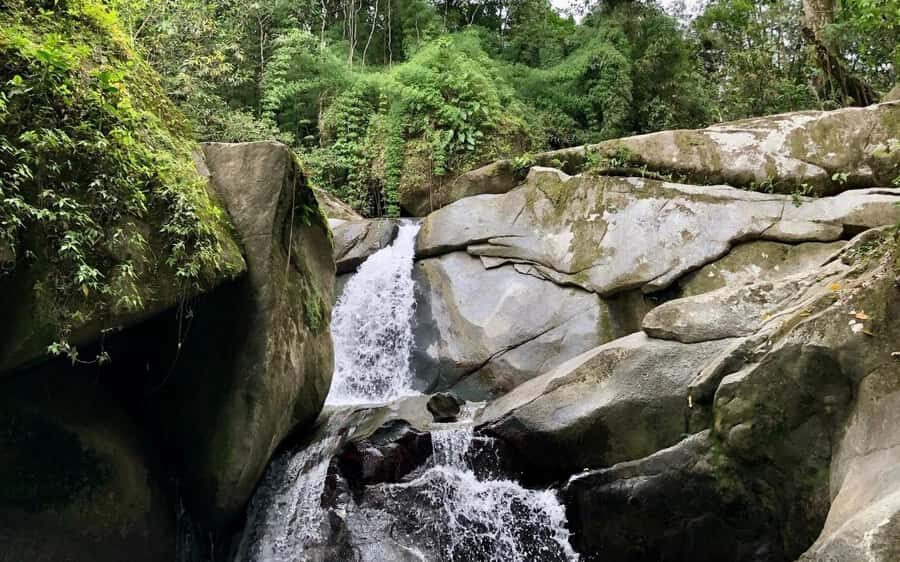
- A natural waterfall break to cool off (and yes, you may find one along the way)
- A bilingual local guide (English and Spanish), specialized in indigenous history and culture
Why This Minca Experience Feels More Personal Than a Standard Nature Walk
Minca is famous for jungle air, birds, and steep paths. What makes this tour different is the way it treats the walk as part of a longer human story. Instead of just saying the region is beautiful, you get the context of indigenous communities descended from the Tayrona, and how their knowledge stayed connected to the land over time.
The other thing I like is the balance. You get movement (a guided hike on historic trails), then you slow down for hands-on understanding at a coffee-and-cacao farm run by an Arhuaco family. Finally, you get the reward: a waterfall moment that’s simple and real, not a rushed photo stop.
You can also read our reviews of more tours and experiences in Minca.
Start at Parque de Minca and Follow Trails with Tayrona Context
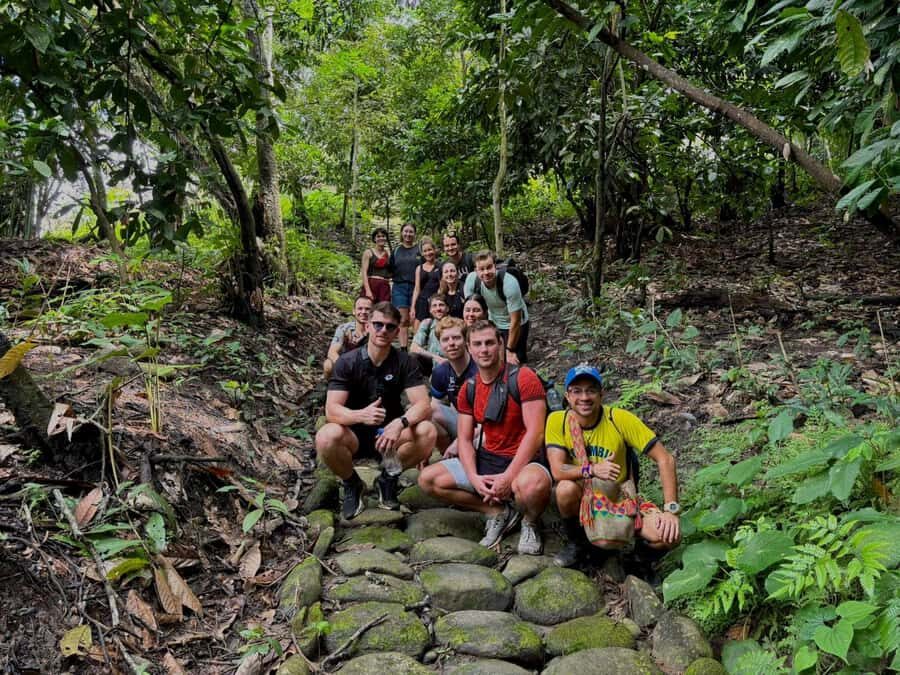
You begin at Minca Central Park, where the central chapel is. From there, the hike follows nature trails that reflect the legacy of the Tayrona people. The tour frames what you’re seeing around indigenous descendants, including the Kogui, Wiwa, Arhuacos, and Kankuamos, and how their connection to nature shaped life in this territory.
The practical side: this is rated medium difficulty, and you should have decent walking fitness. Expect uneven ground and tropical conditions—Minca doesn’t do bland weather. The tour runs rain or shine except in extreme conditions, so plan for slippery moments and bring what you need to stay comfortable.
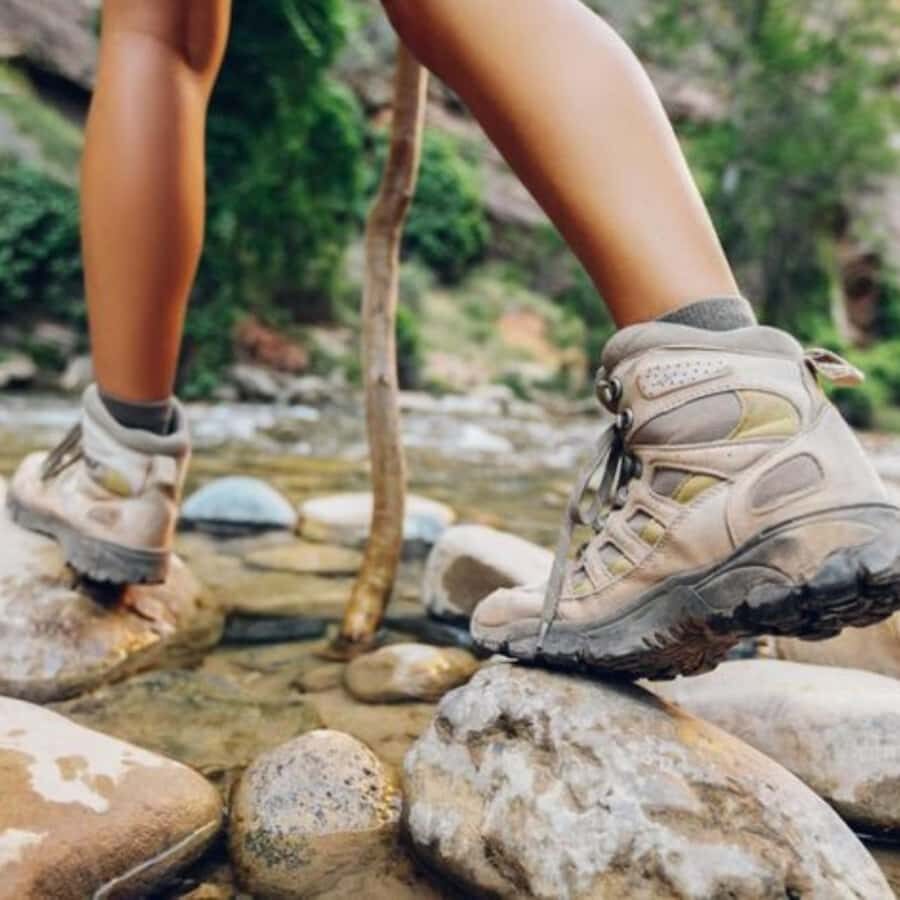
A small but helpful tip from the way the tour is described: wear hiking pants and comfortable shoes. It’s not the kind of outing where you want to risk blisters halfway through the morning.
Cabanas Bosque Cacao: Coffee and Cacao Taught Through Daily Life
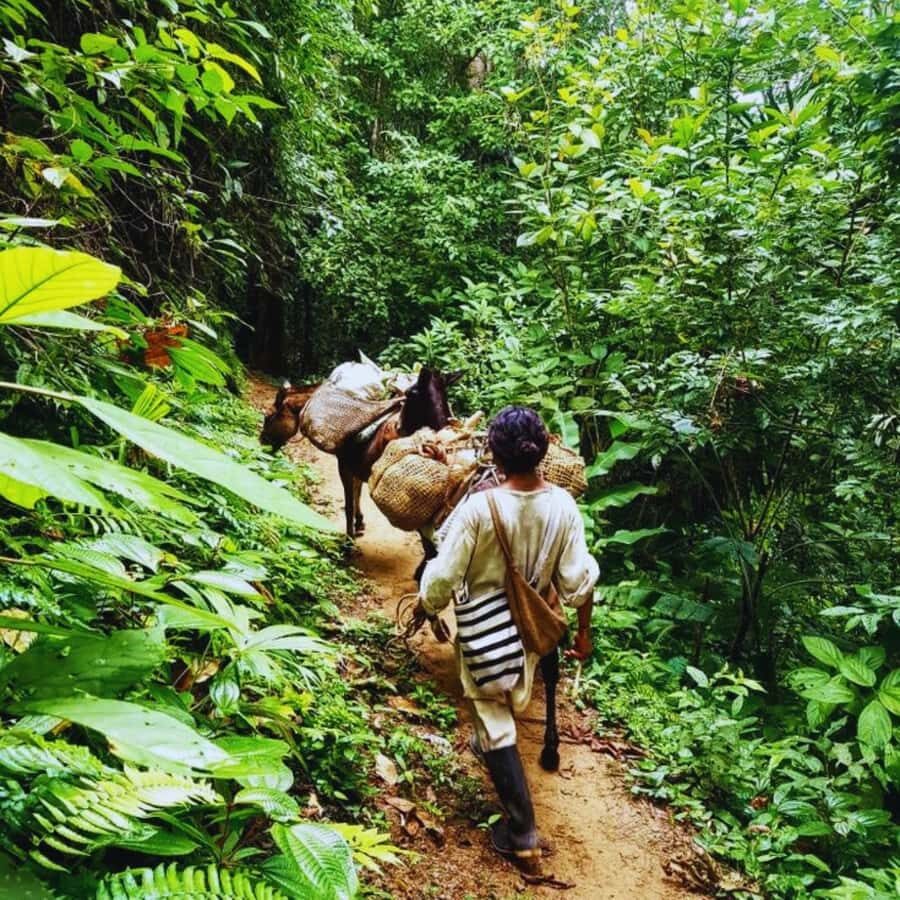
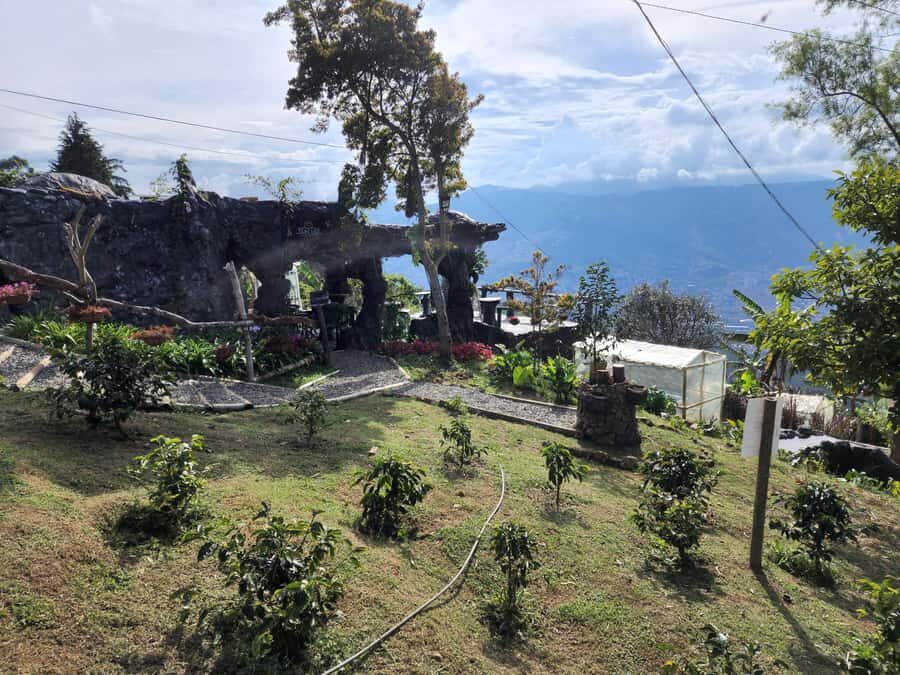
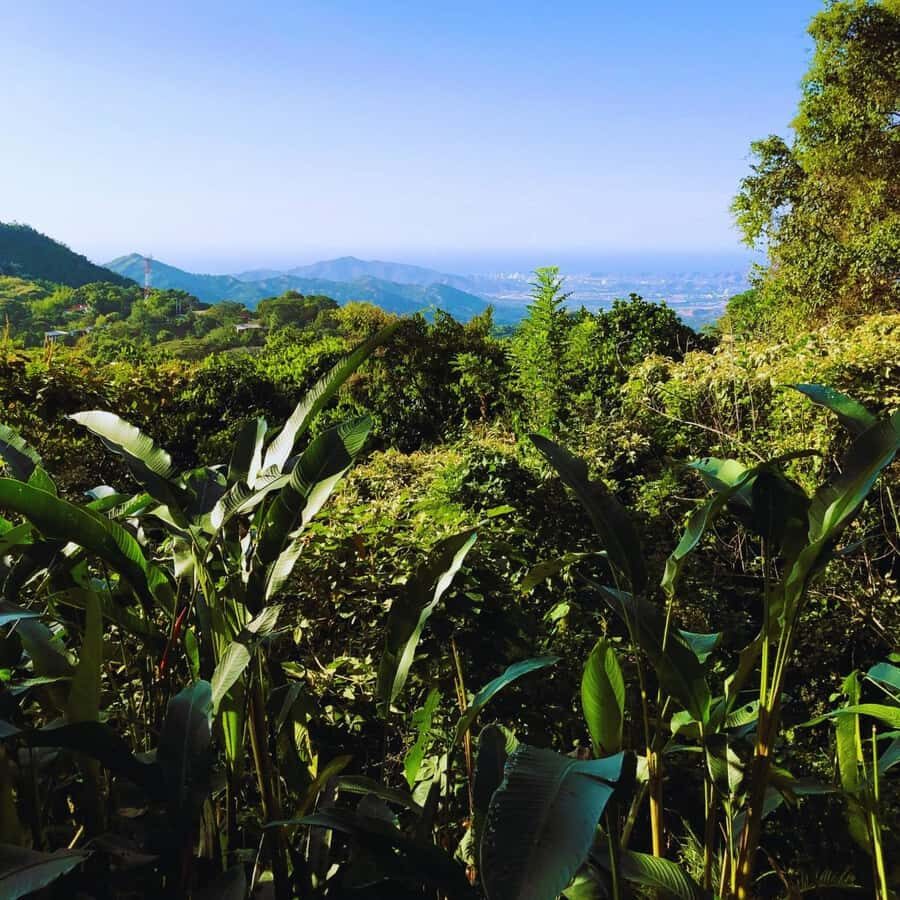
The core of the experience happens at Cabanas Bosque Cacao. This is a guided stop that takes about 4 hours, and it’s where you’ll learn the story of coffee and cacao in the region through the farm’s indigenous stewardship.
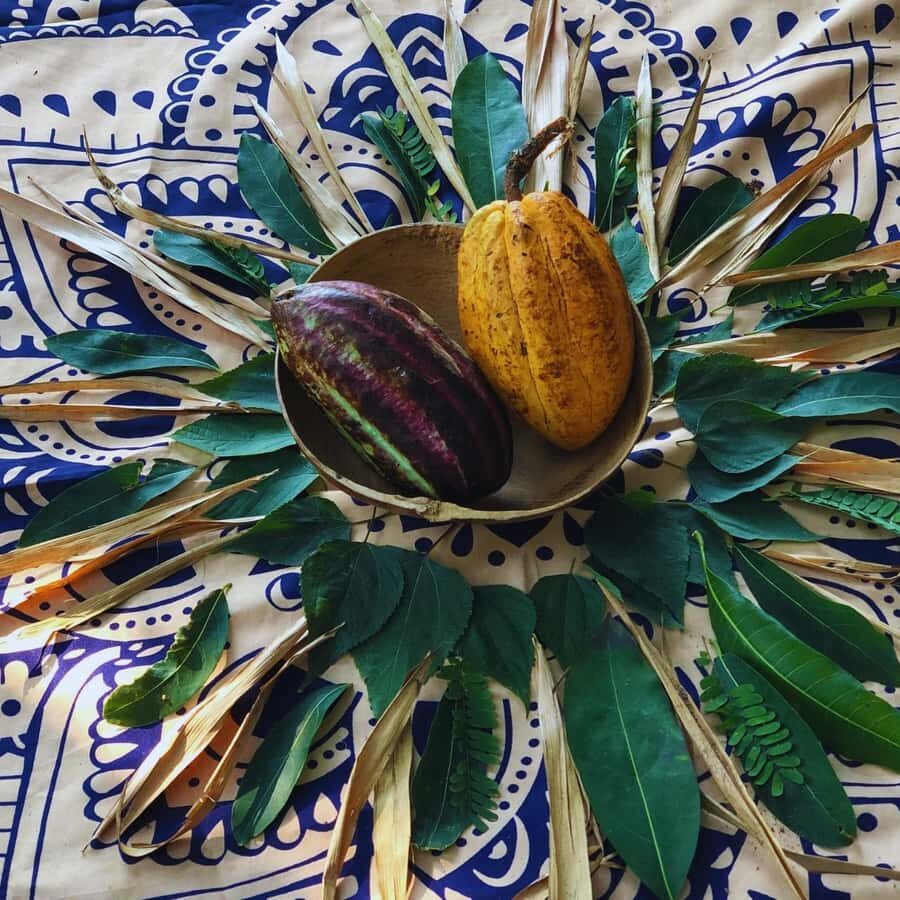
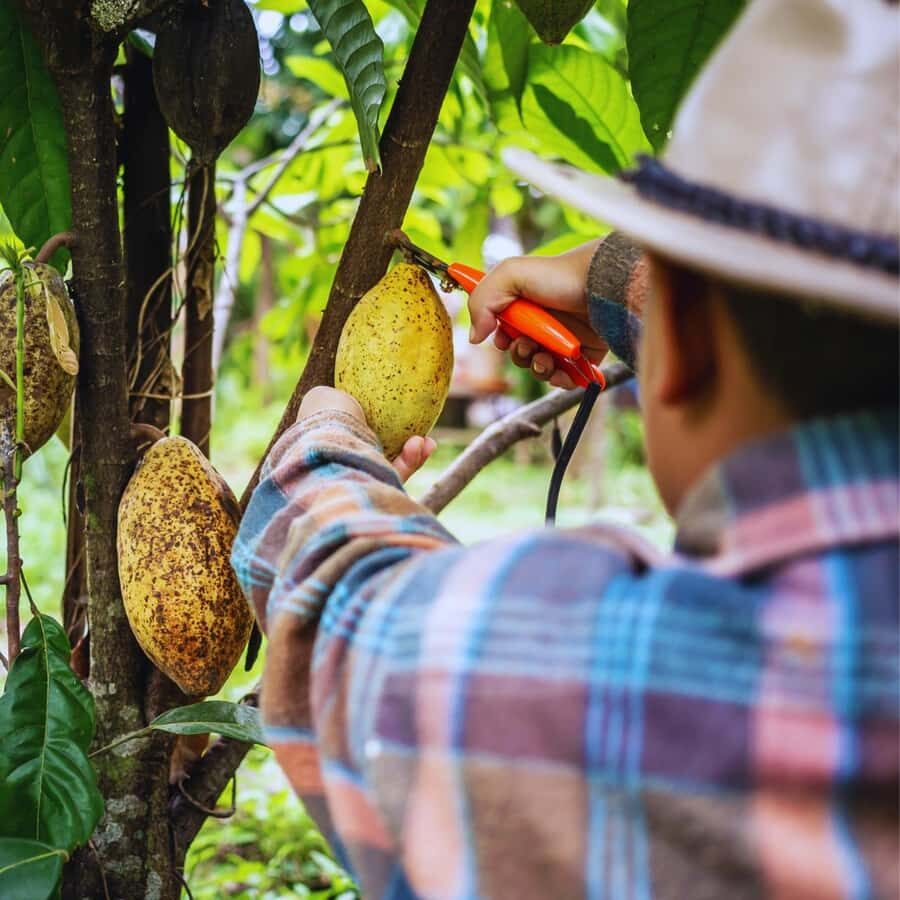
You’re not just shown plants. You learn the process—from cultivation to transformation—and you hear how cacao and coffee fit into the Arhuaco worldview. That matters, because it keeps the visit from feeling like a generic plantation tour where the only goal is the tasting at the end.
You’ll also get time to chat with members of the Arhuaco community. That conversation piece is often where the tour becomes more than a checklist: it’s where you can ask questions about how traditions have endured, and how communities have handled sociocultural changes in their territory.
The Arhuaco View of Land and Food: What the Tastings Are Really For
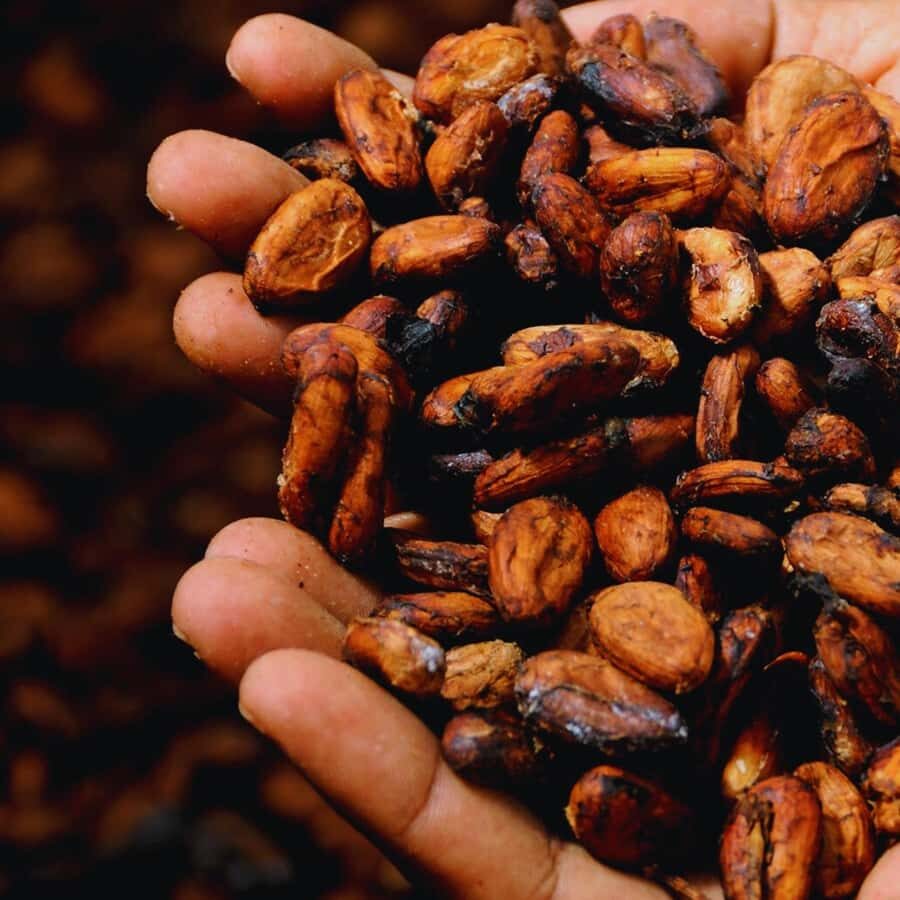
Tasting is included—traditional cacao and coffee tasting—but the point is context. When you learn how cultivation and processing connect to indigenous knowledge, the taste makes more sense. You’re less likely to think, wow, that’s strong, and more likely to think, this is part of how people understand their place in the world.
It’s also worth knowing that this visit includes an explanation of how the farm’s products are used within the indigenous worldview. That’s the kind of detail you usually won’t get from a standard coffee tour that focuses only on flavor notes.
If you like your travel with meaning, this is one of the best parts. You can enjoy the flavors, but you also walk away with a clearer idea of why cacao and coffee are more than crops here.
The Waterfall Break: Cool Down After the Hike
At the end, you relax at a natural waterfall. The tour description makes it clear you may find a waterfall along the way, so bring your swimwear even if you think you’ll only use it for a quick splash.
This stop is valuable for two reasons. First, it’s your actual reward after the walking and the time in the humid jungle. Second, it’s a reset for the senses. You go from learning and listening to something that’s instinctive—cool water, shade, and a slower pace.
Because the route can include natural wet spots, pack smart. A reusable water bottle helps. Sunscreen and insect repellent matter, too, and the tour specifically notes biodegradable products—so if you’re in the habit of skipping the eco version, this is the moment to use it.
Price and Value: What You Get for About $41
At $41 per person, this is a bargain for how much is included. You’re paying for: a bilingual local guide specialized in indigenous history and culture, a guided hike along trails with Tayrona heritage context, a visit to an indigenous coffee and cacao farm managed by an Arhuaco family, explanations of cultivation and worldview, traditional tastings, time for conversation with community members, and access to a natural waterfall.
Then there’s the less obvious value: the tour includes a direct contribution to indigenous community projects. You’re also covered with assistance insurance during the activity.
What’s not included is important to plan around:
- Food and beverages
- Transportation
So the real value question is timing. If you’re already in Minca and can eat before you go, you’ll feel good about the price. If you’re hungry and stuck without snacks, you’ll wish the tour included at least water or a light bite. Plan ahead and you’ll stay comfortable.
Logistics That Make This Easy to Fit Into Your Day
The tour runs about 4.5 hours (with starting times that vary). You meet at Parque de Minca and end back at the same place—so you’re not forced into a complicated route back into town.
If you’re coming from Santa Marta, the provider can share contact information for a private driver if you need help arranging the transfer. That’s useful because Minca is close enough for a day trip, but far enough that getting the timing right matters.
One more practical note: it’s listed as not suitable for children under 12, not for wheelchair users, and not for people over 95. If you’re right on the edge for walking comfort, you’ll want to judge the medium hike honestly.
What to Bring (So You Don’t Cut Your Day Short)
Use the packing list as a baseline, then adjust for your comfort.
Bring:
- Comfortable shoes and ideally hiking shoes
- Sun hat and sunscreen
- Swimwear (because waterfalls may happen along the way)
- Reusable water bottle
- Biodegradable insect repellent
- Hiking pants and a plan for rain
- Biodegradable sunscreen if you have it
- Basic trekking gear if you normally hike
Not allowed:
- Weapons or sharp objects
- Intoxication or alcohol/drugs
- Littering
- Nudity
None of these are surprising, but they’re there for a reason. The jungle is the main boss here—heat, bugs, and slippery paths. Dress for that, not for a perfect photo.
How Guides Shape the Experience (And Why This Matters)
A big part of why this tour gets a strong rating is the guide. The guiding style is built around indigenous history and culture, and it’s offered in English and Spanish.
In the standout feedback, names like Jorge, Andres, and Santiago come up with praise for being social, answering questions, and keeping things fun while still teaching. That blend matters in this kind of experience. You want someone who can translate history without turning it into a lecture, and who can help you see what you’d otherwise walk past.
If you’re the type who likes to ask questions—about daily life, tradition, or how communities handle change—this format is a good fit.
Who This Tour Suits Best
This is ideal if you:
- Want a half-day plan in Minca that blends nature with culture
- Like food and agriculture when it comes with real stories, not just tasting notes
- Prefer experiences led by local bilingual guides with cultural expertise
- Enjoy walking but don’t want an all-day endurance hike
- Would like a meaningful way to spend money, thanks to community project contributions
You might skip it if you:
- Don’t want to hike on medium terrain
- Are not comfortable in rain or humidity
- Need food and beverages included (since they are not)
Should You Book This Minca + Cacao & Coffee + Waterfall Tour?
I’d book it if you want your time in Minca to feel grounded in people, not just plants. The combination of historic trail context, a farm visit managed by an Arhuaco family, traditional tastings, and a waterfall break is a smart use of about 4.5 hours. For the price, you’re getting a lot of guided value—and you’re directly supporting community projects.
Book it with the right expectations: bring a swimsuit, wear proper shoes, and plan your meals since food isn’t included. If you do that, you’ll have a tour that’s educational, practical, and genuinely enjoyable.
FAQ
How long is the Trekking History and Indigenous Heritage in Minca + Cacao & Coffee + Waterfall tour?
It lasts about 4.5 hours. Starting times vary, so you’ll want to check availability for the time that works for you.
Where do I meet the tour guide?
You meet the guide at Minca Central Park, where the central chapel is located. The tour ends back at the same meeting point.
Is the tour guide available in English?
Yes. The live guide is available in English and Spanish.
How difficult is the hike?
The difficulty is listed as medium, and good physical condition is recommended.
Is food or drinks included?
No. Food and beverages are not included.
Will I get a chance to swim at the waterfall?
There is time to relax at a natural waterfall, and you may encounter a waterfall along the way, so you should bring swimwear.
Is this tour suitable for kids?
It is listed as not suitable for children under 12.
Does the tour run in the rain?
Yes, it takes place rain or shine, except in extreme conditions.