REVIEW · MINCA
Coffee, Cocoa and Trekking Tour in Minca: Nature, Crops and Production
Book on GetYourGuide →Operated by Macondo Project Tourism · Bookable on GetYourGuide
Coffee and cocoa tastes better after the climb. This Minca tour pairs Sierra Nevada de Santa Marta trails with a visit to Finca San Rafael, where you learn cultivation and production and then taste organic coffee and handmade cocoa. I love how the guide links what you smell and taste to the real farming choices behind it. I love that you walk through working farmland and forest, not a theme park version of nature. A heads-up: it is not a flat stroll, so plan for some uphill, wear proper shoes, and bring water.
You start at the Central Park of Minca (near the church or small chapel), then you’re guided through Puente de Minca and Minca Park before the farm stop. Tours run in Spanish or English, and the guide quality shows up in the details, including names like Albert, John, and Jorge from past experiences.
In This Review
- Key Points I’d Highlight Before You Go
- Entering Minca’s Coffee Country: What This 4.5-Hour Tour Is Really Like
- Central Park Start and the First Walk to Puente de Minca
- Puente de Minca and Minca Park: Tropical Forest Trails With Real Local Context
- Finca San Rafael: Sustainable Coffee and Cocoa Production Up Close
- Tasting Organic Coffee and Handmade Cocoa (Without Guesswork)
- Views, River Stops, and Possible Waterfall Time
- Fitness Check: What the Hike Feels Like and What to Bring
- Price and Value: Is $41 a Smart Use of Your Minca Time?
- Who This Tour Is Best For (and Who Should Skip It)
- Should You Book the Coffee, Cocoa and Trekking Tour in Minca?
- FAQ
- What is the duration of the coffee, cocoa and trekking tour?
- Where does the tour start and end?
- What’s included in the tour price?
- Is food or drinks included?
- What languages are the guides available in?
- What should I bring for the hike?
- Is it appropriate for children and mobility needs?
Key Points I’d Highlight Before You Go
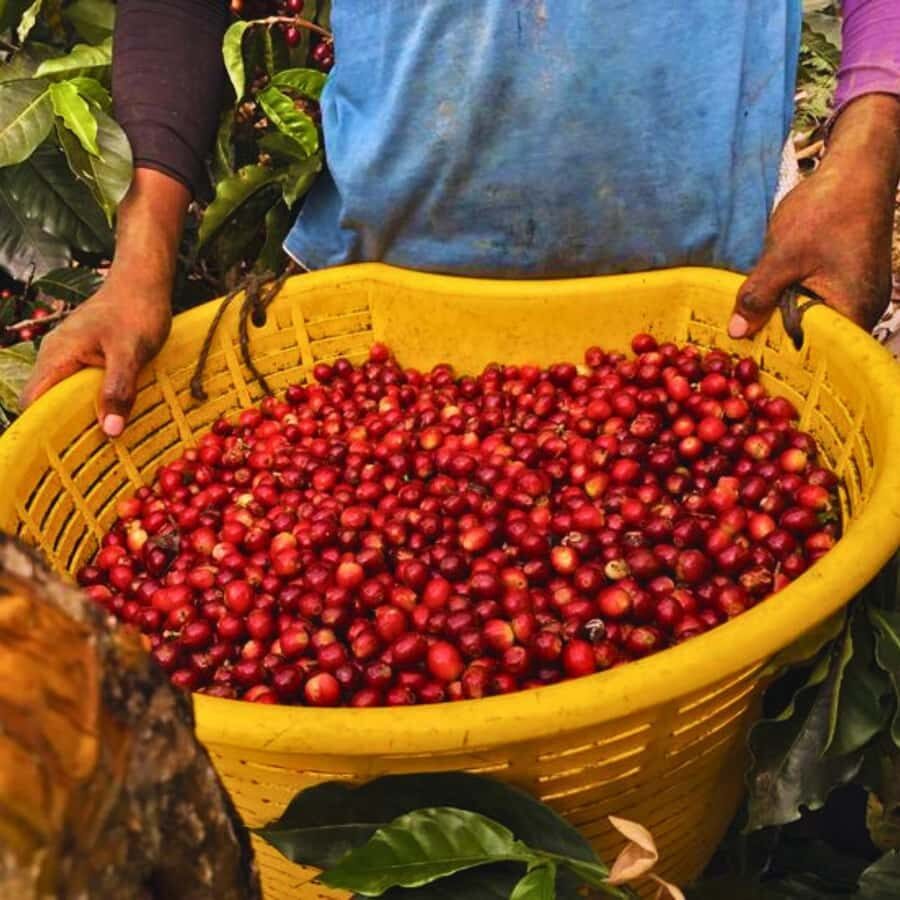
- Coffee and cocoa production, explained from start to finish at a sustainable farm
- Real tastings of organic coffee and handmade cocoa on location
- Guided hiking through tropical forest, with native plants, ancient trees, and rivers
- Panoramic rest stops with views that can include misty mountains and the distant Caribbean Sea
- Community-first sustainability, with direct contribution to the local area and environmental conservation
- Practical water-and-sun prep, including natural water sources for refreshment and guidance to use biodegradable sunscreen and repellent
Entering Minca’s Coffee Country: What This 4.5-Hour Tour Is Really Like
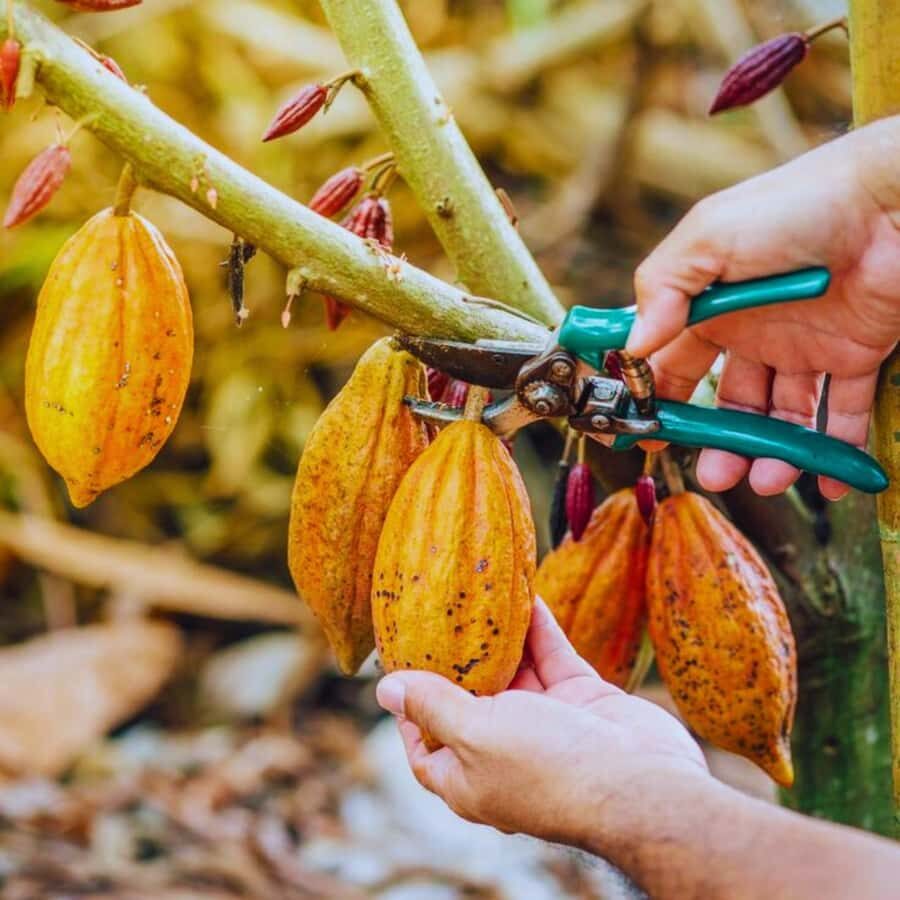
This is the kind of tour that makes you slow down. In about 4.5 hours, you’ll walk along natural trails, learn how coffee and cocoa are grown and transformed, and then taste both right where they’re produced. It’s built around community-based tourism and sustainable agriculture, so the story isn’t just about the final drink in your cup—it’s about the work behind it.
Minca sits in the Sierra Nevada de Santa Marta region, an area shaped by multiple thermal floors. That matters because it helps explain why you’ll see so many kinds of plants and why local farms can feel surprisingly resilient. You’ll also hear how coffee and cocoa have influenced the economy and identity of the area over time.
If you like nature walks but also want something more than a pretty view, this hits a sweet spot: you’re learning while you hike.
You can also read our reviews of more hiking tours in Minca
Central Park Start and the First Walk to Puente de Minca
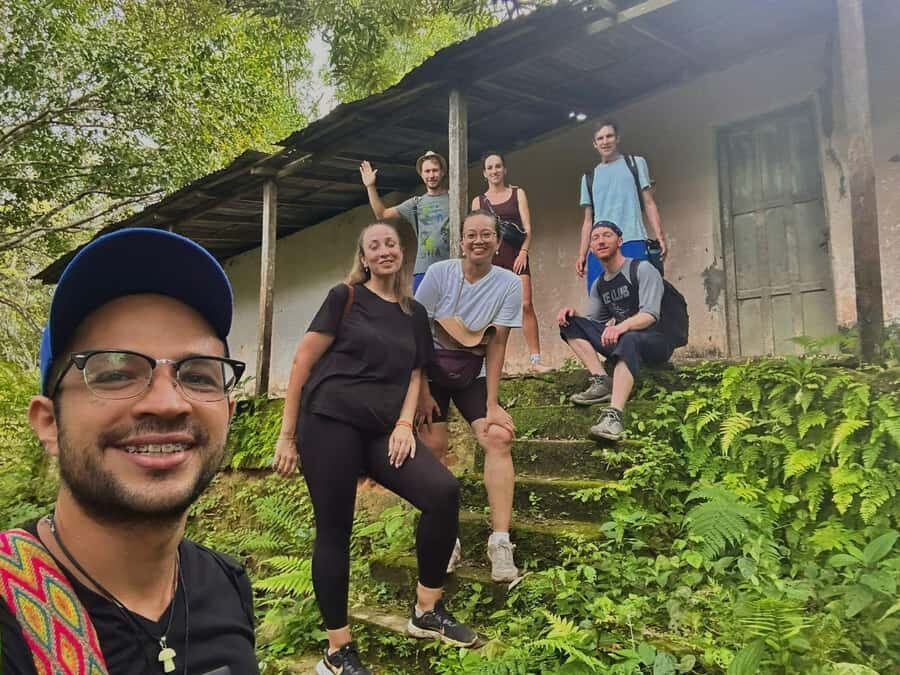
Most days begin at Parque de Minca, at the meeting point in the Central Park area by the church or small chapel. From there, the tour moves into the first section of the walk toward Puente de Minca.
This part is about getting your bearings and settling into the rhythm of the hike. You’ll be with a local guide specialized in coffee, cocoa, and biodiversity, so even the early steps come with context—what you’re seeing and why it matters. Since this activity runs about 4.5 hours total, pacing is important. Plan to keep a steady, comfortable effort and save your sprinting for post-hike cocoa.
Practical note: the tour is hiking-based, and the guidance suggests you bring hiking or comfortable shoes plus clothes that can get dirty. Translation: wear footwear that can handle a bit of mud and uneven ground.
Puente de Minca and Minca Park: Tropical Forest Trails With Real Local Context
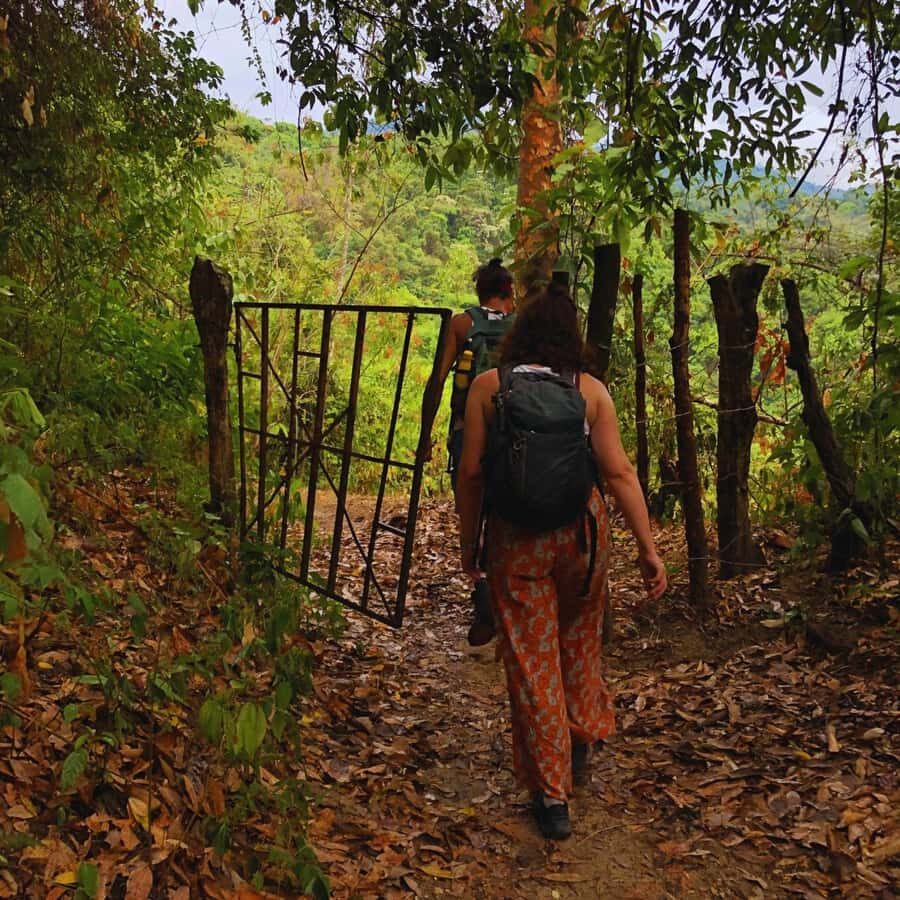
You get guided time in two main walking zones: around Puente de Minca (about an hour guided) and then Minca Park (about three hours guided). Together, they form the bulk of the walking experience.
On these trails, you’ll spend time with native flora and fauna and learn to spot features of the forest that matter to the ecosystem. You can also expect mentions of ancient trees and crystalline rivers that feed the area and support life in the woods. This is one reason the hike feels more meaningful than just exercise. You’re not only looking—you’re being taught how to read the environment.
The guide also connects the forest to local life. You’ll talk about the relationship between communities and the land, and how coffee and cocoa shaped culture and livelihoods in Minca. If you’ve ever wondered how a drink becomes a regional identity, this is where it clicks.
And yes, there are view moments. The route includes strategic points where you can see contrasts: mist-covered mountains, the dense green of the forest canopy, and—on clear days—the distant Caribbean Sea. Those stops are also where you can catch your breath during the more uphill stretches.
Finca San Rafael: Sustainable Coffee and Cocoa Production Up Close
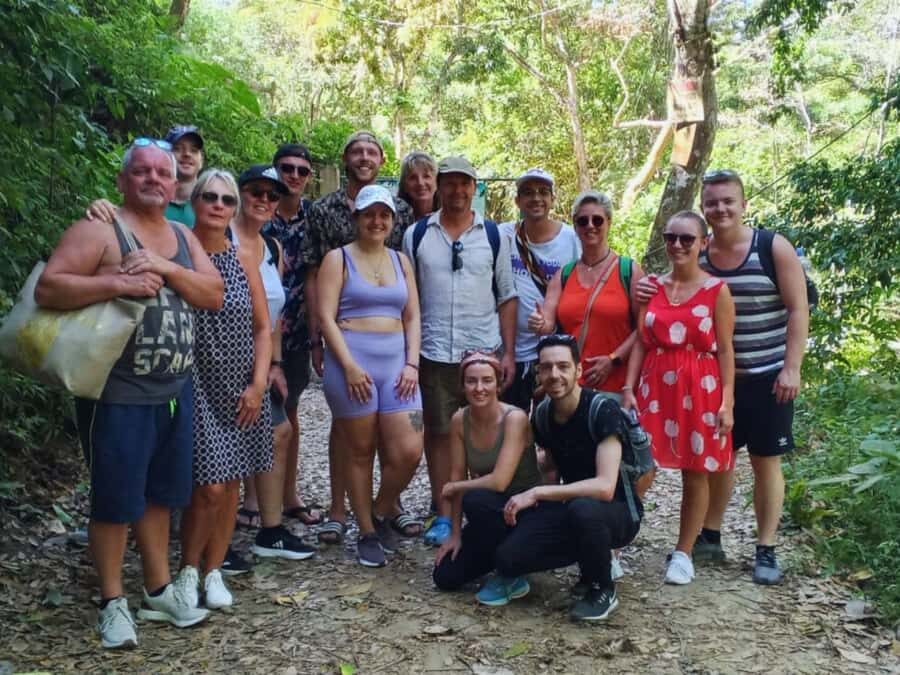
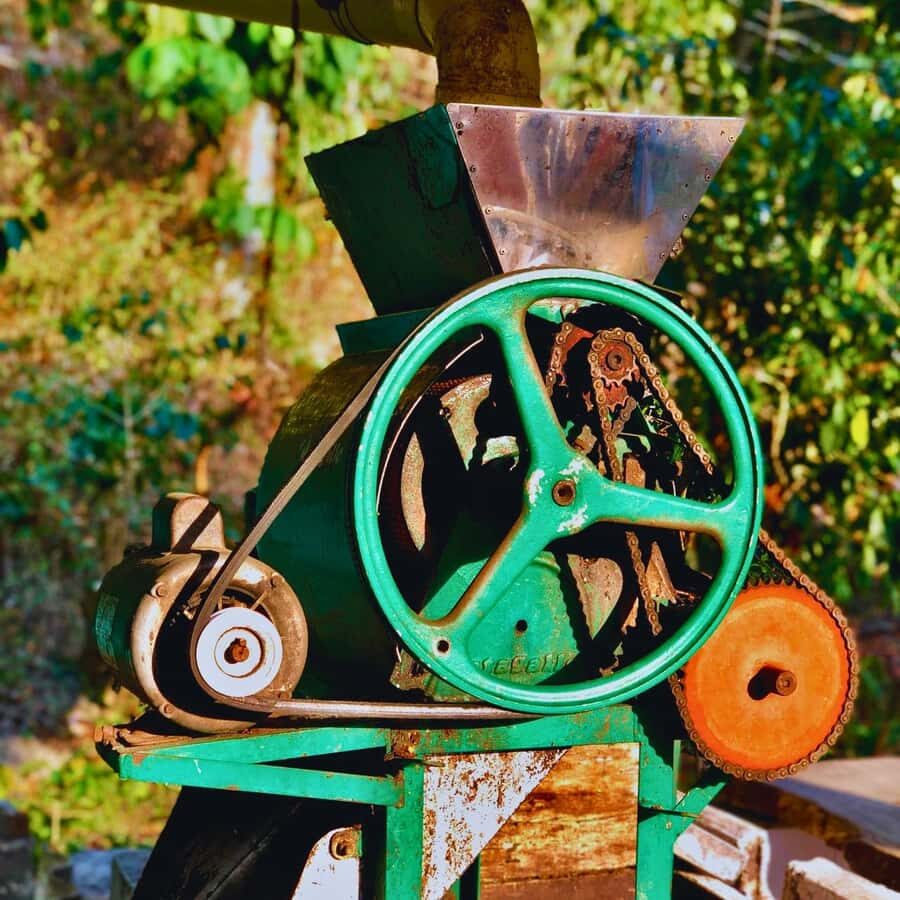
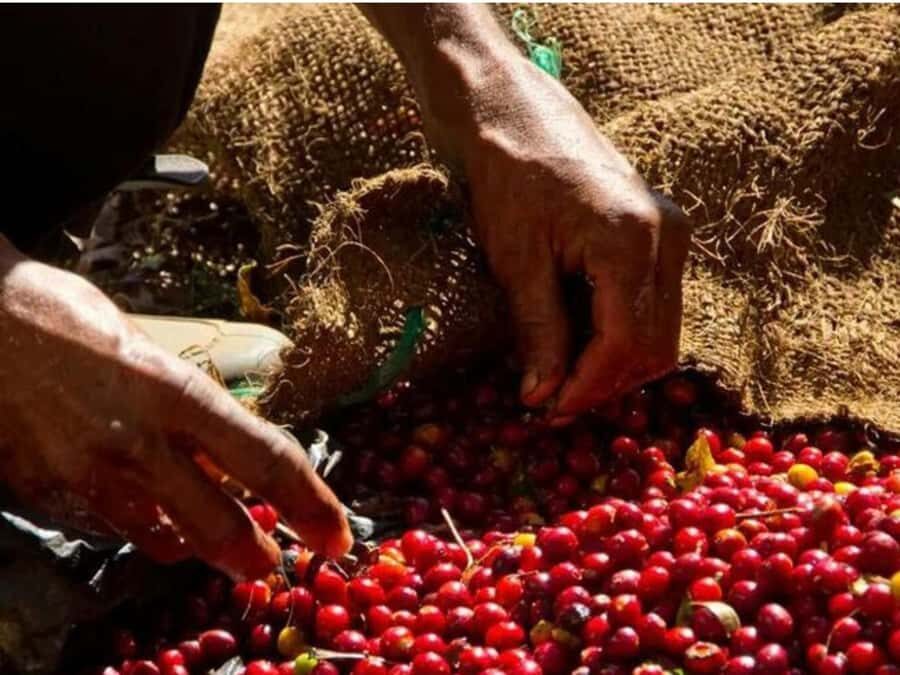
The farm stop is the heart of the tour. At Finca San Rafael, you visit a sustainable farm and get an explanation of how coffee and cocoa move from cultivation to transformation. This is not a rushed “look and leave” stop. The focus is the process: how these crops are grown, harvested, and then turned into products.
You’ll learn how practices have evolved from traditional methods toward more sustainable agroecological techniques. That phrase can sound abstract, but on the ground it often means smarter ways of working with the land—ways that keep the farm productive without stripping the ecosystem.
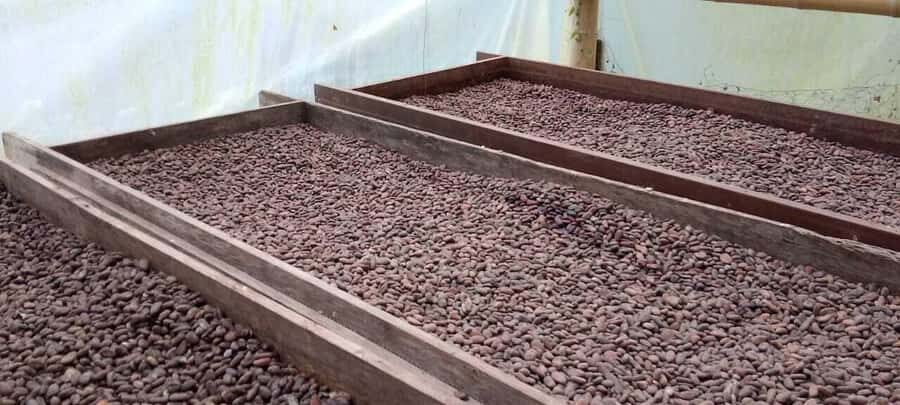
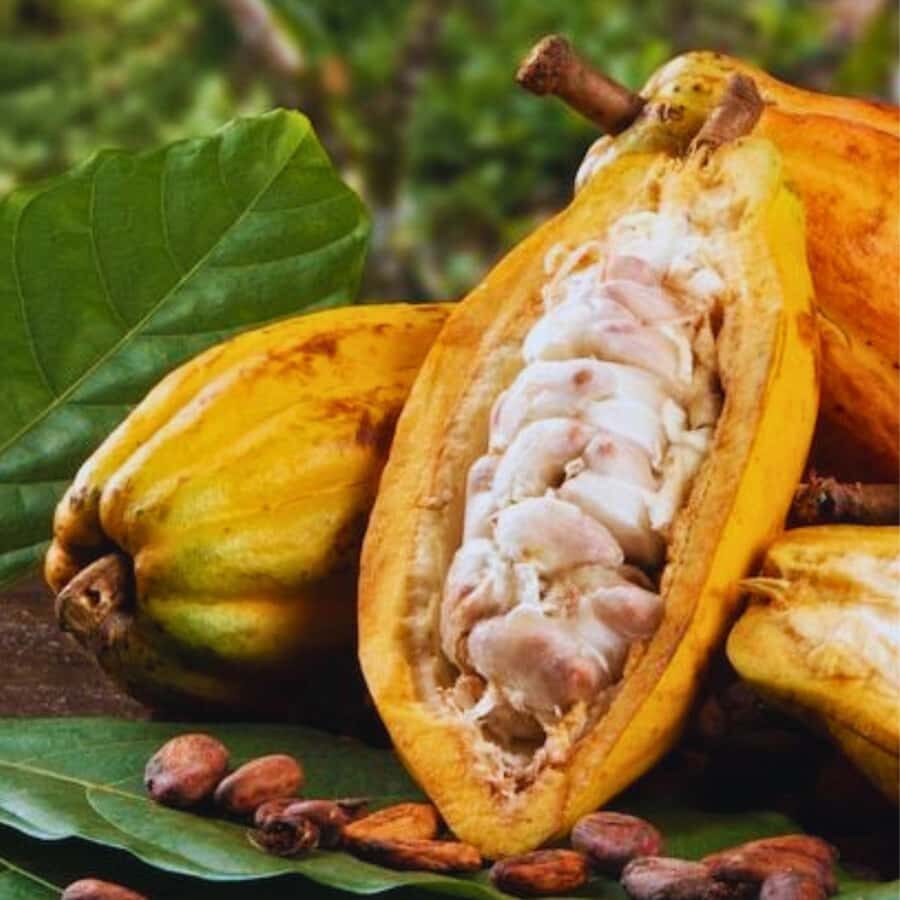
One of the most praised parts is the hands-on nature of the explanation. In past experiences, the cacao production portion has been shown in a very practical way, including manual steps. That detail matters because cocoa isn’t just a package on a shelf. It’s a chain of work—fermentation, drying, processing—and the guide helps you understand where each step fits.
This is also where the tour’s community side feels real. You’re hearing knowledge from the Sierra Nevada farming community, not from a scripted lecture. And you’re seeing how the farming choices connect directly to the flavors you’ll taste later.
Tasting Organic Coffee and Handmade Cocoa (Without Guesswork)
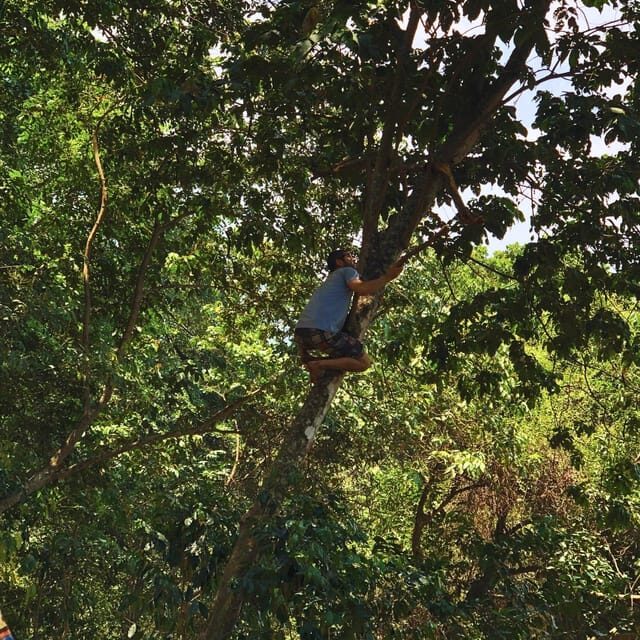
The tasting is built into the experience for a reason: it’s your reward, and it’s your lesson. You’ll sample organic coffee and handmade cocoa products made locally. That means you’re not just learning theory—you’re linking story to aroma.
I like that the tour doesn’t treat coffee and cocoa as separate attractions. The guide frames them as part of a shared farming world in Minca, so you can compare how different crop processes show up in the final product. And because it’s on-site, you can ask questions while the steps are still fresh in your mind.
What to do during tasting: slow down. Smell first, then take a small sip or bite. If the guide offers context, try to connect it to what you’re perceiving—coffee aroma, cocoa texture, and overall flavor profile. It’s the easiest way to turn a fun sample into a real understanding of production.
Also, you’ll likely come away with a new respect for the farmers. The best feedback from this tour points out that tasting where it’s grown feels surreal—because it is. Your coffee doesn’t feel anonymous here.
Views, River Stops, and Possible Waterfall Time
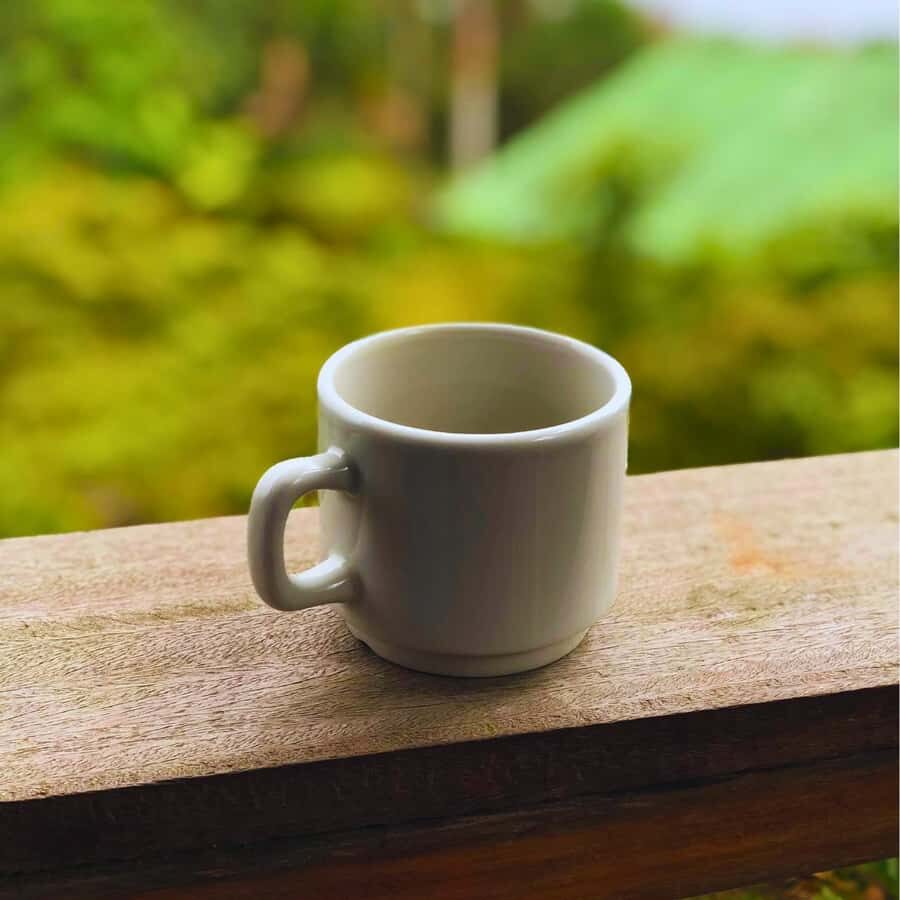
Between trails and farm learning, you get built-in breaks. The tour includes rest areas with panoramic views, plus access to natural water sources for refreshment. That’s helpful because Minca hikes can feel steamy, even when cloud cover changes the temperature.
Some days include extra nature payoff time. In previous experiences, people have mentioned a short chance to swim in a small natural lake at a waterfall. I’d treat that as a possible bonus rather than something to count on every day. Still, the fact that water stops are part of the route is a good sign if you like cooling off during a hike.
If you plan to get wet, bring a quick way to change or at least manage damp clothes afterward. Nothing glamorous, just practical.
Fitness Check: What the Hike Feels Like and What to Bring
This tour is not for someone who wants an easy walk. The description, plus the way the experience is talked about, points to a hearty uphill component. It’s short, but it can feel like work—especially in humid conditions.
The tour is listed as not suitable for:
- Children under 8
- Pregnant women
- Wheelchair users
- People with respiratory issues
- Older age brackets listed as over 70 / over 80 / over 95
If any of those apply, it’s smart to skip this one and choose a different Minca activity that matches your needs.
What to bring is very clear, and I’d follow it:
- Comfortable shoes (hiking shoes are ideal)
- Water and a reusable water bottle
- Biodegradable sunscreen and biodegradable insect repellent
- A hat and comfortable clothes that can get dirty
- Hiking pants or sportswear
- Waterproof clothing if you’re expecting rain
- Trekking gear if you use it
You’ll also want to keep the “rules” in mind: weapons or sharp objects aren’t allowed, alcohol and drugs aren’t allowed, and baby strollers and nudity are also not permitted. None of these should surprise you for a guided outdoor activity, but they’re good to remember before you pack.
Price and Value: Is $41 a Smart Use of Your Minca Time?
At $41 per person for about 4.5 hours, this tour looks like good value if you care about more than views. Why? Because the price includes a lot of what usually costs extra elsewhere:
- A local guide specialized in coffee, cocoa, and biodiversity
- A visit to a sustainable farm with explanation of cultivation and production
- Tasting of organic coffee and handmade cocoa
- A guided hike with observation of native flora and fauna
- Rest areas with panoramic views
- Natural water sources for refreshment
- Assistance insurance during the activity
- Direct contribution to local community and environmental conservation
Food and beverages aren’t included, nor is transportation. So you’ll want to plan lunch or snacks around the tour, especially if you’re the type who gets cranky when your stomach does.
Still, when you add up guide expertise, tastings, and the farm visit, it’s not just paying for a hike. You’re paying for a structured day of learning + tasting + nature time, all in one block.
Who This Tour Is Best For (and Who Should Skip It)
This fits well if you:
- Like coffee and cocoa and want to understand what happens before it lands in a cup
- Enjoy guided hikes through tropical forest and want nature interpretation, not just walking
- Prefer small, community-connected experiences over generic sightseeing
- Want a balanced mix: trail time, farming education, and tasting
You might skip it if:
- You want zero uphill effort
- You need wheelchair access or have breathing limitations
- You’re traveling with kids under 8 or you fall into the listed age categories not suited for the activity
- You don’t want to manage supplies like water, sunscreen, repellent, and shoes
Language is also worth thinking about. Guides can work in Spanish and English, which is great for most people. If you’re relying on English and want extra comfort, arrive ready to ask questions and listen closely during the farm sections.
Should You Book the Coffee, Cocoa and Trekking Tour in Minca?
I’d book this if you want a Minca experience that actually teaches you something and leaves you with a taste you can connect to the region. The farm stop at Finca San Rafael is the centerpiece, and the guided hike through forest and rivers adds weight to the whole story. It’s also a decent value for the combination of specialized guiding, tastings, and sustainability-minded community contribution.
I’d skip it if your idea of a vacation is flat terrain and easy walking, or if the listed health and age suitability rules apply to you. Also be ready for the practical side: bring the right shoes, drink water, and don’t show up expecting food to be included.
If you’re in Minca and you care about coffee, cocoa, and how people make a living while protecting their land, this tour is a solid choice.
FAQ
What is the duration of the coffee, cocoa and trekking tour?
The tour lasts 4.5 hours.
Where does the tour start and end?
It starts at the Central Park of Minca (near the church or small chapel) and ends back at the same meeting point.
What’s included in the tour price?
It includes a specialized local guide, a visit to a sustainable farm with cultivation and production explanations, tastings of organic coffee and handmade cocoa, a guided hike on natural trails, observation of native flora and fauna, rest areas with panoramic views, access to natural water sources for refreshment, assistance insurance during the activity, and direct contribution to the local community and conservation of the environment.
Is food or drinks included?
No. Food and beverages are not included.
What languages are the guides available in?
The tour is offered in Spanish and English.
What should I bring for the hike?
Bring comfortable shoes (or hiking shoes), water (and a reusable bottle), biodegradable sunscreen, biodegradable insect repellent, a hat, waterproof clothing if needed, and clothes that you don’t mind getting dirty.
Is it appropriate for children and mobility needs?
It is not suitable for children under 8, wheelchair users, pregnant women, and people with respiratory issues.