REVIEW · CARTAGENA
Bean to Bar: Cocoa and Chocolate Workshop
Book on GetYourGuide →Operated by Local Colombia · Bookable on GetYourGuide
Chocolate gets a lot more serious here. In 105 minutes in Bolívar, you see bean to bar come to life, with a tight mix of explanation, tasting, and hands-on making.
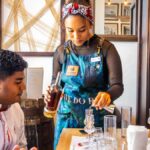
I love the access to a fully equipped chocolaterie setting, where the machinery and workflow help the process make sense fast. I also love the guide energy, especially when Alejandra (Ale) runs the class with clear, passionate answers and good momentum while you create.
The only real catch: this workshop is not suitable for people with food allergies, and chocolate can stain, so wear stain-friendly clothes.
In This Review
- Key things I’d circle on your map
- Arriving on Arsenal Street in Bolívar
- Step into the working chocolaterie (and why that matters)
- The cocoa story: beans, roasting, and separation
- Cacao percentages explained through what you make and taste
- Hands-on: making bonbons, truffles, or chocolate bars
- The sensory part: aroma, machinery, and chocolate in motion
- English and Spanish instruction in a private group
- Instructor energy: when Alejandra (Ale) guides the process
- Price and value: is $101 fair for 105 minutes?
- Who should book (and who should skip)
- Should you book Bean to Bar in Bolívar?
- FAQ
- How long is the Bean to Bar workshop?
- Where is the meeting point?
- How much does it cost?
- Is the workshop private?
- What languages are used during the workshop?
- What will I get to make?
- What types of chocolate are included for tasting?
- Is this experience suitable for people with food allergies?
- What should I wear?
- What if my schedule changes?
Key things I’d circle on your map
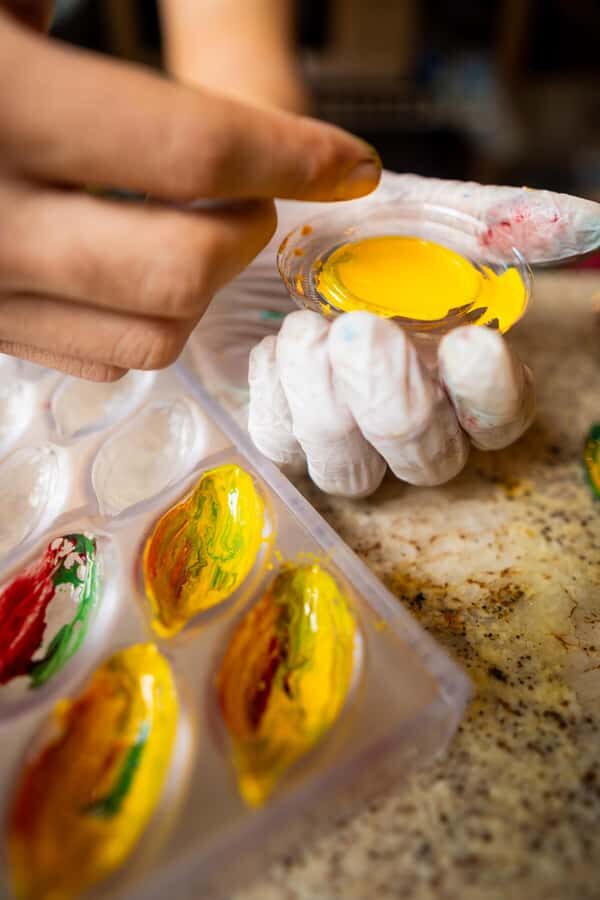
- Fully equipped chocolaterie setup with modern machinery you can see during the process
- Bean-to-bar workflow taught clearly, including roasting and separation
- Hands-on making time for bonbons, truffles, or chocolate bars
- Tasting by percentage and origin, including white 40%, milk 46%, dark 80%, and 100% cocoa
- Private group format with English/Spanish instruction so you can ask questions
Arriving on Arsenal Street in Bolívar
This starts in the city, not in some far-off countryside. Your meeting point is at the beginning of Arsenal Street—right around the corner and across from the convention center. Look for a two-story pink building with wooden barrels outside and a big free-hugs vibe.
When you arrive, the host will guide you to the exact spot for the experience. That matters more than you’d think. Chocolate workshops can feel easy to miss from the sidewalk, especially when you’re on foot and the street is busy.
Also, plan this as an indoor win. If the weather turns, you still get a full experience without scrambling for a backup plan.
You can also read our reviews of more drinking tours in Cartagena


Step into the working chocolaterie (and why that matters)
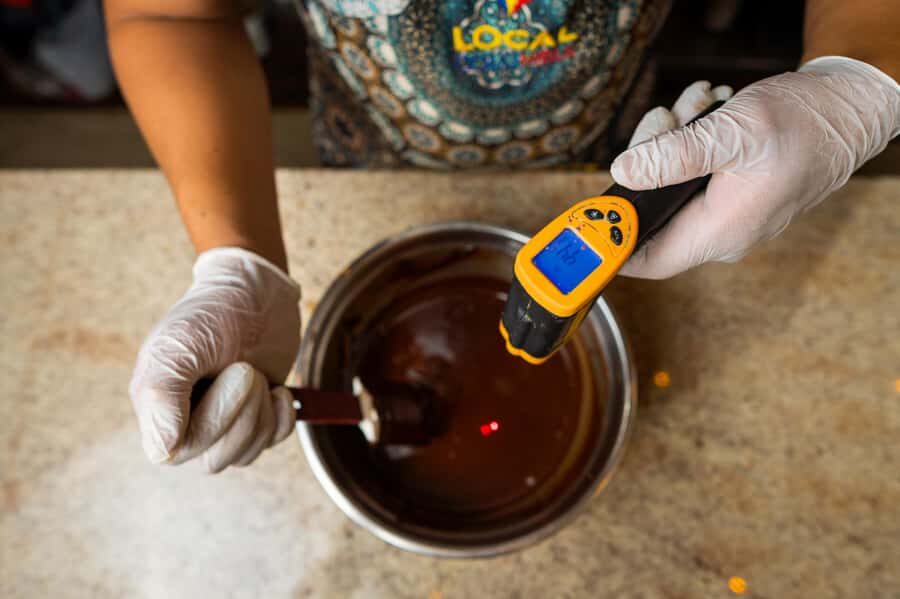
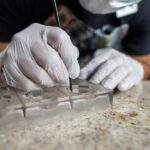
Once you’re in, you get something better than a slideshow: you’re inside a fully equipped chocolaterie. The class is built around real production tools, not just props. You’ll notice how the setup supports each step, from cocoa handling to the point where chocolate is ready for making.
The workshop’s pace is a big part of what makes it feel worthwhile in 105 minutes. You’re not stuck waiting around for someone to start from scratch. One review noted that some steps were completed ahead of time, which makes sense. It keeps your hands busy and your attention on the parts that teach you the most.
For you, that means two things:
- You leave with an understanding you can repeat later (not just a few facts).
- You get more making time, which is where the learning sticks.
The cocoa story: beans, roasting, and separation
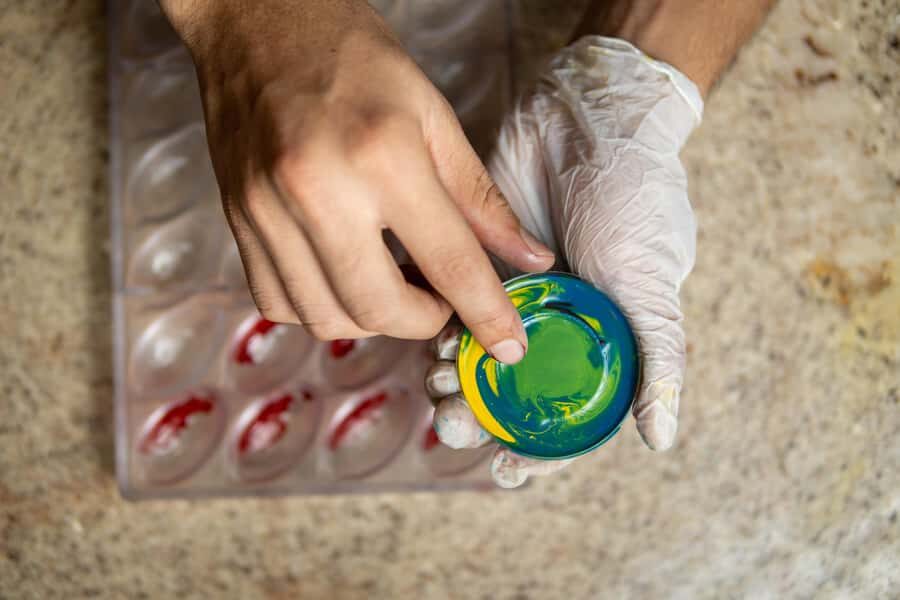
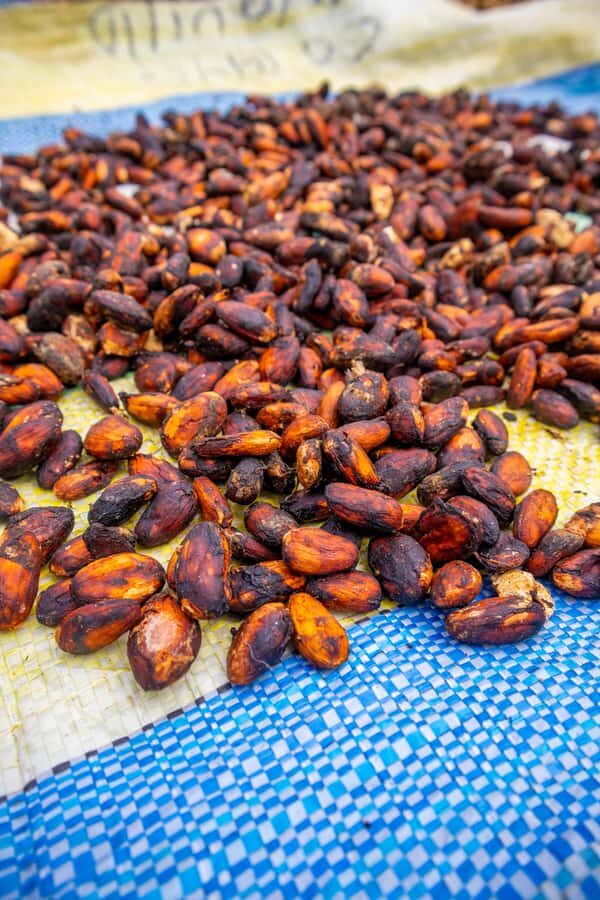
The heart of the class is the journey from cocoa bean to chocolate. You’ll get a guided look at the meticulous steps that turn raw cocoa into the ingredients chocolatiers work with.
You should expect three big learning moments:
First, you’ll see how roasting changes the bean. Roasting is where the flavor direction starts, and it’s where chocolate begins to smell like chocolate. It’s also the step that helps explain why cocoa from different origins can taste different.
Second, you’ll learn about separation. That’s the part where the bean’s components get sorted so the final chocolate can be built correctly. It’s not just technical. It also explains why texture and taste can vary from bar to bar.
Third, you’ll hear about why different cacao varieties matter at a national level. The class ties variety to real outcomes—flavor differences you can actually notice when tasting later.
This isn’t just trivia. When you understand roasting and separation, you stop thinking chocolate is one generic thing. You start seeing it as a process with decisions.
Cacao percentages explained through what you make and taste
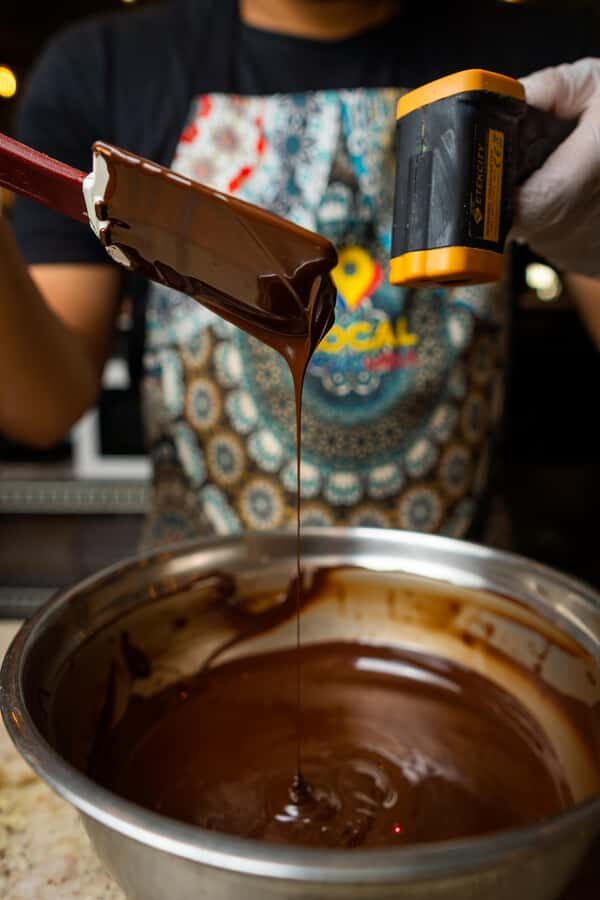
The workshop includes chocolate for tasting across different percentages and origins. You’ll see options like:
- white (40%)
- milk (46%)
- dark (80%)
- pure cocoa (100%)
- and blends
This is one of those “simple but powerful” parts. Percentage isn’t just a number on a wrapper. In the class setting, you get to associate the numbers with actual flavor and mouthfeel.
White chocolate can surprise people because it’s still “chocolate,” but the cocoa side behaves differently. Milk at 46% often hits a balance that feels creamy and approachable. Dark at 80% tends to bring more cocoa character and a firmer bite. And 100% cocoa is the no-sugar reality check—bold, intense, and not trying to please anyone with sweetness.
I like this approach because it trains your senses. You’re not just tasting once. You’re tasting as the class builds toward what you’ll create.
Hands-on: making bonbons, truffles, or chocolate bars
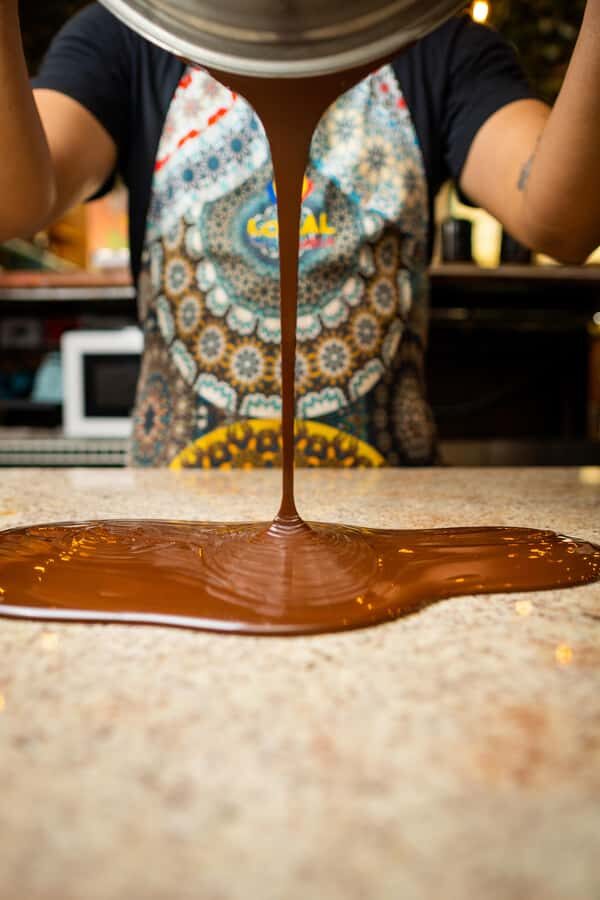
Here’s the fun part, and it’s also the learning part.
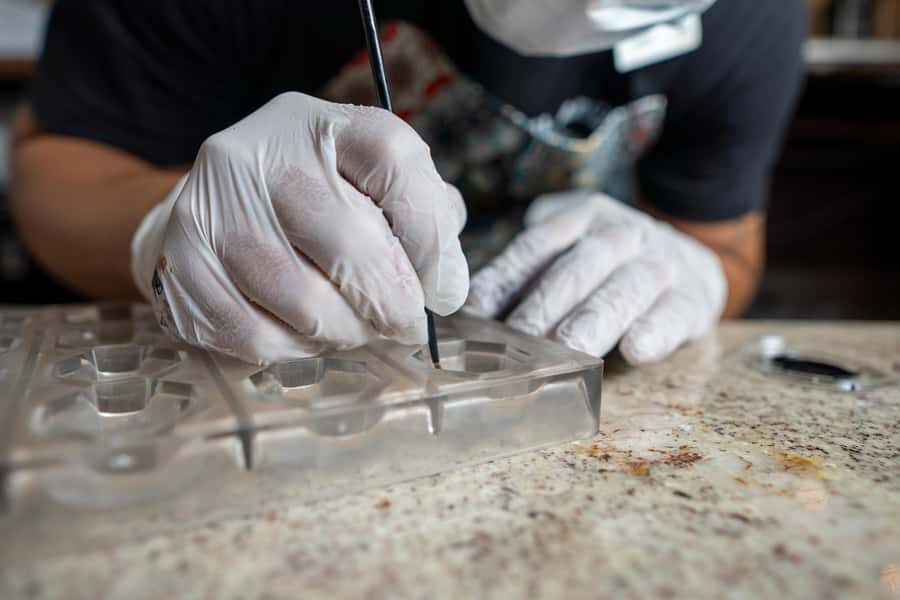
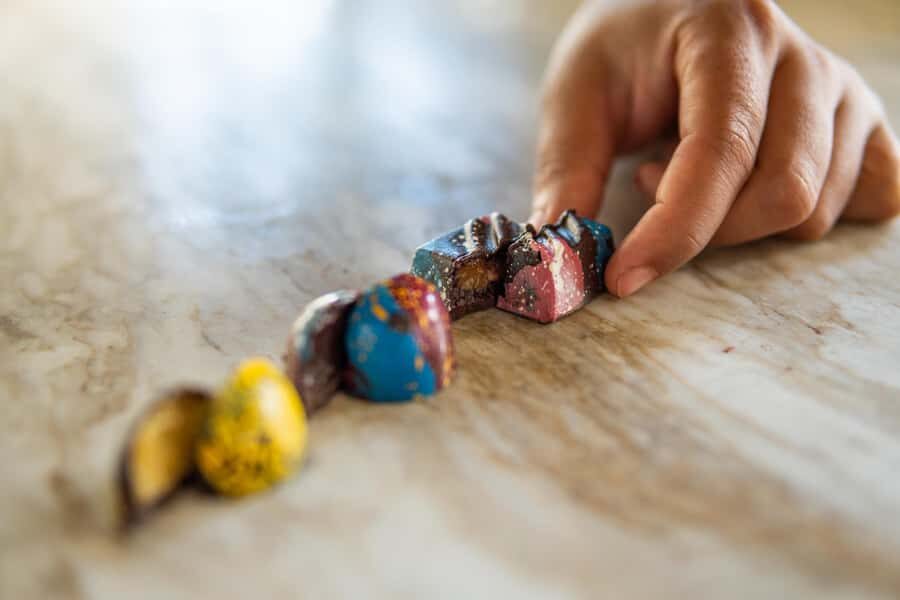
Under the guidance of skilled artisans, you’ll get to make your own chocolate creations. The class options include:
- bonbons
- truffles
- or chocolate bars
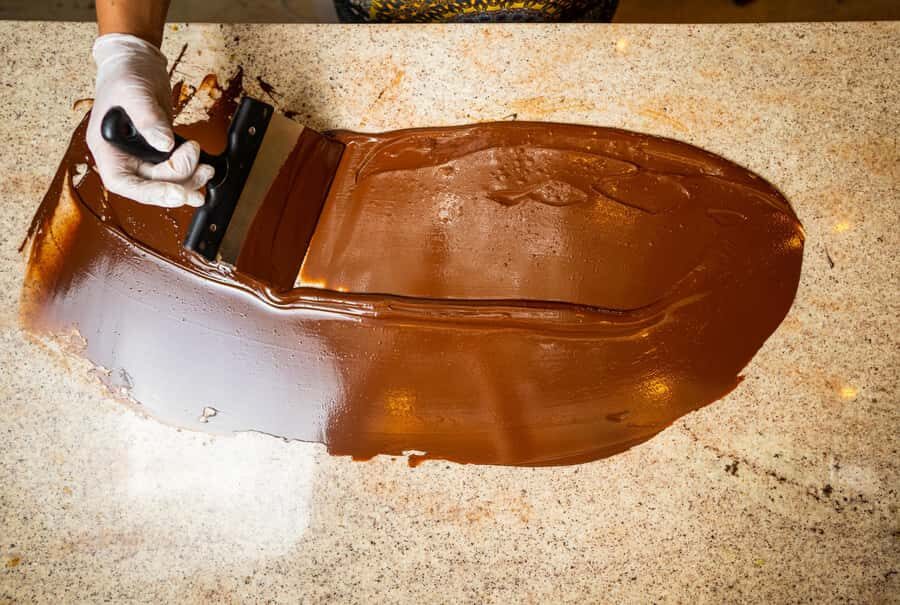
Your role isn’t “watch and hope.” You’ll work through the steps that lead to shaping and finishing your sweets. The workshop also encourages creativity, so it’s not only about copying. You’re meant to channel your inner chocolatier and experiment with ideas you can actually taste.
That’s a smart design for 105 minutes. It turns the class from entertainment into skill. And it gives you something tangible to take home, which always makes the experience feel more real.
One practical note: the class setup is hands-on, so go easy on your clothes. Even if you’re careful, you’re working with chocolate that can smear. Comfortable, stain-friendly clothing is strongly recommended.
A few more Cartagena tours and experiences worth a look
The sensory part: aroma, machinery, and chocolate in motion
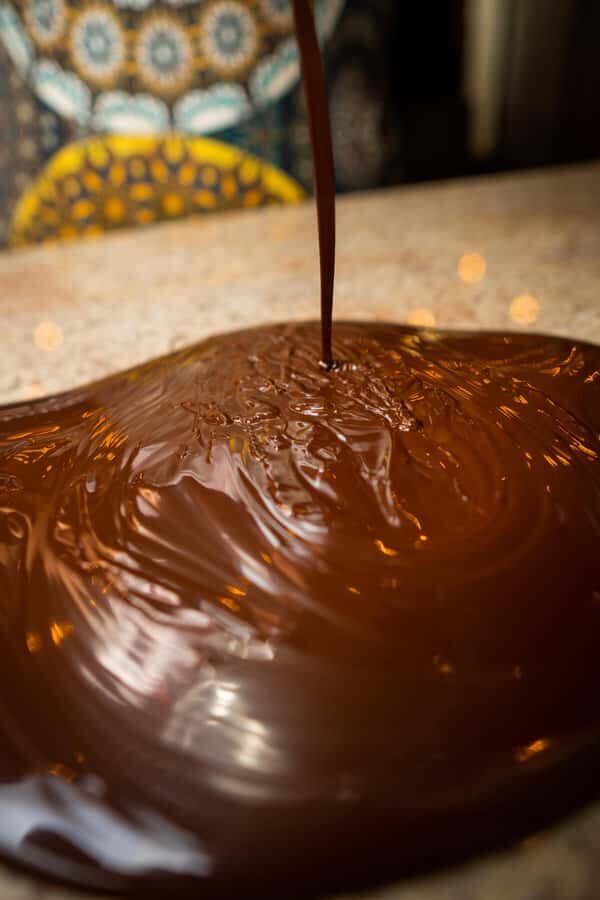
Chocolate-making has a sound and a smell. The workshop makes sure you notice both.
You’ll hear the whirring of machinery and feel the energy of a real production environment. And you’ll catch the aroma of freshly made chocolate, which shows up right when you start connecting the steps to the final result.
I think this sensory layer is why the class works for a wide range of people. If you’re more visual, the workflow helps. If you’re more sensory, the aroma and tasting do the teaching. If you like questions, a good guide can explain the why behind each step.
In past sessions, the production area has been accessible even on quieter days when active production wasn’t underway. So don’t stress if you don’t see every machine running constantly. You’re still learning the workflow and getting hands-on making time.
English and Spanish instruction in a private group
This is a private group experience. That’s a big deal for value, because it usually means more attention from the instructor and more space to ask questions.
Instruction is available in English and Spanish. If you’re traveling with mixed languages, you can pick what works best for your group.
A private format also helps you keep the class moving at the right speed. You’re not trying to follow a loud crowd while handling chocolate. The setting feels like a lesson designed for you, not a performance built for passersby.
Instructor energy: when Alejandra (Ale) guides the process
Some guides are good at explaining. Others are good at motivating you to care.
Alejandra (Ale) is specifically called out for passion and strong energy. In a chocolate workshop, that matters because the process can get technical fast. A guide who stays upbeat and answers questions keeps you engaged instead of lost.
If your class includes her (or a similarly energetic instructor), you can expect a balance of practical steps and real context—how cocoa connects to harvest and ecology at a level that doesn’t feel like a lecture.
Even if you’re a beginner, that style helps you understand what you’re doing rather than simply copying it.
Price and value: is $101 fair for 105 minutes?
At $101 per person for 105 minutes, you’re paying for three things that are hard to fake:
- The private, guided teaching time
- The included tasting across multiple percentages and origins
- The hands-on making of chocolate (bonbons, truffles, or bars)
If you think of it like a class plus ingredients, the price lands more reasonably. You’re not just getting a couple small samples. You’re tasting different cocoa styles and then producing something with your own hands.
It’s also a strong deal for people who want a meaningful indoor activity that still feels local. In places like Bolívar, doing something food-centered with real production tools is often the kind of experience that beats generic sightseeing because it teaches you how the place tastes.
That said, manage expectations. This isn’t a long farm expedition or a multi-hour masterclass. It’s a focused workshop. If you want a day-long, every-step-from-harvest tour, you might find 105 minutes feels short. But if you want craft, tasting, and making, it’s an efficient use of time.
Who should book (and who should skip)
Book this if:
- you like chocolate and want to understand why it tastes the way it does
- you enjoy hands-on activities more than museum-style learning
- you want an indoor option that still feels authentic
- you’re traveling with friends or as a couple and appreciate a private group setting
- you’re curious about how cacao variety and processing shape flavor
Skip it if:
- you have food allergies. This experience is not suitable for people with food allergies.
- you’re looking for a purely observational experience with zero mess. You will be handling chocolate.
Should you book Bean to Bar in Bolívar?
I’d book it if your idea of a great travel afternoon includes craft, tasting, and a guide who keeps the process understandable. The big win is that you don’t just learn the steps—you translate them into something you can hold and share.
If you’re deciding between a quick stop and a real activity, this one has a clear payoff. You leave knowing how roasting and separation feed into flavor, and you leave with chocolate you made, not just chocolate you bought.
Just bring stain-friendly clothes, go in ready to taste across percentages, and plan on a focused 105 minutes where you’ll do the work.
FAQ
How long is the Bean to Bar workshop?
The experience lasts 105 minutes.
Where is the meeting point?
Meet at the beginning of Arsenal Street, around the corner and across from the convention center. The host will take you from there to the exact spot. It’s a two-story pink building with wooden barrels outside.
How much does it cost?
The price is $101 per person.
Is the workshop private?
Yes, it’s a private group.
What languages are used during the workshop?
Instruction is available in English and Spanish.
What will I get to make?
You can make bonbons, truffles, or chocolate bars, guided by the artisans.
What types of chocolate are included for tasting?
Chocolate is included across different percentages and origins, including white (40%), milk (46%), dark (80%), pure cocoa (100%), and blends.
Is this experience suitable for people with food allergies?
No. It is not suitable for people with food allergies.
What should I wear?
Wear comfortable, stain-friendly clothing.
What if my schedule changes?
You can cancel up to 24 hours in advance for a full refund, and you can reserve now and pay later.