REVIEW · CARTAGENA
Cartagena: History, Culture & Coffee Experience
Book on GetYourGuide →Operated by Impulse Travel · Bookable on GetYourGuide
Cartagena’s forts and coffee tell two stories at once. This 4-hour guided tour strings together San Felipe Castle defenses, the La Popa Convent viewpoint, colonial-era landmarks, and a Colombian coffee tasting that explains why this country’s brew is taken seriously. You get a clear sense of where the city has been—and where it lives today.
What I like most is how the walk keeps pointing at cause-and-effect: pirates and watchpoints at San Felipe, then human rights connections at San Pedro Claver Church. You’ll also get standout city views from La Popa, plus a finish in Getsemaní where street art and local music make the history feel current.
One consideration: the tour ends on foot in the Historic Center, and return transportation to your hotel isn’t included. Also, the vehicle is only available for 3 hours during the Castillo de San Felipe and La Popa Convent portion, so expect real walking time afterward.
In This Review
- Key moments to know before you go
- Fortified Cartagena: San Felipe Castle and the logic of defense
- La Popa Convent: a viewpoint with a history and a payoff
- Historic Center walking: where the city’s colonial era shows up in details
- Centenario Park pause: shade, wildlife, and a reset in the middle
- Getsemaní finish: street art and local Cartagena after the history
- Price and value: what $152 buys you (and what it doesn’t)
- Guide quality and group feel: why it matters on this route
- What to bring and wear for a comfortable 4 hours
- Who should book this tour?
- Should you book this Cartagena History, Culture & Coffee Tour?
- FAQ
- How long is the Cartagena History, Culture & Coffee tour?
- Where does the tour start and where does it end?
- Is hotel pickup included?
- What attractions are included in the tour?
- Is the coffee tasting included?
- What language is the guide?
- Is the tour wheelchair accessible?
- What should I bring for the tour?
- Is free cancellation available?
Key moments to know before you go
- San Felipe Castle tunnels and watchpoints: built to protect the city from pirate attacks, with strategic stops you can actually picture
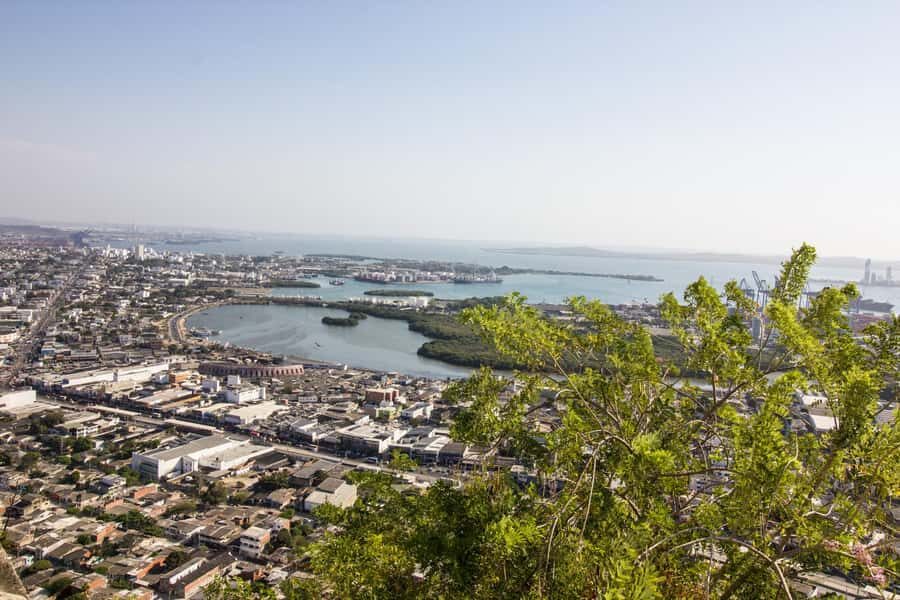
- La Popa Convent panoramic views: the highest point for looking over Cartagena, the bay, and the Caribbean Sea
- Historic Center landmarks with context: Plaza de la Aduana and the Clock Tower help you understand the colonial trading era
- Human-rights story at San Pedro Claver Church: a focused stop tied to the patron saint of human rights
- Centenario Park wildlife sightings: sloths, monkeys, and iguanas roam in a green break mid-walk
- Getsemaní local-culture finish: street art, murals, music, and welcoming neighborhood energy
Fortified Cartagena: San Felipe Castle and the logic of defense
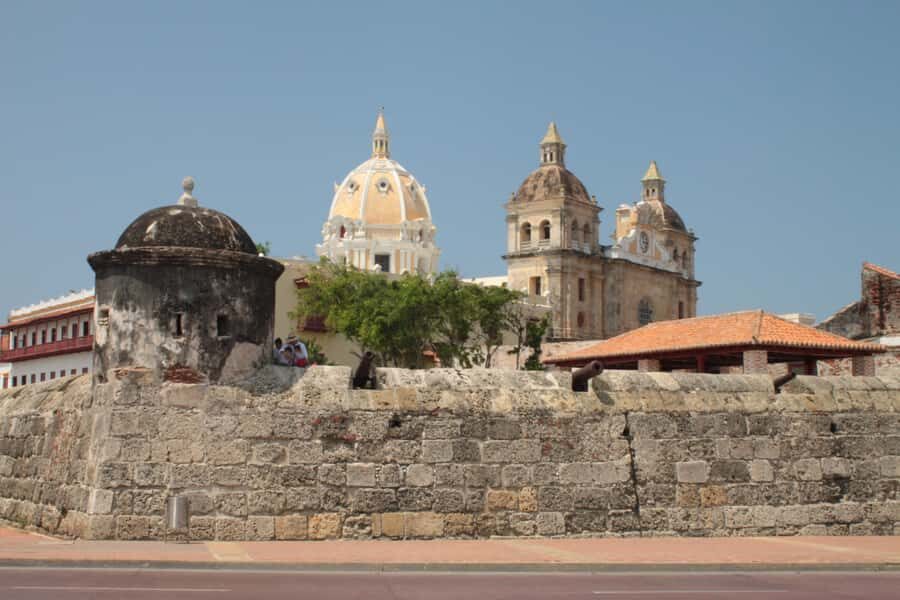
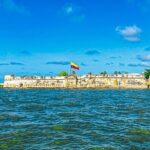
If Cartagena feels like a walled city for a reason, San Felipe Castle explains why. Spanish planners built it to defend Cartagena from pirate attacks, and the best way to understand its purpose is to see how the fort’s layout supports watching, controlling movement, and reacting fast when trouble is near. Even if you’re not a military-history person, the place is built for clues—tunnels, vantage points, and the way sightlines work.
You’ll explore underground tunnels and strategic watchpoints, which is where the tour’s storytelling becomes practical. It’s one thing to read that Cartagena was hard to attack; it’s another to stand in the kind of space defenders used and realize why that mattered. Your guide’s job here is to connect details into a simple picture: who had power, what threats existed, and how the city responded.
Practical tip: the castle involves walking and likely some uneven surfaces. Wear comfortable shoes and plan for sun, especially if your day starts bright. Bring water and don’t treat this as a quick photo stop—give yourself time to absorb the layout and the guide’s explanation.
You can also read our reviews of more historical tours in Cartagena

La Popa Convent: a viewpoint with a history and a payoff
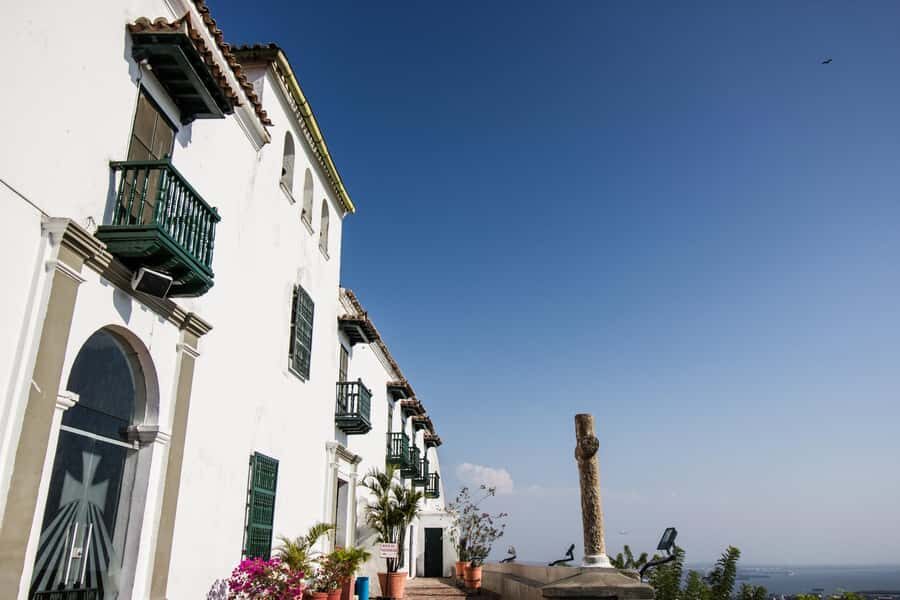
After the fortress, La Popa Convent shifts you from defense to altitude. This 17th-century monastery sits at the highest point in Cartagena, so the reward is immediate: panoramic views of the city, the bay, and the Caribbean Sea. It’s the kind of place where your photos come out better because your brain finally has room to see the whole city at once.
What makes La Popa more than a scenic break is the contrast with San Felipe. One place was built for protection; the other becomes a natural lookout. When you stand there, the city reads differently—you notice how the bay relates to the skyline, how neighborhoods sit, and where the geography would influence travel and trade.
Also, because La Popa is a monastery, be ready for a more respectful setting. Keep your pace steady, follow your guide’s directions, and use the moment to slow down. This stop is short on paper, but it does a lot for your understanding of Cartagena’s “big picture.”
Historic Center walking: where the city’s colonial era shows up in details
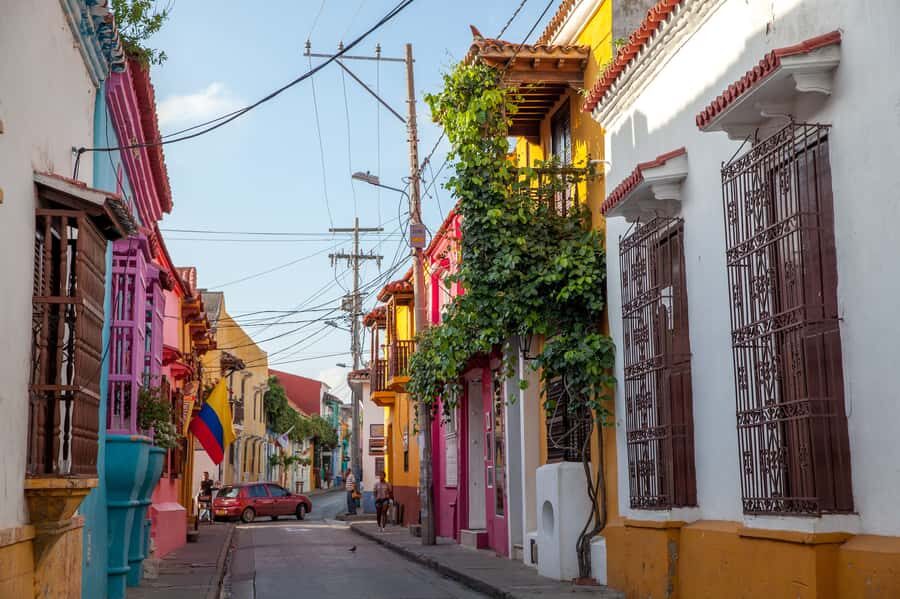
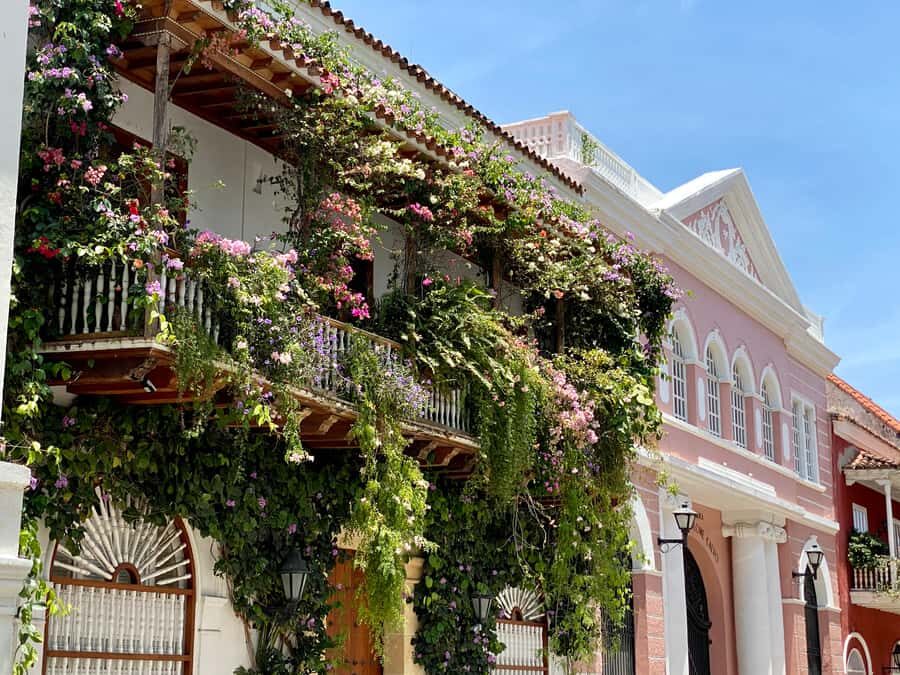
Once you move into Cartagena’s Historic Center, the tour becomes very “street-level.” You start near Plaza de la Aduana, and the guide connects a key fact to what you see: this was once a main trading hub for enslaved Africans during the colonial era. It’s a heavy topic, but the best tours handle it directly—without turning it into a vague background theme.
From there, you pass by the Clock Tower, described as the city’s emblematic entrance. That sounds like a postcard landmark, but the point is how it sets a rhythm: you’re moving through spaces that once organized commerce and arrivals. You’ll also visit San Pedro Claver Church, dedicated to the patron saint of human rights. This is one of those stops where the city’s story isn’t only about power—it’s also about moral resistance and human dignity.
Then you pause at Plaza de Bolívar, surrounded by beautiful colonial buildings. This is where you get a breather, but it’s also a chance to notice how public squares function. In a city like Cartagena, plazas aren’t just pretty; they’re where people gather, watch, talk, and keep social life going. Sitting here for a moment helps you reset your eyes after the castle and viewpoint.
A subtle benefit: because the tour is a guided walk, you don’t have to guess what each building meant. Your guide turns “I see another church/balcony/arch” into “Oh, that’s why this place matters.”
Centenario Park pause: shade, wildlife, and a reset in the middle
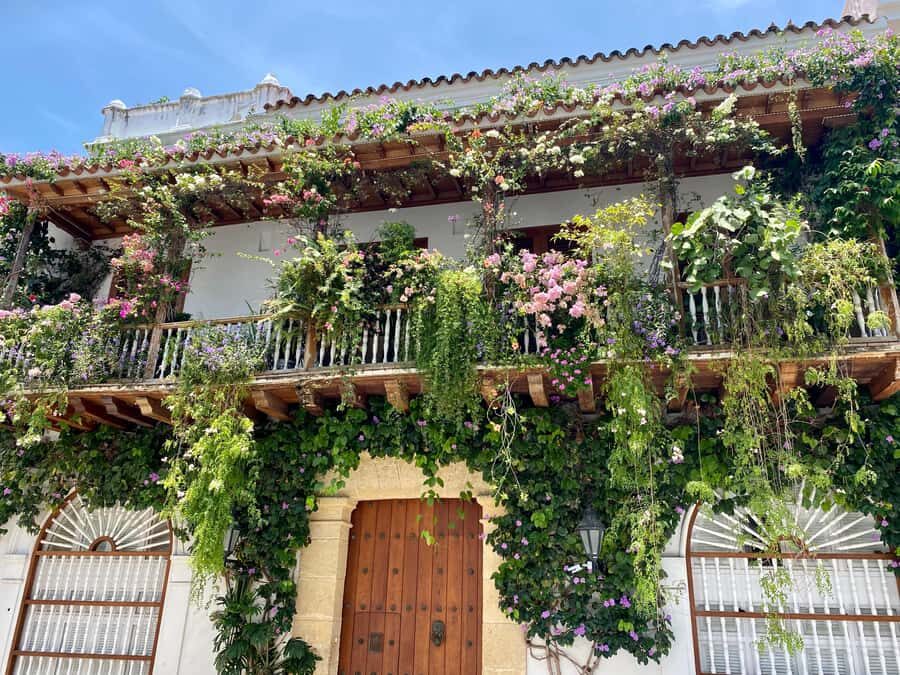
Most people think of Cartagena as all stone and sun. Centenario Park breaks that pattern. You’ll pass through this lush green space in the middle of the city where sloths, monkeys, and iguanas roam freely.
This is a good time to slow down, drink water, and let your feet recover. It’s also a reminder that the city isn’t only a museum piece. Even inside a historic footprint, nature shows up if you know where to look. If you’re traveling on a day packed with monuments, this park stop keeps the energy from going flat.
That said, wildlife sightings can’t be guaranteed. The value here is the chance to see animals in a city park setting, plus the shade and breathing room.
Getsemaní finish: street art and local Cartagena after the history
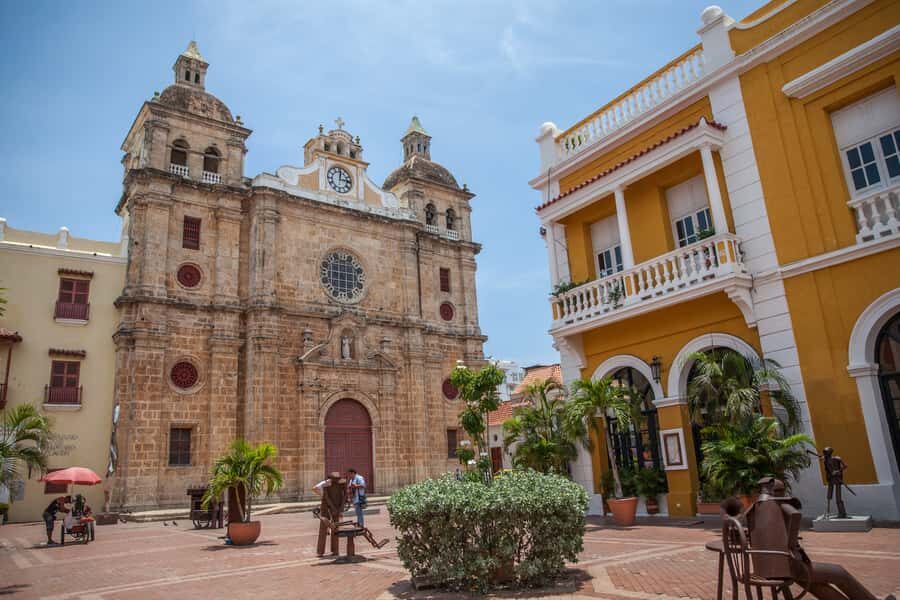
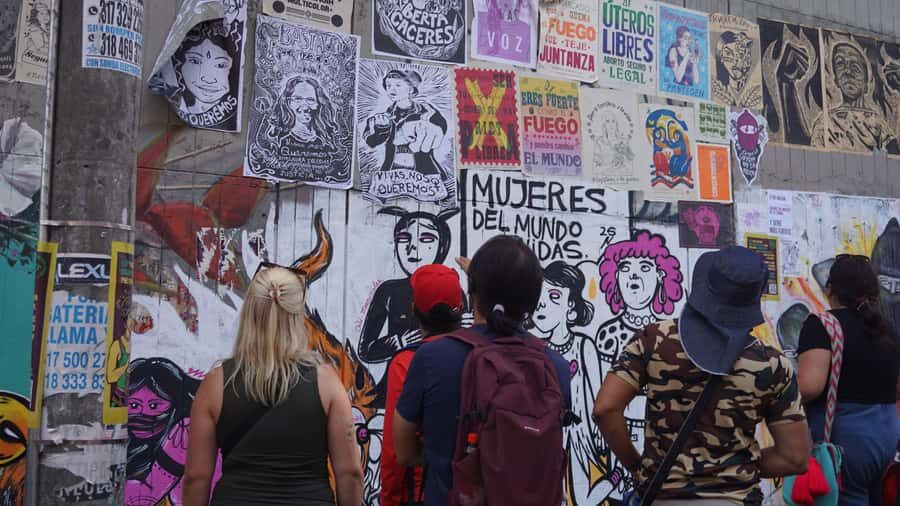
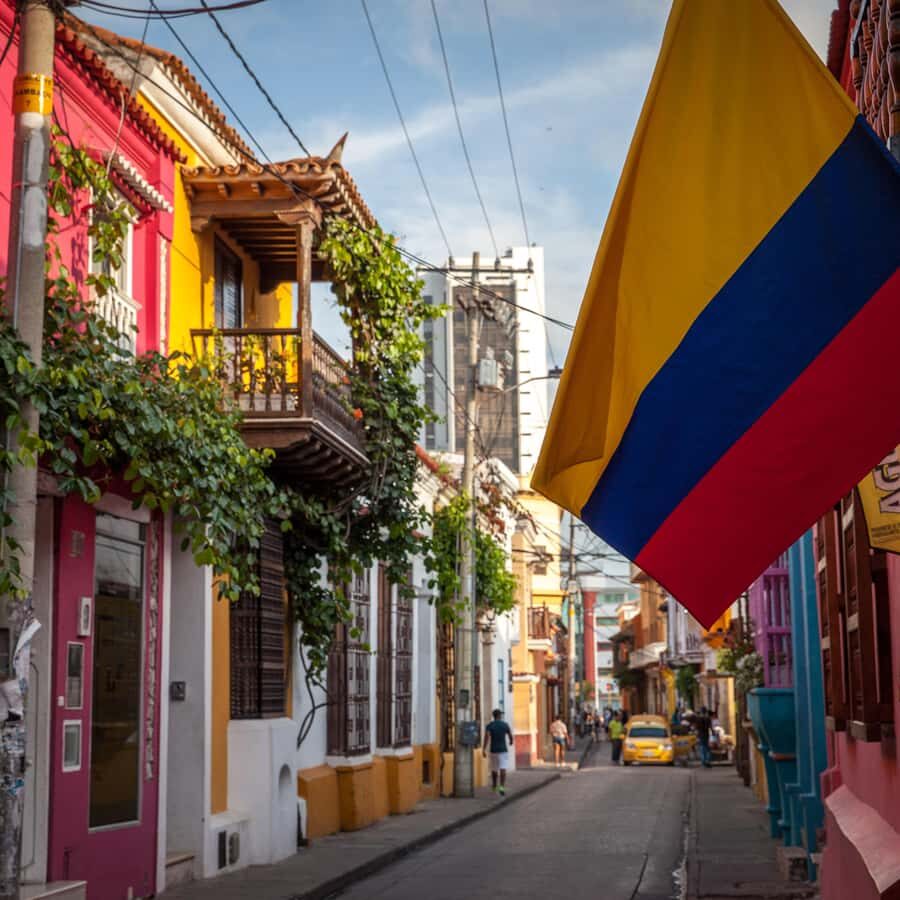
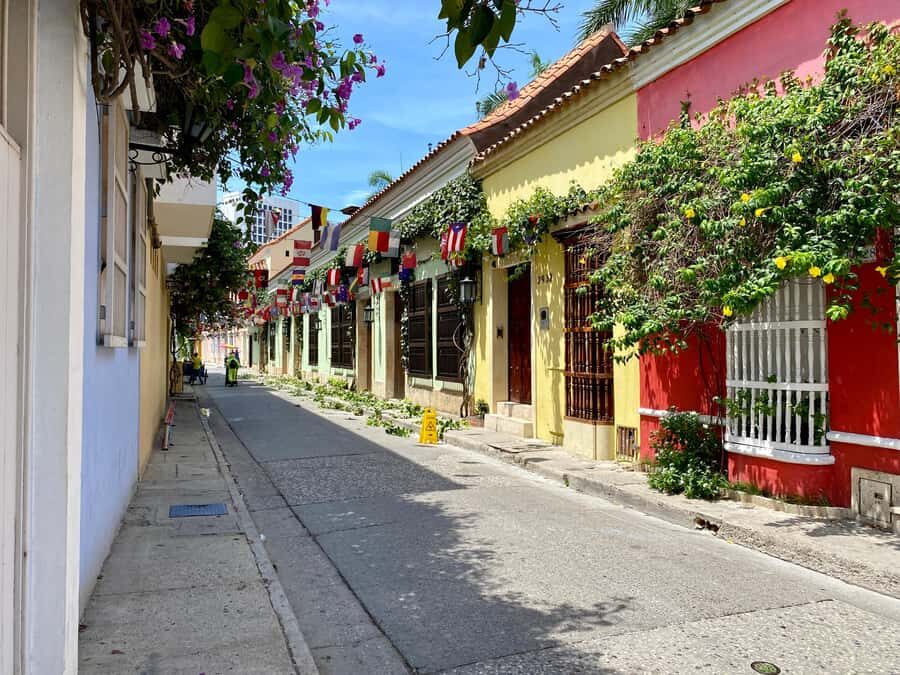
The tour ends in Getsemaní, which is the heart of Cartagena’s local culture. This is where the mood changes again. Instead of forts, churches, and official landmarks, you’re walking lively streets with colorful murals, street art, and music coming from somewhere nearby.
What I like about finishing here is that it makes the earlier stops make more sense. When you end in a neighborhood where locals actually live and create culture, you don’t just learn Cartagena’s past—you see how today carries on. It’s a practical way to keep from feeling like you only visited a set of backdrops.
If you want a simple plan for your last hour: take one good route photo, then put your phone away and walk slowly. Let the street rhythm do its job. You’ll remember it longer that way.
A few more Cartagena tours and experiences worth a look



Price and value: what $152 buys you (and what it doesn’t)
At $152 per person for a 4-hour tour, you’re paying for several things that usually cost extra when booked separately. You get a professional bilingual guide (English and Spanish), entry tickets to San Felipe Castle and La Popa Convent, and a small Colombian coffee tasting. On top of that, it’s a private group, which typically means you get a steadier pace and more room to ask questions.
Value also depends on logistics. If you’re staying in the Historic Center or Bocagrande, pickup is included, which saves time and reduces stress. If you’re farther out (Manzanillo has an additional cost), it can change the real cost once you factor in transportation. And since return transportation isn’t included at the end, you’ll want to plan how you’ll get back once you’re dropped into the Historic Center on foot.
So is it a good deal? For me, yes—when you’ll actually use the guided context. If you like learning what you’re seeing (and you want a smooth, pre-wired route), this price works. If you mainly want photos and you prefer to wander independently, you could spend less. But you’d also lose the “why this matters” links that make the tour feel like more than a checklist.
Guide quality and group feel: why it matters on this route
This type of tour lives or dies by the guide. You’re moving from tunnels to viewpoints to emotionally loaded colonial sites, and you don’t want someone rushing through. The good sign here is that guides who have led this experience have been described as friendly, fluent, and responsive to questions—plus patient with groups who need extra stops for pictures or slower movement.
If you’re traveling with mobility considerations, a private group can help. Your itinerary is short enough to adjust at key moments, and your guide can manage the pace without making you feel like you’re falling behind.
If you’re booking and you can choose your guide or you’re told who will lead, look for someone who’s comfortable explaining the “so what” behind each stop. Cartagena is full of meaningful buildings. The tour’s best moments come from connecting those details into a story that’s easy to follow.
What to bring and wear for a comfortable 4 hours
This tour is outdoors in the sun, with walking between major stops. Bring passport or ID card, sunscreen, and water. Wear comfortable clothes and walking shoes, and add a hat for sun protection.
Also note the simple rules: no alcohol or drugs, and no bare feet. It’s not hard, but it helps to remember before you show up.
Who should book this tour?
I think this one is ideal for you if:
- you want a guided introduction to Cartagena’s most important sights without spending the whole day managing logistics
- you enjoy context—how a fortress defended the city, how colonial trade shaped the Historic Center, and how human-rights stories fit into that timeline
- you want a mix of monuments and neighborhood life, ending in Getsemaní rather than straight back to the hotel
It might be less ideal if:
- you hate walking and want guaranteed return transit to your door
- you’re only interested in one or two attractions and would rather pick them off your own map
Should you book this Cartagena History, Culture & Coffee Tour?
If you’re visiting Cartagena for the first time and want your bearings fast, I’d book it. The route hits major anchors—San Felipe Castle, La Popa views, Historic Center landmarks, and a Getsemaní finish—while the coffee tasting adds a local flavor that feels like more than a sugary extra.
Just go in knowing the reality: you’ll do meaningful walking, and you’ll end in the Historic Center with no built-in ride back. If that fits your day plan, you’ll get a well-rounded snapshot of Cartagena that’s easy to understand and hard to forget.
FAQ
How long is the Cartagena History, Culture & Coffee tour?
The tour duration is 4 hours.
Where does the tour start and where does it end?
It ends on foot in the Historic Center. Hotel pickup is optional in the Historic Center, and pickup details should be provided when you book.
Is hotel pickup included?
Hotel pickup is included for Cartagena hotels in the Historic Center & Bocagrande. Pickup at Manzanillo area has an additional cost, and pickup is not included for the Manzanillo or Baru area unless arranged with the provider.
What attractions are included in the tour?
You’ll visit San Felipe Castle, La Popa Convent, and key stops in Cartagena’s Historic Center including Plaza de la Aduana, the Clock Tower, San Pedro Claver Church, Plaza de Bolívar, Centenario Park, and the Getsemaní neighborhood.
Is the coffee tasting included?
Yes. The tour includes a small Colombian coffee tasting.
What language is the guide?
The guide is bilingual, available in English and Spanish.
Is the tour wheelchair accessible?
Yes, the tour is wheelchair accessible.
What should I bring for the tour?
Bring your passport or ID card, comfortable shoes, sunscreen, and water.
Is free cancellation available?
Yes. You can cancel up to 24 hours in advance for a full refund.