REVIEW · CARTAGENA
Cartagena: FISHERMEN’S ISLAND IN THE MANGROVES by canoe
Book on GetYourGuide →Operated by AV COL · Bookable on GetYourGuide
Canoeing through mangroves feels like time travel. This trip mixes three mangrove tunnels with a native bilingual guide, and it also lands you on Fishermen’s Island for music, dancing, and local history. If you like wildlife sounds, slow water, and real Caribbean culture, this one hits the sweet spot.
One thing to plan for: the mangrove portion doesn’t include a hotel return at the end, so you’ll need to coordinate your way back through the provider.
In This Review
- Key things that make this tour worth your time
- Mangrove canoeing from La Boquilla: what the ride is really like
- The three mangrove tunnels: wildlife viewing that feels earned
- Meeting your native bilingual guide: why that storytelling matters
- Raft time and safety briefing: comfort tips for a smooth trip
- Isla de los Pescadores (Fishermen’s Island): music, dance, and local history
- Timing and route flow: how the day usually feels
- Pickup and drop-offs: where you start and how you get back
- Price ($28) and value: what you get for the money
- Who this tour is best for (and who should skip it)
- Quick booking checklist before you go
- Should you book this Cartagena mangrove-and-island canoe tour?
- FAQ
- Where does the tour start?
- Is pickup included in the price?
- How long is the tour?
- What language is the guide?
- What do you do in the mangroves?
- Do you see wildlife?
- What happens on Fishermen’s Island?
- Is there food or a drink included?
- Does the tour include a return to your hotel?
Key things that make this tour worth your time
- Traditional fishing canoe ride instead of a crowded boat, with a safety briefing included
- Three mangrove tunnels guided by a native who explains plants and animals as you sail
- Wildlife spotting options like flamingos, pelicans, crabs, and lots of birdlife depending on the day
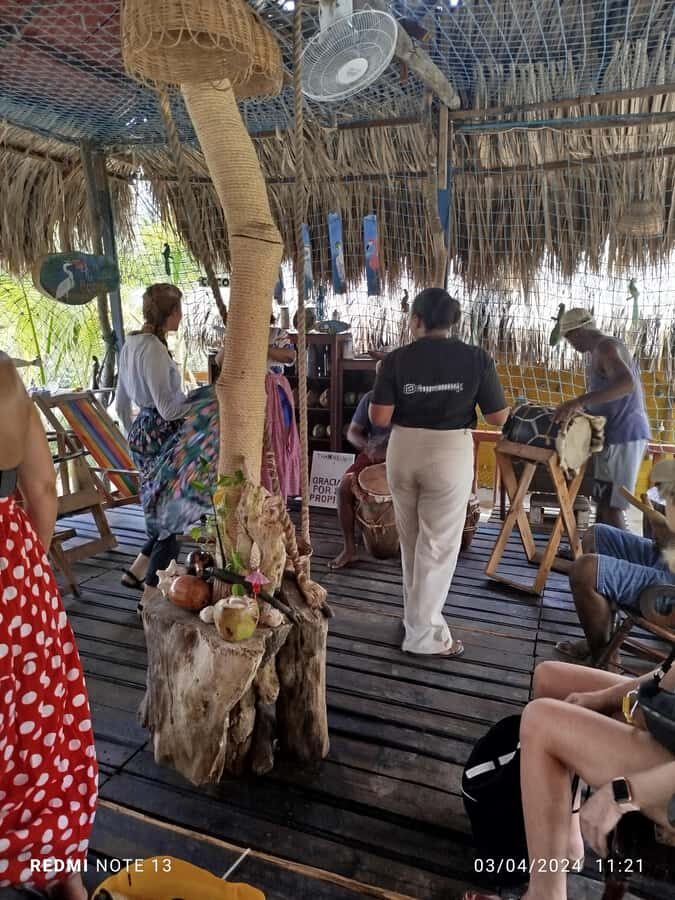
- Fishermen’s Island cultural break with coco frio and live music, dances, and history
- English or Spanish guidance from a bilingual native, so the experience stays personal
Mangrove canoeing from La Boquilla: what the ride is really like
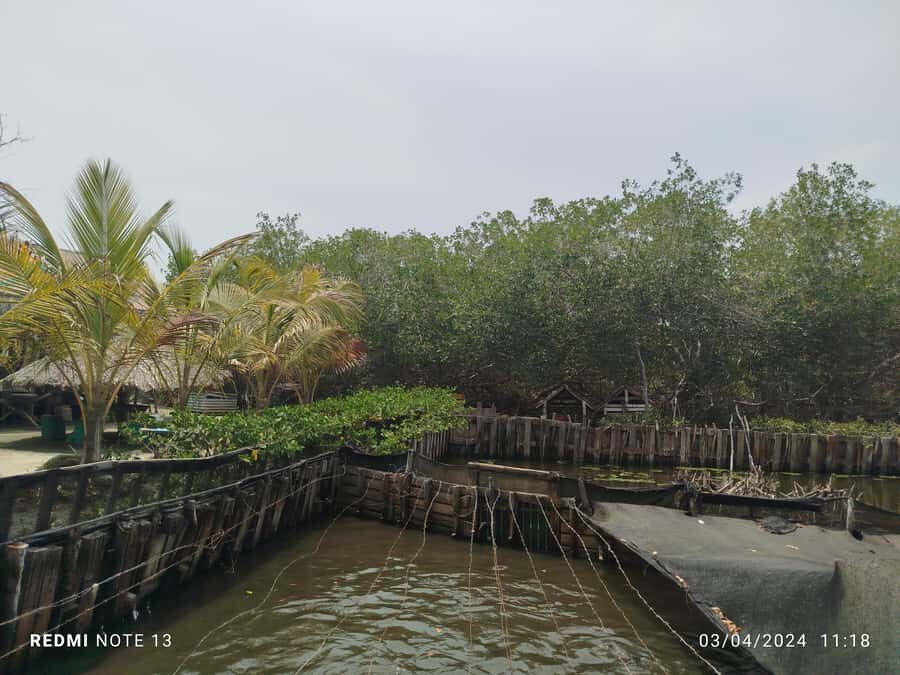
This activity starts in the beach-and-mangrove area of La Boquilla, near Caribe Blue and Manglares Hostel. The mood is part nature, part street-life texture: you’re not dropped into a polished tourist dock. You’re getting on a working-style canoe route where the water is calm enough for conversation and observation, and where the guide can point out what you’d otherwise miss.
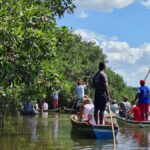
The format is a private group, and the tour uses a typical raft-style navigation by canoe. That matters because it keeps the trip flexible and lets you actually watch the mangroves do their thing—twisting roots, narrow channels, and shaded pockets where birds hang out and crabs can show up.
If your idea of a good Cartagena excursion is not racing around with a checklist, you’ll like this pacing. The tour’s focus is sensory: quiet water, bird calls overhead, and your guide narrating flora and fauna as you go. You’re in a living system, not a themed set.
A few more Cartagena tours and experiences worth a look
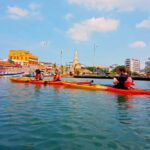
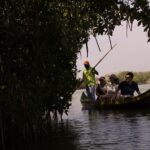
The three mangrove tunnels: wildlife viewing that feels earned
The heart of the experience is the sailing through three mangrove tunnels. You’ll spend about 1.5 hours sailing and touring in the mangrove area, guided by a native who talks about how the ecosystem works—what you’re looking at, what animals use it for, and why the mangroves matter.
What you can realistically hope to spot:
- Flamingos (possible)
- Pelicans (possible)
- Crabs, including colorful ones
- Amphibians and reptiles (possible)
- Lots of birds, depending on timing
Even if you don’t see every listed animal, the guide’s explanations make the mangrove scenery more than just “pretty roots.” You start recognizing patterns: where birds feed, where crabs hide, and how the plants shape the water routes inside the tunnels.
This is also where you’ll hear the place doing its soundtrack. Between bird singing and the gentle movement of the canoe, it often feels like you’ve stepped out of Cartagena’s noise and into something quieter and more grounded.
Meeting your native bilingual guide: why that storytelling matters
A big reason this tour rates high is the native bilingual guide approach. You’ll have narration in English or Spanish, and the goal is practical: not just facts, but explanations that connect the mangroves and fishermen’s island culture to real everyday life.
Two guide names come up strongly in feedback: Domingo and Sandra. Domingo is described as attentive and hospitalario, staying with the group from the start and even afterward. Sandra is praised for energy, strong plant-and-animal knowledge, and especially clear English.
What this means for you: you’re not just looking at animals—you’re learning how the ecosystem supports local livelihoods and how people interpret the landscape. That makes the cultural portion on Fishermen’s Island feel like a continuation, not a separate add-on.
Raft time and safety briefing: comfort tips for a smooth trip
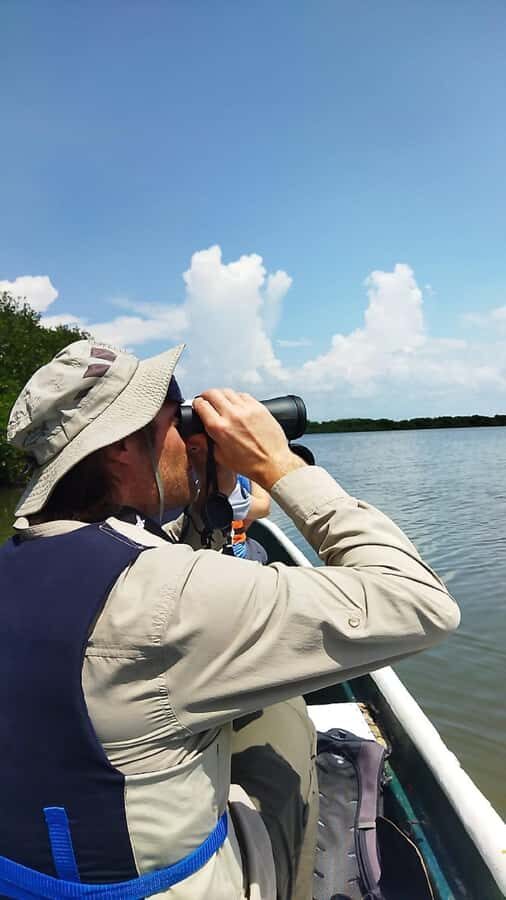
Before the mangrove sailing, there’s a safety briefing, and you’ll also have the typical raft/navigation time included in the schedule. The ride itself is not described as extreme, but it is a canoe/raft-style outing in natural water conditions.
Practical tips:
- Bring a light layer. Even in warm Cartagena, you can feel cooler near open water.
- Wear shoes you don’t mind getting a little wet if you end up near the shoreline area during pickup or boarding.
- If you’re sensitive to noise, know that bird sounds and local music later on can be loud—but that’s part of the culture, not an annoyance.
The goal is simple: keep the experience comfortable enough that you can focus on the tunnels and the wildlife.
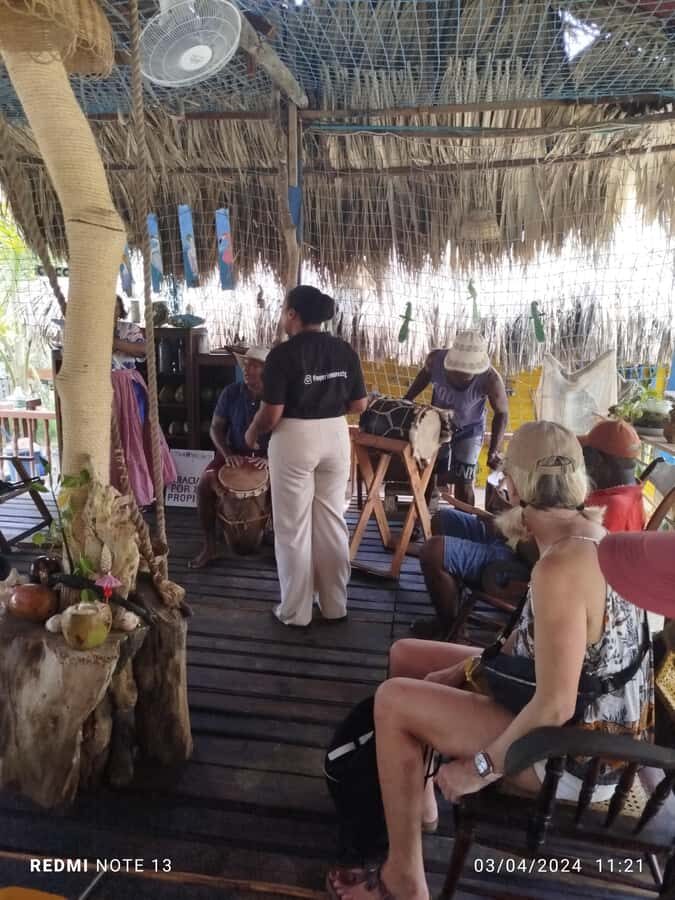
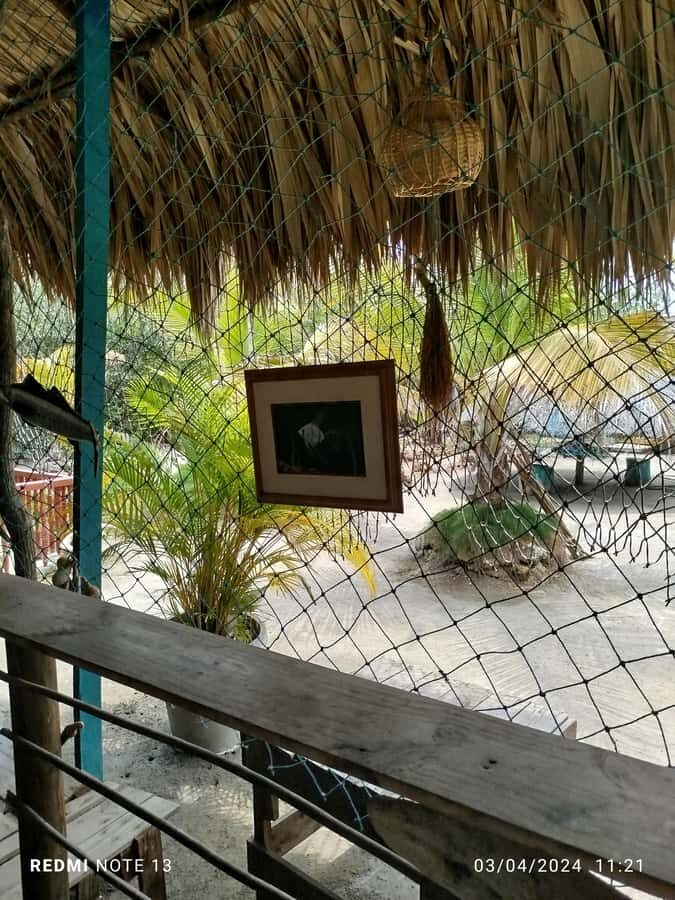
Isla de los Pescadores (Fishermen’s Island): music, dance, and local history
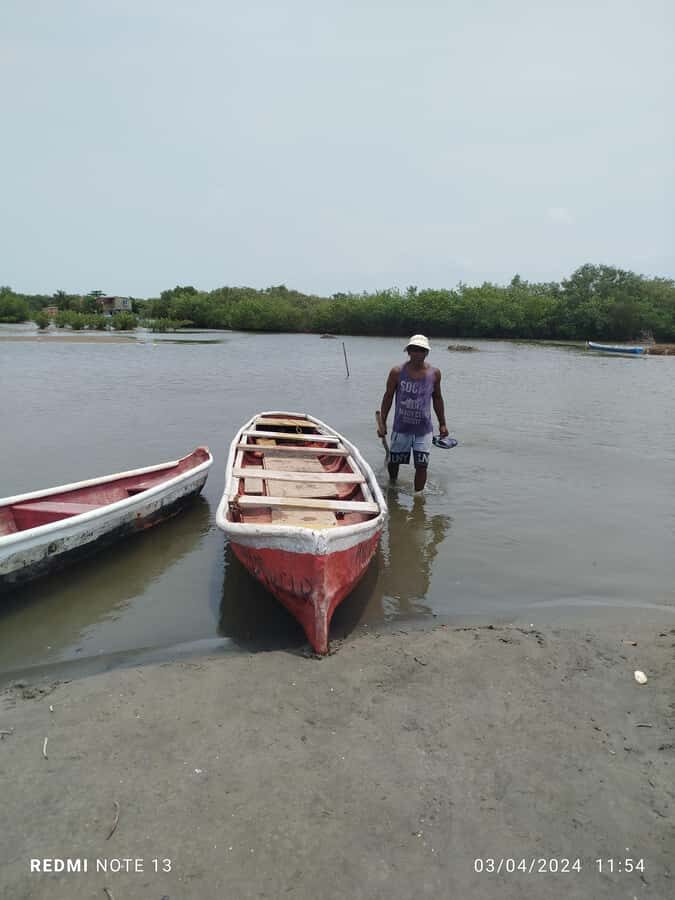
After the mangrove sailing, the tour takes you to Isla de los Pescadores. This part is where the trip shifts from nature explanation to Caribbean culture.
You’ll get:
- Access to the island and a guided visit/sightseeing
- Time to enjoy coco frio
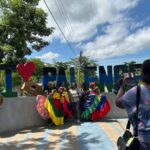
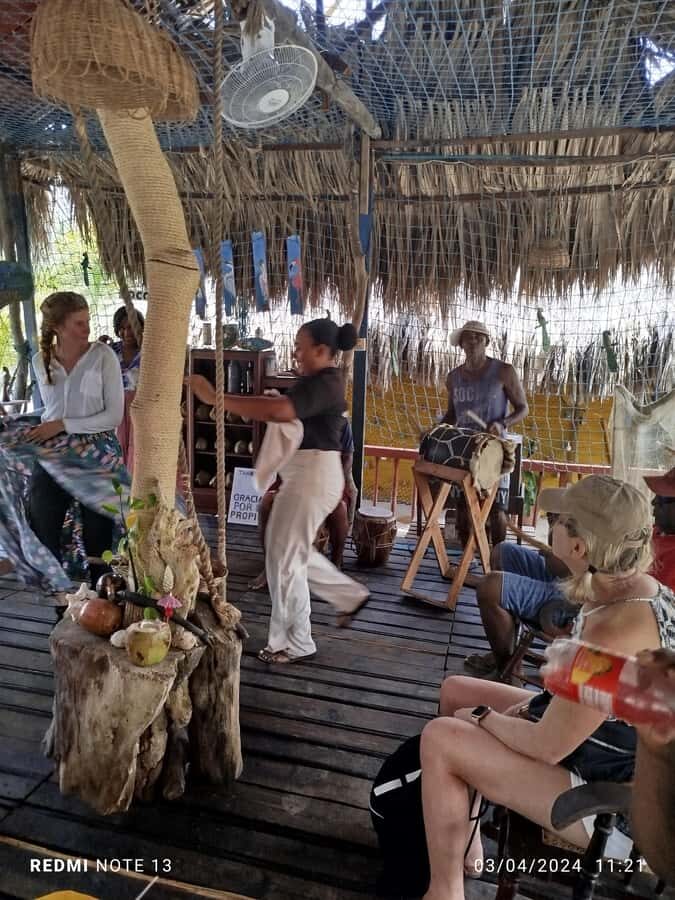
- Music and typical dance shows, with dancing encouraged
- A chance to learn a bit about their history and what Caribbean culture looks like on the ground
This island stop is not just photos and leaving. It’s designed as an experience—listen, watch, and join in if you want. It’s also a social change of pace: from silent mangrove observation to live sound and movement.
If you’re traveling with people who only want “viewpoints” and hate anything cultural, this might be slightly outside their comfort zone. But if you like authenticity and human connection, it’s the part that turns the trip from nature activity into a real Cartagena day.




Timing and route flow: how the day usually feels
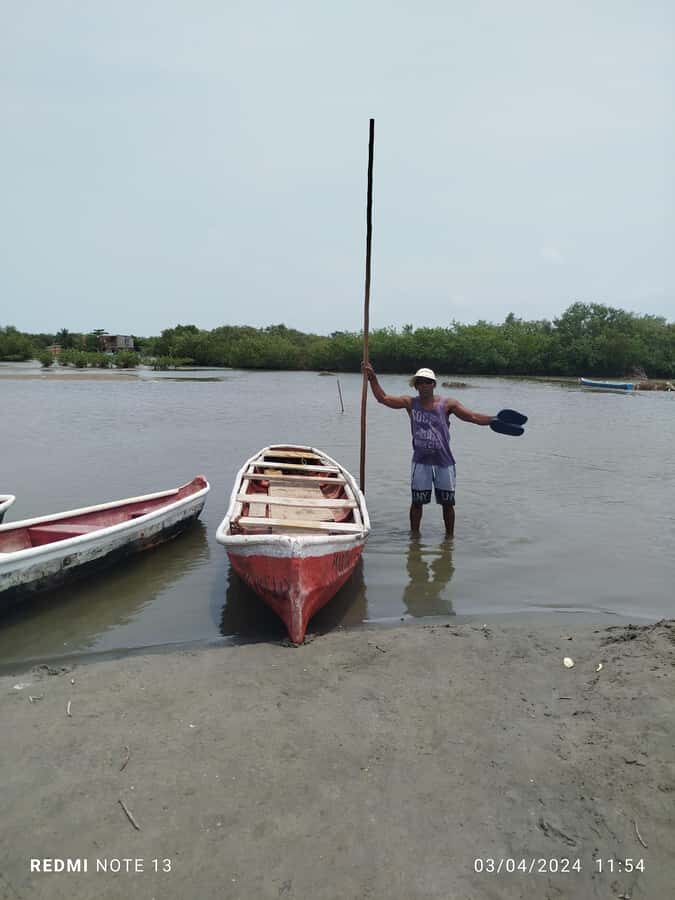
The tour is listed at 2 hours, and the experience description talks about closer to 2 and a half hours including the sailing components. Either way, the pace is organized around:
1) getting from the pickup/meeting area to the canoe/raft time,
2) about 1.5 hours of guided mangrove sailing through three tunnels,
3) about 1.5 hours at Fishermen’s Island with guided sightseeing and cultural shows,
4) then returning by your second transport point options.
There’s also a 30-minute raft transfer segment at the beginning and end. So don’t plan to run off immediately afterward. This trip is for people who can slow down and accept a natural rhythm.
A practical heads-up: the provider coordinates much of this via WhatsApp, and the mangrove tour doesn’t include a hotel return after the end of the activity.
Pickup and drop-offs: where you start and how you get back
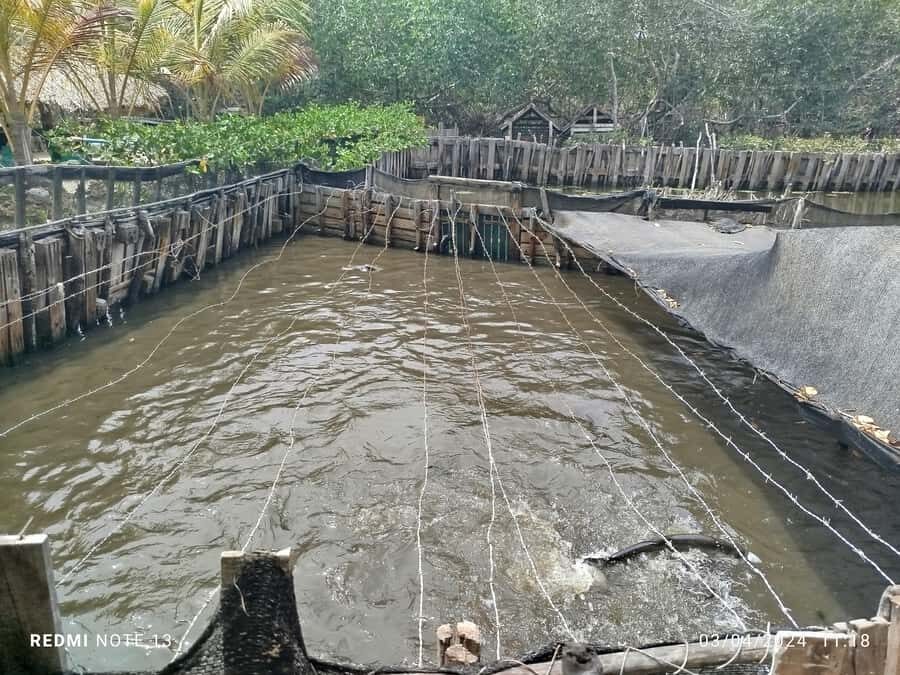
Your meeting point is in La Boquilla’s beach and mangrove area, near Caribe Blue and Manglares Hostel. Pickup is optional, and you can choose from many pickup points across Cartagena, including zones like Bocagrande, Laguito, Catillogrande, Manga, Ciudad Antigua, center, Marbella, Cabrero, Crespo, Los Morros, La Boquilla, and more.
If you request pickup, there’s an extra transportation cost reported as ranging from about $4 to $10 USD, depending on where you’re picked up.
Drop-off options include La Boquilla and Caribe Blue. That’s helpful because it means you may not need to travel far after the cultural island portion. Still, because there isn’t an automatic hotel return, you should line up your plan before you go—especially if you’re basing yourself in a quieter area and relying on the provider to manage your end-of-day logistics.
Price ($28) and value: what you get for the money
At $28 per person, this is priced like a mid-range excursion, but the value comes from the mix of components:
- canoe navigation through mangrove tunnels (not a quick pass),
- native bilingual guiding for both nature and culture,
- wildlife opportunities (birds, crabs, possible flamingos and pelicans),
- entry to Isla de los Pescadores with music and dance shows,
- plus coco frio and guiding throughout.
If you tried to DIY this, you’d likely spend time piecing together boat access, local guiding, and a cultural island stop. Here, the structure is already set. The private group element also matters—less time waiting around, and more ability to ask questions.
The main reason the value can feel “great” is that the tour doesn’t treat the island culture like a side quest. It’s part of the point.
Who this tour is best for (and who should skip it)
This tour is a great match if you:
- love nature with a story, not just a pretty view,
- want wildlife sounds and mangrove explanations from a native guide,
- enjoy Caribbean music and dancing enough to stay for the island portion,
- like smaller, more personal group dynamics (it’s private).
It may be less ideal if you:
- need a strict end-at-your-hotel schedule (since return to the hotel isn’t included),
- dislike boats/canoes at all, even if the pace is calm,
- prefer only high-comfort, fully controlled tourist environments.
Quick booking checklist before you go
A few things I’d do to make this smoother:
- Choose whether you want pickup or just meet at the La Boquilla area.
- Message the provider on WhatsApp with any questions, especially about end-of-day transport.
- Plan footwear for a beach/mangrove environment and bring a light layer.
- Have patience for timing. This is a guided natural-and-cultural flow, not a rushed photo line.
Should you book this Cartagena mangrove-and-island canoe tour?
I’d book it if you want a trip that mixes three mangrove tunnels with real people and real sound—music, dance, and local storytelling on Fishermen’s Island. At $28, it’s also one of the better “value-per-time” options because you get both nature guiding and a cultural stop, without needing to coordinate multiple separate activities.
Book it with the one caveat in mind: don’t assume you’ll be carried back to your hotel at the end. If you sort your transport plan up front, you’ll get a calm canoe ride, good wildlife odds, and an island finale that actually feels like part of Cartagena.
FAQ
Where does the tour start?
It starts at the beach and mangroves of La Boquilla, near Caribe Blue and Manglares Hostel. A pickup option is available if you request transportation.
Is pickup included in the price?
Pickup is optional. If you choose pickup, the transportation cost varies depending on the pickup location, roughly between $4 and $10 USD.
How long is the tour?
The duration is listed as about 2 hours, and the sailing and island parts add up to roughly 2 to 2.5 hours in total.
What language is the guide?
The live guide is available in English and Spanish, and the tour is led by a native bilingual guide.
What do you do in the mangroves?
You sail through three mangrove tunnels with a guided tour, learning about the flora and fauna and listening for bird singing as you travel.
Do you see wildlife?
You might see flamingos, pelicans, crabs, and various birds depending on the time of your journey. The tour also mentions possible amphibians and reptiles.
What happens on Fishermen’s Island?
You visit Isla de los Pescadores for sightseeing and a guided experience, including music, dance, typical dance shows, and learning some history.
Is there food or a drink included?
Yes. On the island, you’ll enjoy coco frio as part of the experience.
Does the tour include a return to your hotel?
No. The mangrove tour does not include returning you to your hotel after the tour ends. The provider coordinates through WhatsApp, and drop-off options include La Boquilla and Caribe Blue.