REVIEW · CARTAGENA
Cartagena Grand City Tour
Book on GetYourGuide →Operated by Impulse Travel · Bookable on GetYourGuide
Cartagena can feel like two cities at once. This Grand City Tour strings them together in a single 8-hour loop, from shoreline neighborhoods to the hilltop fortress views. I really like how you get an easy, guided orientation before you start walking in the historic core.
Two things I especially appreciate are the mix of neighborhoods—Bocagrande, Manga, Getsemaní, and the Old City—and the way the architecture changes as you move. One possible drawback to plan for: you’ll spend a good chunk of the day in transit, and the tour ends with a walk in the historic center without transportation back to your hotel (so confirm your exact drop-off point).
In This Review
- Key Points Before You Go
- Getting Your Bearings: Bocagrande and Manga Panoramas
- Bazurto Market: Real Cartagena, Not Just the Postcards
- After Lunch in the Old City and Getsemaní
- Castillo de San Felipe de Barajas: The Fortress That Explains the City
- Plaza de Bolívar and San Pedro Claver Church
- La Popa and Cerro de la Popa: The View Worth the Time
- The 8-Hour Reality: Transit Time vs. Sightseeing Time
- Price and Value: Is $301 a Good Deal?
- Who Should Book This Tour (and Who Might Skip It)
- Should You Book the Cartagena Grand City Tour?
- FAQ
- How long is the Cartagena Grand City Tour?
- Where does the tour start?
- What language is the guide available in?
- Is lunch included?
- Are entrance fees included?
- What is not included during the tour?
- What should I bring for the tour?
- Why do they ask for a copy of my passport and entry stamp photo?
Key Points Before You Go
- Bocagrande and Manga panoramas give you the “where am I?” big picture fast
- Bazurto market option lets you experience everyday Cartagena beyond the postcard streets
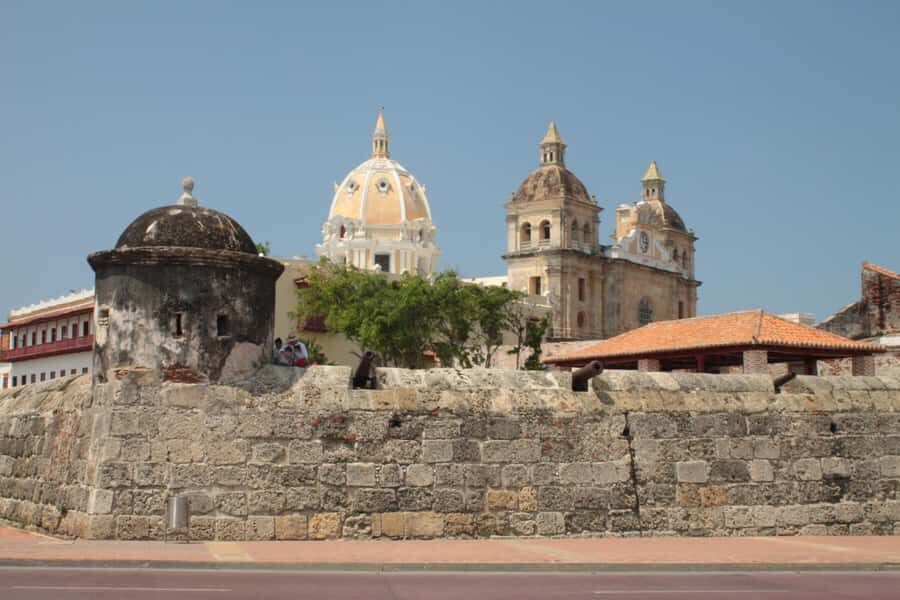
- San Felipe de Barajas Fortress is the big-ticket photo stop with major defensive history
- Plaza de Bolívar + San Pedro Claver Church adds a 17th-century cultural layer
- La Popa viewpoint delivers the payoff view over the city and coastline
Getting Your Bearings: Bocagrande and Manga Panoramas
The day starts with hotel pickup in Cartagena, which matters here because the tour covers a lot of ground. Your driver and guide take you through the city’s different districts, beginning with Bocagrande and Manga. This is a smart move for first-timers: you see the shoreline modernity and the older, more local-feeling parts side by side.
What you’re really looking for in these early stops is contrast. Bocagrande gives you the “tourist coast” vibe, while Manga tends to feel more residential and textured, with different street rhythms and building styles. Even before you hit the heavy-hitter sites, you start understanding why Cartagena looks the way it does—by geography, by trade, and by history.
Bring comfortable shoes and keep water handy. Early in the day, you’re usually doing more looking than walking, but Cartagena sun can still catch you while you’re waiting for the next viewpoint or photo angle.
You can also read our reviews of more city tours in Cartagena
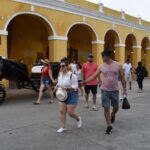
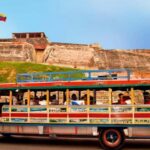
Bazurto Market: Real Cartagena, Not Just the Postcards
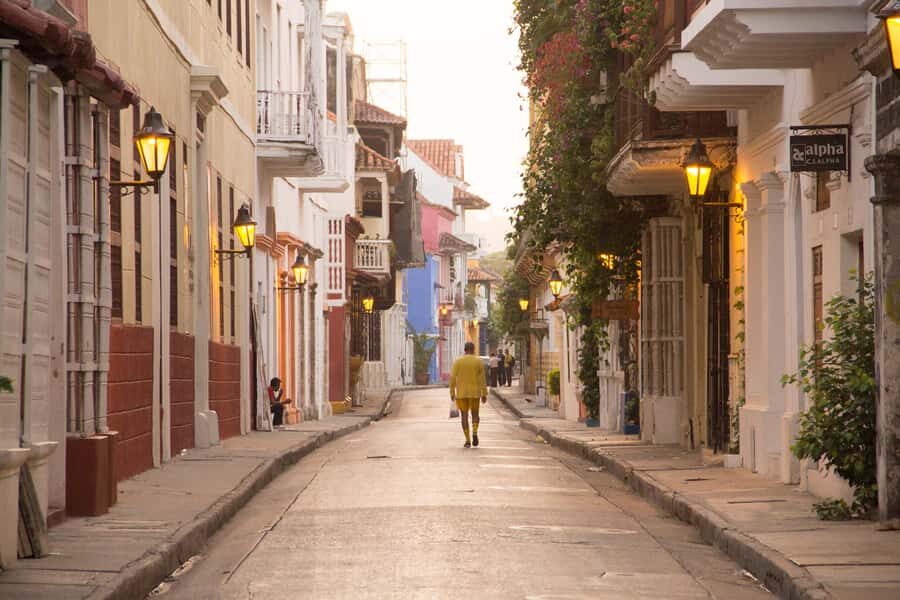
One of the best parts of this tour is that it includes an option to explore Bazurto, a local market that’s all about color, smells, and daily commerce. This is a different kind of Cartagena experience than the Walled City. Here, you’re not studying fortifications or churches—you’re watching life happen.
If you choose Bazurto, expect fruits and local food culture as part of the atmosphere. Even if you don’t do a shopping spree, it’s worth going just to understand how locals eat and buy. The guide’s presence helps too; you’re less likely to feel lost among the noise and crowds.
Possible consideration: markets are not quiet museums. If you’re sensitive to strong smells or prefer slow, controlled sightseeing, you might want to treat this as a short, focused stop. But if you like places where people are actually working and living, Bazurto is often the “this feels real” moment.
After Lunch in the Old City and Getsemaní
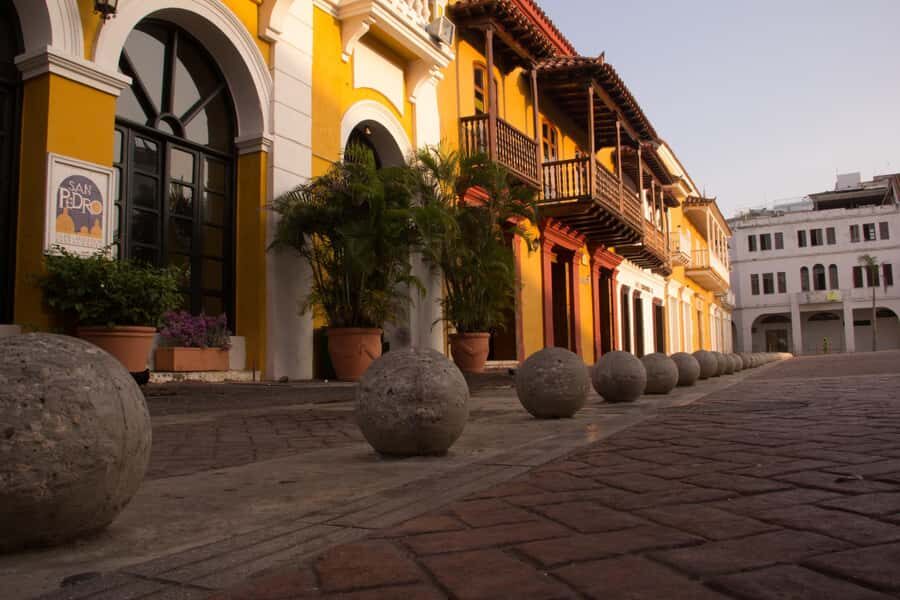
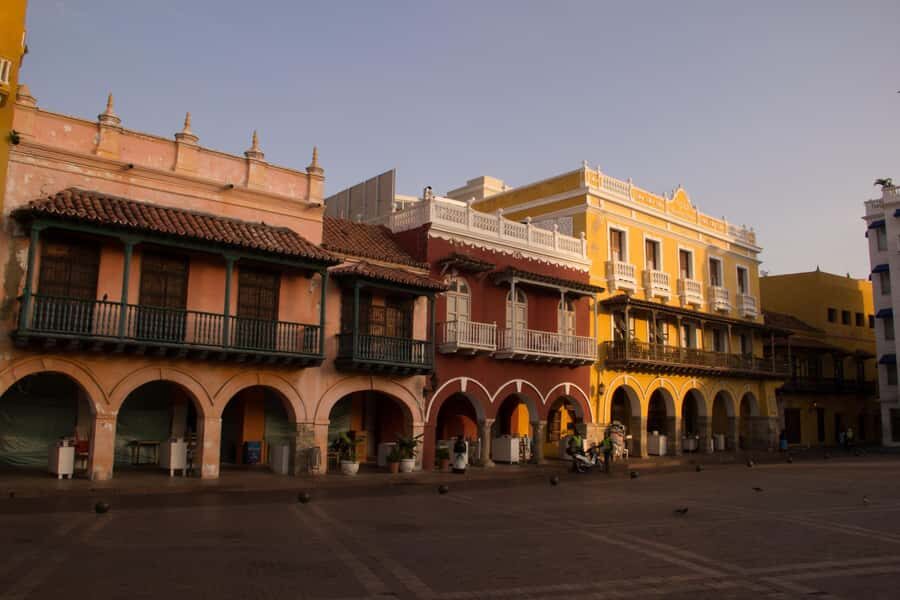
Once lunch is done, the tour shifts toward the historic core, including the Old City and Getsemaní. This is where Cartagena’s layout starts making sense. Your guide walks you through lanes and squares, and you start noticing how the city’s architecture isn’t one style—it’s layers.
That’s the real value of a guided route here. Without a plan, you can spend a full day in Cartagena and still miss the connections: why certain streets feel built for defense, why churches sit where they do, and how plazas function as gathering points.
Getsemaní in particular often feels more human-scaled than the postcard streets around the Walled City. You’re not just seeing walls; you’re experiencing how people move through neighborhoods. If you like photography, this is also a great window—light tends to shift as you move from open squares into narrower streets.
Just keep an eye on energy. This part of the day involves more walking, and the tour runs long. Use your time well: pause for the architecture, not just the next landmark.
Castillo de San Felipe de Barajas: The Fortress That Explains the City
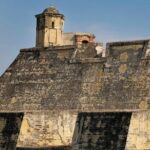
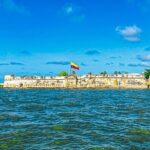
The Castillo de San Felipe de Barajas is described as the largest Spanish military structure in the Americas, and that scale shows once you’re inside. This stop is one of the best ways to understand Cartagena beyond pretty streets.
On this tour, you’ll visit the fortress with entry tickets included, and you should expect plenty of time to take in the layout. Fortresses like this were designed for survival—lines of defense, strategic placement, and heavy construction that communicates power. It’s also one of the best places to learn how geography and military engineering went together here.
A big plus: the tour is guided, so you’re not just looking at walls. You’re getting the “why.” That helps when you’re trying to connect the dots between the fortress, the city’s trade role, and the survival story Cartagena carries to this day.
Practical note: plan for sun exposure. Even when you find shade, you’ll be moving around outdoor structures. Water and a sun hat are not optional if you’re visiting during hot hours.
Plaza de Bolívar and San Pedro Claver Church
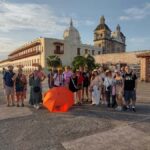
Back in the Old City, you’ll make a stop at Plaza de Bolívar. This plaza is important because it acts like a center point—history isn’t scattered randomly here. It’s grouped, and plazas help you grasp the city’s social structure: where people gathered, where power showed up, and where ceremonies played out.
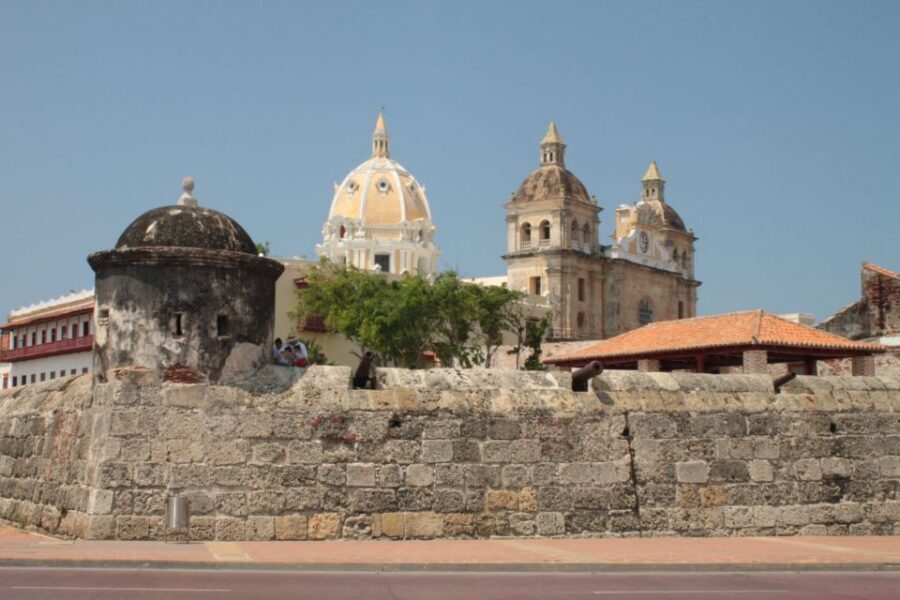
From there, you’ll visit San Pedro Claver Church, a 17th-century church known for religious art and artifacts that tell part of Cartagena’s cultural story. This is a strong stop if you like art-as-history. Churches in Cartagena aren’t only spiritual; they often function like archives of style, influence, and the people who built them.
If you’re the type who gets museum-fatigue, keep your expectations grounded. This isn’t a quick exterior photo only. You’ll want a few minutes to slow down and let the guide’s explanations land, especially around the meaning of the artwork and what it reflects about the period.




La Popa and Cerro de la Popa: The View Worth the Time
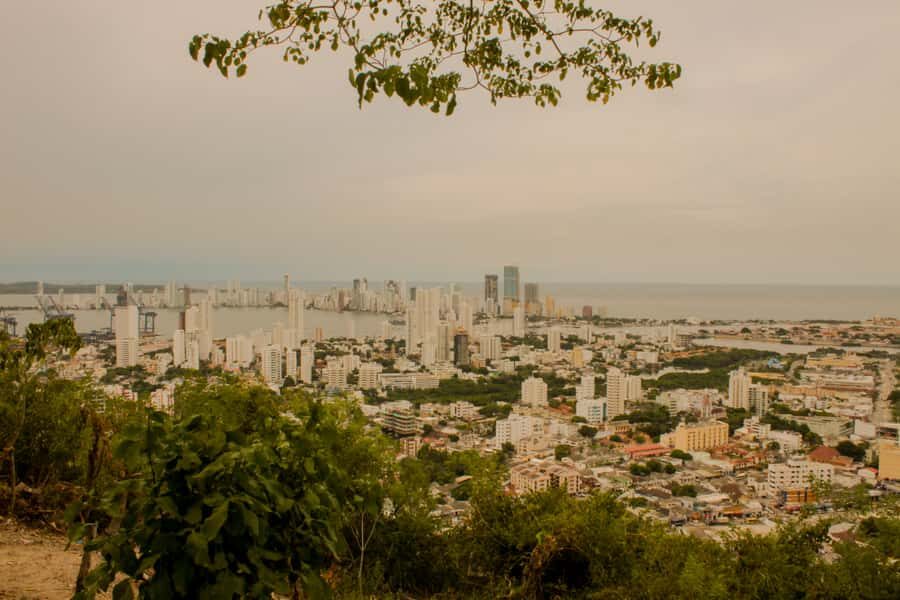
Then comes the payoff: Cerro de la Popa, home to a centuries-old monastery, plus the viewpoint that looks out over Cartagena. The tour highlights this specifically, and honestly, it’s the moment you’re mentally saving energy for.
From La Popa, you get a wide sense of the city’s shape—how neighborhoods sit across the landscape and how the coastline fits into the bigger picture. It’s the kind of view that makes the day’s contrast make sense. The waterfront energy, the historic density, and the surrounding geography all start to read as one connected system.
This is also a good place to notice architecture from a distance. In the low-angle streets, buildings can feel like individual landmarks. From La Popa, they become part of a larger pattern.
Don’t forget sun protection here either. Hilltop viewpoints can be breezy, but the sun can still be strong. Bring your hat and keep sipping water.
The 8-Hour Reality: Transit Time vs. Sightseeing Time
The tour runs 8 hours, and one key detail to plan around is that it includes about 4 hours of transportation. That doesn’t mean it’s bad. It means you’re trading extra driving for getting more stops packed into one day.
What this means for you:
- You’ll see more Cartagena districts than you could comfortably do solo in one day.
- The pace is efficient, but you won’t have long, slow breaks at every stop.
- Your best strategy is to show up ready: water, hat, sunscreen, and shoes you can walk in for real.
Because it’s a private group, the pace is usually easier to manage than larger group tours. Your guide can slow down for photos or answer questions without juggling dozens of people. That alone can make a long day feel less like a “checklist sprint.”
One more logistical thing to keep in mind: the day ends with a walking exploration of the historic center, and transportation back to your hotel is listed as not included. Meanwhile, the tour also says hotel drop-off is included. To avoid surprises, confirm the exact end point and whether you’ll have a ride waiting.
Price and Value: Is $301 a Good Deal?
At $301 per person for an 8-hour city tour, you’re paying for a full-day structure: pickup, expert guidance, lunch, and entry tickets to the places visited. For many visitors, the value isn’t just the attractions—it’s the fact that you’re not spending your energy figuring out routes, timings, and ticket access.
This tour also includes skip-the-ticket-line, which can save you time at key sites when queues form. Those minutes matter when you’ve only got one day and you still want to see Old City streets, Getsemaní, and end at La Popa.
Two cost-related cautions:
- Extra drinks aren’t included, so plan for that if lunch includes purchases beyond what’s covered.
- The price you paid does not include 19% VAT that applies based on tourist entry. You’ll need to provide passport proof and an entry stamp photo to the operator for that tax benefit.
If you’re the kind of traveler who budgets by “what’s included,” this tour is relatively straightforward: lunch and tickets are baked in, and you’re mostly paying for time, transport, and a guide.
Also worth noting: the tour is available with free cancellation up to 24 hours in advance and supports reserve now & pay later, which is useful if your schedule is still flexible.
Who Should Book This Tour (and Who Might Skip It)
This tour is ideal if you want a guided introduction to Cartagena that goes beyond the Walled City. You’ll get neighborhoods that show how the city functions day to day, plus major landmarks that explain the past.
It’s also a good fit if you:
- like history but still want a practical, see-more-in-one-day plan
- want architecture and cultural context, not just photos
- prefer a private group experience with room for questions
- speak Spanish or English and want a live guide in your chosen language
You might consider skipping or swapping this for a lighter plan if you:
- hate long days of transit
- want mostly slow, self-guided wandering with no structured stops
- want transportation back to your hotel at the very end without any walking or route planning
Should You Book the Cartagena Grand City Tour?
I think this is a strong booking choice if you’re trying to get your bearings quickly and you like a day that mixes neighborhood contrast with headline sites like San Felipe and the La Popa viewpoint. The inclusion of lunch, entry tickets, and a guide means you’ll spend less time managing logistics and more time understanding what you’re seeing.
Just do two small checks before you go: confirm your exact end point in the historic center, and understand the VAT proof requirement so there’s no last-minute hassle. If that’s sorted, you’ll come away with a Cartagena that feels connected—not just a collection of landmarks.
FAQ
How long is the Cartagena Grand City Tour?
The tour is listed as 8 hours.
Where does the tour start?
It includes pickup from your hotel in Cartagena.
What language is the guide available in?
The live guide is available in Spanish and English.
Is lunch included?
Yes. Lunch is included in the tour price.
Are entrance fees included?
Yes. Entry tickets to the places visited are included.
What is not included during the tour?
Extra drinks are not included.
What should I bring for the tour?
Bring passport or ID card, comfortable shoes, sun hat, and water.
Why do they ask for a copy of my passport and entry stamp photo?
The tour states that the price paid does not include 19% VAT, and that the VAT benefit applies to foreigners entering as tourists. You’ll need to provide proof, including a passport copy and a photo of the entry stamp.