REVIEW · CARTAGENA
CARTAGENA: Volcan del totumo, Galerazamba and La Boquilla Mangrove Route
Book on GetYourGuide →Operated by cartagena toures y excursiones · Bookable on GetYourGuide
A day like this turns Cartagena into something wilder. You’ll trade city heat for medicinal mud at Volcán del Totumo and a slow canoe glide through La Boquilla mangroves. I like that the route mixes hands-on activities with real local rhythms, from salt mining in Galerazamba to lunch in a working fishing village.
The one thing to think about is pacing and consistency. This is a shared tour with a language mix (Spanish and English), and timing has not always matched expectations for some past bookings—so you’ll want to confirm pickup details the day before.
In This Review
- Key Things You’ll Notice on This Galerazamba, Totumo & La Boquilla Route
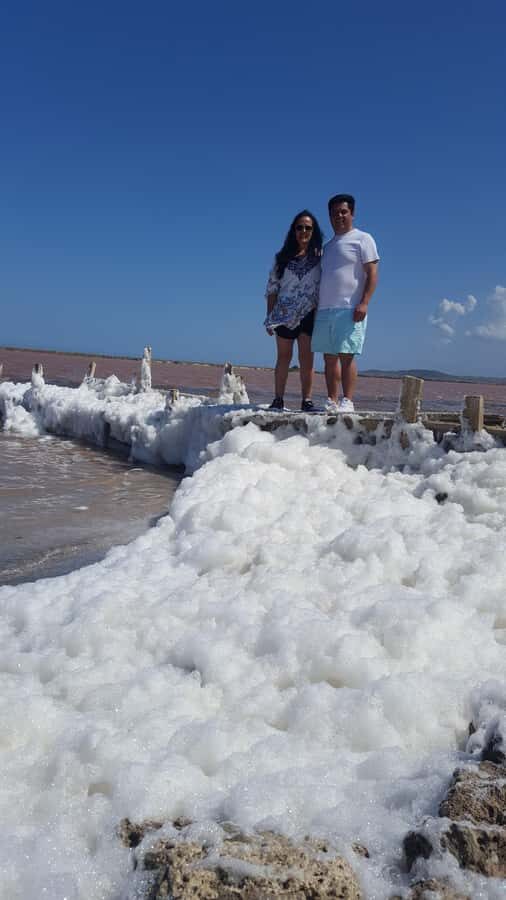
- Galerazamba Salt Mines: Photo Stops, Salt Color, and a Place with Famous Roots
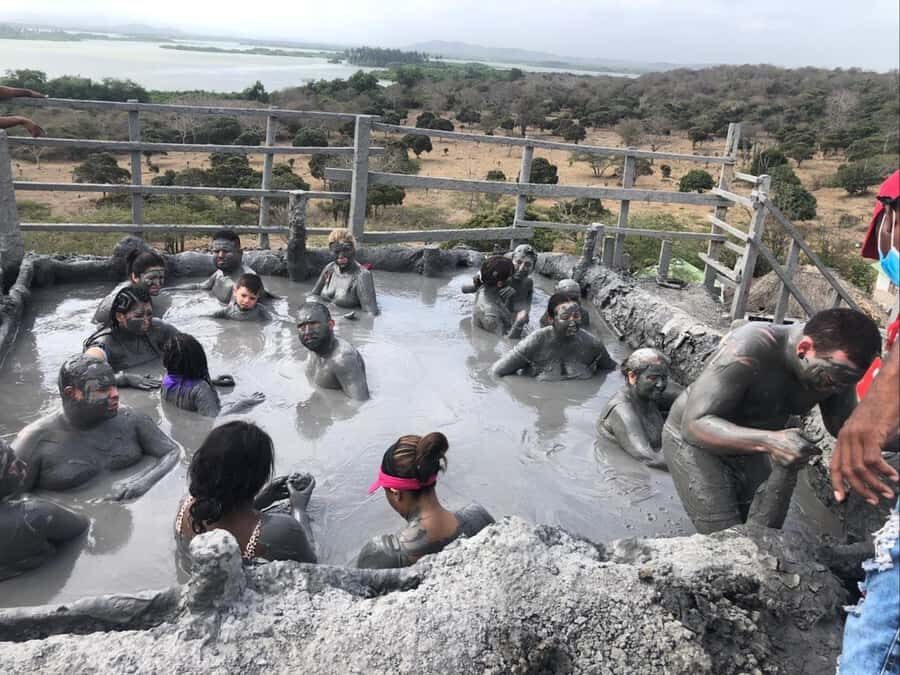
- Totumo Mud Volcano: Medicinal Mud, Mud Removal Help, and the Reality of the Setup
- La Boquilla Lunch and Mangroves: Slow Canoes, Wildlife Chances, and Fishing Culture
- The 8-Hour Flow from Pickup to Drop-Off: Transfers Add Up
- Price and Value: What $113 Buys (and What You Might Not Get)
- Comfort, Footing, and Who Should Skip This One
- Should You Book the Cartagena Galerazamba, Volcán del Totumo and La Boquilla Tour?
- FAQ
- How long is the Cartagena Galerazamba, Totumo volcano, and La Boquilla mangrove route?
- What’s included in the price?
- What languages do the guides speak?
- Is this tour wheelchair accessible?
- What should I bring?
- What is the cancellation policy and how does pay later work?
Key Things You’ll Notice on This Galerazamba, Totumo & La Boquilla Route
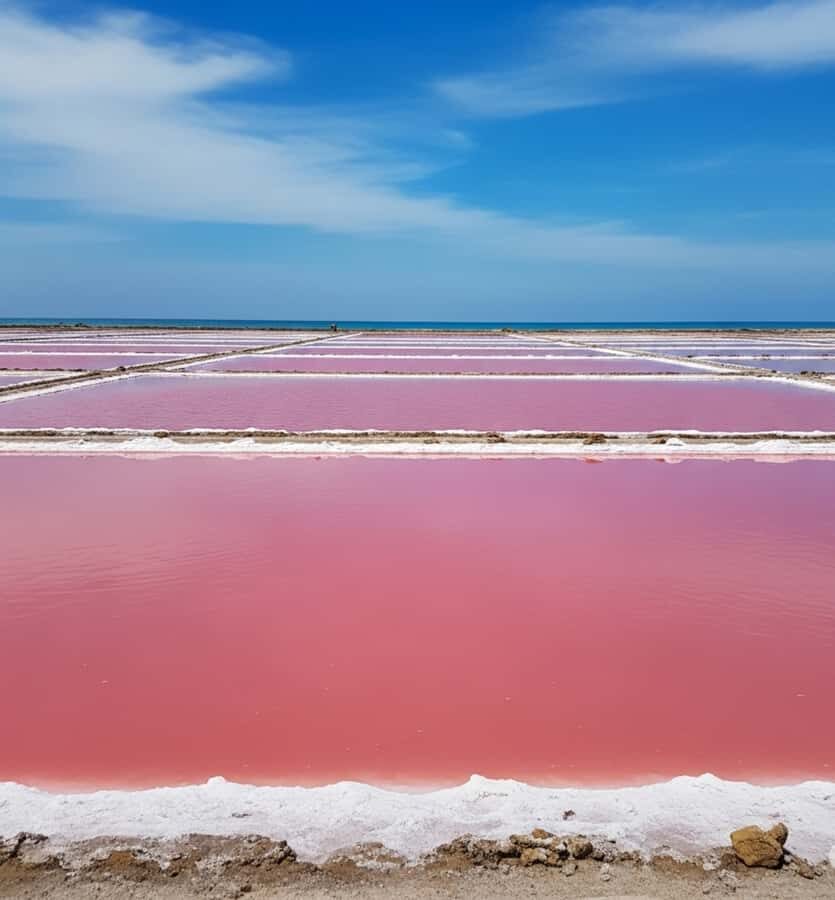
- Sea salt mines at Galerazamba: open-pit flats where the water color can shift with weather, plus a strong local origin story.
- Totumo mud volcano timebox: about 1.5 hours on-site, with the mud-experience as the main event and community helpers on hand.
- Community-guided mud help: massage-style services, mud removal, and camera handling are offered by community partners, with tips left voluntary.
- Long-tail village lunch stop: La Boquilla is where you eat, then switch to mangroves for wildlife spotting and fishing culture.
- Canoe through the mangrove roots: small groups with a native guide, focusing on birds, fish, raccoons, and crabs.
- Atarrayas fishing demonstration: artisanal fishing with circular nets shows how the village works beyond tourism.
Galerazamba Salt Mines: Photo Stops, Salt Color, and a Place with Famous Roots
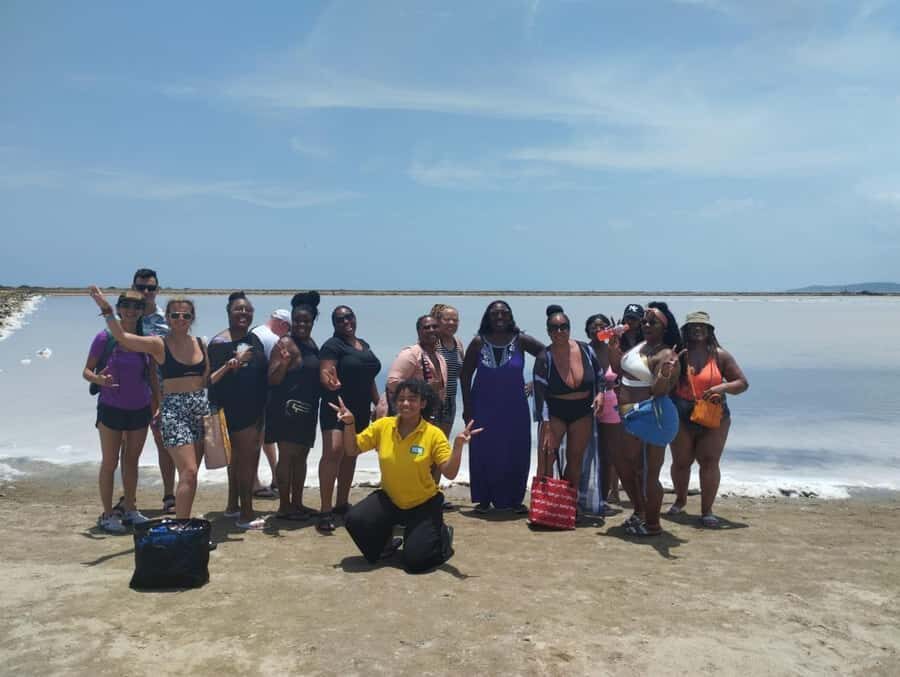
Gelerazamba (often written Salinas de Galerazamba) is the first community you’ll visit, and it sets the tone: this isn’t about big monuments. It’s about how people live and work around the sea-salt trade.
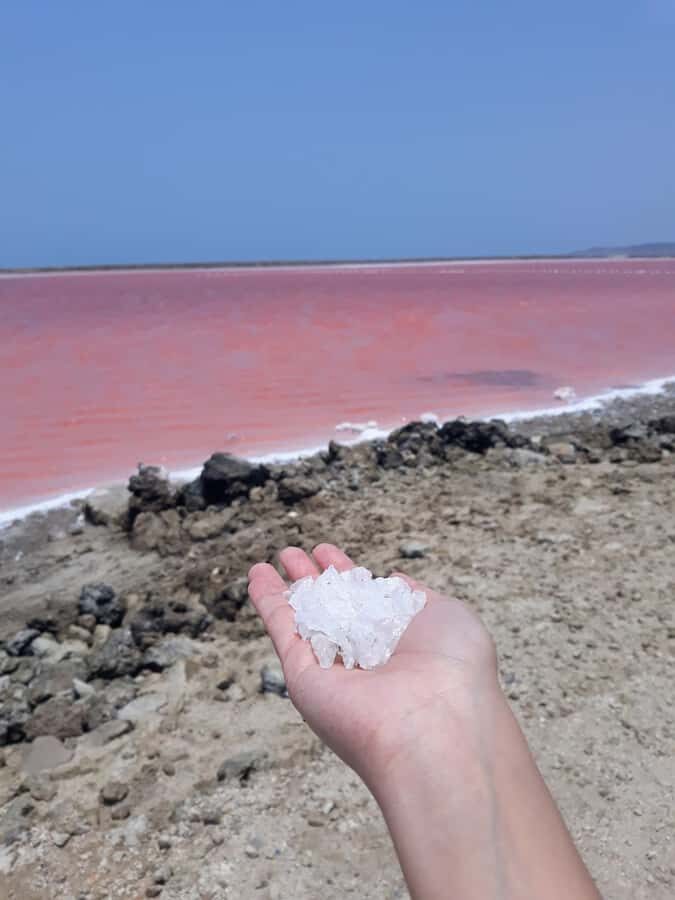
You’ll get about an hour for the salt flats, with time built in for sightseeing and photos. The key detail here is the way the water in the salt mines changes color depending on the weather, and that there’s a once-a-year moment when it shifts in a particular way. In practical terms, this means the “wow” factor can vary day to day. Some days it looks like quiet, striped shallow water. Other days it’s more dramatic. Either way, it’s visually interesting and very different from Cartagena’s beachfront scenes.
There’s also a story layer. Galerazamba is described as the land of Catalina Indian, known as the first woman who spoke Spanish, and the salt mines are tied to the Bank of the Republic because salt used to be more valuable than gold and even acted as a unit for barter. That’s the kind of local history that makes a quick stop feel more grounded—less like a roadside attraction, more like a living economic heritage.
What I’d watch for: don’t assume you’ll be walking through an entire salt production process like a factory tour. This stop is more about the salt flats themselves, the setting, and the background story than detailed production steps.
You can also read our reviews of more tours and experiences in Cartagena.
Totumo Mud Volcano: Medicinal Mud, Mud Removal Help, and the Reality of the Setup
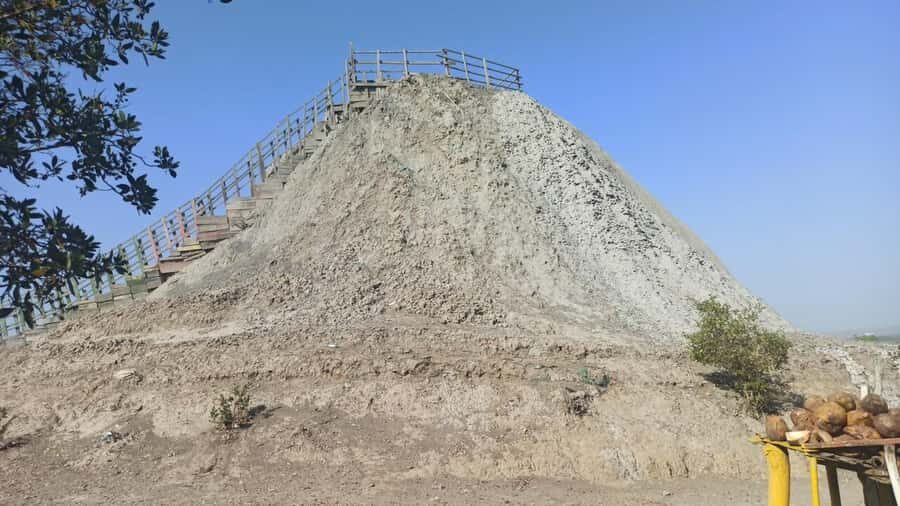
Volcán del Totumo is the headline. After a short transfer, you’ll reach the volcano and shift from salty flats to something stranger: a diapir structure with mud that’s described as having medicinal properties.
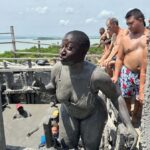
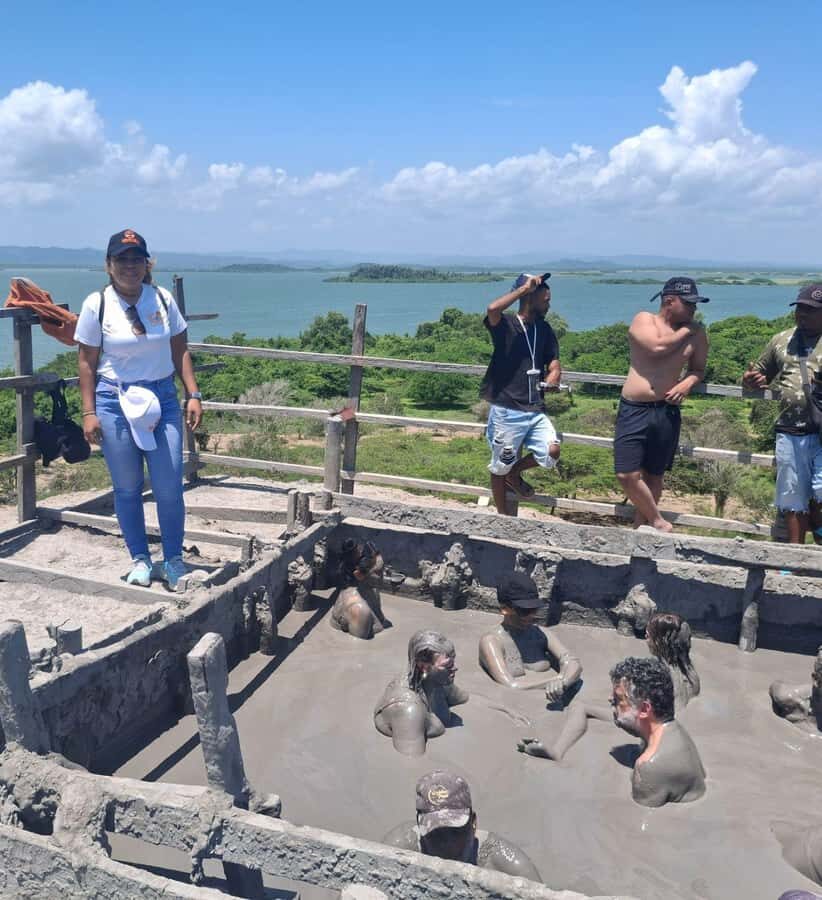
You’ll spend about 1.5 hours here. The core experience is jumping into the mud volcano—an experience that can feel both fun and a little chaotic depending on how the day is run. On paper, you get time and access. In reality, the “attraction” side can be a bit blunt: there are people inside the area to help, and it’s not a spa that whispers.
One thing that matters for your expectations: community partners provide extra services while you’re there. According to the tour description, they may offer massage services, mud removal, and help with cameras. Tips are listed as voluntary. For many people, that turns the mud experience from just messy into actually manageable—especially if you don’t want to think about how to get clean afterward.
Still, I think it’s fair to flag a potential drawback. Some past participants weren’t happy with how the mud area was handled, describing it as less informative than expected and even finding the “massage” part uncomfortable. That doesn’t mean it will happen to you. But it does mean you should mentally prepare for a hands-on, community-run environment rather than a polished, high-touch wellness setting.
My practical advice: wear footwear you don’t mind getting ruined (or plan to go without if that’s what they encourage), and bring a plan for what you’ll do with your phone/camera. If camera help is available, use it—but don’t assume your device will be treated like it’s in a museum.
La Boquilla Lunch and Mangroves: Slow Canoes, Wildlife Chances, and Fishing Culture
After the volcano, you head to La Boquilla, a picturesque fishing village. This is where the day becomes calmer. You’ll have lunch here, and then you’ll meet your native guide for the mangrove exploration.
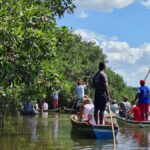
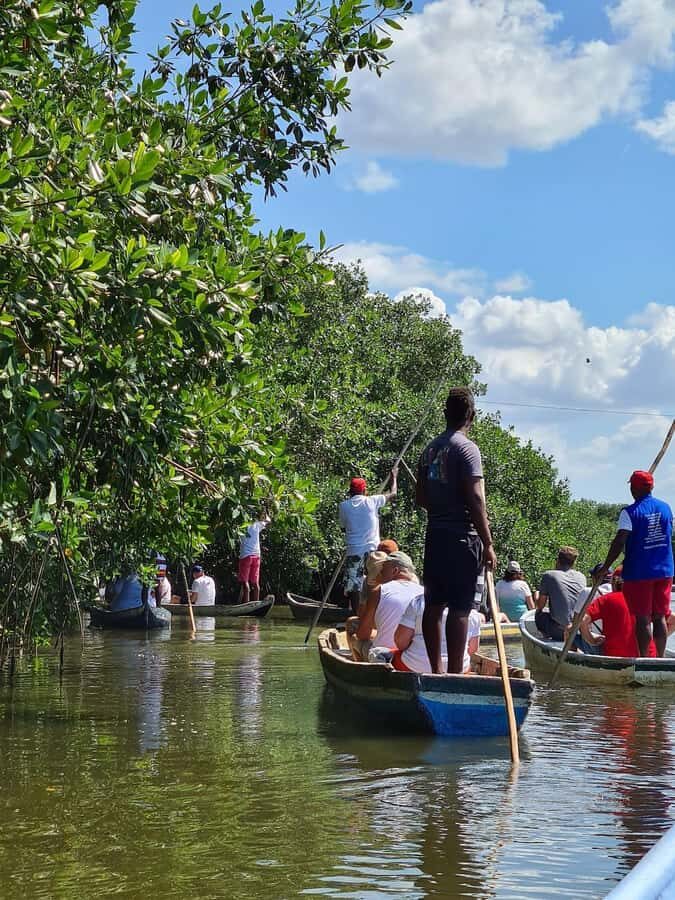
The mangrove portion is the best “nature” payoff of the route. You’ll go on a canoe guided through the mangrove roots, described as being focused on pure oxygen and zero auditory pollution—basically, they want you to slow down and take in the quiet. Realistically, you’ll still hear movement, birds, and the canoe itself. But the intent is clear: this is meant to be a low-noise, close-up view of the ecosystem.
A couple of details are especially useful when you’re picturing what it looks like:
- The canoe ride is guided and small (the description says a capacity of four people).
- You’re meant to see wildlife such as birds, fish, raccoons, and crabs.
- There’s also an artisanal fishing demonstration using atarrayas (circular nets), which connects the village’s daily life to what’s happening right in front of you.
Why this part is valuable: it’s not just “pretty scenery.” You’re moving through the system that supports the village’s food and livelihood. Lunch plus fishing plus mangroves in the same day makes the geography feel connected instead of random.
Possible drawback: the canoe portion is sometimes the part where language support can feel uneven. One past booking reported that the mangrove tour didn’t have an English-speaking guide. If you need strong English narration, don’t count on a perfect match. You can still enjoy the ride and wildlife spotting, but information depth may vary.
The 8-Hour Flow from Pickup to Drop-Off: Transfers Add Up
This is marketed as an 8-hour tour, running roughly from early morning until late afternoon (the description also references 9am–5pm and an about 8.30am–5pm window). You’re also looking at multiple transfers:
- A first transfer after pickup (around 25 minutes)
- Then a couple more transfers (around 20 minutes each) between stops
- Final return to Cartagena hotels
The way the schedule is built matters because your energy is your currency. If you get sweaty in the salt flats, then get messy in the mud volcano, you’ll want La Boquilla to feel like a reset, not another endurance task. The route is structured so that the biggest physical messy moment happens early-ish, then you end with calmer water and wildlife.
That said, timing has been inconsistent for some past participants. Issues included last-minute cancellations and pickup windows moving around in WhatsApp messages, leading to long waits. So here’s your move: when you get the confirmation message the day before, take it seriously. Screenshot the pickup window and hotel pin. If you’re staying in the Centro Histórico area, double-check that the message matches your exact address.
Pack your patience: a shared route means you’re not leaving the moment you want to. You’re leaving when everyone is ready.
Price and Value: What $113 Buys (and What You Might Not Get)
At around $113 per person, you’re paying for a full circuit: transportation, entrances, lunch, and guided activities across three different settings—salt mines, mud volcano, and mangroves.
Here’s where that value usually shows up:
- Transportation round trip: the tour handles getting you between communities.
- Entrance fees: salt flats and Totumo are included.
- Lunch in La Boquilla: you’re not scrambling for food after mud.
- Guided segments: salt flats include a guided visit, and the mangroves include a guided canoe walk.
Where value can feel lower:
- The salt mine stop is described as photo stop and sightseeing. That’s fine, but it may not satisfy you if you want hands-on salt production or more time than the scheduled hour.
- The Totumo volcano “experience quality” can swing with how the day is managed and who guides. Some people want richer commentary. Others just want the mud-and-photos. If you’re the first type, you should set expectations accordingly.
Also, there’s a practical language detail that can change your experience more than you’d think. The tour runs with guides in Spanish and English, but at least one past booking reported the mangrove guide wasn’t English-speaking. If your Spanish is beginner-level, consider bringing a few simple questions ready in your head (what animals to look for, what’s the fishing method called, etc.). You’ll still enjoy it even with limited narration.
Bottom line on price: this route can feel like a fair deal when everything runs on schedule and guides match the language needs. If your biggest priority is interpretation in English, you’ll want extra confirmation.

Comfort, Footing, and Who Should Skip This One
This day is straightforward, but it’s still physical and wet. The tour description includes what to bring—sunglasses, sun hat, sunscreen—which is exactly right for a Cartagena-region day where sun exposure hits fast.
Comfort notes that matter:
- Mud + cleaning: You should assume you’ll get splashed or coated. Community helpers may remove mud, but you’ll still want to change back into dry clothes.
- Mangrove canoe footing: You’ll sit in a canoe environment with roots overhead and sometimes muddy banks. Wear footwear that won’t ruin your day if it gets damp.
- Not for babies under 1 year: so plan accordingly if you’re traveling with an infant.
One more thing: the data includes a contradiction about mobility. It says wheelchair accessible in one section, and also says not suitable for wheelchair users in another. I’d treat that as a “confirm with the provider” situation before booking, especially if you rely on a wheelchair for movement.
Who this suits best
- You like hands-on, slightly messy nature experiences.
- You want a full day mix: salt, mud volcano, and wildlife canoe.
- You’re okay with a shared group format and flexible pacing.
Should You Book the Cartagena Galerazamba, Volcán del Totumo and La Boquilla Tour?
I’d book it if your ideal day looks like this: you want real regional activities more than museum hours, you don’t mind mess, and you’re excited by wildlife spotting from a canoe. The La Boquilla section—canoe through mangroves plus fishing culture—is the part that most strongly justifies the long day.
I’d skip it or at least book with caution if:
- You need guaranteed English guiding at every stop.
- Your schedule is tight and you can’t handle pickup window changes.
- You’re uncomfortable with how the mud volcano environment works on the ground (community-run, hands-on services, and potential lack of deep explanation).
If you do book, do it smart:
- When you receive the WhatsApp confirmation, confirm your pickup time window and location.
- Bring sun protection and a change of clothes for after Totumo.
- Keep your expectations flexible for Galerazamba (more sightseeing than technical salt tour) and for the mud volcano vibe (active, not spa-quiet).
FAQ
How long is the Cartagena Galerazamba, Totumo volcano, and La Boquilla mangrove route?
The tour duration is listed as about 8 hours, with timing described as roughly 9am to 5pm.
What’s included in the price?
Round trip transportation, lunch, entrance to the salt flats, entrance to the Totumo volcano, and a guided walk in a boat through the mangrove forest.
What languages do the guides speak?
The tour includes a live guide in Spanish and English.
Is this tour wheelchair accessible?
The information provided includes both wheelchair accessibility and a note that it is not suitable for wheelchair users. Because of that conflict, you should confirm with the provider before booking.
What should I bring?
Bring sunglasses, a sun hat, and sunscreen.
What is the cancellation policy and how does pay later work?
Free cancellation is available up to 24 hours in advance for a full refund. You can also reserve now and pay later (pay nothing today).