REVIEW · CARTAGENA
Cartagena: Palenque Tour and Road to Emancipation
Book on GetYourGuide →Operated by La Perla Viajes Y Turismo · Bookable on GetYourGuide
One free African town in plain view.
This Palenque tour is a rare mix of live dance and history, set in San Basilio de Palenque, a community with identity kept for more than 400 years. I like how you connect to African ancestry through the day’s music, drumming, and storytelling, and you even learn some Bantu words (from Guinea and Congo roots) from the guide.
I also love that the tour doesn’t treat Palenque like a museum. It’s hands-on: you stop at meaningful places in town, watch a dance show, and end with a proper typical palenquero meal. One drawback to plan for: pickup can stretch the morning, since the van grabs people across Cartagena, and the day can feel long in transit.
In This Review
- Key moments that make this tour worth your time
- From Cartagena to Palenque: plan for the long road and the big payoff
- Enter San Basilio de Palenque: the first-free-people story you can actually see
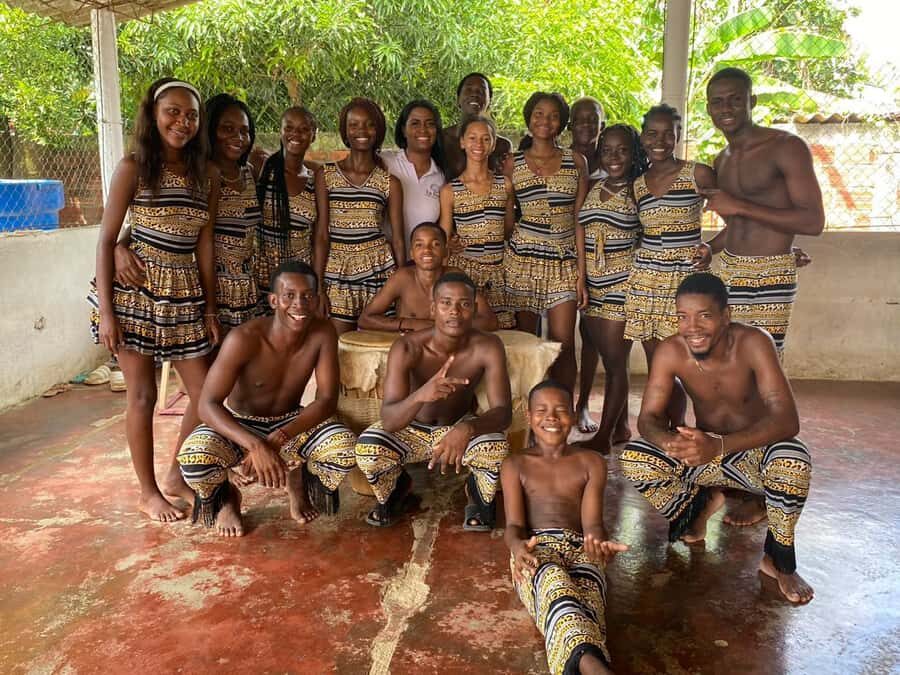
- The drum-and-dance show: where the culture becomes physical
- Town square stops and the house of Kombilesa mi: why this itinerary has depth
- Traditional medicine: the community knowledge stop (and the lesson inside it)
- Lunch in Palenque: typical food that actually feels like the point
- Road to Emancipation: history that doesn’t feel like a lecture
- Price and value check: is $108 a fair trade for 6 hours?
- What to bring so the day stays comfortable and respectful
- Should you book the Palenque Tour and Road to Emancipation?
- FAQ
- How long is the Palenque Tour and Road to Emancipation?
- How much does the tour cost?
- What’s included in the price?
- Do they pick you up from your hotel in Cartagena?
- Where is pickup for guests staying in Cartagena’s historic center?
- What languages are the live guides?
- What happens during the dance show?
- Does the tour address slavery and emancipation history?
- Is free cancellation available?
Key moments that make this tour worth your time
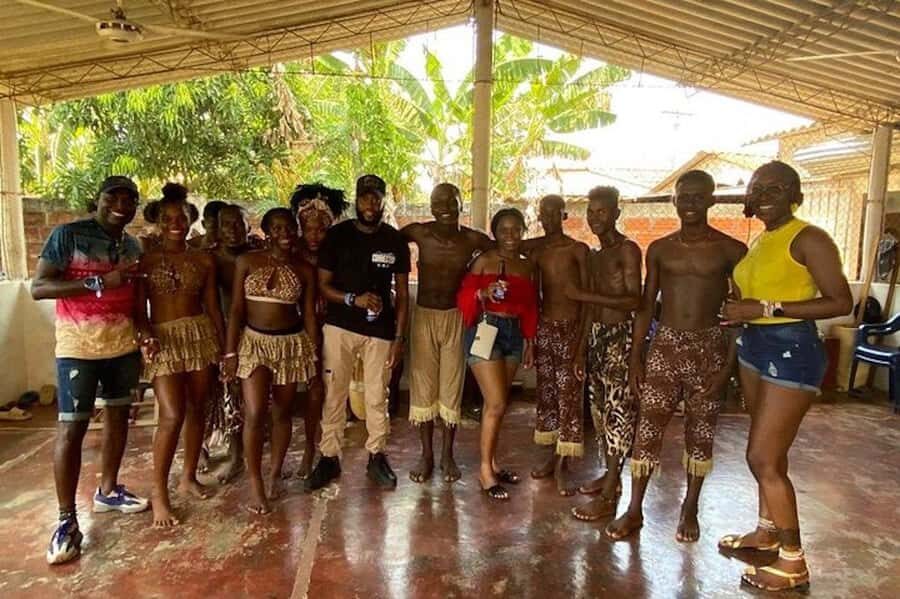
- Drums and dance you can join: you learn steps, then play percussion as part of the performance
- Bantu language basics: your native bilingual guide teaches words tied to Guinea and Congo
- Town-square stops with real local focus: you visit the house of Kombilesa mi, a museum house, and Palenque Viejo
- Traditional medicine explained: you’ll hear how herbal knowledge supports community life
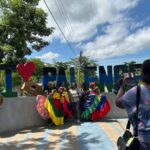
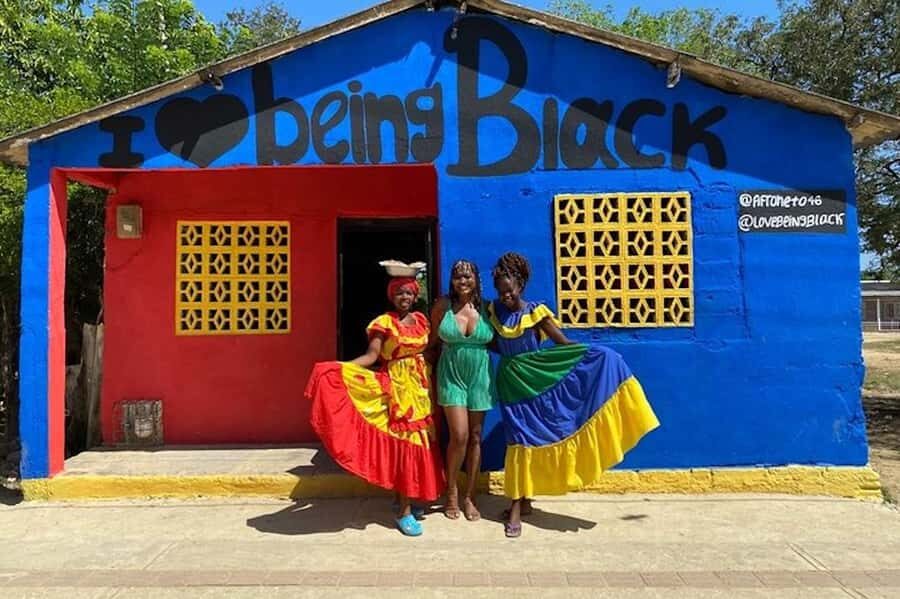
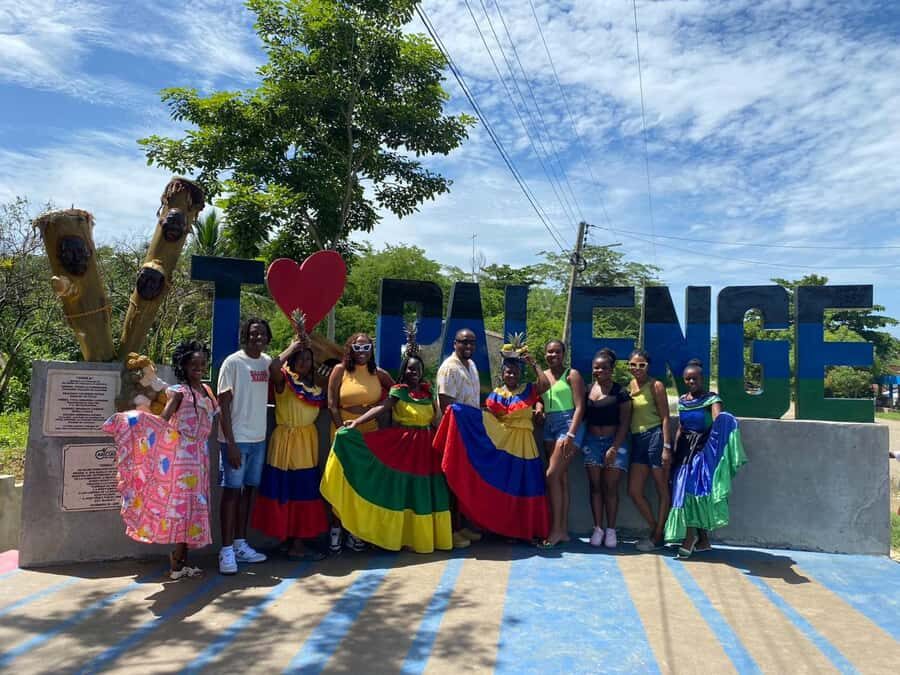
- A quick photo stop at YO AMO A PALENQUE: fast, fun, and very Palenque
- Lunch is included: typical palenquero food closes the loop on culture, not just sightseeing
From Cartagena to Palenque: plan for the long road and the big payoff
This is a 6-hour day trip (with stops included), built around the drive to San Basilio de Palenque in Bolívar. You’re not just moving from point A to point B. You’re getting a half-day rhythm that starts with a pickup, builds into music and language, and ends with lunch.
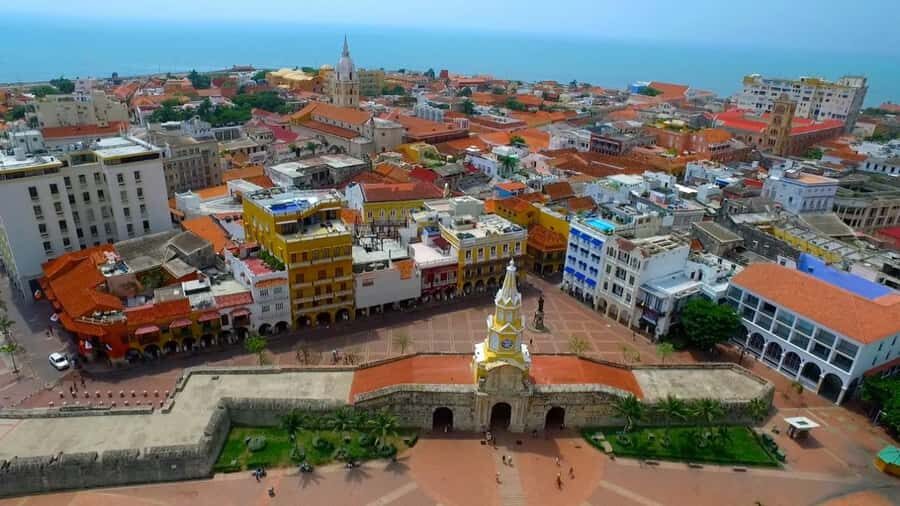
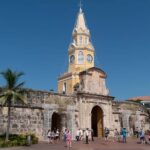
Pickup matters here because it shapes your whole day. If you’re staying in Cartagena’s historic center, the pickup is at 8:00 AM at the Clock Tower. If you’re in Bocagrande, Castillo Grande, or Laguito, it’s later, between 8:20 AM and 8:45 AM. For Marbella, Cabrero, Crespo, Cielo Mar, northern Cartagena hotels, and Manzanillo del Mar, expect pickup between 8:50 AM and 9:30 AM. Manga and Barú require an 8:00 AM arrival at the Clock Tower.
Because groups are collected across neighborhoods, you may feel like you’re waiting a bit before the drive starts. I’d treat it like a “buffer day.” If you’re tight on time elsewhere, this is the kind of tour you schedule early and commit to.
On the drive side, the experience depends on comfort. Most people are fine with the air-conditioned vehicle, but at least one past traveler warned the ride can be older and the AC not always strong. Nothing dramatic is promised or guaranteed—just know this is practical transport, not a luxury lounge.
You can also read our reviews of more tours and experiences in Cartagena.


Enter San Basilio de Palenque: the first-free-people story you can actually see
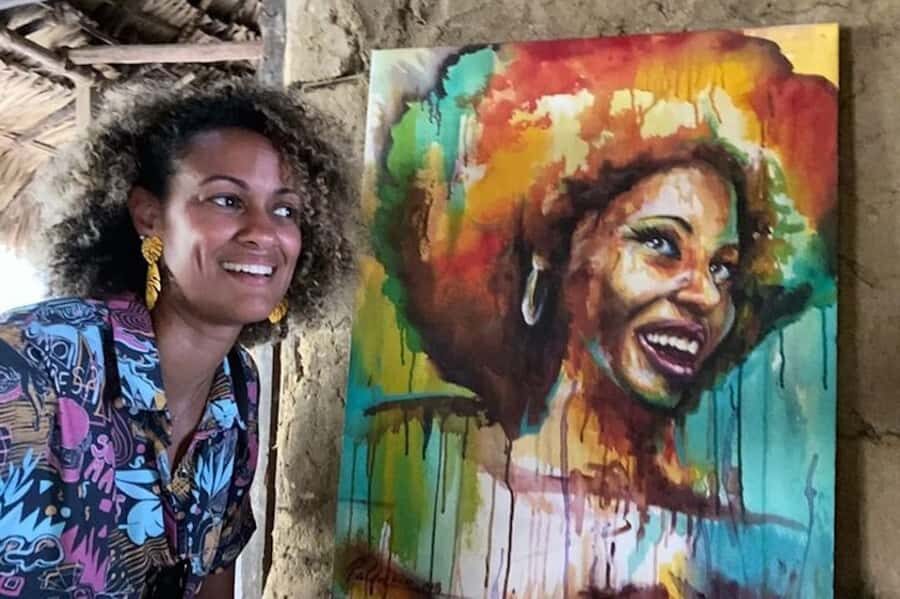
San Basilio de Palenque is the heart of this experience. The tour frames Palenque as a crucial chapter in the history of freedom in the Americas, tied to African roots and the people who fought for liberty. You’ll feel the significance quickly, because the day is structured around living culture: places to stand, people to listen to, and traditions you watch in real time.
You’ll also notice the tone of the town. Instead of a quick drive-by, you’ll spend time at multiple stops inside Palenque. That matters, because Palenque is not one single “thing to photograph.” It’s a community with multiple anchors: performance, memory, daily knowledge, and arts that connect the past to now.
And since this is called the Palenque Tour and Road to Emancipation, you should expect history to be part of the program—not just background music. One strong theme from the experience is that the sensitive parts of slavery and emancipation are addressed honestly, with direct storytelling that links struggle to present-day pride.
The drum-and-dance show: where the culture becomes physical
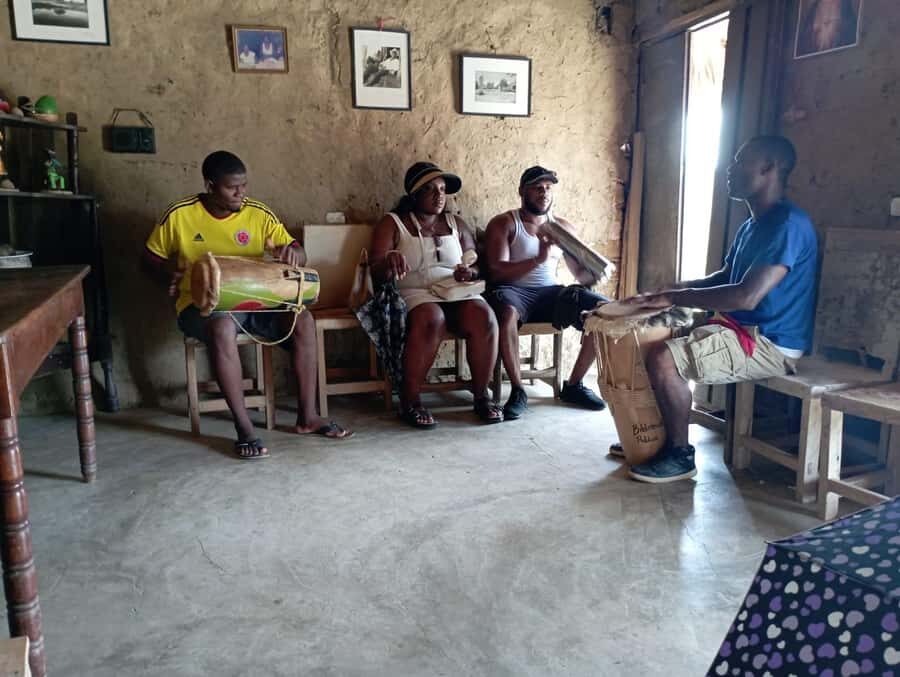
The highlight for many people is the performance segment. This isn’t only watching. The format is interactive: you learn traditional dance steps, then you play drums alongside the show.
That hands-on part is where you understand Palenque culture faster than you would from facts on a page. Dance here isn’t decoration. It’s communication—rhythm, movement, identity. When you try the steps, you stop thinking of Palenque as distant history and start feeling it as something embodied.
If you’re the type who worries about “looking awkward” in group activities, bring that worry anyway and let it go. The goal is participation, and the atmosphere tends to be warm and encouraging. If you bring energy, you’ll get more back.
Your guide plays a big role in turning what you’re seeing into something you can follow. Past guests singled out guides like Romeo and Damaso for making sure the Palenque voices are heard clearly through translation and context. That’s important because the performance is local; your guide is there to help you understand what’s happening and why it matters.
Town square stops and the house of Kombilesa mi: why this itinerary has depth
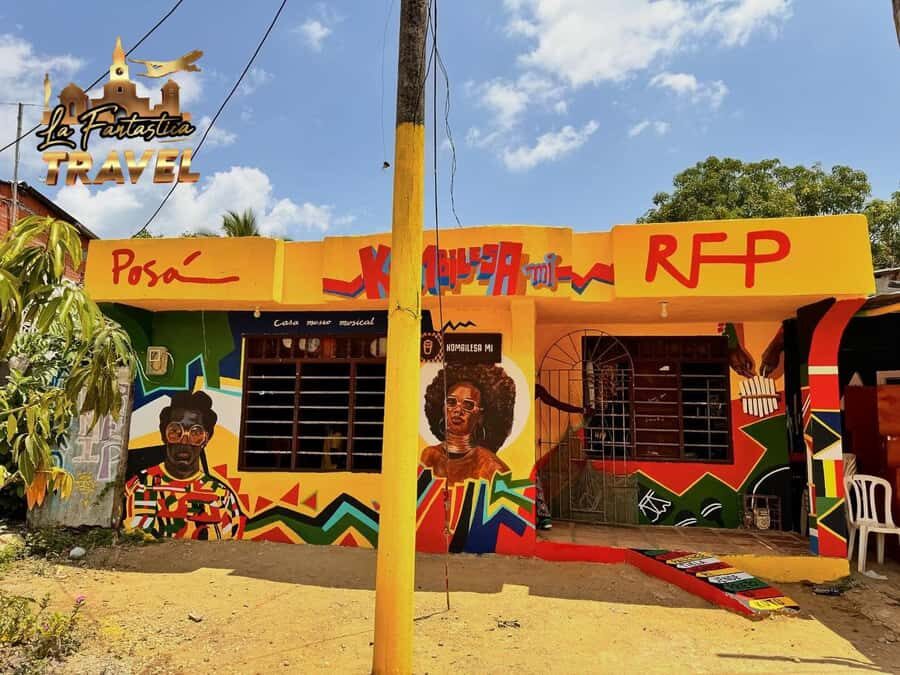
After the drive, the tour shifts into place-based storytelling. You make a stop in the town square, then you move to the house of Kombilesa mi. Even without you knowing Palenque from before, the way the tour is organized signals that these aren’t random photo spots. They’re framed as nodes in the community’s story.
You’ll also visit a folkloric rap group stop. That’s a smart choice for modern context, because it shows how cultural identity isn’t frozen in the past. It’s carried forward in current forms too—music that speaks to today while still rooted in Palenque ways.
Then there’s the museum house and Palenque Viejo. “Old Palenque” is a key idea in understanding how this community kept identity alive. These stops help you see how memory and tradition get maintained through specific locations and institutions, not just general stories.
The museum house piece is where you typically get the clearer timeline feel—how the town’s history connects to the present. Palenque Viejo supports it with a sense of continuity: the place still matters, not just the past itself.
Traditional medicine: the community knowledge stop (and the lesson inside it)
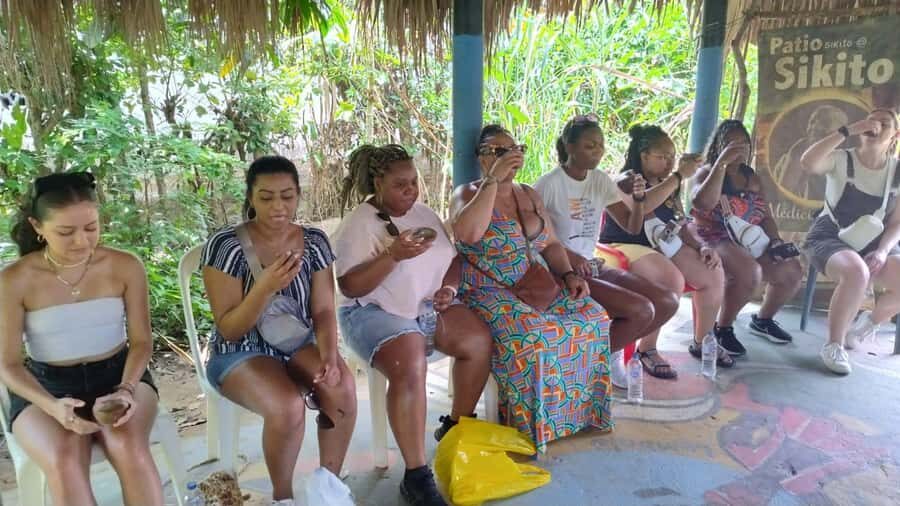
One of the most meaningful stops is traditional medicine. The tour includes time with this topic, and the focus is on herbal knowledge that serves the community.
This matters for a few reasons. First, it gives you a practical lens on culture. Traditional medicine isn’t only about health; it’s also about passing knowledge down through generations. Second, it shifts the frame away from slavery history as the only story. The tour still honors that history, but it also shows what Palenque life builds afterward: healing practices, community roles, and knowledge that continues.
When you hear the herbalist/curandero-style explanations, listen for how tradition is tied to responsibility. In past experiences, people came away appreciating that the knowledge isn’t treated like a performance trick. It’s real, lived, and part of community care.
You may also notice how this stop changes your relationship to the day. After dance and history, the medicine segment feels grounding. It brings you back to everyday Palenque life.



Lunch in Palenque: typical food that actually feels like the point
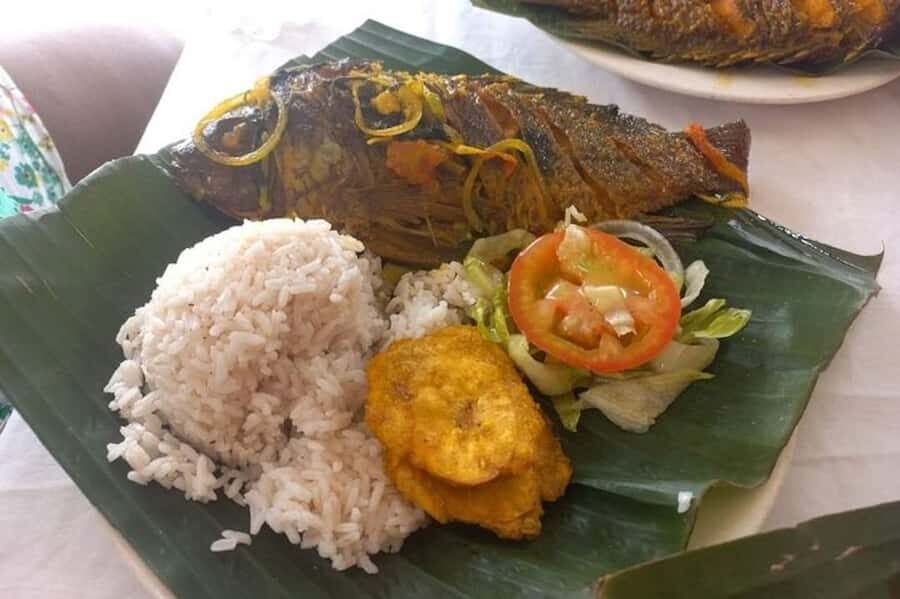
At the end, you get lunch included. The tour describes it as a delicious typical Palenquero dish, and that matches what many guests said: it’s not filler food.
One past traveler mentioned fish cooked in coconut milk, and another mentioned chicken options. A sugarcane juice drink also showed up in guest notes as a favorite. The exact menu can vary, but the key is that lunch is part of the cultural experience, not an afterthought.
Also, it can get hot. One detail worth noting: umbrellas were provided for people who didn’t bring one when the sun was strong. So even if you forget something small, you’re not completely stuck.
If you want to be smart with money, bring some cash for tipping or for small purchases from local vendors. Several guests recommended having tip money if you want to support performances or people helping with photos. This is one of those trips where your small contribution feels respectful rather than transactional.
Road to Emancipation: history that doesn’t feel like a lecture
The naming of the tour is doing work. This day is built as a journey—starting with culture and moving toward the deeper story behind freedom.
From the way the tour is described, you should expect the slavery and emancipation topic to be handled honestly. Past guests specifically highlighted that the topic was treated candidly, not softened into vague talk. That’s a good sign if you want learning that feels serious, not sanitized.
But the tone doesn’t stay heavy all day. That’s another key point. The highlight for many people is the joy and pride you see while learning. You’re not only studying suffering. You’re witnessing young people and community members carrying their identity forward through dance, language, and music.
If you’re sensitive to hard history, treat this as a respectful reality: Palenque’s story is painful, but the experience also shows resilience. You’ll likely leave feeling informed and emotionally moved, not just entertained.
Price and value check: is $108 a fair trade for 6 hours?
At $108 per person for a 6-hour tour, the value depends on your travel style.
Here’s what you’re getting without having to add extras:
- air-conditioned vehicle and private transportation
- a native bilingual guide (Spanish and English)
- dance show included (with participation elements)
- lunch included
- bottled water
You’re also getting multiple stops in Palenque itself, including the town square, Kombilesa mi house, museum house, Palenque Viejo, and the traditional medicine segment. For many visitors, that’s the real value: the day isn’t only a drive and a single performance. It’s a structured cultural visit.
Still, be honest about tradeoffs. One concern that came up is that the pickup process and van time can make the day feel long. Another caution: a past guest felt the price was high for what they received, and another mentioned the vehicle condition on the return trip.
So my advice: if you care about African diaspora roots, live culture, and a history-focused day that treats Palenque as a living community, $108 can feel reasonable because the tour includes both cultural access and the on-site program. If you’re the type who wants the shortest possible day trip with minimal time in transport, you may feel the cost more sharply.
What to bring so the day stays comfortable and respectful
This is a culture day in the sun, plus a lot of movement. I’d pack and prep like this:
- Wear comfortable shoes for walking between stops
- Bring sun protection (hat, sunscreen). Even with help like umbrellas, you’ll still want your own protection
- Bring a bit of cash for tips or small purchases, especially if you want to support performers or people taking photos
- Bring energy. The dance/drumming part works best when you’re willing to join in
- Keep your phone charged enough for the YO AMO A PALENQUE photo stop and general moments around town
And one last practical note: arrive with patience for pickup. The van gathers guests across Cartagena, so your start time may not match your ideal pace.
Should you book the Palenque Tour and Road to Emancipation?
I’d book this tour if you want more than a bus ride. This is a day where you learn Palenque culture through dance participation, drumming, and Bantu language moments, then you back it up with meaningful stops in town—including traditional medicine—and a lunch that feels local.
Skip it or think twice if your ideal day is short and low-effort, because pickup and the full schedule can make it feel longer than a typical sightseeing trip. Also, if you’re extremely sensitive to vehicle comfort, know that transport quality has varied for some guests.
If you do go, go with curiosity and respect. Palenque is not a trend stop. It’s a living community with history at the center and joy on display.
FAQ
How long is the Palenque Tour and Road to Emancipation?
The tour runs for about 6 hours.
How much does the tour cost?
It costs $108 per person.
What’s included in the price?
It includes air-conditioned vehicle, private transportation, a native bilingual guide, a dance show, lunch (almuerzo), bottled water, and the included activities at the Palenque stops.
Do they pick you up from your hotel in Cartagena?
Yes. Pickup is included, with pickup times varying by neighborhood.
Where is pickup for guests staying in Cartagena’s historic center?
Pickup for the historic center is at 8:00 AM at the Clock Tower.
What languages are the live guides?
The live tour guide speaks Spanish and English.
What happens during the dance show?
You’ll watch a traditional dance show and you can join in. You’ll also learn traditional dance steps and play drums during the experience.
Does the tour address slavery and emancipation history?
Yes. The tour’s description and how it’s delivered include an honest and candid approach to the topic of slavery and the road to emancipation.
Is free cancellation available?
Yes. You can cancel up to 24 hours in advance for a full refund.