REVIEW · CARTAGENA
Cartagena: Private Walking Tour with German or Italian Guide
Book on GetYourGuide →Operated by Andy · Bookable on GetYourGuide
A walk in Cartagena, guided in your language, beats winging it. You’ll cover the Walled City and its best-known squares and churches with a German or Italian guide, plus stories about pirates, corsairs, and the city’s mix of Indigenous, African, and European influences.
What I like most is the private pace—the route can slow down when needed—and the way the guide connects landmarks like Plaza de Bolívar with the human stories behind them.
The only real downside to plan for: it’s a 3-hour walk, and while water and fresh fruit are included, food and drinks aren’t. If you’re arriving hungry or you need a long sit-down break, you’ll want to top up before or after.
In This Review
- Key highlights you’ll actually feel on the streets
- Starting at Torre del Reloj: a simple way to begin
- 3 hours in the Corralito de Piedra: how the walk is paced
- Plaza de Bolívar: where Cartagena’s power shows up
- Plaza de la Proclamación and Plaza de la Aduana: street-level history
- The Gold Museum stop: a break that still matches the theme
- Churches and coffee: the Cartagena you feel, not just the Cartagena you photograph
- German or Italian guide: getting more from the same streets
- Pirates, miscegenation, religion, and music: the big themes explained in plain terms
- Price and value for $136: what you’re really paying for
- Who this tour fits best (and who should think twice)
- Should you book this Cartagena private walking tour?
- FAQ
- Where does the tour start and end?
- How long is the Cartagena private walking tour?
- Is it a private tour?
- What languages are the guides?
- What’s included in the price?
- Is food or coffee included?
- Is the tour wheelchair accessible?
- What should I bring?
- What’s not allowed during the tour?
- Is there free cancellation?
Key highlights you’ll actually feel on the streets
- Private guide, German or Italian: clear explanations and easier conversations
- Start at Torre del Reloj: an easy landmark to find before you even begin
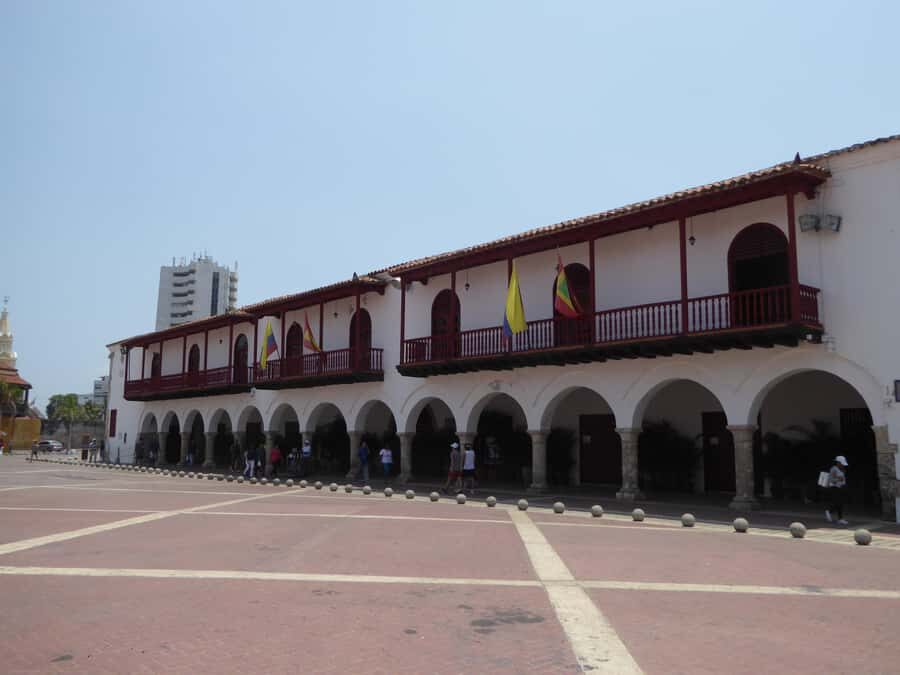
- Plazas as the storyboards: Plaza de Bolívar, Plaza de la Proclamación, and Plaza de la Aduana
- UNESCO Walled City (Corralito de Piedra): walk the historic core on foot
- Gold Museum stop: a strong, air-conditioned breather built into the route
- Local coffee shop visit: a more everyday Cartagena moment, not just sightseeing
Starting at Torre del Reloj: a simple way to begin
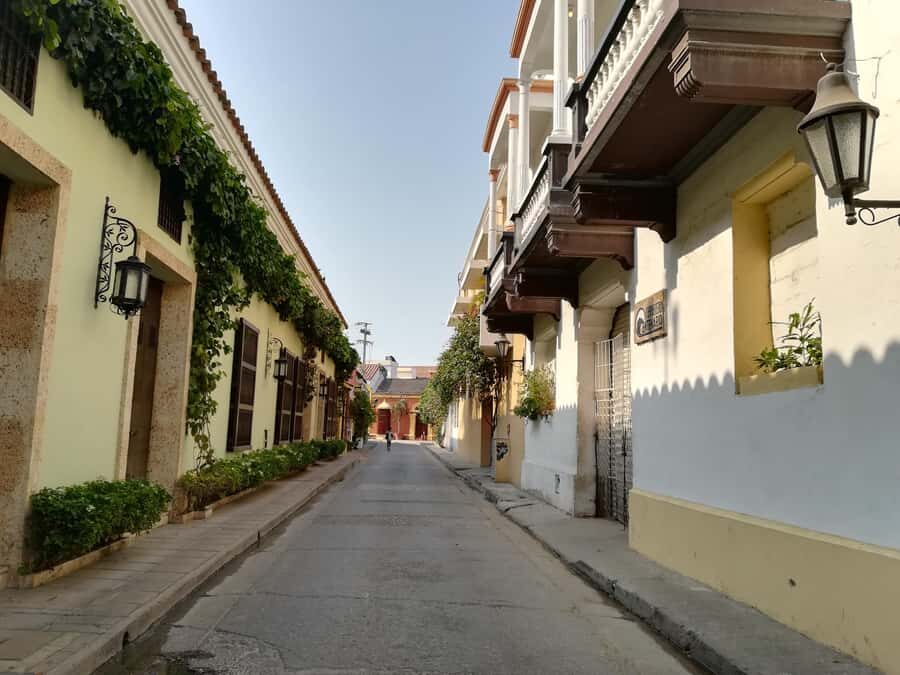
Your tour kicks off at Cartagena de Indias Torre del Reloj (the Clock Tower). That matters more than it sounds. In a historic center like Cartagena’s, it’s easy to waste time doing the “where are you?” dance. Starting at a major landmark helps you get moving fast and makes the first 20 minutes calmer.
From there, you’ll walk through the colorful streets of the historic center toward the big public spaces and churches that shape how Cartagena feels. Expect you’ll spend a lot of time on foot, with short stops where your guide pauses to explain what you’re seeing and why it mattered.
Practical note: Cartagena’s sun can be no joke. Bring a sun hat and sunscreen. Even with shade from old walls and churches, you’ll still want protection.
You can also read our reviews of more walking tours in Cartagena
3 hours in the Corralito de Piedra: how the walk is paced
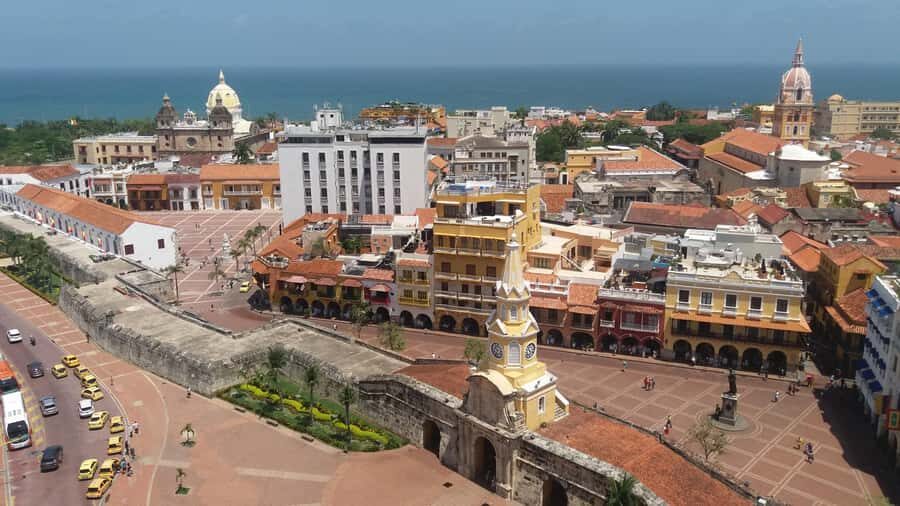
This is designed as a focused, “see the essentials without feeling rushed” format. Three hours is long enough to connect multiple stops—squares, churches, a museum visit, and a coffee break—but short enough that you’re not trapped in the city all day.
The route is built around Cartagena’s historic core, often called the Corralito de Piedra. That nickname is perfect for what you’ll experience: stone walls, tight streets, and views that feel postcard-ready without you having to hunt for them. Because it’s private, you’re not stuck with a bus-pace group. If your legs need a slower rhythm, that’s where a private guide can help.
What you should consider: because it’s a walking tour, you’ll want comfortable shoes. Also, if you’re the type who needs long museum time or long restaurant time, you may find the structure a bit tight.
Plaza de Bolívar: where Cartagena’s power shows up
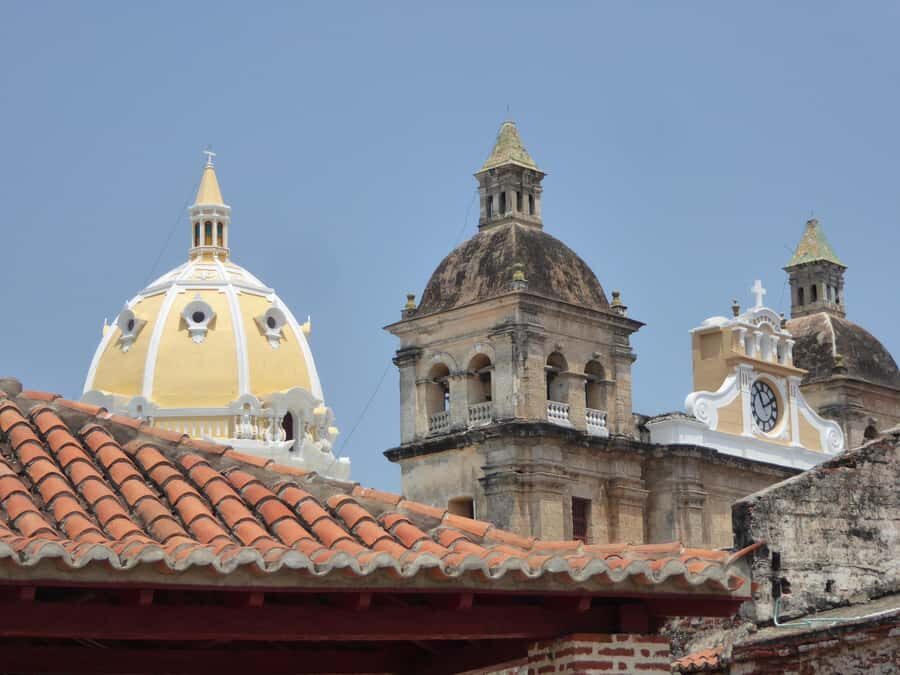
Plaza de Bolívar is one of those places where history becomes visible. It’s not just a pretty square—you’ll learn how public spaces were used to project authority and shape the city’s identity over time.
On your walk, this stop works as an anchor. It’s where the tour’s storytelling often clicks into place: conquest-era changes, colonial-era systems, and later the Republic period, all reflected in the architecture and how the city layout functions. Your guide will also tie in the darker chapters—the struggles, rivalries, and the sea-borne threats that Cartagena had to manage.
If you like your sightseeing with context—why a building is here, why a square matters—this is a strong stop. You won’t just take photos. You’ll understand what you’re looking at.
Plaza de la Proclamación and Plaza de la Aduana: street-level history
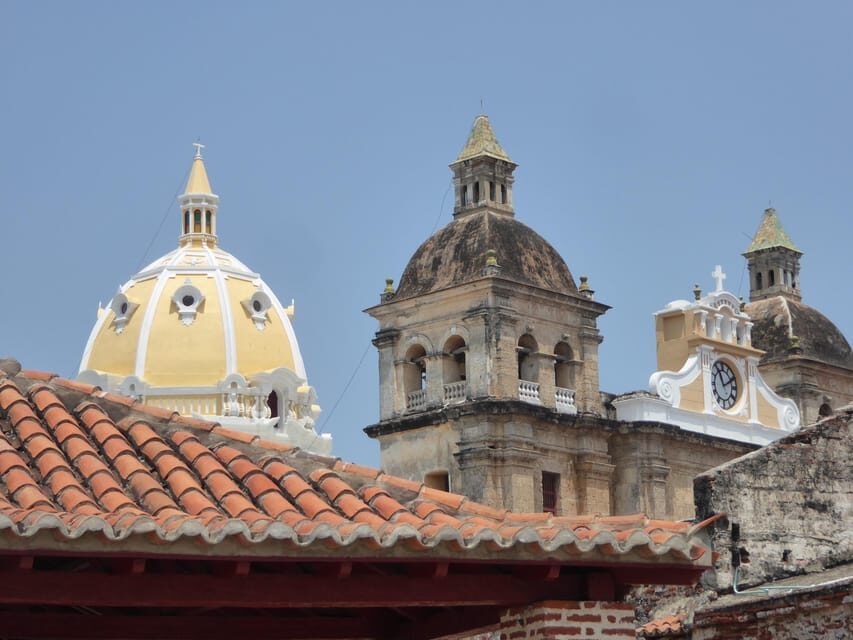
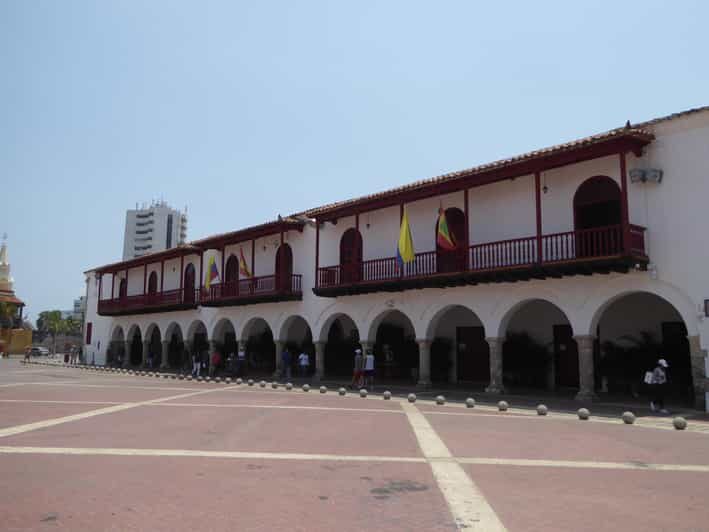
After Plaza de Bolívar, you’ll move through other key public squares, including Plaza de la Proclamación and Plaza de la Aduana. These stops help you see how Cartagena wasn’t only about grand power—it also ran on commerce, public announcements, and everyday movement.
Here’s what I find most valuable about this part of the tour: your guide is looking for patterns. You’ll start noticing how the city’s layout supports the story. The squares act like chapters, and the streets between them act like transitions—so the whole walk feels like a guided narrative instead of a checklist.
Possible catch: squares can be crowded at peak times. Since this is private, your guide can usually manage your timing better than a group tour, but you should still expect some on-foot “traffic” in the most central areas.
The Gold Museum stop: a break that still matches the theme
A big item on the route is the gold museum of Cartagena. It’s an excellent choice in a walking tour because it gives you a change of pace and a deeper cultural stop without derailing the schedule.
Even if museums aren’t your main passion, this stop tends to work because it connects to what you’ll hear about Cartagena’s history and influences—Indigenous presence, European contact, and the Caribbean crossroads that helped shape what the city became. And since you’re already walking the historic core, the museum helps you shift from “street stories” to “objects and meaning.”
What to do if you’re short on time: follow your guide’s cues on what to look for. That’s the difference between wandering and getting value in a limited timeframe.
You can also read our reviews of more guided tours in Cartagena




Churches and coffee: the Cartagena you feel, not just the Cartagena you photograph
Your tour includes churches and a stop at a local coffee shop, which is a smart add-on. Walking Cartagena’s old streets can turn into “look at walls, look at balconies” unless you get a couple of grounded, human moments.
The coffee stop also helps with energy. Since food and other drinks aren’t included, having a planned coffee break keeps you from accidentally turning the second half of the walk into a hangry sprint. Plus, you’ll already have bottled water and fresh fruits included, which is a practical win for a 3-hour city walk in the sun.
This is also where the guide’s story style matters. Based on the kind of feedback the tour seems to attract, the best guides don’t just list dates. They explain how religious influence shaped daily life, how African and Indigenous influences appear in the broader culture, and how music and joy are part of the city’s identity, not just the tourist brochure.
And yes, pirates come up. Cartagena’s pirate-and-corsair lore isn’t just a fun add-on. It’s tied to why the city evolved the way it did—trade, defense, and the constant push-pull of power at sea.
German or Italian guide: getting more from the same streets
This tour is offered with a German or Italian speaking guide, and that’s a big deal. Cartagena’s historic center has lots of details, and when the explanation is in your language, you catch more nuance—especially when the tour talks about conquest, colony, republic-era shifts, and the cultural mixing that came from the Caribbean.
You’ll likely hear the guide slow down at key points, and that flexibility is one of the tour’s standout strengths. One of the strongest themes from guide feedback: people appreciated that the guide adjusted pace so older visitors could keep up. That’s the kind of practical kindness that makes a private tour worth paying for.
If your Spanish is limited, this is also an excellent way to avoid missing the “why.” In a place like Cartagena, the why is where the magic lives.
Pirates, miscegenation, religion, and music: the big themes explained in plain terms
Cartagena’s story can sound like a textbook. A good guide turns it into something you can feel in the streets.
Here’s what your walk is set up to cover:
- Conquest, colony, and republic phases: you’ll see how different periods left marks on the city’s institutions and layout.
- Pirates and corsairs: not just adventure talk—more like how sea power and conflict shaped a port city.
- Indigenous and African influence: the guide ties this to Caribbean miscegenation and cultural mix.
- Religious influence: you’ll notice how churches and faith shaped the city’s rhythm.
- Joyful musical culture: you get the lighter side too, so the tour doesn’t stay stuck in conflict.
If you like stories that connect big events to street corners, this structure works. If you want only must-see photos with zero explanation, this might be more guidance than you need—but you can always ask for shorter answers.
Price and value for $136: what you’re really paying for
At $136 per group (up to 1) for a 3-hour walk, this is priced like a true private experience. That can feel high at first glance. But here’s the math that matters in real life:
You’re paying for:
- a private guide (not a shared group),
- German or Italian interpretation,
- included bottled water and fresh fruits,
- and a structured route through major highlights like the Clock Tower area, key plazas, a church stop, and the Gold Museum.
If you’re traveling solo or as a couple and you value understanding over wandering, the price makes sense. The included snacks are also not a throwaway detail. They reduce “random spending stress” mid-walk.
If you’re on a tight budget, you might choose a cheaper group tour. But if you want control of pace, language comfort, and a guide who can explain the city’s layers, this is strong value.
Who this tour fits best (and who should think twice)
This tour is a great match if you:
- want a private walking experience rather than a large group shuffle
- prefer your guide speaking German or Italian
- like history that’s explained in context—squares, churches, and the walled city all linked together
- want a manageable 3-hour plan without getting stuck in Cartagena all day
You might think twice if:
- you want a full-day deep dive at a slow pace (this is only 3 hours)
- you expect food to be included (it isn’t—plan for the coffee shop stop and budget for more if needed)
- you’re extremely photo-only and don’t care for guided explanations
Should you book this Cartagena private walking tour?
I’d book it if you want the historic center without the guesswork. Starting at Torre del Reloj makes the beginning easy, the route hits meaningful plazas like Plaza de Bolívar, and the mix of walking + the Gold Museum stop keeps the experience from feeling like nonstop outdoor sightseeing.
Choose it especially if language comfort matters to you. A German or Italian guide turns the city’s many layers into something you can actually understand, not just see.
If you’re the type who needs lots of time to linger in museums or you want a meal included, you may be happier planning a half-day with your own food breaks. But for most people—especially first-timers who want the right “core” of Cartagena—this private format is a very practical way to get it right.
FAQ
Where does the tour start and end?
It starts and ends at Cartagena de Indias Torre del Reloj (the Clock Tower).
How long is the Cartagena private walking tour?
The tour lasts 3 hours.
Is it a private tour?
Yes. It’s a private group experience.
What languages are the guides?
The guide speaks German or Italian.
What’s included in the price?
Bottled water, fresh fruits, and a German or Italian tour guide are included.
Is food or coffee included?
No. Food and other drinks are not included, although the route includes a stop at a local coffee shop.
Is the tour wheelchair accessible?
Yes, it is listed as wheelchair accessible.
What should I bring?
You should bring a sun hat and sunscreen.
What’s not allowed during the tour?
Alcohol and drugs are not allowed.
Is there free cancellation?
Yes. Free cancellation is available up to 24 hours in advance for a full refund.