REVIEW · CARTAGENA
Scenic Horseback Ride in Tropical Mountain Reserve
Book on GetYourGuide →Operated by Fundación Loros · Bookable on GetYourGuide
Dry-forest horseback in Colombia turns conservation into a full-day plan. At Fundación Loros near Cartagena, you spend hours in a 1,000-acre tropical dry forest learning how macaws and parrots are rehabilitated and released. It’s not just a nature outing; it’s the kind of day where you understand why the work matters.
I also like the hands-on way the itinerary builds toward the ride, including helping prepare and deliver food to the birds before you head out. One consideration: this is active outdoor time with a moderate fitness level, and it comes with rules like no feeding or touching animals, plus a strict dress and safety list.
In This Review
- Key Highlights You’ll Feel in Your Day
- Fundación Loros: A Tropical Dry Forest Sanctuary Near Cartagena
- Breakfast by the Lake and the Biologists’ Talk That Changes How You Look at Wildlife
- Helping With Bird Rehab Prep (Without Touching the Animals)
- The 1,000-Acre Horseback Ride: Skills, Terrain, and Mountain Views
- Nature Hike Time: Biodiversity Encounters on Foot
- UTV Views to Break the Day Up
- Meet Local Farmers and Taste Tropical Fruit
- Plant a Tree: A Simple Conservation Moment With Real Symbolism
- Price and Logistics: What $169 Covers (and How to Get There)
- Who This Horseback and Conservation Day Fits Best
- The Real Takeaway: Why This Day Feels Worth Your Time
- Should You Book This Bolívar Horseback and Conservation Experience?
- FAQ
- Where is Fundación Loros, and how far is it from Cartagena?
- How long is the experience?
- Is transportation to the sanctuary included in the price?
- What’s included in the $169 per person price?
- What languages are the guides?
- What should I bring and wear?
- Can I feed or touch the animals?
Key Highlights You’ll Feel in Your Day
- Rehabilitation center education with a guide talk focused on recovery and release, not a zoo script
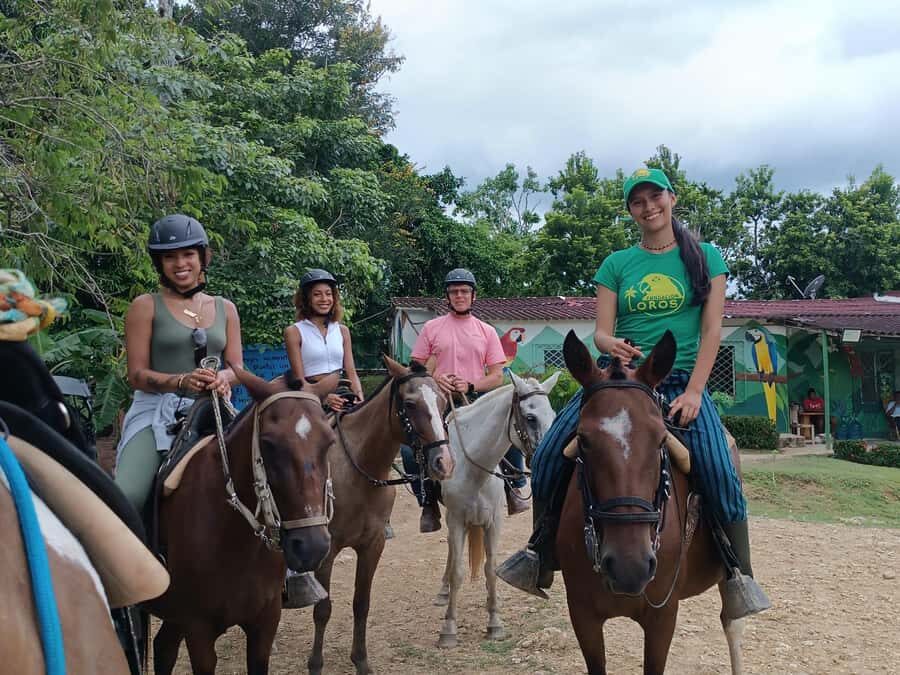
- 15-kilometer horseback ride through dry-forest trails with a biologist-led focus
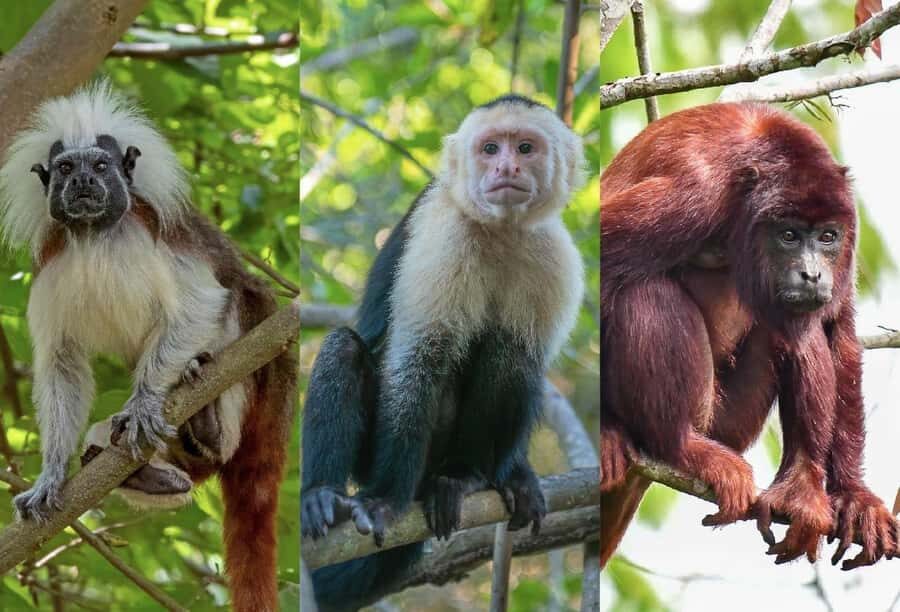
- Monkey and macaw reintroduction learning as part of how the sanctuary operates
- Nature hike for biodiversity and adventure, with wildlife encounters along the route
- UTV time for big mountain views, adding variety beyond just riding on horseback
- Plant-a-tree reforestation moment that gives the day a clear conservation ending
Fundación Loros: A Tropical Dry Forest Sanctuary Near Cartagena
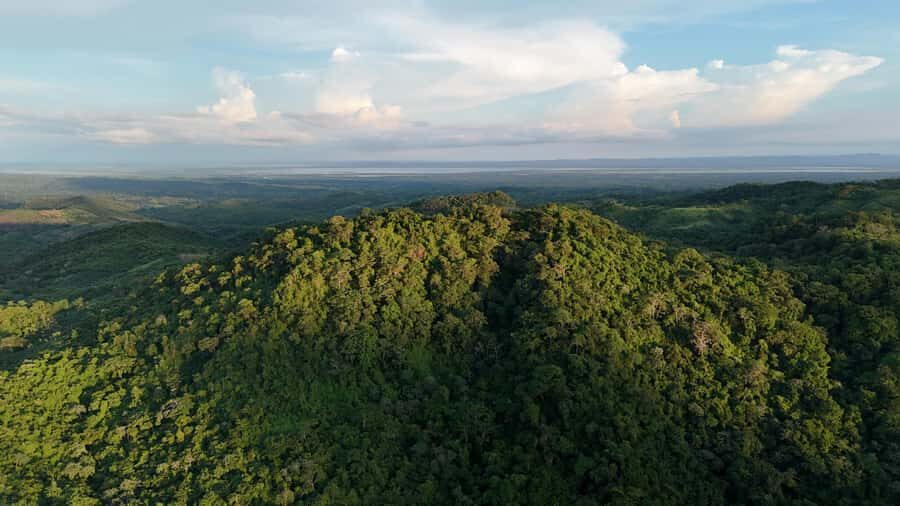
If you’ve only pictured Colombia as wet jungle, this day gently corrects that idea. The reserve is a tropical dry forest—a different kind of ecosystem with its own rhythms, plants, and wildlife. You’re not wandering randomly. You’re entering a working sanctuary run by Fundación Loros, where animal care and rewilding are the point.
The best part is that the day keeps you connected to the mission. Breakfast starts you off in the landscape, then you move into the educational piece, and only after that do you go outside and follow the trails. That pacing matters because it makes the wildlife you might see feel earned, not accidental. It also helps you understand why you’ll have rules about what you can and cannot do.
And while the location is near Cartagena, you’re trading city time for a quiet slice of Bolívar’s countryside. The reserve is about one hour from downtown Cartagena, so it’s close enough for a day trip, but far enough that the experience feels separate from the bustle.
A few more Cartagena tours and experiences worth a look
Breakfast by the Lake and the Biologists’ Talk That Changes How You Look at Wildlife
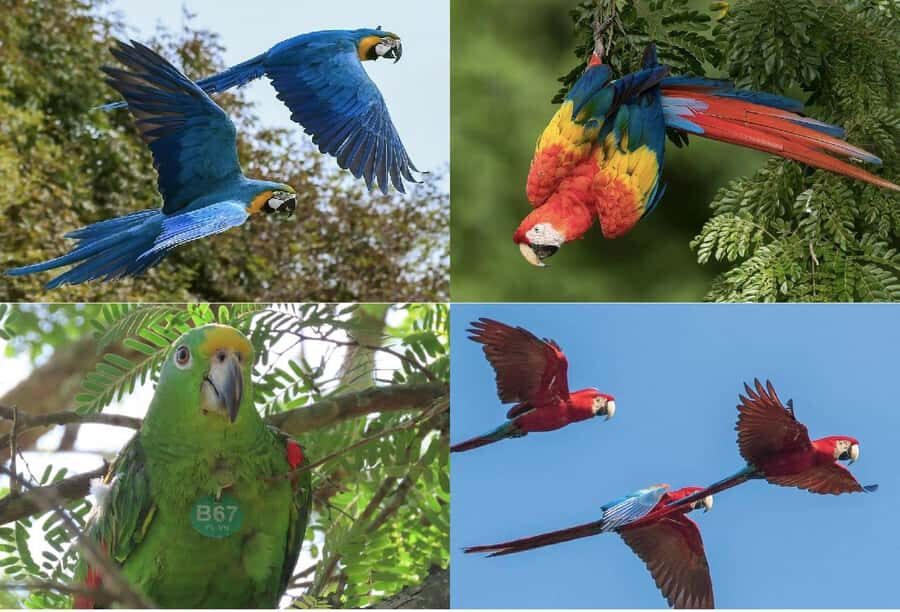
Your morning begins with a traditional breakfast by the lake. It’s a simple start, but it sets the tone: you’re in a reserve first, then you’re doing activities. After you eat, you’ll hear an engaging talk from biologists about the rehabilitation and release work for parrots and macaws.
This is the kind of explanation that makes the rest of the day click. When you know what birds have gone through—rescue, rehab, and preparation for release—you’ll notice details differently during your hike and ride. You’ll also understand why the sanctuary treats visitors like part of the ecosystem, meaning you’ll follow the rules closely.
If you’re the type who cares about conservation beyond a photo, this talk gives you context. The day isn’t vague. It focuses on how reintroduction and recovery work, and how that process supports the wider circle of life in the region.
Helping With Bird Rehab Prep (Without Touching the Animals)
One of the most memorable parts of the day is the pre-ride activity. You help prepare and deliver food to the birds before you set off. This is a real “get involved, stay respectful” moment. You’re not just watching conservation happen; you’re participating in a process that staff manage daily.
But here’s the key: it’s still a rehabilitation center, not a zoo. That means you will not feed the animals directly and you will not touch them. The experience is supervised by trained foundation staff, and the rules are clear for your safety and the animals’ wellbeing.
For me, that balance is what makes this experience feel ethical and worthwhile. You get meaningful involvement without turning the birds into an attraction. You can learn about the monkey and macaws reintroduction process, then you can step outside and apply that understanding through observation, not interference.
The 1,000-Acre Horseback Ride: Skills, Terrain, and Mountain Views
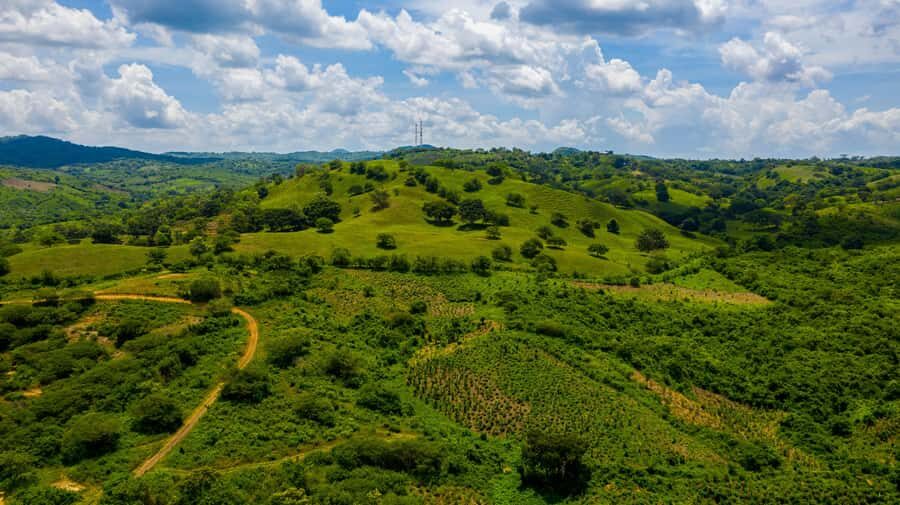
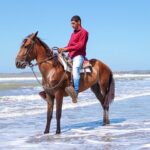
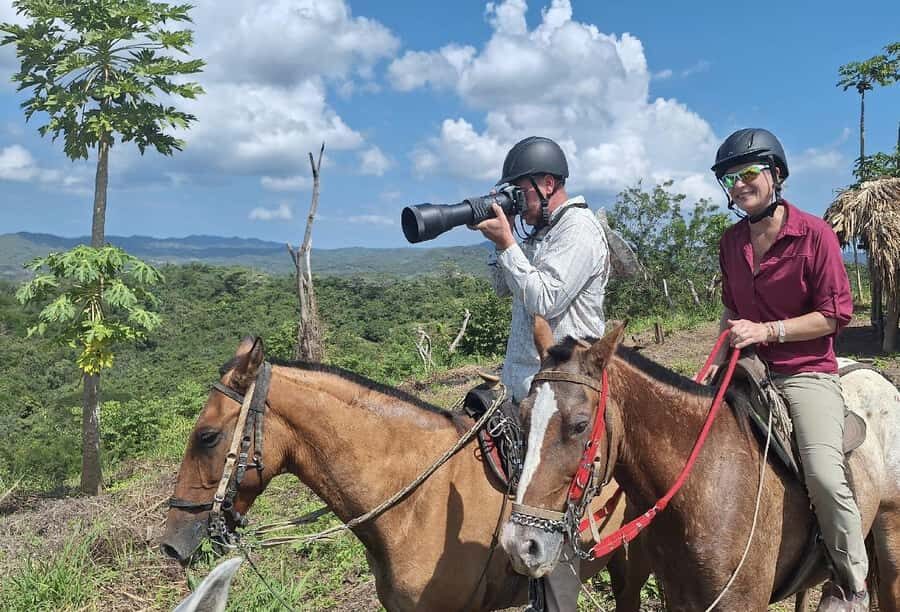
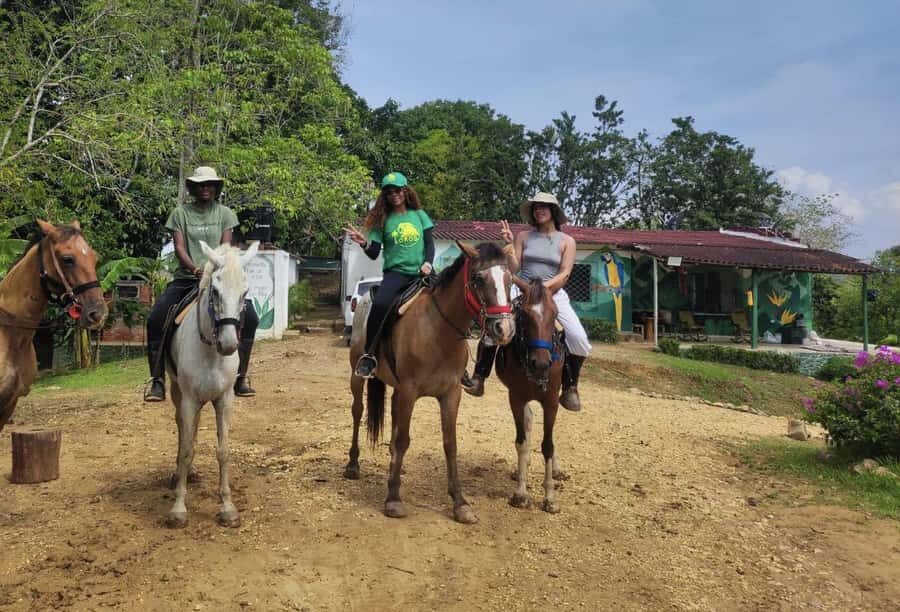
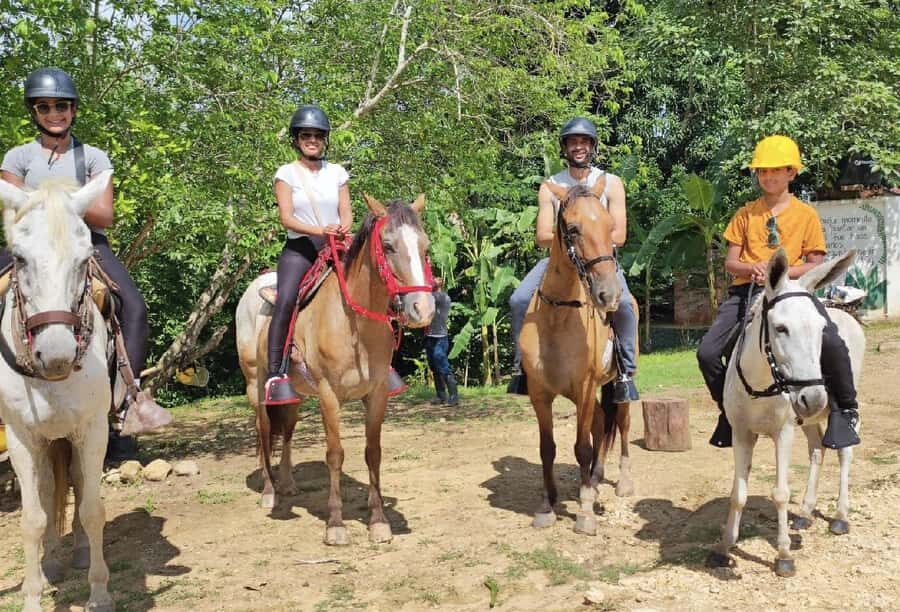
After the education and prep, you move into the main event: a 15-kilometer horseback ride guided by an expert biologist. This is where the day becomes more than classroom learning. You’re moving through a tropical dry forest with panoramic views as the landscape opens up toward the mountains.
The riding component is also structured to match your level. The experience is described as a personalized horseback riding experience tailored to all skill levels. In plain terms: you’re not expected to be a top rider. You should still be comfortable riding for hours and handling your horse with care, but the goal is to make the ride work for real people, not just professional equestrians.
What you’ll notice on the trails is the rhythm of the forest. Tropical dry forests can feel bright and open in places, then shaded and denser in others. That mix keeps the ride interesting, especially if you’re used to flatter, drier landscapes.
Practical tip: closed-toe shoes are required, and long pants are part of the rules. Save shorts for another day. Your legs will thank you on the trails and during the horse handling.
Nature Hike Time: Biodiversity Encounters on Foot
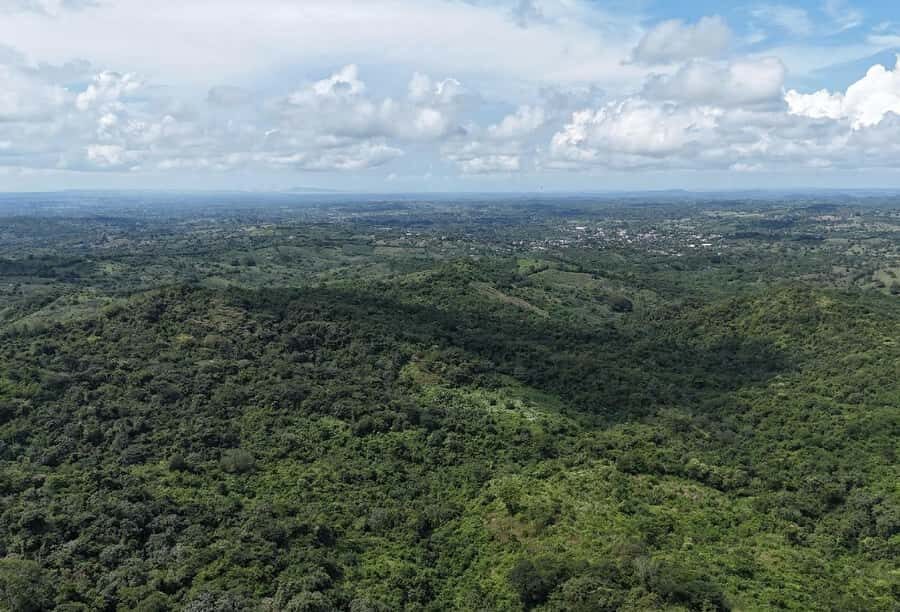
Not all wildlife happens from horseback. The day also includes a nature hike built around biodiversity and adventure. This is where you slow down and pay closer attention to what’s around you: movement in the canopy, birdsong, and signs of animals even if you don’t see the whole cast.
The itinerary is designed to give you chances to encounter monkeys, parrots, macaws, and other wildlife. Wildlife sightings are never guaranteed, but the reserve’s focus on habitat and reintroduction increases your odds of seeing meaningful life out there.
This part of the day works well because it breaks up the riding time. You can switch from horse-centered attention—posture, balance, trail pace—to foot-level observation. It’s also a good reminder that the reserve is not just a backdrop. It’s the home of the species the foundation is working with.



UTV Views to Break the Day Up
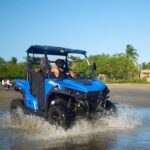
To keep the experience varied, you also get stunning views on a UTV. This gives you a different perspective on the mountains and the reserve. It’s also helpful if you want a change of pace without dropping the energy of the day.
A UTV segment is often a smart travel choice in countryside destinations. It adds excitement, but it also helps manage the schedule so you can fit education, riding, hiking, and conservation activities into a single 6-hour window.
Meet Local Farmers and Taste Tropical Fruit
Between the conservation and the scenery, you also get a slice of local life. Part of the day includes meeting local farmers and tasting freshly harvested tropical fruits as you explore.
Food like mango, papaya, and bananas show up again later as a snack, but the farm stop gives them a stronger story. You’re not only eating in the reserve; you’re connecting the landscape, the people, and the seasonal harvest that supports rural livelihoods.
This is one of those details that makes your day feel grounded. Wildlife conservation can sometimes feel distant to visitors, but food and farming bring it back to the human side of the region.
Plant a Tree: A Simple Conservation Moment With Real Symbolism
Toward the end, you plant a tree as part of the reforestation initiative. It’s a concrete action that ties the whole day together: you learned about rehab and release, you walked and rode through the habitat, and then you contribute to the ecosystem’s future.
Is one tree a cure-all for deforestation? No. But this isn’t framed as a magic fix. It’s framed as participation—an acknowledgement that conservation is long-term and that visitors can still help.
After that, you finish with a seasonal local fruit snack and a refreshing beverage. The timing is perfect. You’ve done the hard parts, you’ve seen the reserve, and then you wind down with something light and local.
Price and Logistics: What $169 Covers (and How to Get There)
The cost is $169 per person for a 6-hour experience with a lot included: breakfast, hydration, guided talk from biologists, support during bird rehab prep, a guided horseback ride, nature hike time, a UTV viewing segment, a tree-planting activity, and a guided center visit focused on rehab and release.
The part that makes this feel like real value is that most of the inclusions are labor-heavy and mission-driven. You’re paying for expert guidance, animal-centered education, and active outdoor time—not just access to a location.
What’s not included is transportation to Loros Wildlife Sanctuary. The reserve is about one hour from Cartagena, and the meeting point is at the foundation gate with two green signs.
If you prefer not to handle the drive, you can add private round-trip transportation for $75 USD per vehicle, up to four passengers. That can be a good deal if you’re traveling in a small group.
Arrival tip from the route guidance: take the northern exit of Cartagena, follow the main road toward Villanueva, Bolívar, pass Villanueva, then continue about 800 meters. The entrance is on the right with the foundation’s logo on two green signs. Also, you’ll want to inform the team when you depart Cartagena so they can coordinate your arrival.
One more quick note: the tour is listed as a private group, and it offers guides in English and Spanish. That’s useful if you’re more comfortable asking questions without a language gap.
Who This Horseback and Conservation Day Fits Best
This experience is built for people who want active nature time and clear rules around animal welfare. The ride and hike require a moderate fitness level, and it’s not right for everyone.
It’s not suitable for: children under 12, pregnant women, people with back problems, people with mobility impairments, wheelchair users, people over 60, people over 243 lbs (110 kg), people with pre-existing medical conditions, and people with recent surgeries.
If you’re within the suggested range and you can comfortably manage a long outdoor session, you’ll likely enjoy the mix: conservation education plus a real horseback trail plus a biodiversity hike plus local food.
Also note the behavior and dress rules. You’ll need comfortable outdoor clothing, long pants, and closed-toe shoes. Smoking in the vehicle and alcohol/drugs are not allowed, and intoxication is a no. The sanctuary rules also mean you won’t feed or touch animals.
The Real Takeaway: Why This Day Feels Worth Your Time
Plenty of tours promise animals and nature. This one feels different because it links what you do to why it matters. You get rehab and reintroduction education, you get to see how staff handle daily care, and you get to experience the habitat through walking and riding.
The best praised parts of the day are the guides, the variety of activities, and the way the ride connects you to the sanctuary mission. People often highlight that the day feels well organized and tailored, which is exactly what you want when you’re spending hours outdoors. You also get that reassurance that your money supports the project, because the activity is designed around conservation work, not entertainment.
If you care about doing something that’s more than scenery, this is the kind of outing that makes a place feel understandable.
Should You Book This Bolívar Horseback and Conservation Experience?
Book it if you want a full 6-hour day around Fundación Loros with education that actually informs your wildlife viewing, plus a guided horseback ride through a tropical dry forest and an extra burst of adventure with the UTV and hike.
Skip it if you need a low-impact day, have mobility or medical limits, or you’re hoping for a zoo-style hands-on animal experience (because this is a rehabilitation center with strict rules). If you can handle moderate outdoor activity and you’re comfortable following conservation guidelines, you’ll get a memorable day that connects Colombian landscapes, wildlife recovery, and local life.
FAQ
Where is Fundación Loros, and how far is it from Cartagena?
The reserve is about one hour from downtown Cartagena. The meeting point is at the foundation gate with two green signs displaying the foundation’s logo.
How long is the experience?
The tour lasts 6 hours.
Is transportation to the sanctuary included in the price?
No. Transportation to Loros is not included. You can add private round-trip transportation for $75 USD per vehicle (up to 4 passengers).
What’s included in the $169 per person price?
Included are breakfast, hydration, a guided tour of the macaw and parrot rehabilitation and release center, horseback riding tailored to your level, a nature hike, UTV views, a tree-planting activity, and a seasonal local fruit snack with a refreshing beverage.
What languages are the guides?
The live tour guide offers English and Spanish.
What should I bring and wear?
Bring comfortable clothes, long pants, outdoor clothing, personal medication, and closed-toe shoes.
Can I feed or touch the animals?
No. It is not permitted to feed the animals directly or touch them. All activities take place under supervision, and the site is a rehabilitation center, not a zoo.