REVIEW · CARTAGENA
Cartagena: Sail in the mangroves of Cartagena
Book on GetYourGuide →Operated by AV COL · Bookable on GetYourGuide
The mangroves feel like another world. This Cartagena outing pairs canoe navigation with quiet bird watching, plus up-close looks at colorful crabs and mangrove life. I especially like how you move slowly enough to actually notice plants and animals, and how the guide brings in local context while you’re floating.
Do plan one practical thing ahead: the tour doesn’t include return to your hotel once it ends, so transportation choices matter.
In This Review
- Key things to know before you go
- First gliding out from La Boquilla
- How the canoe route works (and what 2 hours of sailing really means)
- The 3 mangrove tunnels: your quiet, photo-ready highlight
- Wildlife you can actually spot: herons, pelicans, crabs, and more
- Seeing the Pantano de la Virgen up close
- Guide experience: history talk, English support, and a smooth moment
- Transport and pickup: the part that can make or break your day
- Price ($23) and what you’re really paying for
- Who this mangrove sail fits best
- A few practical tips so you start calm
- Should you book the Cartagena mangrove sail?
- FAQ
- How long is the mangrove tour?
- What does the tour include?
- Do I get hotel pickup?
- Does the tour return me to the hotel?
- Where is the meeting point?
- Is lunch included?
Key things to know before you go
- 3 mangrove tunnels on a traditional canoe/raft-style route
- Wildlife spotting that can include flamingos, pelicans, crabs, and other birds
- Pantano de la Virgen scenery, with endemic mangrove flora and also amphibians/reptiles you might spot
- Private group with a guide who speaks Spanish and English (native English guide option)
- Pickup is optional, and costs can vary by area, with some options including return
First gliding out from La Boquilla
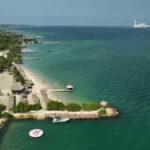
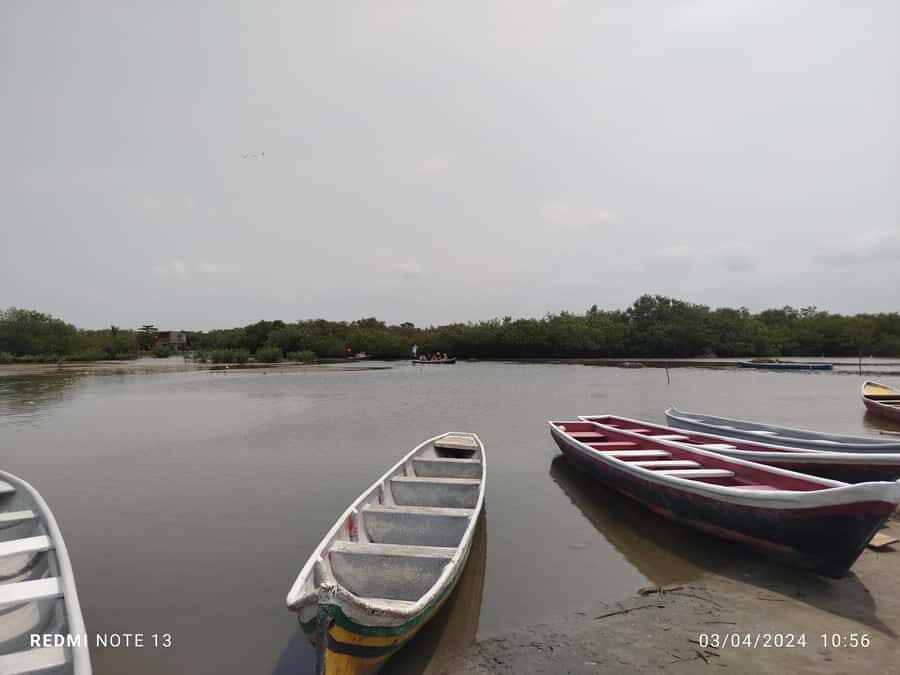
This starts on the water world of La Boquilla, near Caribe Blue and Manglares Hostel. The meeting point is in the beach and mangrove area, so you’re not just meeting a guide in a lobby. You’re meeting them where the mangroves begin, which helps the whole experience feel grounded and real, not like a tour bus stop.
If you’re staying nearby, you may find it easier to get there on your own. Still, a key part of the value here is not only the sail, but also the way you transition from Cartagena’s street energy into the calm of the wetlands. That shift happens fast once you’re paddling and drifting through the mangrove channels.
One more timing note: the activity runs 90 to 150 minutes, but the core canoe portion and tunnel time is about 1 hour and 30 minutes. In practice, that means you should plan to be flexible about total duration depending on pickup and on-the-water conditions.
You can also read our reviews of more boat tours in Cartagena

How the canoe route works (and what 2 hours of sailing really means)
After pickup—if you choose it—you’ll head toward the mangrove area and then out to Playas Boquilla toward Marlinda. The day’s pacing is slow by design. Mangroves are not a place you rush through, and the best sightings happen when you’re not constantly moving.
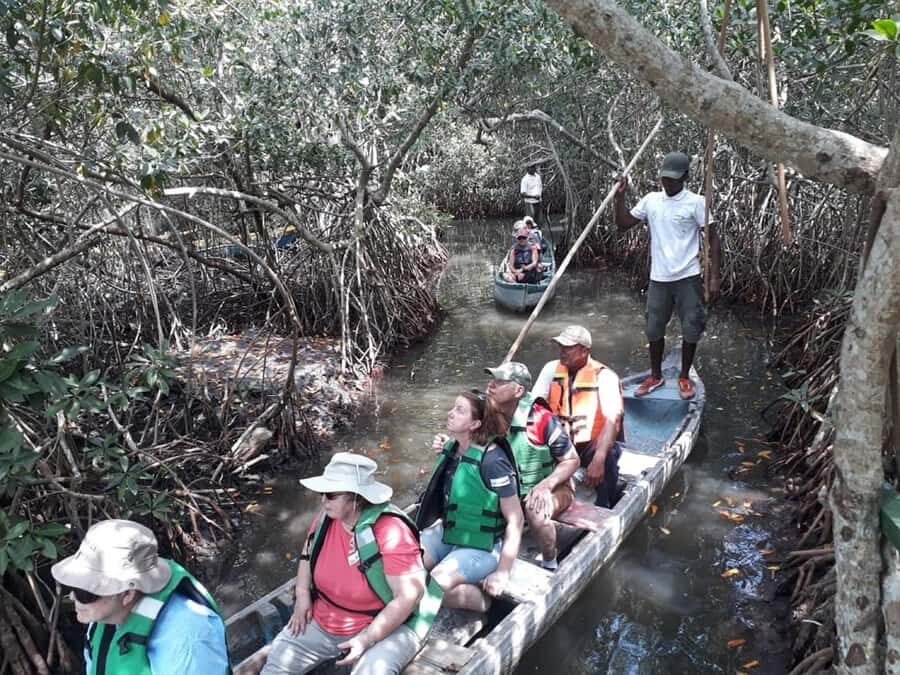
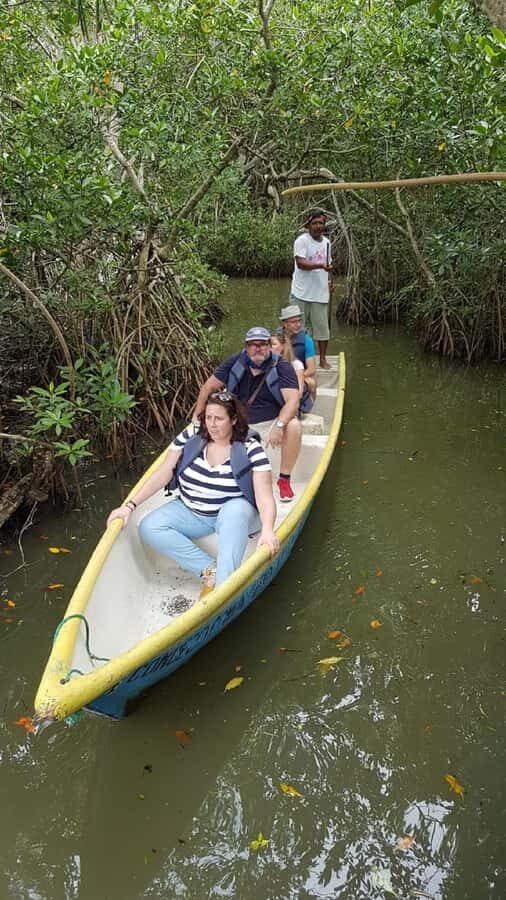
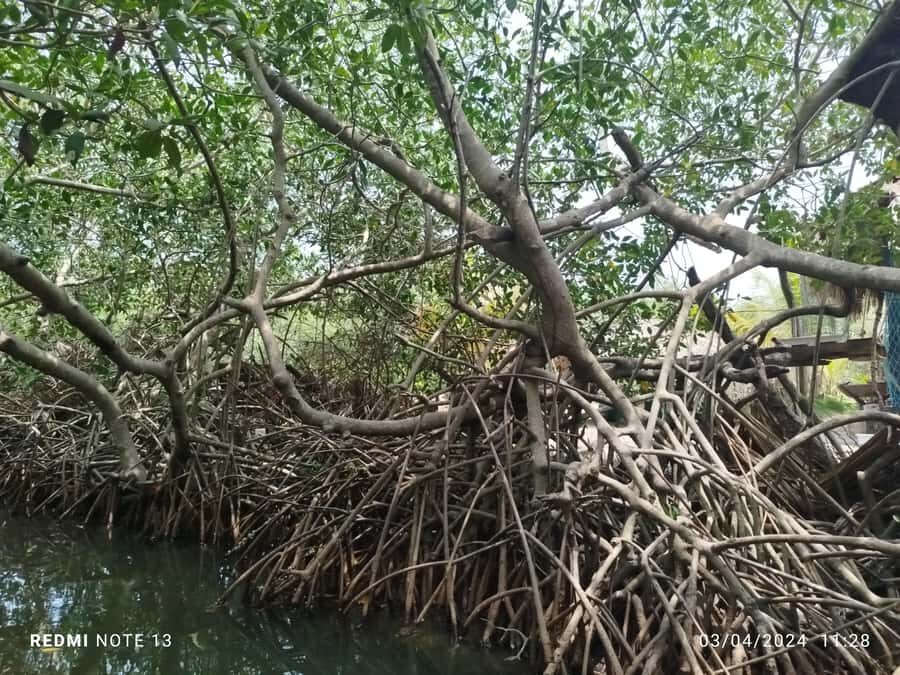
The route includes typical raft navigation (canoe style) and a pass through three mangrove tunnels. Those tunnels are the main moment because they change the sound and feel of the trip. Outside, you hear wind and water. Inside, the channel narrows and the canopy takes over, so the experience becomes more about listening—birds calling, water movement, and the subtle life around you.
You’ll also get on-the-spot learning while you go. The tour includes talking about the history and characteristics of the place, which helps you connect what you see—mangrove roots, seeds, and plant growth—with why this ecosystem matters.
The 3 mangrove tunnels: your quiet, photo-ready highlight
The standout feature is the three mangrove tunnels, where you glide through tight corridors of mangrove growth. This is the part that many people remember because it feels almost surreal: you’re moving, but the environment makes it quiet and focused.
Here’s what you’re likely to notice during the tunnel time:
- Endemic mangrove flora and how the plants grow where water and roots meet
- Water movement and bird activity around the channel
- Wildlife that shows up when the guide slows things down
Even if you’re not a hardcore birder, tunnels like these are easy to enjoy because they create moments. You can’t just walk there and see the same view. The canoe gets you into the ecosystem’s working space.
This is also where the optional “nature contact” angle shows up. The tour includes contact with residents and you may see how local people relate to the wetlands in daily life—especially through the work you might observe from fishermen while you’re out on the water.
Wildlife you can actually spot: herons, pelicans, crabs, and more
This is not a sightseeing checklist that dumps you into a few quick stops. It’s a slower search-and-see kind of experience. The information shared during the tour points you toward what matters in mangroves: the way animals use cover, the way birds move through feeding zones, and the way smaller creatures reveal the health of the habitat.
What you might see depends on the time of day and conditions, but the tour includes chances for:
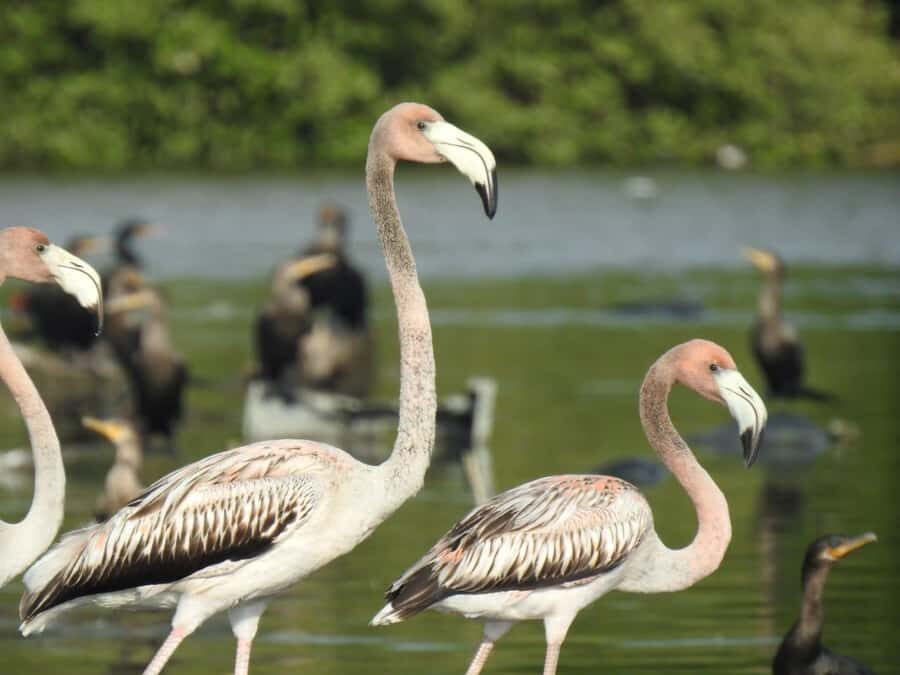
- Bird sightings like herons and pelicans
- Flamingo sighting (when conditions align)
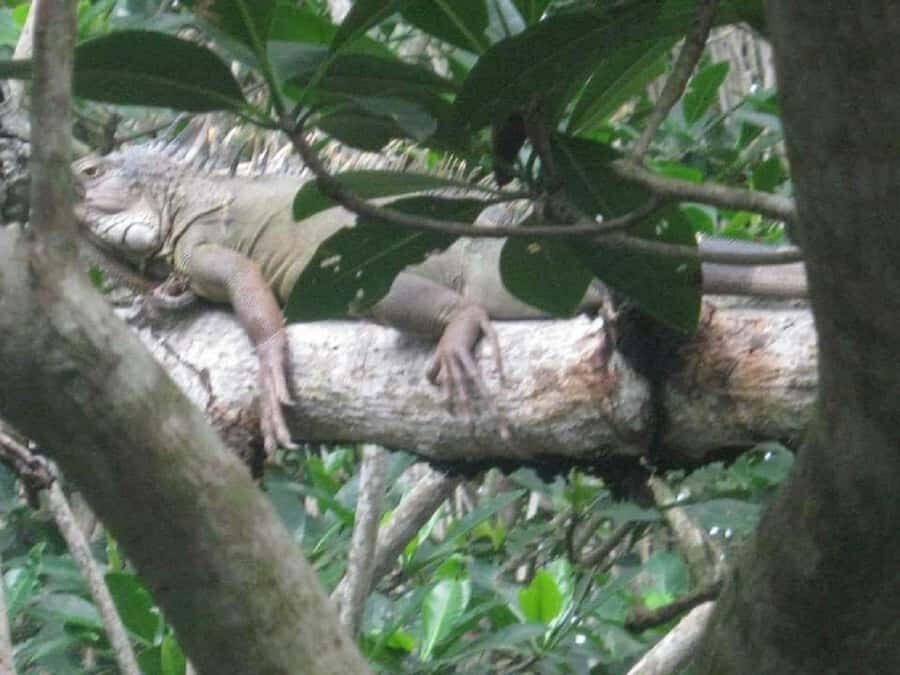
- Crab sighting, plus other small mangrove life such as amphibians and reptiles you might spot
- Colorful crabs and other creatures that stand out against the darker water channels
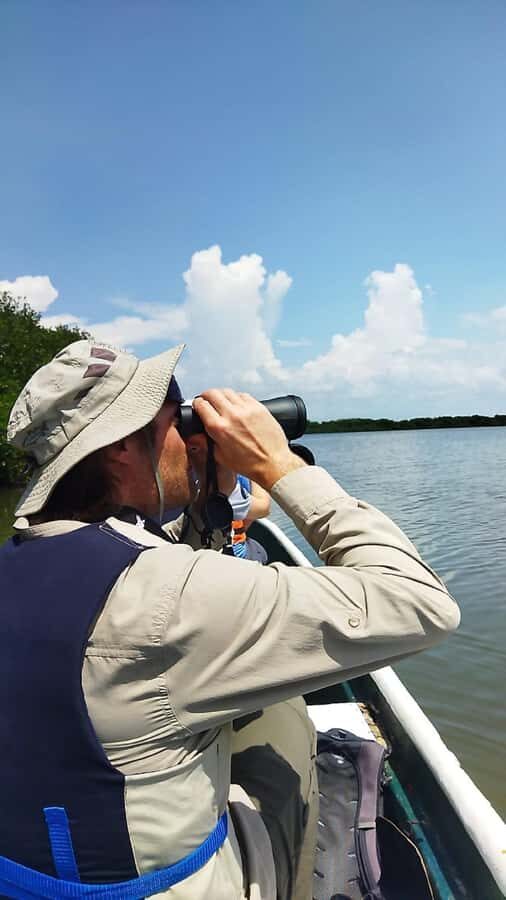
One detail that’s worth knowing: you’re not just watching from a distance. The tour description includes observation, and the experience is framed as learning with the guide—so the animal encounters tend to feel purposeful. You may even notice the guides pointing out how mangrove features tie to what animals can do there.
The practical upside for you: if you go with patience, you’ll likely enjoy the trip even if wildlife sightings aren’t constant. Mangroves reward attention.
Seeing the Pantano de la Virgen up close
You’ll be surrounded by the Pantano de la Virgen wetlands. That matters because the ecosystem isn’t just a pretty background. The Pantano de la Virgen is a working habitat, and the mangrove vegetation isn’t decorative—it’s structural. Roots, seeds, and plant growth create the spaces where animals feed, hide, and move.
The tour includes observation of typical flora of endemic mangrove, and it also includes learning about how those plants function. If you’ve ever wondered why mangroves look the way they do—why roots grow where they shouldn’t—this is one of those experiences that turns theory into something you can see with your own eyes.
You’ll also hear bird calls and see movement that’s easy to miss from land. That’s a big part of the value: the wetlands become a living system, not a backdrop.

Guide experience: history talk, English support, and a smooth moment
The experience is guided, with Spanish and English available. The activity includes a native English guide option, and there’s also a personalized guide component. You’re not on your own in a boat.
One guide name that comes up in the experience details is Domingo. People describe him as patient and fun, and that matters because mangrove trips can include real-world friction—late arrivals, hard-to-find meeting points, and the need to coordinate pickup or transport. When your guide is calm and practical, the trip stays enjoyable.
Communication with the provider (listed as AV COL) is another thing to take seriously. One thing you should do: if you’re trying to nail down meet-up details, contact them directly through their messaging channel. Clear communication is the difference between arriving on time and having stress before you ever reach the water.
Transport and pickup: the part that can make or break your day
Let’s be blunt: in Cartagena, the mangroves are not always easy to reach. The meeting point is in the beach and mangrove zone of La Boquilla, and nearby areas may be tricky to navigate. One practical move for you is to ask for transport ahead of time if you aren’t already comfortable getting there on your own.
Here’s how pickup works based on the available options:
- Pickup is optional (there are multiple choices)
- If you’re staying in demarcated areas, pickup can happen at the door of your hotel or rental
- The price for pickup can vary between $4 and $10, depending on pickup location
- The tour also says there’s an extra cost of $10 USD for a trustworthy vehicle when arranged through the collaboration
Important: the activity itself does not include return to the hotel once the tour is over. That means you need to be sure you understand whether your selected option includes a return leg. The experience information also notes options where pickup and return are included, so check that before you assume you’ll be dropped back where you started.
If you’re the type who hates last-mile surprises, this is your cue to plan. People tend to enjoy the mangroves more when they’re not simultaneously negotiating taxis.
Price ($23) and what you’re really paying for
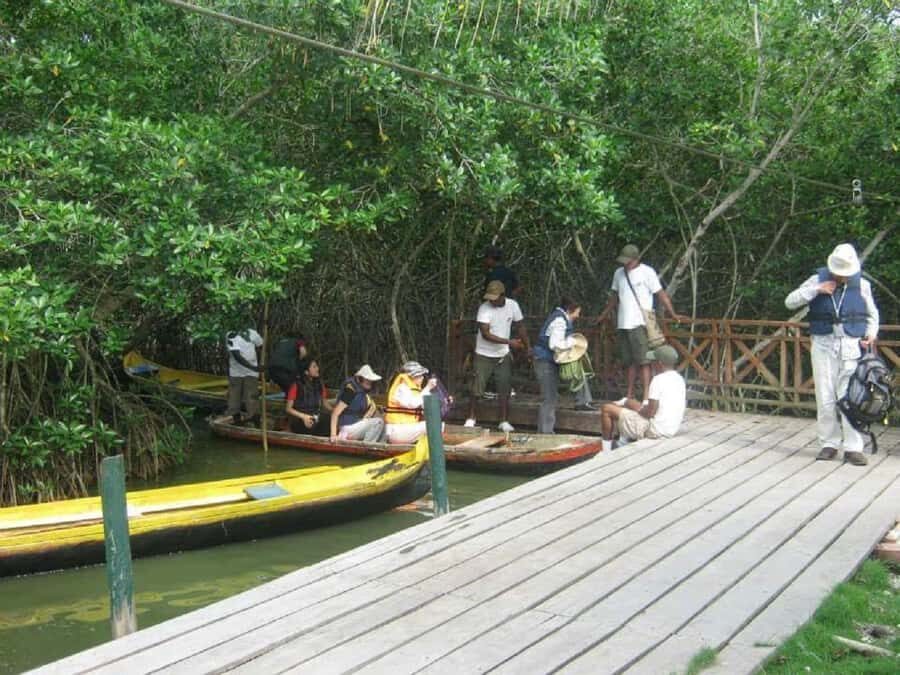
The cost is $23 per person, for a 90 to 150 minute experience. That price is positioned as value because it includes:
- The canoe navigation and sailing through 3 mangrove tunnels
- A guide who explains history and characteristics of the place
- Wildlife observation elements like flamingo and pelican sightings (when conditions allow), plus crab sightings
- Flora observation of endemic mangrove
- A water bottle
- A private-group experience
It also includes the practical comfort items that you’d want for a short nature outing—especially the guide support and the structured route. Food is not included, so if you want a snack, there’s a note about cold coconut for $3 USD.
Where the value can shift for you is the transport piece. If you need pickup, the total cost can rise due to pickup/vehicle add-ons. Still, that can be worth it if it saves you time and confusion getting to the water.
The best way to judge value: treat the price as paying for a small-group canoe passage through mangrove tunnels with interpretation. You’re not buying a generic photo stop—you’re buying a guided walk-on-water through a living ecosystem.
Who this mangrove sail fits best
This works best for you if you like nature that isn’t staged. If you want quiet, listening, and slow movement—this trip has that mood. It’s also a good fit if you enjoy birds and small wildlife spotting, because the tour is framed around likely sightings like herons and pelicans, plus crabs and other small creatures.
It’s also a decent choice for people who want a less “performative” side of Cartagena. Instead of only the city sights, you spend time in the wetlands that locals are actually living with.
If you hate uncertainty, you should plan your transport carefully. The tour ends at Caribe Blue, and it doesn’t automatically take you back to your hotel.
A few practical tips so you start calm
- Confirm how you’ll get there. If the pickup option is available for your area, it can save stress.
- Use AV COL for meet-up details if you need clarification. Communication can be the difference between smooth and chaotic.
- Expect wildlife based on timing, not guarantees. The tour includes a range of sightings, but nature isn’t predictable.
- Plan food separately since lunch isn’t included.
These are small moves, but they make the day feel smooth—so you can focus on what you came for: floating through mangrove tunnels and paying attention.
Should you book the Cartagena mangrove sail?
I’d book it if you want a real mangrove experience that slows you down and teaches you what you’re looking at. The combination of three tunnels, a canoe-style route, and the focus on endemic mangrove flora and wildlife gives you a memorable contrast to typical Cartagena tours.
You might skip it—or at least be very careful—if you’re relying on a simple hotel loop with no transport planning. Because the tour ends without automatic return, you’ll want to choose the correct pickup/return option or have your own plan to get back.
If you get the logistics right, this is the kind of trip that turns the mangroves into a story you can still picture later: water, birds, and those tunnel walls closing in around you as you glide through the Pantano de la Virgen.
FAQ
How long is the mangrove tour?
The experience runs about 90 to 150 minutes overall, and the core activity is listed as 1 hour and 30 minutes.
What does the tour include?
You’ll get a guided canoe/raft navigation with sailing through 3 mangrove tunnels, plus explanations about the area, a water bottle, and wildlife/flora observation such as endemic mangrove plants, birds (including pelicans), and crab sightings.
Do I get hotel pickup?
Pickup is optional. The activity notes pickup options, including door pickup in demarcated areas, and pickup prices vary depending on location (between $4 and $10, and an extra $10 USD vehicle option is mentioned).
Does the tour return me to the hotel?
The info says the mangrove tour does not include return to your hotel once the tour is over. Some pickup options may include return, so confirm which option you choose.
Where is the meeting point?
The meeting point is in the beach and mangrove of La Boquilla, near Caribean Blue and Manglares Hostel.
Is lunch included?
No. Lunch is not included, and there is an option to buy a cold coconut for $3 USD.