REVIEW · CARTAGENA
Explore La Boquilla’s Mangrove Tunnels with Local Fishermen
Book on Viator →Operated by Impulse Travel · Bookable on Viator
Mangroves can feel like time travel. This 3-hour canoe trip from Cartagena takes you through living mangrove tunnels with local fishermen, plus a clear look at how Afro-Colombian families keep their waters healthy. I love the mix of calm paddling and hands-on learning, and I also like that the education feels tied to real life, not just facts on a page.
One thing to consider: this is a water-and-wildlife day that runs rain or shine, so you’ll want clothing and footwear that can get wet and a hat for sun, shade, and glare on the water.
In This Review
- Key takeaways before you go
- Mangrove tunnels: the calm side of Cartagena
- Centro Histórico to Ciénaga de la Virgen: where the mangrove canopy starts
- Ciénaga de Juan Polo: conservation you can notice in fish and birds
- La Boquilla: canoeing with local fishermen and community leaders
- Price and value: why $159 can make sense here
- Timing that actually feels comfortable
- Rain or shine: what to pack for a water adventure
- Who should book this, and who should think twice
- Should you book the La Boquilla mangrove tunnels tour?
- FAQ
- How long is the tour?
- Where is the tour located?
- What is the price per person?
- Is hotel pickup and drop-off included?
- Do I get an English-speaking guide?
- What activities are included during the tour?
- Is there a welcome drink?
- Are entrance fees included?
- What should I bring since it is rain or shine?
- What is included vs. not included?
- Is there a cancellation policy?
Key takeaways before you go
- Small group capped at 8 travelers for a more personal feel on the water
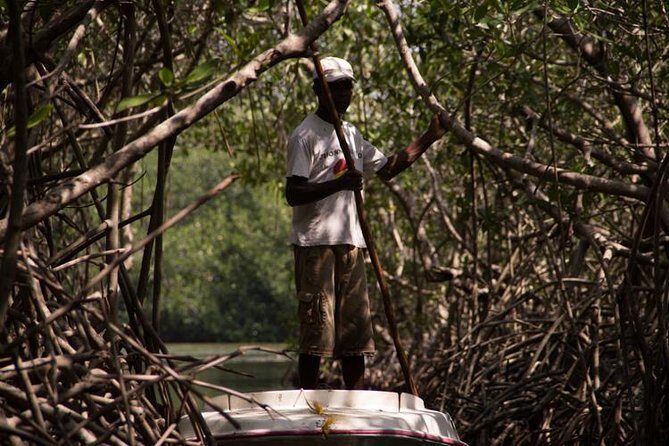
- Canoe paddling through Ciénaga de la Virgen’s mangrove roots and quiet waterways
- Conservation stories you can actually connect to what you see birds, fish, and cleaner channels
- La Boquilla fishing village time with community leaders and local fishermen guiding the experience
- Welcome drink included (coconut water or bottled water)
- Hotel pickup and drop-off in Cartagena so you start stress-free
Mangrove tunnels: the calm side of Cartagena
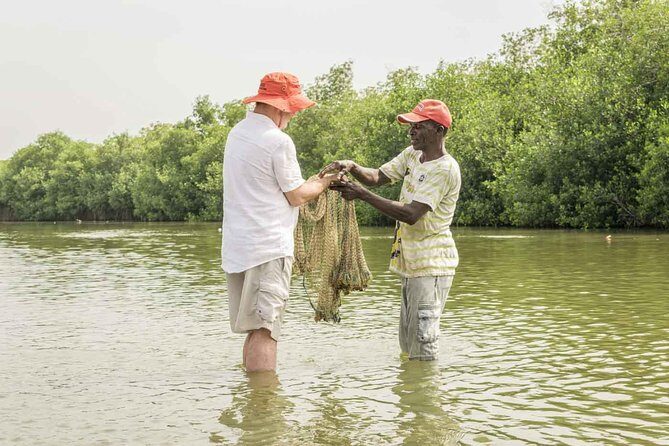
Cartagena is famous for color, crowds, and history. This tour gives you a different kind of Cartagena: quieter, greener, and more human-scale. You trade the city’s pace for a slow glide through mangrove waterways where the roots form natural arches overhead and the air feels cooler under the canopy.
What makes it genuinely interesting is how the day connects ecosystems to livelihoods. You’re not just sightseeing mangroves. You’re learning why these wetlands matter to food, fishing, and local identity, and you get to see the results of community conservation efforts on the water and in the birds overhead.
I also appreciate the practical shape of the experience. It’s long enough to feel like an outing, but it’s not so long that it becomes a slog. The tour is about 3 hours, and you spend the biggest chunk of time out on the canoe and around the village area in La Boquilla.
You can also read our reviews of more tours and experiences in Cartagena.
Centro Histórico to Ciénaga de la Virgen: where the mangrove canopy starts
Your day begins with hotel pickup in Cartagena around the scheduled time, then a ride out with a bilingual guide (Spanish/English). During the drive, you get context for what you’re about to see: how the mangrove system supports wildlife and why residents treat these wetlands like a shared resource.
After a short start in the Centro Histórico area, you head toward Ciénaga de la Virgen, a mangrove forest and lagoon system known for its natural waterways. This is where the tour’s signature feel kicks in. You’ll paddle a canoe through calm channels and tunnel-like sections where mangrove roots stretch overhead.
A couple of things you should look for during this part:
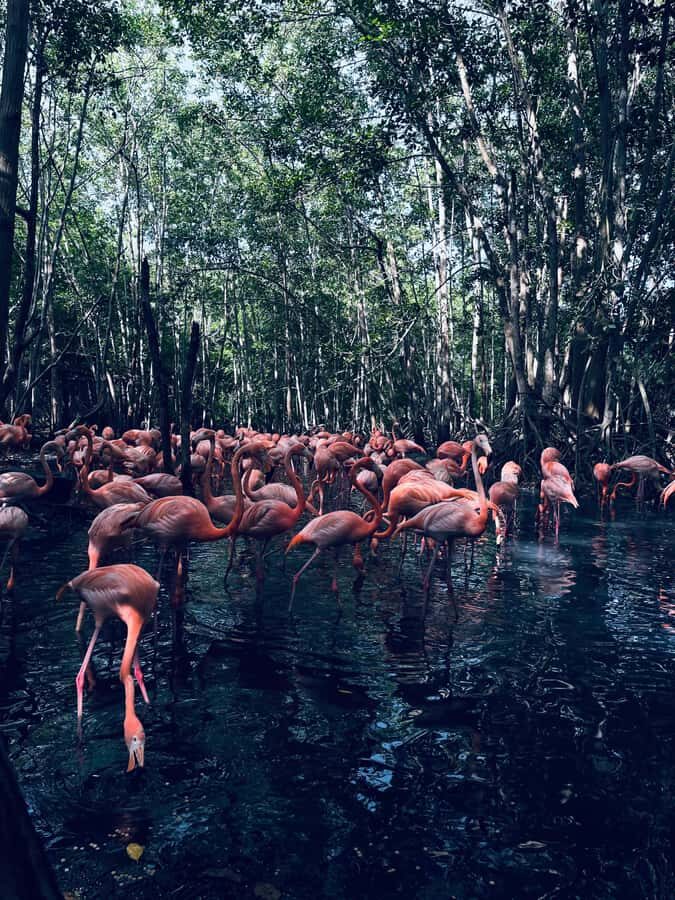
- Birdlife moving through the roots, including egrets, herons, and pelicans
- Fish species tied to local fishing livelihoods, which matters more here than in most tourist wetlands
- The way the water looks and sounds under the canopy: quieter than you expect
The day’s pace is also a good match for most people. The main activity is paddling and floating through a protected area, not a workout-style whitewater experience. If you’ve ever wanted to see wildlife in a place where people still depend on the ecosystem day to day, this is a strong way to do it.
Possible drawback here: because it’s water-focused, you’ll likely get splashes. Bring gear that dries fast and isn’t your best sandpaper-proof pair of shoes.
Ciénaga de Juan Polo: conservation you can notice in fish and birds
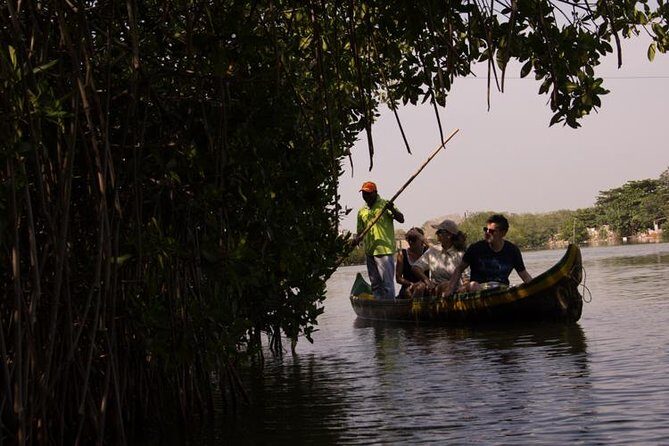
From Ciénaga de la Virgen, the tour continues to Ciénaga de Juan Polo, another tranquil lagoon. This section is more about observation and learning than it is about urgency. You’ll continue through peaceful wetland scenery and keep your eyes open for bird activity.
What makes Juan Polo especially meaningful is the conservation angle. You’ll hear how community efforts have helped bring back native fish species and improved the wetland for birdlife. That matters because mangroves and lagoons aren’t static. If the water gets degraded, fish populations and bird feeding patterns shift. If protection improves, you can start to see the balance return.
This part is also where the tour becomes more than a nature walk. It turns into a story about community organization: people working together to clean and protect their waters so wildlife can rebound. Even if you’re not a hardcore environmental nerd, it helps you understand why the mangrove tunnel experience is worth protecting.
If you like birdwatching but also want the human angle, Juan Polo is the sweet spot in the middle of the route.
La Boquilla: canoeing with local fishermen and community leaders
Next you arrive in La Boquilla, a fishing village where Afro-Colombian culture is lived, not staged. This is where the tour shifts from mangrove ecology to people and tradition.
You’ll meet local guides and community leaders who explain how environmental recovery became a community success story. The goal isn’t just to tell you the facts. It’s to show you how their daily routines connect to the mangrove system and the lagoon waters.
Then comes the most memorable part for many people: the traditional canoe experience guided by local fishermen. This is where you may get hands-on learning about fishing methods. Some groups also include practical fun like trying fishing-related activities such as using nets and, in some cases, crabbing.
One of the most praised moments is watching the fishermen at work. In past groups, people have highlighted learning from fishermen such as Luis and having a friendly bilingual guide such as Javier guide the story along the water. That combination usually works well: you get both technique and context, with clear English/Spanish support.
At the village end of the day, food is sometimes part of the experience. Reviews describe a delicious meal and even crab cooked at the end. I can’t promise it for every departure, but if it’s offered on your day, it’s worth leaning into. Eating what’s being prepared locally is the fastest way to make the mangrove story feel real.
Price and value: why $159 can make sense here
At $159 per person, this isn’t a cheap add-on. But it also isn’t a big-city tour with generic storytelling. The value comes from four things you’re unlikely to replicate on your own:
- Transportation included
You get roundtrip pickup and drop-off from Cartagena accommodations, so you’re not figuring out rural routes and timing.
- A bilingual guide (Spanish/English)
That’s a big deal when the tour includes ecology lessons plus local culture and community organization.
- Local fishermen guiding the canoe time
This is not just someone in a boat reciting wildlife names. You’re learning alongside the people whose livelihoods depend on the ecosystem.
- Education that’s tied to conservation results
You hear how communities cleaned and protected the waters and what that changed for fish and birds.
Small group size helps too. With a maximum of 8 travelers, you’re more likely to get attention, questions answered, and a smoother experience in the canoe.
If you’re comparing prices, keep this in mind: the real cost here isn’t only the boat ride. It’s the guided access to multiple wetland areas plus a village experience that keeps the community front and center.

Timing that actually feels comfortable
The total day runs about 3 hours, with enough structure to keep things easy:
- Short start from Cartagena and orientation
- ~30 minutes in Ciénaga de la Virgen
- ~30 minutes in Ciénaga de Juan Polo
- ~1.5 hours in La Boquilla for the main village and fishing-related experience
- Return ride back to your accommodation
That pacing is good for a first mangrove outing. You get the tunnel canoe time, then you get the village and people time, and you’re back before you feel exhausted.
Another practical win: your welcome drink is included, described as coconut water or bottled water. In the heat, that small detail makes the day easier to handle.
Rain or shine: what to pack for a water adventure
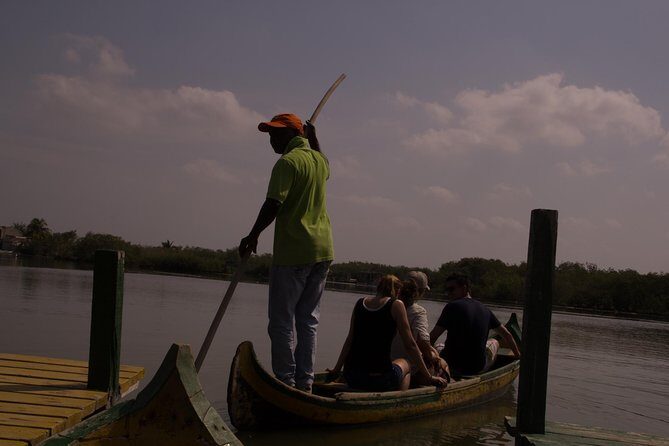
This is a rain-or-shine activity, and the wet environment is part of the deal. You’ll be happier if you dress for water reality rather than dry-photo fantasy.
Bring:
- Sun protection (hat, sunscreen)
- Comfortable clothing that you don’t mind getting damp
- Shoes suitable for water (not flip-flops that slip constantly, if you can help it)
- A calm attitude about splashes, since mangrove canoeing can get wet
Also, think about bug awareness. Mangrove areas tend to have insects even when the water looks calm. If you use bug spray, bring it.
If you tend to get cold easily, pack a thin layer you can use briefly when the shade under the roots cools things down. It’s not always cold, but the change in light and temperature under mangroves can surprise you.
Who should book this, and who should think twice
This tour is a great fit if:
- You want a nature experience outside the city bustle
- You care about real conservation, not just photo stops
- You enjoy wildlife viewing and want context on how ecosystems support local life
- You like tours where local people lead, including fishermen and community leaders
- You’re comfortable with a canoe-based experience and a bit of getting splashed
It might be less ideal if:
- You dislike being on the water at all, even if conditions look calm
- You’re looking for a high-energy activity like swimming or hiking all day
- You need a lot of comfort breaks, since the day is paced around paddling and village time
That said, the overall setup is designed so most people can participate, and the guided format keeps things straightforward.
Should you book the La Boquilla mangrove tunnels tour?
If you’re in Cartagena and want one outing that feels both peaceful and meaningful, I’d book this. The mangrove tunnel canoeing, the bird and fish connection, and the people-led conservation story are a strong combo. You’re not just passing through nature; you’re seeing how a community protects the place that protects them.
Go for it if you want a break from the usual city routine and you like experiences with substance. Consider it less essential if you only want big-ticket sightseeing monuments and don’t care about wildlife or local livelihoods.
If you do book, pack for water, show up with time to relax, and ask your guide about what the mangroves are doing for fish and birds right now. That’s where the day really clicks.
FAQ
How long is the tour?
It runs for about 3 hours.
Where is the tour located?
The experience is based around Cartagena, Colombia, with stops at mangrove and lagoon areas tied to La Boquilla.
What is the price per person?
The price is $159.00 per person.
Is hotel pickup and drop-off included?
Yes. Roundtrip transportation from Cartagena city center and hotel pickup and drop-off are included.
Do I get an English-speaking guide?
Yes. The tour includes an expert bilingual guide (Spanish/English).
What activities are included during the tour?
You’ll take part in a guided canoe tour through the mangrove and lagoon areas, with local fishermen guiding the experience.
Is there a welcome drink?
Yes. You’ll receive a welcome drink, described as coconut water or bottled water.
Are entrance fees included?
Admission is included for certain parts of the day, and it’s listed as free for the wetland stops at Ciénaga de la Virgen and Ciénaga de Juan Polo.
What should I bring since it is rain or shine?
Bring sun protection (like a hat), comfortable clothing, and shoes suitable for water adventures.
What is included vs. not included?
Included: transportation, bilingual guide, guided canoe tour with local fishermen, welcome drink, and environmental/cultural education. Not included: additional drinks and personal expenses or tips.
Is there a cancellation policy?
Free cancellation is available up to 24 hours in advance for a full refund.