REVIEW · CARTAGENA
From Cartagena: San Basilio de Palenque Tour
Book on GetYourGuide →Operated by Beyond Colombia · Bookable on GetYourGuide
Palenque teaches history with every street step. This day trip from Cartagena takes you to San Basilio de Palenque, founded by people who escaped slavery, where you’ll hear the Palenquero language and trace stories like Benkos Biohó through town landmarks.
I really liked the local lunch at a Palenque restaurant and the way the guide ties food and everyday life back to community traditions. One caution: the optional African drum show might not be part of your day unless you choose it, and in a small-group setup the exact flow can vary slightly.
In This Review
- Why San Basilio de Palenque Feels Different Than a Typical Day Tour
- Highlights That Matter (Not Just Flashy Words)
- Cartagena to Palenque: The 6-Hour Pace Works If You Want Depth
- Arriving at the Cultural Center: Where the Town’s Story Gets Put Together
- The Walking Tour Through Landmarks and Benkos Biohó Plaza
- Palenquero Language: Origins, Slang, and Useful Phrases
- Music, Instruments, Local Sounds, and Dance (Plus the Drum Show Choice)
- Hairstyles and the Hidden Map Toward Liberty
- Local Figures, Oral History, and the Cimarrones Movement
- Lunch in Palenque: Meat, Chicken, or Vegetarian, Served Locally
- Stops, Markets, and That Tourist-Pressure Reality
- Price and Value: $78 for a Real Cultural Day
- Who Should Book This Palenque Tour (and Who Might Not)
- Should You Book This San Basilio de Palenque Tour?
- FAQ
- Where is San Basilio de Palenque located from Cartagena?
- How long is the tour from Cartagena to Palenque?
- What is included in the $78 per person price?
- What will I eat for lunch?
- Is the African drum show included?
- What languages does the guide speak?
- How big is the small group?
- Is hotel or Airbnb pickup included?
- Is the tour wheelchair accessible, and what should I bring?
Why San Basilio de Palenque Feels Different Than a Typical Day Tour
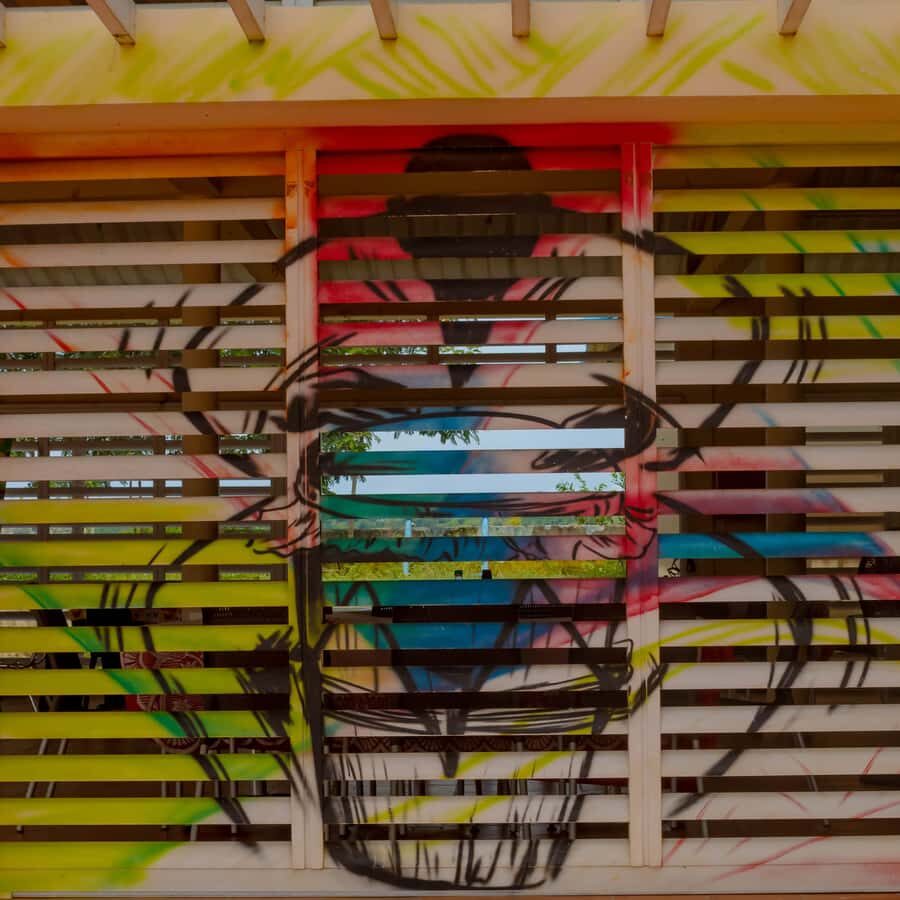
San Basilio de Palenque sits about 50 kilometers southeast of Cartagena in Bolívar. It’s a town built around Afro-Colombian freedom, where people kept their culture going even after slavery and colonial control. The result is not just history in a museum. It’s living practice: how people speak, how they make music, and how they recognize their ancestors in daily life.
On this tour, you’re not rushed through a checklist. You’re in the community with a local guide who explains the town’s foundation, development, and significance—plus the cultural pieces that make Palenque its own world. The big selling point for me is the mix of “story” and “sensory.” You’ll learn about Benkos Biohó and the Cimarrones movement, then you’ll hear (and sometimes see) the sound side of Palenque—drums, rhythms, and dance.
At $78 for 6 hours with roundtrip transport and lunch included, it’s priced like a serious cultural outing, not a quick photo stop.
Highlights That Matter (Not Just Flashy Words)
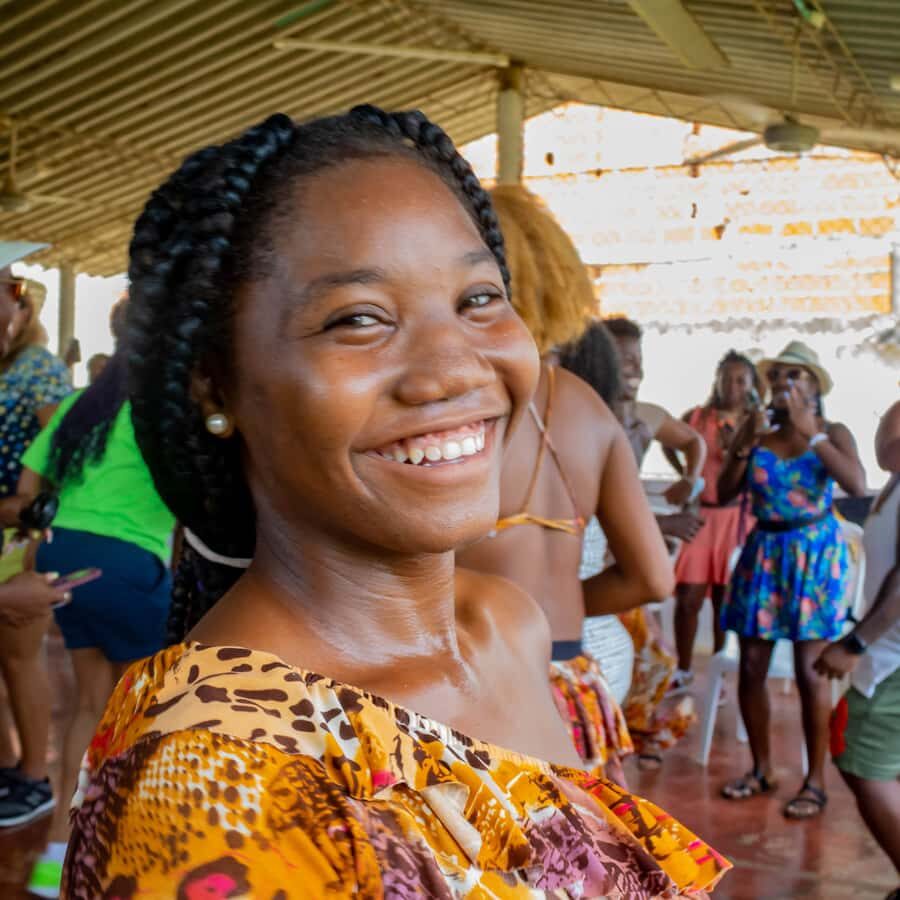
- Palenquero language lessons: origins, local slang, and useful phrases you can actually use
- Benkos Biohó and Cimarrones context: why this town mattered during resistance
- Music, instruments, dance, and local sounds: not only talking, but listening and noticing
- African hairstyles and the hidden map to liberty: symbolism you’ll understand as you walk
- A lunch stop built into the day: meat, chicken, or vegetarian, served locally
- Optional African drum show: choose it if you want more performance time
You can also read our reviews of more tours and experiences in Cartagena.

Cartagena to Palenque: The 6-Hour Pace Works If You Want Depth
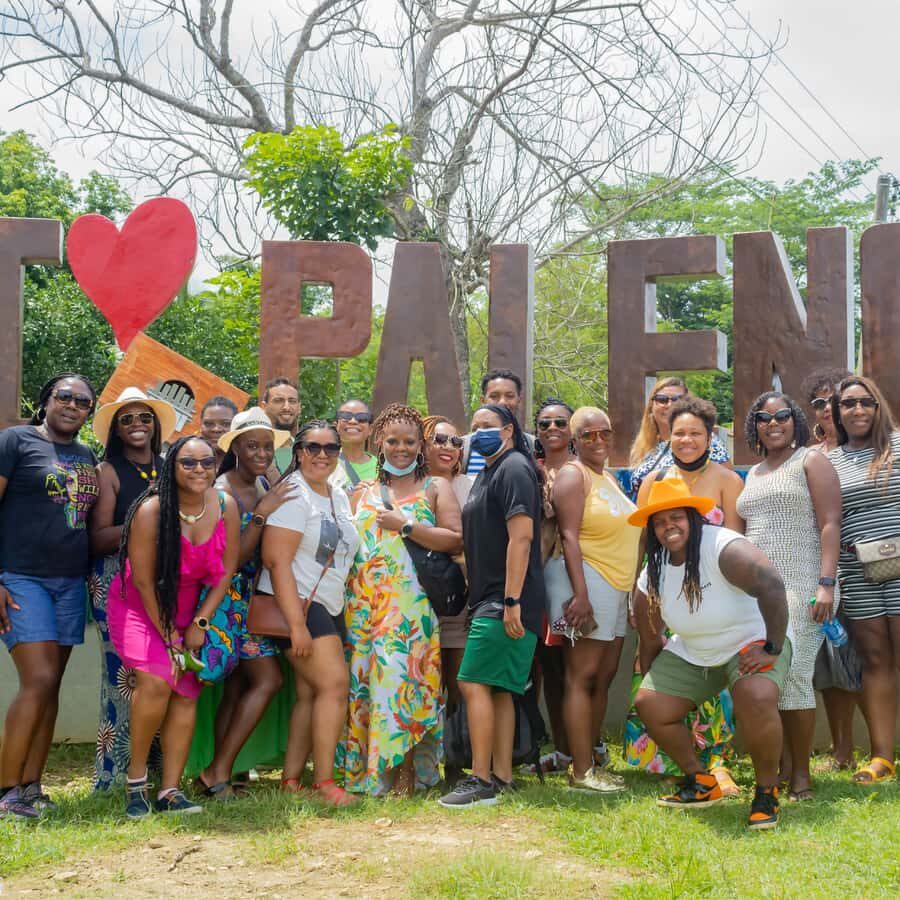
You’re starting from Cartagena and heading out roughly 50 kilometers southeast. The tour runs for 6 hours total, including roundtrip transportation from your hotel (pickup is optional, but offered), and time inside Palenque with your guide.
This kind of timing matters. If you try to do Palenque on your own, the travel alone can eat half your day. Here, the schedule is built around a full cultural visit rather than a frantic drive-by. With a small group limited to 10 participants, it tends to feel more like a guided day out than a bus tour.
Bring comfortable shoes. Palenque is a walking experience, and you’ll be moving at community pace, not museum pace. Also bring drinks and sunscreen—days can run hot, and you don’t want to spend the tour searching for shade.
Arriving at the Cultural Center: Where the Town’s Story Gets Put Together
Most of your understanding begins before the wandering really starts. The tour includes a visit to the town’s cultural center, where the guide explains history and traditions in a way that makes the rest of the day click.
This is where you’ll connect the dots: why people founded Palenque in the 17th century, what “escaped from slavery” meant in real terms, and why the town’s development stayed tied to African cultural survival. It’s also where you’ll start learning the building blocks of the Palenque identity, including the language.
A big part of the value here is guidance that gives context. Without it, you might see a beautiful town and miss the meaning behind the details—especially the “small” things like phrases people use, or why certain styles and sounds carry coded memory.
The Walking Tour Through Landmarks and Benkos Biohó Plaza
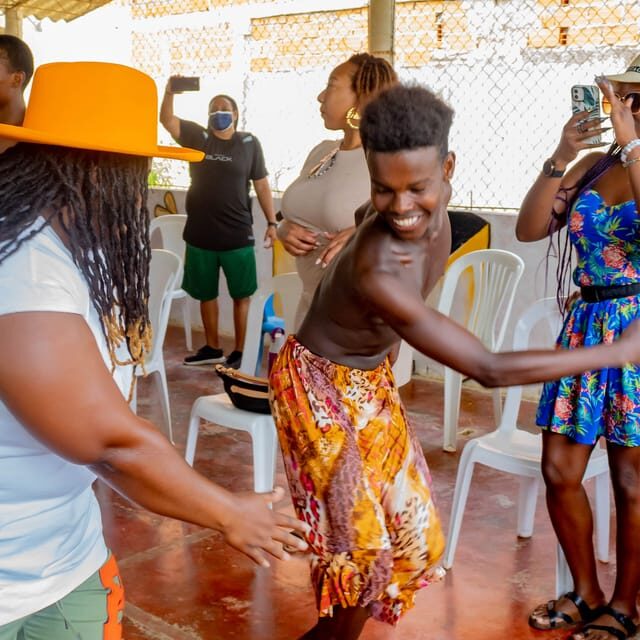
After the cultural center, you’ll do a guided walk through Palenque’s landmarks and historic sites. One named stop is Benkos Biohó plaza, which anchors the day in one of the most important local figures tied to the Cimarrones resistance.
I like how a walking route helps you learn without feeling trapped in one place. You watch people do normal things—then you learn what those normal things represent. It makes the past feel close, not distant.
You’ll also get time to learn how Palenque women developed a distinct culture with a language shaped by African, Indigenous, and Spanish influences. It’s not just an aesthetic. The point is what that blending produced: a community identity built under pressure, kept alive through creativity and daily practice.
Palenquero Language: Origins, Slang, and Useful Phrases
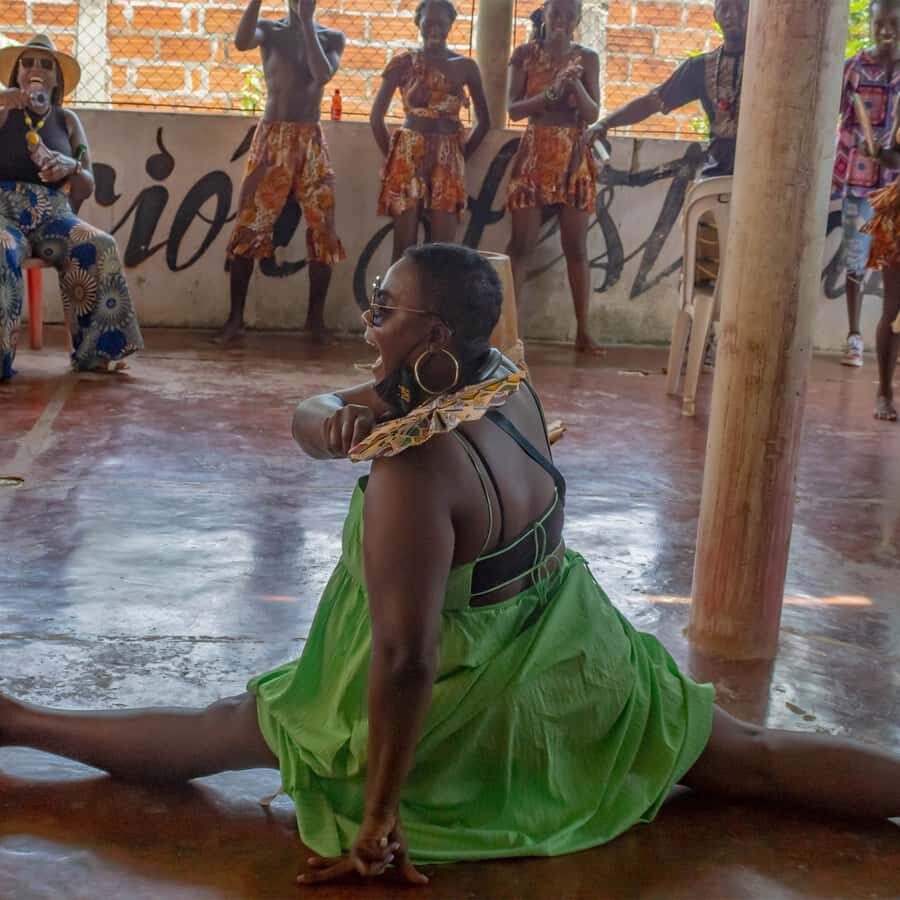
One of the tour’s strongest highlights is the focus on Palenquero language. You’ll learn about its origins, how it developed, and local slang. You may also pick up useful phrases—small bits that help you connect faster with people and understand the tone behind everyday communication.
This part isn’t “school-time language lessons.” It’s learning by hearing. The guide uses the town as the classroom, pointing out what terms mean and how people use language socially.
A fun detail I’m glad the tour includes: you might hear local sayings like Ata uto bega. Even if you don’t fully understand every nuance on first listen, you’ll walk away with a sense that language here isn’t decorative—it’s identity.


Music, Instruments, Local Sounds, and Dance (Plus the Drum Show Choice)
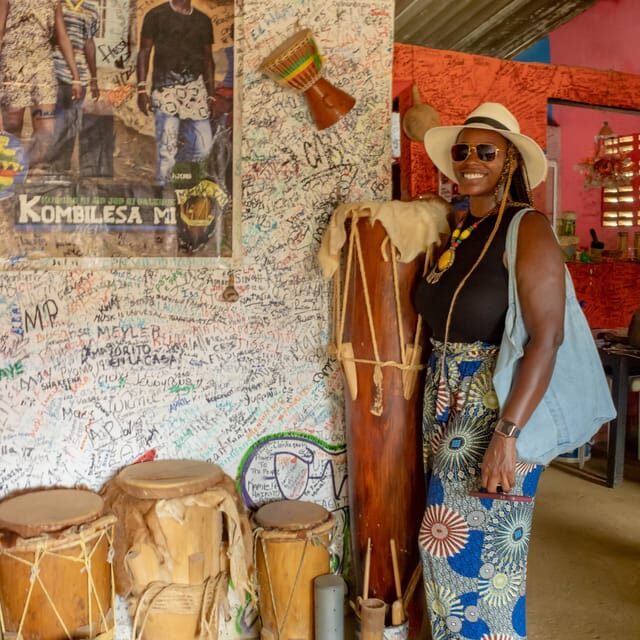
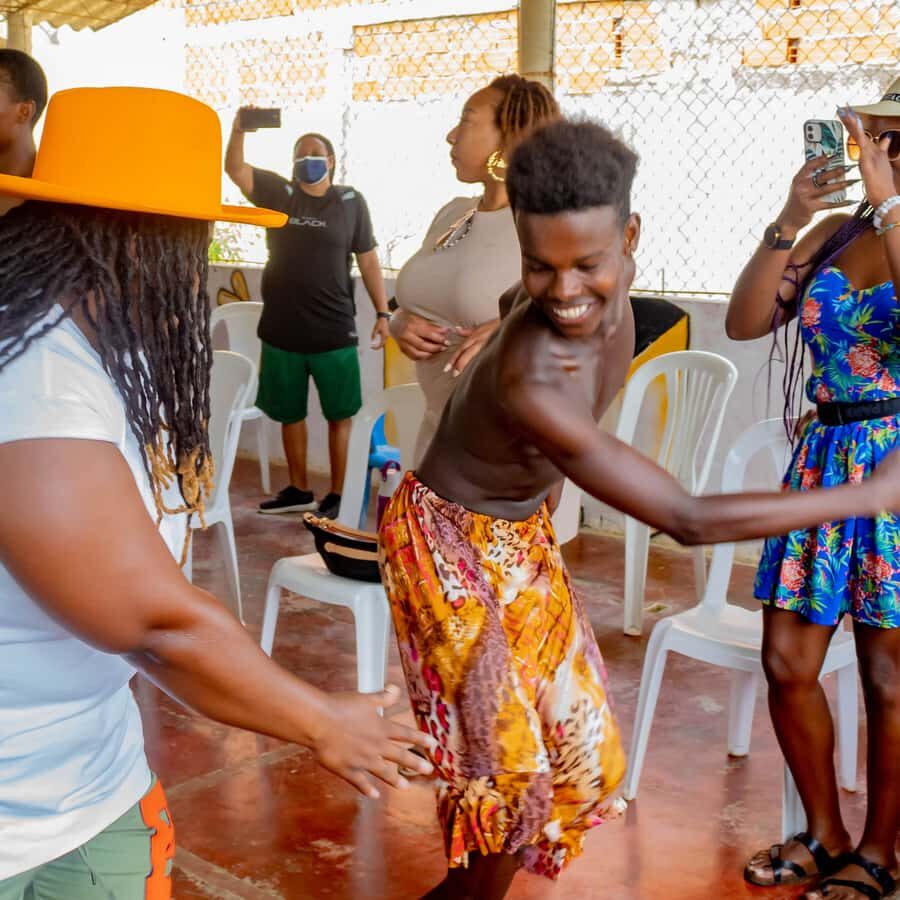
Palengue’s sound is a major theme of the day: music influence, instruments, local sounds, and dances. The tour is built around the idea that sound is history you can experience.
Here’s the practical part. The African drum show is optional, meaning it depends on the option you select. Some people are thrilled when they get that performance element; others feel disappointed if they expected it to be automatically included. So if drums and dance are a priority for you, double-check you’re choosing the show.
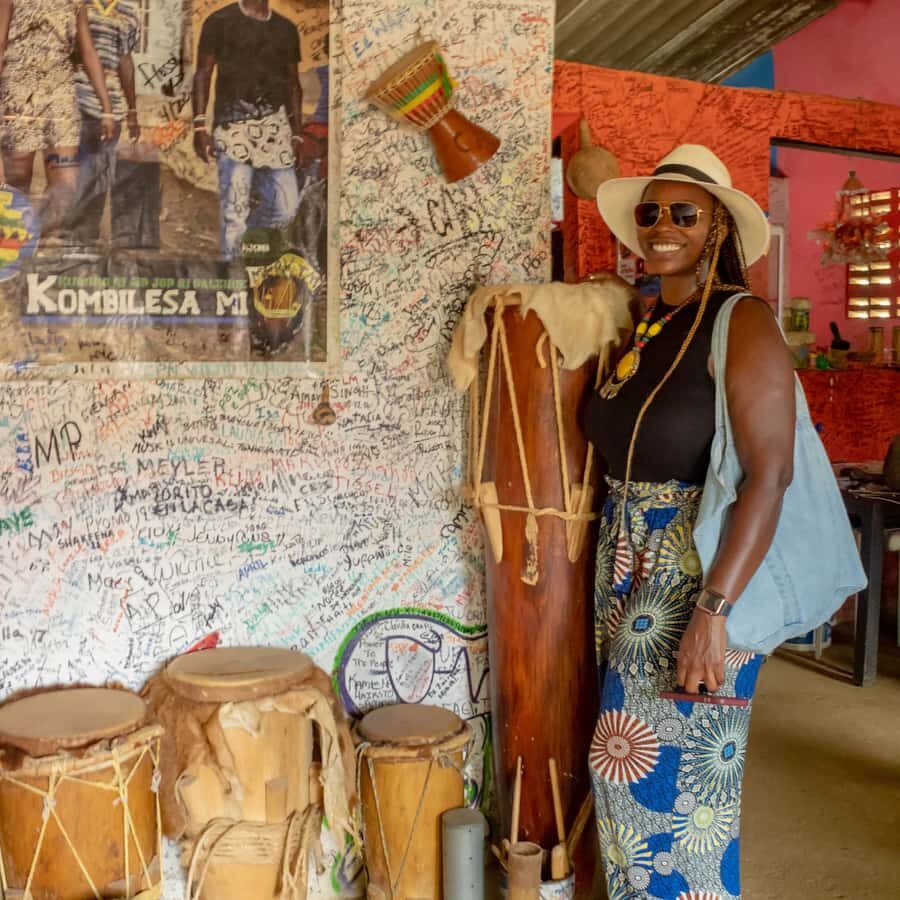
On some versions of the experience, you may even stop at a studio for a short drumming session (one guide-led stop mentioned in experiences is Kombilesa Mi’s studio). In other days, you might hear more about local musical traditions rather than only watching a show. Either way, you should come ready to listen with intent—music here is part of the message.
Hairstyles and the Hidden Map Toward Liberty
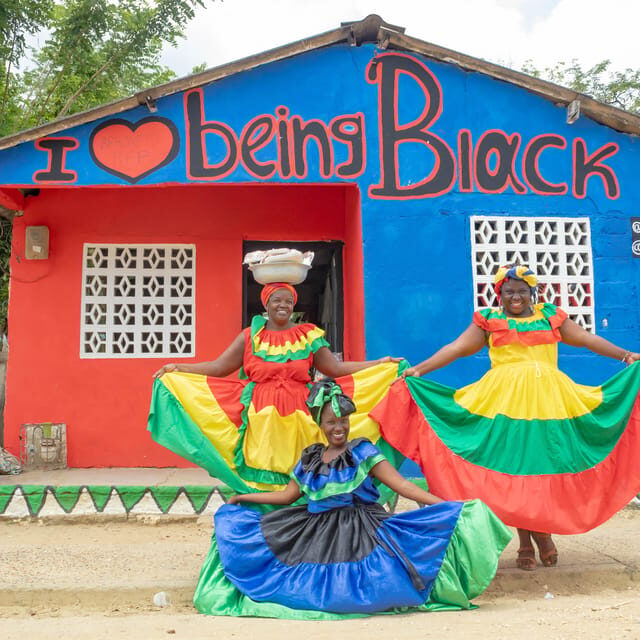
The tour includes one of its most distinctive highlights: African hairstyles and the idea of a hidden map toward liberty. That’s not random storytelling. The tour frames hairstyles as coded memory—signals and symbols tied to escape, survival, and community knowledge.
As you walk through Palenque with a guide, you’re learning to see pattern and meaning in everyday choices. The “hidden map” theme makes you look past the surface, toward how African cultural forms traveled and adapted under colonial pressure.
If you’re the kind of traveler who loves details (the why behind the what), this section will likely stick with you. Even if you don’t get every explanation on first pass, the bigger takeaway is clear: culture here carries information.
Local Figures, Oral History, and the Cimarrones Movement
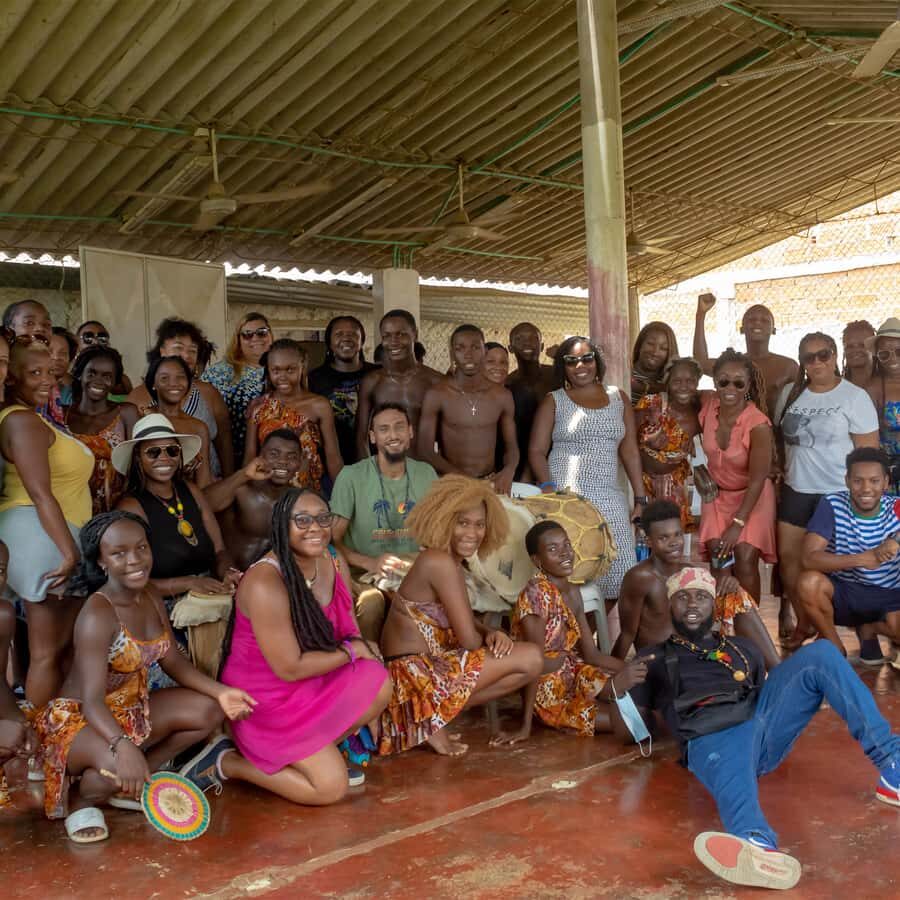
You won’t just hear one story. The tour connects multiple threads: Benkos Biohó, the Cimarrones movement, and the wider idea of resistance and refuge.
Oral history plays a role in how the guide teaches—especially during the walk, where you’re learning in the space where these stories would make sense. One reason this tour works for families and mixed ages is that the guide can shape the story to the group. If you’re traveling with teens, kids, or a grandparent, the “talk + walk” format is often easier to follow than a long sit-down lecture.
You might also have stops beyond the main landmarks, depending on the day’s route. Some experiences describe visits that include a local healer or a community lesson like corn juice preparation. If those cultural touches are what you love, I’d aim for an energy level where you’re ready to keep your curiosity open.
Lunch in Palenque: Meat, Chicken, or Vegetarian, Served Locally
Lunch is included, and it’s one of the strongest practical benefits of the day. You can expect a local lunch with options like meat, chicken, or vegetarian.
In real-world terms, this matters because it saves you from guessing where to eat in a small community while you’re also trying to keep up with a group schedule. You’re fed without turning lunch into a chore.
Some meals described in experiences include tilapia-like dishes such as Mojarra, sometimes served with pepper sauce. Another person mentioned a homemade-style meal experience. Even without expecting a specific dish, you can count on a proper lunch stop that fits the Palenque theme.
If you have dietary needs beyond vegetarian, the tour data doesn’t specify. In that case, I’d ask ahead so you don’t get surprised on the day.
Stops, Markets, and That Tourist-Pressure Reality
Palenque is popular enough now that you may see market activity and sales. That doesn’t automatically ruin the visit, but it can shift the vibe toward photo ops or quick purchases in the center.
My advice: treat the market like a chance to browse calmly, not a distraction from the tour’s heart. Ask questions instead of just buying. If someone offers something you don’t want, politely pass. You’ll get more from the day when you anchor your attention on stories and people.
Also, remember: the day is structured around explanation and walking. If you want lots of independent free time, you might find the town portion is paced tightly. The good news is that the guide’s storytelling typically keeps that pace meaningful.
Price and Value: $78 for a Real Cultural Day
At $78 per person for 6 hours, this is not a “cheap and cheerful” tour. But the value is solid because you get several key pieces bundled together:
- Roundtrip transportation from your hotel area
- A local Palenque English-speaking tour guide (and Spanish support)
- Lunch included (meat, chicken, or vegetarian)
- A guided town walk with cultural center time and historic landmarks
It’s also listed as avoiding surprise charges for tickets or entrances—meaning you’re not likely to hit an extra paywall mid-day.
If you’re the type of traveler who spends more money to buy time (and avoids the hassle of coordinating your own transport and guide), this price starts to look fair quickly. You pay for someone else to handle the route and the cultural interpretation.
Who Should Book This Palenque Tour (and Who Might Not)
This is a great match if you care about Afro-Colombian culture, language, music, and how resistance shaped community life. It’s also ideal if you like learning with your feet moving—walking the town while the guide connects landmarks to stories.
You might hesitate if you only want a performance-heavy day. The drum show is optional, and some aspects depend on the option you choose. You might also prefer a slower route if you dislike walking in warm weather.
For accessibility: the tour is marked wheelchair accessible, which is a big plus if you need that support.
Should You Book This San Basilio de Palenque Tour?
Yes, I think you should book this if you want a guided, culturally focused day trip from Cartagena that goes beyond a quick photo-and-out stop. The standout strengths are the Palenquero language focus, the guided walking route tied to key figures like Benkos Biohó, and a lunch that’s actually part of the experience, not an afterthought.
Just do one thing before you go: choose the option that includes the African drum show if that performance is high on your list. And come with comfortable shoes and a listening attitude—this tour rewards attention more than speed.
FAQ
Where is San Basilio de Palenque located from Cartagena?
San Basilio de Palenque is about 50 kilometers southeast of Cartagena, in Bolívar, Colombia.
How long is the tour from Cartagena to Palenque?
The tour lasts 6 hours.
What is included in the $78 per person price?
The price includes roundtrip transportation from your hotel, a local Palenque English-speaking tour guide, lunch, and the guided tour in Palenque town. An African drum show is optional depending on the option selected.
What will I eat for lunch?
Lunch is included and is offered as meat, chicken, or vegetarian.
Is the African drum show included?
It’s optional. Make sure you select the option for the African drum show if you want it during the tour.
What languages does the guide speak?
The tour provides live guidance in English and Spanish.
How big is the small group?
The group is limited to 10 participants.
Is hotel or Airbnb pickup included?
Pickup is optional. If it’s offered for your booking, they pick you up at your hostel/hotel/Airbnb.
Is the tour wheelchair accessible, and what should I bring?
Yes, it is marked wheelchair accessible. For what to bring, the tour lists comfortable clothes, drinks, sunscreen, and comfortable shoes.