REVIEW · CARTAGENA
Isla Barú: Beach Club Access and Tour of the National Aviary
Book on GetYourGuide →Operated by Nexxttours s.a.s · Bookable on GetYourGuide
Birds first, beach after, and you get both in one day. The best part is the National Aviary of Colombia, where you’ll see huge variety up close and learn how Colombian birdlife is protected.
I also like the built-in beach club setup at Playa Blanca: a welcome drink, lunch by the sea, and time to swim in clear water with loungers and basic facilities included. The main drawback is that the day can feel rushed and the beach can be noisy and crowded, especially if you’re hoping for calm.
In This Review
- Key highlights at a glance
- From Cartagena to Barú: the ride sets the mood
- Barú Bridge and the Canal del Dique: more than a commute
- National Aviary of Colombia: the main event
- What you can actually look for
- Conservation messaging that matters
- Playa Blanca on Barú: swimming, lunch, and the crowd reality
- Lunch voucher: what you should know
- Clear water is the payoff
- Price and value: why this tour is often a fair deal
- Timing, guides, and day-of logistics (the stuff that decides your mood)
- Who should book this tour?
- Should you book Isla Barú with Aviary + Playa Blanca?
- FAQ
- How long is the Isla Barú tour with Aviary access?
- How much does the tour cost?
- Where are the pickup and drop-off points in Cartagena?
- What language is the guide?
- Is lunch included?
- What’s included at Playa Blanca?
- Do I get a towel, and are showers included?
- Is the 11:30 AM aviary presentation in English?
Key highlights at a glance
- National Aviary show at 11:30 AM with three ecosystem settings and 22 exhibits
- More than 2,000 species of birds and lots of chances for close-up photos
- Drive over Barú Bridge and Canal del Dique, with context on how access changed over time
- Playa Blanca beach club time for about 3 hours, plus swimming and loungers
- Lunch voucher of 30,000 COP to use on the menu (beds/shower details cost extra)
From Cartagena to Barú: the ride sets the mood
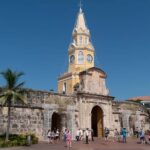
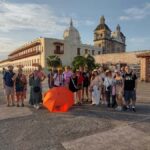
This is a straight, full-day route: pick-up in Cartagena, then down to the Barú peninsula. Your driver grabs you at one of the listed spots—Clock Tower Monument (Centro) or Bocagrande—then collects other travelers in the same area.
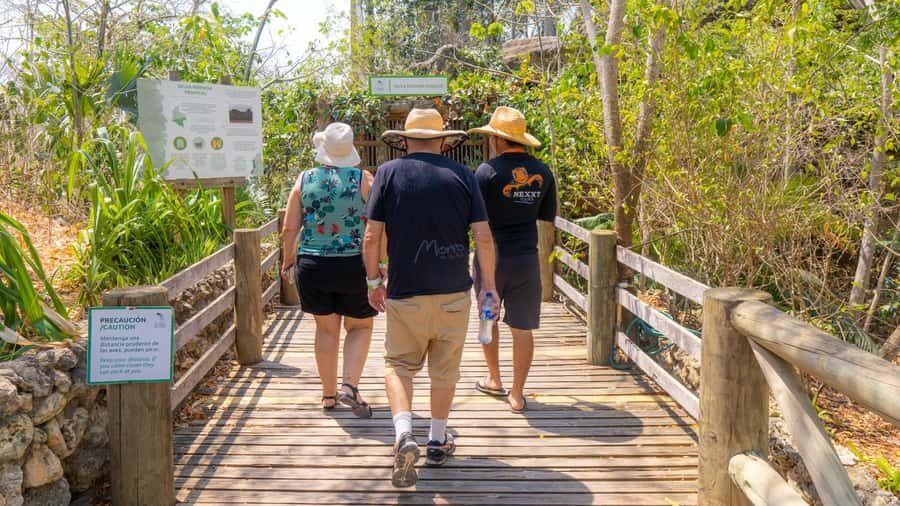
You’ll ride in an air-conditioned vehicle and get a scenic lesson along the way. The drive includes a crossing over the Barú Bridge to get past the Canal del Dique. One cool detail you’ll hear on the route is that until 2014, people crossed this canal by raft, not bridge—small historical context that makes the journey feel more than just transportation.
Along the way, you’ll also learn about the peninsula’s towns—Ararca, Santa Ana, and Barú—and you may get points of interest as you travel. The day is paced so you don’t feel like you’re just sitting; you’re moving toward two very different experiences: a bird-focused education stop, then beach time.
You can also read our reviews of more tours and experiences in Cartagena.
Barú Bridge and the Canal del Dique: more than a commute
The canal crossing is one of those travel moments that’s easy to overlook if you’re in a hurry. But here it works because it ties into what you’ll see later—protected ecosystems, coastal nature, and the human side of keeping areas connected.
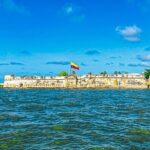
As the vehicle heads toward Barú, expect a change in scenery and a bit of a “getting away” feeling. You’ll also pass through the bigger nature context: the area includes access to Rosario and San Bernardo Corals National Natural Park, and that theme of conservation shows up again at the aviary.
Practical note: even with A/C, it’s still a long day. If you get motion-sensitive, bring what helps you (like gum or motion sickness meds). It’s not a bumpy ride all the time, but you will be in transit for multiple stretches.
National Aviary of Colombia: the main event
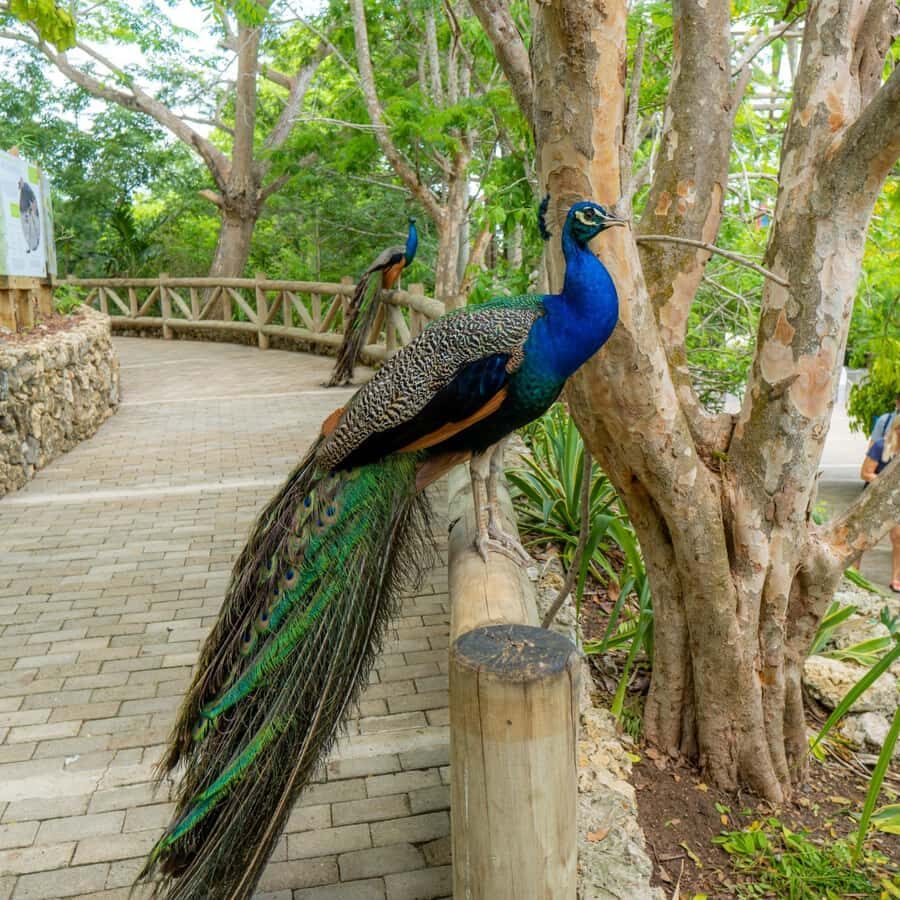
This is why many people choose the tour. The National Aviary of Colombia is the kind of place that turns an ordinary nature day into something you can’t forget.
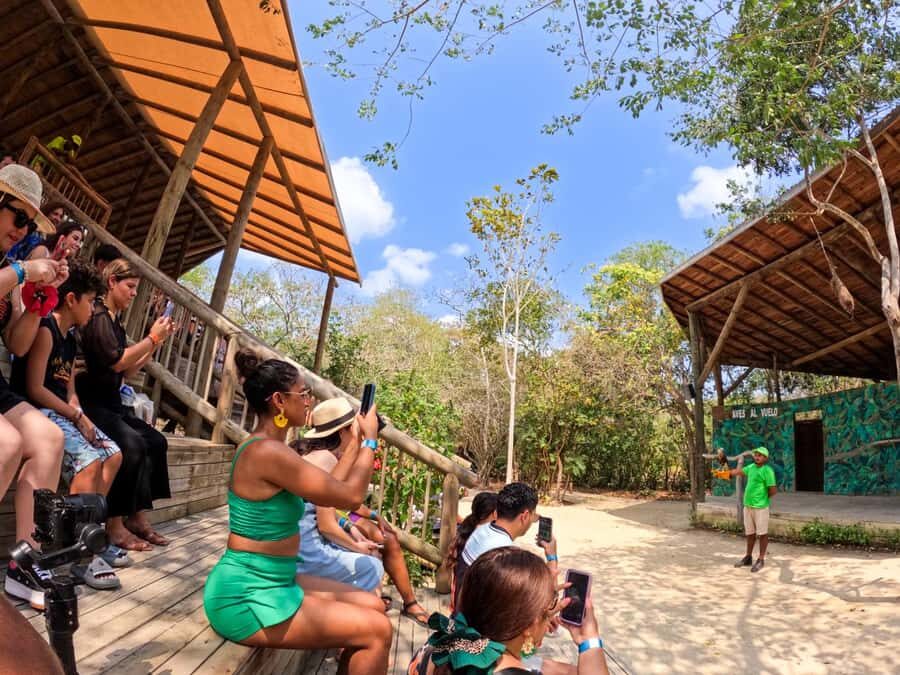
You’ll have time for a photo stop and then a visit with a guided component. The day is structured around the 11:30 AM presentation, which is worth planning around because it’s built around different habitats—three ecosystem environments—and 22 exhibits arranged across large immersion aviaries, radial aviaries, and water-based environments like estuaries and lakes.
What that means in real life is simple: you don’t just watch birds from one flat viewpoint. The design helps you move through different settings where birds behave differently. You’ll likely see species you’ve only heard about in books. The “numbers” are impressive—more than 2,000 species—but the part that tends to stick is the variety in the birds themselves.
What you can actually look for
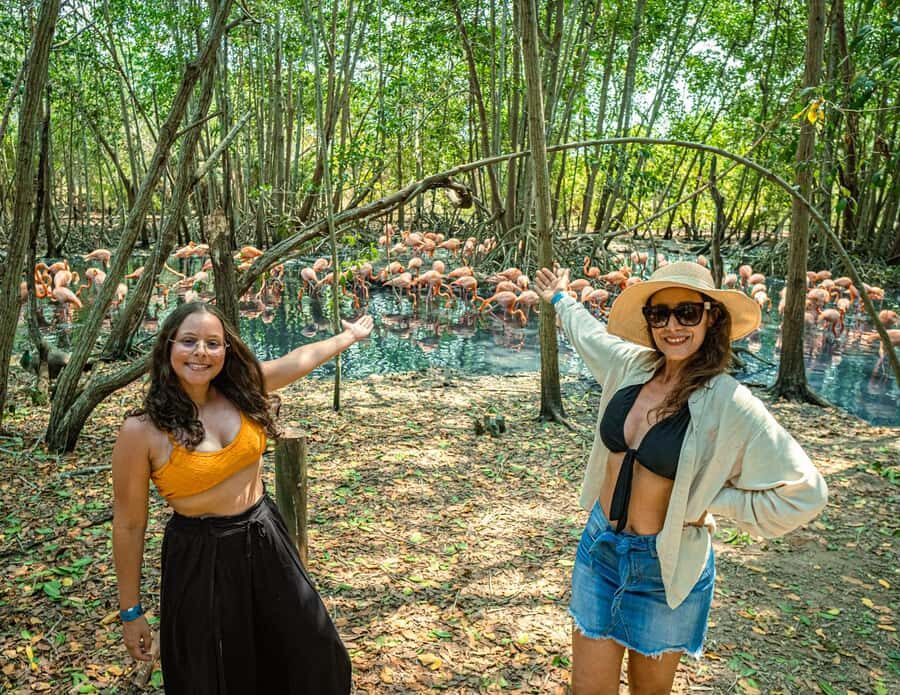
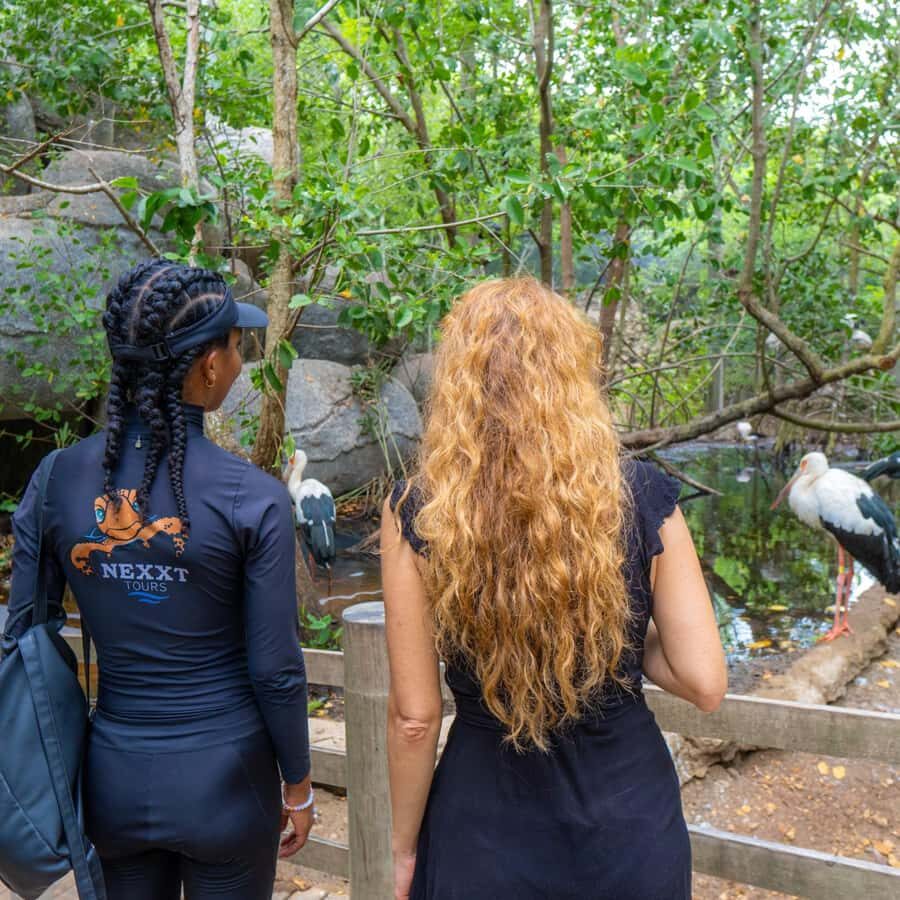
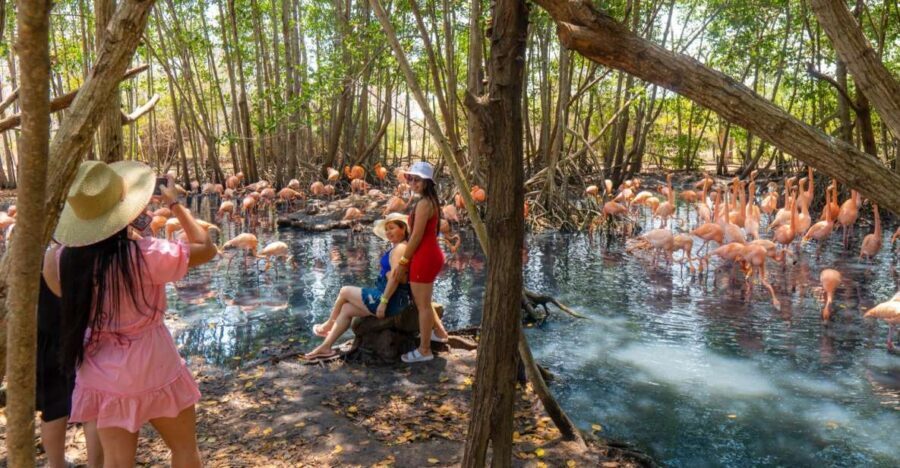
From what you’ll likely encounter during your visit, the standout birds include toucans and spoonbilled rosarios, plus flamingos and other raptors. You may also see dramatic birds like harpy eagle and falcons, along with woodpeckers. Even if you don’t memorize names, the shapes and behaviors are the point.
One more detail: the 11:30 show is Spanish-language only. If you’re relying on English, you’ll still have the experience and bird viewing, but plan for limited translation during the presentation itself. The guide presence during the day can also vary depending on timing and crowd flow, so don’t wait to be “directed” into the best spots—wander with your eyes and you’ll still catch plenty.
Conservation messaging that matters
This aviary isn’t just about wow-factor. You’ll get explanations about biology and behavior, and you’ll hear about the importance of preserving and conserving Colombian avifauna and nature. That context makes the day feel grounded: you’re not only learning bird facts, you’re learning why habitat and protection matter.
That’s also why the aviary can feel worth it even if beach time is crowded later. If your priority is learning and seeing animals up close, this stop carries most of the weight.


Playa Blanca on Barú: swimming, lunch, and the crowd reality
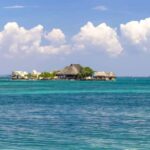
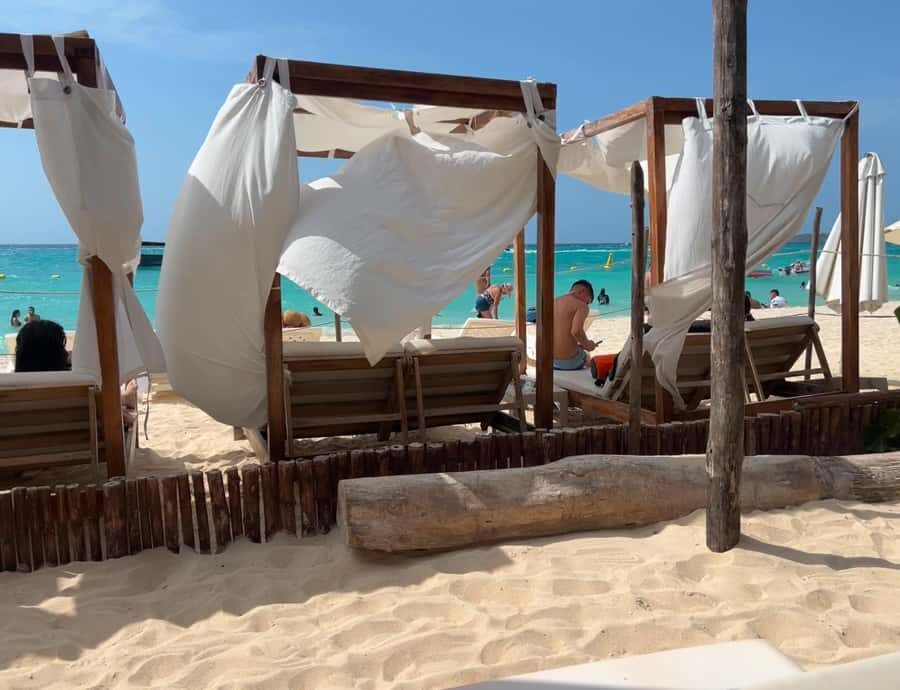
After the aviary, you head to Playa Blanca. This is the part people imagine when they picture Barú—white sand, turquoise water, and a beach-club style setup where you can relax instead of hunting for facilities.
You get about 3 hours at Playa Blanca, including a photo stop, lunch, and free time. You can swim, and you’ll have access to loungers—at the club—plus bathroom and social areas with no extra cost.
Lunch voucher: what you should know
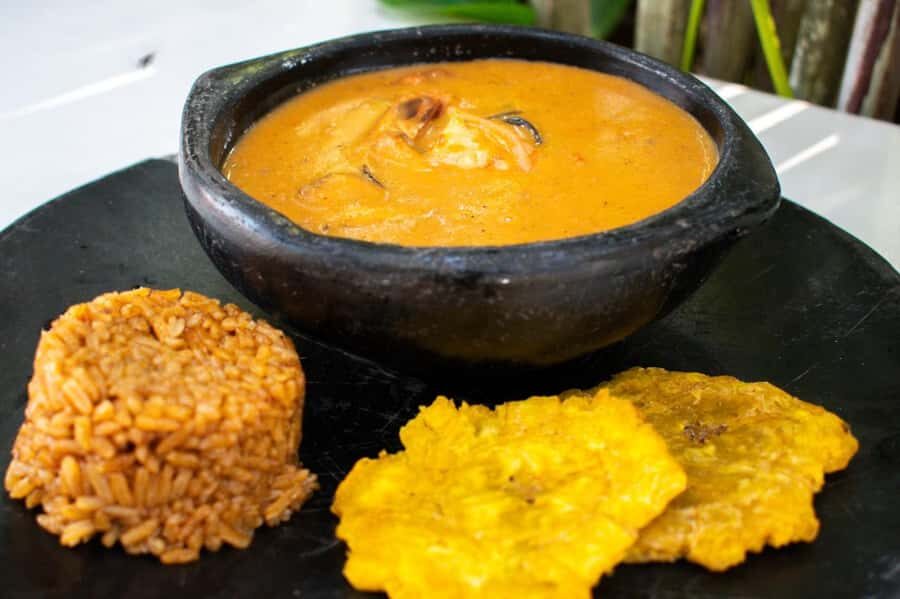
Your lunch is handled by a voucher of 30,000 Colombian pesos that you use on the menu. That’s a helpful structure because it gives you control over what you order, but you should expect that pricier items may cost more.
Also note what’s not included: towels aren’t included, and beds in the first row aren’t included. If you care about the front-and-center view, you may need to pay extra on-site. Shower access is also available but costs additional money.
Clear water is the payoff
The swimming is usually the reason this beach works so well. The water tends to be clear enough that even a quick dip feels satisfying.
Still, this is a popular stop. The beach can be loud and crowded, and you may run into sellers along the way. If you want quiet, keep your expectations realistic: go for the water and the views, then enjoy shade and people-watching rather than expecting a secluded beach mood.
Price and value: why this tour is often a fair deal
At $70 per person for an 8-hour day, you’re paying for more than transport. You’re paying for a full day that stacks three things: guided bird time, a beach-club entrance, and food support.
Here’s what’s included:
- round-trip transportation in an air-conditioned vehicle
- a bilingual guide
- entrance to the National Aviary
- entrance to White Beach / Playa Blanca
- welcome drink
- a lunch voucher worth 30,000 COP
Here’s what you’ll likely pay out-of-pocket for:
- first-row beds
- additional drinks
- towels
- showers (extra cost)
When you look at it this way, the price makes sense if you actually care about the aviary. If your main goal is only the beach, you may feel like the aviary is the heavy lift and the beach becomes the rushed finish line. But if you’re a nature person, the aviary portion tends to be the biggest value marker.
One mixed note from feedback: if the day hits traffic or scheduling shifts, the beach time can feel shorter or less relaxed. That doesn’t mean the tour fails, but it does mean you should approach it with flexibility.
Timing, guides, and day-of logistics (the stuff that decides your mood)
The itinerary is structured, with a guided aviary stop that leads to the show at 11:30 AM, then travel to Playa Blanca for roughly 3 hours. Pickup happens from agreed meeting points around Cartagena, and drop-off returns to the same listed areas.
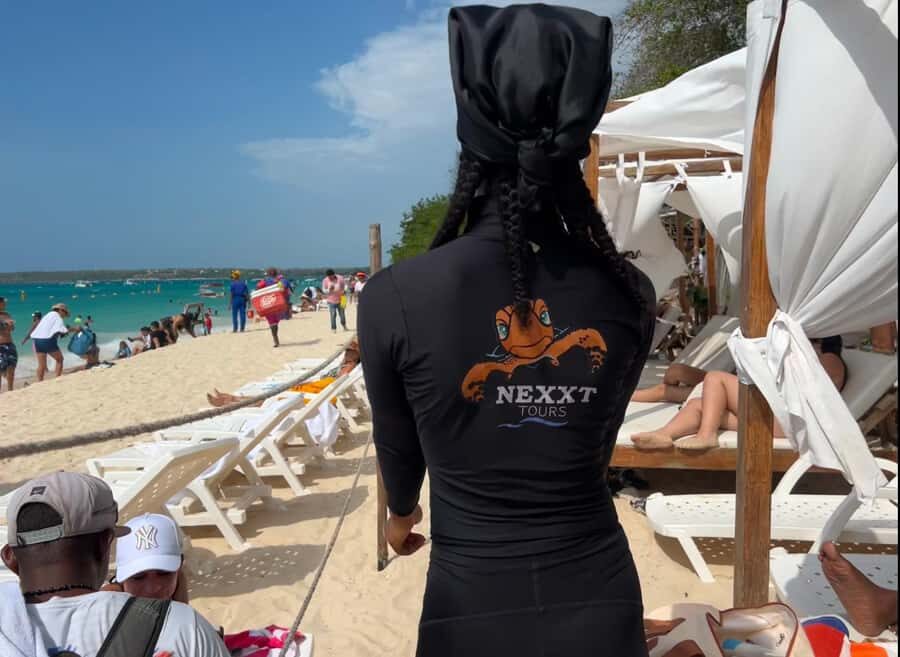
Most of the time, the guide is there to keep things organized and help with timing. You’ll also see the guide in a uniform that helps you spot them. That said, one real risk is that schedules can wobble with traffic. In at least one reported case, a group was left waiting near the aviary and beach transfer didn’t happen on time, which led to using alternate transport and then losing some of the calm of the day.
What should you do with that information? Simple: build in patience. Keep your plans for the rest of the day flexible, and if you notice time slipping, ask clearly about the plan and when the group moves.
Also, the vehicle and seating comfort can affect how you feel at the end of the day. One report described problems with air-conditioning and seat condition. You’re still in an A/C bus most of the time, but if comfort is a top priority, pack a light layer anyway. A/C can be inconsistent.
Who should book this tour?
This day trip is best for people who want one memorable animal experience plus a classic beach finish.
You’ll likely enjoy it if:
- you love birds, wildlife, and learning in a real setting
- you want both education and relaxation without planning two separate trips
- you can handle a busy schedule and don’t need a quiet beach
You may want to skip it if:
- you’re traveling for maximum beach calm and peace
- you don’t care about the aviary portion
- you need mobility-friendly options, because the tour is not suitable for people with mobility impairments
And if you’re very elderly (over 95), this one isn’t recommended.
Should you book Isla Barú with Aviary + Playa Blanca?
I’d book it if your heart is leaning toward the bird experience and you want a one-day plan that feels complete. The aviary is the strongest reason to go: close viewing, big habitat variety, and a conservation message that makes the animals feel more meaningful than just decorations.
I would hesitate if you mainly want a quiet beach day. Playa Blanca can be crowded and loud, and traffic can steal some of that relaxed feeling. If that’s your priority, consider doing the beach on a day with fewer moving parts.
Bottom line: this is a great fit for nature lovers who can handle a busy day—and a risky fit for anyone hoping the beach will feel private and serene.
FAQ
How long is the Isla Barú tour with Aviary access?
The total duration is 8 hours.
How much does the tour cost?
The price is $70 per person.
Where are the pickup and drop-off points in Cartagena?
Pickup and drop-off are offered at Clock Tower Monument (Centro) and Bocagrande.
What language is the guide?
The live tour guide is available in English and Spanish.
Is lunch included?
Lunch is included via a lunch voucher worth 30,000 Colombian pesos that you use on the menu.
What’s included at Playa Blanca?
You get White Beach entrance, a welcome drink, lounge areas, and access to the bathroom and social areas. Swimming time and lunch are part of the plan.
Do I get a towel, and are showers included?
Towels are not included, and shower access is available at an additional cost.
Is the 11:30 AM aviary presentation in English?
The presentation at 11:30 AM is Spanish-language only, based on the tour experience information provided.