REVIEW · CARTAGENA
Mangroves, cultural fishing, black heritage town and lunch
Book on GetYourGuide →Operated by Cartagena Adventures · Bookable on GetYourGuide
Mangroves, nets, and Afro-Caribbean lunch in three hours. This is the kind of Cartagena side-trip that feels like a real place, not a staged performance. You’ll travel from Cartagena to the fishing village of La Boquilla, where Afro-Caribbean heritage is still part of daily life, and then head out by boat through mangrove channels under bright tunnels of foliage.
I especially love the hands-on vibe: you’re not just watching fishermen—you get a chance at casting traditional nets and seeing how the work actually happens. The second big win is lunch: fresh seafood with Afro-Caribbean flavors like coconut and local seasonings, served after you return from the mangroves. One possible drawback: this is only a 3-hour experience, so the fishing moment and beach time can feel a bit brief, and the schedule may run efficiently rather than slowly.
In This Review
- Key things to know
- From Cartagena to La Boquilla: quick ride, real atmosphere
- Meeting the Afro-Caribbean fishing village without the tourist filter
- Gliding through La Boquilla mangroves: the swamp becomes a classroom
- Hands-on traditional fishing: casting nets is trickier than it looks
- Lunch on the beach: coconut, seafood, and local seasonings
- Price and pacing: good value for what’s included
- What to bring (and how to make the day smoother)
- Who this tour fits best (and who should think twice)
- Should you book this mangrove and Afro-Caribbean lunch tour?
- FAQ
- How long is the tour?
- Where do we meet?
- Is lunch included?
- Do I need to bring an ID?
- Is hotel pickup included?
- What languages does the guide speak?
- Can I cancel or pay later?
Key things to know
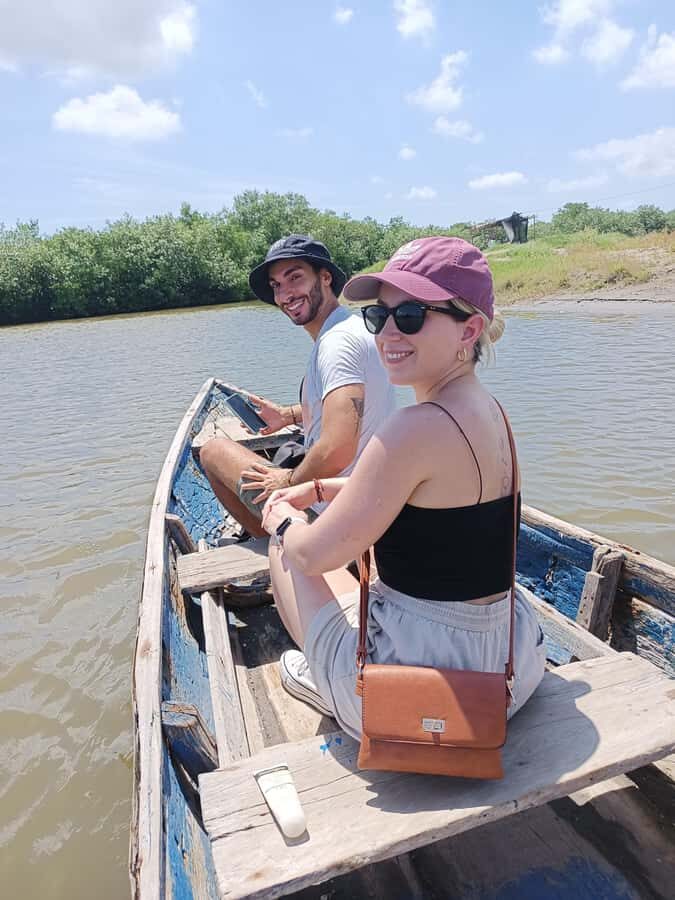
- Mangrove tunnels and wildlife: you’ll glide through dense mangrove cover with a good chance to spot local animals along the way
- La Boquilla’s Afro-Caribbean roots: you’ll see a community that still holds onto its heritage and rhythms of life
- Try traditional net casting: it’s fun, and it’s harder than it looks in the moment
- Lunch included and seriously good: coconut-forward Afro-Caribbean cooking with locally caught seafood
- Short and efficient: the whole loop is tight, so expect a half-day pace
From Cartagena to La Boquilla: quick ride, real atmosphere
The tour starts at Favipan Crespo on Crespo Calle 70. Plan to arrive about 15 minutes early so you’re not rushed when the group gathers. From there, you’ll get transportation to La Boquilla and then return to the same meeting point at the end—no hotel pickup is included, so you’re meeting the group at the start.
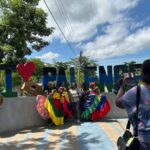
Even before you reach the water, La Boquilla gives you context. This is a fishing village where Afro-Caribbean heritage is part of the landscape—people take pride in their African ancestry, and the community energy feels grounded in daily routines, music, and work. If you like tours where you’re not bouncing from viewpoint to viewpoint, this drive-and-arrive approach helps.
A small practical note: you’ll be outside and on the move for much of the short experience. Bring comfortable clothes and shoes you don’t mind getting a little dusty or sandy.
You can also read our reviews of more historical tours in Cartagena
Meeting the Afro-Caribbean fishing village without the tourist filter
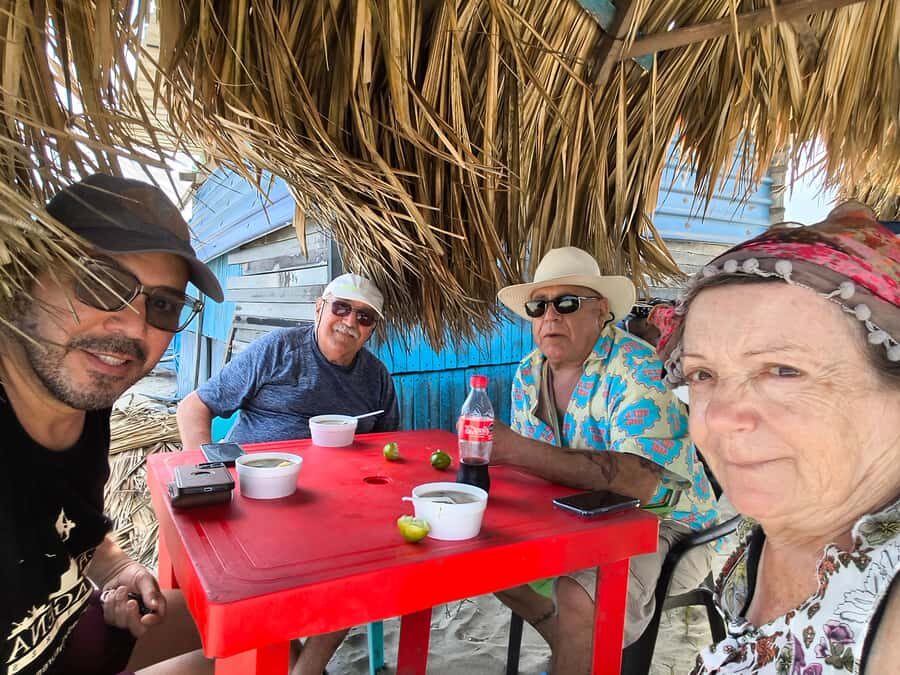
The heart of this trip isn’t just the boat. It’s the way you’re introduced to La Boquilla as a living community—especially its Afro-Caribbean identity and fishing culture.
What makes this portion worthwhile is the human scale. You’re not being taken through a museum. You’re walking into a working coastal setting where people know each other, and where children—and adults—respond to the rhythms and routines around them. That can make the experience feel more respectful and more “of the place” than “about the place.”
There’s also a gentle reminder of the area’s deeper roots. The tour frames La Boquilla as a haven for freed slaves in earlier days, and you’ll hear how that history connects to pride in heritage today. You don’t have to be an expert on Colombian history to appreciate the point. You just need eyes open and a willingness to listen.
If you prefer structured cultural facts over conversation, you might find yourself wanting a little more detail. Still, the payoff is that it feels human, not packaged.
Gliding through La Boquilla mangroves: the swamp becomes a classroom
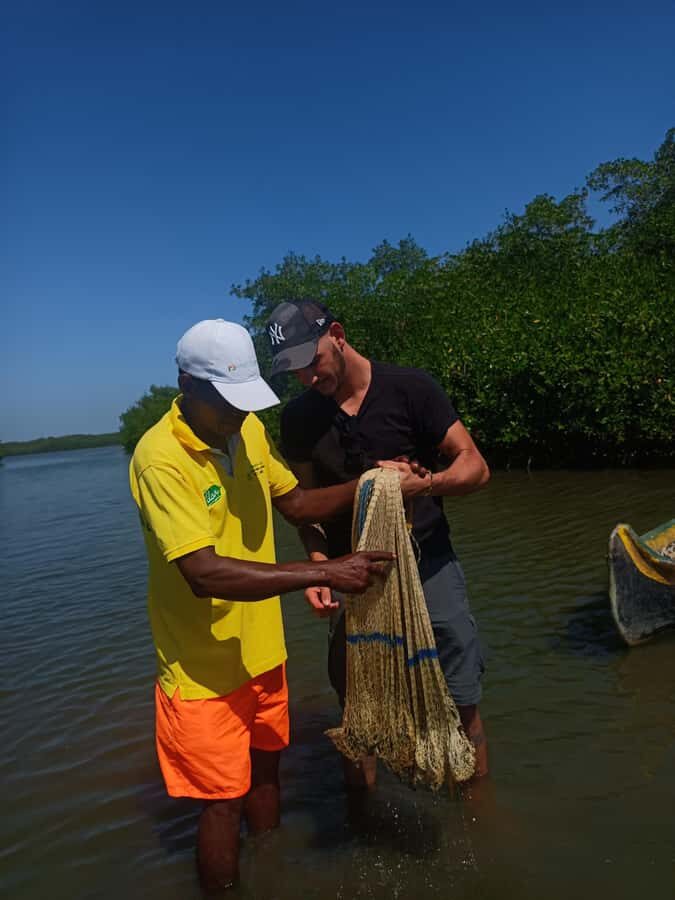
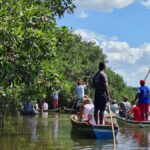
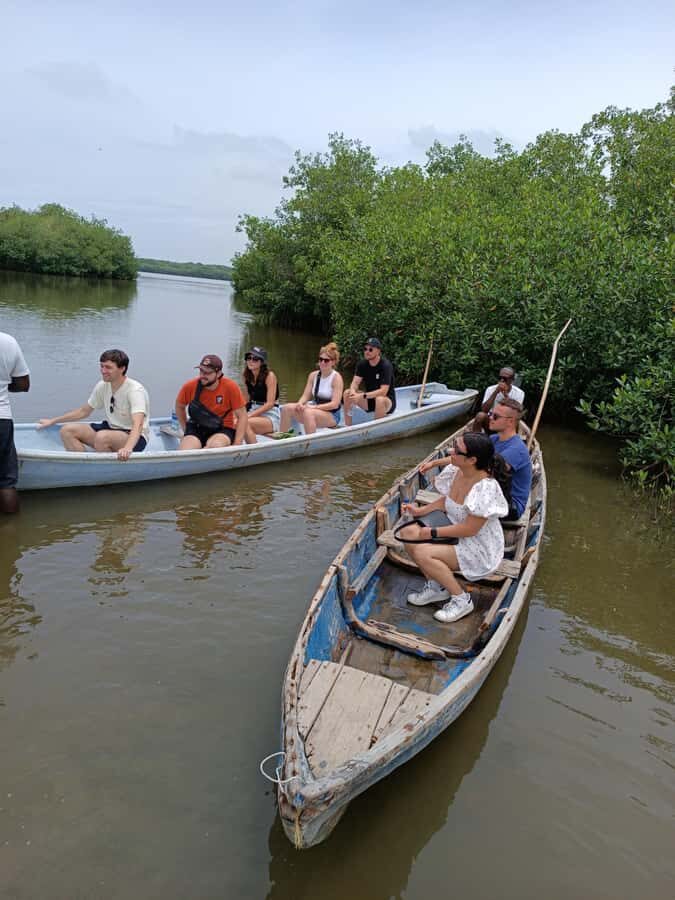
Then you’re out on the water. The mangrove boat ride is one of the main reasons to do this tour, especially if you like nature that isn’t just “pretty”—it’s functional.
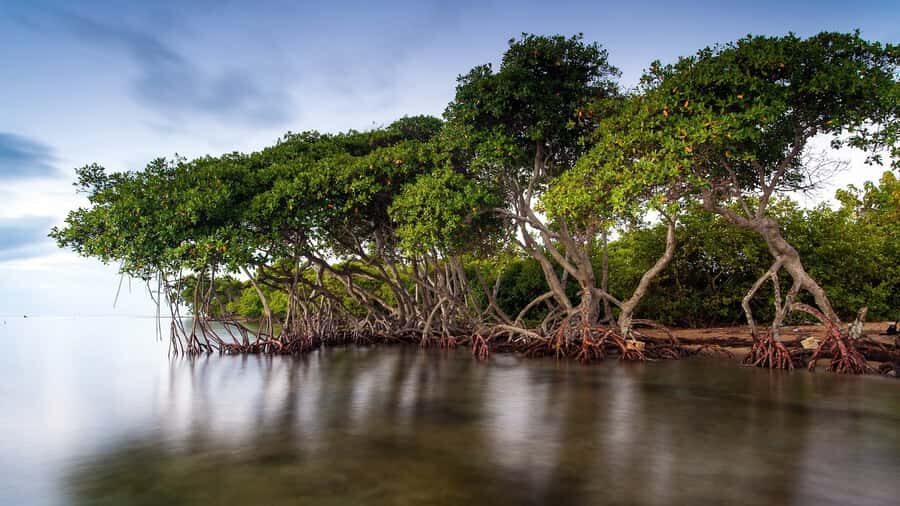
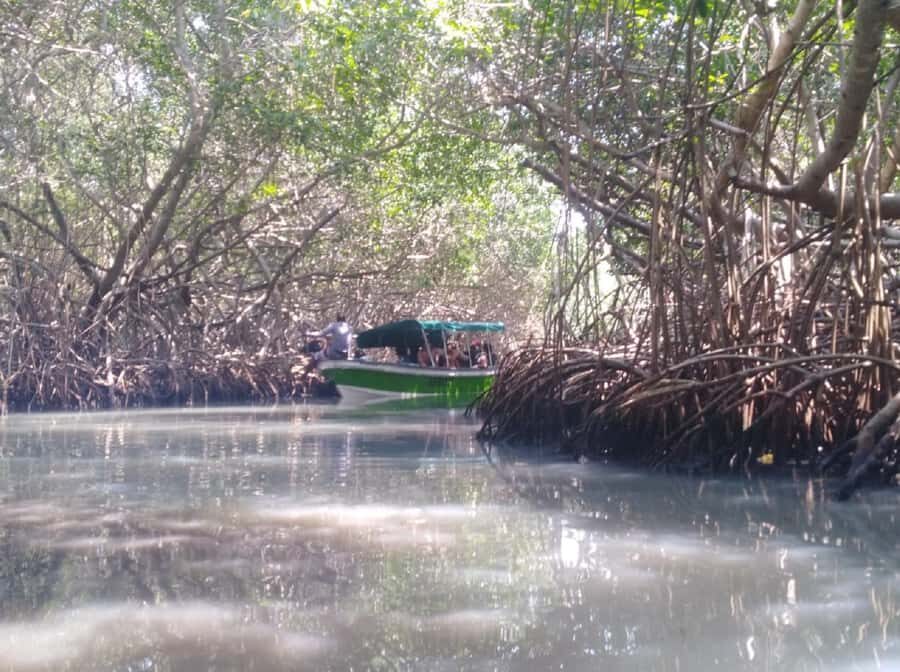
You’ll pass through dense mangrove foliage overhead, which creates bright tunnels of light. It’s a neat visual effect, but the real value is what it teaches you about the ecosystem. Mangroves aren’t just scenery; they’re shelter, nursery habitat, and a working system tied to the local fishing economy.
Keep your eyes peeled for animals native to the region. The ride isn’t positioned as a guaranteed wildlife safari, but mangroves are busy places. When the guide points something out—or when you spot movement yourself—it lands in a way that’s hard to get from a photo.
And because you’re traveling by boat at a slower pace, you’re more likely to notice the small things: how the water moves through channels, how the vegetation forms boundaries, and how the light shifts under the canopy. It’s calm, but not boring.
Hands-on traditional fishing: casting nets is trickier than it looks
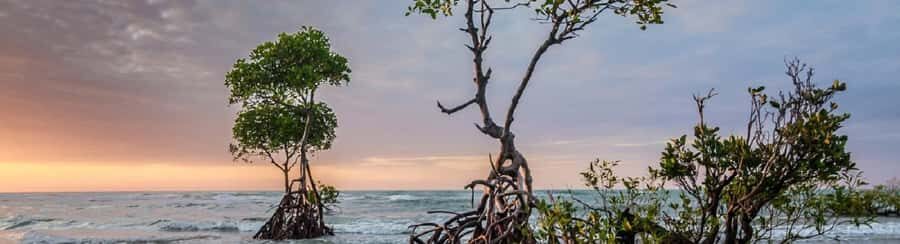
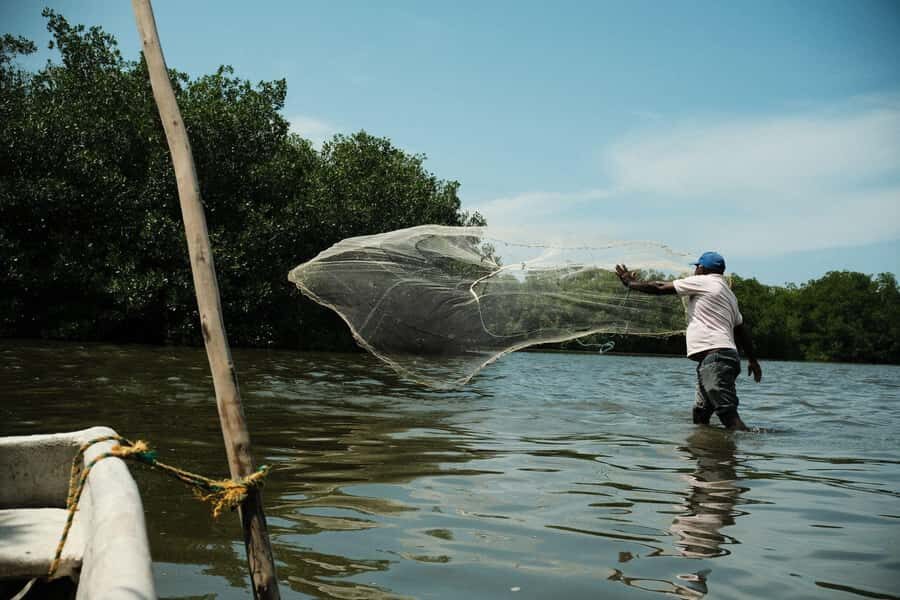
After the mangrove glide, you’ll get a more active moment: a chance to try traditional net fishing. Even if you’ve handled fishing gear before, expect learning-by-doing. Casting requires timing and coordination. One review noted that guests got a chance to throw nets to see how it works, and that the effort was harder than it appears from the shore.
This is the part I’d call “best for doers.” If you like tactile experiences—getting your hands involved, feeling the effort—it’s satisfying. If you prefer only passive viewing, you might wish the hands-on segment lasted longer.
Guides can also shape this moment. People have mentioned guides such as Alex and Luis in particular, with descriptions of them being friendly and skilled—Alex in at least one case was said to bring guests to the activity location and keep the conversation flowing, while Luis was described as skilled with the canoe and the overall guide experience was positive.
Language tip: the tour offers live guidance in English and Spanish. One guest shared that English wasn’t perfectly fluent, but communication worked well with translation support. So if you’re choosing English, keep your expectations practical: you’ll get the core info and a chance to ask questions, even if the delivery is simple.
Lunch on the beach: coconut, seafood, and local seasonings
After the mangroves, you return for lunch. This is an included meal, and it’s often the part people remember when they talk about the day.
The food is described as typical Afro-Caribbean cuisine, with flavors you’ll recognize if you’ve tasted the Caribbean: coconut shows up, along with local seasonings common to the region. And importantly, you’re eating fresh seafood tied to the local fishing reality, not a generic “tour meal.”
Is it fine food tourism? Not really. It’s more like you’re eating where the day leads. One review said lunch was top, another called it perfect in the included-meal context, and a few noted that the lunch portion felt fine even if the overall timing might be faster than desired.
Here’s my advice for timing: treat lunch as part of the rhythm, not an afterthought. Eat, then take that short walk along the beach. It’s meant to help digest and reset you before the return ride back to Cartagena.
If you’re someone who usually skips included meals on tours, you might still want to keep an open mind here. The lunch is repeatedly framed as a highlight, especially because it matches the coastal theme of the morning.
A few more Cartagena tours and experiences worth a look
Price and pacing: good value for what’s included
At $49 per person for about 3 hours, this isn’t an all-day “see everything” trip. It’s a focused half day that combines transportation, a mangrove boat ride, a cultural introduction in La Boquilla, a hands-on fishing moment, and lunch.
So how’s the value? For this price, you’re getting more than a boat ride. You’re also getting:
- an included lunch with Afro-Caribbean flavors
- the La Boquilla cultural atmosphere
- the active fishing casting component (not just watching)
- transport from your meeting point and back
Where pacing can feel imperfect is simply math. The tour has to fit into a short window. One guest felt the experience was slightly rushed because the guide had another appointment after them. Another guest wished the fishing time wasn’t so short. That doesn’t mean it’s bad—it means you should know the format: this is a compact experience, not a slow local day.
If you only have a short gap in your Cartagena schedule, it’s a smart fit. If you’re craving a long, detailed cultural immersion, you may prefer something longer.
What to bring (and how to make the day smoother)
Bring:
- passport or ID card
- comfortable clothes
- comfortable shoes
That’s it on the essentials list, and it’s exactly what you need. You’ll be walking in a village setting and you’ll be moving around before and after the boat portion. Shoes that grip and don’t annoy you after standing/walking for a while are key.
Also, arrive at Crespo Calle 70 early enough to settle in. Being late can compress your time even further in a trip that’s already tight at about 3 hours.
Who this tour fits best (and who should think twice)
This experience is best for you if you:
- want a mangrove boat outing that feels tied to a real fishing community
- enjoy Afro-Caribbean culture and want it connected to place and daily life
- like hands-on activities like trying net casting
- want lunch included and don’t want to scramble for food afterward
Think twice if:
- you dislike short, efficiently run tours where one segment might feel brief
- you expect guaranteed deep wildlife viewing
- you’re only interested in long, slow beach time
If your ideal day is “slow everything down,” you might find the schedule a little brisk. But if your goal is to get a solid slice of La Boquilla—mangroves, fishing, culture, lunch—this checks the boxes quickly.
Should you book this mangrove and Afro-Caribbean lunch tour?
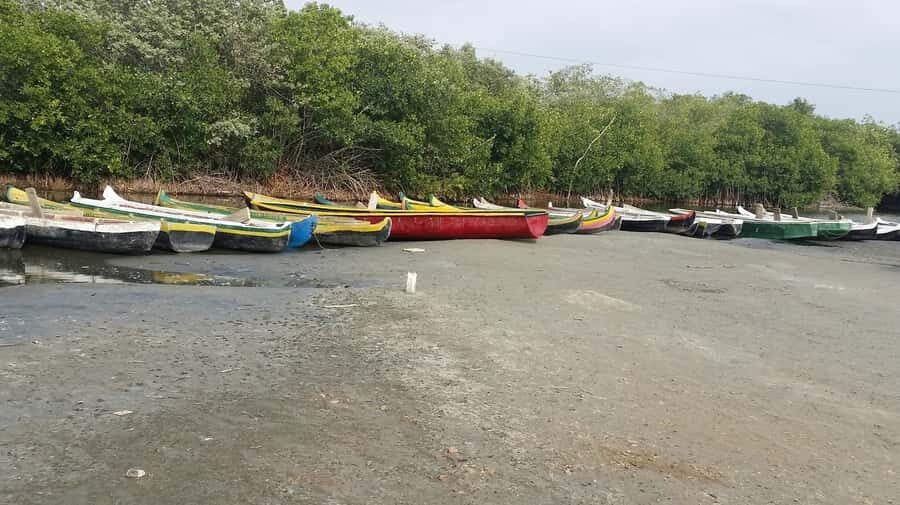
I’d book it if you want a tight, high-value half-day that mixes nature and culture in a way that feels grounded. The repeated strengths are consistent: the mangrove ride through the foliage tunnels, the chance to try casting the nets, and an included Afro-Caribbean lunch that multiple guests described as excellent.
Skip the booking only if you need lots of time for the fishing activity itself or you’re sensitive to a schedule that may feel a bit rushed. Also, if language precision matters a lot for you, know the guide works in English and Spanish, but communication quality can vary and translation support may be used.
If you’re standing in Cartagena thinking, I want more than beaches and old stone—this is one of the better ways to add that missing piece.
FAQ
How long is the tour?
The tour lasts 3 hours.
Where do we meet?
You’ll meet at Crespo Calle 70, Cartagena, Bolívar, Colombia (at Favipan Crespo).
Is lunch included?
Yes. Lunch is included as part of the experience.
Do I need to bring an ID?
Yes. Please bring your passport or ID card.
Is hotel pickup included?
No. Hotel pickup and drop-off are not included. You’ll use the provided transportation to and from the meeting point.
What languages does the guide speak?
The live tour guide offers English and Spanish.
Can I cancel or pay later?
You can cancel up to 24 hours in advance for a full refund, and you can reserve now and pay later to keep plans flexible.