REVIEW · CARTAGENA
Visit Palenque with natives : history, culture and ancestral legacy
Book on Viator →Operated by BenkosTour · Bookable on Viator
Palenque teaches fast, and it sticks. This private visit to San Basilio de Palenque follows the story of Benkos Bioho through places you can actually see and people who live the culture, from language and music to medicine and food.
I especially love the native-led way the history is told, with guides and interpreters like Royman, Neudis, Leo, Victor, and translators such as Gabriel or Liliana helping make the meaning clear. I also love the hands-on moments—you don’t just look. You join in with music and instruments, and you even get a short boxing lesson at the Kid Pambelé monument.
One real consideration: Palenque can be very hot, and several parts of the experience feel outdoors or have little/no air-conditioning—so plan around the heat and wear real walking shoes.
In This Review
- Key highlights you should care about
- San Basilio de Palenque: where African legacy becomes everyday life
- Cartagena-to-Palenque day trip: private 6 hours 30 minutes that actually feels worth it
- Benkos Bioho monument: the freedom story with names and strategy
- The Tourist Parador: get oriented before you walk the streets
- Simankongo House Museum: ancestral home life you can picture
- Medicinal Patio: traditional doctors and the plants behind ancestral medicine
- Kombilesa Mi and cultural instruments: learning by doing
- Murals, religiosity, and Kid Pambelé’s boxing class: pride in many forms
- Lunch: fish in coconut sumo, fire pit cooking, and the bijao finish
- Value check: why this price can make sense
- Who should book this Palenque experience
- Should you book this San Basilio de Palenque visit?
- FAQ
- How long is the Palenque with natives tour?
- What’s included in the price?
- Is lunch included?
- Are the music and dance events included?
- What should I bring for the day?
- What happens if the weather is bad?
- Is there free cancellation?
Key highlights you should care about
- Benkos Bioho’s story in real context, including how Domingo Bioho organized resistance and political negotiation
- Simankongo House Museum, showing traditional ancestral home life
- Medicinal Patio with traditional doctors and plants used in ancestral medicine
- Kombilesa Mi music and instruments, with you participating rather than only watching
- Cultural route of murals, where you learn the meaning of each identity mural for better photos
- Kid Pambelé’s monument and boxing class, tying community pride to sport and training
San Basilio de Palenque: where African legacy becomes everyday life
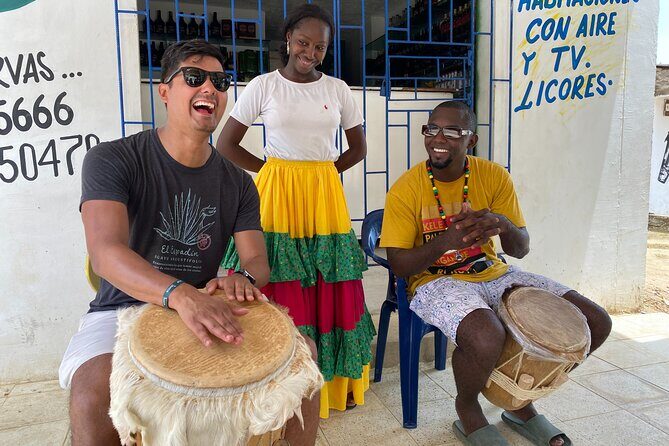
San Basilio de Palenque isn’t a museum town. It’s a community with roots, pride, and a living culture shaped by the struggle for freedom. The big theme you’ll hear again and again is how people held onto African traditions—language, rhythms, beliefs, healing—while adapting to new colonial realities and then shaping their own future.
What makes this visit worth your time is the way it connects history to daily practice. You’ll move from a hero’s legacy (Benkos Bioho) to household traditions (Simankongo) to healing knowledge (medicinal plants), then into music, art, religion, and sport. It’s one story, told through multiple lenses, not a string of facts.
If you’re worried this will turn into a lecture, relax. The structure is built for interaction. And if you get a guide like Royman, Neudis, Leo, or Victor (names you’ll see in past experiences), the difference shows up fast: you’ll hear personal explanations, not just memorized lines.
You can also read our reviews of more historical tours in Cartagena
Cartagena-to-Palenque day trip: private 6 hours 30 minutes that actually feels worth it
This is sold as a private tour, meaning it’s only your group. That matters because Palenque isn’t the kind of place where you want to be herded with strangers while you try to ask a question.
The total time is about 6 hours 30 minutes, which is long enough to cover multiple cultural stops and still end with a full community meal. You’ll start with an air-conditioned vehicle pickup and transportation. Still, once you’re in Palenque, expect plenty of walking and standing. One common tip from people who’ve done this route: wear sneakers and plan for heat.
The comfort detail that helps: you’ll have bottled water during the experience. Bring your own extra if you’re a sweater. You’ll likely want it when you’re out moving between stops, and when you’re waiting for demonstrations or joining activities.
Benkos Bioho monument: the freedom story with names and strategy
The tour’s historical backbone lands at the Monument of Benkos Bioho. This isn’t just a statue stop. You’re guided through the legend and the real historical role behind it.
Here’s the key storyline you’ll hear: the hero behind Palenque’s resistance is tied to Domingo Bioho, a man brought enslaved to Cartagena de Indias in the late 1500s. From there, the explanation gets specific about how he and others helped organize palenques—communities—and how that shaped military resistance. You’ll also learn how political negotiation with colonial authorities was part of the strategy, not just fighting.
Why this matters to you: it frames freedom as something built with planning and community structures. If you’re used to hearing history as battles only, this gives you the other half—the negotiations, the organizing, the way people created systems strong enough to survive.
The Tourist Parador: get oriented before you walk the streets
Before you jump into monuments and workshops, you’ll start with a welcoming introduction at the Tourist Parador. This is your orientation moment: what the community is, what you should watch for, and how to think about the stops you’ll hit next.
I like this approach because it sets context for the murals, the religious explanations, and even the music. Without that quick framing, you can end up snapping photos without catching the meaning. With it, the day feels like a guided narrative, not a checklist.
Simankongo House Museum: ancestral home life you can picture
Next comes the Simankongo House Museum, built around the idea of a traditional house with ancestral elements. This is where the tour shifts from legendary history to everyday life.
You’ll learn how ancestral home design and household routines shaped community life—how people lived, not just what they believed. The value here is simple: it helps you connect African heritage to lived space. When you understand the home, music and food start making more sense.
Also, this is a great stop if you love cultural details. Look for the small cues that explain how daily life worked: the way rooms are imagined, the elements tied to ancestral living, and the overall sense of how a community organizes comfort and function.



Medicinal Patio: traditional doctors and the plants behind ancestral medicine
Then you’ll meet the Medicinal Patio, where traditional doctors explain the importance of ancestral medicine and the plants used in that practice.
This is one of the stops I’d recommend to anyone who wants more than symbolism. It’s not framed as folklore. It’s taught as knowledge—linked to how people care for bodies using local plants and long-standing methods.
A practical point: ask questions if you’re curious, but also be respectful of the tone. Medicine traditions can be personal and sacred. The best interactions feel like listening and learning, not testing.
Kombilesa Mi and cultural instruments: learning by doing
At Kombilesa Mi, you get to experience a cultural and musical movement of the community. The focus isn’t only on watching performance. You’ll have the chance to interpret their music and their traditional instruments with the group.
This stop is a huge reason people rate the tour so highly. It turns the day into something participatory, which makes the history feel more real. You’re not just hearing that culture survived—you’re feeling how it works.
If you’re thinking, I’m not musical, don’t worry. The goal is participation. You’ll likely pick up simple rhythms or instrument cues faster than you expect, especially when the group is used to welcoming visitors.
Murals, religiosity, and Kid Pambelé’s boxing class: pride in many forms
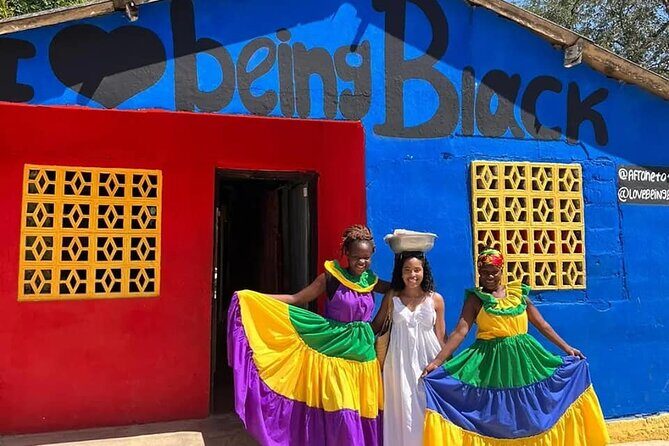
The tour’s next chapter moves through the Cultural Route of Murals, where you learn the meaning of each identity mural. This is more than a photo walk. When you understand what the mural represents, you stop taking random pictures and start capturing identity and storytelling.
After that, you’ll get a stop focused on Religiosity—including the imposition of Catholic religion and the community’s true religiosity. This part matters because it shows how belief systems can be shaped, not erased. You’ll come away thinking about religion as lived adaptation, not just a single conversion event.
Then the day pivots to sport at the Kid Pambelé Monument. You’ll learn why Antonio Cervantes Reyes (Kid Pambelé) matters to Colombian boxing and how his story connects back to the community. And yes—you end with a small boxing class. Even if you’ve never boxed, it’s a fun way to close the loop: resistance, discipline, and community pride all show up in different forms.
Lunch: fish in coconut sumo, fire pit cooking, and the bijao finish
You finish with Gastronomy, a typical community lunch. The food is built around local cooking style and what you’ll recognize as comfort after a hot day: stewed and fried fish, fried chicken, steak meat, stewed pork, and vegetarian options. It’s described as fish in coconut sumo, from the stove to the bijao, plus cooking that happens from the fire pit.
This matters more than you might think. Food is the daily counterpart to all that history talk. When you eat here, you’re tasting continuity—how the community feeds itself and marks hospitality.
Practical tip: lunch is timed near the end, when you’re likely tired and warm. Use it as your reset. Drink water, take your time, and don’t rush through the meal. This is part of the culture, not a break between stops.
Value check: why this price can make sense
At $102 per person for about 6 hours 30 minutes, you’re paying for more than transport. You’re getting a private format, an air-conditioned vehicle, bottled water, guided access to multiple cultural stops, and a full community lunch. Since admissions at the listed stops are free, the cost is mainly about the guided experience and the meal.
Will you find cheaper tours? Probably. But if your goal is to understand Palenque through native explanations and hands-on participation, this price looks more fair. The best value is when the tour quality matches the topic, and the overall pattern from past experiences suggests it usually does.
Still, there’s one thing to keep in mind. A single review mentioned feeling the guide experience didn’t match expectations. That’s not the norm in the overall ratings, but it’s a reminder: if you care a lot about presentation style, ask what language support and native representation you’ll receive for your date.
Who should book this Palenque experience
Book this if you want:
- A native-led cultural day focused on African legacy and Palenque’s own story
- A tour with participation, not just photos and headsets
- History tied to music, medicine, art, religion, sport, and food
Skip it (or at least rethink) if:
- You need lots of indoor comfort. Heat is real here.
- You hate walking and standing between stops.
- You want a strictly formal museum-style guide presentation with zero interaction.
Should you book this San Basilio de Palenque visit?
If you have even one free day from Cartagena, I think you should seriously consider booking. This is one of those places where the meaning sticks because it’s explained by people who carry the tradition, and because you’ll do more than watch.
Go prepared for the heat, keep water handy, wear sneakers, and come with curiosity. You’ll leave with a much clearer picture of how Palenque kept its identity—through resistance, language, healing, art, music, and daily life.
FAQ
How long is the Palenque with natives tour?
It’s approximately 6 hours 30 minutes.
What’s included in the price?
The tour includes an air-conditioned vehicle, lunch, and bottled water. Admission tickets for the listed stops are free.
Is lunch included?
Yes. You’ll have a typical community lunch described as fish in coconut sumo, from the stove to the bijao, along with other options like fried chicken, steak meat, stewed pork, and vegetarian choices.
Are the music and dance events included?
The itinerary includes cultural music and instruments through Kombilesa Mi, but a specific traditional music and dance presentation called Batata is listed as not included.
What should I bring for the day?
Wear sneakers and bring water. Since it can be extremely hot, it’s also helpful to bring things like an umbrella, water spritzer, fan, or hat if you have them.
What happens if the weather is bad?
This experience requires good weather. If it’s canceled due to poor weather, you’ll be offered a different date or a full refund.
Is there free cancellation?
Yes. You can cancel up to 24 hours in advance for a full refund. If you cancel less than 24 hours before the start time, the amount paid isn’t refunded.