REVIEW · MEDELLIN
pablo, comuna 13 & cable car express tour
Book on GetYourGuide →Operated by City Vibes Tours · Bookable on GetYourGuide
Cable cars and tough history in Medellín. This Comuna 13 and cable car tour ties together Pablo Escobar sites, neighborhood change, and city transit history in about four hours. The guide keeps it grounded and chronological, with English or Spanish instruction and a private-group feel.
I like two things most. First, you get a clear timeline for Medellín, with explanations that move from the 70s–90s to the late 90s and early 2000s. Second, the tour doesn’t stop at viewpoints: you also visit the Pablo-linked stops, including the cemetery house where he died.
One consideration: this tour runs in rain, so you’ll want comfortable, grippy shoes and a light rain layer. And yes, the topic is heavy—expect real discussion about what people lived through.
In This Review
- Key things that make this tour work
- Why Comuna 13 and Pablo’s story are linked here
- Price and value: what $76 buys you in 4 hours
- How the 4-hour flow actually feels (with the key timing blocks)
- Pablo memorial and the cemetery house where he died
- Comuna 13: from 70s–90s shifts to the late 90s/early 2000s story
- The cable car ride: views, but also why they matter
- Medellín’s metro story: the transit angle most people miss
- What to bring, and how to handle the rain
- Who should book this tour (and who should skip it)
- Should you book City Vibes Tours for Pablo and Comuna 13?
- FAQ
- How long is the Pablo, Comuna 13 & Cable Car Express tour?
- Is this tour a private group?
- What languages are available?
- What is included in the price?
- Does the tour happen in rain?
- Can I cancel for a full refund?
Key things that make this tour work
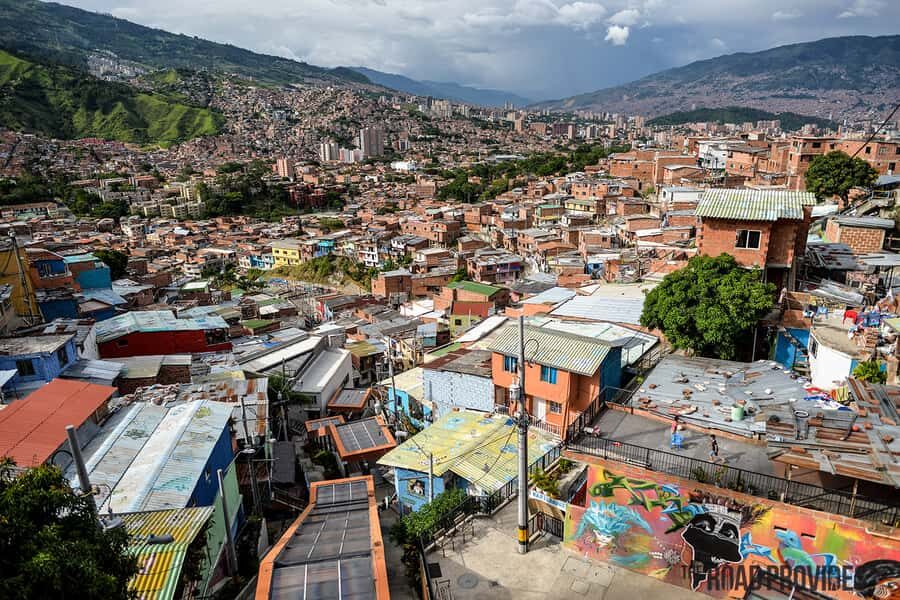
- A structured story, not random stops: you move through major periods that shaped Medellín and Comuna 13.
- Escobar-related sites plus neighborhood history: you see the Pablo memorial and the cemetery house, then shift to what came after.
- Cable car time with meaning: you get views, but also context for how the city rebuilt and connected neighborhoods.
- Bilingual guides with strong teaching style: names that come up in past tours include Jaime/Jamie, Carlos, and Juan, all praised for clear, detailed explanations.
- Metro history fits the route: the guide explains why Medellín’s transit matters, including the metro system (not common in other Colombian cities).
Why Comuna 13 and Pablo’s story are linked here
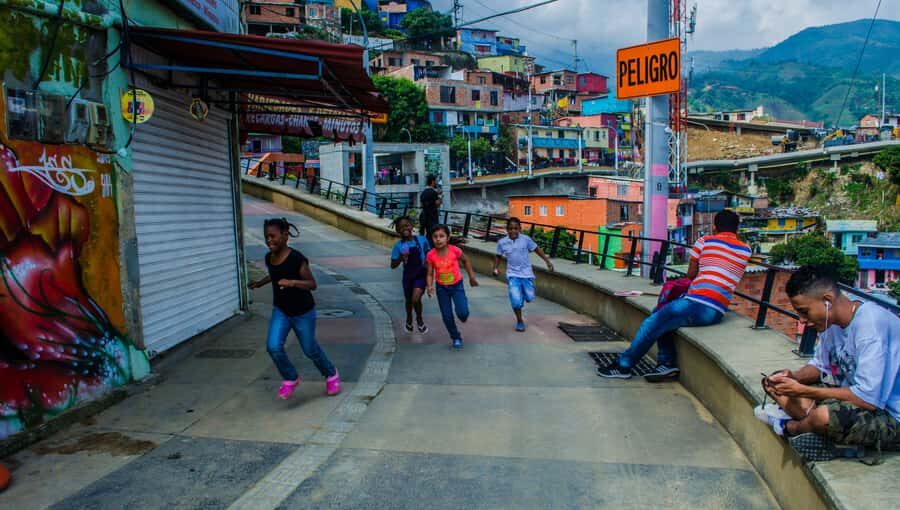
This is the kind of tour where you start with one kind of history and end up understanding how a city changed its systems, not just its reputation. You’ll visit Pablo Escobar-related places and then head into Comuna 13, where the neighborhood story is treated as its own chapter of Medellín’s modern era.
I like that the guide frames it in a timeline. That matters because Medellín in the 70s–90s feels very different from the shifts that show up in the late 90s and early 2000s. You’re not just collecting landmarks; you’re learning how power, community life, and the city’s responses evolved over time.
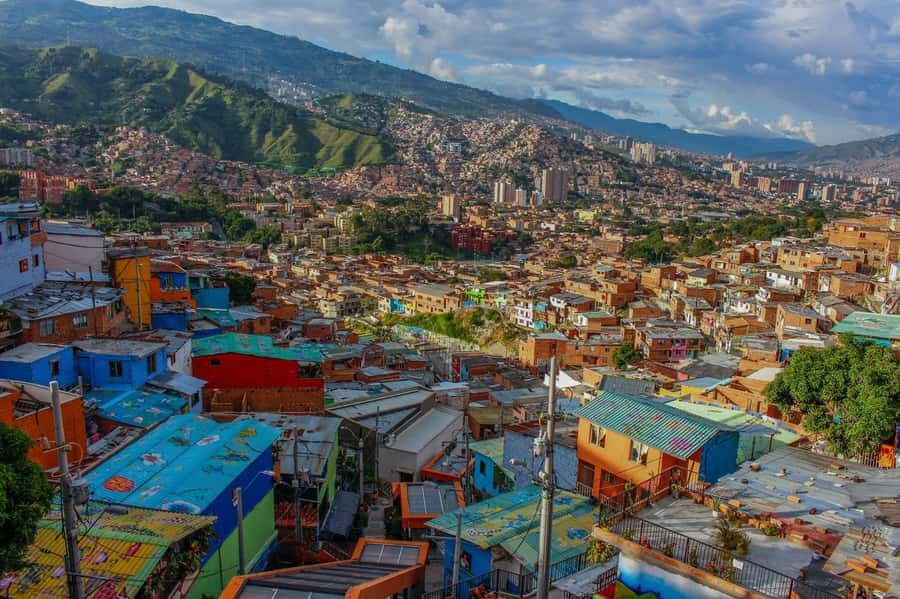
And the cable car ride is more than a photo break. You’ll see the city from above, but the guide’s explanations help you connect the view to why Medellín invested in connections—how people move, how areas reach jobs and services, and how the city rebuilt credibility piece by piece.
You can also read our reviews of more tours and experiences in Medellin.


Price and value: what $76 buys you in 4 hours
At $76 per person for a 4-hour private-group tour, the value is strongest if you care about history plus transit in one go. What you get included is practical: hotel pickup and drop-off, metro entry tickets, and water.
That combo matters more than it looks. In Medellín, getting to the right spots efficiently can take time, and not everyone wants to piece together metro tickets and transit directions while also trying to learn the story behind the neighborhoods. Here, the guide handles the flow and keeps the explanations moving with the places you’re seeing.
The other value point is the private-group format. Even with only a small group, you tend to ask better questions because you’re not competing with a big crowd. Past guests have also praised the guide’s attention to detail and the way they make the history feel human, not like a lecture.
One small caution for your expectations: if you’re strictly looking for sunny views and light sightseeing, this tour may feel emotionally heavy. It’s designed for understanding, not entertainment.
How the 4-hour flow actually feels (with the key timing blocks)
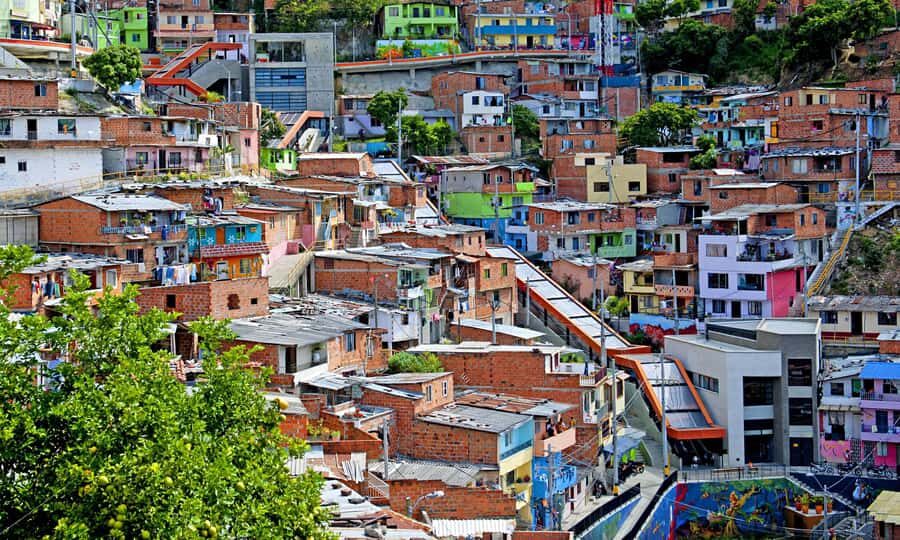
This tour is built in short guided segments that keep you from feeling stuck in a vehicle too long. You’ll be picked up in Medellín—from your hotel, hostel, or Airbnb—and then you’ll start with a guided introduction.
You’ll spend about 20 minutes in Medellín with your guide, then there’s a 20-minute guided stop in Itagüí. That mid-tour pause is useful because it breaks the rhythm: it gives the guide a chance to expand the context beyond one single neighborhood while still keeping the schedule tight.
Back in Medellín, you’ll have additional guided time in a few blocks, including two longer stretches of guided visiting (about 1 hour each). Those longer portions are where the tour’s core experiences land: the Pablo Escobar-related sites and then the heart of Comuna 13, including the cable car component.
Finally, you return to Medellín. The whole structure is designed to keep the storyline straight: city context first, key Pablo-linked stops next, then Comuna 13 and the transit view that helps tie the whole transformation together.
Pablo memorial and the cemetery house where he died
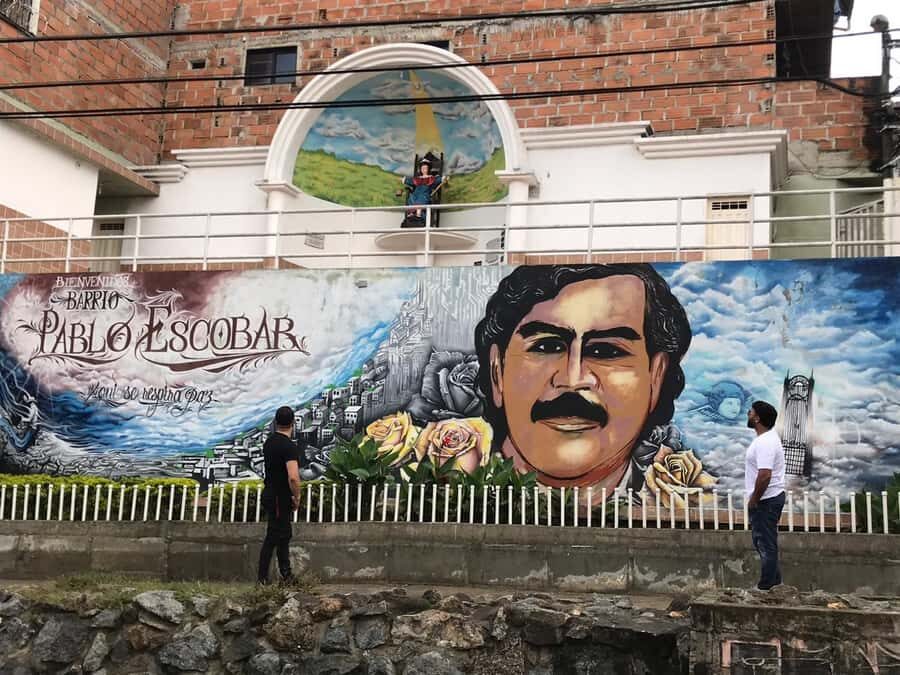
The first big emotional shift in the tour happens when you move from general city context to the Pablo Escobar sites. You’ll visit the Pablo memorial and also the cemetery house where he died—two places that carry the weight of the man and the mythology surrounding him.
What I like about including these stops is that it forces accuracy. Escobar’s story can get turned into trivia or sensational movie-style details. Here, the guide’s job is to connect the story to real Medellín and to show the human and social impact behind the headlines.
Practically, these stops also give you a change of pace. The earlier parts of the tour are mostly about setting context and explaining why Medellín is the way it is. The memorial and cemetery house are the turning point where you start seeing physical reminders that people still have to live with—whether they agree with the legacy or reject it.
A consideration: if you prefer short, light sightseeing, you may find this section intense. It’s not graphic based on the details you’re given, but it’s emotionally serious. Go in expecting that.
Comuna 13: from 70s–90s shifts to the late 90s/early 2000s story
After the Pablo-related stops, the tour turns toward Comuna 13, and this is where your guide’s timeline really matters. You’ll learn about Medellín in the 70s–90s and then how the neighborhood’s story develops from the late 90s into the early 2000s.
The point of this shift is to show you that Comuna 13 isn’t just defined by one era. It’s about layers: what life looked like, how conflict shaped everyday routines, and how the city’s direction changed afterward. The guide explains what the past looked like for the people who lived there, which is why this tour feels different from a quick photo stop.
This part of the tour is also where the guide’s teaching style shows up. Past guests specifically praised guides who give detailed explanations and keep attention on the facts without turning the conversation cold. Names that stood out include Jaime/Jamie, Carlos, and Juan—all described as engaging and careful with how they present what happened.
For your best experience, I’d plan to ask questions during this section. When the guide is talking about timelines and neighborhood changes, your questions help you connect the dates to what you’re actually seeing.


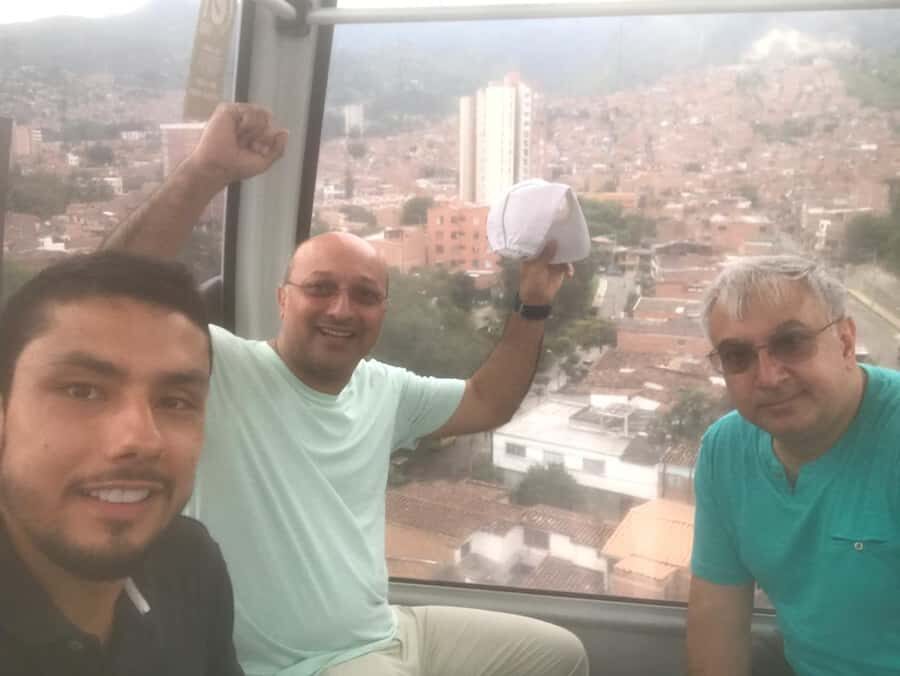
The cable car ride: views, but also why they matter
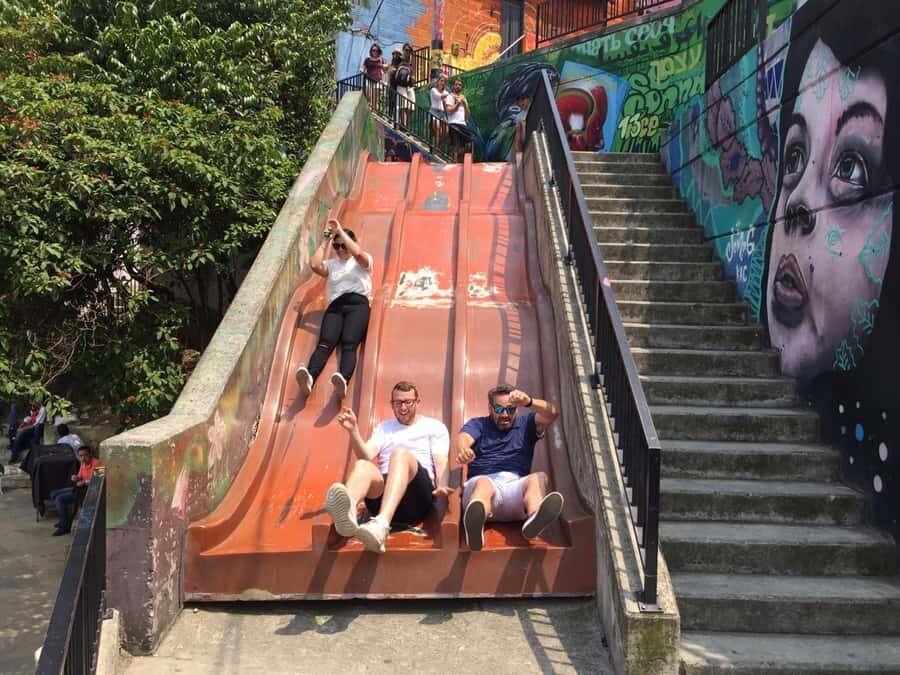
Then comes one of Medellín’s best “wait, look at this” moments: a ride in the cable car. It’s the part you’ll remember visually—big city views and a sense of moving above the streets that you’ve been learning about on the ground.
But here’s the practical value: you’re not doing the cable car as a stand-alone attraction. You’re riding it after hearing the guide connect transit and neighborhood change. That means the view has context. You can look out at the city and understand why access matters, why infrastructure changes daily life, and why Medellín’s transit story is often highlighted as part of the city’s recovery and modernization.
I’d also keep your expectations realistic. You’ll be seeing a lot in a short time. The goal isn’t to become a transit nerd; it’s to get the big picture while you enjoy the ride.
One more thing: because the tour happens in rain, the cable car time may feel cooler and wetter. Plan for that with comfortable shoes and a rain layer you can move in.
Medellín’s metro story: the transit angle most people miss
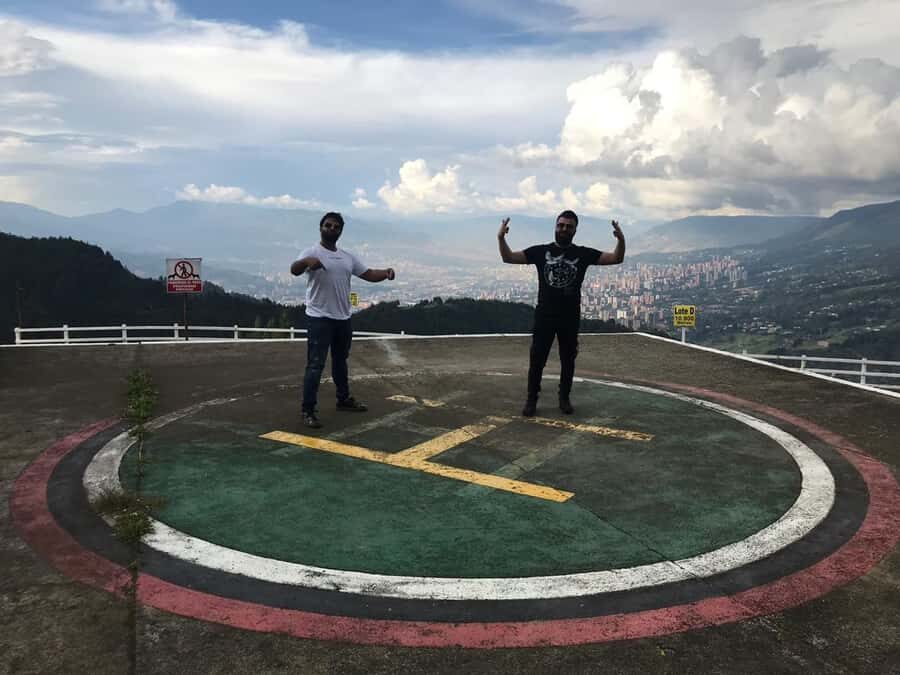
A quiet reason this tour earns strong ratings is that it treats transit as a chapter of history. You’ll learn about the city’s metro and why Medellín is highlighted as the only Colombian city with this kind of transportation.
This matters because Comuna 13’s cable car experience doesn’t make sense in isolation. The broader message is that Medellín has used transport improvements to change how people reach the rest of the city. That can mean more than convenience—it affects jobs, schooling, and how a neighborhood connects to opportunities.
If you’ve ever visited a city where transit is ignored in the story, you’ll appreciate how this tour doesn’t. Even if you came for Pablo and Comuna 13, the transit lesson gives you a framework for interpreting what you see from street level and from above.
It’s also one of the reasons the included metro entry tickets are worth noting. You’re not paying extra to ride your way through the city while hoping someone explains what you’re seeing. The guide does the connecting for you.
What to bring, and how to handle the rain
You don’t need anything fancy, but you do need comfort. The essentials from the tour details are simple:
- Comfortable clothes
- Comfortable shoes
Then I’d add two smart upgrades based on the fact the tour runs in rain: bring a light rain layer and plan for slick surfaces. Even a short walk in wet weather can be annoying if your shoes aren’t grippy. You’ll also want to be able to move easily for the guided portions in different areas.
If you’re the type who gets cold easily, consider a thin jacket. Rain in Medellín can make the whole experience feel longer and cooler, even though the tour itself is only about four hours.
And emotionally, prepare yourself. This isn’t a sanitized version of history. You’ll be learning what people lived through in different decades, and the tone is respectful but serious.
Who should book this tour (and who should skip it)
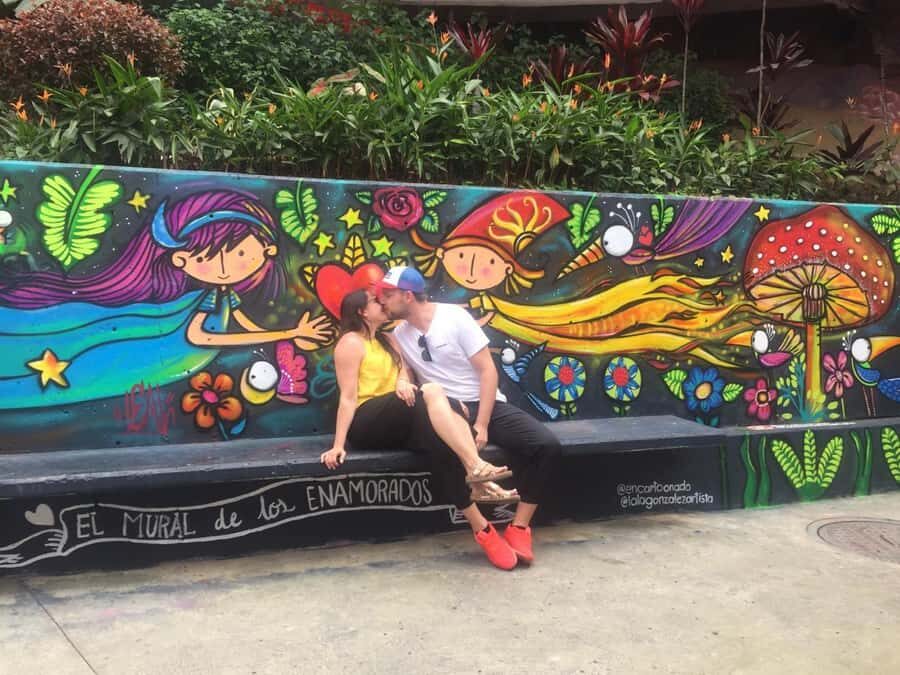
This tour is a great fit if you want:
- A timeline-based history of Medellín and Comuna 13
- Pablo Escobar-related context without making it sensational
- The cable car ride with real meaning and a transit lesson
You might especially enjoy it if you like guided explanations and you want someone to answer the questions your brain naturally throws up when you see a place tied to major events.
On the other hand, you may want to skip it if you prefer light, entertainment-first sightseeing. The material around Escobar and the neighborhood changes can feel heavy. Also, if rain is a dealbreaker for you, this one will be less comfortable than a dry-day tour.
The private-group setup makes it easier to tailor your pace and questions, but the core topic doesn’t soften. Decide based on your mood and what you came to Medellín for.
Should you book City Vibes Tours for Pablo and Comuna 13?
If you want a focused, guided experience that links Pablo-related sites to Comuna 13’s modern story—and you’d like the cable car ride to come with context—this tour is a strong choice. The inclusion of pickup, metro entry, and water keeps it practical, and the guide-led timeline approach is clearly what keeps people coming back.
I’d book it if history with structure sounds like your style, and if you’re okay with rain and a serious topic. If you’re going for postcard photos and zero heavy topics, you’ll likely find better matches elsewhere.
FAQ
How long is the Pablo, Comuna 13 & Cable Car Express tour?
The tour duration is 4 hours.
Is this tour a private group?
Yes. This activity is listed as a private group.
What languages are available?
The live tour guide is available in English and Spanish.
What is included in the price?
Hotel pickup and drop-off, metro entry tickets, and water are included.
Does the tour happen in rain?
Yes. The tour will take place with rain.
Can I cancel for a full refund?
You can cancel up to 24 hours in advance for a full refund.