REVIEW · MEDELLIN
Medellín: Pablo Escobar Jail Private Tour
Book on GetYourGuide →Operated by Medellin Travels · Bookable on GetYourGuide
Pablo Escobar’s story is still written in stone. This private 4-hour tour follows the arc from his rise and brutality to the places tied to his death, plus the gridlock of the Cali versus Medellín cartel rivalry. I especially like how the stops are concrete and visitable, and how guides like Carlos and Sara are praised for answering questions clearly without turning the subject into a fan club.
One consideration: this is heavy material. You’ll be hearing about victims, killings, and power built on terror, so it helps to be ready for an emotional tour with real edge.
In This Review
- Key highlights worth your attention
- Pablo Escobar in Medellín: why the stops hit harder than the headlines
- Price and time: what $135 gets you in 4 focused hours
- Getting picked up and moving with a private group
- The big arc you’ll hear: from petty thief to cartel boss
- Escobar’s self-designed prison: a visit to a lie that became real
- Monaco Building ruins: where the Cali–Medellín war started
- The killing site: understanding how terror enforced control
- Escobar’s last house: the final chapter in plain sight
- How the guides shape the whole experience (Carlos and Sara show up often)
- Who should book this tour, and who might want a different one
- Should you book this Medellín Escobar Jail Private Tour?
- FAQ
- How long is the Pablo Escobar Jail private tour?
- What is included in the price?
- Is food or lunch included?
- Do you get hotel pickup?
- What if I’m staying outside El Poblado and Laureles?
- What languages are the guides?
- Is this tour wheelchair accessible?
- What do I need to bring?
- Are alcohol or drugs allowed during the tour?
- Can I cancel, and is there a pay-later option?
Key highlights worth your attention
- Hotel pickup in El Poblado and Laureles plus a private guide for your group
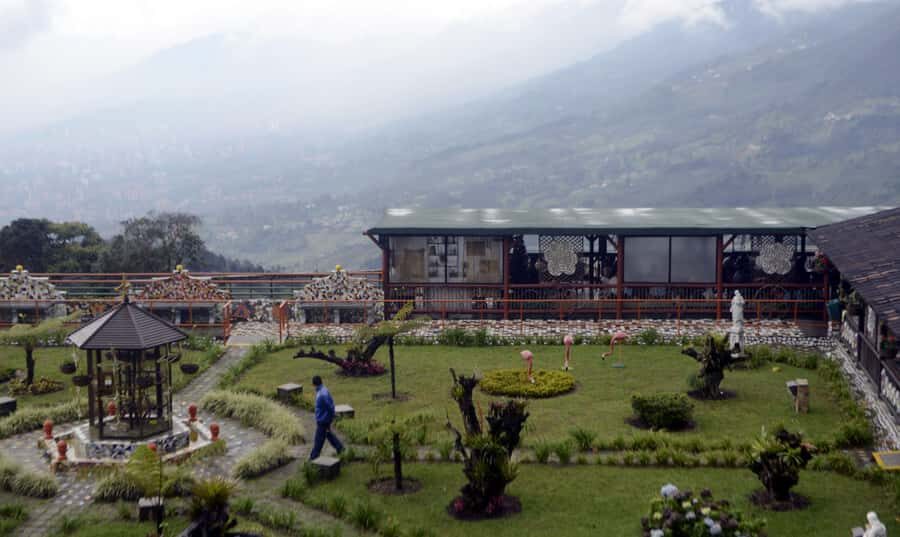
- Escobar’s self-designed prison and nearby sites connected to internal violence
- Monaco Building ruins, tied to the start of the Cali vs. Medellín cartel war
- The last house where Escobar lived and died, bringing the story to a physical endpoint
- English and Spanish live guiding, with strong praise for Q&A and professionalism
Pablo Escobar in Medellín: why the stops hit harder than the headlines
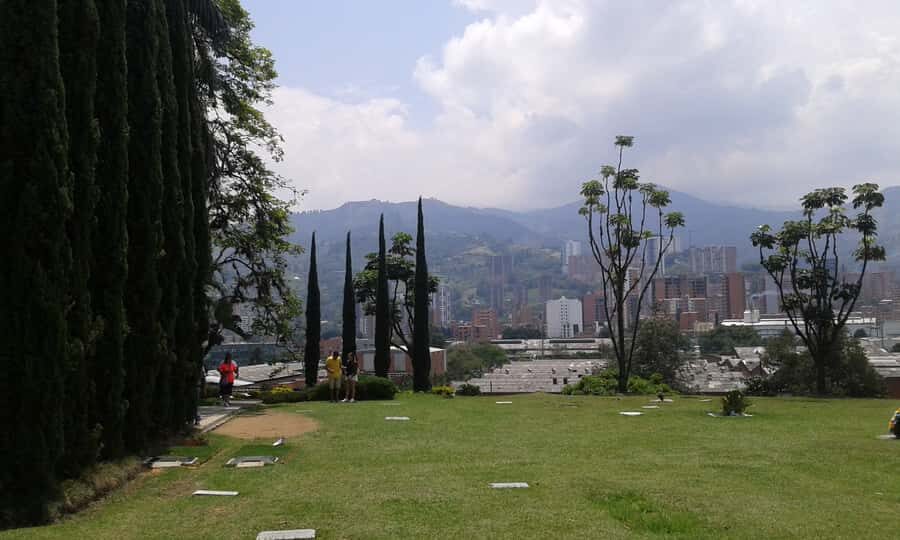
Escobar wasn’t just a crime boss in a history book. In Medellín, the echoes of his choices still sit in the geography. That’s what makes this kind of tour different from watching documentaries at home.
I like that the experience frames him as a complicated person in a complicated time. You’ll hear how he went from petty theft to extreme wealth, including the widely repeated claim that he offered to pay Colombia’s debt of 13 billion dollars. You’ll also hear the flip side: how people in politics and the families of victims saw him as pure harm. That tension matters because it explains why some people treated him like a benefactor, while others wanted him gone.
Just as important, the tour isn’t trying to sanitize anything. Expect a serious, sometimes stomach-turning emotional ride built around places, not just opinions. If you want light entertainment, skip it. If you want the real weight of Medellín’s past, you’ll understand why people remember these sites for years.
You can also read our reviews of more private tours in Medellin

Price and time: what $135 gets you in 4 focused hours
At $135 per person for about 4 hours, you’re paying for access + context. The value isn’t that you’ll see a lot of random streets—it’s that you’ll see the specific locations that connect the story end to end, with a live guide to explain what you’re looking at.
Here’s the practical side: the tour is private, and it includes hotel pickup and drop-off. In other words, you’re not spending your afternoon negotiating transport or figuring out where the key spots are. For many visitors, that’s the real money-saver. You also get the benefit of two languages options (English or Spanish) depending on what your guide uses.
Drawback to think about: you’re not getting food included. If you’re the type who needs a snack to stay comfortable during heavier storytelling, plan ahead. A 4-hour schedule moves fast, and you’ll likely want to eat before you go.
Getting picked up and moving with a private group
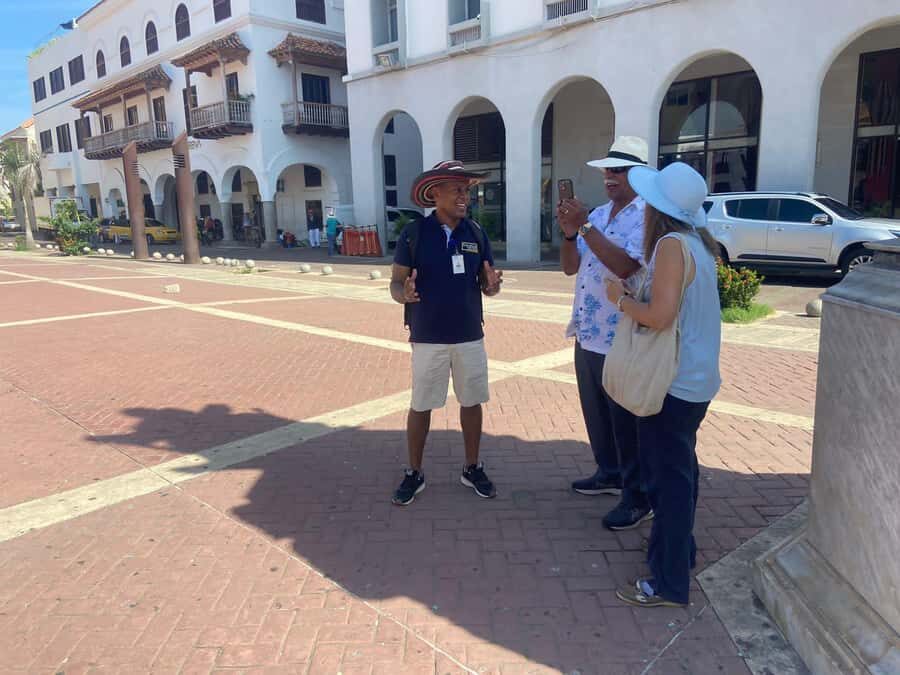
This is a private group tour, so you’re not stuck listening to a lecture while others chat over it. You’ll have a guide working around your group’s pace, and that matters for a topic that needs care.
Pickup is available from hotels in El Poblado and Laureles. If you’re staying somewhere else, you’ll need to contact the local operator after booking for your meeting point details. This is one of those small logistics things that can make or break the experience—easy if you’re in the common hotel zones, slightly more work if you aren’t.
It’s also listed as wheelchair accessible, which is a real plus if you need that kind of support to avoid steep or difficult segments.
The big arc you’ll hear: from petty thief to cartel boss
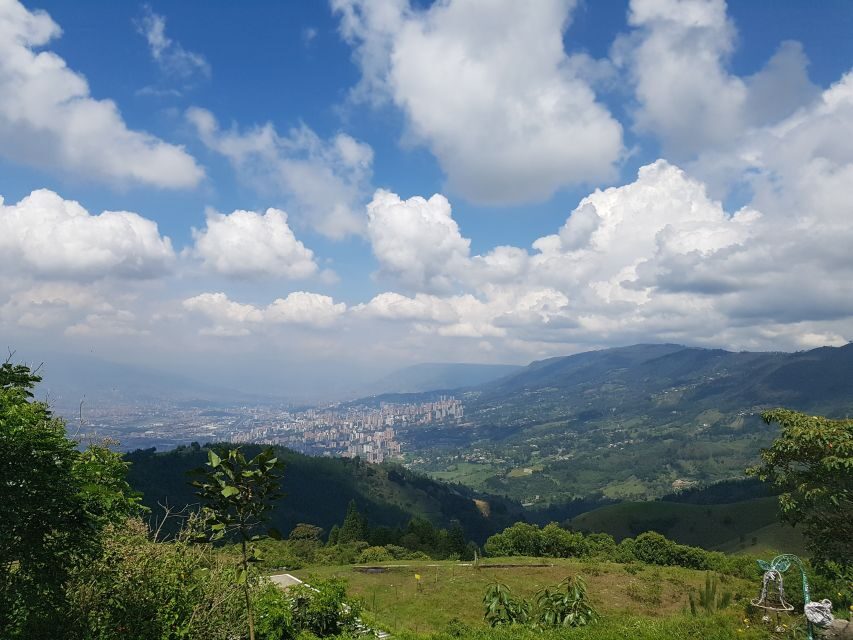
Before you even reach the most intense locations, you’ll get the story that explains why Escobar became such a magnet for loyalty and hatred. The tour lays out his climb in plain terms: how he started far from the myth, and how he ended up so powerful that he publicly offered to help cover a debt that dwarfed everyday life.
That framing helps you connect dots. When the guide later points to sites tied to his violence or his final days, you’re not just seeing “crime locations.” You’re seeing turning points in a political and economic struggle that spilled into neighborhoods and institutions.
The guide will also stress the cartel rivalry—Cali versus Medellín—because this wasn’t a single villain story. It was competition between systems, alliances, and territories. You’ll feel the shift from personal ambition to organized war, and the stops are chosen to make that progression make sense.
Escobar’s self-designed prison: a visit to a lie that became real
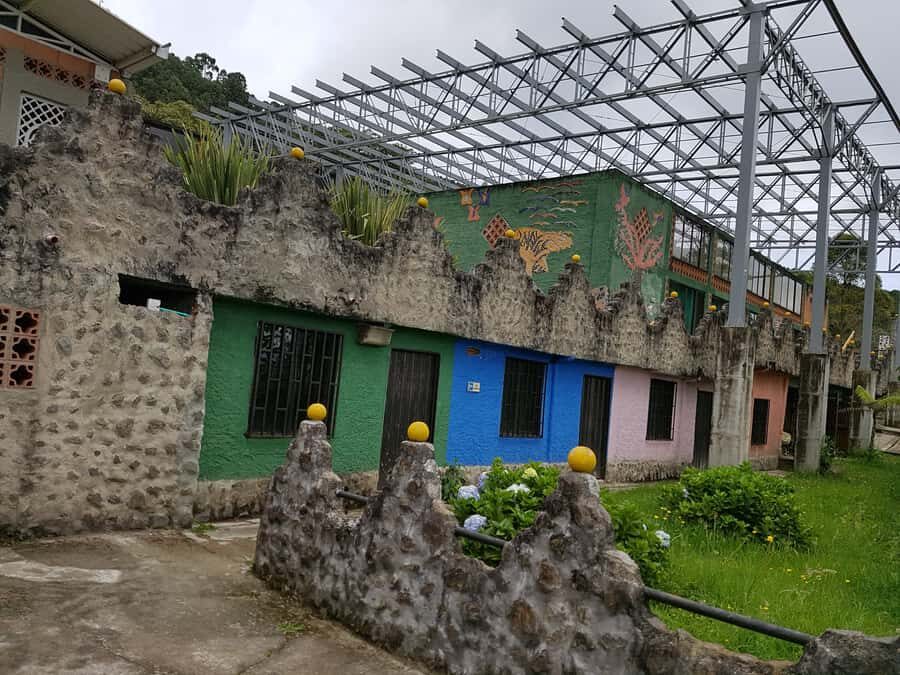
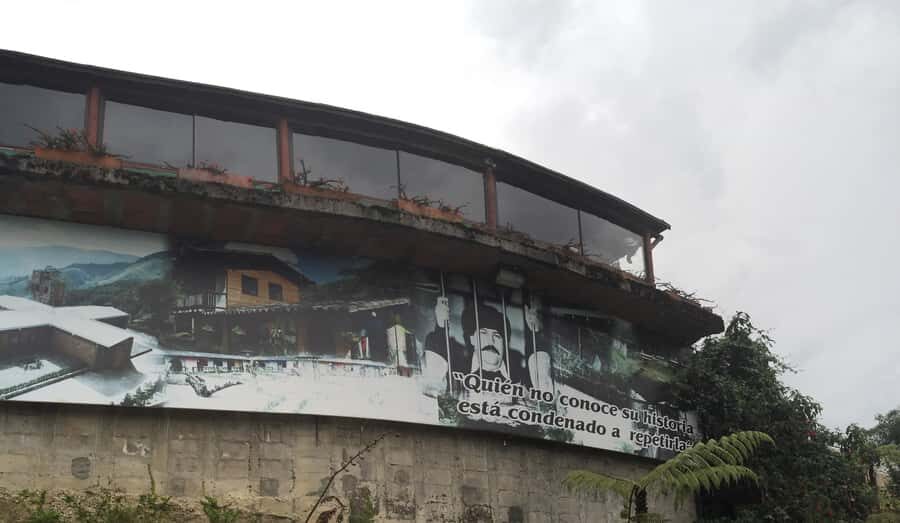
One of the central stops is Escobar’s self-designed “prison.” On paper, it sounds like a paradox. In person, the point lands hard: the man controlled the narrative, even when he was supposed to be controlled.
I like this stop because it forces you to think about power as performance. You’re not just looking at a location; you’re confronting the idea that he tried to turn confinement into a stage. That’s part of why the tour can feel emotional. It’s not the kind of place that lets you keep a safe distance.
This stop is also paired with sites connected to the violence he inflicted, including accounts tied to him murdering several of his associates. That’s the moment where the story snaps from rivalry into internal fear. The guide’s role is key here—keeping facts straight, explaining what you’re seeing, and not drifting into fantasy.
If you’re sensitive to intense topics, this is the area where you’ll probably feel it most. It’s not graphic in the sense of shock video, but it’s not gentle either.





Monaco Building ruins: where the Cali–Medellín war started
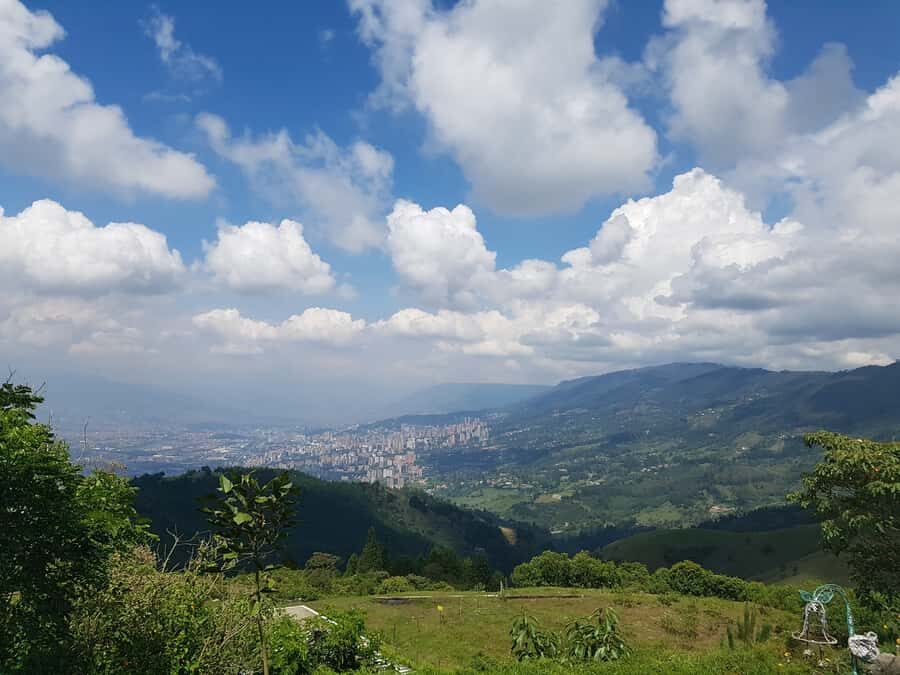
Then you move to the Monaco Building ruins, tied to where the war between the Cali and Medellín cartels kicked off. Ruins are useful for storytelling because they remove distractions. You can stand in a space and let the guide connect it to events without needing flashy reenactment.
I like that the tour includes this stop because it reminds you the conflict wasn’t only about Escobar personally. The rivalry was broader, and it created pressure that reshaped the city. You’ll likely come away with a clearer sense of why Medellín became a place where law, politics, and terror intersected.
A possible drawback: if you prefer your tours to focus only on one character, this stop can feel like a widening lens. The benefit, though, is accuracy. Escobar’s story makes more sense when you understand who he was fighting, and why.
The killing site: understanding how terror enforced control
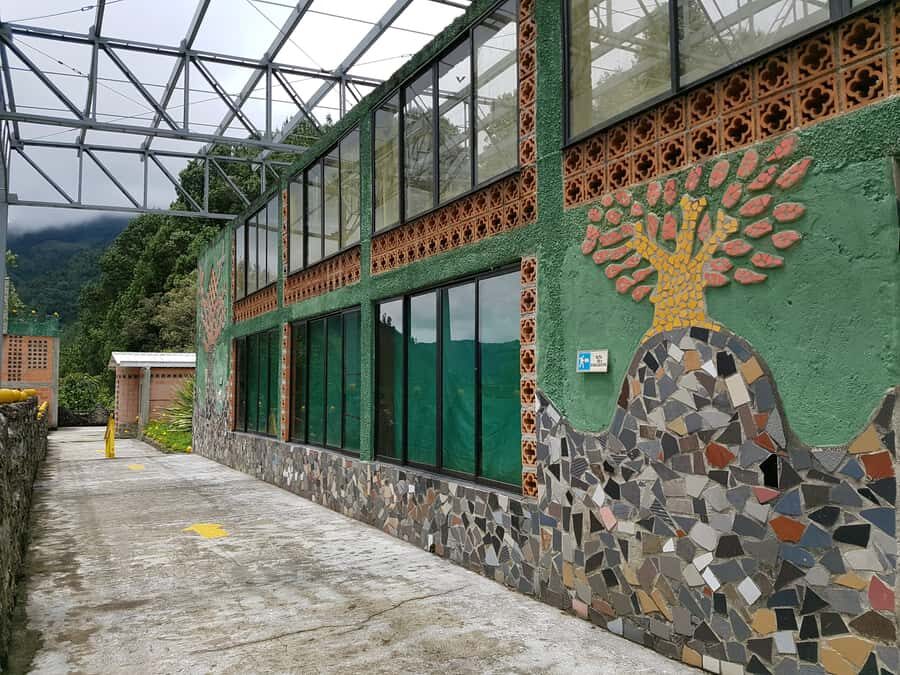
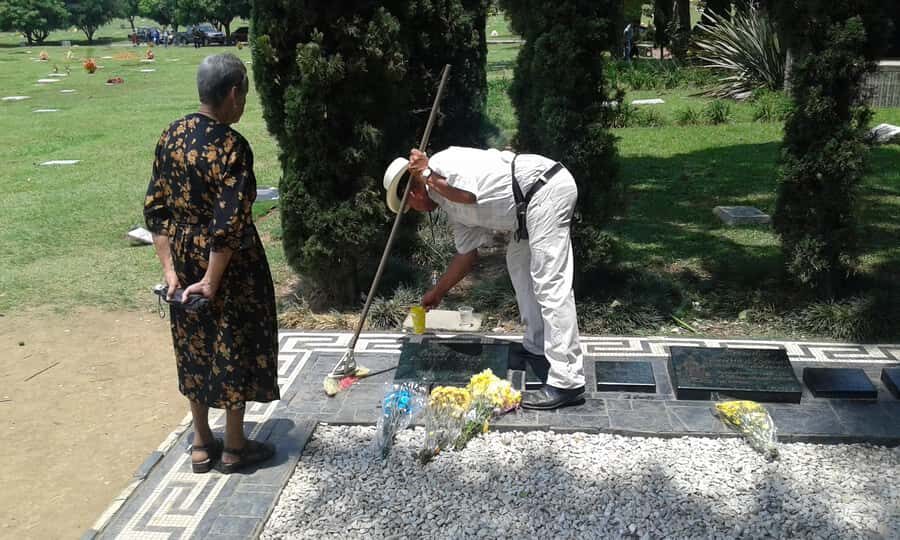
The tour also includes the site where Escobar was finally killed, plus locations connected to killings of associates. This part of the experience is emotionally blunt, and that’s not a flaw—it’s the point.
I appreciate that the guide is expected to handle the topic with nuance. The best feedback emphasizes that the tour stays away from glorifying the subject, even while it treats the facts seriously. That balance matters because it lets you learn without feeling like you’re being sold a myth.
Here’s what you should aim to do as you listen: separate the legend from the consequences. Escobar may have been revered by some, but the tour makes room for why others hated him, including the families of victims and politicians who opposed him.
If you need a break from heavy content, mentally prepare a quick reset. Look around between stops. Take in the street scene. Then let the guide bring you back to the story when you’re ready.
Escobar’s last house: the final chapter in plain sight
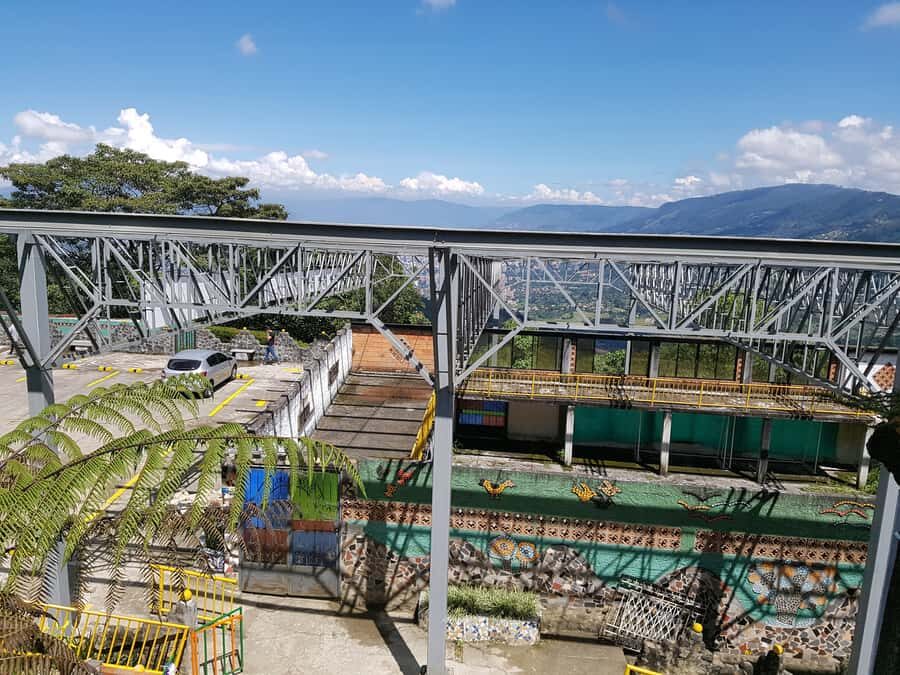
The last house where Escobar lived and died is a closing anchor. This stop brings the narrative from rise and violence toward an end point you can stand near. It’s where the tour naturally shifts from background to final consequences.
I like tours that use a final-location stop correctly. Instead of rushing past it, the guide can tie together the themes you heard earlier: wealth and power, public image versus private brutality, loyalty versus fear, and rivalry as a long-term engine.
One practical note: houses and outdoor sites can mean changing light and shade. Wear comfortable shoes and plan for some uneven ground. The tour is wheelchair accessible, but that doesn’t mean every surface will be flat or easy.
How the guides shape the whole experience (Carlos and Sara show up often)
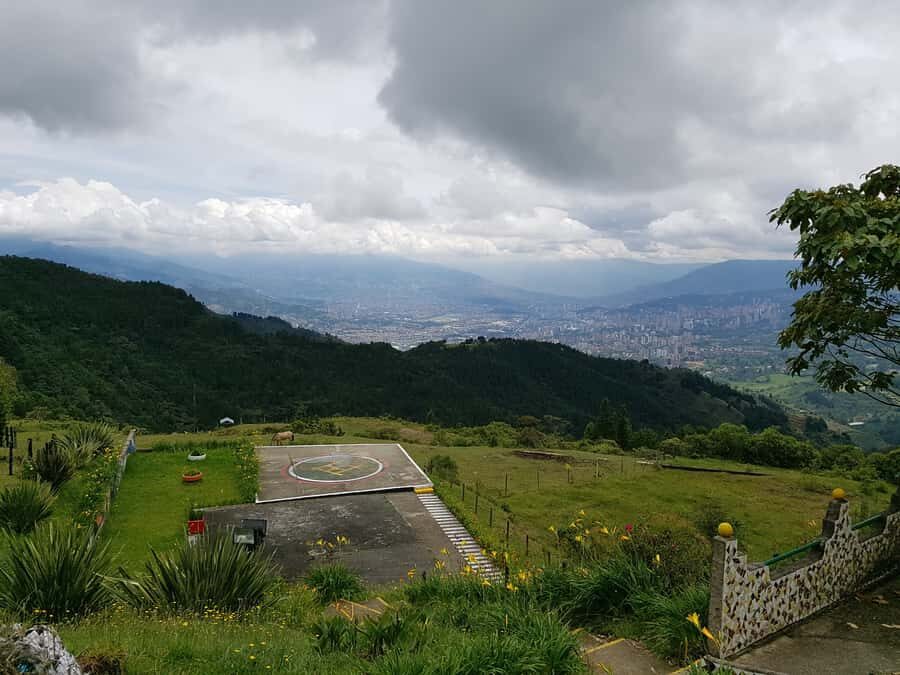
The quality of this tour seems strongly tied to the guide. In the feedback, names like Carlos and Sara pop up with praise for professionalism, punctuality, and answering questions in detail.
That matters more than it sounds. Medellín’s narco history is complicated and touchy. A good guide helps you keep the story grounded—explaining motivations, politics, and rivalries in a way that doesn’t turn tragedy into entertainment. The best versions of this tour also stay respectful toward victims and families, while still telling you what happened at the locations you visit.
If you like asking follow-up questions, this tour can be a strong fit. People valued how the guides didn’t just talk; they responded. If you prefer a strict script with no Q&A, you can still get value, but your personal style might matter here.
Who should book this tour, and who might want a different one
You’ll likely enjoy this Pablo Escobar Jail Private Tour if you:
- Want a tight 4-hour format with hotel pickup and a private guide
- Prefer learning through actual sites tied to events
- Can handle emotionally heavy topics with a respectful tone
- Care about understanding the Cali versus Medellín rivalry, not just Escobar-as-a-single-name
You might reconsider if you:
- Want a light sightseeing day or photo-only stops
- Get overwhelmed by stories connected to killings and victims
- Are hoping for a purely historical overview without moral weight
Also, plan your comfort. This is not a snack-and-stroll. Bring water if you can around the tour rules, and eat beforehand since food and drinks aren’t included.
Should you book this Medellín Escobar Jail Private Tour?
I’d book it if you want a serious, site-based tour that connects the big themes: the rise, the cartel rivalry, the places tied to confinement and violence, and the final chapter at the last house and the killing site. The private format and strong praise for guides like Carlos and Sara suggest you’ll get careful explanations and solid Q&A.
Skip it if you’re seeking comfort over truth. This experience deals with terror and its human cost. If that’s okay with you, you’ll walk away with a clearer picture of Medellín’s past that feels real because it’s tied to real places.
If you’re on the fence, choose this one when you can go in mentally prepared for emotional history, and pair it with lighter activities afterward so your day doesn’t stay heavy the whole time.
FAQ
How long is the Pablo Escobar Jail private tour?
It lasts about 4 hours.
What is included in the price?
The tour includes a guide, hotel pickup and drop-off, and the private tour itself.
Is food or lunch included?
No. Food and drinks are not included, and lunch is not included.
Do you get hotel pickup?
Yes. Pickup is included, with pickup available from hotels in El Poblado and Laureles.
What if I’m staying outside El Poblado and Laureles?
If you’re staying in other areas, you’ll need to contact the local tour operator after booking for your meeting point details.
What languages are the guides?
The live tour guide is offered in Spanish and English.
Is this tour wheelchair accessible?
Yes, it’s listed as wheelchair accessible.
What do I need to bring?
Bring your passport or an ID card.
Are alcohol or drugs allowed during the tour?
No. Alcohol and drugs are not allowed.
Can I cancel, and is there a pay-later option?
Yes. You can cancel up to 24 hours in advance for a full refund, and there is also a reserve now & pay later option where you pay nothing today.