REVIEW · MEDELLIN
Medellín: The Real Pablo Escobar Tour
Book on GetYourGuide →Operated by Top 10 tours in Medellín · Bookable on GetYourGuide
Escobar’s Medellín still casts a long shadow. This 4-hour tour connects the sites—memorial park, La Catedral, the soccer field, and Montesacro cemetery—so you understand how one man’s choices ripped through everyday Colombian life. You’re also traveling in a small group, with round-trip van pickup from the Poblado area.
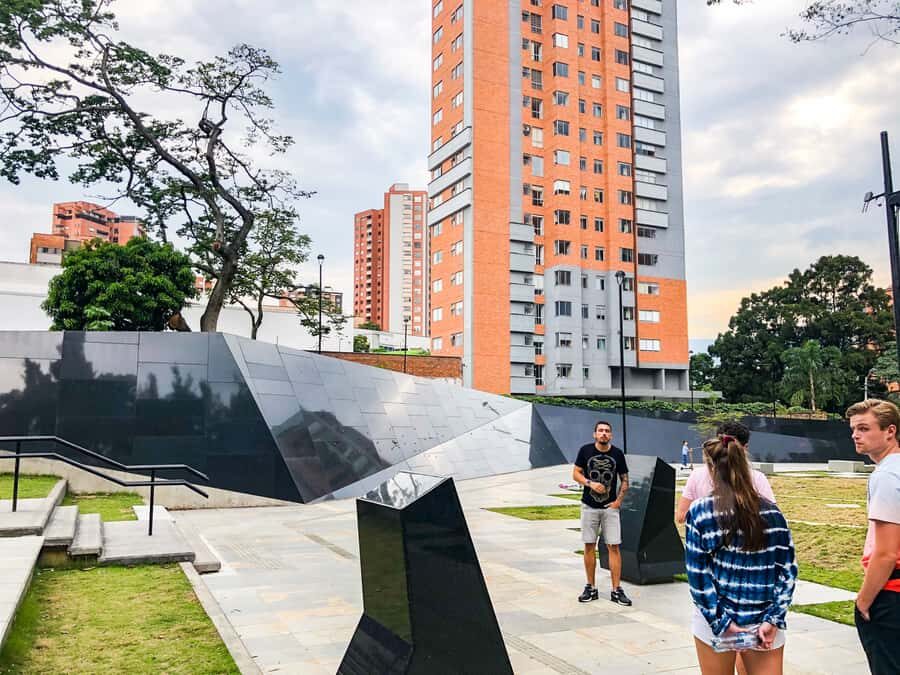
I love that the story is framed around harm and victims, not myth. Inflexión Memorial Park turns a former-linked site into a place for remembrance, and that shift gives the tour its emotional weight. I also like how La Catedral is explained as both a government deal and a personal prison—details that make the timeline feel real.
One consideration: this tour is English-only and it’s not suitable for wheelchair users or people with mobility impairments, since you’ll be walking around uneven outdoor areas.
In This Review
- Key Takeaways Before You Go
- Setting Expectations: What This Tour Does With Escobar’s Story
- Meeting at Juan Valdez Cafe: Logistics That Keep the Tour Easy
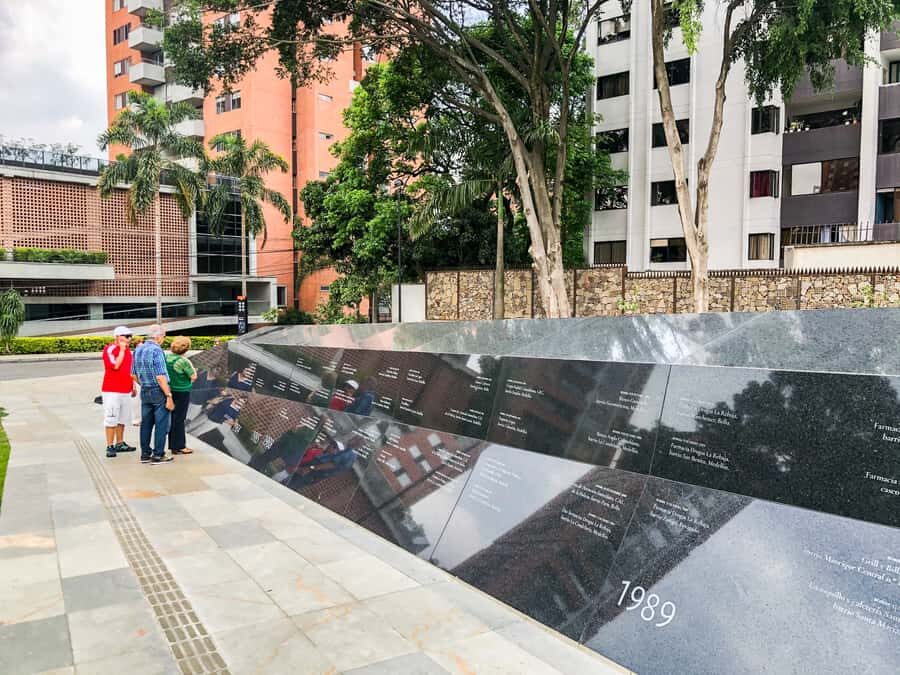
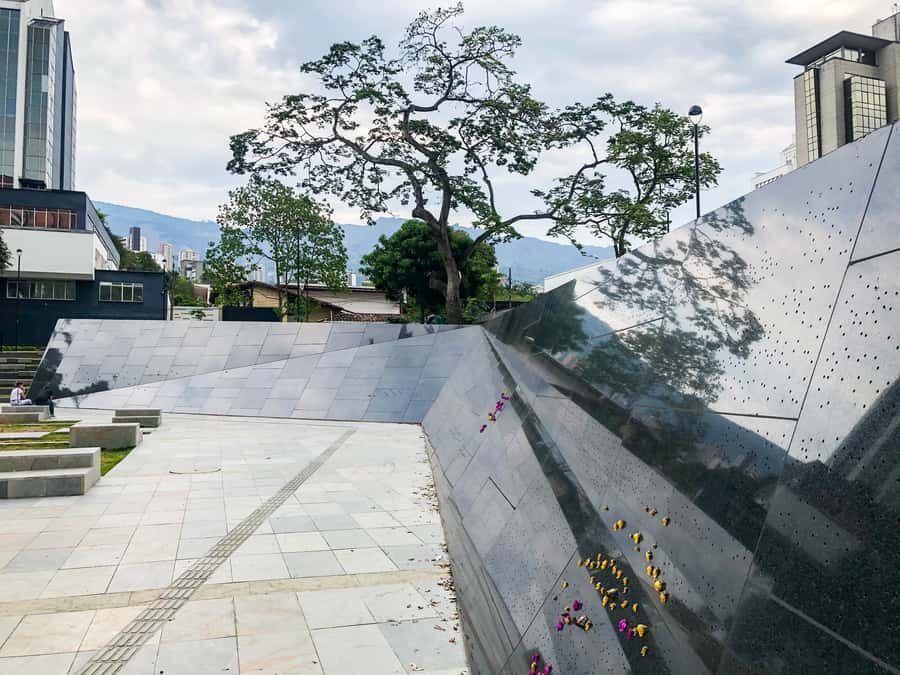
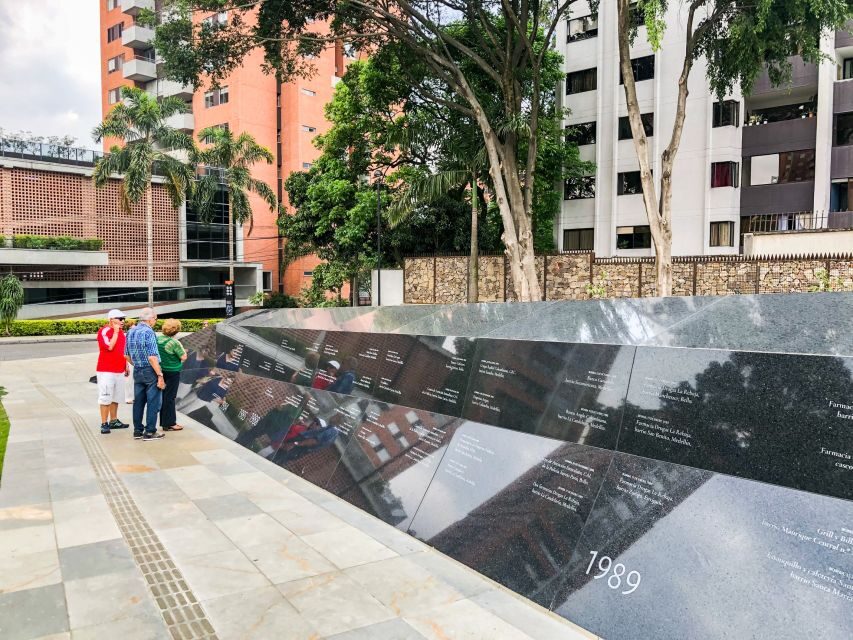
- Inflexión Memorial Park: When a Hideout Becomes a Victims’ Memorial
- Monasterio Santa Gertrudis La Magna: A Cultural Pause in the Middle of Heavy Stops
- La Catedral: Escobar’s Prison, the Government Deal, and the Escape Story
- Cancha El Dorado: The Soccer Field Built for an Image
- Montesacro Cemetery: Graves, Family, and Griselda Blanco
- The Van Rides, the Timing, and Why the 4 Hours Work
- Price and Value: Why $42 Can Make Sense Here
- Who This Tour Suits (and Who It Doesn’t)
- Guide Style: What to Look For on Tour Day
- Should You Book the Real Pablo Escobar Tour?
- FAQ
- How long is the Medellín: The Real Pablo Escobar Tour?
- Where does the tour start and where do we return?
- Is the tour offered in English?
- What is the group size?
- What’s included in the price?
- What isn’t included?
- Is La Catedral open every day?
- Is the tour suitable for wheelchair users or mobility impairments?
- What should I bring?
- What’s the cancellation policy?
Key Takeaways Before You Go
- Victims-first framing at Inflexión Memorial Park, so the focus stays on impact.
- La Catedral context, including how an agreement with the government played into Escobar’s escape.
- Cancha El Dorado as propaganda, where politics and image-building met real turf.
- Montesacro Cemetery visit where Escobar, his family, and gang members including Griselda Blanco are buried together.
- Small group pace (limited to 9) with time for questions from the English guide.
- Plan for hills: van rides and steep terrain show up in the itinerary.
Setting Expectations: What This Tour Does With Escobar’s Story
This isn’t a thrill-tour. It’s a guided route through the physical reminders of the drug war era in Medellín, with stops that force you to look at consequences instead of legends. You’ll hear about the painful and bloody history tied to Pablo Escobar, but the practical value is how the guide connects dots between place, decisions, and what families in Colombia lived through.
The tour’s tone matters because Escobar stories can easily slide into sensational mode. Here, the pacing and stop selection push you toward understanding: who was harmed, how the violence spread, and how the country responded.
You can also read our reviews of more tours and experiences in Medellin.

Meeting at Juan Valdez Cafe: Logistics That Keep the Tour Easy
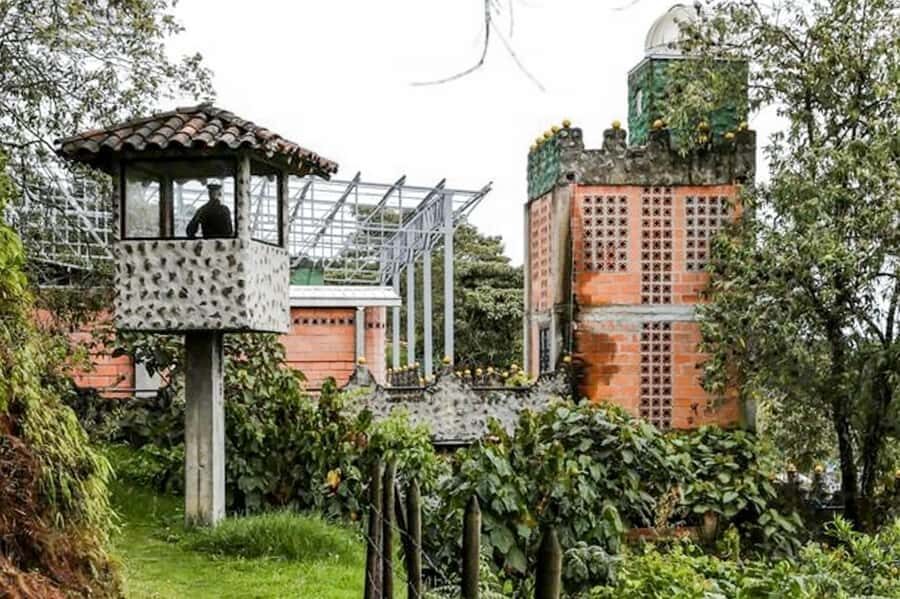
You meet at Juan Valdez Cafe, inside Lleras Park. From there, you’ll head out by van and come back to the same meeting point.
What I like about this setup is how it reduces friction. Escobar-linked sites aren’t all clustered on one street corner, so a van itinerary saves you time and guesswork. Round-trip transportation from the Park Lleras / Poblado area is included, which is a big part of the value for a 4-hour experience.
Practical notes from the tour rules:
- Bring a camera and water.
- Wear closed-toe shoes and comfortable clothes.
- Bring an ID card (a copy is accepted).
- Skip high-heeled shoes and don’t bring pets, weapons, or sharp objects.
Inflexión Memorial Park: When a Hideout Becomes a Victims’ Memorial
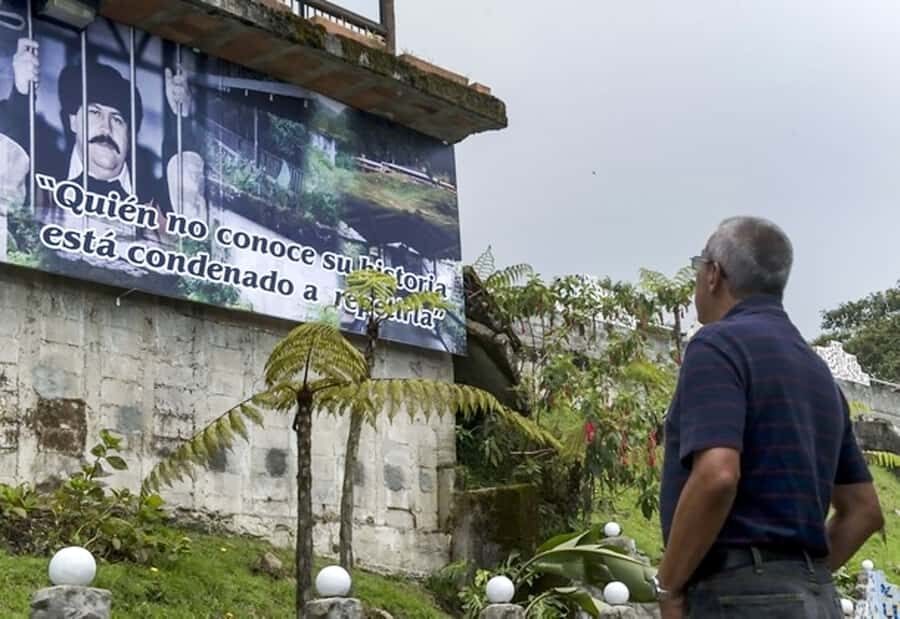
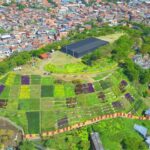
Your first guided stop is Inflexión Memorial Park. The starting point is significant: you begin at the former home site linked to Escobar, where his family was hidden and where enemies reportedly planted bombs with the goal of killing him. Then you move forward in time to the transformation—how that space has become a memorial park for victims of Colombia’s drug war.
This is the part where the tour earns trust. The guide isn’t just pointing at “famous spots.” You’re shown how the meaning of a place can flip from secrecy and violence to remembrance. Even the time you spend here (about 20 minutes) is enough to absorb the shift without turning it into a long lecture.
A small detail that helps: because the tour begins with this memorial framing, the later stops don’t feel like a scavenger hunt. They feel like chapters.
Monasterio Santa Gertrudis La Magna: A Cultural Pause in the Middle of Heavy Stops
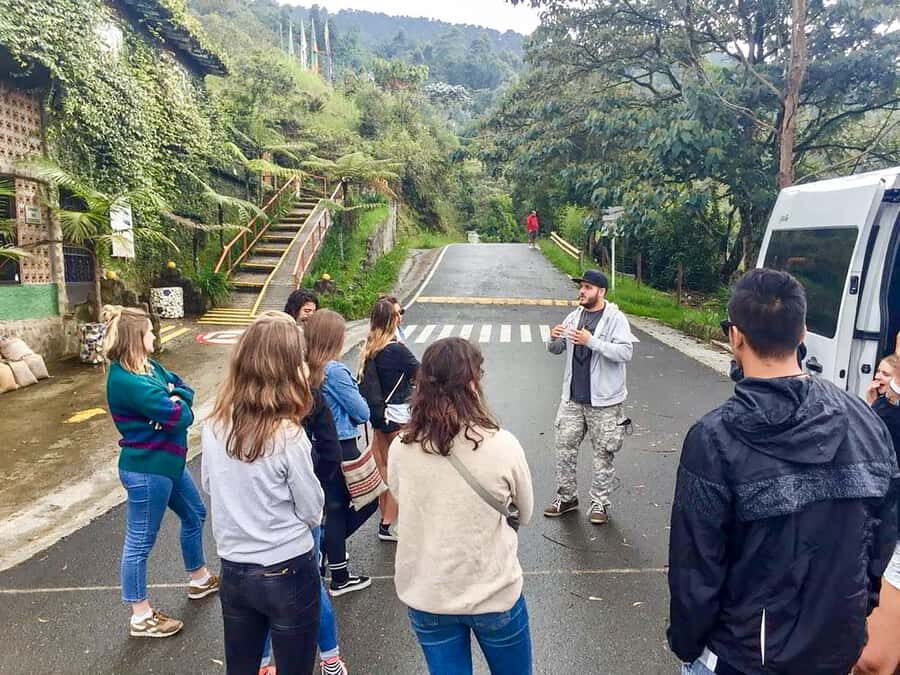
After the memorial park, you’ll transfer by van and visit Monasterio Santa Gertrudis La Magna with a guided walkthrough (about 40 minutes).
The itinerary doesn’t just speed from one Escobar site to the next. This monastery stop gives you a breathing-space reset—something important when the rest of the route deals with the consequences of extreme violence. It also helps you remember that Medellín isn’t only a cartel headline. The city has religious and cultural spaces that kept serving people while the drug war raged.
What to watch for here is pacing. Since the tour includes multiple outdoor stops, a guided visit in a different setting can make the overall experience easier to process.
La Catedral: Escobar’s Prison, the Government Deal, and the Escape Story
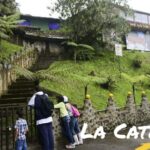
Next comes La Catedral, the prison Escobar built for himself. You’ll travel there by van (the itinerary includes a longer ride before this point), and the stop itself is guided (around 20 minutes).
The key idea you’ll hear is not just that he was incarcerated. It’s that La Catedral was built as part of an agreement with the government—and later, he escaped. That timeline detail changes how you think about control. It’s one thing to say a prison exists. It’s another to understand how the system was negotiated, and how power was used to turn incarceration into a personal setup.
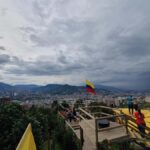
From a traveler’s viewpoint, this stop also tends to come with a strong sense of place. In recent bookings, people highlighted the view from the prison site as a memorable moment. Even if you don’t get the same angles in every season, the elevation and surrounding terrain make this location feel exposed—like you can see the city’s scale around it.
Important note: La Catedral is closed on Mondays. If you’re visiting on a Monday, double-check whether your tour date will still run as planned or adjust the route.
Cancha El Dorado: The Soccer Field Built for an Image
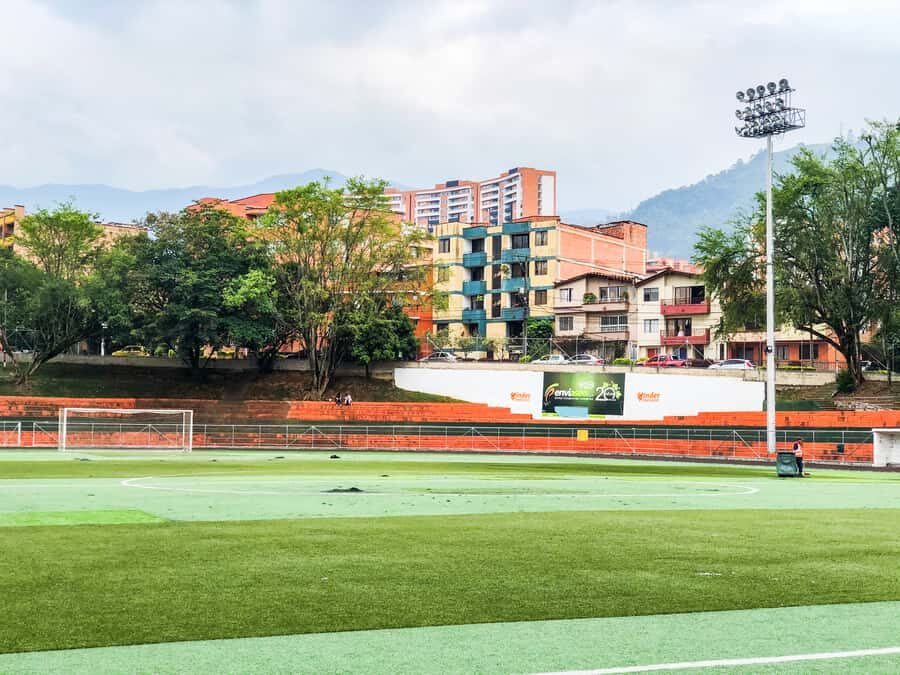
Then you’ll head to Cancha El Dorado, Escobar’s soccer field (guided for about 20 minutes).
This stop is more than a quirky “Narcos trivia” moment. The tour explains that Escobar built the field with a visionary design, and he used it to give speeches as part of an attempt to enter Colombian politics. That matters because it shows a side of the Escobar story that can be easy to miss: while people suffered from the drug war, Escobar also tried to craft a public identity and win legitimacy.
The soccer field becomes a symbol of contradictions. You see how a community space can be shaped by a man trying to buy influence—turning public spectacle into political messaging.
If you want one simple lesson from this stop, it’s this: public works and public image can’t undo public harm. The tour ties that contrast together.
Montesacro Cemetery: Graves, Family, and Griselda Blanco
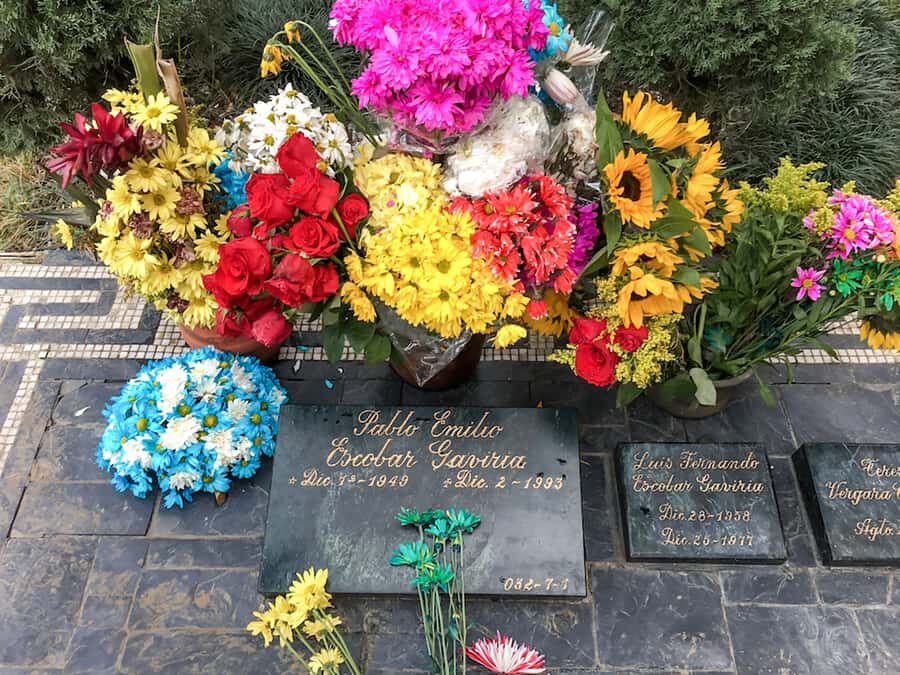
Your final guided stop is Montesacro Cemetery (around 30 minutes). This is where the tour ends on a heavy but important note.
You’ll visit the graves where Pablo Escobar is buried along with his family and other gang members, including Griselda Blanco. Seeing multiple connections in one place can make the network feel less abstract and more human. It’s also a place where the guide’s tone really matters.
In tours like this, it’s easy for cemetery visits to become morbid curiosity. Here, the structure is designed to keep you focused on the cost to Colombia and the people caught in the fallout. The goal is not to sensationalize death—it’s to understand what the drug war left behind.
The Van Rides, the Timing, and Why the 4 Hours Work
The itinerary moves in short van segments between stops. The schedule is roughly:
- meet at Juan Valdez Cafe (Lleras Park)
- van transfer segments
- guided stops at each location
- return to the meeting point
For you, the biggest practical benefit is that you’re not spending your trip piecing together transport. Round-trip transportation is included, and the group stays together. The trade-off is time in the car and a few longer transfers—people often mention the uphill feeling on routes in this area, so wear comfortable shoes and expect some slopes.
Also, the tour is 4 hours. That’s a sweet spot for this topic: long enough to hit the major locations, short enough that you’re not stuck for an entire day inside heavy themes.
Price and Value: Why $42 Can Make Sense Here
At $42 per person for a 4-hour, English-guided route, this tour is priced like a focused sightseeing experience, not a long private driver day.
Here’s where the value comes from:
- Round-trip van transport from the Park Lleras / Poblado area reduces the cost and hassle of getting between widely spaced sites.
- English guide included, which is a big deal because most visitors can’t self-navigate the story at these locations without context.
- Cemetery entrance is included.
- Insurance is included.
In other words, you’re paying for interpretation and logistics together. If you were to do these sites on your own, you’d spend real time figuring out transport and you’d likely miss key timeline details the guide is built to explain.
Who This Tour Suits (and Who It Doesn’t)
This tour is a good fit if:
- you want a respectful, place-based explanation of Escobar’s impact
- you like guided context rather than random reading
- you’re okay with history that includes violence and grief
It’s not a good fit if:
- you need wheelchair-friendly access or have mobility limitations, since it’s not suitable for wheelchair users
- you want a light, feel-good outing
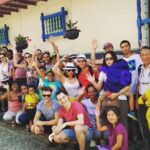
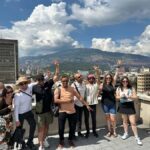
Because it’s small—up to 9 participants—you’ll generally feel like a group, not a herd. That structure can make questions easier and help the guide keep explanations clear.
Guide Style: What to Look For on Tour Day
The tour is run by an English-speaking guide. Recent group experiences emphasize guides who tell the story clearly, answer questions, and keep the discussion respectful and balanced.
Names you may hear associated with this tour include Daniel, Vivi, and Edwin/Edvin (and occasionally other guides). The common theme across them is that the explanations stay understandable and connected to the places you’re seeing.
When you meet your guide, ask one practical question early, like:
- How does this stop link to what happened next?
That way, you’ll get more out of every location instead of collecting disconnected facts.
Should You Book the Real Pablo Escobar Tour?
Book it if you want Medellín’s Escobar-era story anchored to real sites, with a guide helping you understand the human and national impact behind the headlines. For $42, the mix of memorial context, La Catedral, Cancha El Dorado, and Montesacro Cemetery is a strong coverage for a half-day.
Skip it if you’re looking for an adrenaline-heavy theme tour or you have mobility needs, since the route isn’t designed for wheelchair access. And if you’re visiting on a Monday, remember La Catedral is closed, so plan for how that affects your experience.
If you do go, go with a mindset of learning and respect. This tour works best when you treat it like a guided historical walk through consequences—not entertainment.
FAQ
How long is the Medellín: The Real Pablo Escobar Tour?
It lasts 4 hours.
Where does the tour start and where do we return?
You meet at Juan Valdez Cafe inside Lleras Park, and you return to the same location.
Is the tour offered in English?
Yes. The live tour guide speaks English only.
What is the group size?
It’s a small group limited to 9 participants.
What’s included in the price?
Round-trip transportation from Park Lleras, Poblado, an English guide, entrance to the cemetery, and insurance.
What isn’t included?
Food and drinks, plus personal expenses.
Is La Catedral open every day?
No. La Catedral is closed on Mondays.
Is the tour suitable for wheelchair users or mobility impairments?
No. It is not suitable for people with mobility impairments or wheelchair users.
What should I bring?
Bring a camera, water, comfortable clothes, closed-toe shoes, and an ID card (a copy is accepted).
What’s the cancellation policy?
Free cancellation is available up to 24 hours in advance for a full refund.