REVIEW · MEDELLIN
Medellin downtown: History and culture through fun stories
Book on GetYourGuide →Operated by Sebastian Santamaria · Bookable on GetYourGuide
Medellín has a talent for surprises. This 3-hour downtown walk turns key landmarks into stories you can actually see, from the old train area to art and culture spots that help you understand how the city changed. You’ll also get a local-style pace, so the center stops feeling like a map and starts feeling like a neighborhood.
I especially like the bilingual guide (English and Spanish) who explains what you’re looking at in a way that stays fun, not lecture-like. I also love that the route includes palaces and entry points you’d otherwise skip, including the train station area and the Palace of Culture.
One thing to consider: it’s mostly an outdoor walking route in the morning, so you’ll want a hat and sunscreen ready, and you may want to plan your energy for some steady steps.
In This Review
- Key highlights worth your attention
- Medellín downtown feels like a story you can walk through
- Starting at Metro Alpujarra: train-station history plus civic buildings
- Parque de las Luces: a good first reset in the middle of downtown
- Cisneros Square, Carabobo Street, and the former Palace of Justice
- Plaza Botero: the outdoor art gallery you’ll remember
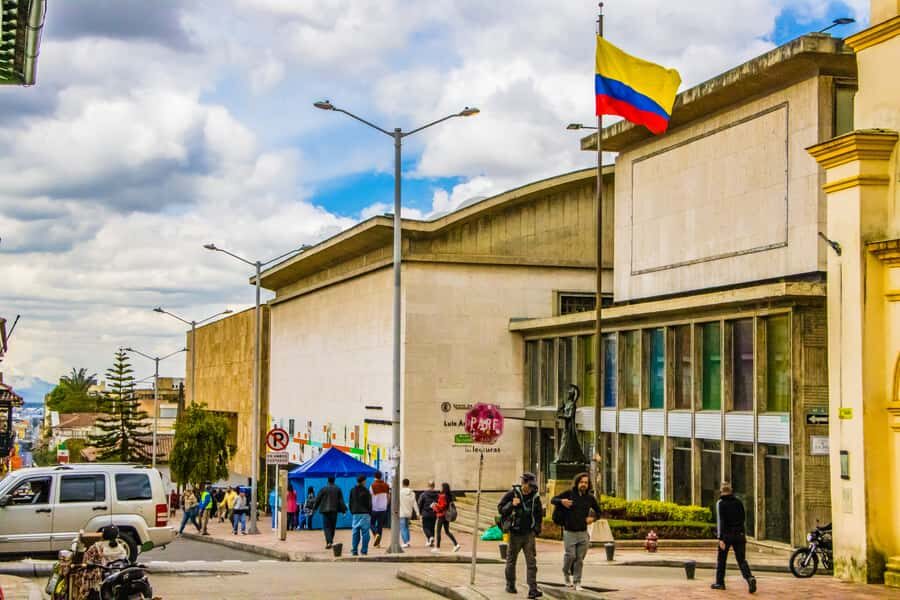
- Palace of Culture Rafael Uribe Uribe: terrace views and culture in motion
- Two smart ways to finish: Junín Street or traditional food
- Option A: Continue downtown toward Junín Street
- Option B: Keep it simple with traditional snacks
- Getting around, timing, and what to bring for a smooth 3 hours
- Price and value: what you get for $0, and what to budget anyway
- Who this tour suits best
- Should you book this Medellín downtown history and culture walk?
- FAQ
- How long is the tour?
- Where does the tour start?
- Where does the tour end?
- What languages is the guide?
- What is included in the price?
- What is not included?
- How big is the group?
- What should I bring?
- Is the tour usually in the morning?
- What happens at the end of the tour?
Key highlights worth your attention
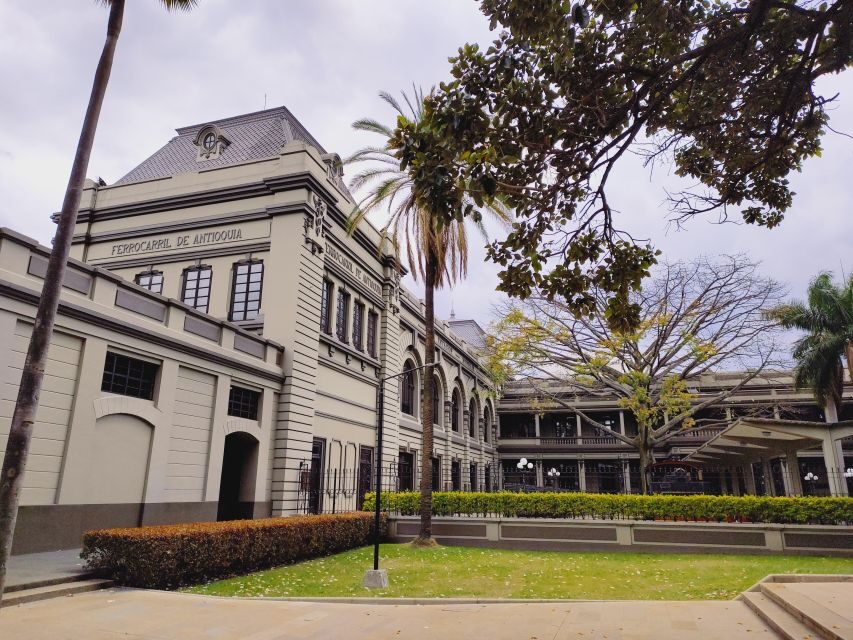
- Alpujarra start: Train Station, City Hall, and the Administrative Center set the tone right away
- Two art-and-culture anchors: Plaza Botero and the Palace of Culture Rafael Uribe Uribe
- History you can point at: the former Palace of Justice stop on Carabobo Street
- Terrace photo stop: views over Medellín from the Palace of Culture terrace
- Flexible finish: choose Junín Street or traditional food like empanadas, buñuelos, and arepas
- Small group size: limited to 10 participants, which keeps the walk personal
Medellín downtown feels like a story you can walk through
Downtown Medellín can feel confusing at first glance. Buildings are close, streets shift, and the city’s past can seem like it belongs to someone else. This experience fixes that by giving you a clear line of sight: you learn the background, then you see the evidence right in front of you.
What I like most is the way the route connects different themes without turning it into a checklist. You’re not just looking at landmarks. You’re learning why those places matter to Medellín’s identity—then moving on to the next scene while it’s still fresh.
The whole thing has a practical purpose too. By the end, you’ll have a mental map of central streets and squares, and that makes the rest of your trip easier.
You can also read our reviews of more historical tours in Medellin
Starting at Metro Alpujarra: train-station history plus civic buildings
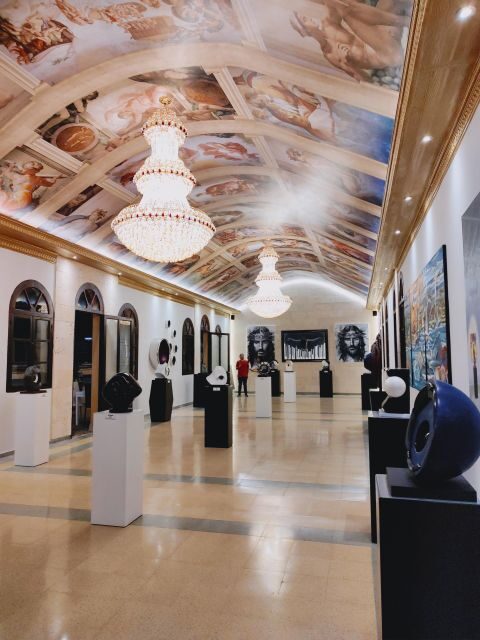
You begin at the Metro station Alpujarra, meeting at the north exit by the turnstiles. That matters because it gets you into the downtown flow fast, without wasting time on long transfers.
From there, the tour starts with the Train Station area, plus stops at the City Hall and the Administrative Center. This trio works well because it frames Medellín in two ways at once. First, you see the city as a place built for movement and arrival (the station). Second, you see it as a place governed and organized (the civic buildings). Put together, it feels like the city’s “skeleton”—and you’ll spot why later stops make sense.
A smart detail here: you get entry to the Train Station and palaces, so you’re not stuck photographing only the outside. That gives you more context, especially if you like understanding how a place functions, not just how it looks.
Parque de las Luces: a good first reset in the middle of downtown
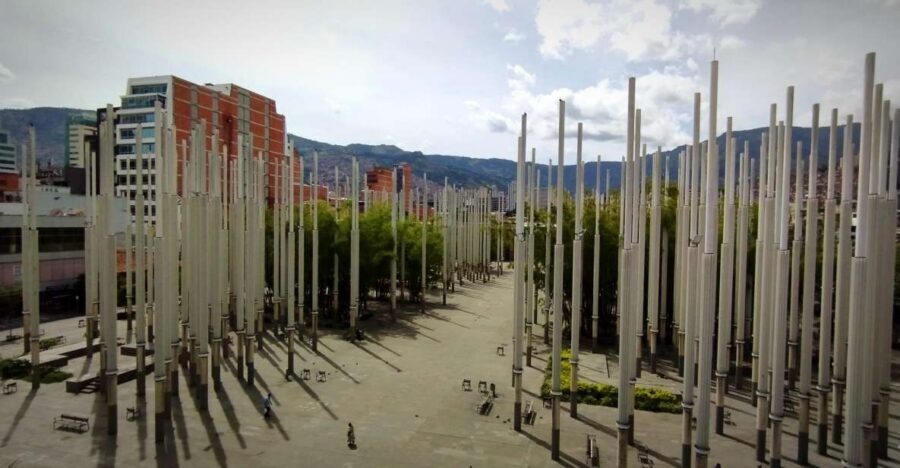
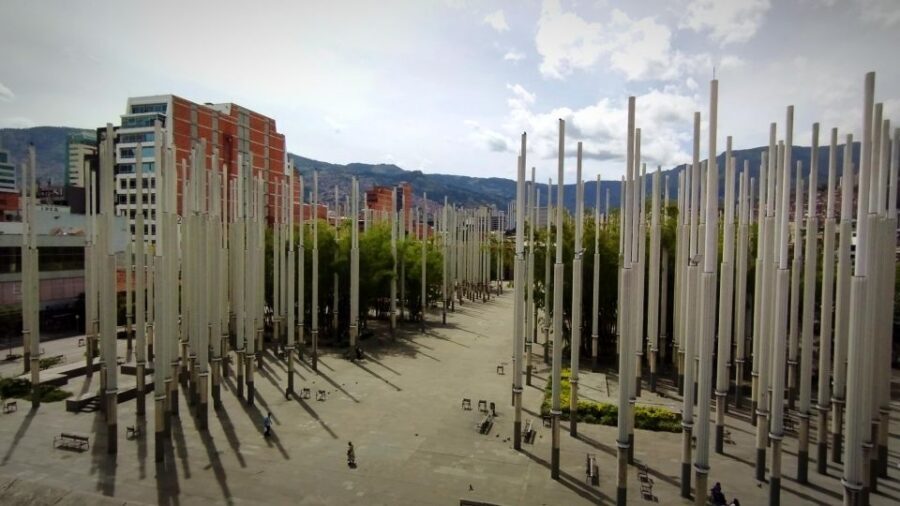
Next comes Parque de las Luces, with about 45 minutes here. Parks in city centers often do two jobs: they cool the pace and they give you landmarks to orient by. This one fits that role.
Expect a stop that helps you slow down briefly, take in the surroundings, and connect what you just learned about the city to what you’re seeing now. It’s also a nice moment to regroup if you’ve been walking quickly to get downtown.
If you’re sensitive to sun, this is a good place to use sunscreen and find a shady spot. Even though the route is only 3 hours, morning sun can still feel strong.
Cisneros Square, Carabobo Street, and the former Palace of Justice
After Parque de las Luces, the walk continues through central streets toward Cisneros Square and then along Carabobo Street.
This part is where the tour gets especially interesting for people who like history but don’t want it heavy. You’ll have the chance to visit the former Palace of Justice, and that stop adds a different layer to the city’s story than the station or civic buildings. It shows how power, law, and public life shaped the downtown landscape.
Practical tip: this is a walking segment, so keep your water handy if you tend to get thirsty. The tour doesn’t include food, and breaks are limited, so it helps to stay comfortable.
Plaza Botero: the outdoor art gallery you’ll remember
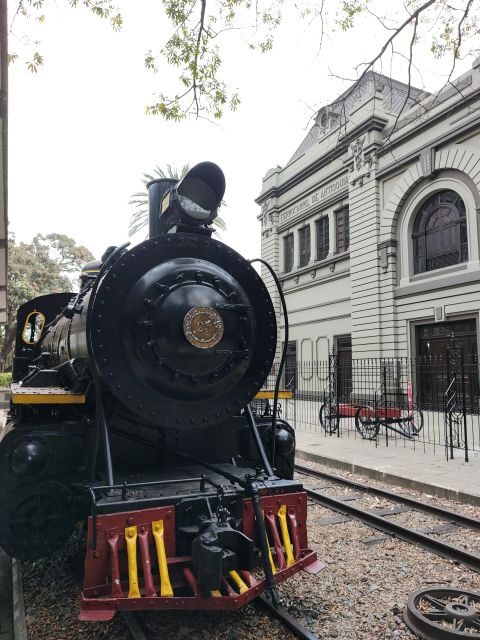
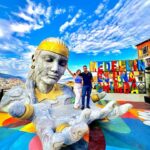
Then you reach Plaza Botero, around 30 minutes. This is one of those stops where you instantly get why people name it so confidently: it feels like an open-air museum without the effort.
The square is described as the biggest gallery created by the most famous Colombian artist, and that scale matters. Instead of seeing art as a distant idea, you’ll see how it becomes part of public space—part of daily life, not just a ticketed attraction.
I like how this stop acts like a visual pause between history and culture. It also helps you understand Medellín’s creative identity in a way that feels approachable, even if you’re not an art expert.



Palace of Culture Rafael Uribe Uribe: terrace views and culture in motion
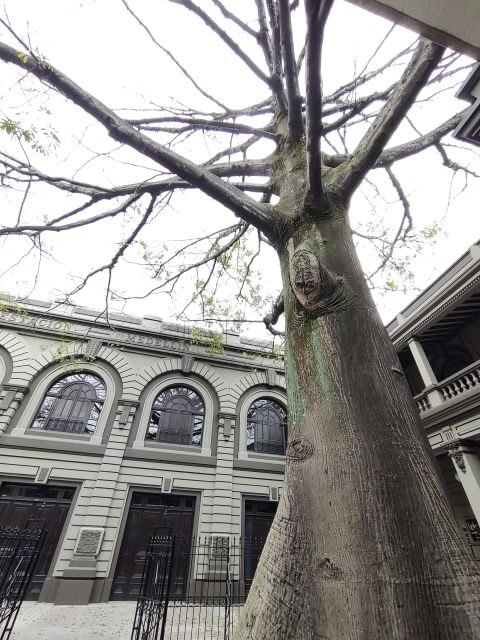
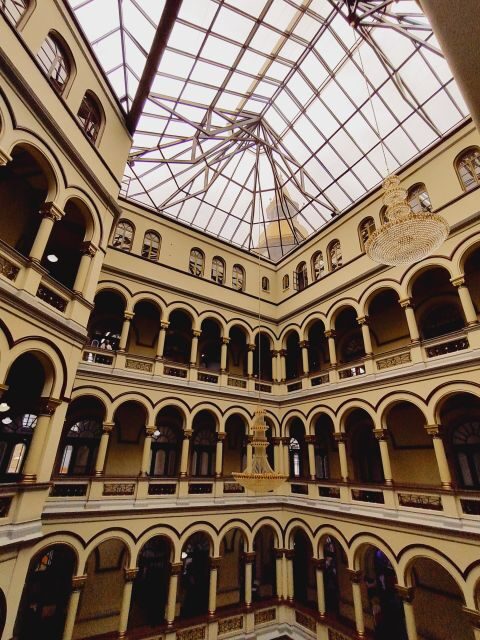
Your next anchor is the Palace of Culture Rafael Uribe Uribe, with about 30 minutes. You’ll explore the building and also spend time on the terrace, which is the kind of stop that turns a good walk into a memorable one.
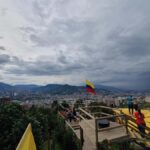
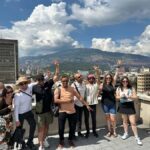
The terrace is where you get the Medellín picture—so you can connect the downtown streets you’ve walked to the city around them. If you’re the type who takes photos, this is a prime moment. If you’re not, it’s still useful: the view helps you “lock in” your mental map.
This is also one of the best places to slow down a bit and let the guide’s explanations land. When you can look outward while learning inward, the city’s layout starts making sense.
Two smart ways to finish: Junín Street or traditional food
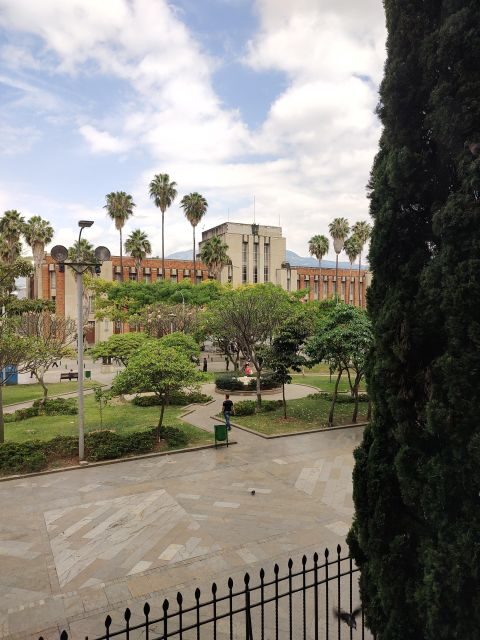
Once you’re at the Palace of Culture, you get a choice. The tour offers two directions, and both are useful depending on what kind of travel day you want.
Option A: Continue downtown toward Junín Street
If you want local street energy, you can continue to Junín Street, described as the most traditional market street. This is ideal when you like browsing, people-watching, and seeing how everyday commerce shapes the feel of a neighborhood.
One note: market areas tend to be busy and sometimes noisy. If you’re traveling with someone who needs calmer walking, you might prefer Option B.
Option B: Keep it simple with traditional snacks
If you’d rather eat and keep the vibe relaxed, you can go toward traditional restaurants and try foods like empanadas, buñuelos, and arepas.
This is a nice payoff because you finish the cultural and historic parts of downtown, then you close with tastes that make Medellín feel real. Food isn’t included, but you’ll at least leave with specific ideas for what to order.
Either way, the tour ends at a metro station, so it’s easy to keep exploring afterward without getting stuck planning your next ride.
Getting around, timing, and what to bring for a smooth 3 hours
The duration is about 3 hours, and it’s a small-group format limited to 10 participants. That size is a sweet spot for downtown walking: you don’t feel crowded, and you can hear explanations without yelling.
The tour also tends to run in the morning, which is useful because the light is good for photos and the city can feel calmer earlier in the day. Still, morning sun can be strong.
Bring:
- Sunscreen
- Passport-sized photo
That photo requirement is specific, so don’t leave it to chance. Even if you’re not sure why it’s needed, the safest move is to have one ready.
Metro tickets are not included, so you’ll want to plan for how you’ll use the metro system before or after the walk.
Price and value: what you get for $0, and what to budget anyway
The listed price is $0.00 per person, which is the big headline. But the real question is value: what does that free ticket actually unlock?
Here’s what you do get:
- Entry to the Train Station and palaces
- A bilingual guide (English and Spanish)
- A focused route through major downtown landmarks over 3 hours
- A small-group setting
And here’s what isn’t included:
- Metro tickets
- Museum of Antioquia entry (approx 6 USD, noted as not included)
- Food
So yes, the tour is a bargain if you’re trying to make downtown make sense fast. The only costs you’ll likely face are transit and whatever you choose to eat or add (like the Museum of Antioquia, if it fits your interests).
Also, because it’s a guide-led walk, the time saved is real. You’re not spending your first morning guessing which buildings are worth your attention.
Who this tour suits best
This experience is a strong match if you:
- Want a guided way to connect history to places you can see
- Prefer walking tours that include entry points, not only street views
- Like photos, especially from viewpoint stops like the Palace of Culture terrace
- Want a downtown orientation that helps you explore the rest of Medellín with less stress
It’s also good for first-timers, because you start at Alpujarra and end at Parque Berrío, both in the metro network. That makes your next step simpler.
If you hate walking or want fully seated time, this may feel like too much movement. It’s designed for a steady pace and short sightseeing stops.
Should you book this Medellín downtown history and culture walk?
I think it’s worth booking—especially if you want a guided downtown storyline in just 3 hours. The combination of civic buildings, art in public space, and the Palace of Culture terrace gives you a balanced overview that’s easy to remember. Add in the free price, bilingual guide, and included entry to key places, and it becomes one of those “smart first-day” activities.
Book it if:
- You want to learn Medellín’s downtown identity without getting lost
- You appreciate a guide who keeps explanations engaging and clear
- You’d like flexible time at the end for Junín Street or local foods
Skip it or pair differently if:
- You’re planning to do mostly museums or mostly food today and don’t want the walking-focused format
- You don’t handle sun well (then plan shade and water, since the tour runs in the morning)
FAQ
How long is the tour?
It lasts about 3 hours.
Where does the tour start?
You meet at the Metro station Alpujarra, at the north exit by the turnstiles.
Where does the tour end?
The activity ends back at the Metro network at Estación parque berrío.
What languages is the guide?
The tour includes a live guide in English and Spanish.
What is included in the price?
Entry is included for the Train Station and the palaces, plus the bilingual guide.
What is not included?
Metro tickets and food are not included. Entry to the Museum of Antioquia is also not included (about 6 USD).
How big is the group?
The group is small, limited to 10 participants.
What should I bring?
Bring sunscreen and a passport-sized photo.
Is the tour usually in the morning?
Yes, it tends to run in the morning, so a hat and sunscreen are recommended.
What happens at the end of the tour?
You can choose to continue exploring downtown toward Junín Street or go to traditional restaurants to try local foods like empanadas, buñuelos, and arepas.