REVIEW · MEDELLIN
Pablo Escobar tour and comuna 13
Book on Viator →Operated by Discovering Medellin · Bookable on Viator
Medellín’s story has two sides, and this tour puts them side-by-side. You’ll visit Pablo Escobar-related sites and then end in Comuna 13, where the city’s recovery shows up in murals, local life, and public memory. I especially like the private, air-conditioned vehicle with hotel pickup/drop-off, because it keeps the day calm instead of wasting time figuring out transit. I also like that the tour doesn’t treat Escobar like a celebrity lesson plan; it frames him in context, then closes with a memorial that forces you to look at consequences.
One thing to consider: this is an emotionally heavy route. You’ll hear about violence, narcoterrorism, and the damage left behind, so it’s not a casual, “fun history” afternoon. If you prefer light sightseeing only, you might find the final stop more intense than you expect.
In This Review
- Key Points to Know Before You Go
- Why This Pablo Escobar and Comuna 13 Combo Works
- The 4–5 Hour Schedule: A Pace That Lets You Think
- Stop 1: Cementerio Jardines Montesacro and the Meaning of Pablo’s Grave
- What to watch for
- Stop 2: Los Olivos and the Site Linked to Escobar’s Death
- A practical note
- Stop 3: Comuna 13—Urban Art, Social Investment, and Local Life
- The personal-touch factor
- One consideration
- Stop 4: Parque Memorial Inflexión and the Victims Behind the Story
- Why the memorial stop is valuable
- Comfort, Coffee, and Getting Around Without Stress
- What I’d bring (since the day is packed)
- Price and Value: Is $92.86 a Fair Deal?
- Who This Tour Fits Best (and Who Might Prefer Something Else)
- If you might struggle with it
- Should You Book This Pablo Escobar and Comuna 13 Tour?
- FAQ
- How long is the Pablo Escobar and Comuna 13 tour?
- How much does the tour cost?
- Is this tour private?
- What are the main stops during the tour?
- Are entrance tickets included?
- Is lunch included?
- What’s included in the price besides the tour itself?
- Is hotel pickup and drop-off included?
- What’s the booking timeframe like?
- What happens if weather is poor?
Key Points to Know Before You Go
- Hotel pickup and drop-off keep you from juggling Medellín transit on a busy day
- Private vehicle means easier logistics and a smoother pace
- Free admissions at each main stop (including the grave site and memorial park)
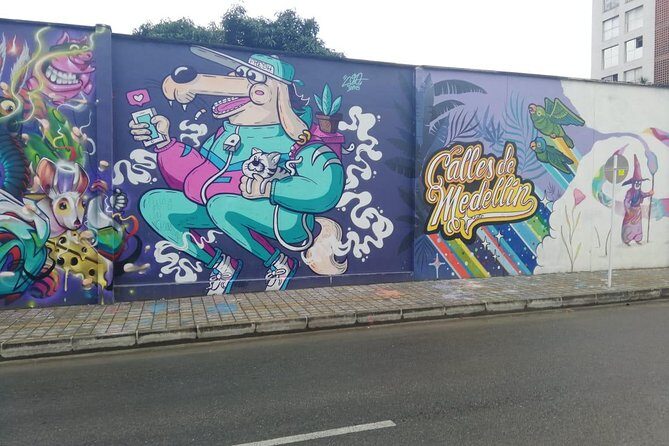
- Comuna 13 urban art plus local interaction, with graffiti treated as an inclusion tool
- Parque Memorial Inflexión centers victims and the lasting harm from narcoterrorism
- Guides like Juan, Daniel, Mateo, Cesar, and driver Andres are praised for storytelling and smart Q&A
Why This Pablo Escobar and Comuna 13 Combo Works
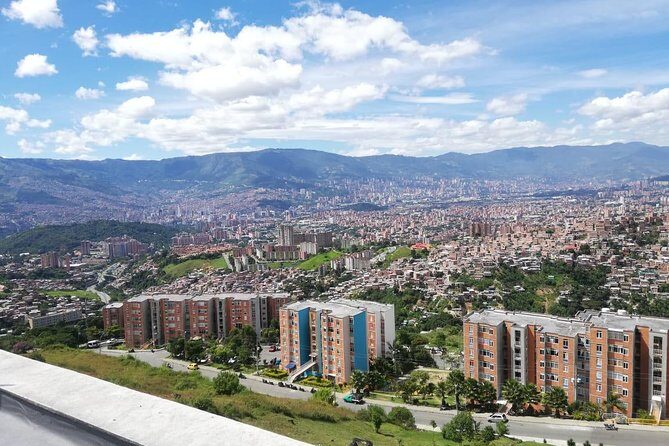
This is one of those rare Medellín tours that makes thematic sense. The route starts with Escobar’s shadow—where he was raised, where his story leaves off, and how political and social systems collided with drug trafficking. Then it pivots to Comuna 13, where you can literally see how the city pushed back through community rebuilding and social investment.
What I like most is the balance of “story” and “aftermath.” Many tours only chase the legend. Here, you’re meant to understand why the violence grew, what it cost real people, and why the city’s current identity is built on resilience—not denial.
You also get the practical advantage of being moved around by a private car. Medellín is a big, hilly city. When you don’t have to plan public transport or deal with transfers, you spend the energy you saved on questions, photos, and actually paying attention to what’s being explained.
You can also read our reviews of more tours and experiences in Medellin.

The 4–5 Hour Schedule: A Pace That Lets You Think
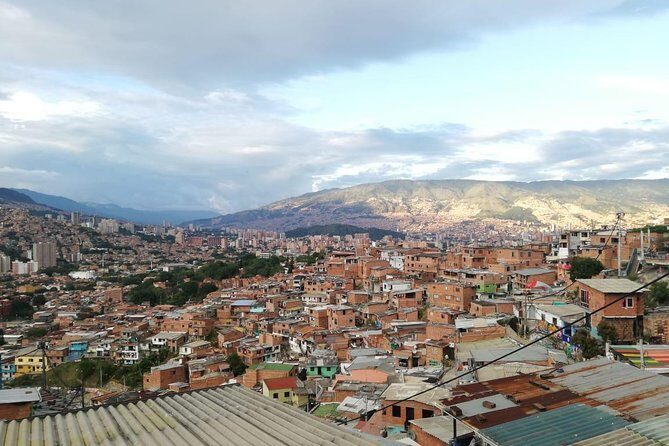
Expect roughly 4 to 5 hours total. That timing matters because it gives you enough time at each stop to absorb the meaning, not just pass through like a bus tour.
You’ll typically be on the move between four main areas:
1) Cementerio Jardines Montesacro
2) Los Olivos neighborhood
3) Comuna 13
4) Parque Memorial Inflexión
The tour also includes coffee and/or tea—small, but it helps when your day is stacked with emotion and facts.
Because the experience depends on good weather, you’ll want to keep your expectations flexible on the day you book. If conditions are poor, you’ll be offered a different date or a full refund.
Stop 1: Cementerio Jardines Montesacro and the Meaning of Pablo’s Grave
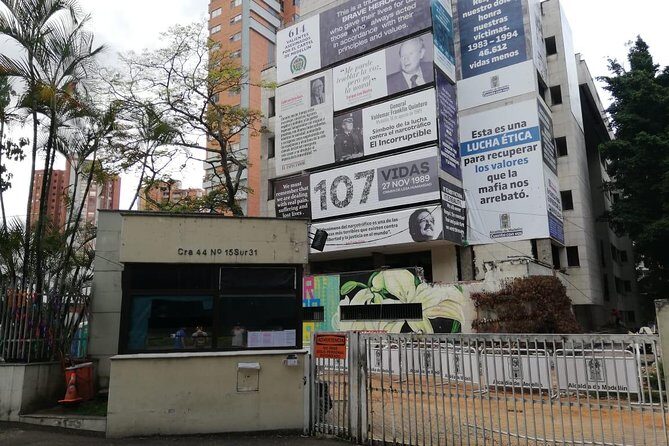
Your first big moment is at Cementerio Jardines Montesacro, at the site identified as Pablo’s grave. Admission here is free, and the focus is not just where someone is buried. It’s the context around who he became.
The way this stop is framed matters. You’ll be guided to think about the period when he was raised—what shaped that environment of uncertainty and violence. This is where the story stops being “Escobar the character” and becomes “Escobar the product of circumstances,” including the causes and consequences that followed.
The cemetery setting also naturally lowers your voice and your attention span. You can’t treat it like a photo opportunity. It’s the kind of place where you start asking better questions.
What to watch for
This stop can feel introspective and even uncomfortable. If you don’t like serious sites, this is a turning point where you either lean in or you step back.
Stop 2: Los Olivos and the Site Linked to Escobar’s Death
Next up is Los Olivos, where you’ll visit the property connected to where the drug lord died. Admission is again free, and the explanation is about lessons—not revenge, not glorification.
This stop is useful because it connects the dots between individual power and public life. You’ll hear about the scope of both public policies and drug trafficking, and how legacies of one infamous figure can twist systems far beyond one neighborhood.
It’s also a good bridge to Comuna 13. After hearing how violence and policy failures feed into each other, you’ll be ready for the contrast when the tour moves from dark days to visible change.


A practical note
Since this is still part of the “heavy context” half of the day, it helps to keep your questions ready. Guides tend to answer best when you’re curious about the why, not just the what.
Stop 3: Comuna 13—Urban Art, Social Investment, and Local Life
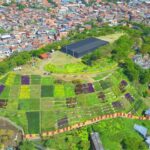
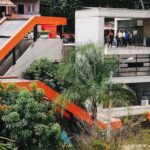
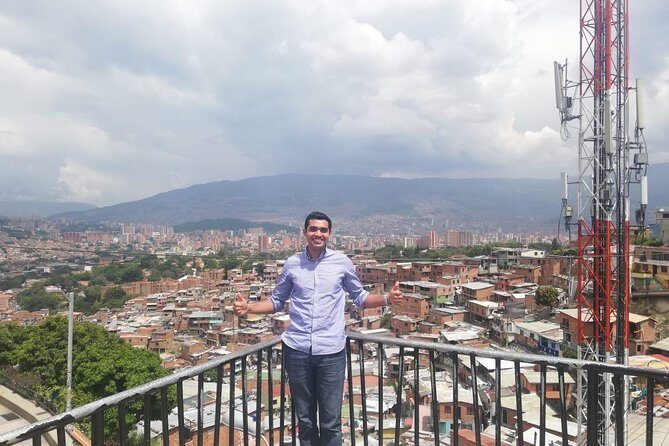
Comuna 13 is where the tour earns its ending. You’ll spend about 1.5 hours here, and the whole point is contrast: the outcomes of Medellín’s social investment versus the dark period that preceded it.
What you can expect is more than murals-on-a-wall sightseeing. You’ll be talking through the broader context of Colombia and Medellín across the decades that shaped the region into something complex. Then you’ll see urban art as a form of relief and inclusion, not just decoration.
The tour also includes interaction with locals and the idea that visitors should contribute to the community. That matters, because it keeps Comuna 13 from feeling like a stage set. Graffiti here is treated like a language—each piece has meaning, and it starts as self-expression and identity.
The personal-touch factor
In the stories you’ll hear, guide style shows up a lot. I’ve seen how guides like Juan and Daniel are praised for knowing the ins and outs, while Cesar is noted for making the past feel intimate through his connection to the area. Mateo, too, is described as a strong storyteller—exactly what you want in a neighborhood where details matter.
One consideration
If your goal is purely scenic photos, this stop can feel more “thinking and listening” than “wandering.” That’s not a flaw. It just means plan for a reflective kind of walk.
Stop 4: Parque Memorial Inflexión and the Victims Behind the Story
You finish at Parque Memorial Inflexión, a memorial park created by the city hall and the National History Memory Center. You’ll spend about 30 minutes here, and admission is free.
This is where the tour deliberately corrects the pop-culture angle. The explanation addresses how people can idolize figures like Pablo Escobar after watching series online or on streaming platforms. Then it shifts you toward the real human cost—through a space designed for awareness and reflection.
The memorial is dedicated to people who lost their lives in a decade of terror from 1983 to 1994. One review highlights that the park serves as a memorial tied to 46,612 people killed by Escobar’s bombs and the culture of easy money tied to greed and narcoterrorism. Even if you only remember one number from the day, take that one seriously.
Why the memorial stop is valuable
This isn’t just a “sad ending.” It’s part of learning how to read Medellín now. When you understand what was destroyed, you notice what the city chose to rebuild—and why.
The memorial also gives you a chance to ask yourself a simple question: what does justice and remembrance look like in a place that survived?
Comfort, Coffee, and Getting Around Without Stress
Logistics might not sound exciting, but for this route, they’re a big deal. You’re traveling between cemetery, neighborhoods, and a memorial site. A private vehicle with air-conditioning and parking fees covered keeps the day manageable.
You’ll also get coffee and/or tea, which helps you stay sharp when the content turns heavy. Add in insurance, and the overall feeling is that this is built for a smooth day, not a scramble.
What I’d bring (since the day is packed)
You weren’t told a dress code, so I’ll keep it practical:
- Comfortable shoes for walking in neighborhoods and memorial areas
- Water, especially in warmer weather
- A light layer, because weather can change
- Patience for a day that mixes history and emotion
If you’re coming with a group, private tours also help you move at a pace that fits your questions instead of being dragged along.
Price and Value: Is $92.86 a Fair Deal?
The price is $92.86 per person for a private experience lasting about 4 to 5 hours. That can sound high or reasonable depending on what you compare it to, so here’s how I’d judge the value based on what’s included.
You’re getting:
- A private, air-conditioned vehicle
- Hotel pickup and drop-off (big for convenience)
- Parking fees
- Coffee and/or tea
- Insurance
- Multiple key stops, all with free admission listed for the major sites
You’re not getting lunch. That’s the main “missing piece.” But the tour is structured into short, meaningful blocks—so the lack of lunch doesn’t wreck the day unless you’re the kind of traveler who needs a full meal scheduled.
One extra value point: because it’s private, you avoid common stress points like splitting up, waiting around for slow public-transport connections, or trying to navigate on the fly while someone else is explaining a sensitive history.
Also, timing suggests this tour is popular. It’s commonly booked about 22 days in advance, so if you want a specific day, don’t leave it to the last minute.
Who This Tour Fits Best (and Who Might Prefer Something Else)
This is a strong fit if you want:
- A Pablo Escobar tour that stays grounded in consequences, not hype
- Real context for Medellín’s transformation—how recovery happened, not just that it happened
- Comuna 13 beyond surface-level graffiti photo stops
- A private guide who can answer questions in real time
Guides named in feedback—Juan, Daniel, Mateo, Cesar—and drivers like Andres come through as clear strengths. The common thread is storytelling and attention to what you care about, including time to adjust how you experience each area.
If you might struggle with it
If you can’t handle topics like violence, narcoterrorism, and remembrance for victims, you’ll probably feel uneasy—especially at the memorial. This tour is designed to provoke thought, not to skim the topic.
Should You Book This Pablo Escobar and Comuna 13 Tour?
I’d book it if your goal is to understand Medellín as it is: a city that learned from a brutal era and rebuilt parts of itself through community work, public memory, and visible art. The combination works because it moves from “why it happened” to “what it cost” to “what’s rebuilding now.”
I’d skip it if you want only light sightseeing, or if you’re looking for a glamorized Escobar experience. This one keeps pointing you back to damage and victims, and it does that very intentionally.
If you’re on the fence, choose this tour because it’s private, well paced, and anchored by free admissions plus a strong closing memorial stop. Just be ready for the emotional weight—because Medellín doesn’t let you forget.
FAQ
How long is the Pablo Escobar and Comuna 13 tour?
It runs about 4 to 5 hours total.
How much does the tour cost?
The price is $92.86 per person.
Is this tour private?
Yes. It’s private, and only your group participates.
What are the main stops during the tour?
You’ll visit Cementerio Jardines Montesacro, the Los Olivos neighborhood property tied to Escobar’s death, Comuna 13, and Parque Memorial Inflexión.
Are entrance tickets included?
Yes. Admission is listed as free for the main stops on the itinerary.
Is lunch included?
No, lunch is not included.
What’s included in the price besides the tour itself?
You get an air-conditioned vehicle, parking fees, coffee and/or tea, and insurance.
Is hotel pickup and drop-off included?
Yes. Stress-free hotel pickup and drop-off are included.
What’s the booking timeframe like?
On average, this experience is booked about 22 days in advance.
What happens if weather is poor?
This experience requires good weather. If it’s canceled due to poor weather, you’ll be offered a different date or a full refund.