REVIEW · MEDELLIN
Comuna 4 – Moravia Tour
Book on GetYourGuide →Operated by Real City Tours S.A.S · Bookable on GetYourGuide
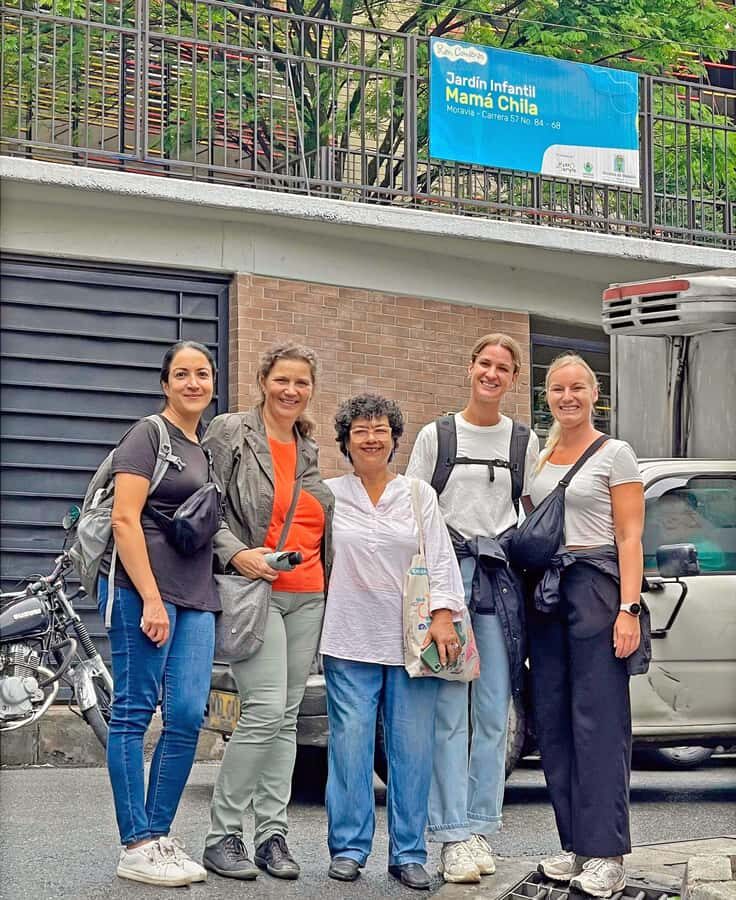
Medellín gets real in Comuna 4. This small-group walk is led by residents and community leaders who grew up there, so the story of change feels personal, not rehearsed. I like how it’s built around respect, with leaders like Heroina and guides such as Toto helping you understand what life looks like day to day.
You also learn how Colombia’s education and healthcare system works at street level, not in vague slogans. Add in the Moravia food tasting and the Moravia Cultural Center, and you get more than photos. One thing to consider: there’s no hotel pickup, and you’ll need comfortable shoes for a steady walking route.
In This Review
- Key Points You’ll Care About
- Why Comuna 4 and Moravia Matter More Than the Usual Medellín Loop
- Starting at Caribe Metro: The Smoothest Way to Get There
- Small Group, Real Voices: What Makes This Tour Different
- Stop-by-Stop Walkthrough: What You’ll See and Why It Matters
- Stop 1: Barrio Transformation Tour (Start)
- Stop 2: Barrio Transformation Tour (Guided walk, ~30 minutes)
- Stop 3: A lesser-known neighborhood stop (Visit, ~45 minutes)
- Stop 4: Moravia (Guided tour, ~1 hour)
- Stop 5: Moravia food tasting (About ~30 minutes)
- Stop 6: Another quiet neighborhood stop (Guided, ~30 minutes)
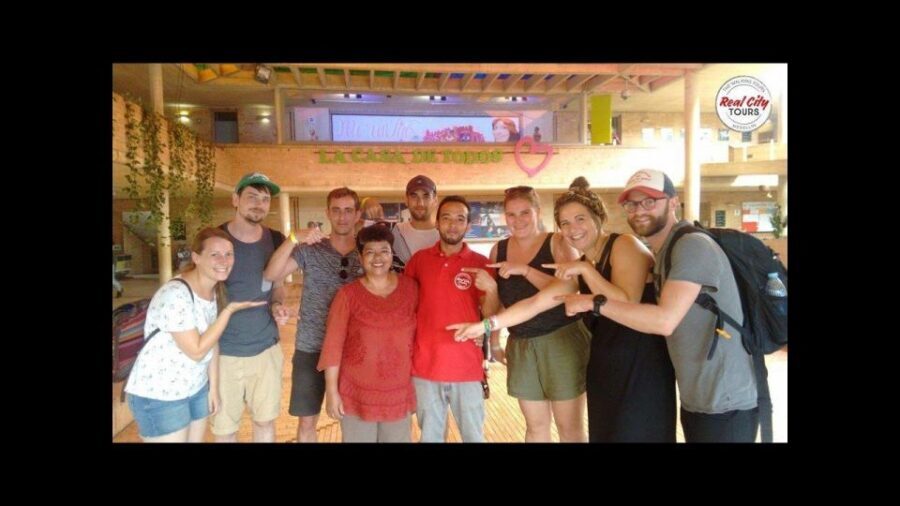
- Stop 7: Moravia Cultural Center (Sightseeing, ~30 minutes)
- Stop 8: Return to the meeting point (End)
- Price and Value: Is $30 Worth It?
- What to Bring (So You Don’t Spend the Tour Thinking About Gear)
- Best Fit: Who This Tour Is For
- Should You Book Comuna 4 – Moravia Tour?
- FAQ
- Where is the meeting point for the Comuna 4 – Moravia tour?
- Which metro line should I take?
- Is hotel pickup or drop-off included?
- How long is the tour?
- What language is the tour guide?
- How big is the group?
- What’s included in the price?
- What should I bring?
- What if I need to cancel?
Key Points You’ll Care About
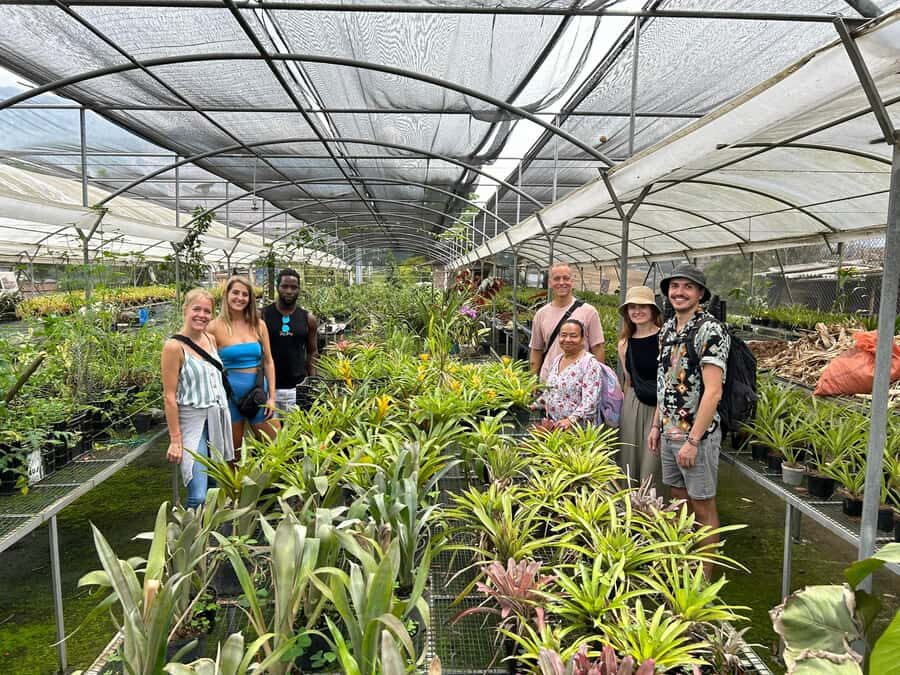
- A local community leader guides the route, not a textbook lecture
- Government-recognition delays shape the neighborhood’s history, including a barrio built ~60 years ago without official acknowledgement
- Education, health, and welfare systems explained in practical terms
- Women’s empowerment shows up through grassroots leadership, not “in theory”
- Moravia food tasting + Cultural Center stops give you daily-life context
- Limited to 8 participants so questions actually get answered
Why Comuna 4 and Moravia Matter More Than the Usual Medellín Loop
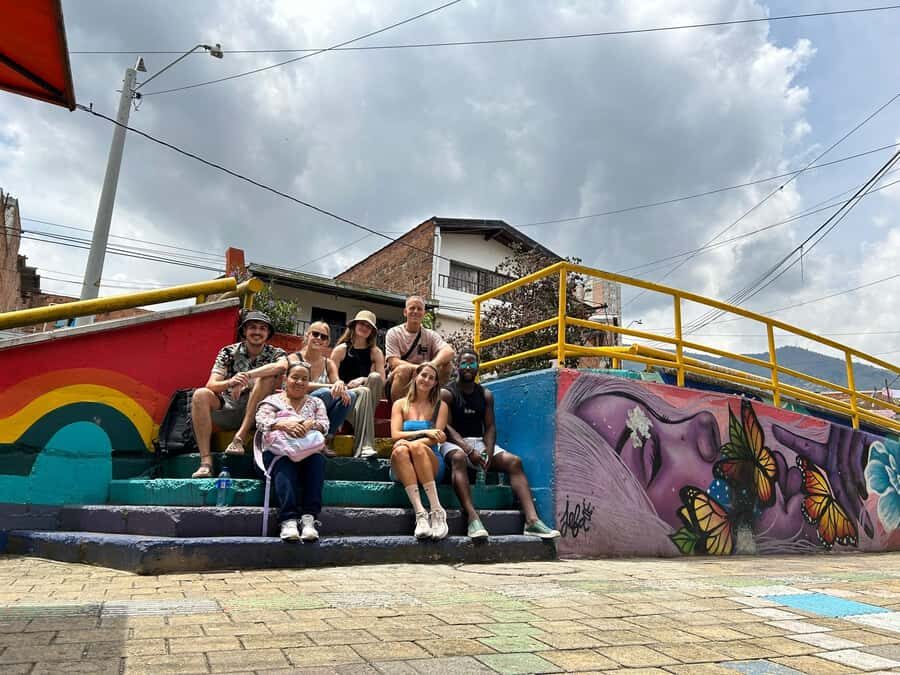
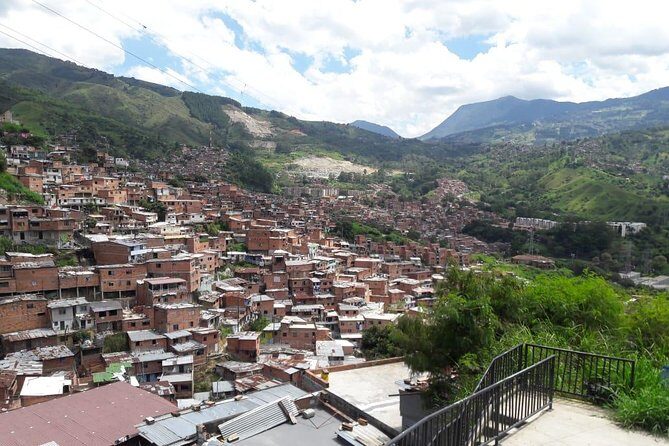
Comuna 4 sits away from the postcard route, and that’s exactly why this tour clicks. You’re going into a neighborhood where history isn’t abstract. It’s about recognition, services, and the everyday work of people pushing for a better baseline—housing, schools, health support, and social welfare.
What I like most is that the focus isn’t only on hardship. It’s on transformation driven by locals who stayed, organized, and insisted on being seen. You’ll hear it from community leaders who can explain what changed and what didn’t. That’s also why the tone matters here: this is built as respectful social tourism, with small numbers so the barrio isn’t overwhelmed.
The tour also does something many “community walks” skip: it connects the social story to systems. Rather than keeping things at a motivational level, you learn how education, health care, and welfare show up in real life. That makes the experience easier to understand—and easier to compare to what you know at home.
You can also read our reviews of more tours and experiences in Medellin.
Starting at Caribe Metro: The Smoothest Way to Get There
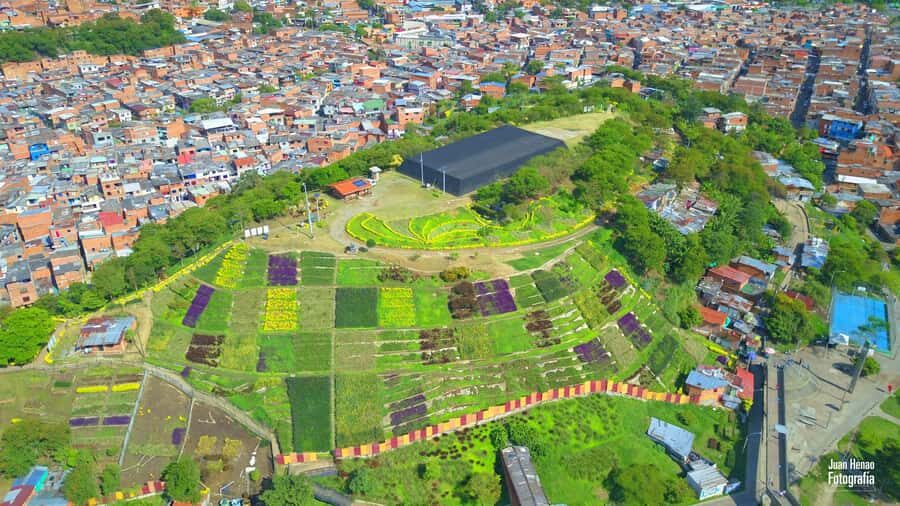
You’ll meet at the South ticket booth of Caribe Metro Station. The important detail: Caribe has two exits (north and south), and the meeting point is the south one. Look for the exit with a pedestrian bridge over the Medellín River.
If you’re going by metro (recommended), take the A-line and get off at Caribe. Then go toward the back of the train—toward the south exit. This is one of those “sounds simple, but one wrong exit costs you time” moments, so plan a little buffer the first time you use metro in Medellín.
Uber can work, but the tour notes that it’s likely you won’t be dropped at the right place. If you try it anyway, enter Barrio Transformation Tour as the destination, and keep data on your phone so you can stay in touch with the team if the driver overshoots the exact spot.
Small Group, Real Voices: What Makes This Tour Different
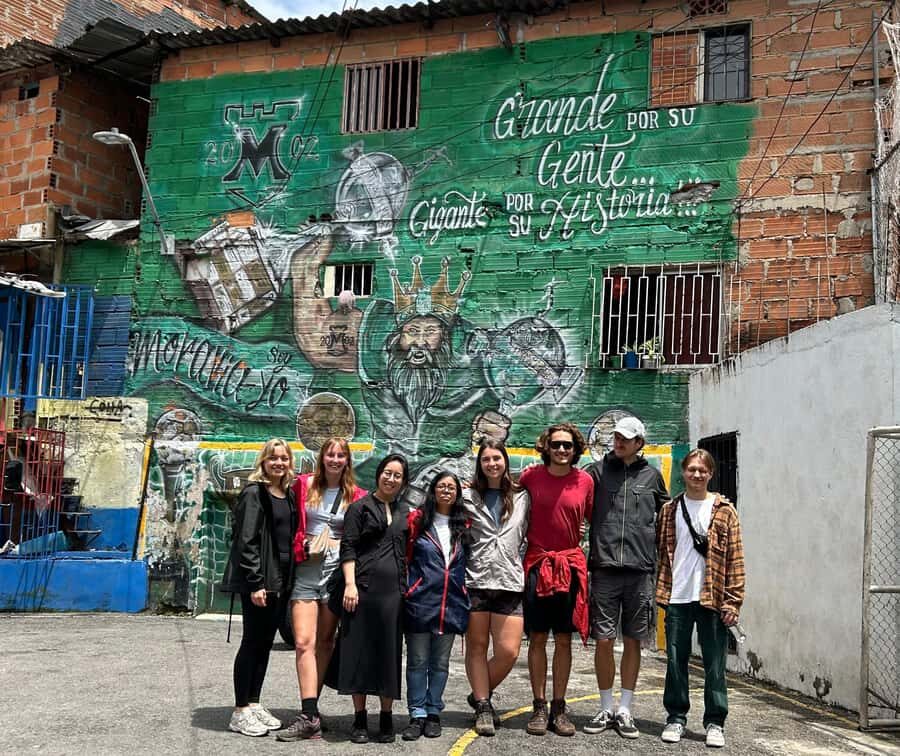
This isn’t a big bus-style excursion with a headset lecture. The group is limited to 8 participants, and the guides include a professional bilingual tour guide plus a local community leader. That pairing matters: the guide can translate and explain, while the community leader can correct the assumptions and add the lived details.
The tour also emphasizes being careful about how visitors arrive. You’re not flooding the barrio with constant crowds, and the local leaders don’t just “show you around.” They get paid, and part of your tour fee directly contributes to community initiatives. That doesn’t make everything perfect, but it does mean the relationship isn’t one-sided.
You should expect a conversation style. You’ll be asked to pay attention, ask questions, and listen for the practical lessons—how services work, how community leadership functions, and how women’s empowerment takes shape in grassroots leadership.
Stop-by-Stop Walkthrough: What You’ll See and Why It Matters
The tour runs about 3.5 hours, so pacing is part of the experience. You’ll move through several stops that build a story arc: transformation history first, then daily-life context, then community spaces and culture.
Stop 1: Barrio Transformation Tour (Start)
You begin back at the meeting point near Caribe Metro, where the team gets everyone oriented. This is the moment to set expectations: wear comfortable shoes, be ready for a walking route, and have water/sunscreen on hand.
Even at the start, the tour’s tone is clear. The goal isn’t to “tour poverty.” It’s to understand what it means when a neighborhood grows while waiting for recognition, and then grows again when recognition finally comes.

Stop 2: Barrio Transformation Tour (Guided walk, ~30 minutes)
This section is where you learn the backstory. You’ll visit a barrio that was built about 60 years ago against government recognition—meaning people weren’t just building homes, they were building legitimacy and stability without the usual official support.
In practical terms, this helps you interpret what you’ll see later. When you understand the timeline—what got delayed and why—you read the neighborhood differently. You stop seeing random streets and start seeing decisions shaped by limited resources, community problem-solving, and political reality.
Stop 3: A lesser-known neighborhood stop (Visit, ~45 minutes)
After the transformation story, you’ll shift into “how life works” mode. This stop gives you space to slow down, look around, and absorb how residents use the area day to day.
Since the tour is guided by locals, you won’t just hear what things are called—you’ll hear what they mean. Think of it as the difference between seeing a building and understanding why that building matters in the local social web.
Stop 4: Moravia (Guided tour, ~1 hour)
Moravia is a big part of the tour for a reason. This longer guided segment is where you get more structure: you’ll walk with someone who can explain local priorities and the neighborhood’s ongoing transformation.
This is also where the tour’s “systems” focus shows up. You’ll hear context tied to health, welfare, and education—how these services connect (or fail to connect) with the realities of daily life in a community that had to push for recognition.
If you’re the type of traveler who likes asking why, this is your moment. You’ll likely understand more after this hour than from an entire day of generic sightseeing.
Stop 5: Moravia food tasting (About ~30 minutes)
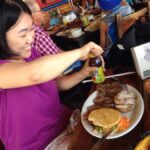
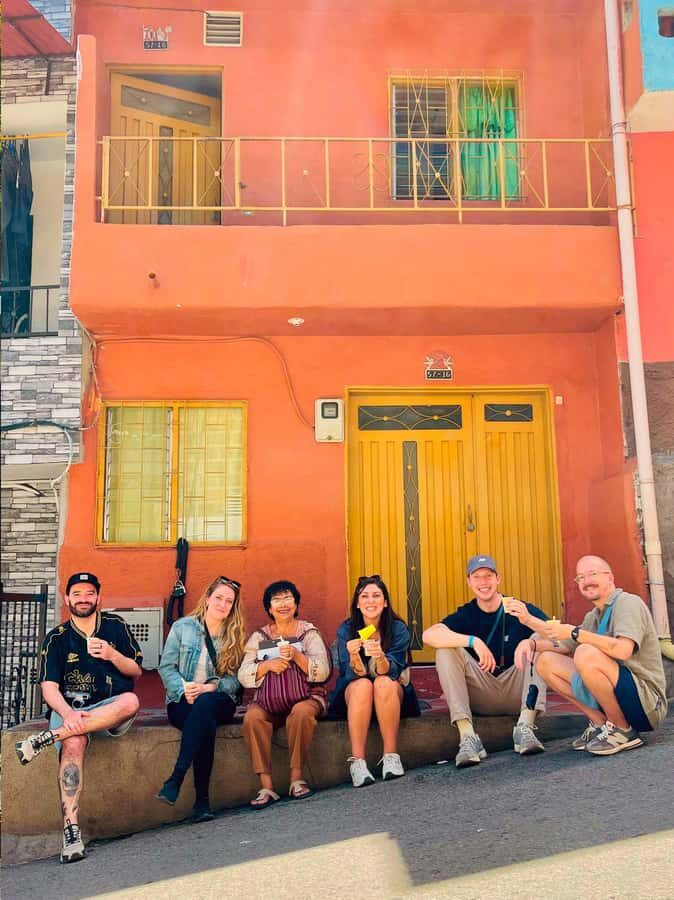
After walking and learning, you get a food tasting. The tour includes a small snack overall, and this stop is specifically framed as tasting.
Food is one of the simplest ways to understand a place without forcing it to perform. You’ll get a break, and the guide can put flavors into context—what locals eat, how food shows up in everyday rhythms, and how hospitality feels when it’s led by residents rather than packaged for outsiders.
Practical tip: keep your expectations flexible. The goal isn’t fine-dining precision. It’s local tastes and a chance to slow down mid-tour.
Stop 6: Another quiet neighborhood stop (Guided, ~30 minutes)
Then you return to exploring with another guided walk through a spot that adds more texture to the story. This is the “you’re not just learning; you’re noticing” segment.
I like these shorter guided stops because they prevent the experience from becoming only historical. You can connect the transformation story to what people live with now—how they navigate space, community relationships, and local identity.
Stop 7: Moravia Cultural Center (Sightseeing, ~30 minutes)
Next up: the Moravia Cultural Center. This is where the tour shifts from street context to a formal community space. You’ll spend about half an hour sightseeing, with the goal of helping you understand how culture, education, and community energy get expressed beyond daily routines.
Centers like this are often where a neighborhood tells its future-facing story. Even if you don’t memorize every detail, just being there gives you a sense of what residents want outsiders to understand: creativity, learning, and community organization aren’t side projects—they’re part of the transformation.
Stop 8: Return to the meeting point (End)
You finish back at the same place you started: the meeting point by Caribe Metro Station. From there, you can head back to your hotel or keep exploring Medellín on your own.
Price and Value: Is $30 Worth It?
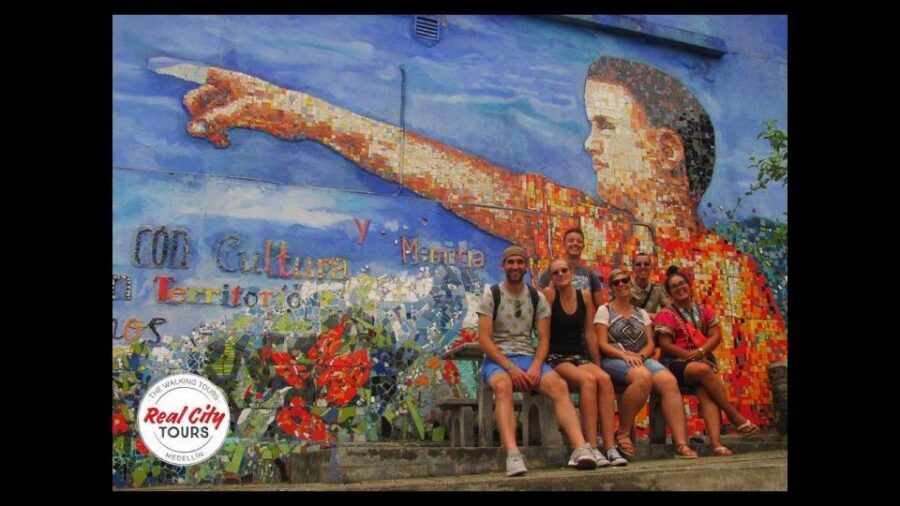
At $30 per person for a 3.5-hour, small-group guided tour with a local community leader, the value is tied to one thing: who you’re paying for.
You’re not just buying a route. You’re supporting paid local leadership (the community leader gets paid) and contributing a portion of the tour fee to community initiatives. That changes the equation. You’re financing local storytelling and local services—while also getting an English-speaking, bilingual professional guide.
Where this tour shines is in the “learn past the surface” angle. If your travel style is about real context—education and health systems, welfare support, and grassroots leadership—then $30 is a fair deal. If you only want quick sightseeing with minimal walking, you might find it more time-intensive than a classic city highlight tour.
What to Bring (So You Don’t Spend the Tour Thinking About Gear)
The essentials are simple and stated clearly:
- Comfortable shoes (you’ll be walking)
- Sunscreen (Medellín sun can still be strong)
If you tend to get thirsty, carry water. The tour includes a small snack and includes a food tasting stop, but it’s still a walk-based experience, so you’ll want to stay comfortable.
Best Fit: Who This Tour Is For
This tour is ideal if you:
- Want to understand Medellín beyond the main viewpoints
- Like talking with locals who can explain social systems in plain language
- Prefer small group tours over large crowds
- Care about women’s empowerment through grassroots leadership
It may not be the best match if you:
- Need hotel pickup (this tour doesn’t include it)
- Have trouble with steady walking for 3.5 hours
- Want purely scenic, low-question sightseeing
Should You Book Comuna 4 – Moravia Tour?
If you’re open to learning how a neighborhood’s transformation ties into education, health, and welfare, I think this is one of the stronger ways to spend a half-day in Medellín. The small group size, the local community leadership, and the focus on respectful visits are the key reasons.
The decision mostly comes down to your travel style. If you enjoy conversation, context, and meaningful local connections, this tour fits beautifully. If you’re after a fast highlights loop, you may feel the walk and the lessons are more than you wanted.
My practical advice: go with good shoes, arrive at the correct Caribe exit (the south one with the bridge), and come ready to listen. You’ll leave with a clearer mental map of how communities change—and what that change costs.
FAQ
Where is the meeting point for the Comuna 4 – Moravia tour?
You meet at the South ticket booth of Caribe Metro Station. The meeting point is on the exit with a pedestrian bridge over the Medellín River.
Which metro line should I take?
Take the A-line and get off at Caribe.
Is hotel pickup or drop-off included?
No. There is no hotel pickup or drop-off included; the tour starts and ends back at the meeting point.
How long is the tour?
The tour lasts about 3.5 hours. Starting times vary, so check availability.
What language is the tour guide?
The live tour guide speaks English.
How big is the group?
The group is limited to 8 participants.
What’s included in the price?
Included items are the local community leader, a professional bilingual tour guide, and a small snack. There is also a Moravia food tasting stop.
What should I bring?
Bring comfortable shoes and sunscreen.
What if I need to cancel?
You can cancel up to 24 hours in advance for a full refund.