REVIEW · MEDELLIN
Tour Medellín: Pablo Escobar and Commune 13
Book on GetYourGuide →Operated by Tu Parche · Bookable on GetYourGuide
Medellín hits different when you understand its backstory. This private tour ties together the Escobar-era sites and the neighborhood change story in Comuna 13, so you get a real before-and-after sense of the city. I especially like that it includes the visit to Catedral prison plus the cemetery stop, where the whole story stops being abstract.
The one drawback to plan for: this route deals with heavy, controversial material connected to organized crime, so it’s not the kind of sightseeing day you do “casually.”
In This Review
- Key things to know before you go
- Why Medellín Feels Like Two Different Cities on This Tour
- Monaco Building Stop: Escobar’s Power, Opulence, and the Backstory
- La Catedral Prison: The Controversial Chapter Explained
- Escobar’s Cemetery: Reflection on Impact and Legacy
- Comuna 13 Today: Resilience and Hope After One of Medellín’s Toughest Periods
- Artisanal Crafts, Local Palette, and Your Drink of Choice
- Metrocyable Tickets and Getting Around Without Stress
- Price and Time: Is $115 Worth It?
- Logistics That Affect Your Comfort (Not the Scary Stuff)
- Who This Private Pablo Escobar and Comuna 13 Tour Fits Best
- Should You Book This Tour?
- FAQ
- How long is the Medellín Pablo Escobar and Comuna 13 tour?
- What does the tour cost?
- Is this a private tour?
- What’s included in the price?
- What isn’t included?
- What languages are the guides available in?
- Where do I get picked up?
- Is the tour wheelchair accessible?
Key things to know before you go
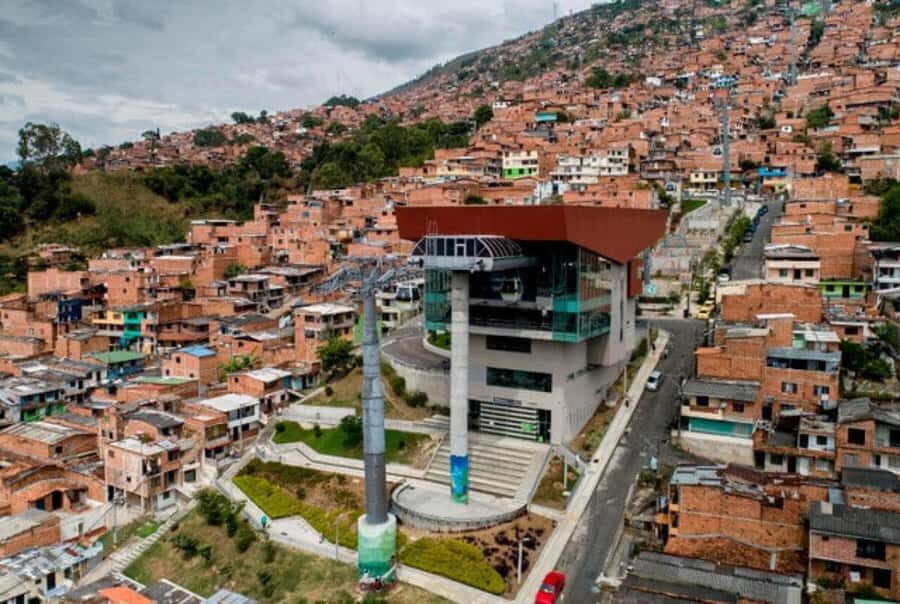
- Two Medellíns in one day: power and consequence in the first half, neighborhood resilience in the second
- Catedral prison visit included: you’ll see where Escobar was held during his controversial “prison” period
- Comuna 13 transformation focus: you’ll learn why it’s now seen as hope, not fear
- Local touches matter: artisanal crafts plus a local palette tasting and a drink of choice
- Private group pacing: more room for questions with your English or Spanish guide
Why Medellín Feels Like Two Different Cities on This Tour
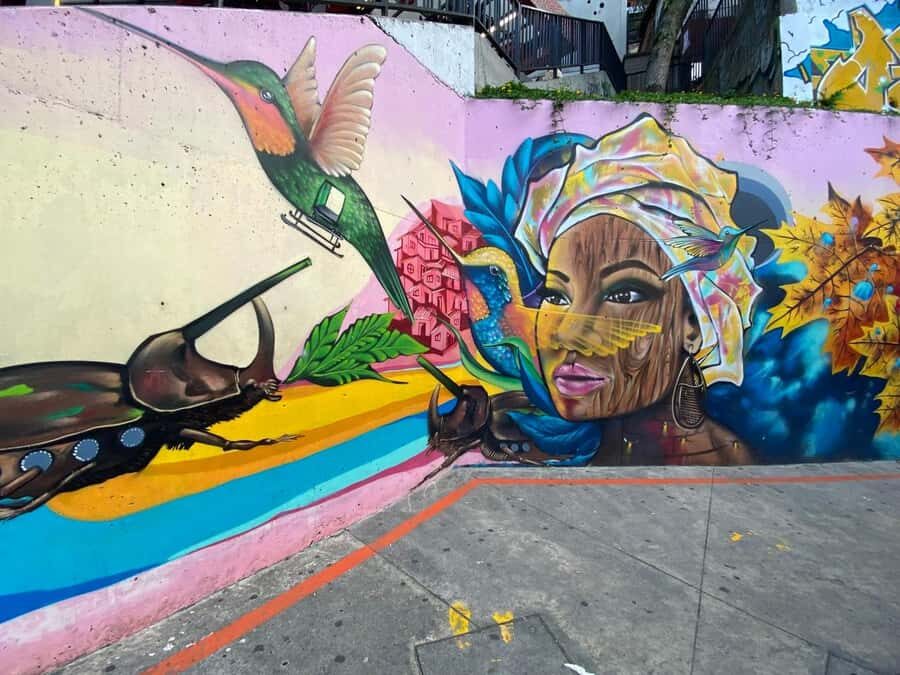
This tour works because it doesn’t treat Pablo Escobar like a standalone headline. Instead, it connects the dots between the height of his influence—marked by opulence, control, and intimidation—and the aftermath, when Medellín tried to rebuild its identity street by street.
I like tours that tell you what the city looked like before, then what it became after. Here, you do exactly that: first you visit the most symbolic Escobar-linked places, then you shift to Comuna 13, where the story turns toward resilience and hope.
Just don’t expect a “fun” day in the normal sense. You’ll learn, reflect, and you might feel a bit uncomfortable at times. If that doesn’t bother you, you’ll probably walk away with a clearer view of Medellín than you’d get from postcards alone.
You can also read our reviews of more tours and experiences in Medellin.
Monaco Building Stop: Escobar’s Power, Opulence, and the Backstory
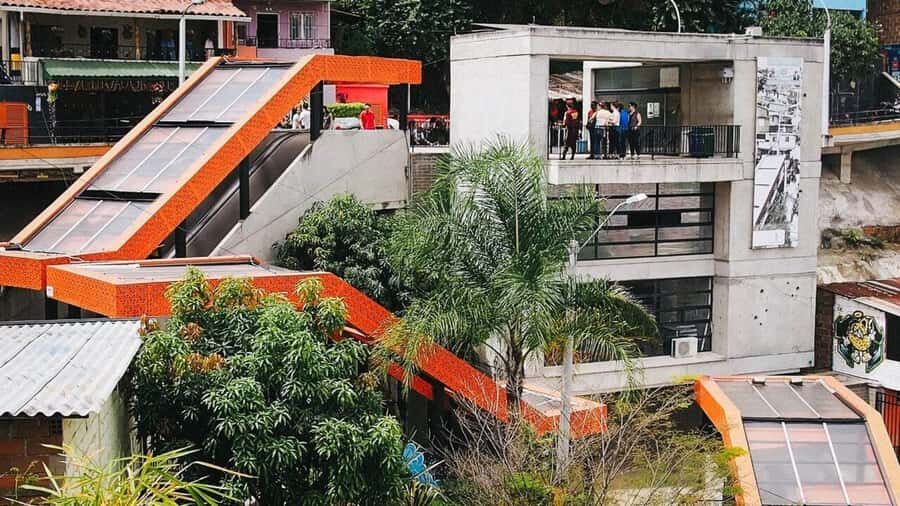
The day starts at the location where the Monaco building stood. It’s presented as a symbol of Escobar’s past power and opulence—basically, the contrast between the image of luxury and the violence that fueled it.
What I think makes this stop valuable is context. Without context, the Monaco building location can feel like just another old-looking landmark. With context, it becomes a clue: you start seeing how influence can be performed in public, not only enforced in the shadows.
Practical note: you’ll want to bring your ID (passport or national ID card). You’ll also be on the move for several hours, so wear shoes you can stand in.
La Catedral Prison: The Controversial Chapter Explained
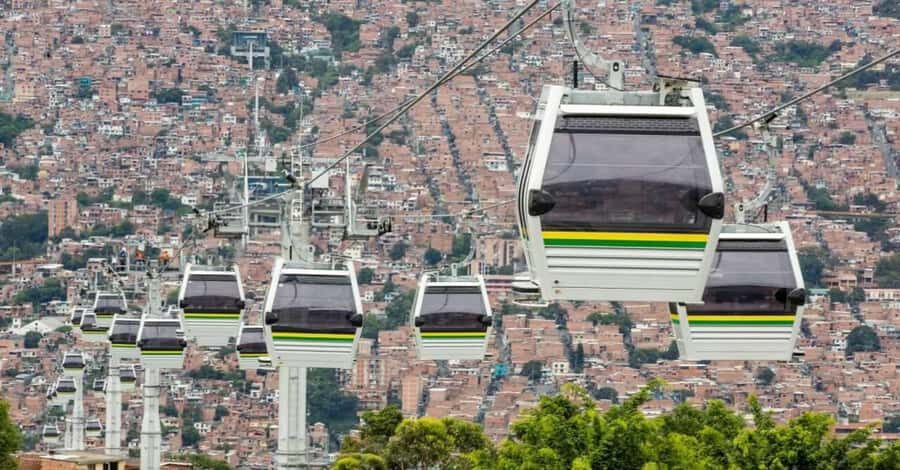
Next comes the visit to the old La Catedral prison, where Escobar was held during his controversial period described as prison.
This is one of the most important stops on the whole route because it forces the story to get specific. You’re not just hearing the name. You’re seeing the physical place tied to the events, and you’ll learn what happened there and why it mattered.
In my view, this is where the tone of the tour can feel most intense. The subject is morally complicated, and the word “prison” in this context is controversial for a reason. Your guide’s job here is to give you the story in clear, grounded language so you can make sense of what you’re looking at.
If your guide is Alejandro, there’s praise for how prepared and friendly he is while explaining details at a solid pace. If you end up with Cesar, you’ll likely get a similar benefit: strong storytelling with plenty of explanation so you aren’t left guessing.
Escobar’s Cemetery: Reflection on Impact and Legacy
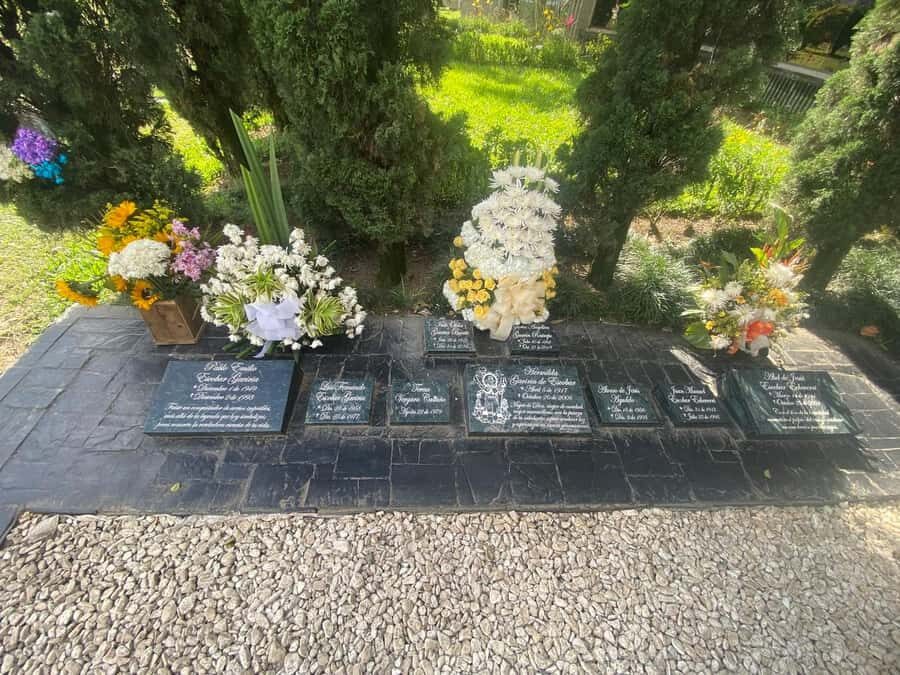
After the prison stop, the tour moves to the cemetery where Pablo Escobar was buried.
This part is less about facts you can photograph and more about what you do with what you learn. The tour sets it up as a moment for reflection on his impact on Colombian history and the controversial legacy that still surrounds his name.
What’s useful here is that it frames the stop as thinking, not judging. You’re asked to consider how one person’s rise can affect an entire country—and how that legacy can still be debated. You’ll probably find this lands differently than the earlier “symbol of opulence” story.
If you’re the type who likes to understand the human consequences behind historical events, this cemetery stop is likely to stick with you.
Comuna 13 Today: Resilience and Hope After One of Medellín’s Toughest Periods
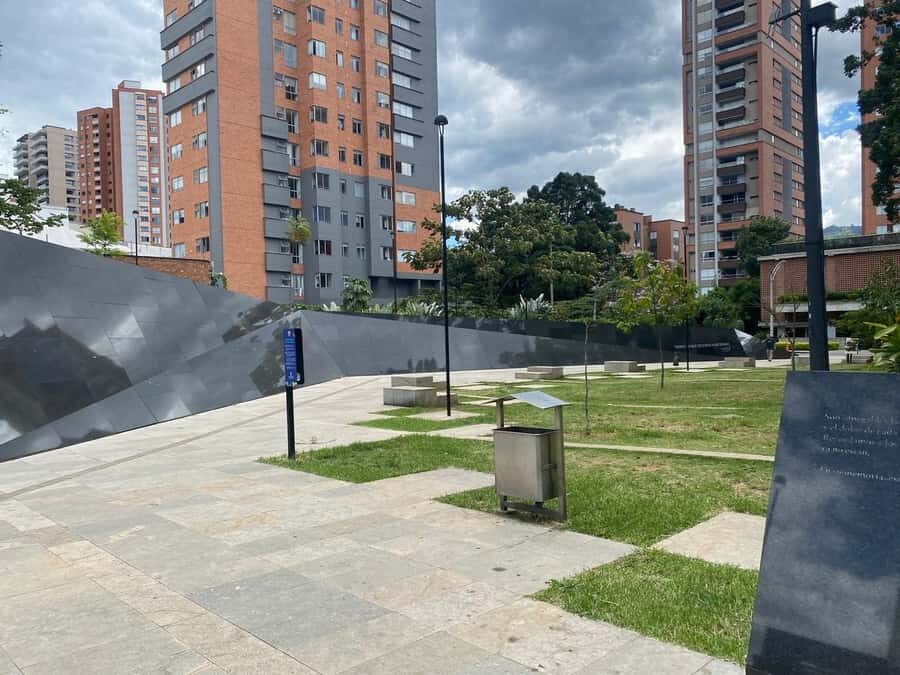
Once the Escobar-era history portion is done, the tour shifts to Comuna 13, one of Medellín’s most well-known stories of change.
The big idea here is transformation. The neighborhood went from being among the most dangerous areas of the city to being an example of resilience and hope. That’s the headline. But the tour makes it feel more real by guiding you through the neighborhood’s present-day meaning—not just its past.
I like this structure because it keeps the day from becoming one long “crime history” lecture. You get a clear tonal switch: consequences first, then recovery. It’s a reminder that cities don’t only carry scars; they also carry solutions, community effort, and new identity.
One more practical thing: Comuna 13 is a place where local culture matters. The tour includes tastings and crafts from the area, so you’ll do more than walk past buildings while hearing about the past.


Artisanal Crafts, Local Palette, and Your Drink of Choice
A lot of history tours forget one key ingredient: making you feel like you’re in the place, not just looking at it. This one doesn’t.
You’ll get:
- Crafts from the area
- A local artisanal palette tasting
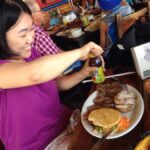
- A beverage of choice (beer, Cuba libre, energy drink, or water)
Small detail, big effect. When you drink water—or a beer if you choose—between heavy topics, it keeps the day from feeling like you’re being “pushed through” the story. And the crafts/palette tasting give you a way to connect with the neighborhood beyond a lecture.
I also appreciate that the tour includes transport, so you’re not dealing with route planning after a long day of stops. You’ll be in guide-led timing, with a private group setup.
Metrocyable Tickets and Getting Around Without Stress
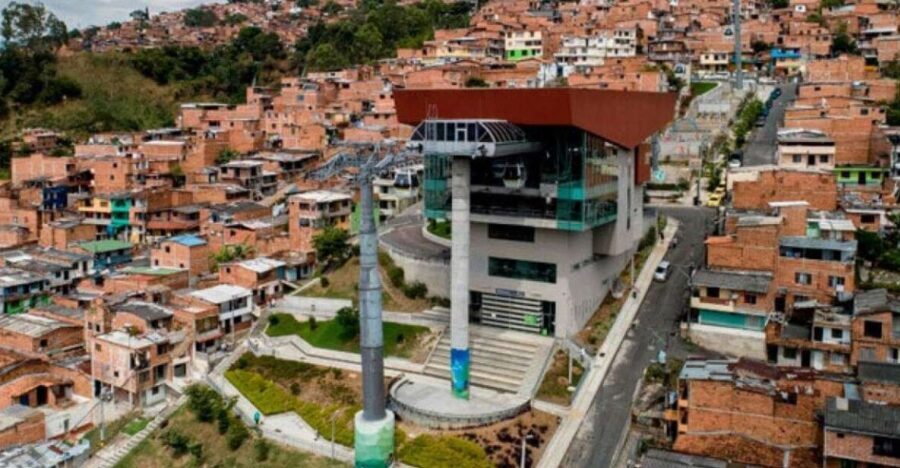
The tour includes tickets for the metrocyable (telephone), meaning you’ll have access to the cable-car-style transportation element during the day.
This matters because it changes the experience. Cable-car routes in Medellín are a practical way to move through terrain while also offering a different view of the city. Even if you already know the city, having this included can save you time and decision fatigue.
The tour runs for about 6 hours, and the description notes a 6–8 hour timeframe, so give yourself a comfortable window. If you’re planning anything right after, don’t book something that requires you to be “instantly free” the moment the tour ends.
Price and Time: Is $115 Worth It?
At $115 per person for a tour that typically lasts about 6 hours (with a 6–8 hour note), the value depends on what you want from the day.
Here’s what you’re paying for:
- A private group experience (not just joining a crowded bus tour)
- Transport included
- Multiple stops that cover both sides of the story: Escobar landmarks and Comuna 13
- Entrance-related components (as presented in the tour plan)
- Food-and-drink type inclusions (crafts, a tasting/palette, and a drink)
If your goal is one guided day that gives you a clear narrative arc—power and consequence first, then resilience—this price can feel fair. If you’re the type who already knows the basics and just wants a casual neighborhood walk, you might find it more than you need.
But for many people, $115 is a reasonable trade for a guided story with transportation handled and stops that would be harder to stitch together on your own without losing time.
Logistics That Affect Your Comfort (Not the Scary Stuff)
Two practical points can make or break the day:
First, you’ll have hotel pickup included. You should wait in the hotel lobby 10 minutes before the scheduled collection time. Also note: the drivers won’t wait more than 5 minutes after the scheduled time. So set an alarm and be ready to go.
Second, meals. Lunch, breakfast, and dinner are not included. You’re getting refreshments and a tasting, plus a drink, but not a full meal plan. If you’re sensitive to long gaps between food, eat before the tour and plan something after.
Finally, bring your passport or ID card. This is one of those simple requirements that people forget until the last second.
Who This Private Pablo Escobar and Comuna 13 Tour Fits Best
This tour is a strong fit if you want:
- A guided narrative of Medellín that links the Escobar period to the city’s later recovery
- The chance to visit both Catedral prison and the cemetery, not just street-level photo stops
- A neighborhood change story that includes local culture through crafts and tasting
It’s also a good fit if you like getting answers as you go. The guide format (English or Spanish) helps a lot when you’re walking through morally complicated history and you want clear explanations.
It is not designed for kids: it’s marked as not suitable for people under 18. It’s also not suitable for people with mobility impairments, and it’s stated there is no wheelchair accessibility.
If you fall outside those limits and you’re comfortable with the subject matter, you should feel well matched.
Should You Book This Tour?
Book it if you want one well-structured day that explains Medellín instead of only showing it. You’ll get the key Escobar-connected places (including La Catedral and the cemetery) and then a change-focused shift to Comuna 13, plus you’ll experience local crafts and a palette tasting.
Skip it if you want a purely light sightseeing day, or if you need a full meal plan built into the schedule. Also skip if the themes connected to the drug war and its legacy would feel too heavy for your trip right now.
My take: if you’re curious and you like guided context, this is one of the more direct ways to understand Medellín’s two chapters—power and consequence, then recovery and resilience.
FAQ
How long is the Medellín Pablo Escobar and Comuna 13 tour?
The duration is listed as 6 hours, and the experience time is also noted as 6–8 hours.
What does the tour cost?
The price is $115 per person.
Is this a private tour?
Yes, it’s a private group.
What’s included in the price?
Transport, refreshment, crafts of the area, a beverage of choice (beer, Cuba libre, energy drink, or water), and tickets for the metrocyable (telephone).
What isn’t included?
Breakfast, lunch, dinner, and personal expenses are not included.
What languages are the guides available in?
The live tour guide is available in English and Spanish.
Where do I get picked up?
Pickup is included, and you should wait at the hotel lobby 10 minutes before the programmed collection time. The drivers will not wait more than 5 minutes after the scheduled collection time.
Is the tour wheelchair accessible?
No. There’s no wheelchair accessibility, and it’s not suitable for people with mobility impairments.