REVIEW · SANTA MARTA
Santa Marta: Guided Walking Food Experience
Book on GetYourGuide →Operated by THE TRUE COLOMBIAN EXPERIENCE · Bookable on GetYourGuide
Seven tastes beat a full restaurant day. In Santa Marta, this 4-hour walk turns the historical center into a food lesson: market stalls, the Catedral de Santa Marta, bay breezes, and a hands-on arepa stop.
I love that you hit 7 different venues in about four hours, so you taste a lot without spending your whole afternoon guessing where to go. I also love the mix of food and context, with stops tied to real daily life around places like Bahia de Santa Marta and Parque de Los Novios.
The only real consideration is the pace: it’s rain or shine, and the route means a fair amount of walking, so plan for comfortable shoes (and an umbrella).
In This Review
- Key highlights you’ll feel on the walk
- Santa Marta food on foot: why this format works
- Price and value check for $54 in Santa Marta
- Plotting your route: 7 stops that keep the momentum
- The public market of Santa Marta: where you learn by eating
- Catedral de Santa Marta: landmark breaks with real context
- Bahia de Santa Marta: bay-side atmosphere between bites
- Parque de Los Novios: where people actually hang out
- Coffee at a top barista shop: the craft stop you’ll remember
- Family-owned arepa kiosk: making arepas de huevo hands-on
- Cayeye and other Caribbean staples: why the variety matters
- What’s included (and what you’ll want to plan for)
- How to get the most out of the afternoon
- Who should book this walking food experience in Santa Marta?
- Should you book it? My practical decision guide
- FAQ
- How long is the Santa Marta guided walking food experience?
- How much does the tour cost?
- How many stops are included?
- What’s included in the price?
- Is beer or any alcohol included?
- What languages is the live guide available in?
- Is the tour wheelchair accessible?
- Does the tour run in the rain?
- Can vegetarians and vegans join?
- Can I cancel, and is there a pay-later option?
Key highlights you’ll feel on the walk
- 7 venues in 4 hours: plenty of variety without long gaps
- Caribbean Colombian food favorites like arepas de huevo and cayeye
- Public-market energy: you’ll meet vendors and eat where locals actually shop
- Big landmarks, short stops: Catedral de Santa Marta, Bahia de Santa Marta, Parque de Los Novios
- Coffee that takes itself seriously with professional baristas
- Vegetarian and vegan friendly on request
Santa Marta food on foot: why this format works
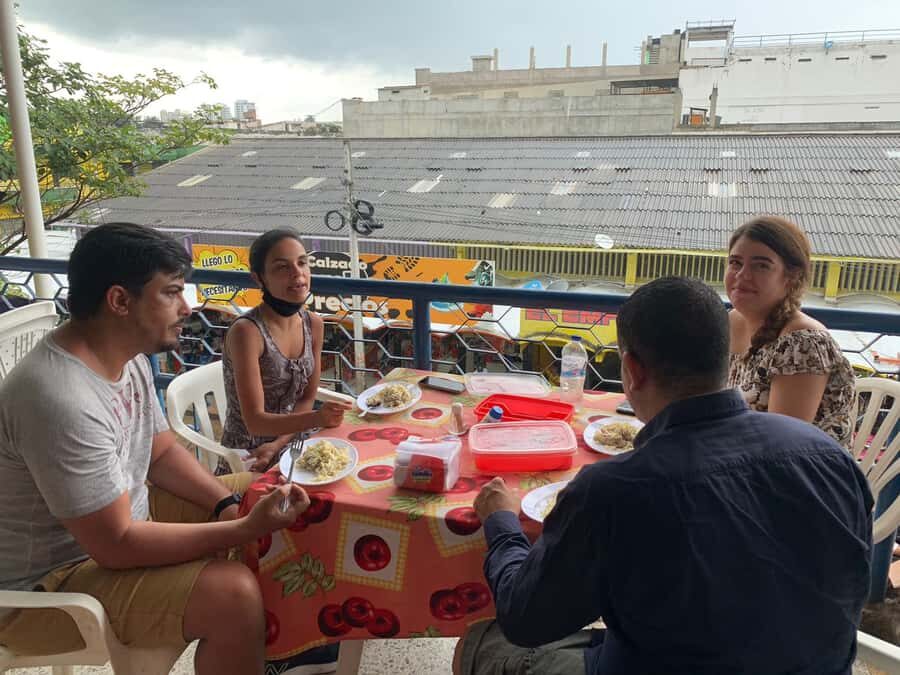
Santa Marta has a way of making short afternoons feel like full-on discoveries. This tour is built for that. You stay in the historical center area, you keep moving, and each stop adds another piece of the city’s food story—market foods, landmark breaks, then sit-down-ish tastings like coffee and juice.
The big practical win is time. Four hours is long enough to eat your way across multiple places, but short enough that you don’t lose the rest of your day to logistics. You’ll also get a guide who helps you make sense of what you’re seeing, not just what you’re eating. And at a price of $54 per person, the value comes from the packed schedule: 7 stops plus snacks, coffee/tea, fresh juice, and bottled water with a tour guide included.
You can also read our reviews of more walking tours in Santa Marta
Price and value check for $54 in Santa Marta
Let’s be honest: food tours can be either a fun bargain or an expensive way to walk around with snacks. This one leans toward the first category because so much is included, not just “one meal” energy.
For your money, you get:
- Stops at 7 different venues
- Snacks throughout the route
- Coffee and/or tea
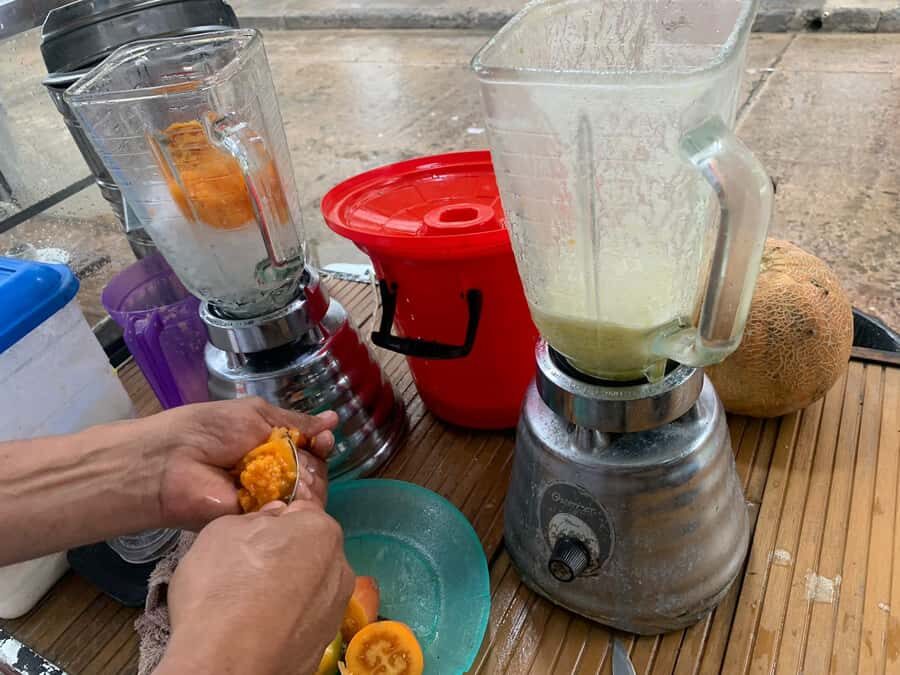
- Fresh juice
- Bottled water
- A live guide (English or Spanish)
What’s not included is the stuff that usually costs extra: beer/alcohol and transportation to the meeting point. So if you’re comparing against buying everything yourself, you’re really paying for the guide, the routing between spots, and the fact that you don’t have to figure out what to order at each place.
Plotting your route: 7 stops that keep the momentum
You’ll spend the afternoon working through the historical center of Santa Marta with a guide. The flow is simple: start with local food staples in the public market, connect the landmarks to the city’s story, then keep eating through a sequence of family-owned spots and special tastings.
The best part of this kind of route is the “you can’t replicate it alone” factor. Markets reward locals who know which stalls to trust and how to ask questions. Same idea for the coffee stop: a true barista setup gives you a better cup because you understand what you’re ordering and why it tastes the way it does.
The public market of Santa Marta: where you learn by eating
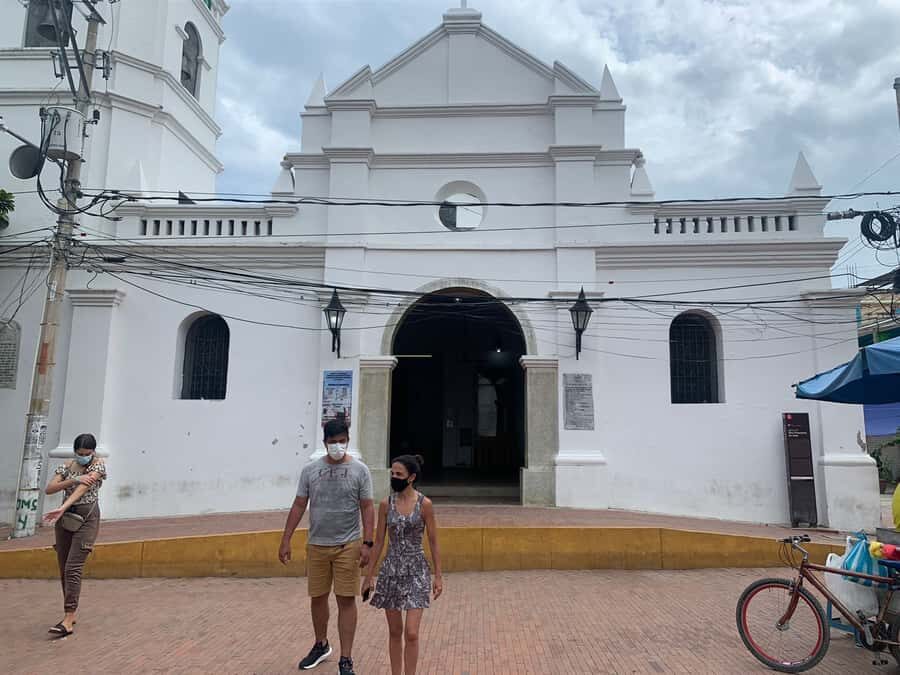
Your walk begins in the public market of Santa Marta, and that matters more than it sounds. Markets aren’t just places to buy food—they’re where people show you their routines. A guided visit helps you avoid the two common mistakes: ordering the wrong thing or skipping the foods you didn’t know existed.
Here’s what you can expect to get out of the market time:
- A chance to try multiple snack-style items rather than one big plate
- Vendor conversation that makes the foods feel practical, not touristy
- A steady stream of tastes that set the tone for the rest of the tour
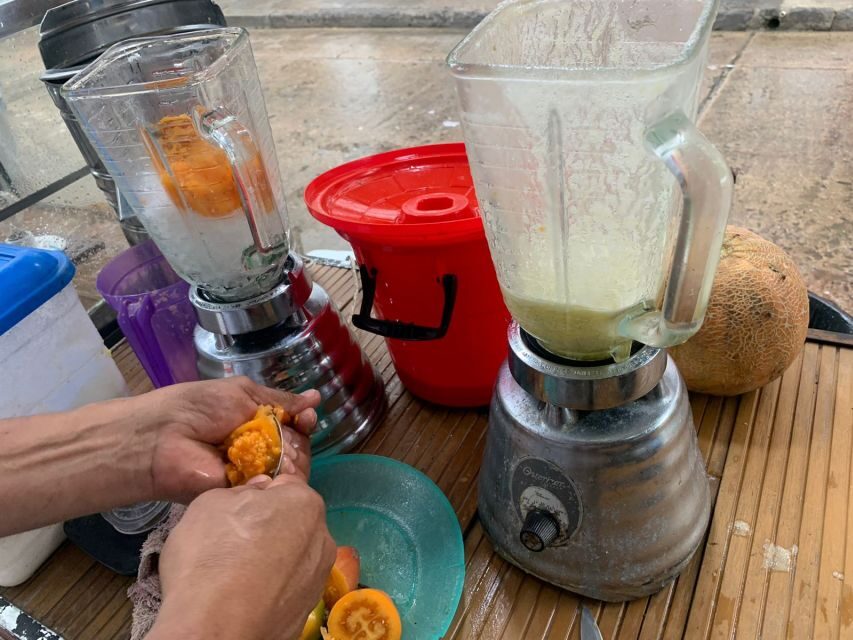
This stop also usually delivers some of the “surprise wins.” If you like fruit, expect that the tour rhythm includes it—juice is listed as included, and multiple past visitors highlight how much fruit and fruit-based drinks they tried.
Practical tip: this part of the day rewards sniff-first, ask-second. If something smells amazing, ask what it’s made with and how locals eat it.
Catedral de Santa Marta: landmark breaks with real context
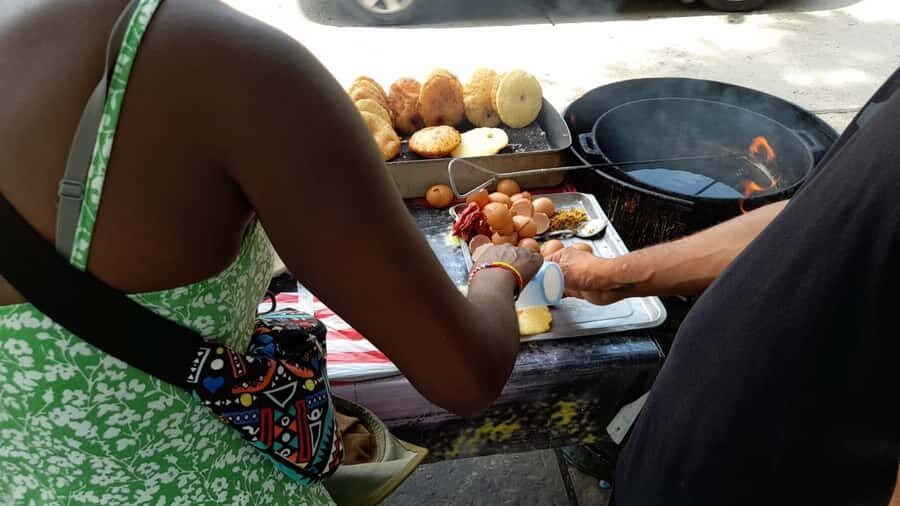
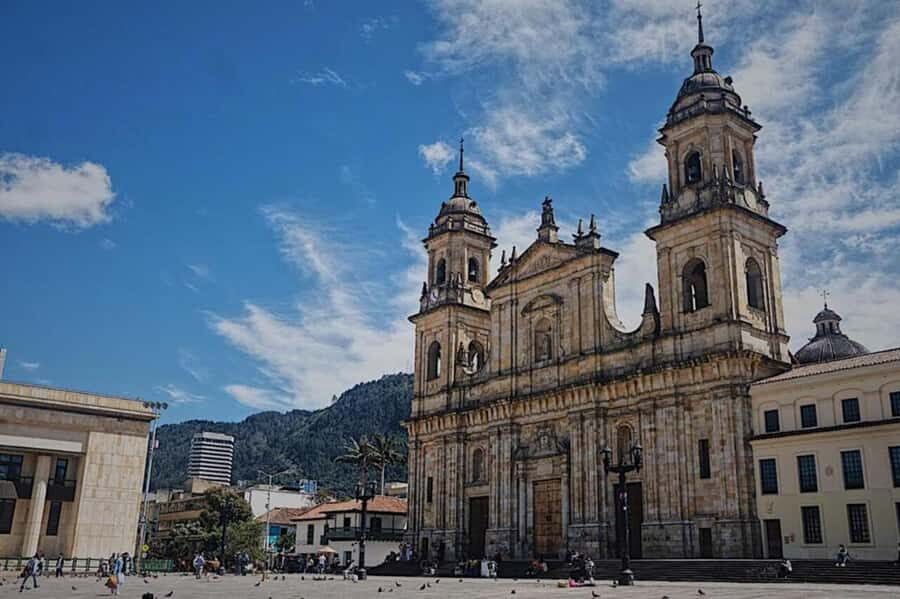
Between tastings, you’ll step toward the Catedral de Santa Marta. A cathedral on a food tour might sound like a pause in the action, but it’s a smart one. It gives you a mental map for the historical center, and it turns the food into something connected to place and time.
Guides on this tour focus on storytelling around Santa Marta’s past. Some runs are especially strong on historical narration, including details tied to Simon Bovier. That kind of context makes the city feel less like a photo backdrop and more like a place with layers.
One note: cathedral stops tend to be quick. This isn’t a museum-hour experience. It’s a short reset so you can keep walking with better bearings.
You can also read our reviews of more food & drink experiences in Santa Marta

Bahia de Santa Marta: bay-side atmosphere between bites
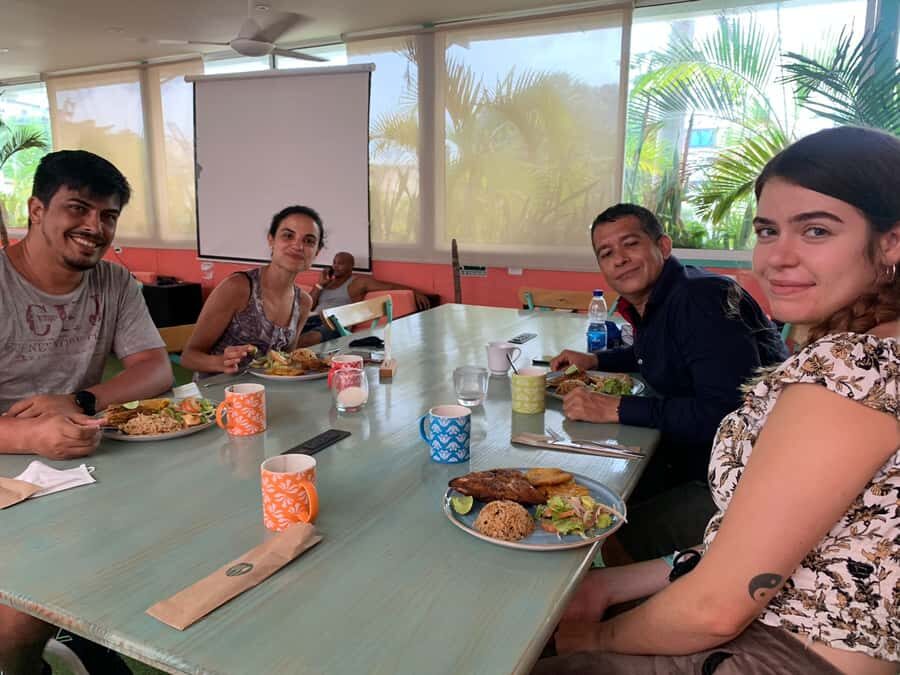
Next, you’ll move toward Bahía de Santa Marta, where the air and the light change the mood. Even if you’re mostly thinking about what you’ll taste next, the bay stop helps you slow down for a second and take in the setting.
This is also where your guide’s pacing matters. You’ll want those moments to breathe—especially when the day is warm or humid. A food tour that never pauses can feel like sprinting.
Practical tip: bring sunscreen. This tour is rain or shine, and sun exposure doesn’t stop just because you’re outside for fun.
Parque de Los Novios: where people actually hang out
You’ll also see Parque de Los Novios, a key local gathering spot. On a guided food walk, this works because it’s the right kind of contrast: you go from market focus to city landmarks, then end up somewhere that feels more social and everyday.
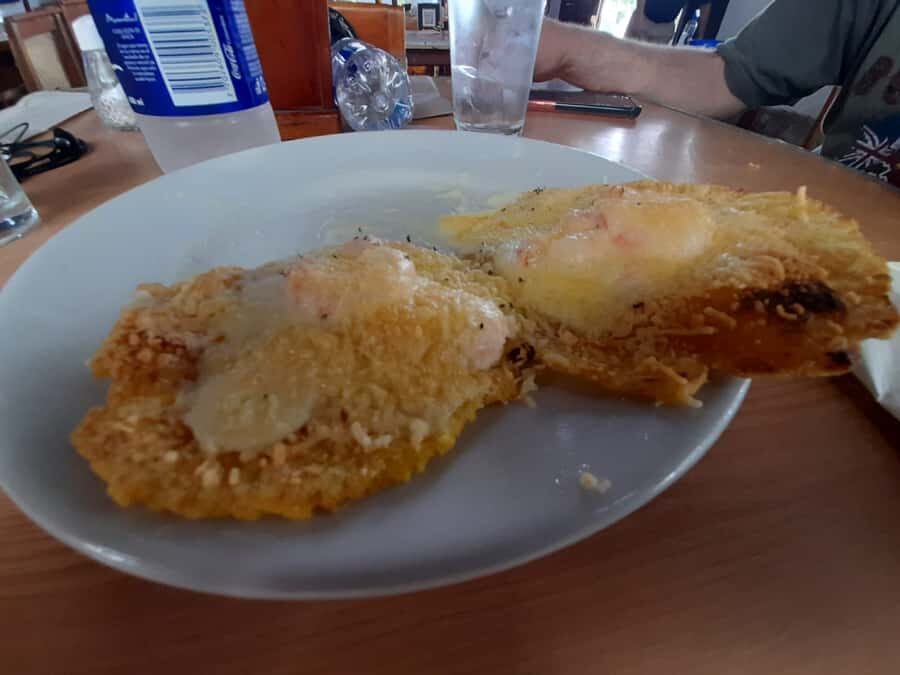
It’s a good place for the kind of snack-and-chat timing that makes the tour memorable. Some stops later in the afternoon include classic Caribbean savory bites, and at least one highlight from the route is patacones—a crunchy favorite that shows up as part of the final stretch for some groups.
Coffee at a top barista shop: the craft stop you’ll remember
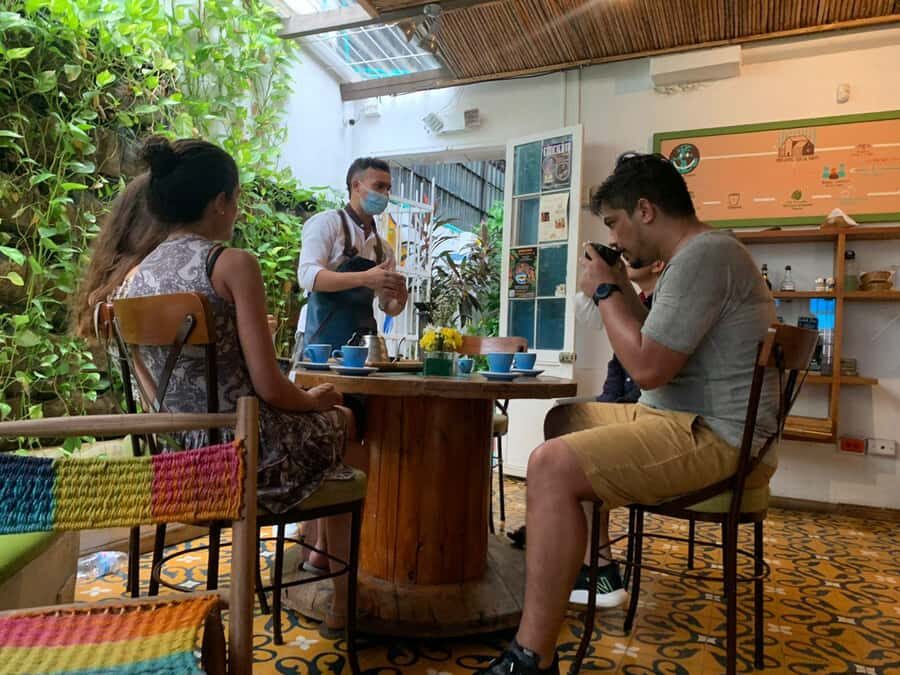
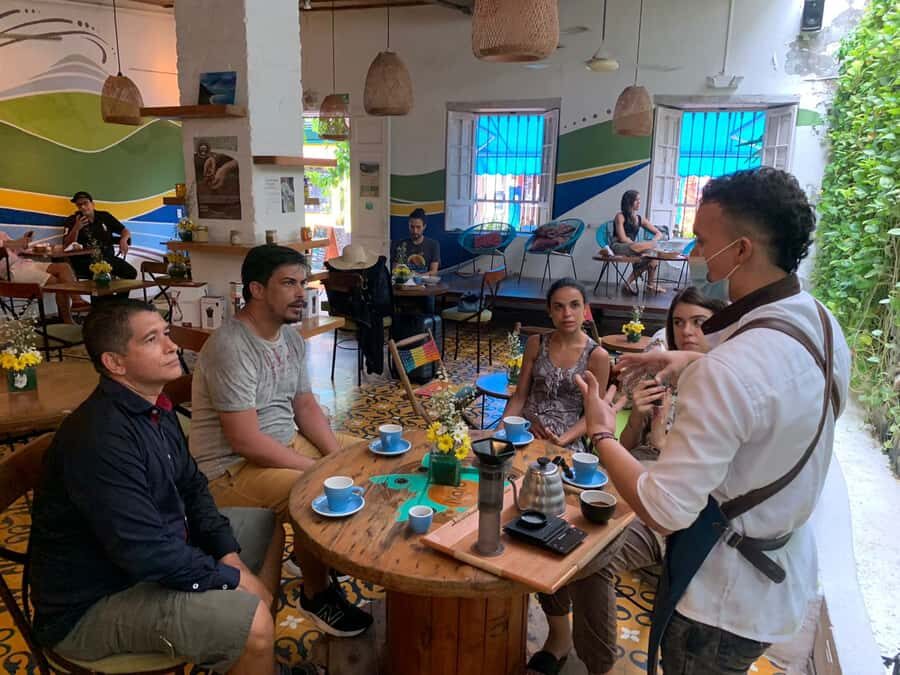
One of the tour highlights is a visit to the best barista coffee shop in the area, plus time meeting some of the region’s most professional baristas. This isn’t a “grab a quick latte” moment.
You’re getting a coffee stop that pairs with the rest of the flavors you’ve sampled:
- Earlier snacks prime your palate
- Juice and coffee reset it
- And the guide helps you pay attention to how the drink is made, not just how it tastes
If you care about coffee, this is a satisfying moment. If you don’t, it still helps that coffee is included alongside tea, so you can choose what fits your style.
Tip: if you’re ordering, ask a simple question like what they recommend or what pairs best with the snack you’re tasting. You’ll get more enjoyment out of it.
Family-owned arepa kiosk: making arepas de huevo hands-on
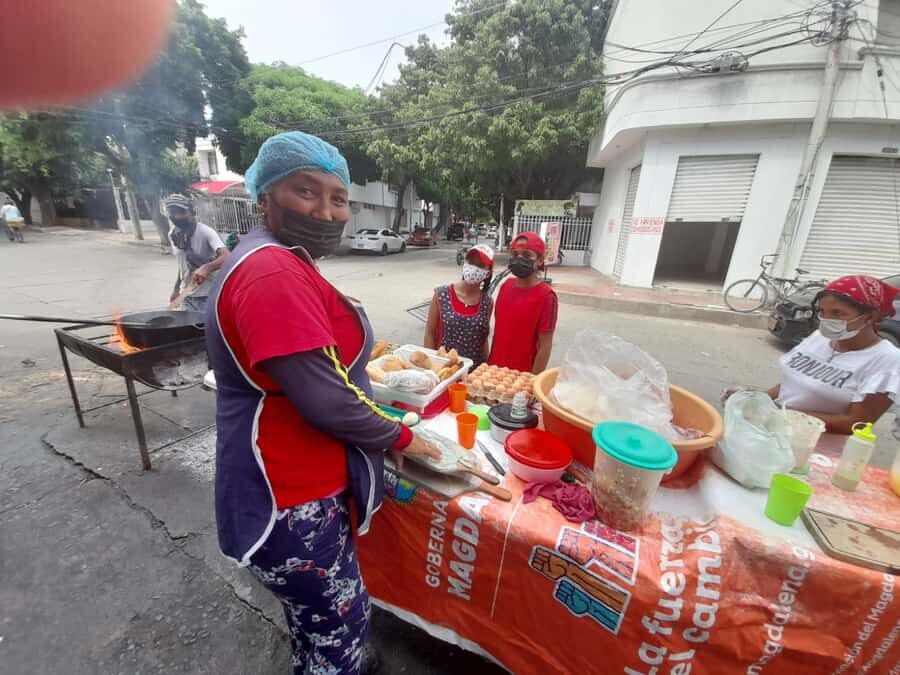
The most fun stop is the hands-on one: you’ll make arepas de huevo at a local arepa kiosk. Even if you’ve had arepa before, the value here is the process. Watching and helping means you understand the food more than you would from a menu alone.
This is also a great moment to slow down and get fully into the “Caribbean Colombia through food” idea. The tour doesn’t just hand you samples; it connects you to how foods are prepared in a real stall environment.
What to do when you’re making it: stay close to the station, listen carefully, and don’t be shy about asking the guide what to focus on. The whole point is learning the routine, even if you don’t become an arepa-making machine by the end.
Cayeye and other Caribbean staples: why the variety matters
You’ll try cayeye and other special dishes during the tour. That variety is important because it prevents the “I ate a lot but it all tasted the same” problem.
Instead, you get a mix of:
- snack-style items
- savory specialties tied to the region
- sweet or refreshing elements through juice and coffee/tea
This is also where a good guide really shows. They help you taste with intention: you don’t just eat, you start recognizing what makes Caribbean flavors feel distinct—comfort, saltiness, texture, and how ingredients balance.
If you’re the type who likes to compare foods across regions, you’ll leave with clearer opinions about what Santa Marta does especially well.
What’s included (and what you’ll want to plan for)
This is a well-specified tour on the included items list. Here’s what you can count on:
- Snacks throughout the route
- Stops at 7 different venues
- Coffee and/or tea
- Fresh juice
- Bottled water
- Tour guide
- Live guide available in English and Spanish
- Wheelchair accessible
Not included:
- Beer or alcoholic beverages
- Transportation to the meeting point
Also keep the “What to bring” list in mind:
- Comfortable shoes
- Sunscreen
- Water
And because it runs rain or shine: bring an umbrella if the forecast looks wet.
How to get the most out of the afternoon
You’ll enjoy this tour more if you go in ready to walk and ready to try things you wouldn’t normally order.
A few simple moves that help:
- Wear shoes you can handle on uneven sidewalks. This is a walking-first experience.
- Use sunscreen early. You’ll be outside for hours.
- If you’re vegetarian or vegan, tell the guide ahead. The tour can accommodate these preferences.
- Go with a curious mindset. Some of the best bites are the ones you don’t expect.
And one thing that seems consistent from the strongest tour moments: guides like Alberto (known for knowing lots of Santa Marta corners) and Alvaro (focused on meeting vendors and trying a lot) tend to turn the tour into a real city conversation, not just a checklist.
If Javier is narrating on your date, the storytelling can also be patient and detailed—so you’ll get the background without feeling rushed.
Who should book this walking food experience in Santa Marta?
This tour is a great fit if you:
- Want a food-and-history afternoon without planning every stop yourself
- Like markets and vendors, not just restaurants
- Enjoy coffee culture and want to meet professional baristas
- Prefer trying many small tastings over one big meal
It’s also a strong option if you’re traveling with a vegetarian or vegan companion, since the tour can accommodate those preferences.
The only people I’d steer away from are those who hate walking or need a strictly short sightseeing schedule. Even though the tour is wheelchair accessible, it’s still designed around a walking route, and that may affect comfort for anyone with limited mobility.
Should you book it? My practical decision guide
Book it if you want high taste variety in a short window, plus landmarks that actually help you understand the city. The included lineup—7 venues, snacks, coffee/tea, fresh juice, and bottled water—means you’re paying for an organized food crawl, not just a casual stroll.
Think twice if you’re someone who gets overwhelmed by lots of stops or you’re sensitive to heat and weather. The tour is rain or shine, so bring the umbrella and dress for walking.
If your idea of a great afternoon is: market flavors, a couple of major landmarks, bay-side air, and a hands-on arepa moment, this one fits the bill.
FAQ
How long is the Santa Marta guided walking food experience?
It lasts about 4 hours.
How much does the tour cost?
The price is $54 per person.
How many stops are included?
You’ll visit stops at 7 different venues.
What’s included in the price?
Included are snacks, coffee and/or tea, fresh juice, bottled water, and a tour guide. The tour also includes stops at 7 venues.
Is beer or any alcohol included?
No. Beer or alcoholic beverages are not included.
What languages is the live guide available in?
The live tour guide is available in English and Spanish.
Is the tour wheelchair accessible?
Yes, it is wheelchair accessible.
Does the tour run in the rain?
Yes. It takes place rain or shine, and you should bring an umbrella if it rains.
Can vegetarians and vegans join?
Yes. The tour can accommodate vegetarians and vegan preferences.
Can I cancel, and is there a pay-later option?
Yes. You can cancel up to 24 hours in advance for a full refund. You can also reserve now and pay later.