REVIEW · SANTA MARTA
Santa Marta Street Food Tour: 7 Tastings with a Local Guide
Book on Viator →Operated by Walking tour bogota by (The True Colombian Experience) · Bookable on Viator
Seven bites can teach you a lot. This Santa Marta street food tour mixes everyday markets, famous home-style dishes, and a short bay walk, all with a small-group feel and a local bilingual guide. I especially love that the tasting portions add up to a real full meal and that the group stays small enough for plenty of attention from your guide. One heads-up: it’s built around walking, so if mobility is limited, you may find the pace tough in warm weather.
You’ll start in the historic center near San Francisco Church, then bounce between public market stalls and local spots for snacks, fruit juice, and a specialty coffee stop. The tour can be accommodated to vegans and vegetarians, which makes it easier to eat well without feeling like you’re settling for plain options. The main consideration is pacing and heat—there’s no promise of many long sit-down breaks.
In This Review
- Key highlights you’ll feel right away
- Why Santa Marta street food feels like the best city orientation
- St Francis Square: the flavor stories start at the church steps
- Mercado Público de Santa Marta: zapote, avocado, and real market rhythm
- Doña Yami’s cayeye: breakfast comfort made from green plantains
- Doña Ketty’s handmade arepas: watching dough become street-food magic
- GNAM Café coffee break: Colombia through aroma, not just caffeine
- Bahia de Santa Marta stroll and cocadas: salt air + coconut sweetness
- Restaurante Mañe Cayón patacones finish: Caribbean-style comfort you can’t ignore
- Price and value: what $39 buys in food, time, and local context
- Who this tour suits best (and who should think twice)
- Guide quality: Álvaro and Paula set the tone, but English can vary
- What’s included (and what you should plan for)
- Practical tips that make the whole day easier
- Should you book the Santa Marta Street Food Tour?
- FAQ
- What’s the duration of the Santa Marta Street Food Tour?
- Where does the tour meet and what time does it start?
- How much does the tour cost?
- What food and drinks are included?
- Is the tour suitable for vegans or vegetarians?
- Can I cancel, and what happens if the weather is bad?
Key highlights you’ll feel right away
- 7 tastings that add up to a meal, not a few tiny samples
- Small group (max 30), so your guide can answer questions and keep things moving
- Caribbean Colombian food education through what you’re actually eating
- Market time at the Mercado Público, where daily life and flavors overlap
- Specialty coffee at GNAM Café with a barista-led tasting and aroma work
- Coastline break with sea views plus cocadas on the Bahia de Santa Marta
Why Santa Marta street food feels like the best city orientation
Santa Marta can be a little confusing at first glance—big views, lots of streets, and a mix of tourist sights and local neighborhoods. This tour cuts through that by using food as your “map.” You don’t just sample items; you learn how costeño (Caribbean) culture shows up in breakfasts, snacks, and everyday market routines.
I like that it stays practical. You meet at a clear landmark, you know you’ll be eating from multiple stops, and the schedule is tight enough to make a dent in the city in just half a day. And because it’s a walking tour with a local guide, you get context that you’d miss if you only did restaurant-hopping.
That said, it’s not a slow stroll. Expect a fair amount of foot time across market lanes and nearby neighborhoods—something multiple guests specifically called out as the trade-off for getting so much food and so many sights.
You can also read our reviews of more food & drink experiences in Santa Marta
St Francis Square: the flavor stories start at the church steps
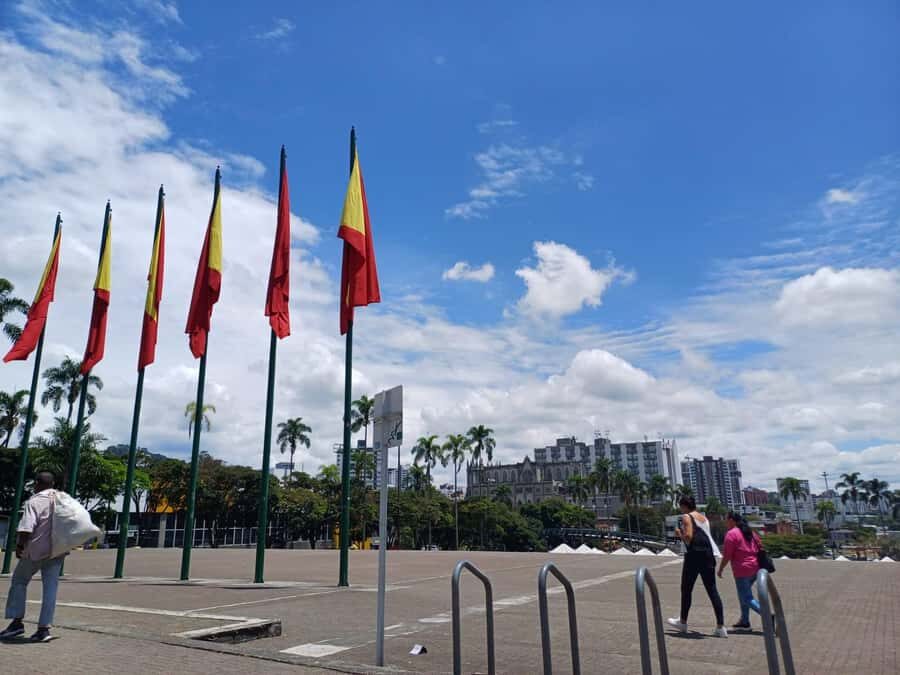
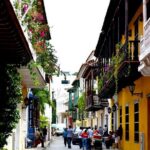
You begin at Saint Francis Square (Plaza de San Francisco), right in front of San Francisco Church in Santa Marta’s Centro Histórico. This first stop is short, but it matters: it’s where your guide sets the tone and connects the food you’ll eat to the place you’re standing in.
If you like tours that explain the why behind what you’re tasting, this start helps you lock in the context early. It also makes it easier to get your bearings quickly before you slip into the market area later.
Practical note: because the actual walking starts after this intro, comfortable shoes here are a must. The tour starts at 9:00am, which is nice because it gives you cooler morning hours before the later parts of the route.
Mercado Público de Santa Marta: zapote, avocado, and real market rhythm
The Mercado Público de Santa Marta is where the tour shifts from “introduction” to “daily life.” You’ll taste zapote fruit and a creamy local avocado from street vendors, which is a smart pairing because it shows how sweet and savory fruit flavors mix right in the Caribbean food tradition.
This is also where you’ll likely see more than just produce. One guest described passing through fish and meat market sections along with the fruit/veg stalls, which matches how these markets usually work: different stalls, different smells, and a constant flow of locals doing normal things.
Why I think this stop is valuable: it trains your palate before the heavier dishes. You’re already learning what the region’s flavors taste like, so when you move to cayeye and arepas later, the food doesn’t feel random.
Doña Yami’s cayeye: breakfast comfort made from green plantains
Doña Yami’s stand is where you try cayeye, a classic Caribbean dish made from mashed green plantains. Breakfast-style food is an underrated way to understand culture because it reveals what people rely on when the day starts.
This stop is roughly 45 minutes, which gives you time to eat and also to hear the cultural logic behind it—why cayeye is considered essential costeño culture. If you’ve never had green plantain flavors before, this is the kind of dish that helps you understand why people love it beyond novelty.
The main consideration: cayeye is hearty. If you come hungry, you’re set. If you arrive already full from a big breakfast, you might have trouble enjoying the later tastings.
Doña Ketty’s handmade arepas: watching dough become street-food magic
Next comes another “name you’ll remember” stop: Doña Ketty for handmade arepas. You’re not just handed something wrapped to go. You watch how the arepas are prepared, which makes the food feel less mysterious and more earned.
These are served fresh, the way locals tend to eat them. That detail matters because arepas can go from great to mediocre fast when they’re not made and served properly, and the tour is designed around getting them at their best.
If you enjoy food craft—hands-on technique, not just ingredients—this is one of the more satisfying stops. One guest highlighted making arepas as an especially memorable moment, and even if your experience differs slightly by group flow, you can still expect the focus to be on the process.



GNAM Café coffee break: Colombia through aroma, not just caffeine
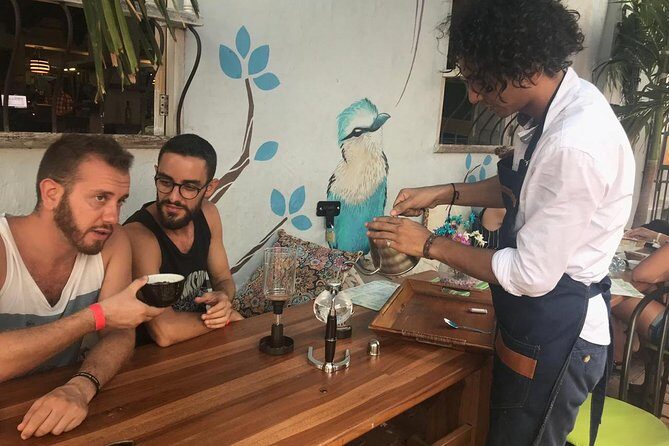
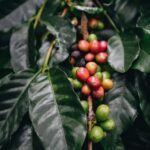
At GNAM Café, the tour turns from street snacks to a specialty coffee experience. A barista prepares Colombian coffee using alternative brewing methods, and you get a tasting that focuses on aromas and flavors.
This is a smart mid-tour break because it gives you a calmer setting after market walking and heavier savory foods. It also broadens the meaning of street food beyond fried things and sweets. Coffee in Colombia isn’t an afterthought, and the stop is built to show that.
You’ll also see included coffee and/or tea as part of the tastings here. If you’re caffeine sensitive, you can likely manage your pace by going slow with sips and smelling notes first—but the tasting itself is part of the experience structure.
Bahia de Santa Marta stroll and cocadas: salt air + coconut sweetness
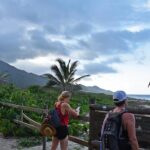
After you eat enough savory and starchy foods to keep you busy for hours, the route adds a scenic walk along Bahia de Santa Marta. This portion is around 30 minutes and gives you ocean views, a breather from the market crowd, and a change of pace.
Then you taste cocadas—traditional coconut sweets sold by local vendors. This stop plays a useful role: it balances the day. You go from salty to sweet without it feeling like you’re only collecting dessert at the end.
If you’re a photo person, this is where you’ll likely want a few stops along the way for bay views. Just remember you’re still on a walking schedule, so plan quick photos rather than long standstills.
Restaurante Mañe Cayón patacones finish: Caribbean-style comfort you can’t ignore
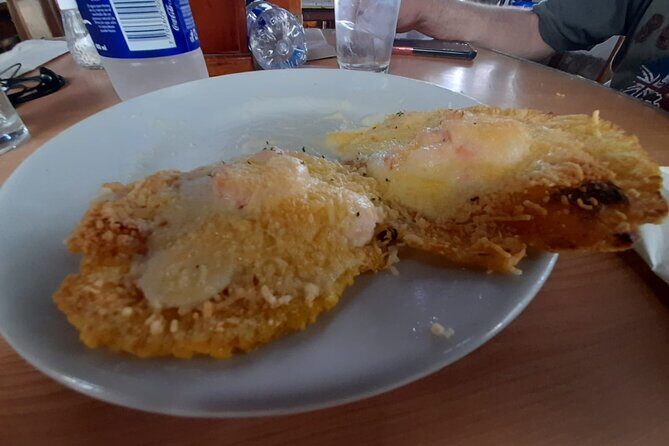
The tour ends at Restaurante Mañe Cayón, where you get Caribbean-style patacones topped with Santa Marta flavors. This final meal-style stop is about 45 minutes, long enough to settle in and actually enjoy the food instead of rushing through another snack.
Patacones are a great finale because they’re crunchy, filling, and deeply rooted in regional Caribbean cooking. Ending with something substantial also helps you avoid the dreaded post-tour hunger slump.
One of the best parts of the finish: you’ll leave feeling like you ate at local places in a way that makes sense. This isn’t random “grab a bite here, grab a bite there.” The day builds toward a satisfying close.
Price and value: what $39 buys in food, time, and local context
At $39 per person for about 3 to 4 hours, this tour is priced like a solid value for a city where street food is common but hard to organize well. You get 7 tastings across multiple food and beverage stops, plus fruit juice from local vendors and a coffee or tea tasting at the specialty coffee shop.
The bigger value isn’t only the total number of items. It’s the sequencing. You start with fruit, you move into cultural breakfasts and handmade staples, you take a coffee pause, you finish with a coastal stroll and a real restaurant-style plate. That structure helps you avoid the common problem of “I tried a lot, but I don’t know what I liked or why.”
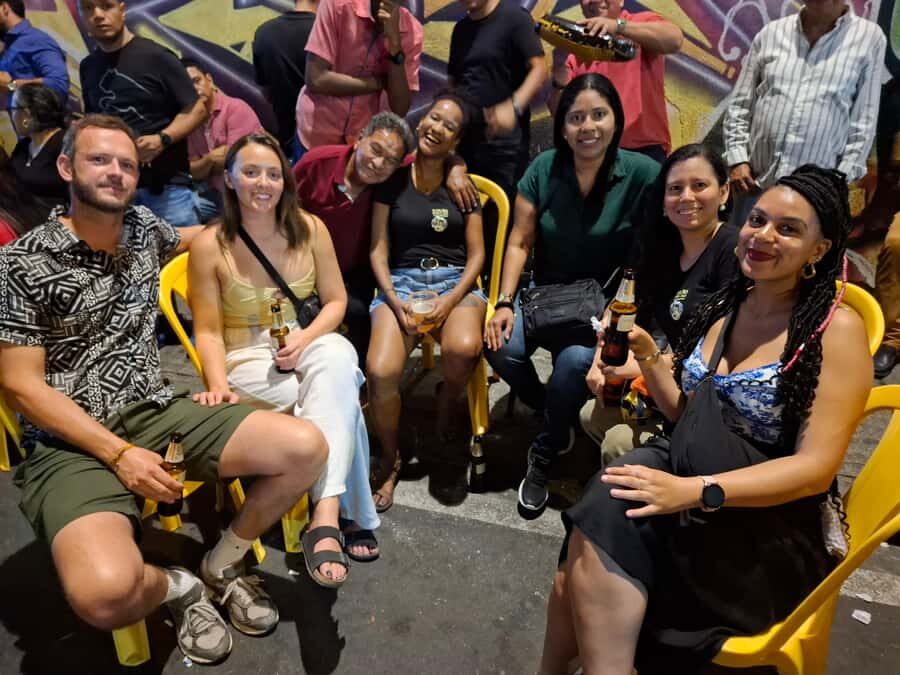
Small group dynamics also matter. With a maximum group size of 30, you’re less likely to feel like a moving line. Some guests specifically praised guides like Álvaro and Paula for staying attentive, sharing stories, and making people feel safe while walking through local areas.
Who this tour suits best (and who should think twice)
This tour fits best if you want a concentrated food education and you’re happy walking through real neighborhoods. If you like markets, street snacks, and local food families like Doña Yami and Doña Ketty, you’ll probably feel like you’re in the right place fast.
It’s also a good option for vegans and vegetarians, since the experience can be accommodated. That’s a key detail because many food tours struggle with truly plant-based options. Here, the fact that adaptations are part of the design means you can expect the guide to help you plan what to eat.
The trade-off is physical effort. Multiple people noted that it’s more walking than some other food tours. If you have mobility concerns, consider whether you can handle warm-weather walking for the full route. One guest also mentioned the tour felt too hot and long, and another pointed out that their guide didn’t immediately offer water, so plan to be proactive.
Guide quality: Álvaro and Paula set the tone, but English can vary
A lot of the success of this kind of tour depends on the guide’s ability to connect food to place. Several guests called out strong guides—Álvaro and Paula—describing them as friendly, energetic, and helpful with explanations and pacing.
Still, one review mentioned that a guide’s English wasn’t strong enough, making it harder to follow. I can’t predict which guide you’ll get on your date, so if clear English narration is a must for you, it’s worth keeping that in mind and asking questions whenever you can.
The upside: even when language is imperfect, the food itself is the main event, and the stops are set up around tasting, not just listening.
What’s included (and what you should plan for)
Included in your $39:
- 7 stops for snacks and tastings (including zapote, local avocado, cayeye, handmade arepas, cocadas, and patacones)
- Specialty coffee and/or tea at GNAM Café
- Natural fruit juice from local vendors
- A local bilingual guide
Not included:
- Alcoholic beverages (they may be available for purchase at some stops)
If you don’t want surprises, it’s smart to decide ahead of time whether you’ll add anything alcoholic. And if you drink alcohol, remember you’re walking for hours—pace matters.
Practical tips that make the whole day easier
Here’s how to get the most comfort and the least food regret:
- Come with an appetite, or at least don’t overdo breakfast. The tastings add up.
- Wear shoes you can walk in for a while. This isn’t a museum tour pace.
- If you’re prone to heat fatigue, plan small sips of water when you can. One guest wished water had been offered more clearly.
- If you want pictures, use the bay portion for most of your photos. It’s visually rewarding and less crowded than market aisles.
If your goal is to eat everything and feel good, pacing is your friend. Slow down between tastings, and don’t try to race through each stop just to keep up.
Should you book the Santa Marta Street Food Tour?
Book it if you want a smart, local way to understand Santa Marta food culture in one 3 to 4 hour window. I’d especially recommend it if you’re excited by Caribbean dishes like cayeye and arepas, want a guided coffee tasting at GNAM Café, and like the idea of ending with patacones at a local restaurant.
Skip or rethink it if walking long distances is hard for you, or if you’re sensitive to heat and want more frequent seated breaks. Also consider your language needs, since guide communication quality can vary.
If you’re flexible, hungry, and ready to explore, this tour is a strong value. You’ll leave with full stomachs, better instincts for what to order in Santa Marta later, and names you’ll remember—Doña Yami, Doña Ketty, and GNAM Café—because the day is built around real places, not generic “tour food.”
FAQ
What’s the duration of the Santa Marta Street Food Tour?
It runs about 3 to 4 hours.
Where does the tour meet and what time does it start?
You meet in front of San Francisco Church at Saint Francis Square in Santa Marta’s Centro Histórico, and the tour starts at 9:00am.
How much does the tour cost?
The price is $39.00 per person.
What food and drinks are included?
You’ll have 7 tastings at different places, including fruit zapote and local avocado, cayeye, handmade arepas, cocadas, patacones, plus a specialty coffee and/or tea tasting and natural fruit juice. Alcoholic beverages are not included.
Is the tour suitable for vegans or vegetarians?
Yes, the tour can be accommodated to vegans and vegetarians.
Can I cancel, and what happens if the weather is bad?
You can cancel for a full refund up to 24 hours in advance. The experience requires good weather, and if it’s canceled due to poor weather you’ll be offered a different date or a full refund.