REVIEW · CARTAGENA
Shared Old Cartagena & Getsemani Tour with Wireless System
Book on GetYourGuide →Operated by Beyond Colombia · Bookable on GetYourGuide
Cartagena feels real on this 2-hour loop. You’ll walk from the UNESCO-listed Old City into Getsemaní with a wireless audio system, so you don’t lose the story when the streets get busy.
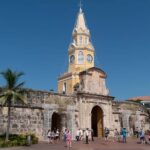
I like two things most: the Clock Tower entrance that anchors the Walled City, and the way Plaza de la Trinidad pulls you into the neighborhood’s daily life and mural culture.
One heads-up: it’s a serious walking tour. Plan for about 8 km on foot, with some stops in crowded areas.
In This Review
- Quick hits you can plan around
- A two-hour walking tour with wireless audio that doesn’t drop the story
- Starting at Santo Domingo Square near Botero’s Gertrudis
- Plaza de la Proclamación and Plaza Bolívar: where the colonial core starts making sense
- San Pedro Claver: Cartagena’s religious landmark with a human story focus
- Plaza de la Aduana and Plaza de Los Coches: power, trade, and the old city machine
- The Clock Tower monument: the Walled City’s signature entrance
- City walls and panoramic views from the Santo Domingo bastion
- Camellón de los Mártires to Parque Centenario: walking between eras
- Calle de la Magdalena and Calle del Guerrero: details you feel in your feet
- Plaza de la Trinidad and Callejón Ancho: Getsemaní’s social heart
- Calle de la Sierpe and Getsemaní street art: identity in color
- Guide style: Beyond Colombia, plus the standout presence of Louis Carlos
- Value check: $13 for a 2-hour, 8 km loop that covers two worlds
- Practical tips so your feet and photos survive the day
- Should you book this Cartagena Old City + Getsemaní tour?
- FAQ
- What language is the tour offered in?
- Does the tour include wireless audio?
- How long is the tour and how much do I walk?
- Where do I meet the guide?
- Are entrance tickets or paid attractions included?
- What should I bring, and are there any restrictions?
Quick hits you can plan around
- Wireless audio receivers help you hear the guide clearly, even through street noise
- Clock Tower + city walls give you classic Cartagena views tied to real pirate-era drama
- Santo Domingo Square is the easy start point and a smart place to get your bearings
- Getsemaní street art shows identity, pride, and resistance in color you can’t photograph fast enough
- Two neighborhoods, one flow keeps the tour from feeling like two separate sightseeing lists
A two-hour walking tour with wireless audio that doesn’t drop the story
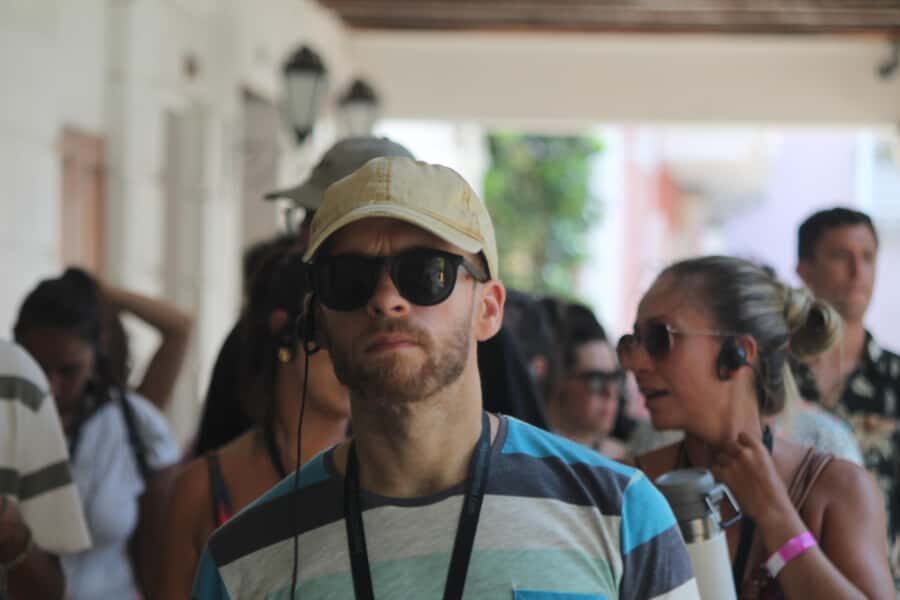
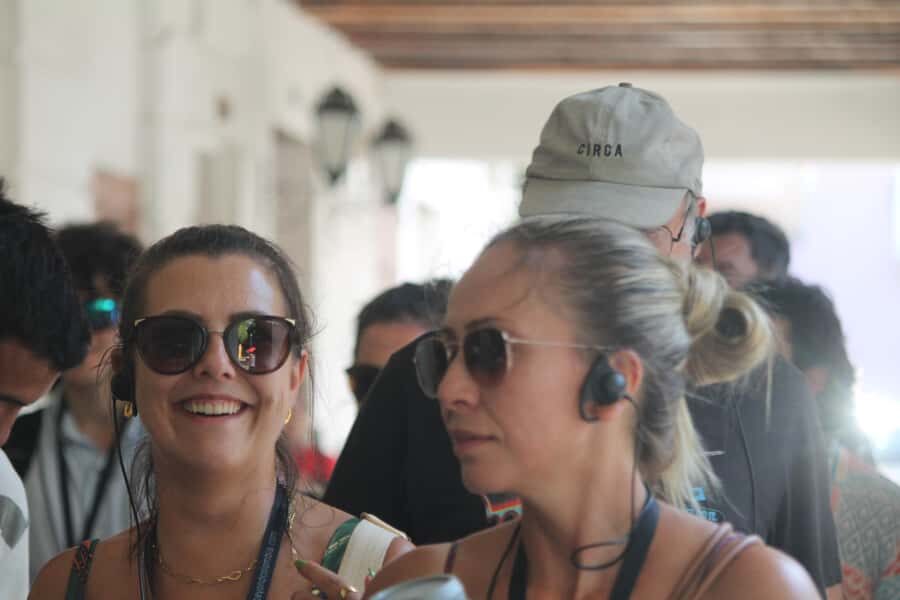
This is the kind of Cartagena tour that works because it solves a common problem: old streets are crowded and echo-y. With the wireless audio receivers, your guide’s voice stays clear as you move from plaza to plaza, even when you’re weaving through clusters of people. You’re free to look around, take photos, and still catch every clue the guide points out.
It’s also built for momentum. You’re not stuck in one place waiting for the group to decide what to look at next. The tour runs about 2 hours, and in that time you’ll cover two distinct sides of the city—inside the Walled City and then into Getsemaní—so you get variety without losing the thread.
The best part, honestly, is that the storytelling is tied to what you’re seeing. That matters in Cartagena, because buildings and plazas here aren’t just pretty. They’re connected to power, faith, trade, and conflict. And yes, pirates show up in the conversation.
You can also read our reviews of more tours and experiences in Cartagena.

Starting at Santo Domingo Square near Botero’s Gertrudis
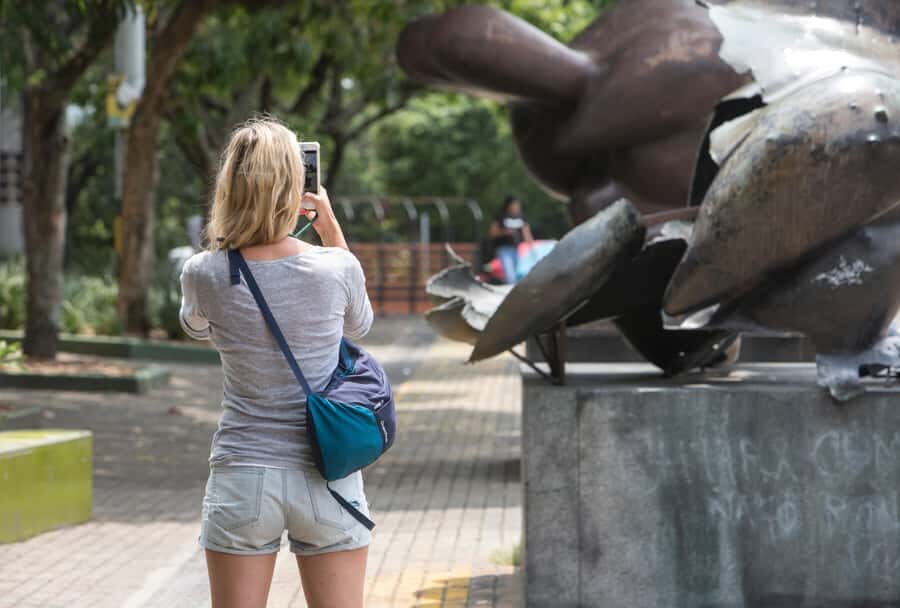
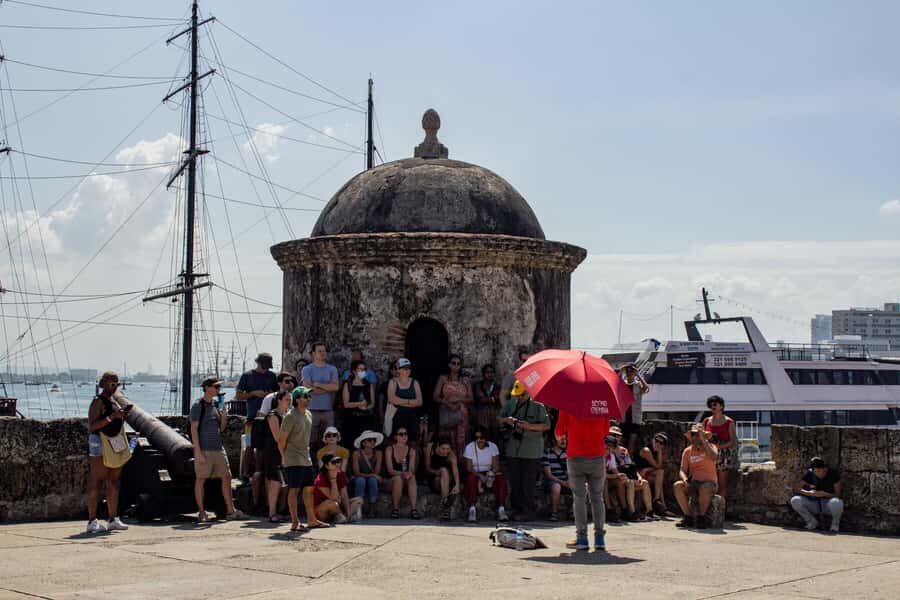
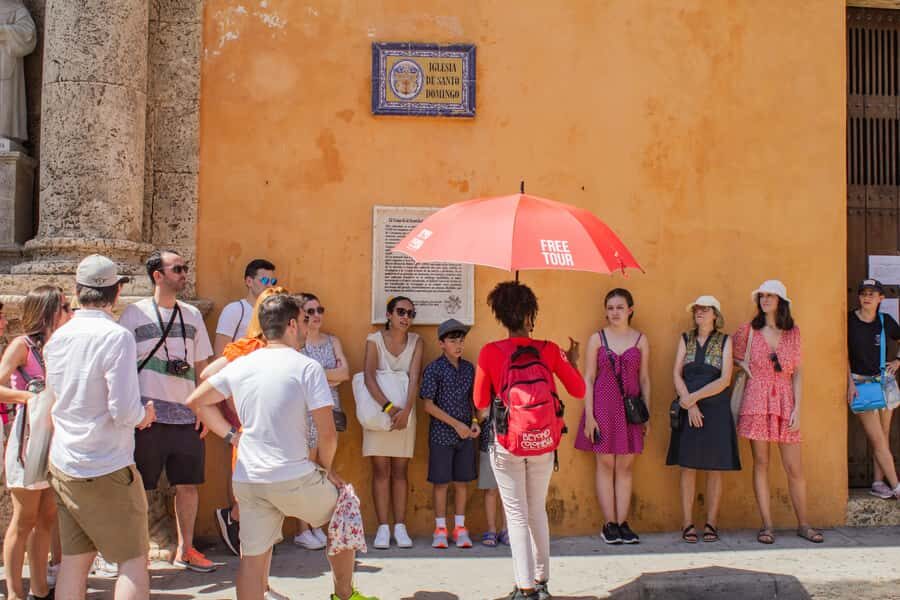
The meeting point is simple to find: Plaza de Santo Domingo, next to Botero’s sculpture Gertrudis, with red umbrellas by Beyond Colombia. Arrive about 5 minutes early so you can pick up your wireless audio receiver without stress.
Santo Domingo Square is a strong place to start because it’s central and easy to understand. You quickly get the layout of Old Cartagena—how the plazas relate to the streets, and how the walls shape movement. If you’ve only seen Cartagena from viewpoints, this start helps you connect the dots at street level.
You’ll begin with an orientation stop at Plaza de la Proclamación, then continue through the colonial core. Think of it like the tour’s map in real time. You’re not just walking; you’re building a mental picture.
Plaza de la Proclamación and Plaza Bolívar: where the colonial core starts making sense
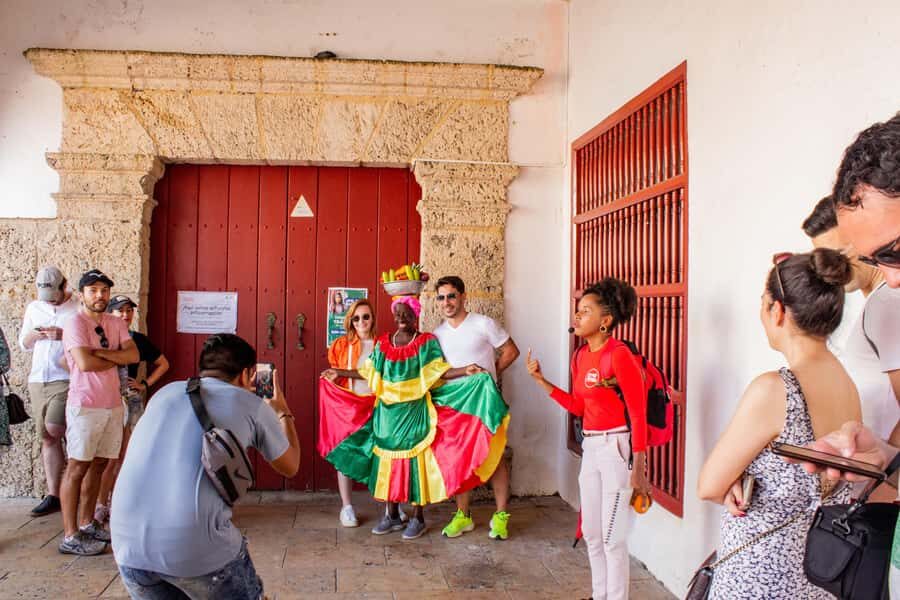
After Santo Domingo Square, you’ll move through Plaza de la Proclamación and then to Plaza de Bolívar. These aren’t random stops. They’re public spaces where Cartagena’s story shows up as symbols in stone and in the way people use the space.
What I like about this part is the pacing. You get short guided segments—about 20 minutes per main area—so you aren’t stuck in one spot too long. You can keep your energy while still learning why certain spaces matter.
In this stretch, the guide is setting themes you’ll see again later: defense and vulnerability (including pirate-era attacks), the push and pull of colonial power, and how everyday life continued even as politics and religion shaped the city. You’ll also hear references to the period of the Inquisition, plus how architecture can carry hidden signals if you know what to watch for.
San Pedro Claver: Cartagena’s religious landmark with a human story focus
Next up is Santuario de San Pedro Claver. It’s a big stop, and the tour treats it that way with a dedicated guided window.
This is one of those moments where the tour shifts from architecture-and-defense to people-and-meaning. San Pedro Claver is tied to Cartagena’s history in a way that feels more personal than a list of dates. If you’ve ever wondered how a city’s faith landmarks connect to real lives, this is the part that helps you connect the dots.
Since the tour is in both Spanish and English, you can follow closely even if your Spanish isn’t perfect. And because you’ve got audio, you won’t be fighting the sound of foot traffic while trying to listen.
Plaza de la Aduana and Plaza de Los Coches: power, trade, and the old city machine
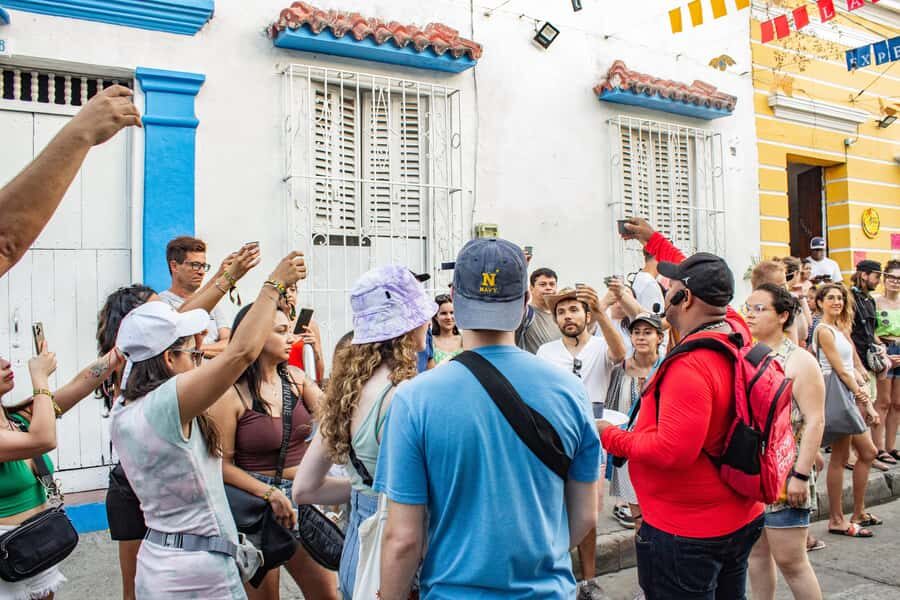
Then you head through Plaza de la Aduana and Plaza de Los Coches. These plazas sit in the heart of the Walled City’s old movement patterns—where the city’s commercial and political life would have intersected.
Here’s how this section helps you as a traveler: it makes the Walled City feel like a functioning system, not a museum set. The guide connects plazas to stories of conquest, control, and commerce. And once you understand that, the next highlight—entering through the Clock Tower—hits harder, because you see it as an actual doorway into the story, not just a photo spot.
You’ll also start noticing details you might otherwise miss: balcony shapes, street alignment, and the way certain corners open into plazas like stages.



The Clock Tower monument: the Walled City’s signature entrance
The Clock Tower is one of Cartagena’s most recognizable landmarks, and it gets the full guided treatment here. This stop is more than a quick snap. It’s the symbol of entry to the Walled City and a natural “checkpoint” for your mental timeline.
What I like about this highlight is how it ties the icon to action. You’re not only hearing about the tower as a structure. You’re hearing it as part of a defensive posture—the idea that this city was built to be protected, then attacked, then defended again.
If you’ve been seeing Cartagena photos online, you already know what the Clock Tower looks like. The tour adds what the photo can’t show: why this spot matters and how it fits into the city’s larger conflict story.
City walls and panoramic views from the Santo Domingo bastion
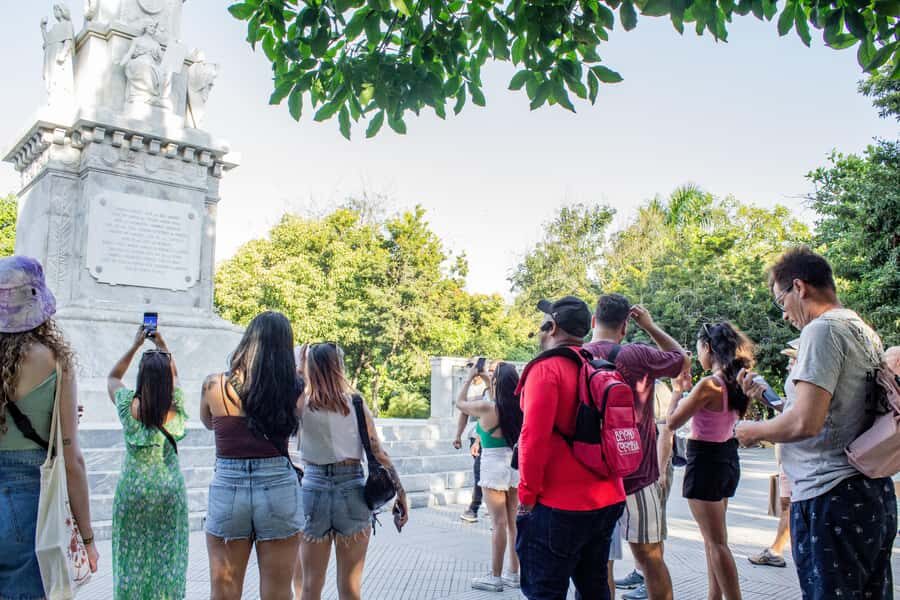
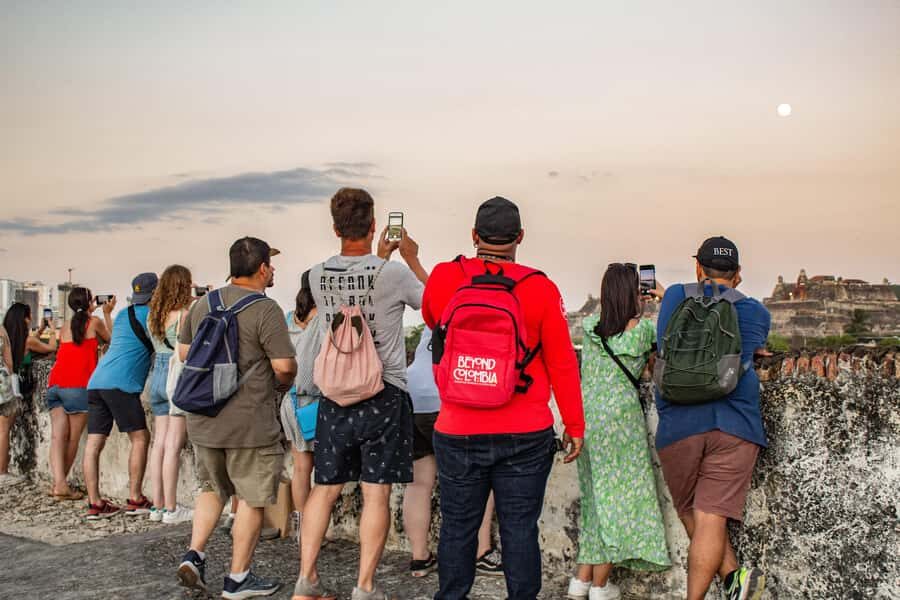
One of the best parts of the whole experience is the stretch tied to the city walls and the Santo Domingo bastion views. Even with clouds or heat, the wall walk gives you that classic aerial sense of Cartagena’s layout: rooftops, streets, and the geometry of the old fortifications.
The value here isn’t just the view. It’s the context. The guide brings in pirate-era stories and defense logic so the walls feel like a lived system. When you look out, you can connect what you see to the idea of surveillance, protection, and surprise.
This is also where the wireless audio really helps. You can turn your head for a photo while still following the explanation. Without audio, you’d miss lines while you fumble with phone cameras or try to hear over other tourists.
Camellón de los Mártires to Parque Centenario: walking between eras
From the walls area, you move along Camellón de los Mártires and onward to Parque Centenario. This segment is the bridge between the tight postcard geometry of the historic core and the broader feel of Cartagena’s living neighborhoods.
Camellón de los Mártires matters because it keeps the walk story-driven, not only sight-driven. You’ll hear connecting themes as you go—how the city’s past keeps influencing present streets.
Parque Centenario gives you a breather in the tour rhythm. It’s a place to reset your legs and refocus your attention. You’ll still be listening, but you’re also getting a small moment of open space.
If you’ve got stiff calves, this is where you’ll appreciate the tour’s pacing. It’s not constant heel-to-toe sprinting, but you still should have comfortable shoes and enough hydration.
Calle de la Magdalena and Calle del Guerrero: details you feel in your feet
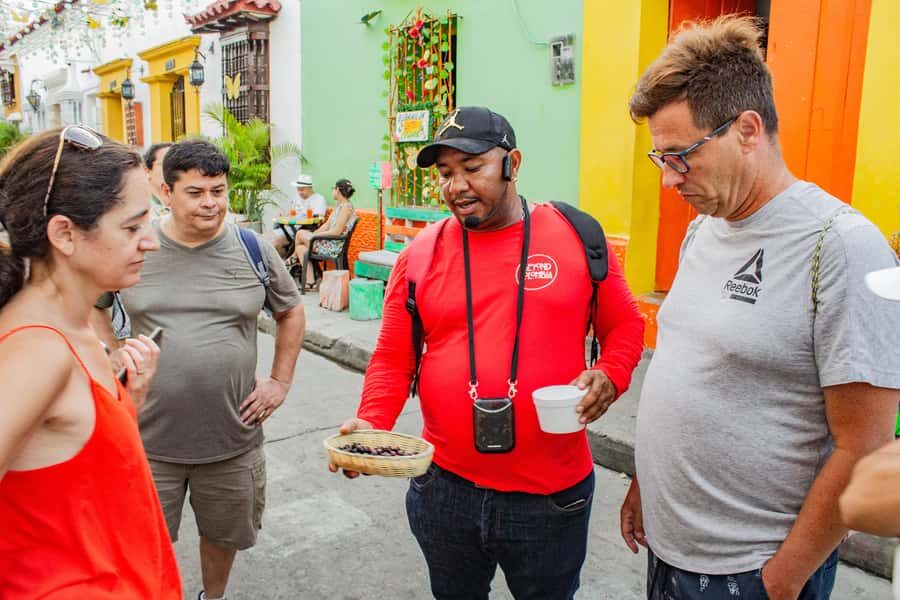
Next comes the street stretch: Calle de la Magdalena and Calle del Guerrero. I like these sections because they teach you to watch the city at street level.
Even if you’re not a history nerd, the guide’s focus helps you notice things that explain how Cartagena evolved: narrow corridors of movement, where people naturally pause, and how buildings frame the way light hits the street.
These walks also prepare you for Getsemaní. You’ll feel the shift gradually—less like you’re passing through a protected enclave and more like you’re heading into a neighborhood with its own rules, energy, and identity.
Plaza de la Trinidad and Callejón Ancho: Getsemaní’s social heart
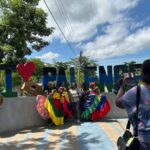
Then you’re in Getsemaní, with Plaza de la Trinidad as a key highlight. This is described as the social and historic heart of Getsemaní, and in practice you’ll feel why quickly: it’s the kind of place where community life is visible.
From there, Callejón Ancho keeps the tour grounded. Narrow streets and open corners matter here because they influence how murals, conversations, and daily movement all fit together.
The tour’s framing is important. Getsemaní isn’t presented as a backdrop for photos. It’s presented as a place locals live, love, and protect. When you listen with that mindset, you start seeing the neighborhood’s messages in the walls, not just the architecture.
Calle de la Sierpe and Getsemaní street art: identity in color
One of the most memorable parts for me is the emphasis on Getsemaní street art, including the area tied to Calle de la Sierpe. This isn’t random graffiti. It’s described as colorful murals reflecting local culture and identity, and you’ll see why it matters once the guide starts connecting the art to themes like resistance and pride.
Here’s a practical way to enjoy this section: pause more than you think you should. Street art can look like “just a picture” at first glance. The guide helps you read it like a message—who it honors, what it responds to, and how the neighborhood tells its own story.
Because you have wireless audio, you can stand close enough to see texture and lettering without falling behind on the narration. It’s a small comfort that makes a difference on these photo-heavy blocks.
Guide style: Beyond Colombia, plus the standout presence of Louis Carlos
This tour is led by a certified guide from Beyond Colombia. The tour materials also highlight a guide name that comes up frequently: Louis Carlos. The common thread in the way guides are praised here is simple—clear, confident storytelling that makes the walk feel structured instead of chaotic.
That matters because Cartagena can overwhelm you fast. Plazas blend into one another. Streets repeat. Buildings look similar until someone gives you the right focus. A strong guide helps you keep your bearings and makes the city feel like it has chapters, not just scenes.
Also, the tour includes local recommendations—where to have lunch, buy coffee, grab souvenirs, plus tips on nightlife and safety. That practical add-on is where you get real value after the tour ends.
Value check: $13 for a 2-hour, 8 km loop that covers two worlds
At $13 per person for about 2 hours, this is positioned as great value—especially because the tour includes wireless audio receivers and a certified guide. In many places, even a short guided walk can cost more once you factor in audio equipment and the time a guide spends steering a group through busy areas.
What you should know when budgeting:
- Transportation to and from your hotel is not included.
- Drinks, food, and souvenirs are not included.
- There are no ticketed attractions baked in; the tour says it won’t send you to places with sudden extra charges.
- You’ll be walking, with resting stops, so plan your day around that physical reality.
If you’re trying to “touch the highlights” without hiring a private guide, this shared format can make a lot of sense. You also get a wristband at the end, which offers benefits and discounts with recommended partners.
Practical tips so your feet and photos survive the day
Here’s how to set yourself up for an easy win:
- Wear comfortable shoes. The tour walks about 8 km.
- Bring water or your preferred hydration. You’re in the sun and you’ll feel it.
- Dress for comfort, not for looking perfect. You’ll be moving and stopping often.
- Keep your belongings close in crowded areas—it’s mentioned as important to avoid easy pickpocket opportunities.
- You can take photos, but video recording and audio recording aren’t allowed on the tour.
Also, plan your start. Arriving 5 minutes early helps you get your wireless receiver quickly. Once the tour begins, the pace and noise rise, and you’ll want to already be set up.
Should you book this Cartagena Old City + Getsemaní tour?
I’d book it if you want two things at once: iconic Cartagena sights and the neighborhood identity of Getsemaní. The Clock Tower, city walls, and plazas give you the classic postcard framework, while the murals around Plaza de la Trinidad and Calle de la Sierpe help you understand what Cartagena feels like when it’s not just staged.
Skip it (or choose another option) if walking 8 km sounds like a problem for your body, or if you fall into the tour’s stated limits for children under 6 or people over 65. And if you’re the type who only wants quiet, slow sightseeing, this one may feel a bit fast because it’s designed for movement and short guided segments.
FAQ
What language is the tour offered in?
The tour is guided in Spanish and English.
Does the tour include wireless audio?
Yes. You’ll get professional wireless audio receivers so you can hear the guide clearly even in busy streets.
How long is the tour and how much do I walk?
The tour lasts about 2 hours and involves walking roughly 8 km, with resting stops along the way.
Where do I meet the guide?
Meet at Plaza de Santo Domingo next to Botero’s sculpture Gertrudis. Look for the guide team with red umbrellas by Beyond Colombia.
Are entrance tickets or paid attractions included?
Tickets or entrances are not included, and the tour notes that it won’t take you to places with sudden extra charges.
What should I bring, and are there any restrictions?
Bring comfortable shoes, comfortable clothes, and water or another hydration option. Video recording and audio recording are not allowed.