REVIEW · CARTAGENA
Tour Compartido al Castillo San Felipe de Barajas Cartagena
Book on GetYourGuide →Operated by Beyond Colombia · Bookable on GetYourGuide
Fortress stones explain Cartagena’s war story. This shared walk connects the street-level rebellion of Getsemaní to the imposing Castillo San Felipe de Barajas, so you see how everyday life fed (and fought for) the city’s survival. I especially liked how the route links murals, music, and local symbols to military strategy, so the fortress never feels like a disconnected museum stop.
Two things I’d repeat without hesitation: the fortress sections about hidden defenses and fortress tunnels, and the viewpoint moments from the Hill of San Lázaro that make Cartagena’s geography click. One heads-up: the walk is long (around 7 km) and the castle entrance is extra, so you’ll want comfortable shoes and a little cash or online access for that ticket.
You also get real human energy from the guide. In the guide lineup I saw mentioned (names like Ronaldo, Luis Carlos, Luis Fernando, and John Serrato), the common thread is clear Spanish storytelling and a lot of history explained in a way that keeps moving.
In This Review
- Getsemaní to San Felipe: Why This Shared Walk Feels Like a Story With Teeth
- Plaza de la Trinidad Meeting Point: The Heartbeat of Getsemaní
- Getsemaní Streets to the Pedro Heredia Bridge: How Resistance Becomes Route Logic
- San Felipe Castle: Cartagena’s Biggest Military Answer to Big Empires
- Fortress Tunnels: When Sound Became a Weapon
- Hill of San Lázaro Viewpoint: The Place Where Control Looks Obvious
- Plaza de la Trinidad Again, in Spirit: Why the People’s Side Matters
- Chocolate Museum Stop: A Small Break That Works
- Entrance Ticket Reality: Budgeting Beyond the $12 Price
- Logistics That Affect Your Comfort (Not Just “Where”)
- Who This Tour Is Best For
- Practical Tips to Make This Walk Easier
- Should You Book This Getsemaní to San Felipe Tour?
- FAQ
- Where do I meet for the tour?
- How long is the experience?
- Is the castle entrance included in the price?
- What language is the guide?
- What should I bring?
- Is audio recording allowed?
- Is there walking involved, and how much?
- Who is this tour not suitable for?
- Final Call
Getsemaní to San Felipe: Why This Shared Walk Feels Like a Story With Teeth
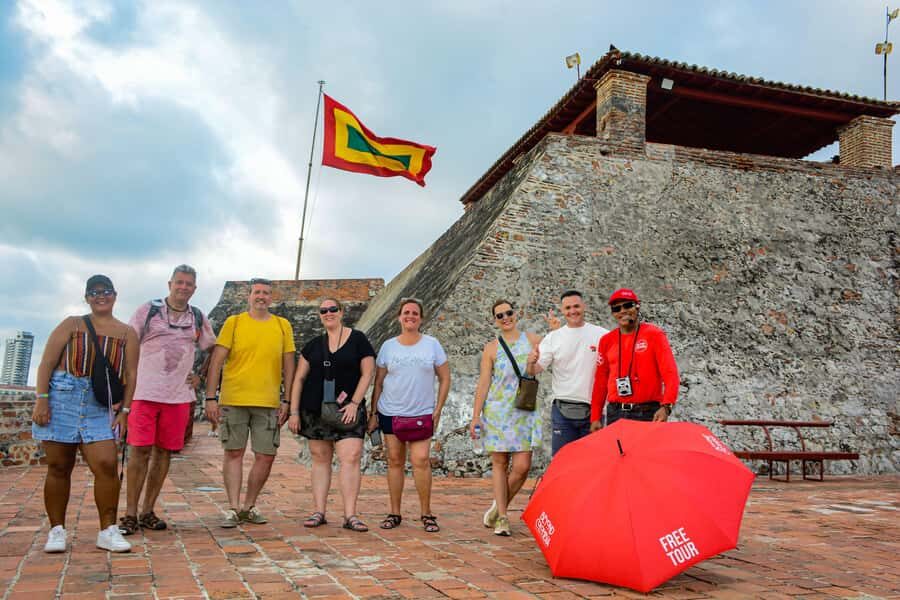
Cartagena’s best tours don’t just show you stone—they explain why that stone mattered. This one starts in Getsemaní, where daily life wasn’t lived behind the safe lines of power. You’re led through the logic of resistance: who lived here, what they made, what they sang, and why rebellion didn’t happen randomly—it grew out of social inequality and daily pressure.
Then the tour physically shifts you into the city’s defense brain. You move from the neighborhood’s human scale to the fortress’s military scale. By the time you reach the castle, the architecture starts answering questions you didn’t know you had: why the defenses were designed the way they were, why certain points controlled movement, and why the city’s attackers struggled.
Plaza de la Trinidad Meeting Point: The Heartbeat of Getsemaní
You meet at Plaza de la Trinidad in Getsemaní, with the group easy to spot under red umbrellas. This matters more than it sounds. In Cartagena, finding your people fast keeps your day calm, and you start this tour already “in rhythm” with the neighborhood instead of rushing straight uphill to the fortress.
From this square, you’ll get the neighborhood’s context: sailors and artisans, freed Afro-descendants, and rebels made Getsemaní a constant pressure on the safer elite side of the city. The tour frames Getsemaní as the outside that changed history from pressure, not privilege. That’s a strong way to begin, because it sets up the emotional contrast you’ll feel later when you stand in front of the castle walls.
Practical tip: plan to hydrate early. The tour includes several stops for explanations and walking transitions, but you still cover ground, so I’d treat water like part of the itinerary, not an afterthought.
You can also read our reviews of more tours and experiences in Cartagena.

Getsemaní Streets to the Pedro Heredia Bridge: How Resistance Becomes Route Logic
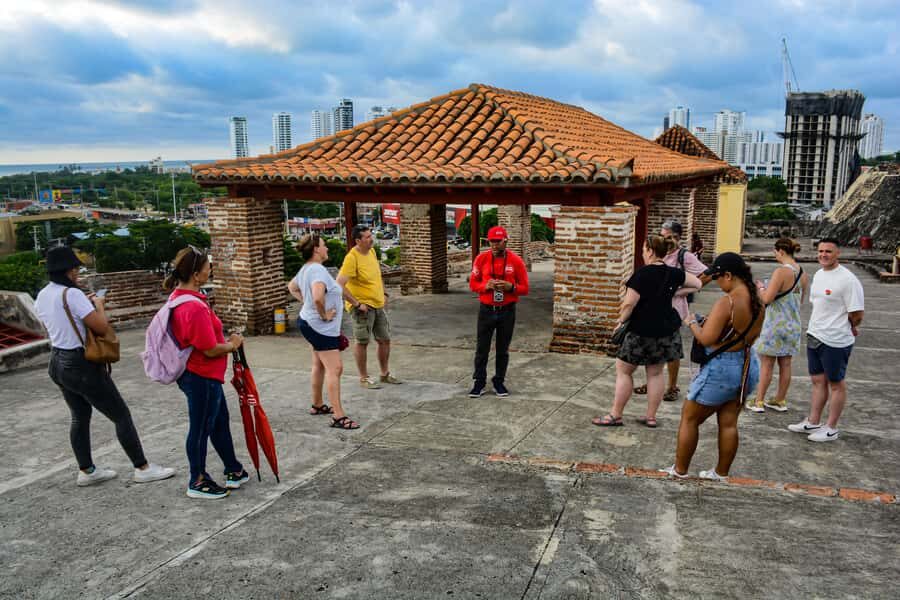
After the start square, you move through the streets in a guided, intentional way—this isn’t just strolling for photos. The tour connects what you see on walls and in street culture to what shaped identity: murals and cultural symbols, plus how music and street life helped resistance stay visible.
You’ll also hear why Cartagena’s independence story isn’t only about one moment or one leader. It’s about inequality fueling tension, and communities taking action when safe channels don’t exist. That theme becomes easier to understand once you see where the tour goes next: from the neighborhood side toward the defensive infrastructure that was built to answer threats.
The walk includes crossing by Pedro Heredia Bridge. Even if you’re not thinking about “infrastructure” as you cross, you’ll feel the shift in atmosphere. It’s the kind of transition that helps you stop seeing Cartagena as only pretty corners and start seeing it as a city engineered under constant pressure.
San Felipe Castle: Cartagena’s Biggest Military Answer to Big Empires
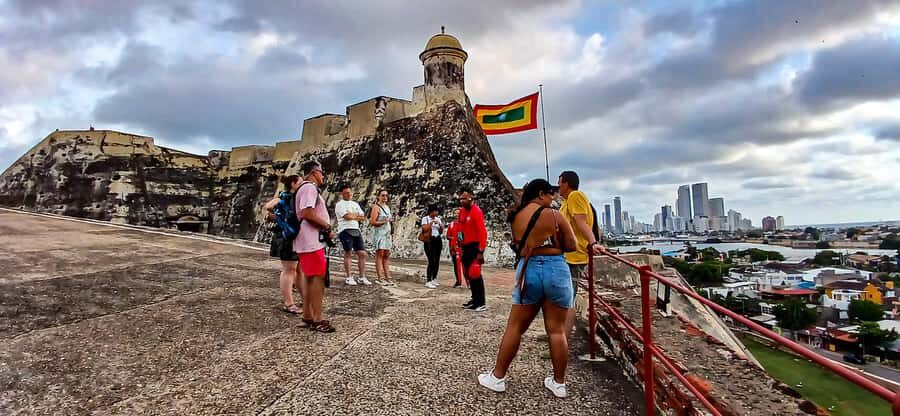
When you finally reach the fortress area, the size and seriousness of the place land immediately. This is Cartagena’s largest fortress and one of the city’s clearest answers to foreign empires and pirate pressure.
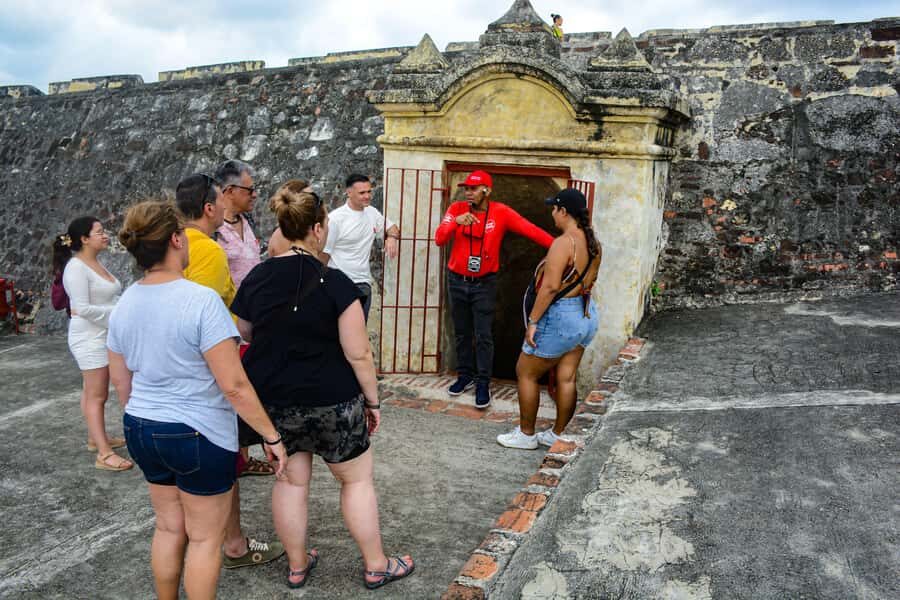
Here’s what I liked most about the way the tour presents the castle: it doesn’t talk about the fortress as a random pile of walls. It explains how and why it was considered extremely difficult to take. The guide’s focus stays on strategy hidden inside design—so you’re not just looking up at battlements; you’re interpreting them.
Expect the narrative to link Cartagena’s reputation—often called La Heroica in local identity—with specific moments of conflict. The tour highlights a major clash where a Spanish force of about 3,000 men defeated over 25,000 British soldiers. That kind of ratio forces you to think beyond “good guys vs bad guys.” It makes the defense plan feel like a system, not luck.
Fortress Tunnels: When Sound Became a Weapon
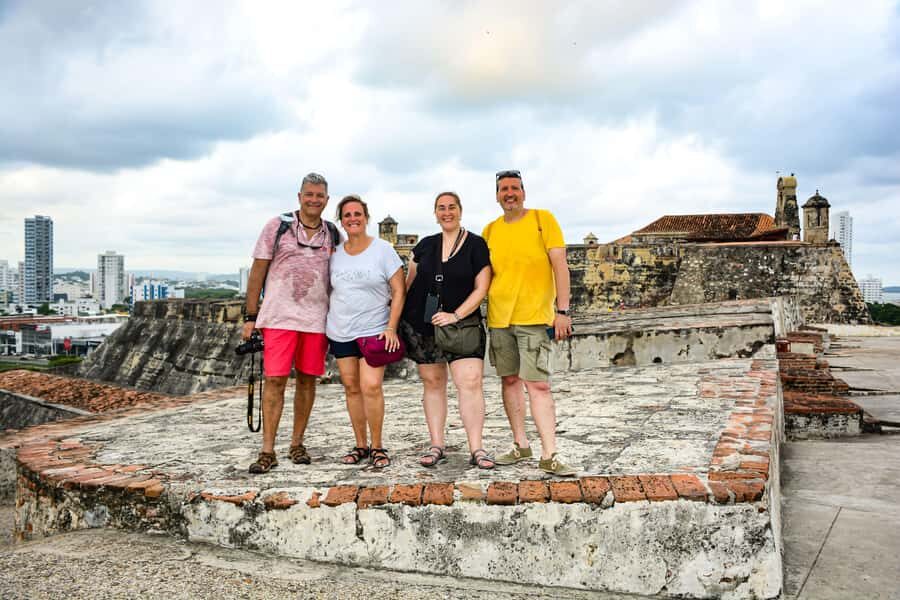
One of the most memorable parts is the fortress’s tunnels—strategic passages used for defense and surveillance. The story centers on a clever system of acoustic behavior: soldiers could potentially hear enemies walking above, while invaders couldn’t easily make sense of what was happening inside.
It’s the kind of detail that turns “fortress tunnels” from an interesting fact into a real mental picture. You start thinking about how battles weren’t only fought with sight, but with timing and information. If you’ve ever watched how a city’s streets work like a map, this part feels like that idea taken to war scale.
Also, this is where the guide’s explanation style matters. The better the guide, the more you’ll understand how the tunnel system fits the broader defense logic instead of treating it as a spooky side attraction.
Hill of San Lázaro Viewpoint: The Place Where Control Looks Obvious
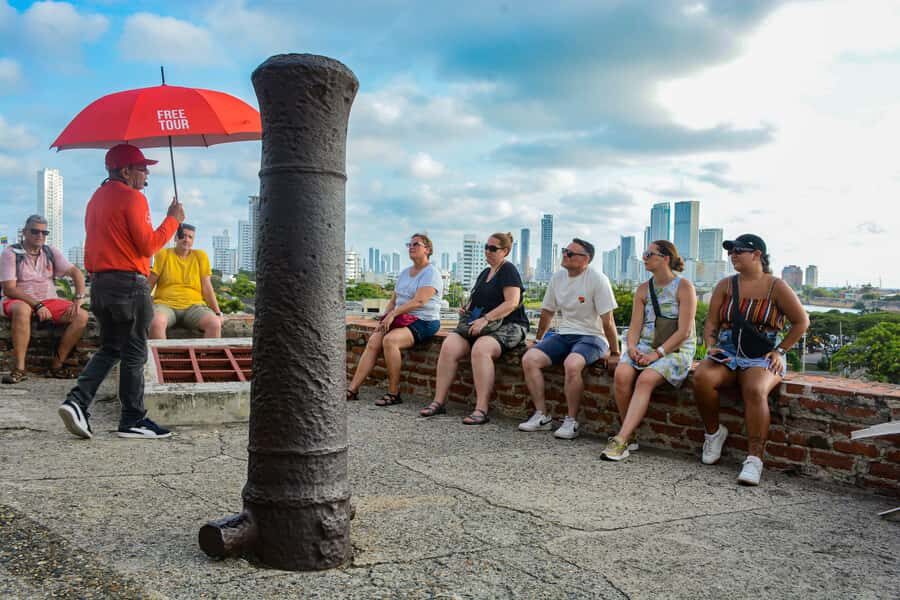
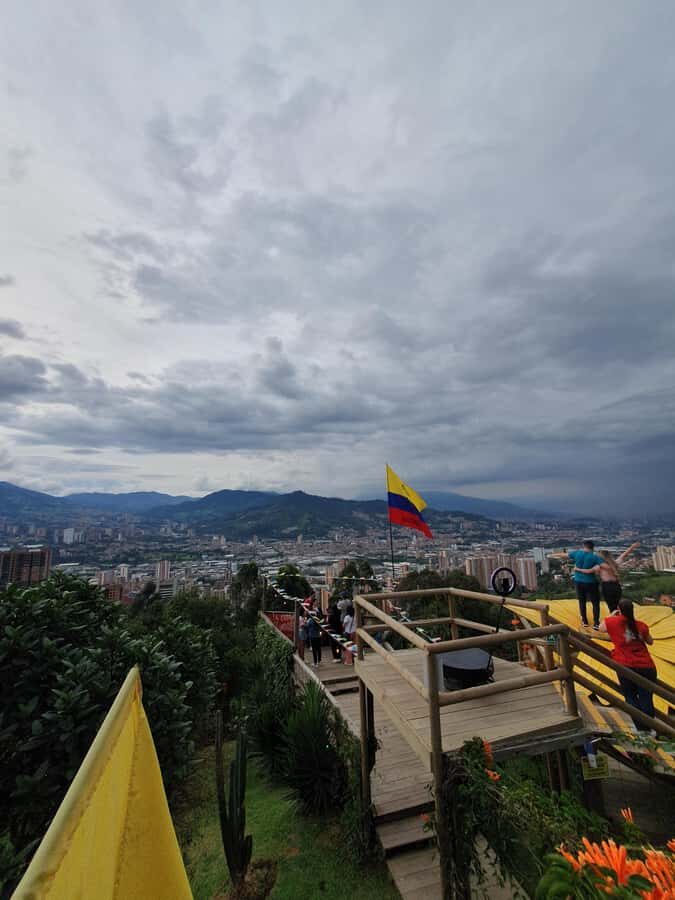
The Hill of San Lázaro is a key stop because it shows how vantage points control a city. The tour frames it as a point that influenced how Cartagena could be managed and defended—basically, what you can see affects what you can protect.
And yes, you’ll get panoramic views. But the value isn’t only the view itself. It’s the understanding that you’re seeing a geography that defenders paid attention to. From up here, the city starts looking like a system of routes and chokepoints, not just a postcard.
This is also a good time to slow down mentally. If you’ve been moving through Getsemaní’s human stories, the viewpoint is where those stories connect to the “why” behind the fortress’s location and the defensive priorities built into it.



Plaza de la Trinidad Again, in Spirit: Why the People’s Side Matters
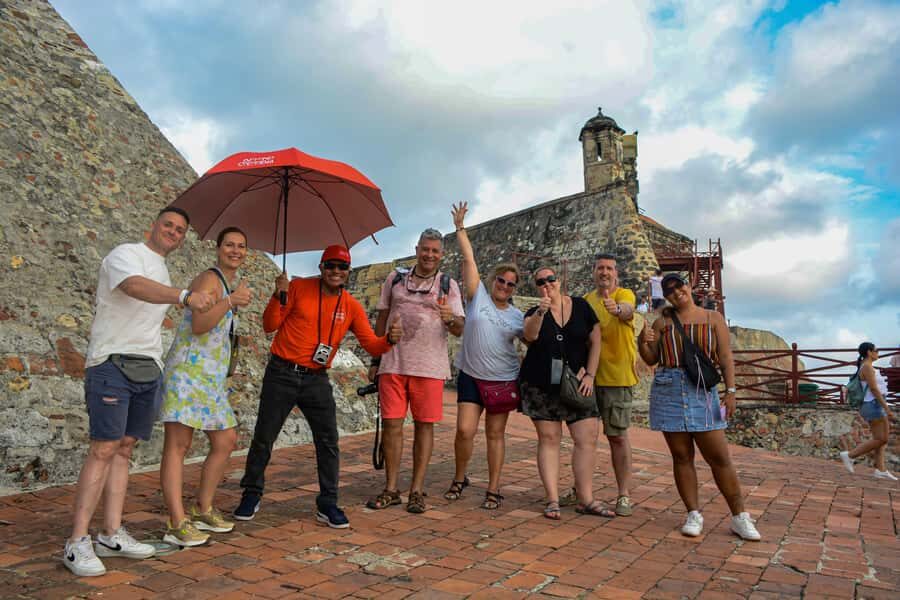
Even as the tour shifts toward military architecture, it keeps returning to the human side. Plaza de la Trinidad is treated like the start of a longer chain, with Getsemaní streets framed as a map of resistance, culture, and independence.
You’ll pick up how social inequality didn’t just create anger—it created a reason for communities to organize, communicate, and keep identity alive through music and symbols. That framing makes the later fortress story easier to swallow. You stop seeing the castle as an isolated hero and start seeing it as something built to protect a city that didn’t all live in the same comfort zone.
Chocolate Museum Stop: A Small Break That Works
The tour includes a stop at the Chocolate Museum, with a photo and tasting moment. This is a nice contrast to the heavy military story and gives your legs a short reset.
I treat it like this: if you’re going to cover about 7 km on foot, you want at least one planned pause where you’re not just listening and walking. The museum stop does that, and the tasting means you get something tangible without spending extra time searching on your own.
Entrance Ticket Reality: Budgeting Beyond the $12 Price
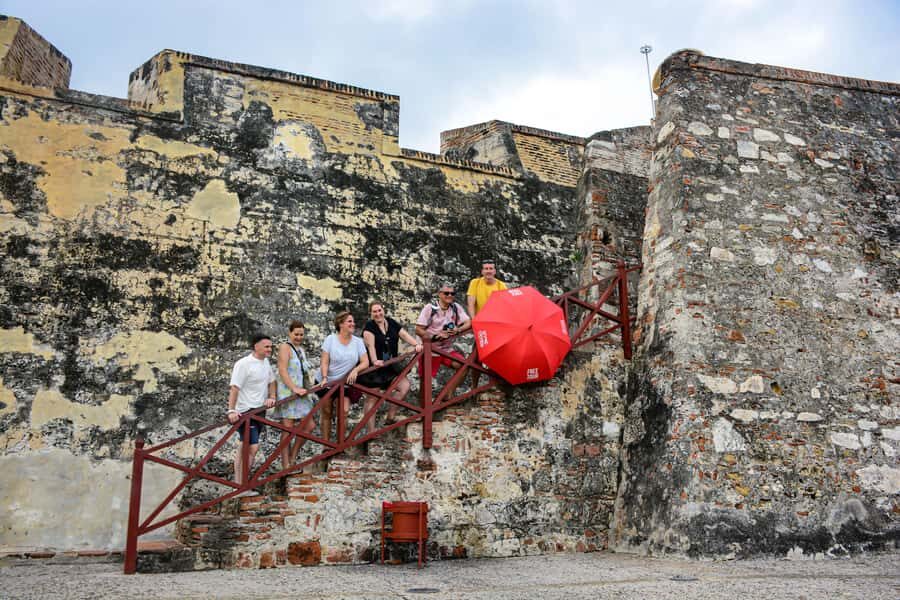
Let’s talk value the honest way. The price is listed as $12 per person, which is low for a guided walk that lasts about 150 minutes and includes a guided route from Getsemaní toward the fortress area plus a museum stop and partner-map discounts.
But the major cost you need to budget is the castle entrance ticket: 33,000 COP per person, purchased independently at the official booth (or online). The tour itself is guiding you to the monument and setting up context, but it’s not included in the base price.
What that means for you: if you’re trying to keep the day cheap, you should plan your payment method before arriving. If you’re already comfortable buying entrance tickets on the spot, it’s straightforward. Either way, this extra fee is worth knowing up front so your budget doesn’t get surprised at the gate.
Logistics That Affect Your Comfort (Not Just “Where”)
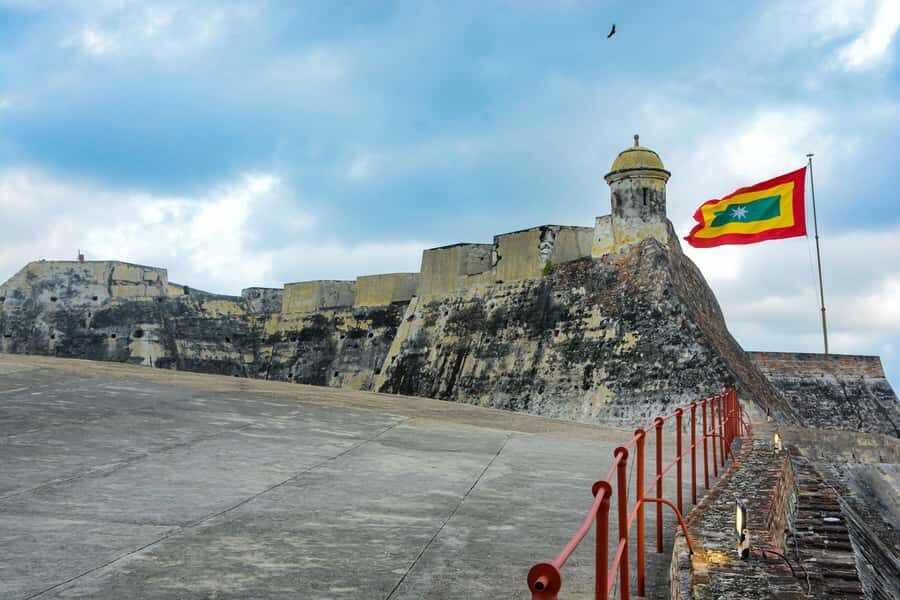
This is a walking tour with several rest stops. You’re looking at about 7 km of walking, and it’s designed for people who can handle steady pace plus climbs. It’s a shared group experience, so you won’t have a private-guide route where every stop is tailored to your pace.
Language is Spanish, so if Spanish is limited, you can still follow along if you’re comfortable with historical context—but you’ll likely enjoy it most with at least basic comprehension.
Not allowed: alcohol and drugs, and audio recording. That’s mainly about keeping the tour respectful in crowded areas and maintaining guide control of the experience.
Who This Tour Is Best For
This one is a strong match if you like history that explains systems—how decisions, design, and geography worked together. You’ll also enjoy it if you care about Getsemaní as more than a colorful neighborhood and want the independence and resistance context connected to the fortress story.
It’s not a great fit if you need mobility support. It’s marked as not suitable for wheelchair users, and also not recommended for children under 10 or people over 70. If you fall near either edge (like kids who usually struggle with long walks, or older adults who tire fast), you should think twice and consider a shorter option.
If you’re traveling solo, the shared group vibe is also a plus. You’ll walk together, listen together, and reach the viewpoints as a group rather than feeling like you’re doing hard climbs alone.
Practical Tips to Make This Walk Easier
A few small choices can make the day feel relaxed instead of rushed:
- Wear comfortable shoes first, then worry about style.
- Bring water. The tour explicitly warns that thirst can happen—so don’t gamble.
- Consider carrying a small snack if you get hungry between stops; the tour includes a tasting, but it’s not a full meal.
- If you want photos at the viewpoint and fortress, plan to take them during stops rather than at random while walking.
One more detail: keep your belongings close in busy areas. The tour moves through public streets, so normal city-smart behavior matters.
Should You Book This Getsemaní to San Felipe Tour?
Yes, if you want a guided route that links Cartagena’s people to Cartagena’s defenses in a way that actually makes sense. The combination of Getsemaní culture, a fortress story with strategy, and a practical viewpoint stop gives the experience shape. It’s also good value at $12, as long as you budget for the 33,000 COP entrance ticket.
Skip it (or rethink your day plan) if you know you’ll struggle with about 7 km of walking, if you’re sensitive to climbs, or if Spanish guidance is a barrier for you. Otherwise, this is exactly the kind of tour that turns Cartagena from scenes into meaning.
FAQ
Where do I meet for the tour?
You meet at Plaza de la Trinidad in Getsemaní, and the group is identified by red umbrellas.
How long is the experience?
The tour lasts about 150 minutes.
Is the castle entrance included in the price?
No. Castle entrance costs 33,000 COP per person, and you buy it yourself at the official booth or online when you arrive at the entrance area.
What language is the guide?
The live guide speaks Spanish.
What should I bring?
Bring comfortable shoes and water.
Is audio recording allowed?
No audio recording is allowed during the tour.
Is there walking involved, and how much?
Yes. It’s a walking tour with several stops, around 7 km total.
Who is this tour not suitable for?
It’s not suitable for children under 10, wheelchair users, and people over 70.
Final Call
If your goal is to understand why Cartagena was so fiercely defended, book it—just go in ready for a real walking day, and plan the extra entrance ticket so you can focus on the story once you reach San Felipe de Barajas.