REVIEW · CARTAGENA
Tour Compartido de Gabriel García Marquez en Cartagena
Book on GetYourGuide →Operated by Beyond Colombia · Bookable on GetYourGuide
One neighborhood. A Nobel-sized story. This Gabriel García Márquez shared tour turns the San Diego district into a walk you can read like literature, with politics, faith, and everyday life showing up in the places Gabo would have known. I especially like how the guide keeps the story grounded in real Cartagena, not just quotes and big ideas, and how the tour helps you connect balconies, houses, and streets to the feel of Gabo’s novels. The one catch: it’s a long walking day—about 8 km—and it’s Spanish-only.
You start at a loud landmark, then step into the quieter geometry of San Diego’s colonial streets. I also like that the pacing includes listening stops, so it’s not a nonstop sprint through pretty streets. The main drawback to plan around is physical comfort and language: bring comfortable shoes, expect steady walking, and know it’s live guide in Spanish.
In This Review
- Key Things You’ll Notice on the San Diego Gabo Walk
- From Botero to Balconies: The Tone of This Tour in Cartagena
- San Diego District: Where Everyday Life Becomes Story Material
- A small planning note
- Plaza de San Diego: A Literary Stop You Can Feel in Your Legs
- Colonial Balconies and Houses: Learning the Language of Power
- Gabo’s Legacy in Cartagena: Nobel Work Meets Local Memory
- What about the length?
- Getting the Most Out of a Shared Tour (Without Missing the Story)
- What’s Included for $12: Value in Real Guidance and Local Advice
- Who This Tour Fits Best (and Who Might Want a Different Plan)
- Practical Tips Before You Go (So the Story Lands)
- Should You Book the Cartagena San Diego Gabo Tour?
- FAQ
- Where is the meeting point for the tour?
- How long does the tour last?
- Is the tour in English or Spanish?
- Is food or drinks included?
- Do I need to arrange transport to the neighborhood?
- Can I record audio during the tour?
- What should I bring for the walk?
- Is the tour suitable for older travelers?
- Is there wheelchair accessibility?
- Are alcohol and party behavior allowed?
Key Things You’ll Notice on the San Diego Gabo Walk
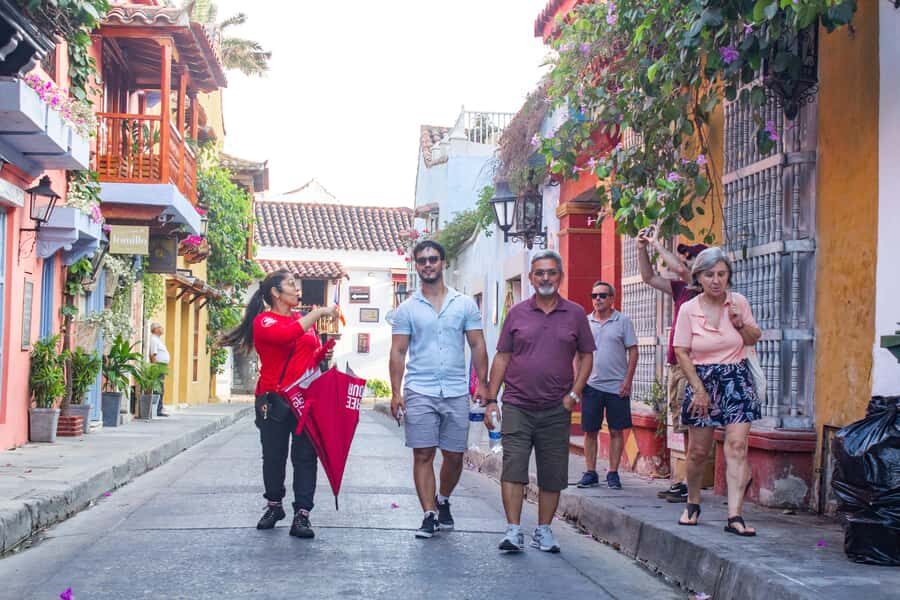
- San Diego as the real “stage” for Gabo’s imagination, not just a backdrop
- Plaza de San Diego as a literary-feeling stop that ties Cartagena’s golden era to Gabo’s world
- Colonial balconies and houses explained as symbols of power, status, and family pride
- Faith, secrets, and memory in the neighborhood’s older rhythm (including convent life and historic bells)
- The Nobel legacy explained in plain language, with clear links to the novels
- Practical guidance after the tour, including local store recommendations for lunch, coffee, and souvenirs
From Botero to Balconies: The Tone of This Tour in Cartagena
You meet at a big, iconic starting point—the Botero sculpture Gertrudiz in Santo Domingo Square—then you move fast into the mood change. That’s one of the clever parts of this experience: it helps you go from the city’s public face into San Diego’s older, more intimate streets.
San Diego is one of Cartagena’s older neighborhoods inside the walled city. Historically, it was tied to power and spirituality, with influential families, religious orders, and merchants living here. As you walk, you get the sense that this district isn’t “scenery,” it’s a memory machine—one that shows up in the emotions and social dynamics behind Gabo’s writing.
And yes, the tour leans into magical realism, but it doesn’t treat it like a trick. The way the guide frames it, magical realism isn’t a random invention—it’s a way of noticing how daily life can feel strange, symbolic, and charged, especially in a place like Cartagena.
You can also read our reviews of more tours and experiences in Cartagena.



San Diego District: Where Everyday Life Becomes Story Material
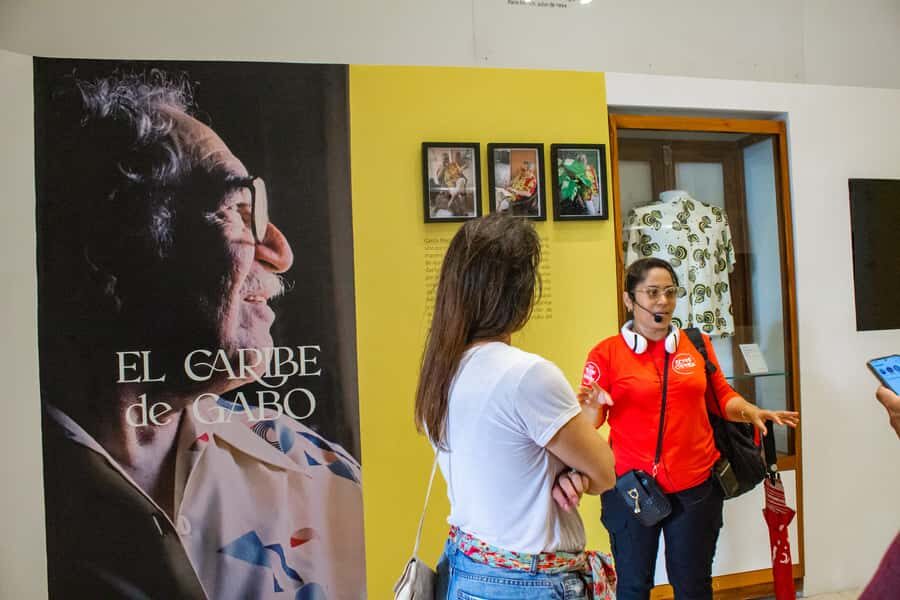
This tour’s spine is the San Diego neighborhood itself. You’re not just strolling; you’re learning how the neighborhood’s colonial layout and social history feed into the themes Gabo became famous for: power, loneliness, love, faith, and the feeling that history is never finished.
San Diego is described as a place with hidden layers: some houses had internal corridors that let people move unseen, and convents played a role in the local colonial economy. You’ll also hear about historic details like original bells dating back to the 17th century, which helps the area feel less like a postcard and more like something lived-in for centuries.
The guide connects these elements to how Gabo’s stories “work.” In other words, you learn to watch for what’s happening underneath the surface: who has the status, who controls the spaces, and who gets left out of the public story. That makes the walk more than pretty architecture—it turns it into a lens for reading Cartagena.
A small planning note
Because this is a walking tour with rest stops, your comfort matters. Plan on comfortable shoes and water (or your preferred hydration), especially since you’ll walk about 8 km.
Plaza de San Diego: A Literary Stop You Can Feel in Your Legs
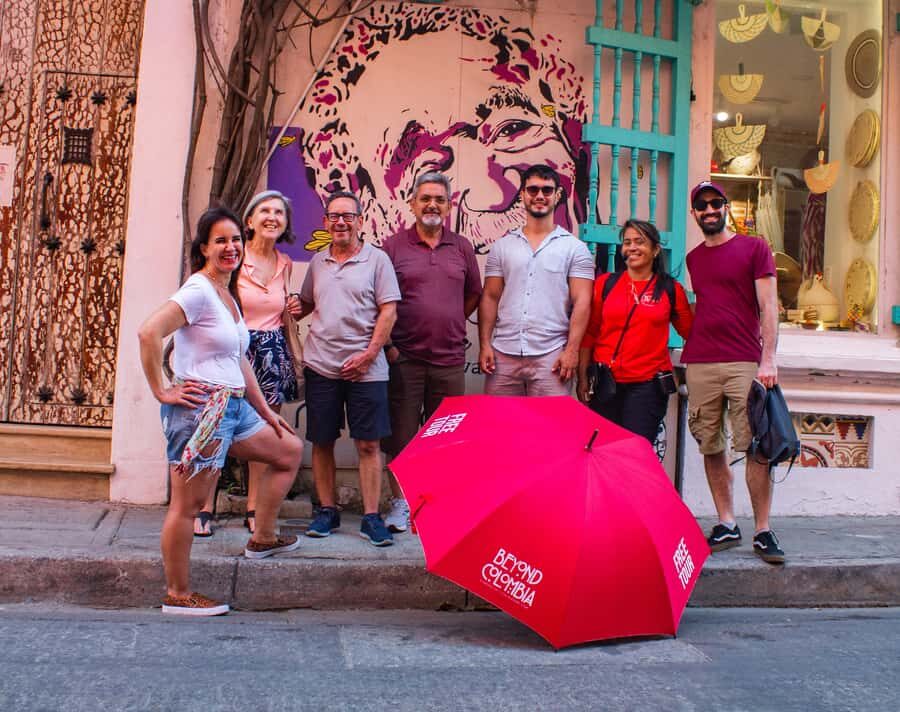
Plaza de San Diego is one of the tour’s key anchors. It’s framed as a setting that echoes Cartagena’s “golden era,” and the guide uses it to bridge the street-level world you see with the larger literary world Gabo created.
What I like about this stop is how it changes your sense of time. At plazas like this, the city’s social center becomes visible: it’s where people gather, where stories travel, and where the public version of life meets private concerns. That “meeting point” is exactly the kind of tension that shows up in Gabo’s work.
It’s also a good spot to reset your pace. Even if you’re not a literature superfan, you’ll likely appreciate the structure: a plaza moment that gives you context, then the walk continues with that context in mind.
Colonial Balconies and Houses: Learning the Language of Power
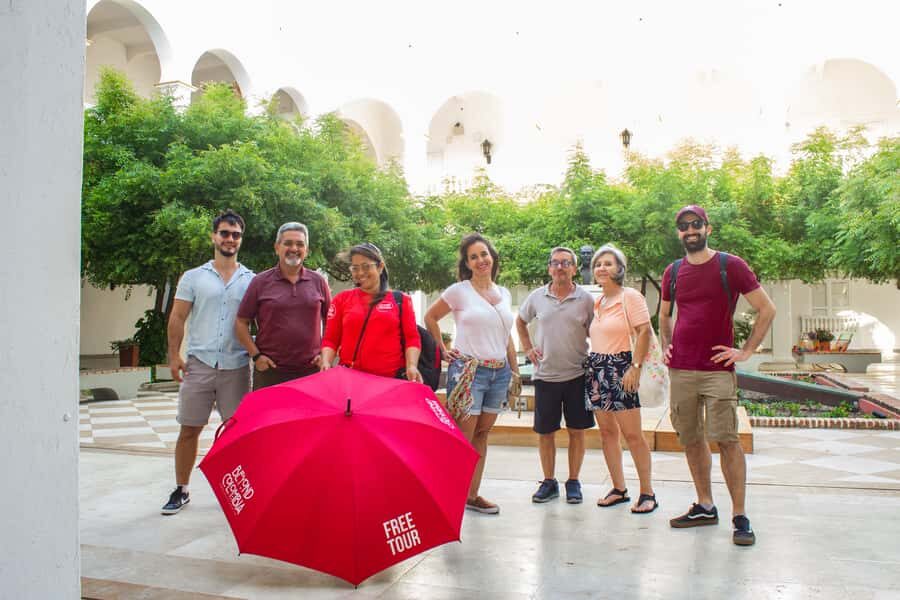
Cartagena’s colonial balconies are decorative, sure—but the tour emphasizes that they also carry meaning. You’ll be guided through how balconies and houses acted as symbols of power, status, and family pride, which is a useful way to look at what you’re seeing.
This matters because it changes how you photograph buildings. Instead of aiming at pretty details only, you start noticing the social message: who looks out, who is seen, and who stays inside. In a neighborhood tied to older systems of influence, that view-from-the-balcony idea becomes more than architecture—it becomes a theme.
The guide ties those signals into Gabo’s creative thinking: how real places shape fictional emotions. If you’ve ever felt like magical realism is just a fancy storytelling style, this is where you see the mechanics. The neighborhood provides the pressure, the contradictions, and the atmosphere that make “impossible” moments feel believable on the page.



Gabo’s Legacy in Cartagena: Nobel Work Meets Local Memory
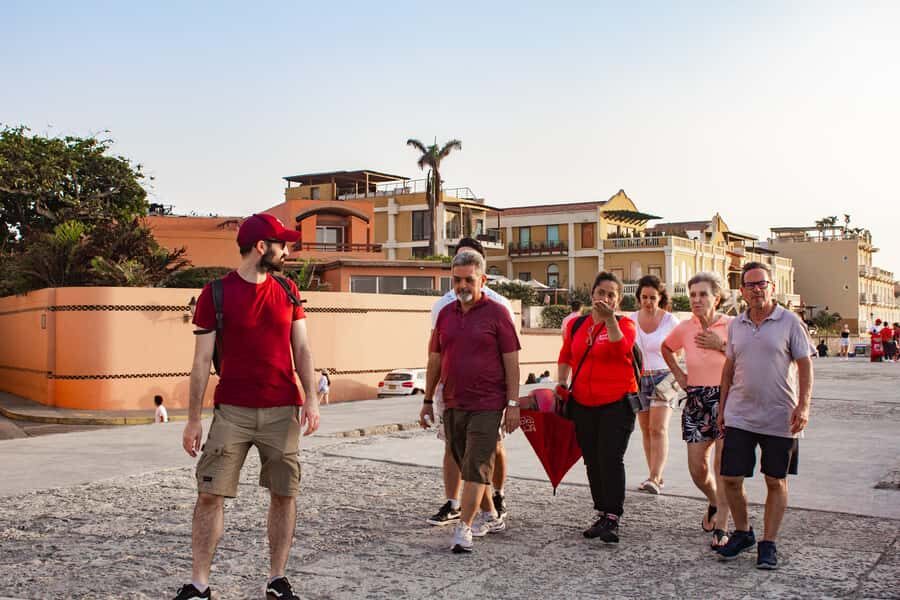
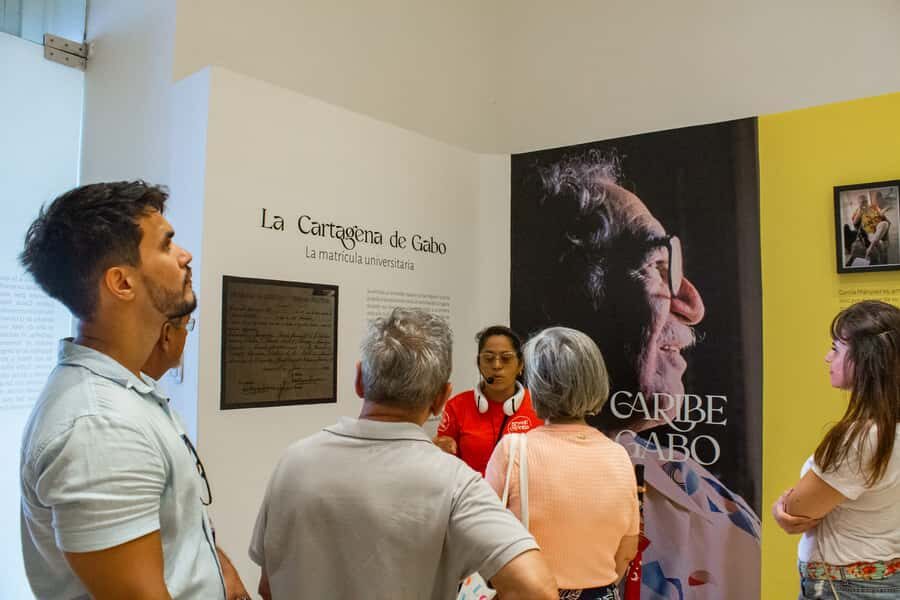
This is the heart of the tour—how Cartagena shaped Gabo’s life and how stories formed from real places. The guide presents it as a narrative thread, not a lecture dump, with the goal of helping you understand how the city became a kind of emotional laboratory.
You’ll hear about Gabriel García Márquez’s legacy, including the connection between his life and his major work, and you’ll get specific literary framing tied to what you’re seeing around you. The tour highlights how characters were often inspired by people who walked these streets, which is one of the most powerful ideas in the whole experience.
That also helps answer a question a lot of first-time Gabo visitors have: Is magical realism about fantasy? Here, the emphasis is that it’s about turning reality until it reveals its hidden strangeness. Cartagena, with its layered history, supplies that raw material.
What about the length?
The experience is advertised at about 2 hours, but the tour description notes around 2 hours and 30 minutes. Either way, it’s a compact tour. You’ll get storytelling plus walking, without losing the thread.
Getting the Most Out of a Shared Tour (Without Missing the Story)
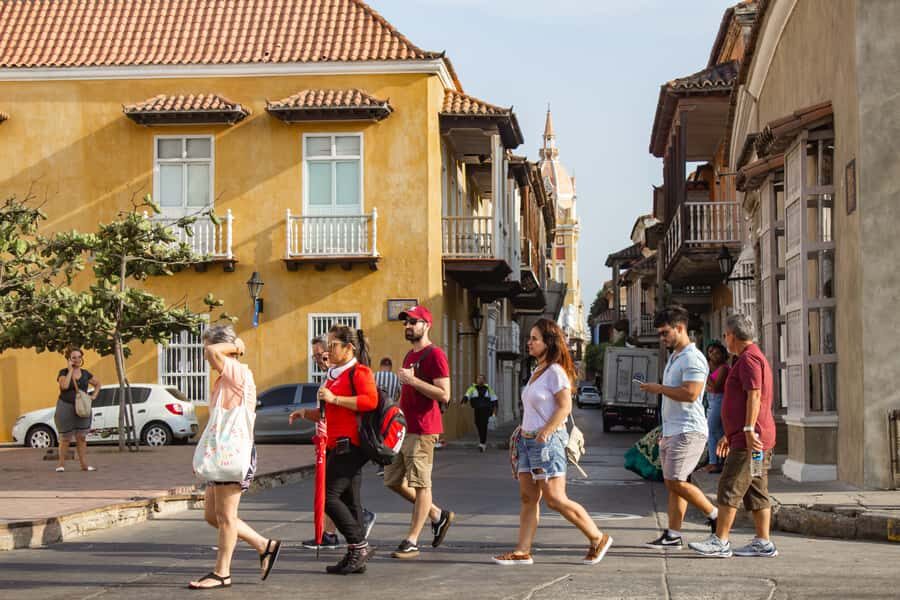
This is a shared tour, which means you’ll likely hear the guide adjusting for different interests in the group. One practical benefit: it makes it easier to compare notes afterward—people naturally want to talk about which street felt most connected to a scene or theme.
Still, you should come with expectations. This isn’t an action tour and it’s not a museum-style quiet hour. It’s a walking narrative in a real neighborhood, and the guide’s job is to keep the story moving while still taking listening breaks.
Also keep in mind what’s not allowed: audio recording is off-limits, and the tour prohibits alcohol and drugs and party groups. If you like to record everything, plan to rely on memory and notes instead.
What’s Included for $12: Value in Real Guidance and Local Advice
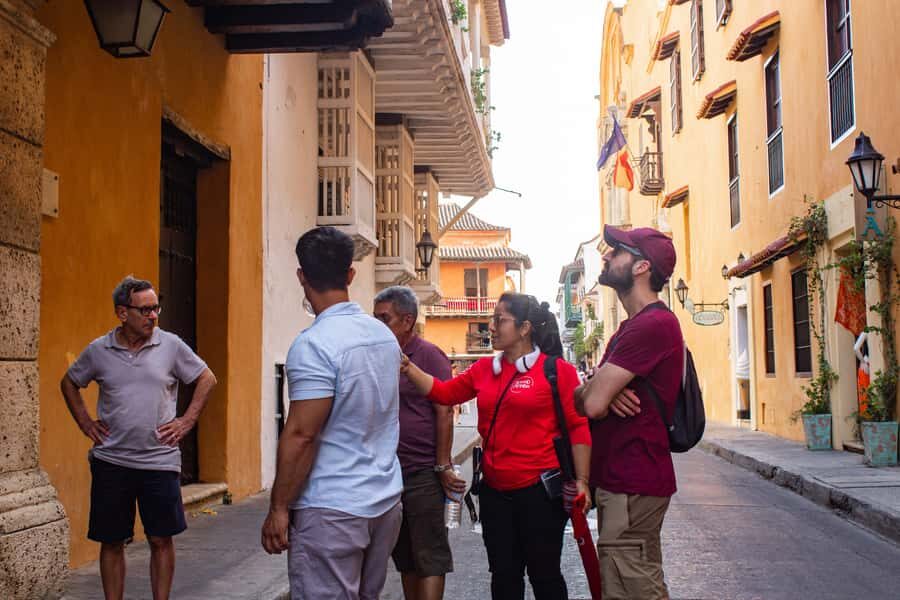
Let’s talk value, because $12 isn’t much—but for this kind of experience, it’s the guide that makes the price make sense. You get an expert guide in Spanish with precise, objective knowledge of Gabo’s literature and life. You also get the structure: a tour through essential San Diego places, designed to connect the neighborhood’s details to the writer’s themes.
On top of the walking story, you also receive practical perks: recommendations for lunch, coffee, souvenirs, and local stores. It’s not just “here’s history,” it’s also “here’s what to do next,” which is useful when you’re in Cartagena and want a plan that doesn’t require guesswork.
There’s also mention of benefits and discounts with recommended friends if you show the handle they give you at the end. That’s a nice bonus if you follow through, but the core value is still the guided narrative.
And importantly, there are no “surprise add-ons.” The tour explicitly says you won’t be taken to places with sudden additional charges.
Who This Tour Fits Best (and Who Might Want a Different Plan)
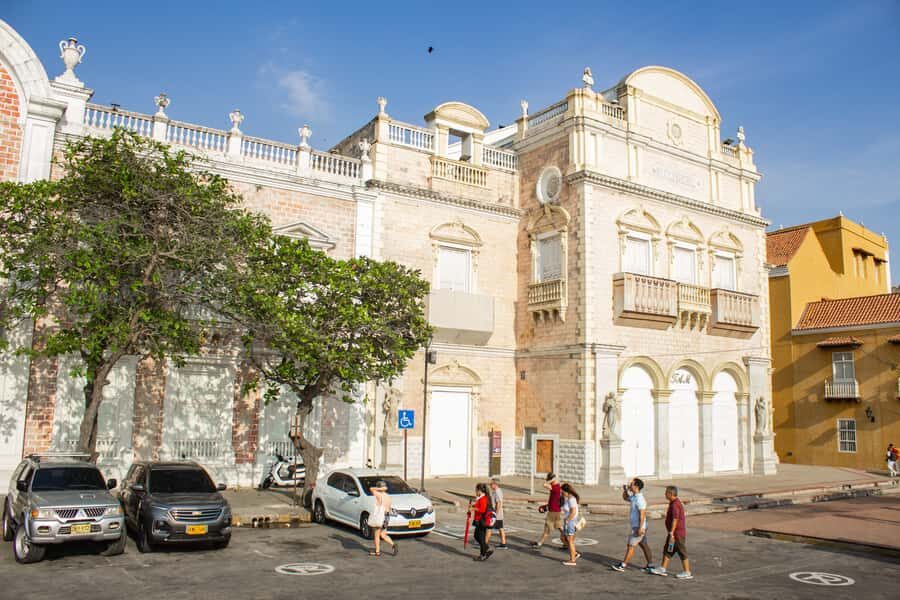
This experience is best for people who enjoy literature and who like understanding how places shape stories. If you like walking tours but sometimes find them too visual-only, this one gives you a reason to slow down. You’ll be looking at balconies and streets with questions in your head: Who had access? What was public vs private? How does faith and politics mingle?
It’s also a solid option if you’re a Gabo fan who wants connections beyond the famous titles. The guide focuses on Gabo’s life, Nobel legacy, and the way real settings influence his writing.
The main mismatch is physical and language comfort. You should be ready for a long walk (around 8 km) and the tour is not suitable for people over 65. And since it’s live guide in Spanish, it works best if you can follow Spanish comfortably.
Practical Tips Before You Go (So the Story Lands)
Here’s how to set yourself up for a better experience:
- Wear comfortable shoes. You’ll walk about 8 km, with stops.
- Bring water or your hydration preference, especially if Cartagena feels warm to you.
- Dress for comfort more than photos. You’re walking long enough that fashion becomes a distraction.
- Keep your belongings close in busy areas. The tour notes that some sections get crowded.
If you want to get extra value, think about your favorite Gabo theme ahead of time—love, politics, loneliness, or faith. When the guide links that theme to what you see in San Diego, you’ll feel the “why” behind the magic realism.
Should You Book the Cartagena San Diego Gabo Tour?
Book it if you want a literary walking experience that connects Gabo’s life to the real streets of Cartagena. The guide’s strength comes through in the way people describe the explanations as clear, dedicated, and strongly informed, including references to Gabo’s bibliography and the political side of his story.
Skip it or consider a different option if you’re looking for a short, easy stroll or you don’t want a long walk. Also, if Spanish is a barrier, this tour won’t become easier on the spot—because the guide is the whole point of the experience.
In a city full of tours, this one has a specific promise: you leave with a new way to see San Diego. You don’t just know where Gabo’s world felt possible—you understand why Cartagena could turn ordinary life into the kind of storytelling that still feels alive.
FAQ
Where is the meeting point for the tour?
You meet at the Botero sculpture Gertrudiz in Santo Domingo Square, with the red Beyond Colombia team.
How long does the tour last?
The tour is listed as about 2 hours, and the description also notes it runs approximately 2 hours and 30 minutes.
Is the tour in English or Spanish?
The tour runs with a live guide in Spanish.
Is food or drinks included?
No. Drinks, food, and souvenirs are not included.
Do I need to arrange transport to the neighborhood?
Transport from and to your hotel is not included, and the tour is walking-based with rest stops.
Can I record audio during the tour?
No. Audio recording is not allowed.
What should I bring for the walk?
Bring comfortable shoes and comfortable clothes, and also plan to have water or your preferred hydration.
Is the tour suitable for older travelers?
It is not suitable for people over 65.
Is there wheelchair accessibility?
Yes, the activity is listed as wheelchair accessible.
Are alcohol and party behavior allowed?
No. Alcohol and drugs are not allowed, and party groups are not allowed.