REVIEW · BOGOTA
Historical tour Bogota
Book on Viator →Operated by Free Tour Bogota - Agencia de viajes Oaca Colombia · Bookable on Viator
Bogotá has a fast, moving story. This 3-hour historical walk through La Candelaria and nearby center streets links indigenous life, Spanish colonization, independence, and the Bogotazo to the actual corners you stand on. I love how the tour balances big national events with everyday Bogotá details, and I love that famous names like Fernando Botero and Gabriel García Márquez are tied to real places, not just facts on a slide.
One thing to plan for: it’s a steady walking tour with multiple plazas and viewpoints. If you’re not used to walking (moderate physical fitness is recommended) or you get tired in crowds, the ~30-person group moving block-to-block may feel like more than a casual stroll. Bring comfortable shoes, and keep an umbrella handy since it won’t cancel for bad weather.
In This Review
- Key highlights you’ll feel right away
- Why this 3-hour Bogotá history walk works so well
- Price and what you really get for about $19.77
- Start point in La Candelaria: how to avoid wasting your first 10 minutes
- Plaza de Bolívar: the political origin story, in 30 minutes
- Teatro Colón: a classic landmark with Bolívar’s connection
- Museums del Banco de la Republica: Botero’s story starts outside the walls
- Chorro del Quevedo: the foundation square and the chicha question
- Plaza De Mercado La Concordia: market life plus a taste decision
- Eje Ambiental: Monserrate views and García Márquez’s social scene
- Jorge Eliécer Gaitán Monument: the Bogotazo explained at human scale
- Rosario Square: finishing at a market hub with a plan for your next hours
- What you’ll notice during the walk (and what to bring)
- Who this tour is best for
- Should you book this Bogotá historical tour?
- FAQ
- FAQ
- How long is the Bogotá historical tour?
- Where does the tour start and end?
- What’s the price per person?
- What areas of Bogotá does the tour cover?
- Are there admission tickets required for the stops?
- Does the tour run in bad weather?
- Is the tour suitable for people with limited mobility?
- What group size should I expect?
- Is a mobile ticket used?
- What is the cancellation policy?
Key highlights you’ll feel right away
- A tight 3-hour timeline of Bogotá’s history without bogging you down
- Seven-plus key stops from Plaza de Bolívar to Rosario Square
- Stories that connect legends to street-level Bogotá, including El Dorado and chicha
- Culture stops that point you toward where to go next, especially around La Candelaria
- Guides who keep the pace friendly, with praise for people like Paula, Jennifer, Ricardo Jiménez, and Diane
Why this 3-hour Bogotá history walk works so well
If you only have a day or two in Bogotá, you don’t need a textbook. You need bearings. This tour gives you that fast, because it’s built around the city center’s most important anchors: plazas, a theater, viewpoints, and market life. Within a few blocks, you’re moving through the story of how the capital formed, who lived here first, and how later events shaped what Colombia became.
The best part is how the tour talks about history like it’s happening in front of you. Plaza de Bolívar isn’t just a pretty landmark. It becomes the starting line for understanding how Bogotá grew into a political and cultural hub. And the narrative doesn’t stop at independence dates; it reaches the 20th century too—especially the Bogotazo—so you understand why some neighborhoods and national conversations have the tone they do.
I also like that it’s not just monuments. You get street-level Bogotá: how people eat and drink, how markets function, and what’s passed down through culture. You’ll walk away with a clearer sense of how Colombians live in Bogotá now, not only how history sounded.
You can also read our reviews of more historical tours in Bogota
Price and what you really get for about $19.77
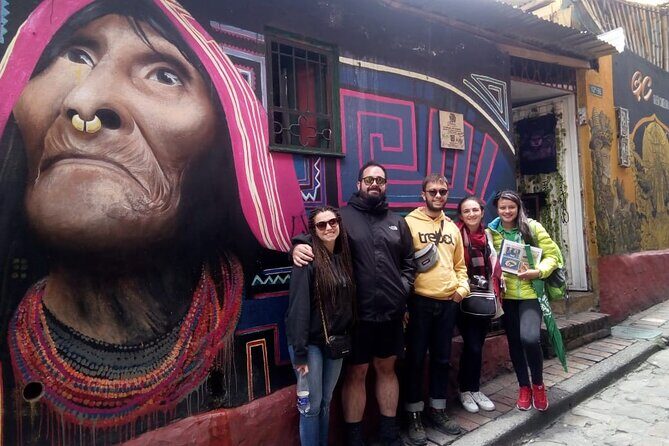
The listed price is $19.77 per person for an approximately 3-hour guided group tour. For a downtown walking experience with a guide, that’s solid value—especially because most stops are described as free entry at the point you visit them.
A free tour format usually means you’re paying for guidance and structure, not for museum tickets or transport. Here, the included value is mainly:
- a tour guide
- a guided walk through the center areas of interest
- a route designed to hit multiple themes (politics, art, daily life)
What you don’t get included is snacks, drinks, meals, or purchases. That’s actually helpful: you can choose what fits your pace and tastes. If you want coffee, a local juice, or chicha at the market stop, the tour sets the moment up—you decide what to buy.
Also, there are mobile tickets and group discounts. Mobile ticketing matters in Bogotá because meeting points can be easy to miss if you rely only on paper.
Start point in La Candelaria: how to avoid wasting your first 10 minutes
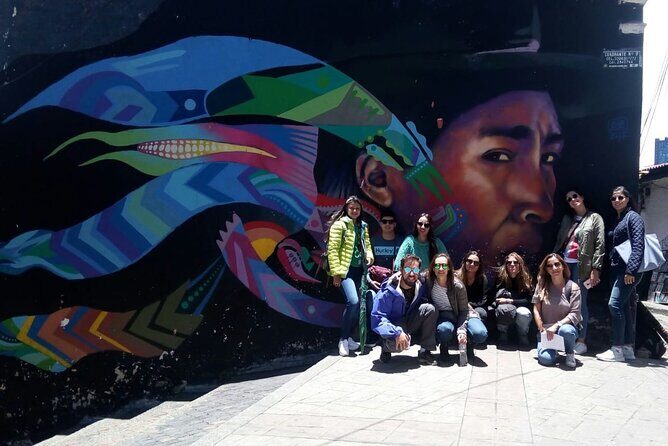
The meeting point is Cra. 7 #11-10, La Candelaria, Bogotá. The walk ends in La Candelaria too, around Av Jimenez de Quesada #6-71, at Rosario Square.
This matters because La Candelaria is the kind of neighborhood where streets change character quickly. If you arrive late or confused, you’ll spend your tour time catching up instead of learning. I’d plan to show up early, and I’d arrive with your phone charged so you can verify the spot on the map.
The tour also runs as a group (maximum 30 travelers) and you’ll want moderate physical fitness. That means: expect uphill-ish moments and stairs in old center areas, plus time spent outdoors.
One more practical note: the tour says it won’t be canceled due to bad weather, so your best move is to treat your day like it might rain. An umbrella can save the vibe when you’re moving between plazas.
Plaza de Bolívar: the political origin story, in 30 minutes
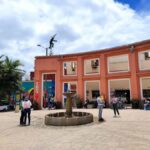
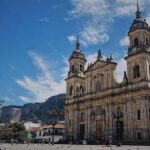
Your first major stop is Plaza de Bolívar de Bogotá, where you’ll understand how the city began and see the most important buildings tied to Colombia’s political life.
Why this stop is worth your attention: it’s not just history. It’s geography. Plaza de Bolívar acts like a hub in your mental map of Bogotá. Once you grasp what’s around it, the later stops make more sense—especially when the tour shifts from colonial legacies into independence and 20th-century upheaval.
If you’re taking photos, this is your early chance to do it properly. Your legs will still feel fresh, and you’ll want wide-angle shots of the square and surrounding architecture before you start moving deeper into the pedestrian-friendly lanes.
Teatro Colón: a classic landmark with Bolívar’s connection
Next up is Teatro Colón Bogotá. You’ll get to contemplate one of Colombia’s wonders, and the tour includes context about where Simón Bolívar lived.
This is the kind of stop that often gets treated like a quick photo moment. Here, it’s used to connect politics to culture—how leaders, power, and public life shaped where people gathered and what cities invested in.
In practical terms: even if you’re not a theater person, it helps to know this connection. It turns a recognizable building into a living clue about Bogotá’s role in national history.


Museums del Banco de la Republica: Botero’s story starts outside the walls
The tour then heads to the Museos del Banco de la Republica area. From outside, you’ll learn about the cultural block of La Candelaria and why it matters. You’ll also hear about the life of artist Botero.
A quick note on expectations: this stop is described as an outside/approach stop, so you’re not spending your time as a ticket-holder inside a museum. Instead, it’s a way to orient you. You’ll leave with a sense of why this neighborhood became a cultural center and how Botero’s presence fits into Bogotá’s modern identity.
Why that matters for your trip planning: once you know where the cultural cluster is, you can decide later if you want to return under your own schedule.
Chorro del Quevedo: the foundation square and the chicha question
At Plaza Del Chorro Del Quevedo, you’ll visit a foundation square and learn why it’s important. This stop also brings in a fascinating detail: why the drink of Bogotá, chicha, was prohibited.
This is one of those moments where history feels human. Instead of only dates and leaders, you get a social-food story. Chicha is tied to identity, and the tour uses the prohibition angle to show how culture and authority have clashed in Bogotá over time.
It’s also a great photo and people-watching stop, but you’ll want to keep your eyes open. Foundation areas often have lots of small corners and details, and your guide’s comments help you see what you’d otherwise miss.
Plaza De Mercado La Concordia: market life plus a taste decision
Then you arrive at Plaza De Mercado La Concordia. Inside this market square, you can drink chicha, have a typical Colombian juice, or buy souvenirs.
This is where the tour earns points for realism. You’re not only walking past history—you’re entering a place where culture shows up through food and local commerce. If you want a souvenir, this is the most straightforward spot to do it because it’s built for shopping, not for you hunting down the right stall.
One practical drawback: markets can get busy and lively. If you’re sensitive to noise or crowd flow, keep your phone secure and plan to move with the group, not against it.
Eje Ambiental: Monserrate views and García Márquez’s social scene
At Eje Ambiental, you’ll get a nice view of Monserrate and learn how to get to the hill. You’ll also hear about the square where Gabriel García Márquez used to meet socially.
This stop gives you two useful “take it with you” ideas:
- how to think about Monserrate as a next-day option, not just a distant landmark
- how literary history connects to everyday meeting places
Even if Monserrate isn’t your top priority, the view helps you orient Bogotá vertically. And once you learn the basic way to reach it, you’re more likely to actually do it during your stay.
Jorge Eliécer Gaitán Monument: the Bogotazo explained at human scale
Your next stop is the Jorge Eliécer Gaitán Monument. The focus is who he was and why he mattered, plus what the Bogotazo has to do with Colombia’s violence.
This is a heavier topic than most walking tours handle. The value here is context—why the events weren’t random, and why they affected the country’s trajectory.
I also like that the tour doesn’t isolate the Bogotazo as a standalone tragedy. It ties it to broader patterns of violence, so you leave with a more grounded understanding. That makes later conversations in Bogotá make more sense, because you’re not starting from zero.
Rosario Square: finishing at a market hub with a plan for your next hours
The tour ends at Rosario Square (also called Plazoleta del Rosario). This square is characterized by an emerald market, and the tour includes chatter about the somewhat informal stone market scene there. The final part also includes recommendations for your stay, including which restaurants to visit.
Why the ending spot matters: you leave with a nearby place to keep exploring while you still have the tour’s context in your head. Ending at a market hub is smart because it’s easy to continue—food, browsing, and low-stress wandering right after the last walking blocks.
If you want to stretch the day, this is a good moment to do it: ask your guide for restaurant ideas and any follow-up suggestions while you still remember the story thread you just learned.
What you’ll notice during the walk (and what to bring)
A few practical details help you enjoy this tour more:
- You’ll be mostly outdoors, moving plaza to plaza for around 3 hours
- The pace is friendly, but it’s still a walking experience
- The tour won’t cancel for weather, so bring an umbrella
- You’re in central Bogotá, so having a charged phone helps with the meeting point and directions
For comfort: wear shoes you can handle on uneven paving. If you’re prone to cold or rain, a light layer helps too—Bogotá weather can shift even when the day looks fine at first.
Who this tour is best for
This is a strong choice if you:
- want a quick, guided introduction to Bogotá’s history and culture
- like learning through street-level context (plazas, markets, famous buildings)
- want a plan for the next day without overloading on museums
It’s also good for first-timers who feel overwhelmed by city history. You’ll get enough structure to point you toward where to spend more time later.
If you already know Bogotá very well and crave deeper academic detail, you might wish you had a longer specialized tour. But for an affordable start, the blend of politics, art references, and everyday life hits a great sweet spot.
Should you book this Bogotá historical tour?
Yes—if you want a fast, high-value way to get oriented in La Candelaria and understand how Bogotá’s identity formed. The combination of key landmarks, readable cultural connections (Botero, García Márquez), and the inclusion of big national events like the Bogotazo makes this more than a casual walk.
I’d especially book it if your schedule is tight. Three hours is long enough to feel like you learned the city, short enough that you can still enjoy the rest of your day on your own.
FAQ
FAQ
How long is the Bogotá historical tour?
It’s about 3 hours.
Where does the tour start and end?
It starts at Cra. 7 #11-10, La Candelaria, Bogotá, Colombia, and ends at Av Jimenez de Quesada #6-71, La Candelaria, at Rosario Square.
What’s the price per person?
The price is $19.77 per person.
What areas of Bogotá does the tour cover?
You’ll walk through the historic center areas including La Candelaria, La Concordia, and Las Aguas, with stops at major plazas and landmarks along the way.
Are there admission tickets required for the stops?
The tour description lists free admission for the listed stops.
Does the tour run in bad weather?
The tour will not be cancelled due to bad weather, so it’s recommended to bring an umbrella.
Is the tour suitable for people with limited mobility?
The tour recommends moderate physical fitness, since it involves walking through multiple central locations.
What group size should I expect?
The tour has a maximum of 30 travelers.
Is a mobile ticket used?
Yes, the tour includes a mobile ticket.
What is the cancellation policy?
Free cancellation is available. You must cancel at least 24 hours before the start time for a full refund.